
You are here
SWP

Angehörige der Erdbebenopfer lehnen staatliche Hilfe ab
Nach den starken Erdbeben in Venezuela geht die Suche nach Überlebenden in den Trümmern weiter. Viele Bürger wollen nicht, dass staatliche Einrichtungen dabei sind, sagt Politologe Günther Maihold. Zu groß ist das Misstrauen.
Categories: Diplomacy & Defense Think Tank News
Washington’s Volatility and Taipei’s Security
The Trump-Xi summit in May 2026 highlighted a shift in Washington’s posture that introduces deep uncertainty into US-Taiwan relations. While the meeting was no turning-point, it underlined Taipei’s predicament: relying heavily on now questionable American promises. If Washington does reduce its security guarantees, Taiwan could strengthen its strategic alignment with Europe. That would present risks for Europe, but also opportunities.
Categories: Diplomacy & Defense Think Tank News
Die neue Arktisstrategie der EU
Die Arktis spielt bisher nur eine untergeordnete Rolle in den europäischen Bemühungen, digitale Souveränität zu erlangen. Doch für dieses Anliegen bildet die digitale Infrastruktur im Hohen Norden einen zentralen Baustein. Die Arktisstrategie der EU, die in diesem Jahr aktualisiert wird, sollte sich daher nicht auf klassische Sicherheitsaspekte beschränken. Dies gilt zumal vor dem Hintergrund hybrider Bedrohungslagen im Ostseeraum. Von besonderer Bedeutung sind europäische Projekte zum Ausbau arktischer Unterwasserkabel, bei denen es sich um kritische Infrastruktur handelt. Allerdings braucht es für diese Vorhaben eine ambitionierte EU, die sich ihrer Stärke bewusst ist, Innovation und Nachhaltigkeit bei der Entwicklung grüner Technologien zu verwirklichen.
Categories: Diplomacy & Defense Think Tank News
Der Kampf um den Nordpol - Die Arktis, der Klimawandel und die Rivalität der Großmächte
Das "ewige Eis" am Nordpol schmilzt und arktische Räume werden aufgrund der Erwärmung besser und länger zugänglich. Auf dem Land können reiche Bodenschätze abgebaut werden und der Schiffsverkehr im Nordpolarmeer nimmt zu. Die Arktis wird dabei auch immer mehr zum Objekt widerstreitender Interessen und Machtkonflikte. Es ist dünnes Eis, auf dem sich die Großmächte USA, China und Russland bewegen. Seit US-Präsident Trump offen den Erwerb Grönlands anstrebt, steigen auch die Spannungen mit Europa.
Categories: Diplomacy & Defense Think Tank News
Südostasien – mehr als ein Nebenschauplatz im Indo-Pazifik
Die Reise des Bundespräsidenten, die ihn Mitte Juni 2026 unter anderem nach Indonesien und auf die Philippinen führte, hat einmal mehr das wachsende Bewusstsein der deutschen Außenpolitik für die Bedeutung Südostasiens signalisiert. Geht es um Deutschlands Verhältnis zum Indo-Pazifik, erfahren bislang aber Nordostasien und Indien größere Aufmerksamkeit. Die Beziehungen zu Südostasien bleiben vergleichsweise schwach ausgeprägt und von ökonomischen Interessen geleitet. Vorrangiges Ziel ist dabei, Abhängigkeiten von China zu korrigieren. Über ihr Wirtschaftspotential hinaus hat die Region aber eigenständiges strategisches Gewicht: als Schauplatz der Großmächte-Rivalität, Knotenpunkt globaler Lieferketten und lauter werdende Stimme in multilateralen Foren. Um seine Interessen an Stabilität und einer regelbasierten internationalen Ordnung im Indo-Pazifik langfristig zu stärken, muss Deutschland seine Kooperation mit Südostasien vertiefen – zumal viele Akteure um Einfluss dort konkurrieren.
Categories: Diplomacy & Defense Think Tank News
Äthiopien und das Meer
Seit Jahren fordert Addis Abeba einen eigenen Meereszugang. Dabei richtet sich der Fokus auf Eritrea, doch die bilateralen Beziehungen sind schwer belastet. Für einen Kompromiss am Horn von Afrika fehlt derzeit das notwendige Vertrauen.
Categories: Diplomacy & Defense Think Tank News
Iran-Krieg: Angriffe, um eigene Ziele in den Verhandlungen durchzusetzen
Categories: Diplomacy & Defense Think Tank News
Deutschland auf dem Weg zu Hyperschallwaffen
Deutschland und Großbritannien wollen Hyperschallwaffen entwickeln. Der Fähigkeitsaufbau markiert einen sicherheitspolitischen Kurswechsel und wirft Fragen auf.
Categories: Diplomacy & Defense Think Tank News
Schweden: In der neuen Arktis-Strategie dreht sich alles um nationale Sicherheit
Stockholms Sicht auf die Arktis hat sich zuletzt verändert. In dem neuen Strategiepapier legt die Regierung in Stockholm auch fest, wie sie in Zusammenarbeit mit EU und nicht-europäischen Staaten für Sicherheit sorgen will.
Categories: Diplomacy & Defense Think Tank News
Die »russische Schattenflotte«: Kriegsfinanzierung und Bedrohung maritimer Sicherheit
Die so bezeichnete russische Schattenflotte ist seit 2022 zum zentralen Instrument der Sanktionsumgehung im russischen Ölexport und damit der Kriegsfinanzierung des Landes geworden. Zunehmend werden jedoch entsprechende Schiffe mit Sabotage- und Spionageakten in Verbindung gebracht. Besonders Schäden an maritimer kritischer Infrastruktur stehen im Fokus. Dieser Beitrag betrachtet die Entwicklung der Schattenflotte, über ihre ökonomische Bedeutung hin zu Gefahren maritimer Sicherheit.
Categories: Diplomacy & Defense Think Tank News
Starmers Rücktritt und die Folgen für Europa: »Russland frohlockt schon öffentlich und behauptet, dass Merz der Nächste sei«
Starmer scheitert, Macron lahmt, Merz kämpft: Europas Schwergewichte straucheln innenpolitisch – und werden zwischen Washington und Moskau zerrieben. Was das für die Ukraine bedeutet.
Categories: Diplomacy & Defense Think Tank News
Starmer-Rücktritt für Deutschland ein Verlust
Der britische Regierungschef Keir Starmer tritt zurück. In seiner Amtszeit war Großbritannien ein enger Partner der Europäer. Politikwissenschaftler Raphael Bossong sieht seinen Rücktritt als Verlust auch für Deutschland.
Categories: Diplomacy & Defense Think Tank News
From Awkward Ex to Security Partner: Germany and Britain 10 years after Brexit
Categories: Diplomacy & Defense Think Tank News
Rücktritt von Keir Starmer: »Regierungskrise schafft zusätzliche Unruhe«
Categories: Diplomacy & Defense Think Tank News
An unwanted equilibrium: The EU-UK relations ten years after the Brexit referendum
Categories: Diplomacy & Defense Think Tank News
Ten years after the Brexit referendum: One crisis among many
Categories: Diplomacy & Defense Think Tank News
Politologe: USA und Israel haben keine gemeinsamen Ziele mehr
Trotz Rahmenabkommen für einen Frieden zwischen den USA und dem Iran kämpfen Israel und die Hisbollah weiter. Peter Lintl von der Stiftung Wissenschaft und Politik sieht Israel in einer sehr schwierigen Situation.
Categories: Diplomacy & Defense Think Tank News
Pages


© 2012-2018 Europa Varietas Foundation © 2015-2018 Europa Varietas Association
www.europavarietas.org | info(@)europavarietas(dot)org | Switzerland
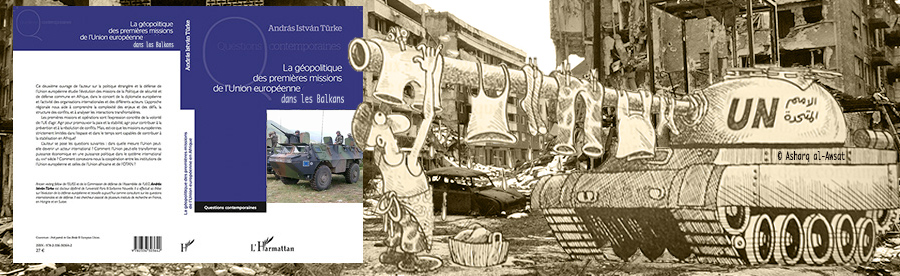
We are looking for sponsors for the English translation of these books, please contact turkeandras(at)gmail(dot)com