
You are here
Feed aggregator
Bericht zur Treibhausgasbilanz: Zeitraumbetrachtung 2022-2023
Am IDOS setzen wir uns für eine nachhaltige Entwicklung unseres Unternehmens ein – ökologisch, sozial und ökonomisch – und tragen durch Forschung, Beratung und Ausbildung zu nachhaltigen Transformationen weltweit bei. Dabei verstehen wir Nachhaltigkeit nicht als einmaliges Ziel, sondern als einen fortlaufenden Prozess, den wir mit Verantwortung und Weitblick gestalten wollen. Nachhaltiges Handeln im betrieblichen Alltag ist für uns eine Selbstverpflichtung, die wir mit Überzeugung und Kontinuität verfolgen. Unser Anspruch ist es, heute so zu handeln, dass auch morgen noch gute Arbeitsbedingungen und ein verantwortungsvoller Umgang mit natürlichen Ressourcen möglich sind. Mit dem vorliegenden Bericht legen wir erstmals eine Bilanz unserer Treibhausgasemissionen für den Zeitraum 2022 bis 2023 vor.
Categories: Diplomacy & Defense Think Tank News, Swiss News
From COP28 to Belém – Climate Security is Health Security
A Community Health Worker in a door-to-door campaign to vaccinate people in communities in Nanyamba village, Mtwara Region, in southeastern Tanzania. Credit: Kizito Makoye/IPS
By Desta Lakew and Richard Muyungi
BELÉM, Brazil, Nov 20 2025 (IPS)
Around the world, the climate crisis is fast becoming the biggest public-health threat of the century. Extreme heat now kills more Europeans than any other natural disaster. Floods in Asia displace millions and contaminate water supplies. Mosquito-borne diseases once confined to the tropics are appearing in southern Europe and the United States.
Nowhere, however, are these impacts more visible—or the responses more instructive—than in Africa, which stands at a pivotal moment in the global climate discourse. Home to 17 percent of the world’s people yet responsible for less than four percent of global emissions, the continent is on the frontline of a crisis it did little to cause.
From the Horn of Africa to the Sahel, droughts, floods, and heatwaves are fueling outbreaks of malaria, cholera, and dengue, while undermining already fragile health systems. The climate crisis is no longer a distant environmental threat; it is a daily public health emergency.
Desta Lakew, Amref Health Africa Group Director for Partnerships & External Affairs
While the Paris Agreement implicitly recognized the importance of health in climate action, it was COP28 in Dubai that marked a watershed moment. For the first time, the world finally began to acknowledge what communities across Africa have long known: climate policy is health policy.
The UAE Declaration on Climate and Health, endorsed by more than 120 countries, acknowledged that every degree of warming worsens public health outcomes and that protecting health systems is essential to climate resilience. Africa’s negotiators were central to that breakthrough—pushing health from the margins to the main stage of climate diplomacy.
Their advocacy has paved the way for the next critical milestone: the Belém Health Action Plan, being launched at COP30 in Brazil. The plan’s pillars—disease surveillance, early-warning systems, climate-smart health infrastructure, and health equity—mirror the priorities laid out in the Common African Position on Climate and Health adopted in Lilongwe and reaffirmed in the Africa Group of Negotiators’ (AGN) Declaration, which came out of the Africa Climate Summit in Addis Ababa.
The AGN was decisive in appointing a climate and health lead coordinator to ensure that health is a key thematic stream within the group, and it is now a key component of their work. The message from Africa is clear: protecting people’s health is the clearest measure of whether climate action succeeds.
Yet the global financing system has not caught up. Less than one percent of adaptation finance targets health, even as climate-sensitive diseases multiply. Despite new pledges at COP28—$300 million from the Global Fund and $100 million from the Rockefeller Foundation—the gap is measured in the hundreds of billions. Africa alone will need roughly $300 billion annually by 2030 to build resilient systems and respond to climate-related loss and damage.
Dr. Richard Muyungi, African Group of Negotiators on Climate Change (AGN) Chair
Philanthropy is waking up—the recently formed Climate and Health Funders Coalition brings together 35 institutional and individual funders and they have just committed an initial $300 million at COP30, but structural challenges remain.
Most existing climate funds remain locked behind complex applications or arrive as loans that deepen debt in economies already under strain. That approach is not solidarity—it is self-defeat. Pandemics, heat-related mortality, and vector-borne diseases do not respect borders. A health emergency anywhere can quickly become a threat everywhere.
COP30 offers the chance to change course. The Belém Health Action Plan must not become another well-intentioned declaration—it needs financing hardwired to outcomes that save lives: clinics able to function through heatwaves and floods, vaccine cold chains powered by clean energy, and community health workers trained to respond to shifting disease patterns.
To make that happen, global donors, multilateral banks, and high-emitting nations should agree on three urgent steps. First, earmark a defined share of climate finance for health adaptation—not as an afterthought but as a performance metric in every climate-finance report; second, shift from loans to grants for health-related climate resilience to prevent compounding debt crises; third, invest in African-led solutions that the rest of the world can adopt or learn from—from Kenya’s heat-health action plans in Nairobi to Tanzania’s clean cooking agenda.
Africa’s experiences offer valuable lessons for the world. The ingenuity that kept health services running through droughts and pandemics is precisely what other countries will need as wildfires, vector migration, and heat emergencies escalate globally. The world should be studying and scaling these innovations—not waiting for crises to reach their own doorsteps.
Ultimately, if the climate crisis has taught us anything, it is that health security is climate security. What happens in Nairobi or Niamey reverberates in New York and New Delhi. COP30 must deliver ambitious and just outcomes that strengthen adaptation and protect the most vulnerable. We will consider COP30 a failure if it does not deliver an ambitious adaptation decision that resonates with Africa’s climate change impacts and realities.
Leaving Belém with promises alone would be a failure of vision and of justice. Leaving with funded commitments would signal a turning point: proof that the world finally understands that safeguarding health is not a regional concern—it is the foundation of collective resilience and of our shared future.
Desta Lakew is Amref Health Africa Group Director for Partnerships & External Affairs; Dr. Richard Muyungi is African Group of Negotiators on Climate Change (AGN) Chair
IPS UN Bureau
Follow @IPSNewsUNBureau
!function(d,s,id){var js,fjs=d.getElementsByTagName(s)[0],p=/^http:/.test(d.location)?'http':'https';if(!d.getElementById(id)){js=d.createElement(s);js.id=id;js.src=p+'://platform.twitter.com/widgets.js';fjs.parentNode.insertBefore(js,fjs);}}(document, 'script', 'twitter-wjs');
Excerpt:
Less than one percent of adaptation finance targets health, even as climate-sensitive diseases multiply. Africa alone will need roughly $300 billion annually by 2030 to build resilient systems and respond to climate-related loss and damage.
Categories: Africa, European Union
146/2025 : 20 novembre 2025 - Conclusions de l'avocat général dans l'affaire C-522/24
Ministero della difesa (Obligation vaccinale des militaires)
Avocate générale Ćapeta : la législation européenne en matière de lutte contre la discrimination ne s’oppose pas à l’introduction par un État membre d’une obligation vaccinale pour les militaires, même si cela va à l’encontre de leurs convictions personnelles
Avocate générale Ćapeta : la législation européenne en matière de lutte contre la discrimination ne s’oppose pas à l’introduction par un État membre d’une obligation vaccinale pour les militaires, même si cela va à l’encontre de leurs convictions personnelles
Categories: Swiss News, Union européenne
146/2025 : 20 November 2025 - Opinion of the Advocate General in the case C-522/24
Ministero della difes
Advocate General Ćapeta: EU anti-discrimination legislation does not prevent a Member State from introducing compulsory vaccination for members of the military, even if is contrary to their personal views
Advocate General Ćapeta: EU anti-discrimination legislation does not prevent a Member State from introducing compulsory vaccination for members of the military, even if is contrary to their personal views
146/2025 : 2025. november 20. - A Főtanácsnoknak a C-522/24 ügyben előterjesztett indítványa
Ministero della difesa
Ćapeta főtanácsnok: a hátrányos megkülönböztetés elleni uniós szabályozás nem tiltja, hogy a tagállam a katonákra vonatkozó oltási kötelezettséget vezessen be, még ha ez a személyes véleményükkel ellentétes is
Ćapeta főtanácsnok: a hátrányos megkülönböztetés elleni uniós szabályozás nem tiltja, hogy a tagállam a katonákra vonatkozó oltási kötelezettséget vezessen be, még ha ez a személyes véleményükkel ellentétes is
Categories: Afrique, Európai Unió : hírek magyarul
Hakimi et Chebbak élus joueurs africains de l'année
Achraf Hakimi et Ghizlane Chebbak offrent un double succès au Maroc en étant nommés respectivement footballeur africain et footballeuse africaine de l'année 2025.
Categories: Afrique, Biztonságpolitika
Hakimi et Chebbak élus joueurs africains de l'année
Achraf Hakimi et Ghizlane Chebbak offrent un double succès au Maroc en étant nommés respectivement footballeur africain et footballeuse africaine de l'année 2025.
Categories: Afrique, Határon túli magyar portálok összesített hírei
145/2025 : 20 novembre 2025 - Arrêt de la Cour de justice dans l'affaire C-57/23
Policejní prezidium (Conservation de données biométriques et génétiques)
Principes du droit communautaire
Les services de police d’un État membre peuvent décider, sur la base de règles internes, s’il est nécessaire de conserver les données biométriques et génétiques d’une personne poursuivie pénalement ou soupçonnée d’avoir commis une infraction pénale
Principes du droit communautaire
Les services de police d’un État membre peuvent décider, sur la base de règles internes, s’il est nécessaire de conserver les données biométriques et génétiques d’une personne poursuivie pénalement ou soupçonnée d’avoir commis une infraction pénale
Categories: Swiss News, Union européenne
145/2025 : 20 November 2025 - Judgment of the Court of Justice in Case C-57/23
Policejní prezidium
Principles of Community law
The police of a Member State may decide, on the basis of internal rules, whether it is necessary to store the biometric and genetic data of a person accused or suspected of a criminal offence
Principles of Community law
The police of a Member State may decide, on the basis of internal rules, whether it is necessary to store the biometric and genetic data of a person accused or suspected of a criminal offence
145/2025 : 2025. november 20. - a Bíróság C-57/23. sz. ügyben hozott ítélete
Policejní prezidium
Közösségi jogi elvek
A tagállami rendőrség belső szabályok alapján is dönthet arról, hogy szükséges-e a büntetőeljárás alá vont vagy bűncselekmény elkövetésével gyanúsított személy biometrikus és genetikai adatainak tárolása
Közösségi jogi elvek
A tagállami rendőrség belső szabályok alapján is dönthet arról, hogy szükséges-e a büntetőeljárás alá vont vagy bűncselekmény elkövetésével gyanúsított személy biometrikus és genetikai adatainak tárolása
Categories: Afrique, Európai Unió : hírek magyarul
A trágyaszórókkal kapcsolatos fontos döntések: a lánc kiválasztása
A mezőgazdaságban a trágyaszórók nélkülözhetetlen szerepet töltenek be. Ezek a gépek biztosítják, hogy a föld megkapja a szükséges tápanyagokat, ami jelentősen hozzájárul a terméshozamok növeléséhez.
Ezeknek az eszközöknek a működésének zavartalansága azonban számos összetevőtől függ, amelyek közül az egyik legfontosabb a megfelelő nagy teherbírású lánc kiválasztása. Egy gondos gazda jól tudja, hogy minőségi alkatrészek használata elengedhetetlen, de vajon hogyan dönthetünk helyesen e tekintetben?
Miért fontos a jó minőségű lánc választása?
A trágyaszórók akkor kapnak legnagyobb terhelést, amikor a tápanyagpótlás éppen aktuális. Ezek az eszközök gyakran nedves, darabos anyagokat mozgatnak meg, ami jelentős kihívást jelent.
Ha a lánc hibás, az akár egy egész munkanapra leállíthatja a rendszert, kárt okozva ezzel éppúgy az időbeosztásban, mint a terméshozamban. Egy megnyúlt lánc vagy egy elhasználódott szem gyakori probléma, amit könnyen elkerülhetnénk a rendszeres ellenőrzéssel és cserével.
Mikor jön el a váltás ideje?
Egyértelmű jelek utalhatnak arra, hogy a lánccserére szükség van. Az első figyelmeztető jel, hogy a lánc megnyúlik, és már nem feszíthető ki megfelelően. Ha a láncszemeken deformáció vagy repedés észlelhető, az is sürgős beavatkozást igényelhet.
Az is problémára utalhat, ha a lánc gyakran leugrik, vagy a mozgása akadozik. Gondolt-e már arra, hogy mennyi fáradtságtól és kellemetlenségtől kímélheti meg magát a precíz, időben végrehajtott alkatrészcsere?
Hogyan válasszunk megfelelő láncot?
A mezőgazdasági gépek láncainak kiválasztásakor a teherbírás és a pontos illeszkedés kulcsfontosságú. Alapvető, hogy a gyári ajánlásoknak megfelelő méretű és kivitelű láncot használjon, ugyanis ez biztosítja az eszköz optimális működését.
A hosszú élettartam elérésének titka pedig a bevizsgált, megerősített acélból készült láncok alkalmazása, amelyek ellenállnak a mindennapos nagy terhelésnek.
A cégek, mint a Gardamax, gyakran bővülő kínálattal rendelkeznek a mezőgazdasági gépalkatrészek terén, így javasolt időről-időre tájékozódni az újításokról és a piacon elérhető megoldásokról. Ők is elkötelezettek amellett, hogy ügyfeleik számára megbízható és ellenálló alkatrészeket kínáljanak.
Felkészülés a szezonra
A trágyaszóró gépek szezonális csúcsüzemben működnek, ami nagyobb elhasználódást is eredményez. Éppen emiatt javasolt az alapos átvizsgálás a szezon előtt, különös tekintettel a szállítórendszer elemeire.
Tanácsos előre beszerezni a szükséges alkatrészeket, hogy a hirtelen bekövetkező hibák ne állíthassák meg a munkát. Ez nemcsak hatékonyságot eredményez, hanem anyagi megtakarítást is, hiszen a javítási költségek csökkennek.
Nyugodt munka, eredményesség
Az időben észlelt problémák és a megfelelő alkatrészek használata nem csupán a munkavégzést segítik, hanem hosszú távon kifizetődőek is. A rendszeres karbantartás és a megbízható pótalkatrészek beszerzése révén megelőzhetőek a váratlan szezonális kiesések.
Mert a munkánk alapja az eszközeink megbízhatósága és a gondosság, amellyel kezeljük azokat. Ön elégedett a jelenlegi alkatrészeivel? Ha vannak kétségei, mindig érdemes előre gondolkodnia a megoldásokat illetően.
The post A trágyaszórókkal kapcsolatos fontos döntések: a lánc kiválasztása appeared first on Biztonságpiac.
Categories: Biztonságpolitika, Europäische Union
A hatékony szellőztetés szerepe mindennapi életünkben
Gondolta volna, mennyire fontos a megfelelő szellőzés a belső terek komfortérzetének és higiéniai szintjének fenntartásához? Akár otthon, akár irodában tartózkodik, lényeges, hogy friss és tiszta levegő jusson a helyiségekbe.
Kutatások kimutatták, hogy a rossz beltéri levegőminőség negatív hatásokkal járhat az egészségre, például fejfájást vagy koncentrációs nehézségeket idézhet elő. Éppen ezért jelentősek azok a megoldások, amelyek hozzájárulnak a levegő hatékony cseréjéhez. Ebben a ventilátorok nagy segítséget jelentenek.
Sokoldalú ventilátorok alkalmazása
Mi tesz egy ventilátort hatékonnyá? A hatékony levegőcseréhez a megfelelő eszköz teljesítményének és energiafogyasztásának összhangja elengedhetetlen. A ventilátorok.hu-nál kapható szellőzők esetében fontos szempont az, hogy különféle építészeti körülmények között is elérhetők legyenek, például ablak- vagy falnyílásokhoz illeszkedve. A rugalmasság különösen akkor előnyös, ha építkezik vagy felújít, mivel a tervezési szempontoknak megfelelő megoldásokat kell találni.
Hogy válassza ki az ideális ventilátort?
A ventilátor kiválasztásakor nem elegendő csupán az esztétikai megjelenésre összpontosítani. A különböző méretek és kapacitások biztosítják, hogy az eltérő igényekhez és helyiségekhez igazodó eszközök közül választhasson. A Cata LHV sorozat jó példa erre, amely a légszállítási képességük mellett csendes működésükkel is kiemelkedik. Az ezeken a modelleken elérhető méretek, mint a 160, 190, 225 és 300 mm-es átmérők, azt eredményezik, hogy mindenki megtalálhatja az adott helyiséghez legmegfelelőbb készüléket. Felmerülhet a kérdés, hogy ezek mennyire egyszerűen használhatók? A legtöbb ilyen ventilátor könnyedén működtethető egy egyszerű kapcsolóval, ami további kényelmet biztosít.
Energiatakarékosság és hangtalan működés
Egy gyakran felmerülő probléma a ventilátorok működésével járó zajszint. Az alacsony zajkibocsátású típusok, mint például az LHV sorozat, ideális választások csendes környezetekbe, például irodai munkára vagy alváshoz. Számomra is fontos lehet, hogy a zajmentesség ne zavarja a pihenést vagy munkát. De hogyan lehet egy ventilátort energiatakarékossá tenni? Az időtálló tervezés mellett az optimális energiafelhasználásra összpontosítottak, ami nem csupán a költségeket csökkenti, hanem a környezetre gyakorolt hatást is.
Képzelje csak el, hogy a jó szellőzés miként javíthatja az életminőségét! Sokan tapasztalták már, hogy a friss levegő fokozza a komfortérzetet és csökkenti a fáradtság, illetve levertség kialakulásának esélyét.
Hol található meg mindez a gyakorlatban?
Az ár-érték arányt figyelembe véve, érdemes körülnézni a ventilátorok.hu oldal kínálatában. A weboldal több mint huszonéves tapasztalattal rendelkezik, és a Multikomplex Budapest Kft. által forgalmazott légtechnikai termékek széles skáláját nyújtja. Számos, elismert gyártótól származó modell közül választhat, mint például a CASALS vagy a CATA, amelyek megoldásokat kínálnak minden légtechnikai kihívásra.
A weboldalon elérhető ventilátorok különböző specifikációkkal rendelkeznek, így a legegyedibb igényeket is képesek kielégíteni. Az ott található információk a választásban és a telepítésben is könnyed útmutatást nyújtanak.
Miért válassza a ventilátorokat a mindennapi használatra?
A ventilátorok alkalmazásával biztosítható a friss levegő és a kellemes környezet mind az otthonában, mind az irodában. Elérhetőek olyan modellek, amelyek bármely helyiség igényeihez igazíthatók, így a légcsere hatékony fenntartása könnyedén elérhető. Ezzel javíthatja a közérzetet, segítheti a koncentrációt és az általános jólétet. A levegő megfelelő áramlásának jelentős előnyei vannak az egészség és a hatékonyság szempontjából is, ami hosszú távon is hasznosnak bizonyul.
The post A hatékony szellőztetés szerepe mindennapi életünkben appeared first on Biztonságpiac.
Categories: Biztonságpolitika, European Union
Impasse politique au Kosovo : nouvelles élections le 28 décembre
Le Parlement du Kosovo a rejeté mercredi la formation d'un gouvernement dirigé par Glauk Konjufca (Vetëvendosje), plongeant un peu plus les institutions dans l'impasse née des élections du 9 février. La présidente Vjosa Osmani a dissous jeudi l'Assemblée et convoqué un nouveau scrutin le 28 décembre.
- Le fil de l'Info / Courrier des Balkans, Une - Diaporama, Une - Diaporama - En premier, Kosovo Vetëvendosje, Kosovo, Politique
Categories: Balkans Occidentaux, Swiss News
Impasse politique au Kosovo : nouvelles élections en vue
Le Parlement du Kosovo a rejeté mercredi la formation d'un gouvernement dirigé par Glauk Konjufca (Vetëvendosje), plongeant un peu plus les institutions dans l'impasse née des élections du 9 février. La présidente Vjosa Osmani a dissous jeudi l'Assemblée et convoqué un nouveau scrutin le 28 décembre.
- Le fil de l'Info / Courrier des Balkans, Une - Diaporama, Une - Diaporama - En premier, Kosovo Vetëvendosje, Kosovo, Politique
Categories: Balkans Occidentaux, European Union
Impasse politique au Kosovo : nouvelles élections en vue
Le Parlement du Kosovo a rejeté mercredi la formation d'un gouvernement dirigé par Glauk Konjufca (Vetëvendosje), plongeant un peu plus les institutions dans l'impasse née des élections du 9 février. Après cet échec, la présidente Vjosa Osmani est tenue de convoquer un nouveau scrutin dans les 40 jours
- Le fil de l'Info / Courrier des Balkans, Une - Diaporama, Kosovo Vetëvendosje, Kosovo, Politique
Categories: Balkans Occidentaux, European Union
A szellőzés és a légtechnikai rendszerek fontossága
Gondolta már, hogy otthonának komfortját nemcsak a berendezések vagy a térkihasználás befolyásolja, hanem a beltéri levegő minősége is? Egy jól kialakított szellőztetőrendszer elengedhetetlen az egészség, valamint az épület megóvása érdekében.
Helyes telepítéssel a szellőzőrendszerek hatékonyan eltávolítják a felgyülemlett nedvességet és szennyeződéseket, ami a penészesedés elkerülésében lehet meghatározó. Önnek mennyire fontos, hogy otthona mindig friss és tiszta levegővel várja haza?
Miért válasszunk minőségi légtechnikai rendszert?
A megfelelő légcseréhez kiváló minőségű légtechnikai elemek, így csövek és idomok alkalmazása is szükséges. Az eszközök hatékonysága nem pusztán az eszköz minőségén múlik, hanem a csőrendszer precíz kivitelezésén is. Sima belső felületű, merev műanyag csövek példának okáért képesek csökkenteni az áramlási zajt és ellenállást, ezáltal csendesebb és hatékonyabb működést garantálnak.
Sokan már tapasztalták, hogy a flexibilis csövek igazán ott hasznosak, ahol kevés hely áll rendelkezésre vagy bonyolultabb, kanyarokkal teli nyomvonalat szükséges kialakítani. Érdemes figyelnie azonban, hogy a túlzott hosszúságú vagy sok kanyarral rendelkező csőrendszerek növelhetik az áramlási veszteségeket, így végső soron a szellőztetés hatékonysága csökkenhet.
A rendszeres karbantartás jelentősége
Annak érdekében, hogy szellőztetőrendszere hosszú távon hatékonyan működjön, nem elegendő a megfelelő tervezés és kivitelezés. Fontos a rendszeres karbantartás, hiszen idővel a csövek belsejében por és más szennyeződések halmozódhatnak fel. Gondolja csak el, milyen kellemetlen, amikor a légáramlás akadályozottá válik, és otthonában felgyülemlenek a kellemetlen szagok. Javasolt, hogy legalább évente egyszer szakemberrel vizsgáltassa át a rendszert, ezzel megelőzve a nagyobb problémák kialakulását.
A piacon elérhető légtechnikai termékek nagy része hő- és tűzálló tulajdonságokkal rendelkezik. Továbbá, a modern termékek többsége öregedésgátló anyagokból készül, ami biztosítja, hogy a csőrendszer tartós és megbízható maradjon.
A Multikomplex Budapest Kft.: megfelelő légtechnikai partner
A Multikomplex Budapest Kft. 1995 óta kínál megoldásokat azoknak, akik háztartási és ipari szellőztetőrendszerek kiépítését tervezik. Több mint ezerféle páraelszívóból és mosogatótálcából álló kínálatuk célja, hogy minden egyéni igényt kielégítsenek. Emellett professzionális szaktanácsadással is segítik az ügyfeleiket a legmegfelelőbb páraelszívó kiválasztásában és telepítésében. Csak gondolja végig, milyen előnyökkel járhat, ha megbízható partner biztosítja a megfelelő szellőztetési hátteret otthonában vagy irodájában.
Egy jól megtervezett légtechnikai rendszer nemcsak friss levegőt biztosít, hanem hozzájárul az épület hosszú távú fenntartásához is. Ha Ön is azt szeretné, hogy otthona mindig kellemes és egészséges legyen, fontolja meg a szellőztetőrendszerek korszerűsítését, és vegye igénybe a szakértők tanácsait!
The post A szellőzés és a légtechnikai rendszerek fontossága appeared first on Biztonságpiac.
Categories: Biztonságpolitika, European Union
Természetes megoldások a gyermekek nyugodt alvásához
Szülőként alvás közben is óvnunk kell gyermekeinket. Azonban, ha a kicsik nem alszanak jól, az egész család érzi ennek hatását. Az alvásminőség romlása fáradtsághoz, rosszkedvhez és egészségi problémákhoz vezethet. De mit tehetünk ezek ellen gyógyszerek nélkül?
Az alvási nehézségek hatásai
Számos szülő tapasztalta már az alváshiány következményeit. Kimerültség, stressz – ezek megszokottá válnak, ha a gyermek nem pihen rendesen. Gyerekeknél a kialvatlanság koncentrációs problémákat okozhat, ami befolyásolja iskolai teljesítményüket és baráti kapcsolataikat. Sokan úgy érzik, hogy az álmatlan éjszakák sosem érnek véget, de szerencsére természetes módszerekkel javíthatunk a helyzeten.
Gondoltál már arra, hogy a nyugodt alvás kulcsa egyszerű eszközökben rejlik? Például az AludniSzeretek webáruházban kapható súlyozott takaró kutatások szerint is segíthet a gyerekkori alvási gondokon. Hatása hasonló a mélynyomásos terápia nyugtató érzéséhez, ami kisimítja az idegrendszert és mélyebb alvást eredményez.
Hatékony eszközök és módszerek a jobb alvásért
Ezen kívül a fehér zaj készülékek is nagy segítséget jelenthetnek. Egységes hangzásukkal csillapítják a környezeti zajokat, így hozzájárulnak az alvás nyugalmához. Kiváló kiegészítők lehetnek a kisgyerekes családok számára, a zavaró éjszakai zörejeket is képesek elfedni.
A légáteresztő, memóriahabos párnák szintén elősegítik a nyugodtabb éjszakákat. Ezek a párnák támogatják a gyermek megfelelő testhelyzetének fenntartását, ezáltal csökken a nyak és gerinc terhelése. Ez a kényelem gyakran elegendő ahhoz, hogy a gyermek pihentető alvást élvezhessen.
Természetes támogatás az alvásminőség javítására
Légúti problémák esetén egy speciális gyerekek számára tervezett reflux párna nyújthat megoldást. Segítségével csökkenhetnek a savas reflux tünetei, ami zavaró tényező lehet az alvás során. Az emelt fejtartás javítja a légzést, ami végső soron hozzájárul az alvás javulásához.
Az illóolajok alkalmazásának szintén komoly hagyománya van az alvás elősegítésében. Az aroma diffúzorok, például a Koala diffúzor, szétoszlatják a nyugtató aromákat, így könnyebben teremthetünk relaxáló légkört, ami segíti az elalvást és a mély alvást.
Az alvásfigyelő készülékek lehetőséget adnak, hogy nyomon követhessük gyermekünk alvási paramétereit, mint például a véroxigénszint és pulzus. Ez nemcsak a pihenéshez biztosít alapot, hanem az aggódó szülők számára is megnyugtatást jelent.
Az AludniSzeretek webáruház célja, hogy ezek a természetes segédeszközök minden érintett család számára elérhetővé váljanak. Elkötelezettek amellett, hogy természetes és biztonságos termékekkel támogassák a gyermekek pihenését. Ezen felül egy folyamatosan bővülő blogot tartanak fenn, amely a különböző alvásproblémák kezelésével foglalkozik.
A családi harmónia egyik alapja a megfelelő minőségű alvás. Természetesen minden gyermek más, így fontos, hogy türelmesen próbálgassuk a különböző megoldásokat. Próbáltál már valamilyen természetes módszert? Lehet, hogy a következő éjszaka már sokkal nyugodtabb lesz!
The post Természetes megoldások a gyermekek nyugodt alvásához appeared first on Biztonságpiac.
Categories: Biztonságpolitika, European Union
FIREPOWER: Russia’s shadow fleet under renewed EU and NATO scrutiny
Plus no breakthrough on SAFE for Canada & the UK, today's Foreign Affairs Council agenda, and the Transformation Roadmap
Categories: European Union, Union européenne
HARVEST: Mercosur skein
In today's edition: Pesticides, lab meat, deforestation
Categories: European Union, Union européenne
3D szkennerek és nyomtatók: amikor a kreativitás találkozik a technológiával
A modern ipar egyre inkább támaszkodik a korszerű technológiákra, amelyek lehetőséget adnak a mérnökök kreativitásának kibontakoztatására.
De hogyan segítik mindezt a 3D szkennerek és nyomtatók? Merüljünk el a részletekben, ahol az ötletek valóra válnak!
A 3D szkennelés jelentősége
A VARINEX 3D szkennere egy lenyűgöző eszköz, amely lehetővé teszi, hogy bármilyen fizikai tárgyat digitális formába alakítsunk. E technológia révén bármely objektum részletei valósághűen rögzíthetők, legyen szó akár apró fogaskerékről vagy egy művészeti alkotásról. A szkennelés pontossága különösen hasznos lehet az ipari szektor számára, ahol a formatervezés és a gyártás precizitása alapvető követelmény.
Gondolt már arra, hogy egyetlen ötlet hogyan alakulhat át kézzelfogható formává? Azok a vállalkozások, amelyek bevezetik a 3D szkennerek használatát, egy új világ kapuját nyitják meg, amelyben a kreativitás és a technológia kéz a kézben járnak.
Az ipari 3D nyomtatók szerepe
A 3D nyomtatók az elképzelt terveket valóságos tárgyakká alakítják. Az ipari felhasználás során az ipari 3D nyomtatók képesek olyan komplex struktúrákat létrehozni, amelyek hagyományos módszerekkel nehezen, vagy egyáltalán nem valósíthatók meg. A nyomtatóanyagok spektruma is rendkívül széles, a műanyagtól a fémig, ami számtalan iparág számára biztosít új lehetőségeket.
A VARINEX az innováció élvonalában áll azzal, hogy 3D megoldásokat kínál az ipari partnerei számára, összekapcsolva a legmodernebb technológiát a mérnöki kreativitással. A cég által forgalmazott berendezések pedig nemcsak hatékonyak, de a fejlődő ipar szükségleteire is reagálnak.
Mikor találkoznak az ötletek és a technológia?
Az ötletek akkor válnak igazán értékessé, amikor szabad utat kapnak a megvalósításhoz. A 3D szkennerek és az ipari 3D nyomtatók lehetővé teszik, hogy a tervezési folyamat gyors és precíz legyen, minimalizálva a hibák lehetőségét. Az általuk nyújtott rugalmasság különösen fontos az ipari mérnökök számára, akik innovatív megoldások kidolgozásán dolgoznak.
Ahogy egyre több vállalat fordít figyelmet a digitális tervezésre és gyártásra, nem csupán a gyártási folyamatok újulnak meg, hanem a piaci versenyben való helytállás eszközei is sokkal kifinomultabbak lesznek. Az egyedi tervek gyors megvalósítása hozzájárul az iparágak versenyképességéhez, miközben a fenntarthatóság és a piac igényeinek kielégítése is központba kerül.
The post 3D szkennerek és nyomtatók: amikor a kreativitás találkozik a technológiával appeared first on Biztonságpiac.
Categories: Biztonságpolitika, European Union
Pages
the old site is here


© 2012-2015 Europa Varietas Foundation © 2015-2020 Europa Varietas Association
www.europavarietas.org | info(@)europavarietas(dot)org | Switzerland
This is a GDPR ready site
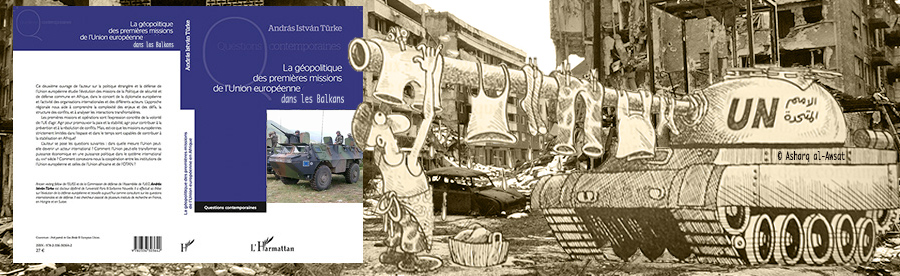
We are looking for sponsors for the English translation of these books, please contact turkeandras(at)gmail(dot)com