
You are here
Feed aggregator
Memory Chips Are Completely Distorting South Korea’s Economy
A booming tech industry is setting the country up for a potentially dramatic fall.
Categories: Diplomacy & Crisis News
Selon les États-Unis, trois suspects soutenus par l'Iran ont planifié des attentats, dont celui de la base aérienne de Fairford
Le ministère américain de la Justice affirme que ces hommes étaient impliqués dans une série de complots, dont un incident majeur près de la base aérienne britannique utilisée par les forces armées américaines.
Categories: Afrique
A New Kind of Foreign Agent
How AI is reshaping influence operations in America.
Categories: Diplomacy & Crisis News
Trump Is Facing a Very Different North Korea
Donald Trump has Pyongyang on his mind. In recent months, the U.S. president has made comments to the media suggesting he is in communication with North Korean leader Kim Jong Un. In an August 17 Truth Social post, for instance, Trump announced that the United States would scale back joint military drills with South Korea. The decision, he wrote, was “based on my very good relationship with Kim Jong Un,” describing the dictator as “unthreatening and respectful.”
Categories: Diplomacy & Crisis News
Emmanuel Macron préside un dernier 11-Novembre marqué par une polémique
À l'occasion du 108e anniversaire de l’Armistice de 1918, le président Emmanuel Macron s'est rendu mercredi sur les Champs-Élysées et à l'Arc de Triomphe pour raviver la flamme du soldat inconnu. Les célébrations du 11-Novembre ont donné lieu cette année à des débats sur les commémorations organisées dans les écoles.
Categories: France
International aid in transitional Syria: traps donors must avoid
The collapse of the Assad regime in December 2024 transformed the operating environment for international aid in Syria. Frontlines disappeared, previously inaccessible areas became accessible and donors began shifting from humanitarian relief towards early recovery, reconstruction and support for refugee return. Yet greater access has not produced a corresponding increase in aid volume. Instead, the transition has coincided with shrinking humanitarian funding, persistent banking constraints, institutional re-centralisation and pressure to redirect resources across the country. The experience of north-west Syria (NWS) offers lessons for navigating this transition. This policy brief connects that experience to national challenges relating to funding, the geographical redistribution of aid and institutional capacity. For more than a decade, the UN- and NGO-led humanitarian response across the Türkiye–Syria border developed localised systems for service delivery, procurement, financial transfers and remote accountability under exceptionally difficult conditions, operating alongside de facto governance structures dominated by Hayat Tahrir al-Sham (HTS) and its Syrian Salvation Government. The rapid integration of this system into a Damascus-centred “Whole of Syria” response risks dismantling capacities that remain essential to effective aid delivery. This policy brief identifies four traps that donors should avoid in Syria:
- A premature transition that combines shrinking humanitarian funding with a rapid shift towards early recovery, reconstruction and support for refugee return before basic needs are met and essential services have improved.
- Sanctions relief on paper without functioning financial channels: removing formal restrictions while the correspondent banking system and the domestic financial system remain unable to transmit aid and investment reliably.
- Zero-sum geographical redistribution: extending aid to newly accessible areas by reducing support to still-vulnerable communities, particularly in NWS.
- Re-centralisation and de-localisation: relocating international operations to Damascus while weakening Syrian non-governmental organisations (NGOs) and subnational institutions and eroding the expertise developed through the cross-border response.
Donors should support humanitarian relief, early recovery and reconstruction simultaneously according to conditions on the ground. Donors and their partners should protect essential humanitarian services; establish functional financial channels; strengthen local and subnational delivery capacity; allocate scarce resources transparently according to need across all governorates; and support the return of refugees and internally displaced people only where independent protection and technical assessments confirm that conditions are suitable for return. The central challenge is to ensure that international engagement strengthens rather than dismantles the institutions and operational capacities on which effective recovery depends.
Fateh Shaban is a Research Fellow in the Geopolitics of the Middle East at the School of Economics, Politics and International Relations, University of Kent, United Kingdom.
Categories: Diplomacy & Defense Think Tank News
Press release - Press briefing on this week’s plenary session
The European Parliament spokesperson will hold a last-minute briefing on the 11 – 12 November plenary session today at 13.30.
Source : © European Union, 2026 - EP
Categories: Union européenne
Press release - Press briefing on this week’s plenary session
The European Parliament spokesperson will hold a last-minute briefing on the 11 – 12 November plenary session today at 13.30.
Source : © European Union, 2026 - EP
Categories: Europäische Union
Press release - Press briefing on this week’s plenary session
The European Parliament spokesperson will hold a last-minute briefing on the 11 – 12 November plenary session today at 13.30.
Source : © European Union, 2026 - EP
Categories: Európai Unió : hírek magyarul
Press release - Press briefing on this week’s plenary session
The European Parliament spokesperson will hold a last-minute briefing on the 11 – 12 November plenary session today at 13.30.
Source : © European Union, 2026 - EP
Categories: European Union
Press release - Press briefing on this week’s plenary session
The European Parliament spokesperson will hold a last-minute briefing on the 11 – 12 November plenary session today at 13.30.
Source : © European Union, 2026 - EP
Categories: European Union
COP31 : Félix Tshisekedi plaide pour un meilleur accès de la RDC aux financements climatiques
Le président de la République, Félix-Antoine Tshisekedi Tshilombo, participe ce mercredi 11 novembre au Sommet des chefs d’État et de gouvernement organisé dans le cadre de la 31ᵉ Conférence des Parties à la Convention-cadre des Nations unies sur les changements climatiques (COP31), qui se tient à Antalya, en Turquie.
Categories: Afrique
DIGITAL 08 H : les numéros gagnants
DIGITAL 08H : Avez-vous tenté votre chance ?
Le tirage DIGITAL 08H N°349 a livré son verdict !
Mercredi 11 Novembre 2026
Avez-vous joué ?
Avez-vous misé sur vos numéros porte-bonheur ?
RÉSULTAT : 36 • 09 • 79 • 35 • 89
Félicitations aux heureux gagnants !
Pas encore gagné ? Gardez le sourire !
Rendez-vous au prochain tirage de 11H pour une nouvelle chance.
Jouez dans nos centres de jeux ou en ligne : Tapez 590# ou lnbloto.bj
Jouez avec modération et responsabilité. Le jeu doit rester un plaisir.
A TOI DE JOUER #Akaxòa
#LNBSA #XòGbɔnAlɔkpaVo #JeuResponsable #LaChanceAvecModération
LA CROIX DU JOUR

Categories: Afrique
Kétes kilátások
Február óta először ültek újból tárgyalóasztalhoz amerikai közvetítéssel az orosz meg az ukrán fél képviselői Abu-Dzabiban. A kétnapos megbeszélésre az európai szereplők is megérkeztek, bár előzetesen ez kétséges volt. Ugyanúgy nem biztos, hogy ez lesz a tárgyalássorozat döntő pillanata. Milyen Fekete-tengeri vonatkozásokra lehet számítani, és a humanitárius kérdéseken kívül a többi tételnél lesz-e előrelépés? Ady […]
Articolul Kétes kilátások apare prima dată în Kolozsvári Rádió Románia.
Categories: Határon túli magyar portálok összesített hírei
Voici ce que révèlent des images satellites sur les bases de missiles iraniennes
Des traces de travaux d'excavation et de nouvelles constructions sont visibles sur les images satellites prises en novembre, selon ces mêmes images.
Categories: Afrique
Nicuşor Dan az AUR-ról, a hitelminősítőkről, Ilie Bolojanról
Nicușor Dan államfő akkor nevez ki új vezetőket a titkosszolgálatok élére, amikor meglesz az ehhez szükséges parlamenti többség – jelentette ki az este tartott sajtájékoztatón. Az államelnök úgy értékelte, hogy Románia biztonságpolitikai együttműködése az Egyesült Államokkal és európai partnereivel egyaránt jelentősen erősödött, ezért Bukarest külpolitikája sikeresnek mondható. Hozzátette, hogy Románia lojális tagja az EU-nak, és […]
Articolul Nicuşor Dan az AUR-ról, a hitelminősítőkről, Ilie Bolojanról apare prima dată în Kolozsvári Rádió Románia.
Categories: Határon túli magyar portálok összesített hírei
Wasserknappheit: DIW Berlin schlägt Auktionen für Vergabe von gewerblichen Wasserentnahmerechten vor
Knappe Grundwasserressourcen könnten durch Auktionen gewerblicher Entnahmerechte ökonomisch effizienter genutzt werden – Statt bisher administrativ und häufig nach „First come, first served“-Prinzip würde Wasser marktbasiert zugeteilt – Wasserentnahmemenge könnte regelmäßig an Wasserknappheit ...
Categories: Diplomacy & Defense Think Tank News
From Jersey to Somalia... via Liverpool & Man City
BBC Sport charts Jarma Mohamed's surprising football journey from Premier League academies to the Somalia national team, via an app and Jersey Bulls.
Categories: Africa
Pages


© 2012-2018 Europa Varietas Foundation © 2015-2018 Europa Varietas Association
www.europavarietas.org | info(@)europavarietas(dot)org | Switzerland
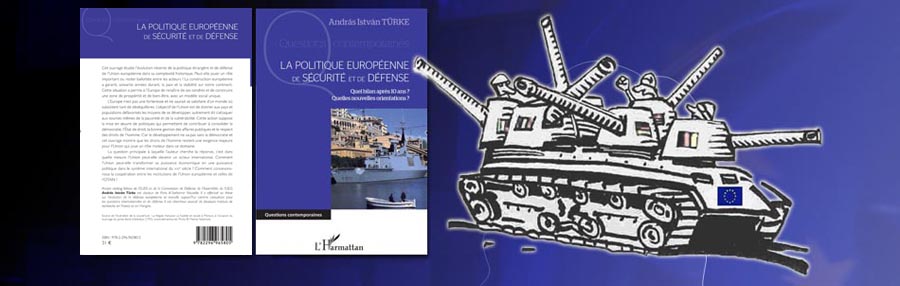
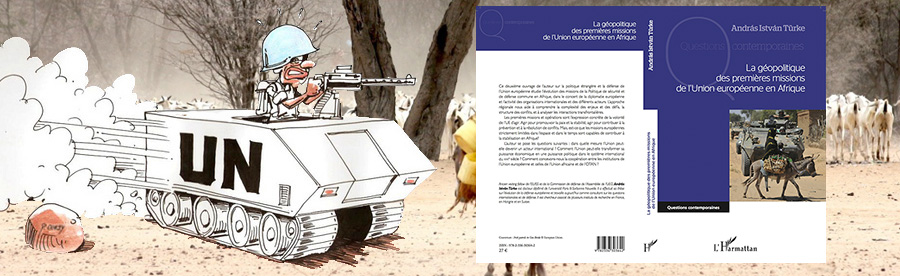
We are looking for sponsors for the English translation of these books, please contact turkeandras(at)gmail(dot)com