
You are here
Feed aggregator
Abschaffung des Eigenmietwerts: Lohnt es sich, jetzt noch schnell zu renovieren?
Das baldige Aus des Eigenmietwerts veranlasst viele Wohneigentümer, ihre Liegenschaft noch rasch zu renovieren. Ist das sinnvoll?
Categories: Africa, Swiss News
CAN 2025 : Salah parviendra-t-il enfin à soulever le trophée alors que le Maroc vise le sacre à domicile ?
Deux des plus grands noms du football africain, Achraf Hakimi et Mohamed Salah, espèrent mener leurs nations à la gloire à la Coupe d'Afrique des nations.
Categories: Afrique, Határon túli magyar portálok összesített hírei
CAN 2025 : Salah parviendra-t-il enfin à soulever le trophée alors que le Maroc vise le sacre à domicile ?
Deux des plus grands noms du football africain, Achraf Hakimi et Mohamed Salah, espèrent mener leurs nations à la gloire à la Coupe d'Afrique des nations.
Categories: Afrique, European Union
Déchéance de la nationalité : les garde-fous exposés par le ministre de la Justice devant l’APN
Le débat autour de la déchéance de la nationalité algérienne et l’amendement du Code a pris, ces derniers jours, une tournure plus frontale à l’Assemblée […]
L’article Déchéance de la nationalité : les garde-fous exposés par le ministre de la Justice devant l’APN est apparu en premier sur .
Categories: Afrique, European Union
«Es gibt Menschen, die dein Leben ruinieren wollen»: Ex-Milan-Star teilt heftig gegen den Klub aus
Der ehemalige Milan-Profi Théo Hernandez kritisiert seinen Ex-Verein scharf. Er zeigt sich enttäuscht über die Art und Weise, wie mit ihm umgegangen wurde, und sagt, dass viele Falschinformationen über ihn verbreitet worden seien.
Categories: European Union, Swiss News
Kurz vor Weihnachten: Ex-Ski-Hoffnung ist erstmals Mutter geworden
Baby-Glück bei einer ehemaligen Skirennfahrerin. Magdalena Fjällström freut sich über die Geburt ihres ersten Kindes.
Categories: European Union, Swiss News
Champagner, Prosecco, Cava: So unterscheiden sich die Schaumweine
Es gibt eigentlich immer einen Grund, die Korken knallen zu lassen: Sei es ein festlicher Anlass oder einfach die pure Lust am Leben. Doch nicht nur im Geschmack unterscheiden sich die einzelnen Schaumweine grundlegend.
Categories: European Union, Swiss News
Zurück zu Verbrenner und Hybrid: Ford zieht Elektro-Pickup F-150 und weiteren Stromern den Stecker
Der US-Autohersteller Ford vollzieht eine Kehrtwende in seiner Strategie. Nach Verlusten von 13 Milliarden Dollar im E-Auto-Segment werden nun die meisten Stromer-Modelle eingestellt.
Categories: European Union, Swiss News
FIRST AID: 2025 in EU health
In today's edition: Weight loss drugs, tobacco, global health
Categories: Defense`s Feeds, European Union
Ils pensaient commettre un simple vol : 2 Algériens écroués après un cambriolage chez François Hollande
La chambre d’instruction de Paris a confirmé le maintien en détention de deux hommes d’origine algérienne impliqués dans le cambriolage du domicile de François Hollande. […]
L’article Ils pensaient commettre un simple vol : 2 Algériens écroués après un cambriolage chez François Hollande est apparu en premier sur .
Categories: Afrique, Europäische Union
Influencer lästern über die Schweiz ab: «Bleibt im Ausland und kommt nie mehr in unser Land zurück!»
Kalt, keine Freundschaften, schlechtes Essen, sozialer Druck: Junge Schweizer Influencer rechnen auf Social Media mit ihrem Heimatland ab. Das kommt bei der Blick-Community nicht nur gut an. Es gibt aber auch Verständnis fürs Auswandern.
Categories: European Union, Swiss News
China targets EU dairy with new duties of up to 42.7%
The final decision on duties will only be made once the probe concludes in February
Categories: Defense`s Feeds, European Union
THE HACK: 2025 wrapped!
In today's edition: Looking back at a year of Trump, simplification and sovereignty
Categories: Defense`s Feeds, European Union
Apple fined €98 million in Italy for breaching competition rules
The Italian competition authorities said that Apple abused its dominant position via its app tracking transparency framework
Categories: Afrique, European Union
Alle Highlights von 2025
Wer erinnert sich noch an die Highlights von 2025? Ans Rote Rathaus, an das animierte Filmchen zum Schweinepreiszyklus von Arthur Hanau, an 10 Jahre „Wir schaffen das“ und 35 Jahre Deutsche Einheit? An tolle Tagungen über Productivity und Economics of Crime, an Begutachtungen und Begutachtungsproben ...
Categories: Diplomacy & Defense Think Tank News, Swiss News
Myanmar’s Sham Election: Trump Legitimises Murderous Military Dictatorship
Credit: Issei Kato/Reuters via Gallo Images
By Inés M. Pousadela
MONTEVIDEO, Uruguay, Dec 22 2025 (IPS)
Myanmar is heading for an election, beginning on 28 December, that’s ostensibly an exercise in democracy – but it has clearly been designed with the aim of conferring more legitimacy on its military junta.
Almost five years after its February 2021 coup, the regime continues to fight pro-democracy forces and ethnic armed organisations, barely controlling a fifth of Myanmar’s territory. The junta has acknowledged that voting won’t be possible in much of the country.
The upcoming election fails every test of democratic legitimacy. The main democratic parties — the National League for Democracy and the Shan Nationalities League for Democracy — are banned. What remains is the Union Solidarity and Development Party, the military’s puppet party, plus minor groups that won no seats in the democratic election held in 2020. Independent media outlets have been crushed, journalists are arrested and intimidated daily and internet access is heavily restricted. In areas that resist military rule, civilians face escalating violence and arbitrary detention.
This election is designed not to reflect the popular will but to entrench military power. It comes as the regime continues its systematic campaign of violence against civilians: weeks before the junta announced the vote, Myanmar’s air force bombed a school in Oe Htein Kwin village, killing two teachers and 22 children, the youngest only seven years old.
The Assistance Association for Political Prisoners has confirmed 6,231 civilians have been killed by the military since the coup, though true figures could be much higher. Nearly half of all civilian deaths are estimated to have been caused by airstrikes. These are not indiscriminate military operations where civilians are collateral damage; they are deliberate attacks where civilians are the targets. The majority of locations of airstrikes have been sites with protected status under international law: camps for displaced people, churches, clinics and schools, often with no presence of armed groups nearby.
The junta has some powerful international allies. China backs it with billions in aid and advanced weapons. Russia supplies the fighter jets that drop bombs on civilians. India quietly sells arms. The three have long provided diplomatic cover and shielded the junta from international accountability. Meanwhile, the Association of Southeast Asian Nations (ASEAN) continues pursuing its failed Five-Point Consensus agreed with the regime in April 2021, despite its systematic violation of every commitment. Regional powers have negotiated exclusively with the junta without input from the National Unity Government — the government in exile formed by democratically elected lawmakers — effectively treating the military regime as Myanmar’s legitimate rulers.
Now recent decisions by the Trump administration threaten to tip the balance decisively in favour of legitimising military rule. Trump has lifted sanctions, cut independent media funding and eliminated the protections formerly afforded to Myanmar’s refugees in the USA. Consistent with his transactional approach, he’s choosing access to rare earth minerals over democracy.
The concern now is that ASEAN member states may follow suit, using the sham election as justification to normalise relations with the military regime. Some have already started moving in this direction, with the junta leader invited to regional meetings.
Myanmar’s pro-democracy forces continue to resist despite the shifting international context. The People’s Defence Forces and ethnic armed groups maintain coordinated operations across most of the country. Civil society continues documenting violations, providing aid to displaced people and advocating for international action. They deserve better than to watch the world legitimise their oppressors.
The junta’s control on the ground remains tenuous, but its diplomatic position is strengthening. Whether this consolidation continues depends on how the world responds to the election. The international community must be clear that treating the election as legitimate would signal to authoritarians everywhere that democratic institutions can be overthrown with impunity, war crimes carry no real consequences and regimes that bomb schools and imprison elected leaders can secure international acceptance.
Inés M. Pousadela is CIVICUS Head of Research and Analysis, co-director and writer for CIVICUS Lens and co-author of the State of Civil Society Report. She is also a Professor of Comparative Politics at Universidad ORT Uruguay.
For interviews or more information, please contact research@civicus.org
Follow @IPSNewsUNBureau
!function(d,s,id){var js,fjs=d.getElementsByTagName(s)[0],p=/^http:/.test(d.location)?'http':'https';if(!d.getElementById(id)){js=d.createElement(s);js.id=id;js.src=p+'://platform.twitter.com/widgets.js';fjs.parentNode.insertBefore(js,fjs);}}(document, 'script', 'twitter-wjs');
Categories: Africa, Határon túli magyar portálok összesített hírei
Trump taps Greenland envoy amid deepening rift with Denmark
The US is leveraging its economic and technological strength to pressure even allies, Danish intelligence said earlier this month
Categories: Afrique, European Union
Roumanie : un influenceur nommé Ceaușescu
Trente-six ans après sa chute le 22 décembre 1989, le dictateur communiste Nicolae Ceaușescu est devenu un véritable phénomène sur TikTok, où pullulent des comptes de trolls et de bots réhabilitant son action. Dans le but évident de promouvoir les vertus des régimes autoritaires...
- Articles / Une - Diaporama, Politique, Roumanie - révolution 1989, Radio Europa Liberă România
Categories: Afrique, Balkans Occidentaux
Escalating Food Insecurity in Asia-Pacific Undermines Health, Economic Growth, and Stability
A young girl looks at signage advertising specials at a food stall near her school in New Delhi, India. India faces high rates of hunger and malnutrition, while the growing availability of ultra-processed foods contributes to rising rates of childhood obesity. Credit: UNICEF/Amit Madheshiya
By Oritro Karim
UNITED NATIONS, Dec 22 2025 (IPS)
2025 marked a notable year of progress in reducing global hunger; yet climate pressures, economic instability, and ongoing conflicts continue to push agri-food systems to their limits, undermining food availability. In a new report, UN agencies raise the alarm on how these factors are particularly pronounced in the Asia-Pacific region, which accounts for 40 percent of the world’s undernourished.
The Food and Agriculture Organization (FAO), the International Fund for Agricultural Development (IFAD), the World Food Programme (WFP), and the World Health Organization (WHO) warn that access to nutritious food is increasingly slipping out of reach for millions across the region, posing serious risks to economic development, public health, and social stability across the region. A new joint report released on December 17 breaks down the state of food security and nutrition in the Asia-Pacific region in 2025, highlighting global progress toward the 2030 Sustainable Development Goals (SDGs).
“In this day and age, no one should lack the food and optimal nutrition they need and deserve. Yet hunger, malnutrition and overweight impact the health and wellbeing of millions of our fellow human beings – including children,” said Dr Saia Ma’u Piukala, the Regional Director of WHO Western Pacific. “We need multilateral solutions to rethink, reshape and reimagine food systems across Asia-Pacific – leaving no one behind.”
While the report notes a significant decline in undernourishment across the region from 2023 to 2024—with roughly 25 million people escaping hunger—it also finds that South Asia continues to lag far behind, experiencing the highest levels of food insecurity in the Asia-Pacific. Nearly 80 percent of South Asia faces moderate to severe levels of food insecurity, with the region also reporting the highest rates of stunted growth among children—at 31.4 percent— and wasting—at 13.6 percent, both exceeding global averages.
Additionally, the Asia–Pacific region faces roughly double the rates of malnutrition compared to the global average. Adult obesity is particularly widespread, adding another layer to the region’s complex nutrition challenges.
Furthermore women and girls are projected to bear the greatest burdens, experiencing the highest levels of food insecurity among all subregions of Asia. Women and girls aged 15 to 49 also face elevated rates of anemia, with an estimated 33.8 percent affected—posing serious risks for both maternal and child health. According to figures from WHO, without urgent intervention, approximately 18 million more women and girls in South Asia could become anemic by 2030, adding to the current figure of 259 million. Anemia is a leading cause of low birth weight and stunted growth, conditions that carry long-term consequences including disrupted education, reduced economic opportunities, deepened gender inequalities, and greater vulnerability to illness.
“In South Asia, our young people and mothers stand at the heart of our demographic and development goals. Ensuring that they are healthy, nourished and empowered is not just a moral imperative, it is a strategic investment in the future of our societies.” said Golam Sarwar, Secretary General of the South Asian Association for Regional Cooperation (SAARC).
Although the number of people in the Asia-Pacific region who can afford healthy diets has increased in recent years, food affordability remains a persistent challenge. In 2024, the cost of a healthy diet in the region averaged roughly USD 4.77 per person per day on a Purchasing Power Parity (PPP) basis—higher than the global average. The affordability gap is the widest in South Asia, where approximately 41.7 percent of the population cannot afford nutritious food.
These widening gaps in access to nutritious food not only threaten public health by leaving populations increasingly vulnerable to infections and chronic disease, but also carry far-reaching economic implications—shaping productivity and further straining already fragile economies in the region.
The report cites a study from the Asian Development Bank (ADB) which found that numerous Asian countries have historically benefitted from a “young, growing workforce,” which accounted for up to 42 percent of economic growth in the region between 1960 and 2010. However, as urbanization and population growth accelerate, a workforce facing rising food insecurity could see substantial losses.
As food insecurity in the Asia-Pacific is increasingly driven by rapid urbanization, economic pressures, and climate issues, humanitarian experts stress that response measures must adapt accordingly. Addressing hunger requires protocols that account for shifting population dynamics and rising living costs, with governments and humanitarian groups collaborating to strengthen agri-food systems to ensure that they are accessible, affordable, and resilient.
The report highlights the importance of globalization in addressing hunger strategies, underscoring the vast gains that result from more countries being integrated into global economies generally seeing fewer rates of undernourishment. Additionally, trade policies must be considered, as they shape how agricultural products move across borders, affecting the variety and availability of diverse food options. Favorable trade agreements can expand access to nutritious foods and open larger markets for small farmers, while unfavorable ones can prioritize the import of unhealthy foods, weakening local agriculture and eroding overall nutrition.
The report concludes that, “Governments together with other stakeholders are increasingly including measures in their national pathways to ensure that food and agriculture investments and policies contribute to sustainable and diverse food production, healthy food environments, promotion of positive dietary behaviour and improving access to affordable healthy diets.”
“Accomplishing that goal involves reorienting public finance and encouraging private sector investments in infrastructure development programmes, research on innovations and technologies, food manufacturing and capacity development to enhance agricultural productivity and sustainability.”
IPS UN Bureau Report
Follow @IPSNewsUNBureau
!function(d,s,id){var js,fjs=d.getElementsByTagName(s)[0],p=/^http:/.test(d.location)?'http':'https';if(!d.getElementById(id)){js=d.createElement(s);js.id=id;js.src=p+'://platform.twitter.com/widgets.js';fjs.parentNode.insertBefore(js,fjs);}}(document, 'script', 'twitter-wjs');
Categories: Africa, Határon túli magyar portálok összesített hírei
Cotonou aux couleurs du Maroc pour le match d'ouverture des Lions de l'Atlas
Le Maroc, pays organisateur de la Coupe d'Afrique des Nations (CAN 2025), a effectué une belle entame de compétition s'imposant par un score de 2 buts à zéro aux Comores en match d'ouverture ce dimanche 21 décembre 2025. La communauté marocaine au Bénin a vécu ce moment intense de joie sur le Fan zone du réseau Moov Africa installé au Novotel à Cotonou.
C'est à côté de la piscine du Novotel que les Marocains résidant au Bénin ont suivi le match inaugural de la 35e édition de la CAN. Dans une ambiance festive et très conviviale, les supporters des Lions de l'Atlas, vêtus pour la plupart de leur maillot habituel, ont suivi la cérémonie d'ouverture, suivie de la rencontre elle-même.
En première loge, l'ambassadeur extraordinaire et plénipotentiaire au Maroc près le Bénin, SEM Rachid Rguibi, entouré de ses homologues de l'Egypte, de la France, du secrétaire général adjoint du ministère des Affaires étrangères et plusieurs autres personnalités. Ces différentes personnalités aux côtés du Doyen du Corps diplomatique, ont poussé les Lions à la victoire pour ce match d'ouverture. Si le pénalty raté dans les quinze premières minutes en début de rencontre a donné un peu de frissons aux supporters, les Lions en second partie ont vite fait de prendre la rencontre en leur faveur dominant leurs adversaires ; score en fin de match, 2-0 pour le Maroc.
Un résultat très satisfaisant pour le Royaume du Maroc qui espère après le sacre de 1976, remporter ce trophée pour le bonheur de tout le Royaume.
Jeux divers, cadeaux et plusieurs autres activités ont marqué cette soirée consacrée au match d'ouverture de la CAN.
F. A. A.
Categories: Afrique, Swiss News
Pages
the old site is here


© 2012-2015 Europa Varietas Foundation © 2015-2020 Europa Varietas Association
www.europavarietas.org | info(@)europavarietas(dot)org | Switzerland
This is a GDPR ready site

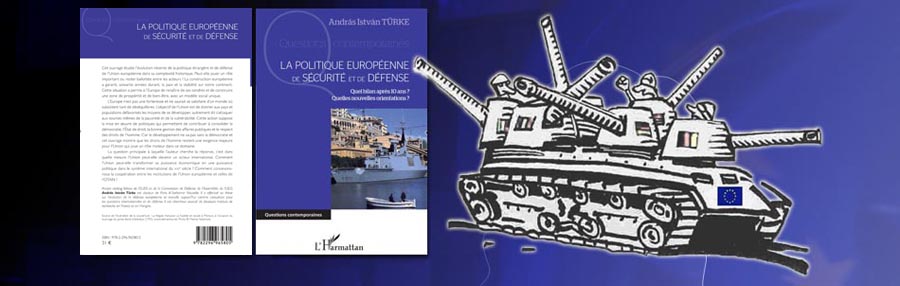
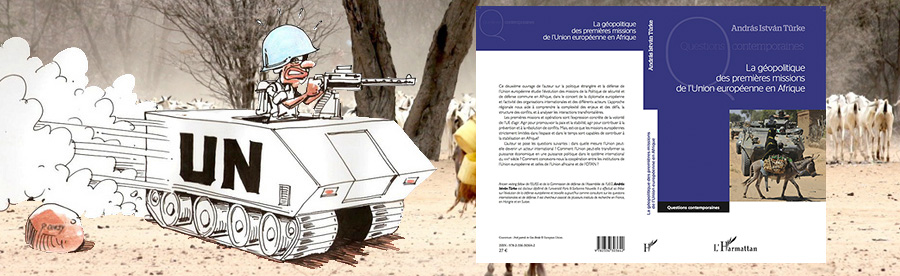
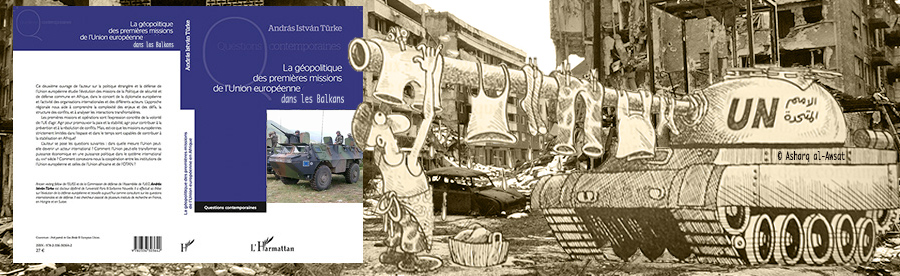
We are looking for sponsors for the English translation of these books, please contact turkeandras(at)gmail(dot)com