
You are here
Afrique
Moov Africa Bénin célèbre les talents à Cotonou
La quatrième édition de la Moov Gaming League a connu son épilogue samedi 10 octobre 2026 au Majestic Cinéma de Wologuèdè, à Cotonou. Entre tournois, animations et récompenses, cette journée a réuni des passionnés de jeux vidéo, avec une place spéciale accordée aux joueuses.
Les jeux vidéo ont été au cœur de la journée du samedi 10 octobre au Majestic Cinéma de Wologuèdè à l'occasion de la finale de la Moov Gaming League 4. Organisé par Moov Africa, avec Ericsson comme partenaire, le rendez-vous a rassemblé des joueurs autour de plusieurs jeux : Call of Duty, FC 27, e-football en passant par Tekken 8, Clash Royale, ainsi que des animations.
Dès l'ouverture du village, à 11 h, les participants et visiteurs ont pu profiter de différentes activités proposées sur l'esplanade, dont des expériences de réalité virtuelle et un simulateur de Formule 1.
A l'intérieur de la salle, les affrontements se sont succédé sur Call of Duty Mobile et e-football, avant le tournoi féminin de Tekken 8, organisé en collaboration avec l'association Power of e-sport.
La journée a également été marquée par un panel consacré aux modèles de partenariat entre opérateurs télécoms, équipementiers et acteurs locaux.
Les compétitions ont ensuite repris avec les phases éliminatoires, les demi-finales et les finales de Clash Royale, FC 27 et Tekken 8.
Le duo Conex et Don a tenu en haleine le public à l'issue de la remise des prix aux champions par discipline, sous l'oeil observateur du brand ambassadeur de Moov Africa Bénin, l'artiste Nikanor.
Les joueuses aussi dans l'arène
La compétition féminine de Tekken 8 a constitué l'un des temps forts de cette édition. Naomie Durand, alias « Black Angel », a remporté le tournoi. Elle a salué une initiative qui, selon elle, permet depuis plusieurs années de mettre les joueurs en compétition. « Aux autres filles qui pensent que le gaming est un jeu réservé aux hommes, mon message, c'est de leur dire, sortez de votre chambre », a-t-elle lancé. « Il n'y a pas à avoir peur de jouer aux jeux vidéo au même titre que les hommes. On est même plus que meilleures qu'eux », a-t-elle ajouté, avant de rappeler que « l'essentiel, c'est de s'amuser quand on joue au jeu vidéo ».
Les trois meilleures gameuses ont reçu chacune un routeur accompagné de trois mois de connexion illimitée.
Des récompenses de Moov Africa aux gamers
Les trois finalistes par discipline ont reçu chacun un chèque allant de 1 million à 50 000 FCFA et des consoles.
Au fil de ses éditions, la Moov Gaming League entend contribuer à la visibilité du gaming compétitif au Bénin. Pour Morel Hounkpevi, responsable de la communication de Moov Africa, l'opérateur investit dans ce secteur depuis quatre ans et souhaite aller au-delà de l'organisation de tournois ponctuels. L'ambition est de permettre aux joueurs les plus prometteurs de se préparer à des compétitions internationales et, à terme, de bénéficier d'un accompagnement plus complet. L'opérateur souhaite aussi voir d'autres entreprises rejoindre cette dynamique afin de soutenir davantage les acteurs de l'écosystème.
Marc MENSAH
En images, la remise des récompenses aux gamers
Categories: Afrique, Swiss News
Un militaire soupçonné d'escroquerie devant le procureur
Un militaire est cité dans une présumée affaire d'escroquerie. Il sera présenté ce lundi 12 octobre 2026 au procureur près le tribunal d'Abomey-Calavi.
Placé en garde à vue dans une affaire présumée d'escroquerie à Abomey-Calavi, un militaire sera auditionné par le procureur. Selon BIP Radio, il aurait reçu 500 000 FCFA d'un homme en lui faisant miroiter la possibilité de faciliter son recrutement dans l'armée.
L'intéressé a porté plainte après avoir constaté qu'aucune suite n'avait été donnée à la promesse faite. Le militaire a été placé en garde à vue la semaine dernière.
Categories: Afrique, Swiss News
Le litre d'essence vendu à 2 500 FCFA dans des localités au nord
La hausse du prix de l'essence de contrebande, communément appelée « kpayo », affecte plusieurs communes du Bénin. Dans certaines localités du département de l'Atacora, le litre a été vendu jusqu'à 2 500 FCFA le dimanche 11 octobre 2026, sur fond de pénurie liée à la crue du fleuve Okpara.
Le prix de l'essence kpayo connaît une forte hausse dans plusieurs communes du Bénin. Le Nord du Bénin est le plus touché par cette hausse. À Matéri, Tanguiéta, Kérou, Ouassa-Péhunco et Toucountouna, dans le département de l'Atacora, les populations font face à une pénurie de ce carburant de contrebande.
Dans la journée du dimanche 11 octobre 2026, le litre d'essence kpayo a été vendu à 2 000 FCFA, voire 2 500 FCFA par endroits. Une situation qui contraint les consommateurs à débourser davantage pour s'approvisionner en carburant.
Cette hausse intervient alors que plusieurs stations-services ne disposent pas de stocks suffisants pour satisfaire la demande. Faute de pouvoir s'approvisionner facilement dans ces stations, les consommateurs se tournent vers les vendeurs d'essence de contrebande, malgré les prix élevés pratiqués. Selon les informations, cette situation serait liée à la crue du fleuve Okpara, qui entrave l'acheminement de l'essence vers les localités concernées.
Pendant que le litre d'essence kpayo atteint 2 500 FCFA dans certaines zones, le prix à la pompe dans les stations-services est actuellement de 750 FCFA le litre. Mais l'insuffisance des stocks dans certaines stations limite les possibilités d'approvisionnement des consommateurs.
Categories: Afrique, European Union
Un véhicule fonce dans une boutique, 3 personnes blessées
Un accident de la circulation s'est produit dans l'après-midi du samedi 10 octobre 2026 au carrefour Gankpétin, dans l'arrondissement de Coussi, commune de Toffo, sur l'axe Toffo-Houègbo. Le bilan fait état de trois blessés et de dégâts matériels.
Un véhicule quitte sa trajectoire et fait des dégâts. Selon les informations rapportées par Radio Sèdohoun, le conducteur a terminé sa course contre une boutique en bordure de route. Le boutiquier, le conducteur et une autre victime ont été blessés. Les trois victimes ont été évacués à l'hôpital.
Les forces de sécurité se sont rendues sur les lieux pour le constat.
Categories: Afrique, European Union
Bijoux en or et en argent : une amnistie exceptionnelle se profile en 2027
Le marché des métaux précieux en Algérie pourrait connaître un changement important en 2027. Le projet de loi de finances (PLF) 2027 prévoit une opération […]
L’article Bijoux en or et en argent : une amnistie exceptionnelle se profile en 2027 est apparu en premier sur .
Categories: Afrique, European Union
Belaribi fixe la date de la 2ᵉ tranche AADL 3 : vers un paiement en deux temps ?
Les souscripteurs du programme de location-vente devront bientôt remettre la main au portefeuille. Le ministre de l’Habitat, de l’Urbanisme et de la Ville, Tarek Belaribi, […]
L’article Belaribi fixe la date de la 2ᵉ tranche AADL 3 : vers un paiement en deux temps ? est apparu en premier sur .
Categories: Afrique, European Union
Loto Fortune : Les résultats du tirage 11 H
LES RÉSULTATS LOTO FORTUNE SONT LÀ !
TIRAGE N°163/26
Lundi 12 Octobre 2026 (11H)
43 • 04 • 35 • 49 • 13
Félicitations aux heureux gagnants !
Pas encore gagné ? Gardez le sourire !
Rendez-vous au prochain tirage de 14H pour une nouvelle chance.
Jouez dans les centres de jeux ou en ligne : Tapez 590# ou lnbloto.bj
Jouez avec modération et responsabilité. Le jeu doit rester un plaisir.
A TOI DE JOUER #XòGbɔnAlɔkpaVo
#LNBSA #JeuResponsable #LaChanceAvecModération
Categories: Afrique, European Union
Un Prix national pour simplifier les procédures administratives
Le gouvernement béninois lance le « Prix national de la simplification administrative » pour recueillir et récompenser les propositions visant à rendre les services publics plus simples, plus rapides, moins coûteux et plus accessibles. Le dépôt des candidatures est prévu du 29 octobre au 12 novembre 2026.
L'initiative est portée par le ministre délégué chargé du Budget et de la Fonction publique, en collaboration avec le ministre de la Transformation digitale et de l'Innovation, chargé de la stratégie nationale d'intelligence artificielle. Elle vise à associer les citoyens et les agents publics à la modernisation de l'administration.
Le concours est ouvert aux agents de l'administration publique, aux citoyens, aux entreprises, aux associations et aux organisations de la société civile. Les participants sont invités à proposer des solutions aux difficultés rencontrées dans les démarches administratives, notamment la réduction des pièces justificatives, des délais de traitement, des déplacements et des coûts. La digitalisation et l'automatisation des procédures figurent également parmi les pistes envisagées.
Les propositions seront évaluées selon leur pertinence, leur caractère simplificateur, leur impact attendu, leur faisabilité et leur potentiel d'application à d'autres administrations. Les lauréats bénéficieront d'une reconnaissance institutionnelle et d'un accompagnement pour la mise en œuvre de leurs solutions. Selon le communiqué en date du 12 octobre 2026, les propositions pourront être déposées sur la plateforme dédiée du 29 octobre au 12 novembre.
Au-delà des récompenses, les propositions jugées pertinentes pourront faire l'objet d'analyses de faisabilité, puis être expérimentées et mises en œuvre avec les administrations compétentes.
Cette initiative s'inscrit dans la dynamique du Partenariat pour un Gouvernement ouvert et contribue à l'objectif de dématérialisation de l'ensemble des démarches administratives à l'horizon 2030.
Categories: Afrique, European Union
Trump fait face à une opposition croissante concernant son projet d'importer du diesel russe
Des élus républicains et démocrates ont tous deux critiqué cet accord, annoncé quelques semaines avant les élections de mi-mandat américaines.
Categories: Afrique, Middle East
Trump fait face à une opposition croissante concernant son projet d'importer du diesel russe
Des élus républicains et démocrates ont tous deux critiqué cet accord, annoncé quelques semaines avant les élections de mi-mandat américaines.
Categories: Afrique, European Union
3 000 dollars offerts aux enfants migrants : la nouvelle politique migratoire de Trump
Selon une révélation de Bloomberg, le gouvernement américain proposerait une prime financière aux migrants pour les inciter au départ volontaire. Mais au-delà du montant, c’est […]
L’article 3 000 dollars offerts aux enfants migrants : la nouvelle politique migratoire de Trump est apparu en premier sur .
Categories: Afrique, European Union
Au Mali, les Russes reprennent Kidal mais la paix attendra
La reprise de Kidal remet en scène la puissance militaire russo-malienne. Mais derrière les gains territoriaux, une question demeure : qui protège les populations ? Les données sur les victimes civiles et les enquêtes indépendantes interrogent les résultats du partenariat sécuritaire avec Moscou.
Reprendre une ville ne suffit pas à gagner la paix. Le 6 octobre 2026, les forces maliennes, soutenues par leurs alliés russes, ont réinvesti Kidal après le retrait des séparatistes du Front de libération de l'Azawad. Un succès pour Bamako, qui avait perdu cette place forte du Nord en avril. Le gouvernement annonce un retour progressif de l'administration et des services essentiels. Reste à transformer cette reconquête en sécurité durable. Des experts s'interrogent sur l'efficacité réelle du dispositif sécuritaire russe au Sahel et sur ses résultats sur le terrain. Au-delà du soutien militaire apporté aux régimes en place, une question demeure,cette coopération permet-elle véritablement de renforcer la sécurité des populations et de faire reculer la menace terroriste ?
918 civils tués, ce que disent les données
Le bilan de 2025 apporte un éclairage préoccupant. Selon les données d'ACLED rapportées par Reuters et reprises sur le site de l'organisme, 918 civils ont été tués au Mali par l'armée et les groupes paramilitaires russes Wagner et Africa Corps, contre 232 par le JNIM et l'État islamique au Sahel. Le rapport entre ces deux chiffres atteint 3,96, soit presque quatre pour un. Ce calcul porte uniquement sur les catégories d'acteurs et les décès civils cités. Il ne mesure ni l'ensemble des morts du conflit ni la totalité des violences djihadistes.Surtout, les 918 victimes ne peuvent pas être attribuées au seul Africa Corps : le décompte rassemble plusieurs forces sur une année de transition entre les deux dispositifs russes. Cette distinction est indispensable pour évaluer leur responsabilité sans fabriquer un bilan trompeur.
De Wagner à Africa Corps, une rupture à démontrer
Africa Corps a succédé à Wagner au Mali en juin 2025. Ce changement ne règle pas, à lui seul, la question des pratiques militaires et de leur contrôle. Dans une enquête publiée le 29 septembre 2026, Amnesty International documente 34 civils tués dans sept localités, au cours d'incidents survenus entre 2023 et 2025 impliquant les forces maliennes et leurs alliés de Wagner. Fondé notamment sur 119 entretiens avec des réfugiés, ce travail décrit des faits qu'Amnesty qualifie de crimes de guerre. L'organisation demande également la publication de l'accord encadrant la présence d'Africa Corps. Les autorités maliennes, sollicitées le 3 août, n'avaient pas répondu au moment de la publication. Ces cas documentés ne doivent pas être additionnés au bilan d'ACLED : les périodes et les méthodes diffèrent, et des recoupements sont possibles.
Des résultats militaires, mais quelle sécurité quotidienne ?
Le bilan ne se résume pourtant pas à une absence totale de résultats. Dans son analyse de décembre 2025, ACLED relevait le rôle croissant d'Africa Corps dans la protection des convois de carburant et des axes d'approvisionnement du sud du Mali. L'organisme soulignait simultanément les limites du partenariat russe face à l'expansion des groupes armés. C'est là que doit se situer précisément l'évaluation ; Au-delà des villes reprises, combien de routes restent praticables ? Combien de familles peuvent rentrer chez elles ? Les violences contre les civils diminuent-elles durablement ?Les chiffres disponibles ne permettent pas d'isoler l'effet du seul Africa Corps sur l'évolution du conflit. Ils imposent cependant de confronter le discours de stabilisation au sort des populations. La promesse sécuritaire russe ne se jugera pas seulement aux positions militaires conservées, mais à la possibilité, pour les Maliens, de vivre sans fuir.
Categories: Afrique, European Union
Debate: US – Russia: can the diesel deal solve any problems?
US President Donald Trump on Friday announced he had reached a deal on diesel deliveries with Vladimir Putin and a temporary easing of US sanctions against Russia. The US is to receive an initial shipment of 300,000 tonnes of Russian diesel, with further deliveries of millions of tonnes planned. The deal is a bid to bring down high fuel prices in the US. Europe's media discuss the ramifications for Ukraine and the credibility of the US as an ally.
Categories: Afrique, European Union
AADL 3 : quelles wilayas recevront les premiers logements le 1er novembre ?
La distribution des premiers logements AADL 3 approche à grands pas. Prévue le 1er novembre 2026, cette opération marquera une nouvelle étape pour les souscripteurs, […]
L’article AADL 3 : quelles wilayas recevront les premiers logements le 1er novembre ? est apparu en premier sur .
Categories: Afrique, Swiss News
"J'ai 23 ans et je perds mes cheveux", Sharon Chepkoech, victime d'alopécie féminine
On estime que le problème de la chute des cheveux touche 160 millions de personnes dans le monde.
Categories: Afrique, Swiss News
Jean-Michel Abimbola reçoit les félicitations des Élu.e.s Français.e.s d'Origine Béninoise
L'Association des Élu.e.s Français.e.s d'Origine Béninoise (EFOB) félicite Babalola Jean-Michel Hervé Abimbola pour sa nomination au poste d'ambassadeur du Bénin en France. Elle a également réaffirmé sa volonté de renforcer la coopération entre les collectivités françaises et béninoises et de poursuivre ses projets en faveur du développement local, de l'accès à l'eau potable dans les écoles, de la formation professionnelle et de l'accompagnement des jeunes en situation de vulnérabilité.
Categories: Afrique, Swiss News
1,7 tonne de chanvre indien saisie, 5 personnes interpellées
La Police républicaine a saisi 1 714,56 kg de chanvre indien et interpellé cinq personnes lors d'une opération menée, dimanche 11 octobre 2026, dans le village de Djabata Kango, arrondissement de Bessé, commune de Savè.
L'opération a été conduite par la Police républicaine, à la suite de renseignements faisant état de la culture de chanvre indien dans l'arrondissement de Bessé. Après plusieurs semaines de surveillance, les policiers sont intervenus sur les lieux dimanche vers 6 heures et ont surpris cinq individus en pleine récolte.
La marchandise saisie était conditionnée dans 60 sacs de jute. Les forces de sécurité ont également récupéré une motocyclette de marque Bajaj, deux fusils de chasse et un autre de calibre 12.
Les plantations s'étendent sur plusieurs parcelles couvrant plus de trois hectares. Selon les informations, un hectare de culture reste à détruire.
Les cinq personnes interpellées ont été mises à la disposition de l'Office central de répression du trafic illicite des drogues et des précurseurs (OCERTID) pour la suite de la procédure. Les propriétaires présumés des parcelles, absents lors de l'intervention, sont activement recherchés.
Categories: Afrique, Swiss News
Corps retrouvé dans un congélateur en France : un homme d’origine algérienne devant les assises
Accusé d’avoir abattu sa compagne en juillet 2023 avant de dissimuler son corps dans un congélateur à Grigny (Essonne), Yacine A., d’origine algérienne, soutient aujourd’hui […]
L’article Corps retrouvé dans un congélateur en France : un homme d’origine algérienne devant les assises est apparu en premier sur .
Categories: Afrique, Swiss News
Powerbank löst Feuer in Kabine aus
Schock in der Luft: Während eines Fluges von Delhi nach Chennai beginnt eine Powerbank zu brennen. Passagiere und Crew greifen ein, um den Brand möglichst schnell zu löschen.
Categories: Afrique, Swiss News
Pages
the old site is here


© 2012-2015 Europa Varietas Foundation © 2015-2020 Europa Varietas Association
www.europavarietas.org | info(@)europavarietas(dot)org | Switzerland
This is a GDPR ready site
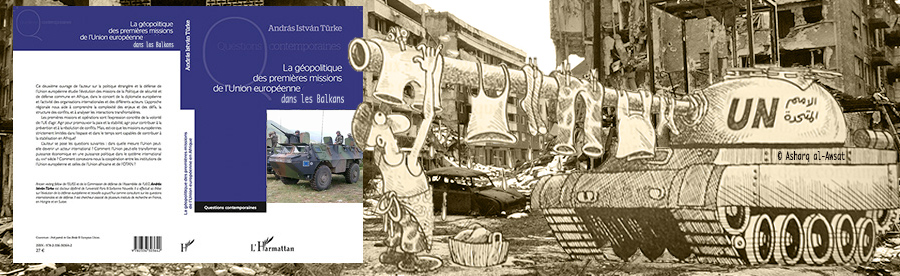
We are looking for sponsors for the English translation of these books, please contact turkeandras(at)gmail(dot)com