
You are here
Diplomacy & Defense Think Tank News
Die große weiße Leinwand
Acht Staaten, unzählige indigene Völker, rivalisierende Großmächte: Die Arktis ist Heimat, Klimaindikator, Ressourcenreservoir und geopolitisches Terrain zugleich. Vor allem aber ist sie keine klar umrissene Region, sondern eine Projektionsfläche - geprägt von konkurrierenden Interessen, Narrativen und der Frage, wessen Stimme zählt.
Categories: Afrique, Diplomacy & Defense Think Tank News
Die große weiße Leinwand
Acht Staaten, unzählige indigene Völker, rivalisierende Großmächte: Die Arktis ist Heimat, Klimaindikator, Ressourcenreservoir und geopolitisches Terrain zugleich. Vor allem aber ist sie keine klar umrissene Region, sondern eine Projektionsfläche - geprägt von konkurrierenden Interessen, Narrativen und der Frage, wessen Stimme zählt.
What MINUSMA Teaches Us about the Future of UN Peacekeeping
Event Video
Regarder en français Photos
Regarder en français Photos


jQuery(document).ready(function($){$("#isloaderfor-qdapmh").fadeOut(300, function () { $(".pagwrap-qdapmh").fadeIn(300);});});
In partnership with the Permanent Mission of the Kingdom of the Netherlands and the Division of Policy, Evaluation and Training (DPET) of the UN Department of Peace Operations (DPO), IPI cohosted a hybrid public policy forum on “What MINUSMA Teaches Us about the Future of UN Peacekeeping” on July 13th.
DPO recently launched the lessons learned report “MINUSMA: A Peace That Was Not Enough,” which examines the decade-long deployment of the United Nations Multidimensional Integrated Stabilization Mission in Mali (MINUSMA), which concluded its withdrawal in late 2023. The report identifies implications that extend beyond Mali and are directly relevant to the future of UN peacekeeping. It also points to the limits of UN peacekeeping in the absence of a stable peace and underscores the importance of carefully managing UN transitions.
The event facilitated a focused, policy-oriented discussion on how lessons from MINUSMA can inform more effective, adaptable, and context-sensitive UN peacekeeping. Speakers shared reflections from the Malian, regional, and UN perspectives regarding the operational and political challenges facing international engagement.
Key takeaways from the event include the need to:
- Expand the UN toolbox to contextualize missions to individual situations;
- Center national ownership, including in driving the political process;
- Manage expectations in contexts of asymmetric warfare and;
- Carefully delineate roles and responsibilities when parallel forces are present.
Opening Remarks:
Zeid Ra’ad Al Hussein, President and Chief Executive Officer, International Peace Institute
Speakers:
David Haeri, Director, UN DPET, DPO
H.E. Issa Konfourou, Permanent Representative of the Republic of Mali to the UN
Mahamat Saleh Annadif, Former SRSG and Head of MINUSMA, Member of the African Union High-Level Panel of Eminent Experts (virtual)
Emma Birikorang, Director of Research, Kofi Annan International Peacekeeping Training Centre (KAIPTC) (virtual)
Closing Remarks:
Ed Caelen, Military Advisor, Permanent Mission of the Kingdom of the Netherlands to the UN
Moderator:
Jenna Russo, Director of Research and Head of the Brian Urquhart Center for Peace Operations and Peacebuilding, International Peace Institute
The post What MINUSMA Teaches Us about the Future of UN Peacekeeping appeared first on International Peace Institute.
Categories: Diplomacy & Defense Think Tank News, Swiss News
Eine globale Agenda braucht eine überzeugende Zukunftsvision
Bonn, 13. Juni 2026. Weniger als fünf Jahre vor Ablauf der Agenda 2030 sieht die Welt deutlich anders aus als bei ihrer Verabschiedung. Ein positives Narrativ wird entscheidend sein, um öffentliche und politische Unterstützung zu gewinnen.
Die Diskussion darüber, wie es nach 2030 weitergehen soll, hat gerade erst begonnen. Gut vier Jahre vor Ablauf der Frist gibt es bislang kaum offizielle Positionen zu einer möglichen Neuauflage der Agenda 2030. Auch beim High-Level Political Forum, dem zentralen UN-Format zur Umsetzung der Nachhaltigkeitsziele, das in diesen Tagen in New York stattfindet, wird diese Diskussion eher am Rande geführt. Selbst der Prozess hin zu einer neuen Agenda ist noch unklar, da der richtungsweisende UN-Gipfel zu den Nachhaltigkeitszielen erst für September 2027 unter der Schirmherrschaft eines neuen UN-Generalsekretärs oder einer neuen UN-Generalsekretärin geplant ist. Dennoch bleibt nur wenig Zeit für die Verhandlung einer neuen oder überarbeiteten Agenda. Was ist realistisch – und was ist für die Zeit nach 2030 wünschenswert?
Die IDOS-Konferenz „Sustainability Cooperation Beyond 2030 – Ways forward in a messy world“ am 25. und 26. Juni in Bonn und eine Diskussionsrunde bei der Hamburg Sustainability Conference am 30. Juni haben die Debatte einen Schritt vorangebracht. Beide Veranstaltungen brachten Wissenschaftler*innen, Think-Tanks sowie aktuelle und ehemalige Verhandlungsführer*innen aus allen Kontinenten zusammen, um Lehren aus der internationalen Nachhaltigkeitskooperation zu ziehen und Perspektiven für eine wünschenswerte Zukunft zu erörtern.
Wo wir heute stehenRückblickend zeigt sich, dass die Agenda 2030 mehr Dynamik entfaltet hat, als zu Beginn erwartet wurde. In zahlreichen Bereichen und Ländern sind Fortschritte zu verzeichnen, die beim alleinigen Blick auf die globalen Umsetzungsindikatoren nicht ausreichend gewürdigt werden. Zudem verfügen viele Länder, Vorreiterunternehmen sowie subnationale und lokale Akteure über Nachhaltigkeitsstrategien – unabhängig von der politischen Ausrichtung der jeweiligen nationalen Regierung. Positiv ist auch die Einbindung von Entscheidungsträger*innen auf subnationaler und kommunaler Ebene, wo konkrete Maßnahmen etwa zu Verkehr, Energie oder Raumplanung umgesetzt werden.
Derzeit beobachten wir Rückschritte bei den erklärten Nachhaltigkeitszielen, aber auch neue Herausforderungen. Das gibt Anlass zur Sorge und erfordert entschlossenes Handeln. Nationale Pläne reichen für die vollständige Umsetzung der Agenda 2030 nicht aus, wie verschiedene Tracker, etwa im Klimabereich, zeigen. Während die zunehmende Zahl von Kriegen weitere Fortschritte erschwert, wird die Entwicklungsfinanzierung knapper, da viele Länder ihre Ressourcen zunehmend in Militärausgaben statt in einen umfassenderen Sicherheitsansatz investieren, der auch menschliche, soziale und wirtschaftliche Aspekte einbezieht. Hinzu kommt, dass der demografische Wandel in vielen Industrieländern den Druck auf die Sozialversicherungssysteme erhöht. Die Klimakrise bringt zudem immer häufiger extreme Wetterereignisse mit sich. Kurz gesagt: Trotz einer globalen Nachhaltigkeitsagenda erleben wir eine Polykrise.
Und doch hat eine globale Agenda ihren Wert. Eine Teilnehmerin der Bonner Konferenz zog den eher ungewöhnlichen Vergleich mit dem preußischen Militärtheoretiker Clausewitz: Keine Strategie lässt sich genauso umsetzen, wie sie entworfen wurde; sie muss sich stets an veränderte Realitäten anpassen. Dennoch helfen Strategien, vorausschauend zu denken, Ambitionen in konkrete Maßnahmen zu übersetzen und Lücken zu identifizieren.
Die Debatte über eine Agenda nach 2030Es ist unwahrscheinlich, dass großes Interesse an einer vollständigen Neugestaltung der Agenda und ihrer Ziele besteht. Sie ist bereits sehr umfassend, und eine Neuverhandlung wäre angesichts geopolitischer Verschiebungen und der damit verbundenen Risiken äußerst herausfordernd. Europa unterstützt globale Ziele weiterhin, China betont seine Ausrichtung auf die „Stabilität“ des Systems (und dürfte zugleich seinen Einfluss weiter ausbauen), während sich die USA gegenwärtig aktiv gegen die bestehende und wahrscheinlich auch gegen jede künftige Agenda aussprechen – auch wenn subnationale Akteure dort die Notwendigkeit globaler Maßstäbe erkennen.
Die Teilnehmer*innen unserer jüngsten Veranstaltungen diskutierten mögliche Weiterentwicklungen der Agenda, etwa die Rolle von KI und Kreislaufwirtschaft sowie die erneut aufgekommene Frage, wie Wohlstand jenseits des BIPs besser gemessen werden kann. Zudem bestand weitgehende Einigkeit, dass nicht nur das „Was“ – Ziele und Indikatoren –, sondern auch das „Wie“ – also die Umsetzungsmittel – stärker in den Blick genommen werden sollte. Zugleich zeichnete sich ein breiter Konsens über den Wunsch nach einer gemeinsamen Vision ab: einer Agenda für die Zukunft.
Wie geht es weiter?Die Debatte über eine neue Agenda wird in den kommenden Monaten in zahlreichen Diskussionsrunden über die Perspektiven weitergeführt werden – sowohl inhaltlich als auch mit Blick auf das weitere Vorgehen. Wie so oft in multilateralen Kontexten wird der Prozess voraussichtlich die Ergebnisse mitprägen. Entscheidend wird zudem sein, welche Akteure neben den Staaten einbezogen werden und wie dies geschieht.
Denn die mit der Agenda 2030 verbundenen Aufgaben sind am 31. Dezember 2030 nicht hinfällig. Es handelt sich ausdrücklich um eine langfristige Vision „für diese und künftige Generationen“. Doch die Agenda steht unter Legitimitätsdruck, und ein neues Enddatum allein wird nicht ausreichen. Ebenso wichtig wie der Inhalt ist ein überzeugendes Narrativ über globale Gemeingüter und das globale Gemeinwohl – und darüber, was internationale Zusammenarbeit bewirken kann. Der Entwurf und die Gestaltung einer nachhaltigen Zukunft sind ein zutiefst menschliches Unterfangen.
Categories: Afrique, Diplomacy & Defense Think Tank News
Eine globale Agenda braucht eine überzeugende Zukunftsvision
Bonn, 13. Juni 2026. Weniger als fünf Jahre vor Ablauf der Agenda 2030 sieht die Welt deutlich anders aus als bei ihrer Verabschiedung. Ein positives Narrativ wird entscheidend sein, um öffentliche und politische Unterstützung zu gewinnen.
Die Diskussion darüber, wie es nach 2030 weitergehen soll, hat gerade erst begonnen. Gut vier Jahre vor Ablauf der Frist gibt es bislang kaum offizielle Positionen zu einer möglichen Neuauflage der Agenda 2030. Auch beim High-Level Political Forum, dem zentralen UN-Format zur Umsetzung der Nachhaltigkeitsziele, das in diesen Tagen in New York stattfindet, wird diese Diskussion eher am Rande geführt. Selbst der Prozess hin zu einer neuen Agenda ist noch unklar, da der richtungsweisende UN-Gipfel zu den Nachhaltigkeitszielen erst für September 2027 unter der Schirmherrschaft eines neuen UN-Generalsekretärs oder einer neuen UN-Generalsekretärin geplant ist. Dennoch bleibt nur wenig Zeit für die Verhandlung einer neuen oder überarbeiteten Agenda. Was ist realistisch – und was ist für die Zeit nach 2030 wünschenswert?
Die IDOS-Konferenz „Sustainability Cooperation Beyond 2030 – Ways forward in a messy world“ am 25. und 26. Juni in Bonn und eine Diskussionsrunde bei der Hamburg Sustainability Conference am 30. Juni haben die Debatte einen Schritt vorangebracht. Beide Veranstaltungen brachten Wissenschaftler*innen, Think-Tanks sowie aktuelle und ehemalige Verhandlungsführer*innen aus allen Kontinenten zusammen, um Lehren aus der internationalen Nachhaltigkeitskooperation zu ziehen und Perspektiven für eine wünschenswerte Zukunft zu erörtern.
Wo wir heute stehenRückblickend zeigt sich, dass die Agenda 2030 mehr Dynamik entfaltet hat, als zu Beginn erwartet wurde. In zahlreichen Bereichen und Ländern sind Fortschritte zu verzeichnen, die beim alleinigen Blick auf die globalen Umsetzungsindikatoren nicht ausreichend gewürdigt werden. Zudem verfügen viele Länder, Vorreiterunternehmen sowie subnationale und lokale Akteure über Nachhaltigkeitsstrategien – unabhängig von der politischen Ausrichtung der jeweiligen nationalen Regierung. Positiv ist auch die Einbindung von Entscheidungsträger*innen auf subnationaler und kommunaler Ebene, wo konkrete Maßnahmen etwa zu Verkehr, Energie oder Raumplanung umgesetzt werden.
Derzeit beobachten wir Rückschritte bei den erklärten Nachhaltigkeitszielen, aber auch neue Herausforderungen. Das gibt Anlass zur Sorge und erfordert entschlossenes Handeln. Nationale Pläne reichen für die vollständige Umsetzung der Agenda 2030 nicht aus, wie verschiedene Tracker, etwa im Klimabereich, zeigen. Während die zunehmende Zahl von Kriegen weitere Fortschritte erschwert, wird die Entwicklungsfinanzierung knapper, da viele Länder ihre Ressourcen zunehmend in Militärausgaben statt in einen umfassenderen Sicherheitsansatz investieren, der auch menschliche, soziale und wirtschaftliche Aspekte einbezieht. Hinzu kommt, dass der demografische Wandel in vielen Industrieländern den Druck auf die Sozialversicherungssysteme erhöht. Die Klimakrise bringt zudem immer häufiger extreme Wetterereignisse mit sich. Kurz gesagt: Trotz einer globalen Nachhaltigkeitsagenda erleben wir eine Polykrise.
Und doch hat eine globale Agenda ihren Wert. Eine Teilnehmerin der Bonner Konferenz zog den eher ungewöhnlichen Vergleich mit dem preußischen Militärtheoretiker Clausewitz: Keine Strategie lässt sich genauso umsetzen, wie sie entworfen wurde; sie muss sich stets an veränderte Realitäten anpassen. Dennoch helfen Strategien, vorausschauend zu denken, Ambitionen in konkrete Maßnahmen zu übersetzen und Lücken zu identifizieren.
Die Debatte über eine Agenda nach 2030Es ist unwahrscheinlich, dass großes Interesse an einer vollständigen Neugestaltung der Agenda und ihrer Ziele besteht. Sie ist bereits sehr umfassend, und eine Neuverhandlung wäre angesichts geopolitischer Verschiebungen und der damit verbundenen Risiken äußerst herausfordernd. Europa unterstützt globale Ziele weiterhin, China betont seine Ausrichtung auf die „Stabilität“ des Systems (und dürfte zugleich seinen Einfluss weiter ausbauen), während sich die USA gegenwärtig aktiv gegen die bestehende und wahrscheinlich auch gegen jede künftige Agenda aussprechen – auch wenn subnationale Akteure dort die Notwendigkeit globaler Maßstäbe erkennen.
Die Teilnehmer*innen unserer jüngsten Veranstaltungen diskutierten mögliche Weiterentwicklungen der Agenda, etwa die Rolle von KI und Kreislaufwirtschaft sowie die erneut aufgekommene Frage, wie Wohlstand jenseits des BIPs besser gemessen werden kann. Zudem bestand weitgehende Einigkeit, dass nicht nur das „Was“ – Ziele und Indikatoren –, sondern auch das „Wie“ – also die Umsetzungsmittel – stärker in den Blick genommen werden sollte. Zugleich zeichnete sich ein breiter Konsens über den Wunsch nach einer gemeinsamen Vision ab: einer Agenda für die Zukunft.
Wie geht es weiter?Die Debatte über eine neue Agenda wird in den kommenden Monaten in zahlreichen Diskussionsrunden über die Perspektiven weitergeführt werden – sowohl inhaltlich als auch mit Blick auf das weitere Vorgehen. Wie so oft in multilateralen Kontexten wird der Prozess voraussichtlich die Ergebnisse mitprägen. Entscheidend wird zudem sein, welche Akteure neben den Staaten einbezogen werden und wie dies geschieht.
Denn die mit der Agenda 2030 verbundenen Aufgaben sind am 31. Dezember 2030 nicht hinfällig. Es handelt sich ausdrücklich um eine langfristige Vision „für diese und künftige Generationen“. Doch die Agenda steht unter Legitimitätsdruck, und ein neues Enddatum allein wird nicht ausreichen. Ebenso wichtig wie der Inhalt ist ein überzeugendes Narrativ über globale Gemeingüter und das globale Gemeinwohl – und darüber, was internationale Zusammenarbeit bewirken kann. Der Entwurf und die Gestaltung einer nachhaltigen Zukunft sind ein zutiefst menschliches Unterfangen.
Categories: Afrique, Diplomacy & Defense Think Tank News
Eine globale Agenda braucht eine überzeugende Zukunftsvision
Bonn, 13. Juni 2026. Weniger als fünf Jahre vor Ablauf der Agenda 2030 sieht die Welt deutlich anders aus als bei ihrer Verabschiedung. Ein positives Narrativ wird entscheidend sein, um öffentliche und politische Unterstützung zu gewinnen.
Die Diskussion darüber, wie es nach 2030 weitergehen soll, hat gerade erst begonnen. Gut vier Jahre vor Ablauf der Frist gibt es bislang kaum offizielle Positionen zu einer möglichen Neuauflage der Agenda 2030. Auch beim High-Level Political Forum, dem zentralen UN-Format zur Umsetzung der Nachhaltigkeitsziele, das in diesen Tagen in New York stattfindet, wird diese Diskussion eher am Rande geführt. Selbst der Prozess hin zu einer neuen Agenda ist noch unklar, da der richtungsweisende UN-Gipfel zu den Nachhaltigkeitszielen erst für September 2027 unter der Schirmherrschaft eines neuen UN-Generalsekretärs oder einer neuen UN-Generalsekretärin geplant ist. Dennoch bleibt nur wenig Zeit für die Verhandlung einer neuen oder überarbeiteten Agenda. Was ist realistisch – und was ist für die Zeit nach 2030 wünschenswert?
Die IDOS-Konferenz „Sustainability Cooperation Beyond 2030 – Ways forward in a messy world“ am 25. und 26. Juni in Bonn und eine Diskussionsrunde bei der Hamburg Sustainability Conference am 30. Juni haben die Debatte einen Schritt vorangebracht. Beide Veranstaltungen brachten Wissenschaftler*innen, Think-Tanks sowie aktuelle und ehemalige Verhandlungsführer*innen aus allen Kontinenten zusammen, um Lehren aus der internationalen Nachhaltigkeitskooperation zu ziehen und Perspektiven für eine wünschenswerte Zukunft zu erörtern.
Wo wir heute stehenRückblickend zeigt sich, dass die Agenda 2030 mehr Dynamik entfaltet hat, als zu Beginn erwartet wurde. In zahlreichen Bereichen und Ländern sind Fortschritte zu verzeichnen, die beim alleinigen Blick auf die globalen Umsetzungsindikatoren nicht ausreichend gewürdigt werden. Zudem verfügen viele Länder, Vorreiterunternehmen sowie subnationale und lokale Akteure über Nachhaltigkeitsstrategien – unabhängig von der politischen Ausrichtung der jeweiligen nationalen Regierung. Positiv ist auch die Einbindung von Entscheidungsträger*innen auf subnationaler und kommunaler Ebene, wo konkrete Maßnahmen etwa zu Verkehr, Energie oder Raumplanung umgesetzt werden.
Derzeit beobachten wir Rückschritte bei den erklärten Nachhaltigkeitszielen, aber auch neue Herausforderungen. Das gibt Anlass zur Sorge und erfordert entschlossenes Handeln. Nationale Pläne reichen für die vollständige Umsetzung der Agenda 2030 nicht aus, wie verschiedene Tracker, etwa im Klimabereich, zeigen. Während die zunehmende Zahl von Kriegen weitere Fortschritte erschwert, wird die Entwicklungsfinanzierung knapper, da viele Länder ihre Ressourcen zunehmend in Militärausgaben statt in einen umfassenderen Sicherheitsansatz investieren, der auch menschliche, soziale und wirtschaftliche Aspekte einbezieht. Hinzu kommt, dass der demografische Wandel in vielen Industrieländern den Druck auf die Sozialversicherungssysteme erhöht. Die Klimakrise bringt zudem immer häufiger extreme Wetterereignisse mit sich. Kurz gesagt: Trotz einer globalen Nachhaltigkeitsagenda erleben wir eine Polykrise.
Und doch hat eine globale Agenda ihren Wert. Eine Teilnehmerin der Bonner Konferenz zog den eher ungewöhnlichen Vergleich mit dem preußischen Militärtheoretiker Clausewitz: Keine Strategie lässt sich genauso umsetzen, wie sie entworfen wurde; sie muss sich stets an veränderte Realitäten anpassen. Dennoch helfen Strategien, vorausschauend zu denken, Ambitionen in konkrete Maßnahmen zu übersetzen und Lücken zu identifizieren.
Die Debatte über eine Agenda nach 2030Es ist unwahrscheinlich, dass großes Interesse an einer vollständigen Neugestaltung der Agenda und ihrer Ziele besteht. Sie ist bereits sehr umfassend, und eine Neuverhandlung wäre angesichts geopolitischer Verschiebungen und der damit verbundenen Risiken äußerst herausfordernd. Europa unterstützt globale Ziele weiterhin, China betont seine Ausrichtung auf die „Stabilität“ des Systems (und dürfte zugleich seinen Einfluss weiter ausbauen), während sich die USA gegenwärtig aktiv gegen die bestehende und wahrscheinlich auch gegen jede künftige Agenda aussprechen – auch wenn subnationale Akteure dort die Notwendigkeit globaler Maßstäbe erkennen.
Die Teilnehmer*innen unserer jüngsten Veranstaltungen diskutierten mögliche Weiterentwicklungen der Agenda, etwa die Rolle von KI und Kreislaufwirtschaft sowie die erneut aufgekommene Frage, wie Wohlstand jenseits des BIPs besser gemessen werden kann. Zudem bestand weitgehende Einigkeit, dass nicht nur das „Was“ – Ziele und Indikatoren –, sondern auch das „Wie“ – also die Umsetzungsmittel – stärker in den Blick genommen werden sollte. Zugleich zeichnete sich ein breiter Konsens über den Wunsch nach einer gemeinsamen Vision ab: einer Agenda für die Zukunft.
Wie geht es weiter?Die Debatte über eine neue Agenda wird in den kommenden Monaten in zahlreichen Diskussionsrunden über die Perspektiven weitergeführt werden – sowohl inhaltlich als auch mit Blick auf das weitere Vorgehen. Wie so oft in multilateralen Kontexten wird der Prozess voraussichtlich die Ergebnisse mitprägen. Entscheidend wird zudem sein, welche Akteure neben den Staaten einbezogen werden und wie dies geschieht.
Denn die mit der Agenda 2030 verbundenen Aufgaben sind am 31. Dezember 2030 nicht hinfällig. Es handelt sich ausdrücklich um eine langfristige Vision „für diese und künftige Generationen“. Doch die Agenda steht unter Legitimitätsdruck, und ein neues Enddatum allein wird nicht ausreichen. Ebenso wichtig wie der Inhalt ist ein überzeugendes Narrativ über globale Gemeingüter und das globale Gemeinwohl – und darüber, was internationale Zusammenarbeit bewirken kann. Der Entwurf und die Gestaltung einer nachhaltigen Zukunft sind ein zutiefst menschliches Unterfangen.
Die Kapitalrente braucht strenge Anlageregeln
Die Rentenkommission will einen zusätzlichen Beitragssatz von zwei Prozent auf den internationalen Kapitalmärkten investieren. Doch der Bericht schließt klimaschädliche Investitionen nicht grundsätzlich aus. Sollte er aber, denn das erklärte Ziel ist doch, die Lebensgrundlage künftiger Rentnerinnen und Rentner zu verbessern. Ein Gastbeitrag von Sören Hilbrich.
Categories: Afrique, Diplomacy & Defense Think Tank News
Die Kapitalrente braucht strenge Anlageregeln
Die Rentenkommission will einen zusätzlichen Beitragssatz von zwei Prozent auf den internationalen Kapitalmärkten investieren. Doch der Bericht schließt klimaschädliche Investitionen nicht grundsätzlich aus. Sollte er aber, denn das erklärte Ziel ist doch, die Lebensgrundlage künftiger Rentnerinnen und Rentner zu verbessern. Ein Gastbeitrag von Sören Hilbrich.
Categories: Afrique, Diplomacy & Defense Think Tank News
Die Kapitalrente braucht strenge Anlageregeln
Die Rentenkommission will einen zusätzlichen Beitragssatz von zwei Prozent auf den internationalen Kapitalmärkten investieren. Doch der Bericht schließt klimaschädliche Investitionen nicht grundsätzlich aus. Sollte er aber, denn das erklärte Ziel ist doch, die Lebensgrundlage künftiger Rentnerinnen und Rentner zu verbessern. Ein Gastbeitrag von Sören Hilbrich.
Wer bezahlt die Reformen – und wer profitiert von ihnen?
Die Reformen der Bundesregierung zementieren den Status quo und schwächen das Vertrauen in die Demokratie. Denn sie behandeln verletzliche Gruppen als Sündenböcke., Das jüngst vorgestellte Reformpaket der Bundesregierung enthält manche richtige Elemente. Der Gesamteindruck ist aber schief: Denn die Reformen machen im Großen und Ganzen verletzliche Gruppen zu den Sündenböcken.
Die große Schwäche dieser Reformen liegt darin, dass sie den Status quo weitgehend ...
Categories: Afrique, Diplomacy & Defense Think Tank News
The Solo woman researcher in the field
The sharing of solo women researchers’ experiences is making inroads into social research and challenging male-biased methodologies. In this blog post, we draw from our respective experiences while conducting ethnographic research with refugees (Sudha in India and Rose in Kenya). We observe that solo women researchers’ experience the field in gendered ways that have contradictory manifestations. On the one hand, they are not always taken seriously as researchers and, in some instances, experience sexual harassment or worse. On the other hand, their self-identification as researchers is sometimes regarded as a pretext for nefarious activities, which can endanger their lives.
Based on these challenges, we highlight three main points. First, women researchers’ self-positioning in the field does not necessarily influence how their interlocutors position and relate with them. Second, gender has fluid and sometimes contradictory meanings that women researchers constantly navigate. Third, gender is mediated by other social categories that alternately create mutual identification and difference between women researchers and interlocutors of various genders.
Categories: Afrique, Diplomacy & Defense Think Tank News
The Solo woman researcher in the field
The sharing of solo women researchers’ experiences is making inroads into social research and challenging male-biased methodologies. In this blog post, we draw from our respective experiences while conducting ethnographic research with refugees (Sudha in India and Rose in Kenya). We observe that solo women researchers’ experience the field in gendered ways that have contradictory manifestations. On the one hand, they are not always taken seriously as researchers and, in some instances, experience sexual harassment or worse. On the other hand, their self-identification as researchers is sometimes regarded as a pretext for nefarious activities, which can endanger their lives.
Based on these challenges, we highlight three main points. First, women researchers’ self-positioning in the field does not necessarily influence how their interlocutors position and relate with them. Second, gender has fluid and sometimes contradictory meanings that women researchers constantly navigate. Third, gender is mediated by other social categories that alternately create mutual identification and difference between women researchers and interlocutors of various genders.
Categories: Africa, Diplomacy & Defense Think Tank News
The Solo woman researcher in the field
The sharing of solo women researchers’ experiences is making inroads into social research and challenging male-biased methodologies. In this blog post, we draw from our respective experiences while conducting ethnographic research with refugees (Sudha in India and Rose in Kenya). We observe that solo women researchers’ experience the field in gendered ways that have contradictory manifestations. On the one hand, they are not always taken seriously as researchers and, in some instances, experience sexual harassment or worse. On the other hand, their self-identification as researchers is sometimes regarded as a pretext for nefarious activities, which can endanger their lives.
Based on these challenges, we highlight three main points. First, women researchers’ self-positioning in the field does not necessarily influence how their interlocutors position and relate with them. Second, gender has fluid and sometimes contradictory meanings that women researchers constantly navigate. Third, gender is mediated by other social categories that alternately create mutual identification and difference between women researchers and interlocutors of various genders.
Die Nord-Süd-Kommission soll Deutschlands Rolle suchen
Das Tempo, mit dem internationale Entwicklungsdebatten und entwicklungspolitische Leitbilder wegbrechen, ist hoch. Die AfD will das Entwicklungshilfeministerium abschaffen. Die Gesellschaft für Internationale Zusammenarbeit soll schrumpfen, die Nord-Süd-Kommission eine neue Rolle für Deutschland definieren.
Categories: Afrique, Diplomacy & Defense Think Tank News
Die Nord-Süd-Kommission soll Deutschlands Rolle suchen
Das Tempo, mit dem internationale Entwicklungsdebatten und entwicklungspolitische Leitbilder wegbrechen, ist hoch. Die AfD will das Entwicklungshilfeministerium abschaffen. Die Gesellschaft für Internationale Zusammenarbeit soll schrumpfen, die Nord-Süd-Kommission eine neue Rolle für Deutschland definieren.
Categories: Afrique, Diplomacy & Defense Think Tank News
Die Nord-Süd-Kommission soll Deutschlands Rolle suchen
Das Tempo, mit dem internationale Entwicklungsdebatten und entwicklungspolitische Leitbilder wegbrechen, ist hoch. Die AfD will das Entwicklungshilfeministerium abschaffen. Die Gesellschaft für Internationale Zusammenarbeit soll schrumpfen, die Nord-Süd-Kommission eine neue Rolle für Deutschland definieren.
Firm volatility in Vietnam (2009–2018): Unpacking determinants and the interplay between province-level financial development and corruption control
Why do some firms experience more volatile growth rates than others? This paper seeks to shed light on this question using a rich data set of almost 92,000 Vietnamese firms for the period 2009–2018. Apart from firm-level characteristics, the paper examines the roles of province-level financial development, corruption control, and their interaction in explaining firm growth volatility. Our results show that there is a robust negative correlation between corruption control and firm-level volatility. Moreover, while local financial development — measured by financial depth — is generally negatively associated with volatility, the correlation between financial outreach and different measures of firm growth volatility varies. Crucially, we find a negative interaction between corruption control and local financial development, suggesting that financial development may exert a more substantial volatility-dampening effect in environments with robust corruption control, and conversely, that the effect of corruption control may be stronger in provinces with advanced level of financial development.
Categories: Afrique, Diplomacy & Defense Think Tank News
Firm volatility in Vietnam (2009–2018): Unpacking determinants and the interplay between province-level financial development and corruption control
Why do some firms experience more volatile growth rates than others? This paper seeks to shed light on this question using a rich data set of almost 92,000 Vietnamese firms for the period 2009–2018. Apart from firm-level characteristics, the paper examines the roles of province-level financial development, corruption control, and their interaction in explaining firm growth volatility. Our results show that there is a robust negative correlation between corruption control and firm-level volatility. Moreover, while local financial development — measured by financial depth — is generally negatively associated with volatility, the correlation between financial outreach and different measures of firm growth volatility varies. Crucially, we find a negative interaction between corruption control and local financial development, suggesting that financial development may exert a more substantial volatility-dampening effect in environments with robust corruption control, and conversely, that the effect of corruption control may be stronger in provinces with advanced level of financial development.
Categories: Afrique, Diplomacy & Defense Think Tank News
Firm volatility in Vietnam (2009–2018): Unpacking determinants and the interplay between province-level financial development and corruption control
Why do some firms experience more volatile growth rates than others? This paper seeks to shed light on this question using a rich data set of almost 92,000 Vietnamese firms for the period 2009–2018. Apart from firm-level characteristics, the paper examines the roles of province-level financial development, corruption control, and their interaction in explaining firm growth volatility. Our results show that there is a robust negative correlation between corruption control and firm-level volatility. Moreover, while local financial development — measured by financial depth — is generally negatively associated with volatility, the correlation between financial outreach and different measures of firm growth volatility varies. Crucially, we find a negative interaction between corruption control and local financial development, suggesting that financial development may exert a more substantial volatility-dampening effect in environments with robust corruption control, and conversely, that the effect of corruption control may be stronger in provinces with advanced level of financial development.
Tomaso Duso für weitere vier Jahre in Monopolkommission berufen
Das Bundesministerium für Wirtschaft und Energie hat den Leiter der Abteilung Unternehmen und Märkte im DIW Berlin, Tomaso Duso, für weitere vier Jahre in die Monopolkommission berufen. Er ist seit 2022 Mitglied und seit September 2024 Vorsitzender des Gremiums. Zudem ist er Professor für empirische ...
Categories: Afrique, Diplomacy & Defense Think Tank News
Pages
the old site is here


© 2012-2015 Europa Varietas Foundation © 2015-2020 Europa Varietas Association
www.europavarietas.org | info(@)europavarietas(dot)org | Switzerland
This is a GDPR ready site
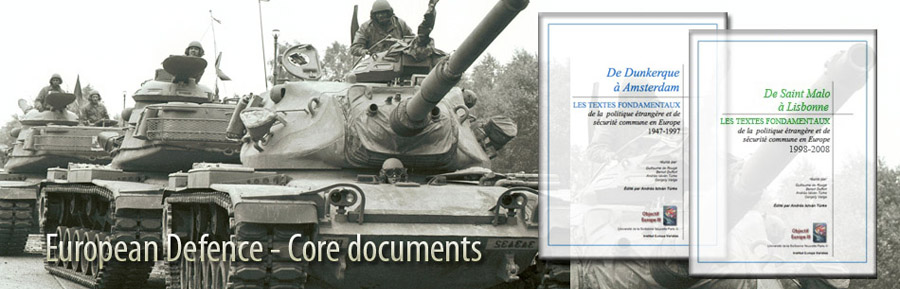
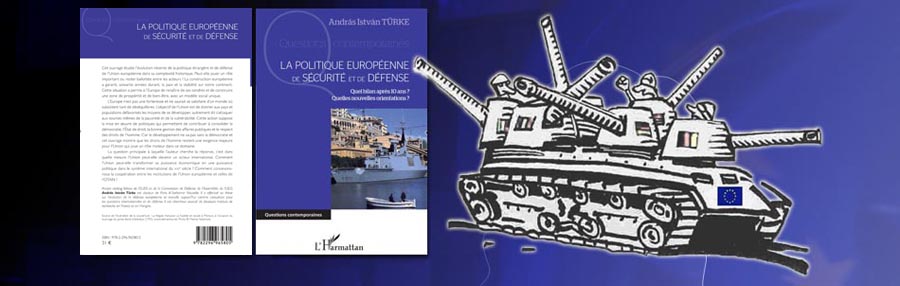
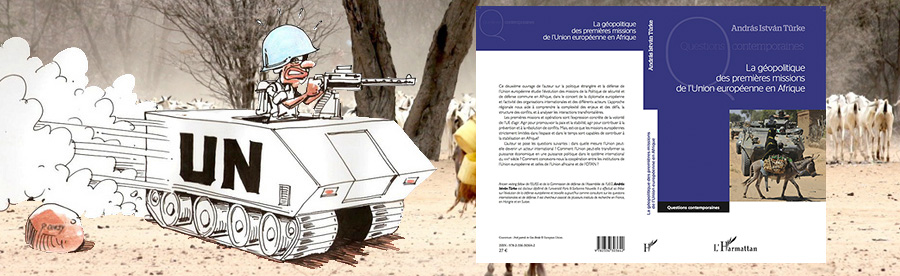
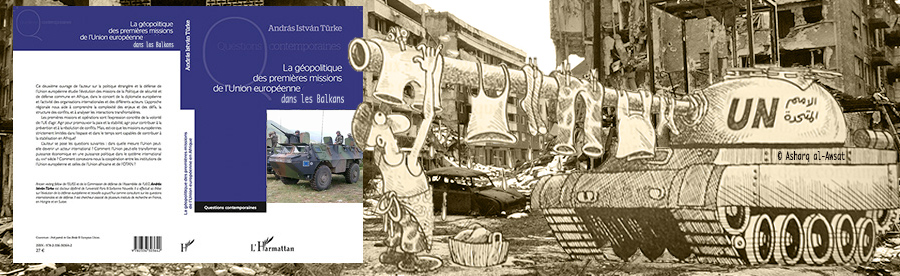
We are looking for sponsors for the English translation of these books, please contact turkeandras(at)gmail(dot)com