
You are here
Feed aggregator
Burkina/5ᵉ Translog Africa : Africa Global Logistics présente son expertise aux visiteurs
La 5ᵉ édition du Symposium international sur le transport et la logistique (Translog Africa) se tient du 20 au 22 octobre 2026 à Ouagadougou. Le groupe Africa Global Logistics (AGL), acteur majeur du transport et de la logistique en Afrique, prend part à cet événement incontournable pour les professionnels du secteur. À cette occasion, le groupe invite les visiteurs de son stand à découvrir ou à redécouvrir les différents services qu'il propose. À ses côtés, sa filiale Côte d'Ivoire et Abidjan Terminal présente également ses activités et son savoir-faire.
Participer à Translog Africa est devenu une tradition pour AGL. Depuis la première édition, le groupe prend activement part à cet événement. Cette cinquième édition ne déroge pas à la règle. Selon le directeur général adjoint d'AGL Burkina, Joachim Ouédraogo, compte tenu de la portée du symposium, le groupe ne pouvait rester en marge de cette rencontre. « Translog est un événement très important, très capital. Il était inconcevable pour nous qu'un tel événement se tienne sans que nous puissions y prendre part activement et marquer notre présence », a-t-il souligné.
En plus de partager son expertise à travers l'animation de communications, AGL fait connaître ses différents domaines d'activité aux nombreux visiteurs venus de divers pays du monde. Ses principaux domaines d'expertise sont le transit, le transport multimodal, la logistique, le stockage et l'entreposage à valeur ajoutée, ainsi que la supply chain (chaîne d'approvisionnement). Dans les services de transport et de logistique intégrée qu'il propose, le groupe met un point d'honneur à assurer la sécurité des systèmes informatiques, des données et des marchandises qui lui sont confiées.
Les autorités ont visité le stand du Groupe AGL à l'issue de la cérémonie d'ouverture de Translog Africa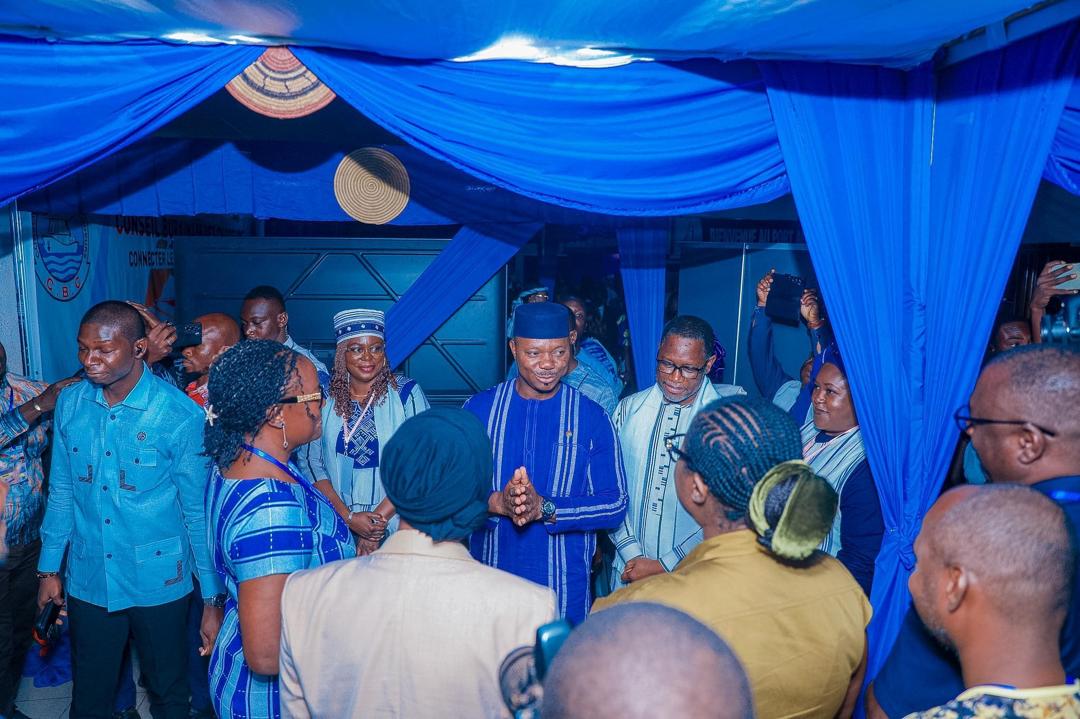
Pour le directeur général adjoint, la participation à Translog Africa est une occasion d'échanger avec les utilisateurs potentiels de ses services et de leur présenter le savoir-faire d'AGL en matière de transport et de logistique. « Il s'agit également de leur garantir que, malgré les difficultés et les mutations qui s'opèrent sur les différents corridors, nous sommes toujours prêts à leur offrir un service intégré », a-t-il ajouté.
À l'issue des trois jours d'exposition, le groupe espère étoffer son carnet d'adresses et nouer de nouveaux partenariats avec divers acteurs auxquels il pourra proposer ses services.
Pour le directeur général adjoint de AGL Burkina, le Translog est un évènement incontournable pour les acteurs du domaine du transport et de la logistique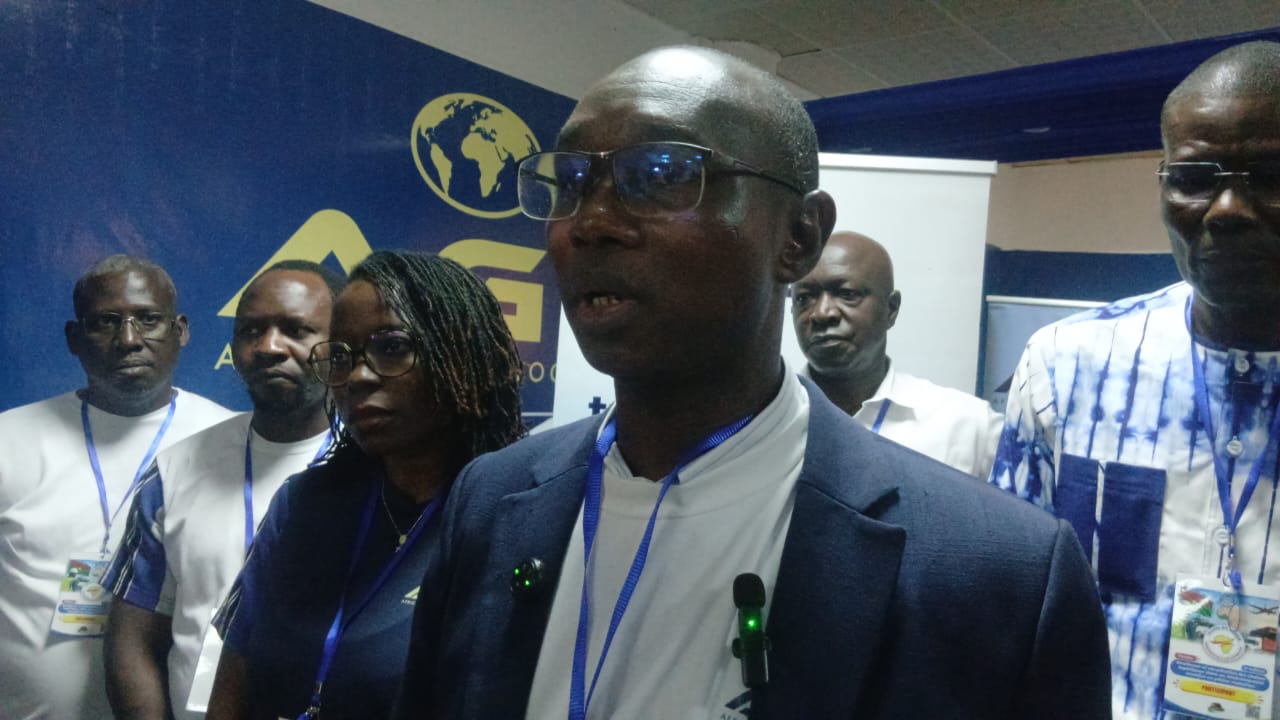
Partenaire stratégique de Translog Africa depuis le début de l'aventure, Côte d'Ivoire et Abidjan Terminal, filiale du groupe AGL, marque également sa présence à l'édition 2026. Pour Marie-Odile Tigori/Kouamé, directrice de la facturation et de la relation client, cette participation vise à se rapprocher des opérateurs de transport afin de mieux comprendre les difficultés auxquelles ils sont confrontés et de rechercher des solutions adaptées.
Groupe AGL reçoit dans son stand les visiteurs à qui sont exposés ses domaines d'expertise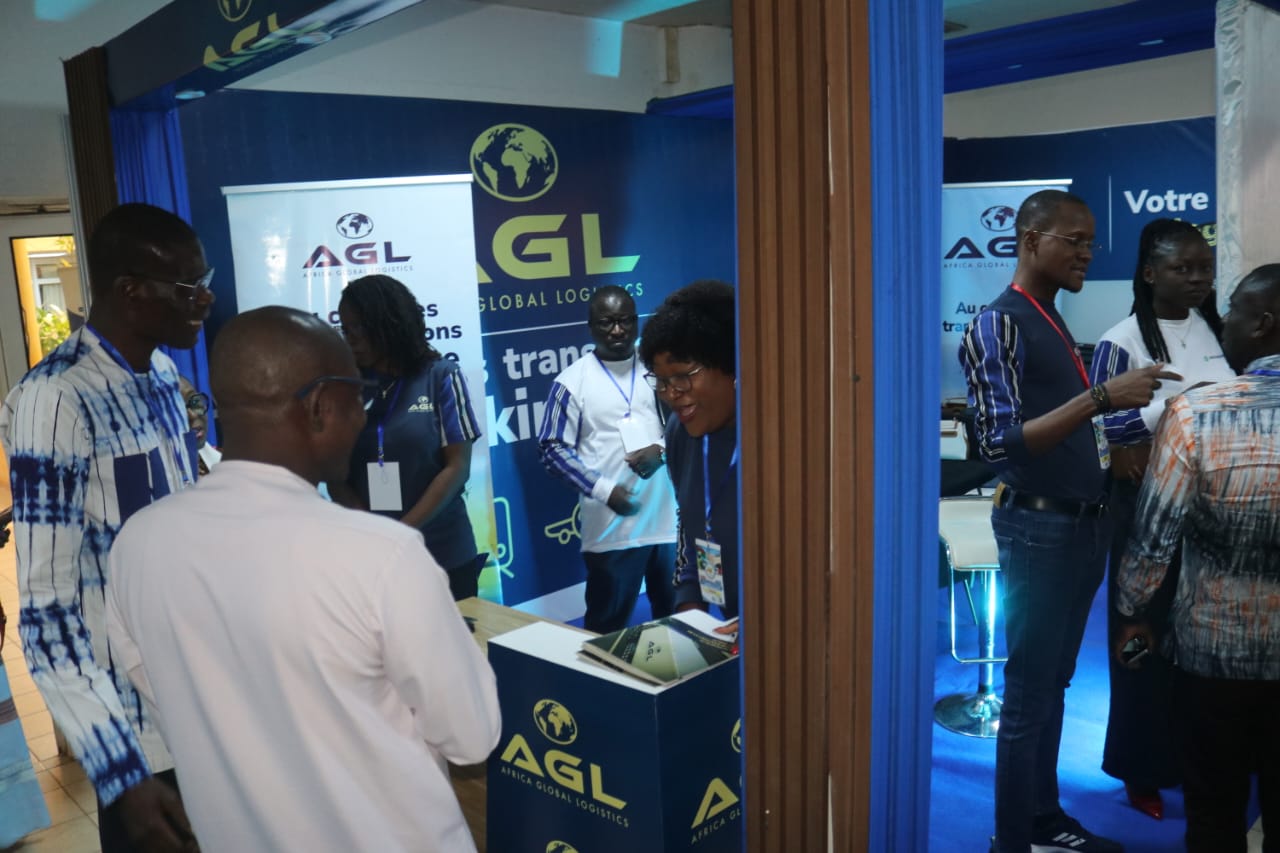
« Nous sommes la porte d'entrée vers les pays de l'hinterland. Notre participation se justifie essentiellement par notre volonté de nous enquérir de la situation des opérateurs qui exercent leurs activités depuis le port d'Abidjan. Nous voulons comprendre les problématiques auxquelles ils sont confrontés et voir, dans la mesure du possible, quelles actions mettre en place pour leur fournir les outils nécessaires à la facilitation des échanges commerciaux entre les différents États », explique-t-elle.
Abidjan Terminal intervient notamment dans le transit, le transport, la manutention des conteneurs et l'accostage des navires. L'entreprise accompagne les opérateurs tout au long de la chaîne logistique, depuis la réception des marchandises jusqu'à leur livraison dans la zone de Ouagadougou.
Pour Marie-Odile Tigori/Kouamé, directrice de la facturation et de la relation client de Abidjan Terminal, il s'agit de comprendre les difficultés des opérateurs pour y apporter des solutions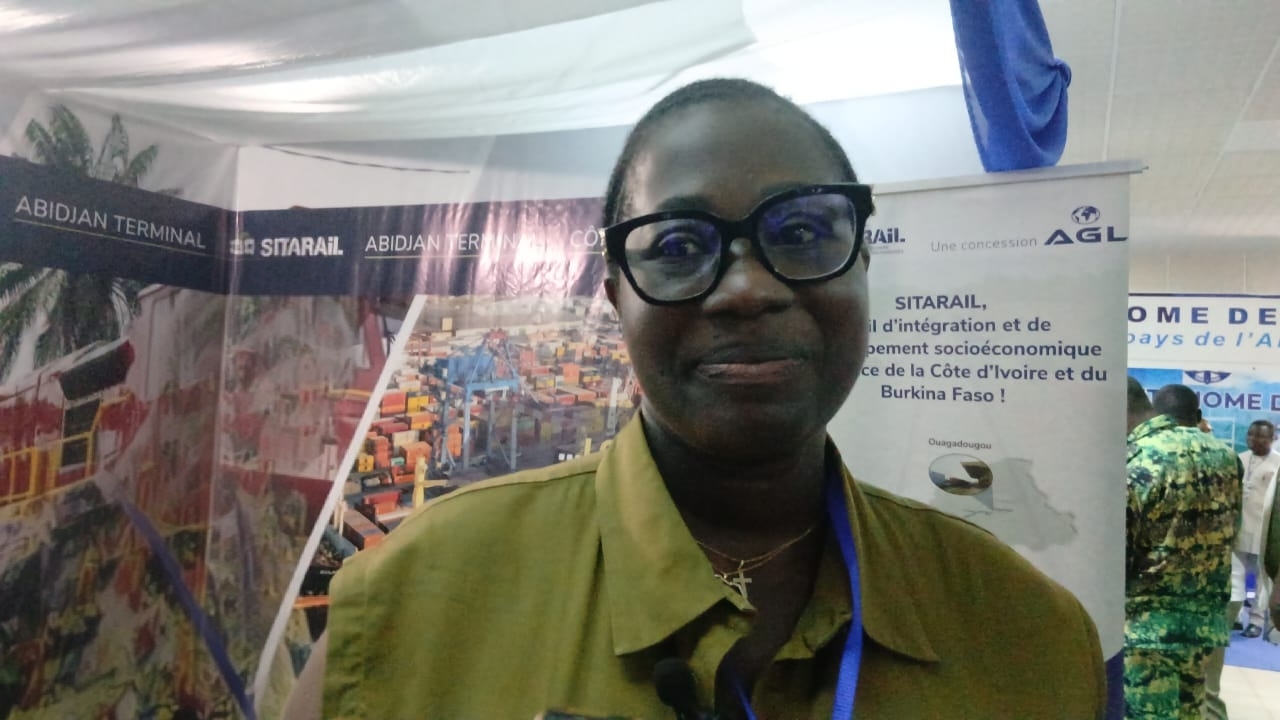
Jusqu'au 22 octobre, les stands du groupe AGL et Côte d'Ivoire et Abidjan Terminal restent ouverts aux visiteurs.
Armelle Ouédraogo
Crédit photo : Bonaventure Paré
Lefaso.net
Categories: Afrique
Allemagne: en Saxe-Anhalt, les craintes de la communauté juive après la victoire électorale de l'AfD
Après la victoire de l'extrême droite en Saxe-Anhalt aux élections régionales, la petite communauté juive de cette région de l'est de l'Allemagne navigue entre inquiétude et attentisme. Elle ne sait pas encore ce que le futur probable président de la région fera en matière de lutte contre l'antisémitisme et de travail de mémoire. L'Alternative pour l'Allemagne (AfD) a promis de réduire la place de la Seconde Guerre mondiale dans les cours d'histoire, et juge ce passé trop encombrant. Reportage à la synagogue de Magdebourg.
Categories: Union européenne
Burkina Faso : Endeavour Mining déploie sa Caravane ESG pour présenter sa stratégie 2026-2030 au profit des communautés
Endeavour Mining a organisé deux tournées autour de ses mines de Houndé et de Mana du 1ᵉʳ au 10 octobre 2026. L'objectif est de présenter aux communautés et à ses employés sa nouvelle feuille de route environnementale, sociale et de gouvernance. Entre 2021 et 2025, le groupe minier a mobilisé 36 milliards de francs CFA pour des projets de développement communautaire au Burkina Faso.
Endeavour Mining mise sur le dialogue de proximité pour faire connaître ses ambitions en matière de responsabilité environnementale et sociale. C'est ainsi que le groupe aurifère a achevé au Burkina Faso deux étapes de sa caravane dénommée “ESG 2026'', un dispositif itinérant consacré à la présentation de sa stratégie environnementale, sociale et de gouvernance (ESG) pour la période 2026-2030. Organisées du 1ᵉʳ au 3 octobre autour de la mine de Houndé, puis du 8 au 10 octobre autour de celle de Mana.
36 milliards de francs CFA déjà mobilisés au profit des communautés
Ces rencontres ont permis d'échanger directement avec les communautés riveraines et les employés sur les priorités et les engagements du Groupe à l'horizon 2030. À Houndé, la caravane a donné lieu à des rencontres avec les communautés de la ville hôte, avant une séquence consacrée aux employés du site minier. À Mana, les échanges se sont poursuivis dans les localités de Wona, Kona et Dangouna. À travers ces différentes étapes, Endeavour Mining entend rapprocher sa stratégie des réalités quotidiennes des populations et des travailleurs concernés par ses activités.
La feuille de route 2026-2030 s'inscrit dans la continuité des actions engagées par le Groupe depuis 2021. Au cours de cette première période, Endeavour Mining a soutenu des initiatives dans plusieurs domaines, notamment la santé, l'éducation, le développement économique local et la protection de l'environnement. La nouvelle stratégie vise à consolider les acquis, à renforcer les interventions existantes et à élargir leur portée dans les pays où le Groupe est présent.
Au Burkina Faso, cet engagement s'est traduit par la mobilisation de 36 milliards de francs CFA en faveur de projets de développement communautaire entre 2021 et 2025. Selon Endeavour Mining, entre 2021 et 2025, plus de 21 800 personnes ont bénéficié d'initiatives de santé, et environ 26 000 enfants ainsi que des jeunes ont été accompagnés dans le cadre de programmes éducatifs.
Les femmes du village de Dangouna, dans la zone de Mana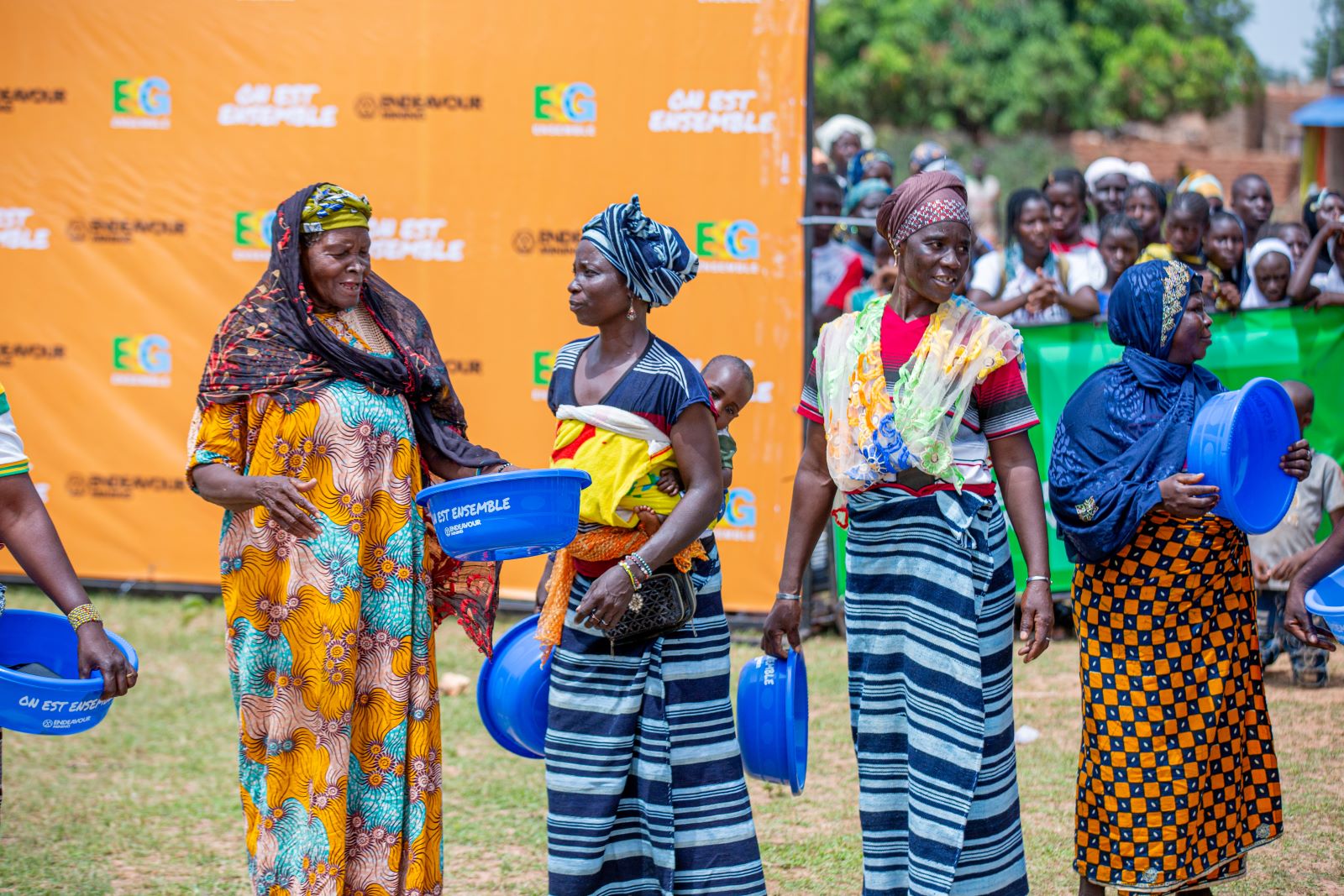
Ces chiffres illustrent l'ampleur des moyens consacrés aux communautés hôtes. Ils constituent également un point de départ pour la nouvelle feuille de route, qui entend inscrire davantage les actions du Groupe dans une dynamique de développement durable, en tenant compte des besoins propres à chaque territoire.
Une initiative de 80 % des achats annuels auprès de fournisseurs locaux
Pour structurer son action au cours des cinq prochaines années, Endeavour Mining a retenu cinq piliers. Ces piliers sont le soutien de ses talents, la valorisation de ses communautés hôtes, la dynamisation des économies locales, la protection de l'environnement et l'engagement d'agir avec éthique et conformité.
Ces axes couvrent des enjeux essentiels pour les territoires d'implantation des mines. Ils concernent notamment la santé et la sécurité des travailleurs, l'éducation et la formation des jeunes, le développement des entreprises locales, l'accès à l'eau, la gestion responsable des ressources naturelles, la préservation de la biodiversité et le respect des droits humains.
Le Groupe entend donner une dimension mesurable à ces engagements. À l'échelle de l'ensemble de ses opérations, Endeavour Mining prévoit notamment de former plus de 1 250 jeunes à différents métiers et d'accompagner plus de 5 000 bénéficiaires grâce à des initiatives de microfinance d'ici à 2030.
Une membre de la communauté de Dangouna (zone de Mana) répondant à un quiz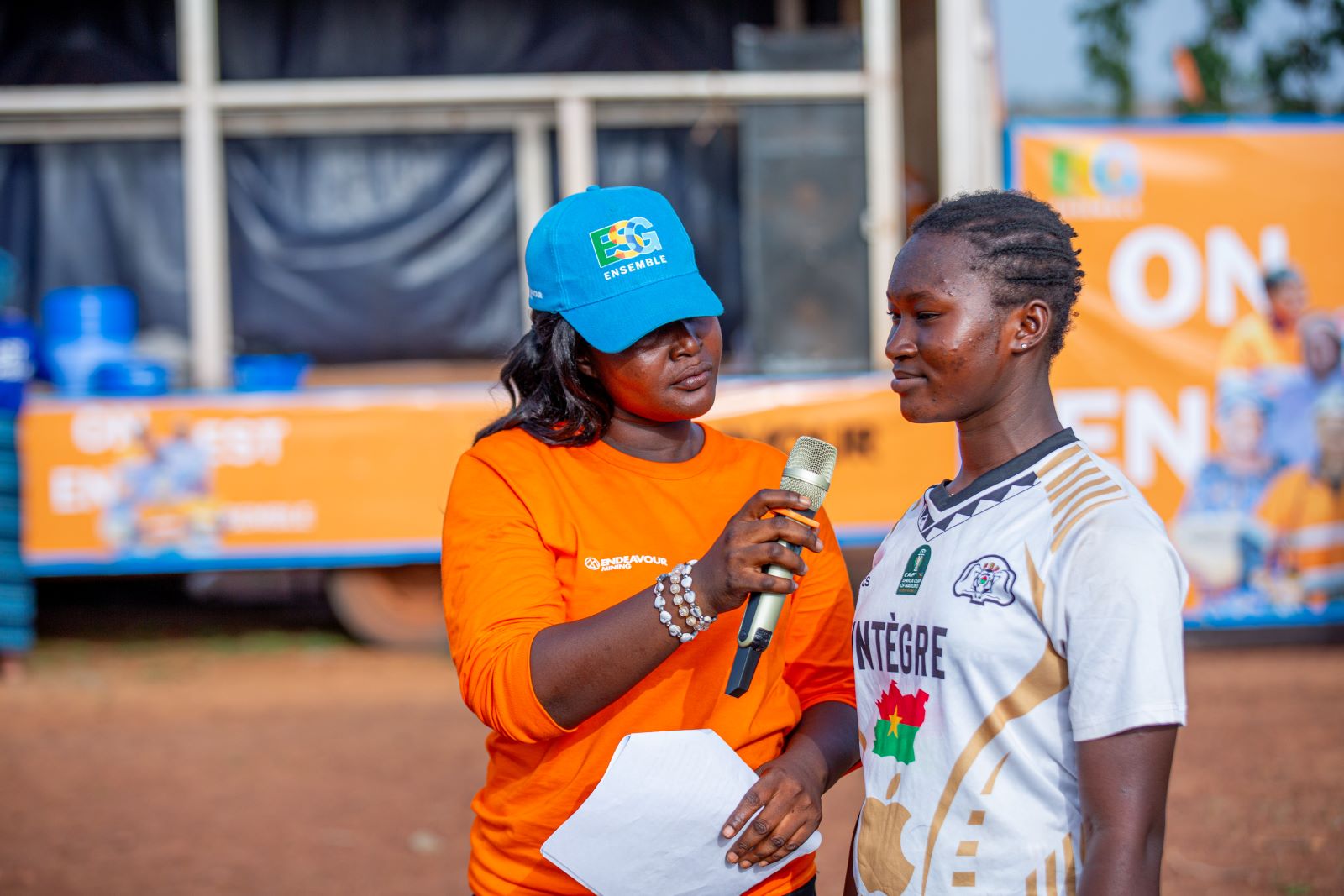
La stratégie accorde également une place importante au contenu local. Endeavour Mining ambitionne de réaliser chaque année 80 % de ses achats auprès de fournisseurs enregistrés dans ses pays hôtes, dont 35 % auprès d'entreprises détenues nationalement. Cette orientation vise à renforcer la participation des acteurs économiques locaux à la chaîne de valeur minière et à favoriser les retombées économiques des activités du Groupe dans ses pays d'implantation.
Du Burkina Faso au Sénégal, une démarche régionale
La caravane ESG 2026 ne se limite pas au Burkina Faso. Après des étapes dans le pays et en Côte d'Ivoire où elle a été organisée plus tôt en septembre, elle doit se poursuivre jusqu'au début du mois de novembre sur le site de Sabodala-Massawa, au Sénégal.
À travers cette initiative, Endeavour Mining entend présenter ses engagements à ses différentes parties prenantes et favoriser une meilleure appropriation de ses priorités environnementales, sociales et de gouvernance. Au-delà de la communication sur ses objectifs, l'enjeu est de maintenir un dialogue direct avec les communautés et les employés. Cela afin d'ancrer les engagements du Groupe dans les réalités locales.
Présent au Sénégal, en Côte d'Ivoire et au Burkina Faso, Endeavour Mining figure parmi les principaux producteurs d'or mondiaux et se présente comme le premier producteur aurifère en Afrique de l'Ouest. Coté aux Bourses de Londres et de Toronto, le Groupe affirme vouloir inscrire ses activités dans une exploitation minière responsable et une création de valeur durable au bénéfice de ses employés, de ses parties prenantes et des communautés hôtes.
Hamed Nanéma
Lefaso.net
Source : Endeavour Mining
Categories: Afrique
Burkina Faso : De l'étudiant ambitieux aux grandes réalisations nationales, retour sur le parcours de l'architecte Daniel Arnaud Sawadogo
En 2016, Lefaso.net dressait le portrait de deux jeunes Burkinabè passionnés par la construction. Il s'agit de Daniel Arnaud Sawadogo et de Wilfried Bassinga. À l'époque, ils étaient encore étudiants et portaient un projet autour de l'aménagement des abords du canal de Ouagadougou. Une initiative qui témoignait déjà leur ambition de penser autrement la ville et de mettre leurs compétences au service du Burkina Faso. Dix ans plus tard, que sont-ils devenus ? Pour Daniel Arnaud Sawadogo, le chemin parcouru est loin d'avoir été linéaire. Il a certes changé de statut, mais pas de terrain de jeu. De ses études d'architecture au Maroc et en France, à la création de son cabinet au Burkina Faso, et l'exercice en cours des fonctions de vice-président de l'Ordre des architectes du Burkina, il a porté et réalisé plusieurs projets d'envergure. Aujourd'hui, son engagement à mettre son métier au service de son pays demeure sans faille.
En 2016, alors étudiant en dernière année en architecture à l'École nationale supérieure d'architecture de Paris-Val de Seine en France, Daniel Arnaud Sawadogo soutenait son diplôme avec une mention très honorable. Il décide ensuite de poser ses valises en Côte d'Ivoire, en 2017. Il y passe une année au sein d'un grand cabinet d'architecture. Une expérience qui va compléter sa formation et surtout lui permettre de se confronter aux réalités du métier.
« Mon expérience à Abidjan a été très enrichissante. J'ai travaillé sur de grands projets avec des architectes chevronnés qui ont véritablement enrichi ma conception de l'architecture. Lorsque l'on quitte l'école, on a l'habitude de dire qu'on acquiert 40% des compétences grâce à la formation et que les 60 % restants se construisent avec le temps. C'est avec l'expérience que l'on développe les bagages nécessaires pour répondre aux enjeux, surtout contemporains, de l'architecture et de l'urbanisme. Cette expérience en Côte d'Ivoire m'a permis de renforcer mes compétences et mes connaissances, de mieux clarifier ma vision et de revenir sereinement à Ouaga », explique-t-il.
À Abidjan, le jeune architecte burkinabè travaille en tant que chef de projet sur plusieurs projets d'envergure. Une étape importante, mais qui ne remet pas en cause son projet initial de revenir au Burkina Faso. Cette volonté de revenir servir son pays remonte depuis ses premières années d'études.
Son désir de servir son Faso natal est en effet né en 2011, quand il obtient son baccalauréat avec la meilleure performance nationale. Des possibilités d'études en Chine et au Canada dans le domaine de l'électronique de pointe lui sont alors proposées, compte tenu de ses excellents résultats dans les matières scientifiques. Mais notre architecte avait déjà une idée bien précise de ce qu'il voulait faire. « L'architecture a toujours été mon métier de rêve. Depuis que je suis petit, je ne me voyais pas faire autre chose. Même quand il fallait choisir les filières, j'ai coché plusieurs fois architecture », confie-t-il avec un sourire aux lèvres.
Et s'il a pu réaliser son parcours universitaire au Maroc, avant de le poursuivre en France, c'est grâce à des bourses. Pour Arnaud, cette succession de bourses n'est pas seulement une chance ; elle représente aussi à ses yeux une responsabilité car ses études ont été financées en grande partie grâce aux ressources publiques.
« Ce sont ces bourses qui m'ont permis de réaliser mon rêve. Une bourse, c'est l'argent du contribuable burkinabè. Pour moi, c'était donc une évidence de terminer mes études et de revenir mettre les connaissances et les compétences que j'ai acquises au service de mon pays », a-t-il ajouté.
« L'architecture a toujours été mon métier de rêve », confie Daniel Arnaud Sawadogo.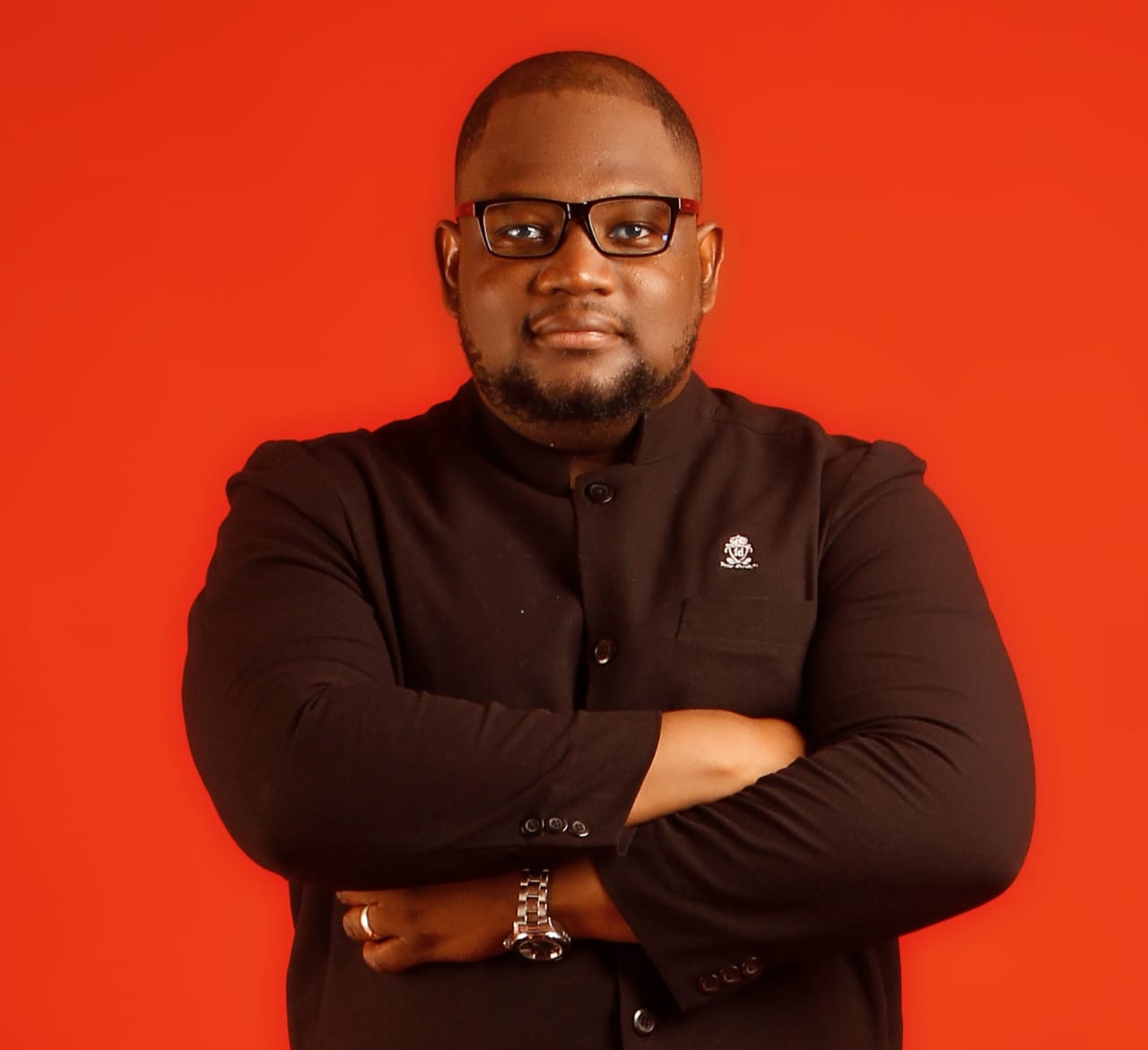
Une décennie de réalisations et de distinctions
À l'entendre, son retour au pays fut une évidence. C'est ainsi qu'à peine son diplôme obtenu, Arnaud ne s'attarde pas en France. Son passage en Côte d'Ivoire constitue une étape professionnelle avant son retour définitif au Burkina Faso. En 2017, il rentre à Ouagadougou et lance son propre cabinet d'architecture, SAD Architecture. Mais, force est de constater que rentrer au pays ne veut pas dire que tout est gagné. Comme toute jeune entreprise, le cabinet doit se faire une place. Après environ six années passées à l'étranger, Arnaud doit construire son réseau professionnel, gagner la confiance de potentiels partenaires et surtout trouver les moyens de faire fonctionner son entreprise. Par-dessus tout, il doit se tailler une crédibilité et démontrer que les années de formation à l'étranger peuvent se traduire par des réalisations concrètes et utiles pour le Burkina Faso.
« Quand tu te lances et que tu as passé six ans hors du pays, tu n'as pas forcément un réseau solide. Il a fallu du temps pour bâtir ce réseau et travailler à avoir de la crédibilité. Parce que la crédibilité, pour un entrepreneur, c'est crucial », souligne-t-il.
Les difficultés sont présentes mais elles ne l'arrêtent pas. Projet après projet, son cabinet gagne en visibilité. En 2019, Daniel Arnaud Sawadogo remporte le concours d'idées pour la construction du siège de l'Ordre des architectes du Burkina Faso. Une distinction symbolique pour celui qui commence à peine sa carrière. En 2021, son équipe décroche également le premier prix d'architecture pour la construction de l'École nationale des douanes. Mais parmi ses différentes réalisations, un projet occupe une place particulière dans son parcours. Il s'agit de Kosyam Jesuit University of Science, connue sous le sigle KoJUS, dont son cabinet a assuré la maîtrise d'œuvre. Un projet qui, si l'on peut le dire, a changé la donne.
En effet, lorsqu'il est approché pour travailler sur le projet de KoJUS, Daniel Arnaud Sawadogo est jeune. Son équipe l'est tout autant. Il fallait alors convaincre que l'âge ne constitue pas un obstacle à la qualité du travail. De la phase d'études au suivi des travaux, le cabinet a accompagné avec excellence le projet jusqu'à sa réalisation.
Pour Arnaud, cette réalisation représente surtout une expérience professionnelle importante et une occasion de démontrer ce qu'une jeune équipe burkinabè est capable de faire. Au-delà du bâtiment, c'est aussi une manière pour lui de montrer qu'une architecture peut être pensée pour répondre aux besoins du pays. « Il fallait montrer que, malgré notre jeune âge, nous étions aptes à mettre en œuvre ce projet. Nous avons travaillé depuis la phase d'études jusqu'à la phase de suivi des travaux pour véritablement faire preuve d'excellence, afin que le résultat témoigne de lui-même », raconte-t-il. Aujourd'hui, l'établissement accueille de nombreux étudians. Pour Arnaud, cette réalisation constitue l'un des tournants majeurs de ses dix premières années de carrière.
« Il y a toujours des moments de haut et des moments de bas. Et quand les moments de difficultés arrivent, on pense à notre pourquoi, notre raison d'exister et on essaie de puiser au fond de soi pour pouvoir rebondir », souligne Daniel Arnaud Sawadogo.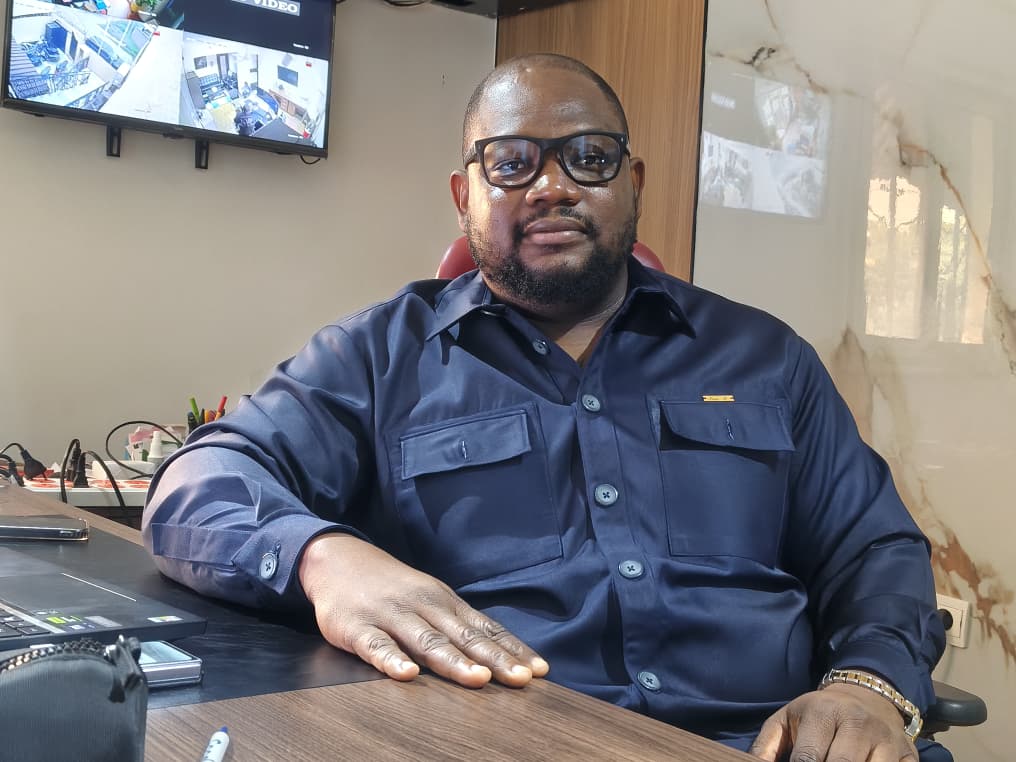
Et l'Esplanade de l'union nationale, que devient-elle ?
C'est le projet qui, en 2016, avait contribué à faire connaître Arnaud et Wilfried. Il convient de rappeler qu'il s'agissait avant tout d'un concours d'idées. Les deux jeunes avaient identifié le potentiel de la zone longeant le grand canal qui traverse quasiment les plus grands axes de la ville de Ouagadougou et située en plein milieu de la trame verte. L'idée était de repenser cet espace pour en faire un lieu davantage tourné vers les loisirs, le sport et les usages publics. Dix ans plus tard, l'Esplanade de l'union nationale n'a pas vu le jour sous leur conduite. Pourtant, Arnaud refuse d'y voir un échec. Aujourd'hui, il observe avec intérêt les initiatives d'aménagement des abords du canal.
Pour lui, une idée ne disparaît pas parce qu'elle n'est pas immédiatement réalisée. Elle peut inspirer d'autres réflexions, d'autres projets et, un jour, trouver une autre forme. L'essentiel est de continuer à proposer car, dit-il, « la construction du Burkina incombe à chaque fils et fille du pays. »
Une décennie s'est écoulée depuis la proposition du projet de l'esplanade, mais Arnaud Sawadogo demeure ambitieux et audacieux. Aujourd'hui, son regard sur l'architecture et l'urbanisme a évolué, du fait des défis contemporains et évolutifs liés à ce métier et de l'expérience professionnelle acquise. Il dépasse la seule conception des bâtiments pour s'interroger davantage sur la manière dont les villes doivent évoluer, notamment avec des espaces verts, des arbres, la mobilité, les lieux de rencontre ou encore les équipements publics capables de susciter et de porter la vie.
« Je suis resté toujours l'architecte qui a beaucoup d'audace, et qui rêve toujours de réaliser de grandes choses et des projets impactants pour son pays », affirme-t-il.
Son engagement ne se limite d'ailleurs plus à son cabinet. En tant que vice-président de l'Ordre des architectes du Burkina Faso, il participe à la défense et à la régulation de la profession. Il entend également contribuer à assainir le secteur et à faire en sorte que l'expertise des architectes soit davantage prise en compte dans les projets de développement national. Le chemin n'a pas été un long fleuve tranquille entre la création du cabinet, les difficultés financières, la nécessité de se construire une réputation et les obstacles professionnels ayant marqué cette décennie. Mais ces difficultés lui ont aussi appris à être résilient.
En 2027, SAD Architecture devrait franchir le cap de ses dix années d'existence. Arnaud, lui, célèbre déjà une décennie d'expérience professionnelle depuis l'obtention de son diplôme. Dix ans après le portrait du jeune étudiant qui rêvait de participer à la transformation de son pays, le décor a changé. Les projets se sont multipliés, les responsabilités ont grandi et le jeune architecte est devenu un professionnel reconnu. Sa volonté de construire, de réfléchir, de proposer et de contribuer l'a toujours animé et demeure vivante. Et lorsqu'il évoque sa croissance personnelle par rapport à celui qu'il était en 2016, Arnaud estime simplement avoir appris depuis lors à transformer davantage ses idées en projets concrets.
À l'avenir, il veut continuer à porter des projets qui ont un impact sur son environnement et sur son pays. Au-delà des titres et distinctions, ce qu'il souhaite surtout, c'est laisser une trace. Celle d'être compté parmi les éminents architectes qui contribuent à bâtir et porter haut le Burkina Faso.
Muriel Dominique Ouédraogo
Lefaso.net
Categories: Afrique
Burkina/Justice : 50 avocats et magistrats sensibilisés au droit communautaire de l'UEMOA
La Cour de justice de l'Union économique et monétaire ouest-africaine (UEMOA) organise, du 20 au 23 octobre 2026, à Ouagadougou, un séminaire national de sensibilisation au droit communautaire. La cérémonie d'ouverture s'est tenue ce mardi 20 octobre 2026. Cette rencontre de quatre jours vise à renforcer les connaissances des professionnels de la justice sur les textes communautaires et leur application devant les juridictions compétentes.
Les communications portent notamment sur le rôle et les missions de la Cour de justice de l'UEMOA, la libre circulation des personnes et des biens dans l'espace communautaire, ainsi que le droit de la concurrence. Ces deux dernières thématiques occupent une place de plus en plus importante dans les contentieux soumis à la juridiction communautaire.
Selon le président de la Cour de justice de l'UEMOA, le magistrat Kuami Gaméli Lodonou, cette initiative répond à la nécessité de mieux faire connaître les textes communautaires aux professionnels chargés de leur application. Il a rappelé que le droit communautaire fait partie intégrante du droit burkinabè et que les juridictions nationales doivent en assurer le respect.
Le séminaire a réuni 50 participants, dont des avocats et des magistrats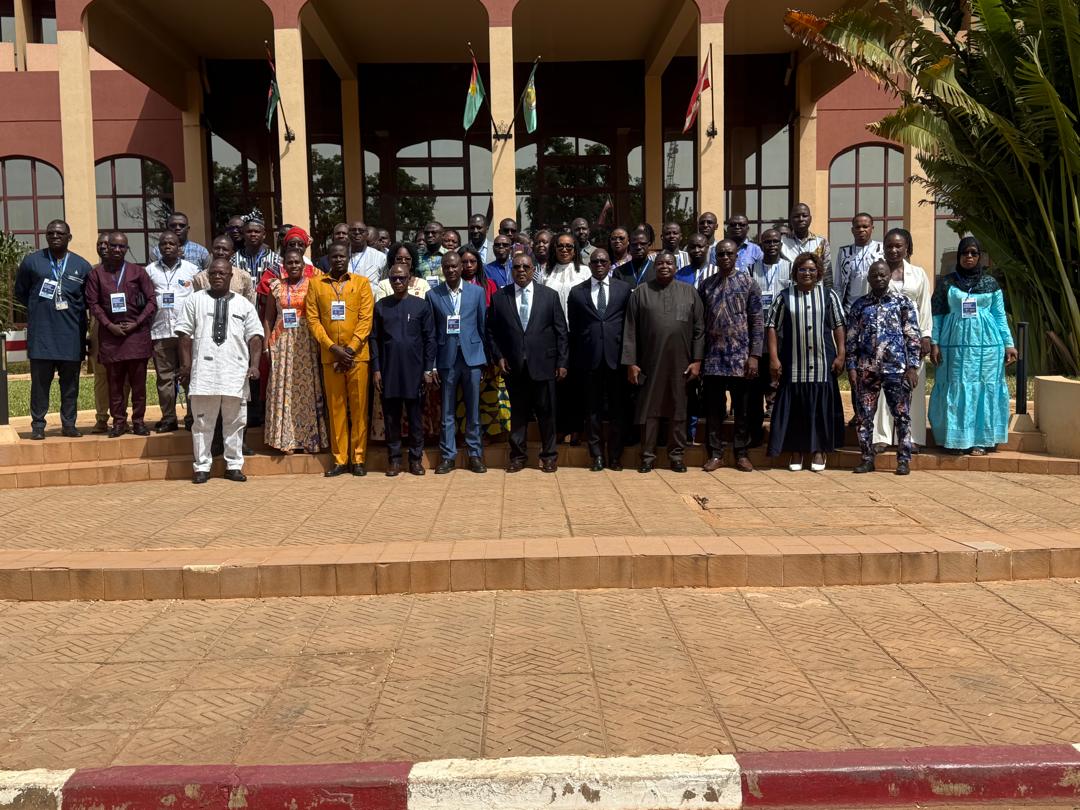
« Il existe un principe selon lequel nul n'est censé ignorer la loi. Pourtant, nous savons que même les professionnels du droit ne maîtrisent pas toujours l'ensemble des textes juridiques. Si les professionnels chargés de son application ne le connaissent pas suffisamment, il serait difficile d'exiger des populations qu'elles en aient une parfaite connaissance », a-t-il expliqué. Dans cette dynamique, la Cour de justice organise chaque année des séminaires nationaux dans un ou deux États membres. Pour cette édition à Ouagadougou, le choix a porté sur les avocats et les magistrats, dont les responsabilités sont essentielles dans la défense des justiciables et le règlement des litiges.
Kuami Gaméli Lodonou a également attiré l'attention sur les conséquences de la méconnaissance des textes juridiques pour les citoyens. « Un citoyen qui ignore ses droits ne peut ni en jouir pleinement ni en réclamer le respect lorsqu'ils sont bafoués. Les avocats jouent donc un rôle fondamental dans ce processus. Lorsqu'un citoyen sollicite leur assistance, il leur appartient d'identifier les dispositions juridiques appropriées pour défendre ses intérêts », a-t-il souligné.
Les participants ont eu l'occasion de découvrir ou de redécouvrir le site web de la Cour de justice de l'UEMOA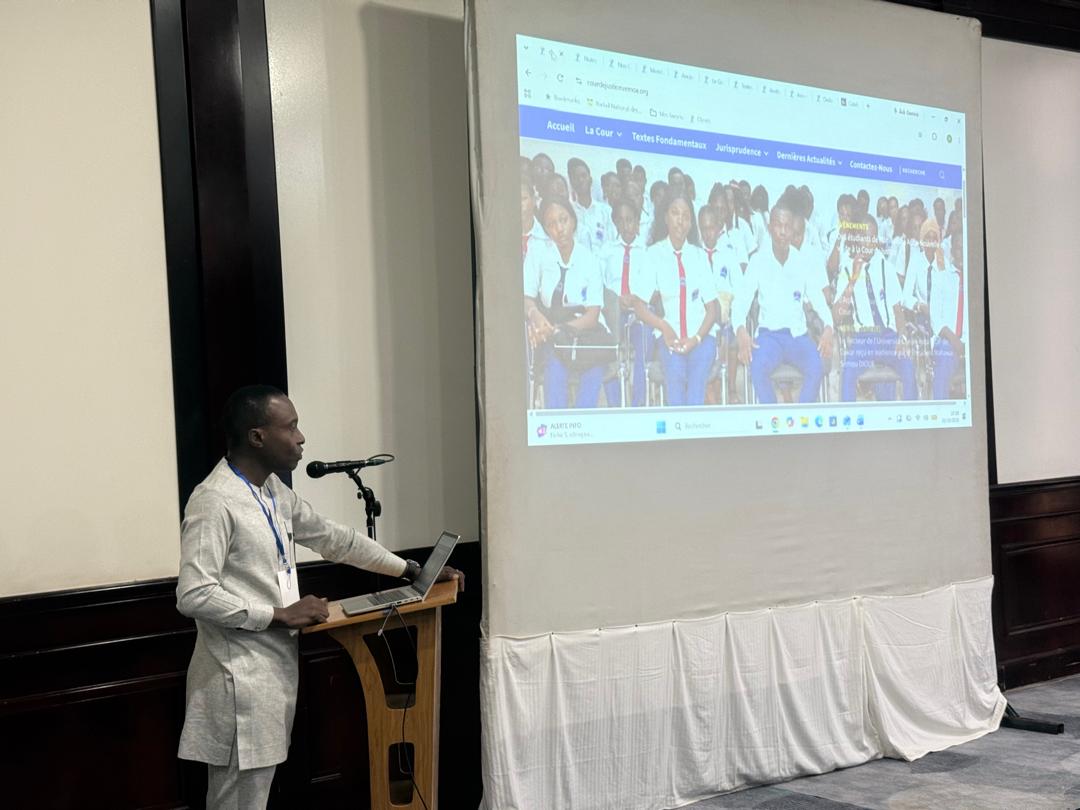
Le président de la Cour de justice de l'UEMOA a par ailleurs exprimé le souhait de voir les administrations publiques mieux respecter les obligations découlant des normes communautaires. Il attend également des magistrats une interprétation appropriée de ces textes lors du règlement des litiges, afin de garantir leur application effective.
Présent à ce séminaire de formation , Maître Jacques Soré, membre du Conseil de l'Ordre des avocats, a salué l'initiative. Selon lui, cette formation permet aux avocats d'approfondir leurs connaissances des règles de fond et de forme du droit communautaire. Ces règles s'appliquent aux procédures engagées devant les juridictions nationales et la Cour de justice de l'UEMOA. « Nous souhaitons que les différentes questions relatives au droit communautaire soient examinées de manière approfondie, afin de permettre aux avocats de mieux maîtriser les procédures applicables et d'intervenir efficacement chaque fois que ce droit est en jeu », a-t-il indiqué.
Le président de la Cour de justice de l'UEMOA, le magistrat togolais Kuami Gaméli Lodonou (à droite), a souligné l'importance de cette formation pour une meilleure protection des droits des populations de l'espace communautaire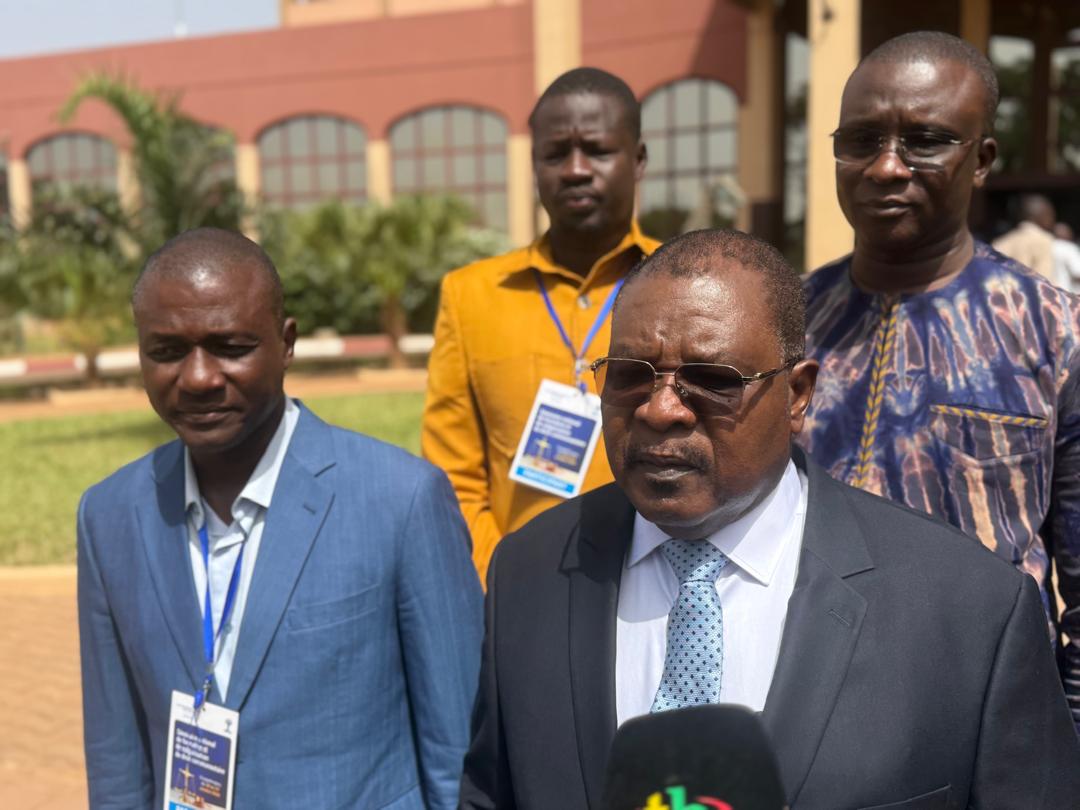
Maître Jacques Soré a rappelé que la formation initiale et continue constitue une priorité pour l'Ordre des avocats du Burkina Faso. Le droit communautaire figure déjà dans ses programmes de renforcement des capacités. Il estime que ce séminaire vient compléter les efforts engagés pour améliorer les compétences des avocats.
Au-delà du renforcement des capacités des professionnels de la justice, Kuami Gaméli Lodonou considère le droit comme un levier essentiel de l'intégration sous-régionale. « L'intégration ne se fera pas par les seuls chefs d'État. Elle ne se fera pas non plus par la seule UEMOA. Elle se fera certainement par le droit dans nos prétoires, audience après audience », a-t-il déclaré.
Maître Jacques Soré, membre du Conseil de l'Ordre des avocats, chargé de la communication, de l'information et de la publicité fonctionnelle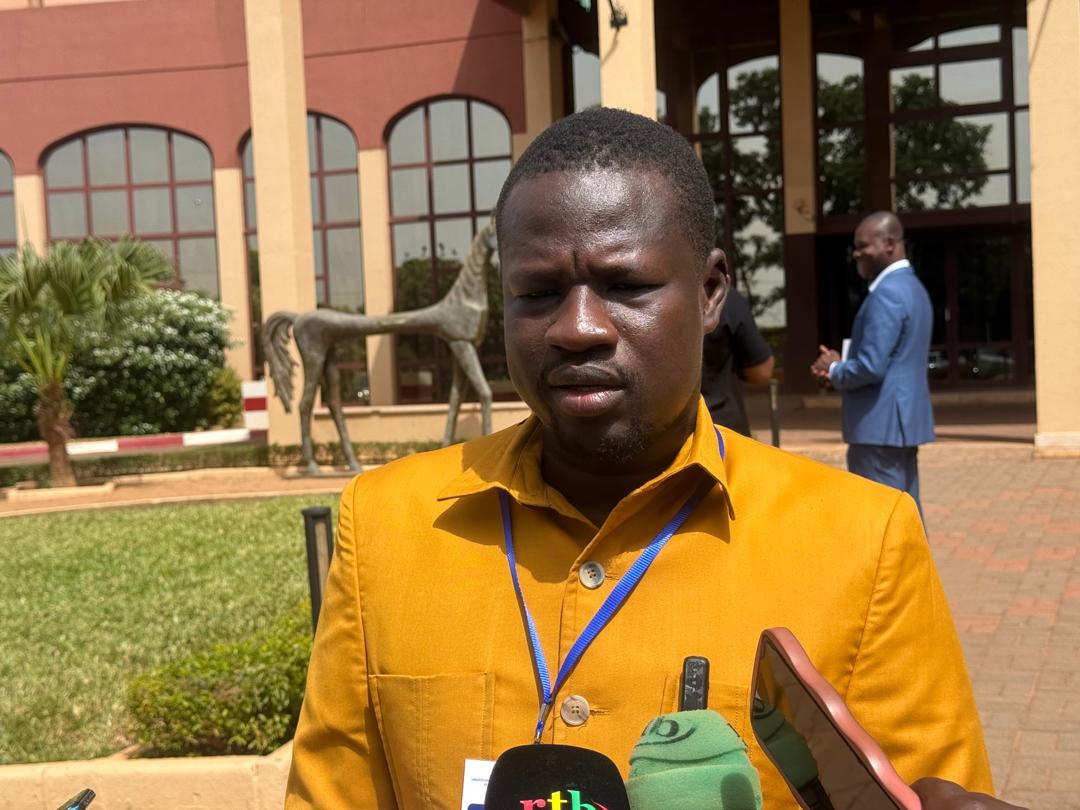
En rappel, l'UEMOA regroupe huit États membres, à savoir le Bénin, le Burkina Faso, la Côte d'Ivoire, la Guinée-Bissau, le Mali, le Niger, le Sénégal et le Togo. Cet espace communautaire compte plus de 140 millions d'habitants.
Samirah Bationo
Lefaso.net
Categories: Afrique
Burkina/Protection de l'enfance : Le projet RESYPE officiellement lancé
Le ministère chargé de la famille, en collaboration avec le Centre italien d'aide à l'enfance (CIAI), a procédé au lancement officiel du projet « Renforcer le système de protection des enfants » (RESYPE), le mardi 20 octobre 2026, à Ouagadougou. Prévue sur 18 mois, cette initiative entend améliorer la prise en charge des enfants vulnérables, prévenir l'abandon des enfants et promouvoir leur droit à grandir dans un environnement familial protecteur.
Le renforcement du système de protection de l'enfance au Burkina Faso passe notamment par une meilleure prévention des ruptures familiales et une prise en charge adaptée des enfants vulnérables. C'est dans cette perspective que le projet « Renforcer le système de protection des enfants » (RESYPE) a été officiellement lancé dans la matinée du mardi 20 octobre 2026, à Ouagadougou, à l'occasion d'un atelier organisé par le ministère chargé de la famille, en collaboration avec le Centre italien d'aide à l'enfance (CIAI).
Mis en œuvre en partenariat avec plusieurs organisations, le projet entend agir sur plusieurs leviers, notamment la lutte contre le phénomène de l'abandon des enfants, l'accès à l'identité légale, la santé sexuelle et reproductive, ainsi que la formation et l'autonomisation des jeunes filles vulnérables.
Pour atteindre ces objectifs, les partenaires prévoient des interventions ciblées, avec une attention particulière accordée aux enfants en situation de handicap. Madomba Sanou, représentante pays du CIAI au Burkina Faso, a précisé que l'action de son organisation portera essentiellement sur le renforcement des capacités des acteurs intervenant dans le domaine de la protection de l'enfance. « Nous sommes plutôt dans le renforcement des capacités des acteurs. Mais cette année, nous prenons vraiment en compte le handicap », s'est-elle exprimée.
Au-delà du lancement officiel, l'atelier constitue un cadre de concertation entre les différentes organisations engagées dans la mise en œuvre du projet. Il doit permettre de présenter les résultats attendus par chaque partenaire et d'échanger sur les mécanismes de protection et de prise en charge des enfants vulnérables.
Madomba Sanou a souligné l'importance d'une action concertée pour garantir l'atteinte des objectifs fixés. « L'atelier de ce matin nous permettra d'abord de présenter les résultats attendus du projet par chaque partenaire et aussi d'échanger sur le mécanisme de protection et de prise en charge des enfants vulnérables. Je suis convaincue que c'est à travers une synergie d'action que nous allons atteindre les résultats escomptés et contribuer surtout à apporter un lendemain meilleur pour nos tout-petits », a-t-elle poursuivi.
« Le projet RESYPE bénéficie du financement du département de politique de la famille qui relève du gouvernement italien », confie Madomba Sanou, représentante pays du CIAI au Burkina Faso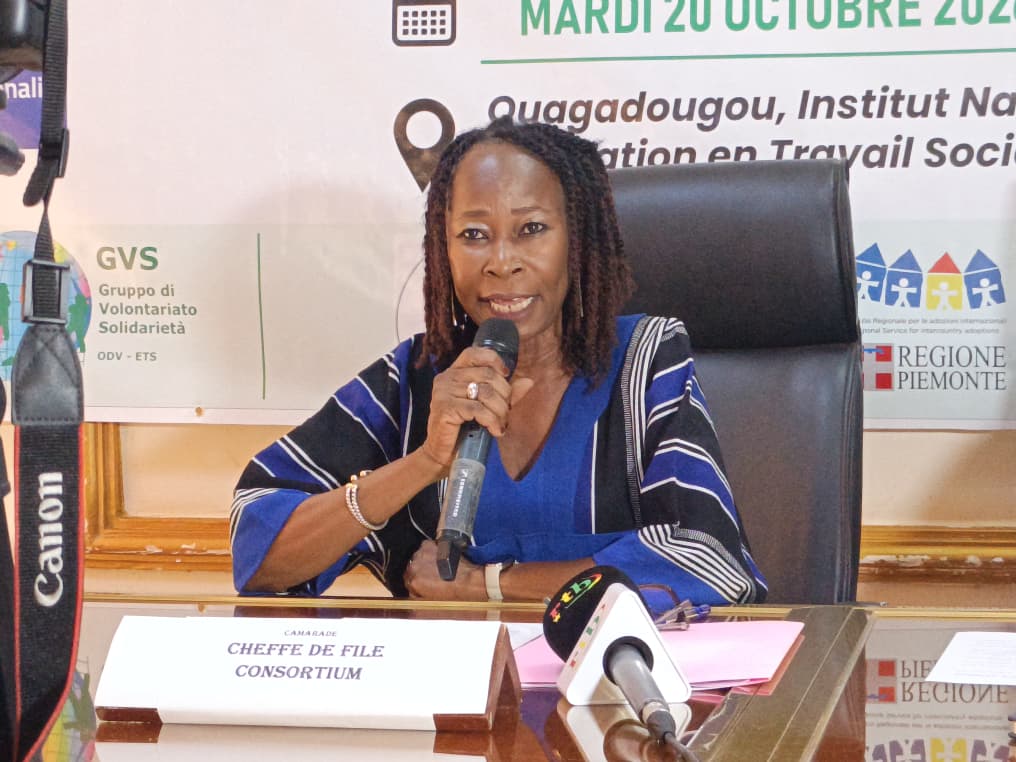
Plus de 8 000 bénéficiaires directs attendus
D'une durée de 18 mois, le projet RESYPE ambitionne de toucher plus de 8 000 bénéficiaires directs et plus de 12 000 bénéficiaires au total, selon les estimations présentées. Les activités seront principalement déployées dans les provinces du Kadiogo et du Boulkiemdé.
Certaines interventions auront toutefois une portée nationale. C'est notamment le cas des actions relatives à l'adoption et au renforcement des capacités des responsables des structures concernées, qui s'étendront à l'ensemble du territoire burkinabè.
Pour le ministère chargé de la famille et de la solidarité, cette initiative s'inscrit dans la continuité des efforts déjà engagés en faveur des enfants privés de milieu familial. Elle vise notamment à prévenir les ruptures familiales, à promouvoir le placement familial et l'adoption nationale, à favoriser l'inclusion des enfants en situation de handicap et à faciliter l'accès à l'identité légale.
Représentant le secrétaire général du ministre chargé de la famille, Wendpouiré Benjamin Ouédraogo, directeur de la famille et de l'enfant, a rappelé le principe qui doit guider les actions en faveur des plus jeunes. « Notre conviction est claire. Chaque enfant a le droit de grandir dans un environnement familial sûr et protecteur », martèle-t-il.
Wendpouiré Benjamin Ouédraogo invite l'ensemble des acteurs à participer activement à cet atelier afin que les recommandations permettent de mieux articuler les activités du projet avec les priorités nationales et les dispositifs existants.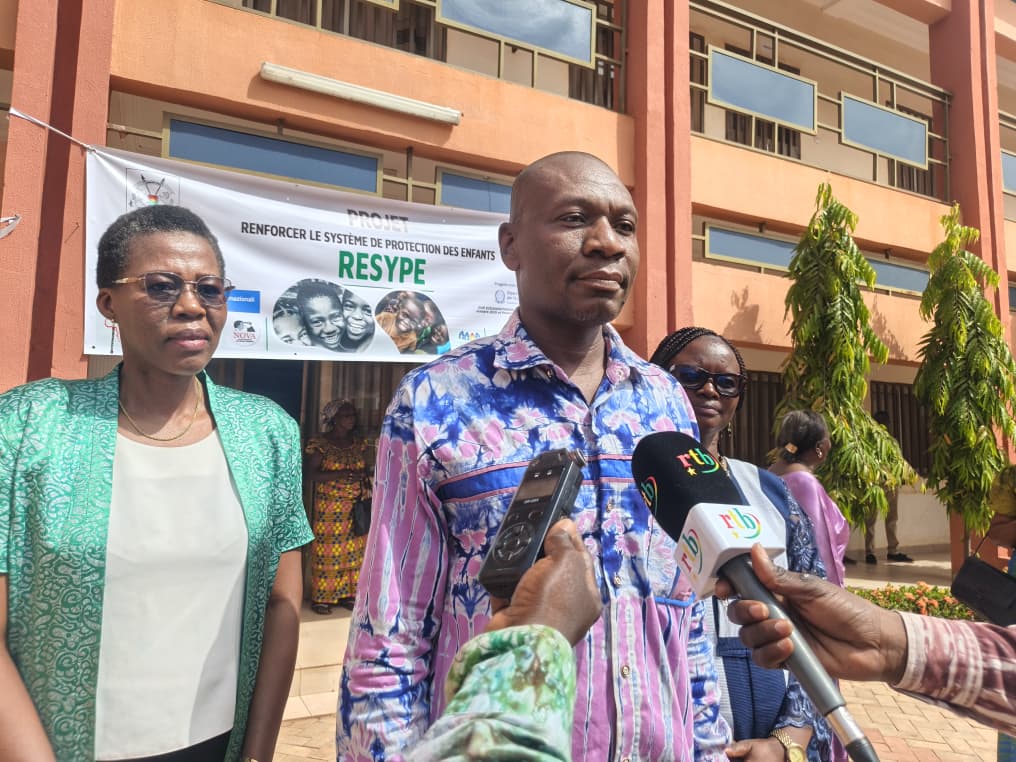
Il a également insisté sur la nécessité de renforcer la coordination entre les services sociaux, la justice, la santé, l'éducation, les structures d'accueil et les organisations partenaires. Pour lui, l'articulation des interventions entre ces différents acteurs constitue un enjeu important pour améliorer la protection et la prise en charge des enfants vulnérables.
À l'issue de l'atelier, les participants sont ainsi invités à formuler des recommandations concrètes afin de mieux articuler les activités du projet RESYPE avec les priorités nationales en matière de protection de l'enfance.
Muriel Dominique Ouédraogo
Lefaso.net
Categories: Afrique
Burkina Faso : Les régulateurs du numérique de l'UEMOA réunis à Ouagadougou pour renforcer leur coopération
La deuxième session du Comité des régulateurs nationaux du numérique (CRNN) des États membres de l'Union économique et monétaire ouest-africaine (UEMOA) s'est ouverte ce mardi 20 octobre 2026 à Ouagadougou. Les travaux, prévus jusqu'au 22 octobre, portent notamment sur la régulation des services financiers numériques, la mutualisation des infrastructures de télécommunications et la mise en œuvre de l'itinérance communautaire (roaming).
Les régulateurs nationaux du numérique des États membres de l'UEMOA sont réunis pour examiner les défis liés à l'évolution des usages numériques et renforcer la coopération entre leurs institutions. Cette deuxième session du Comité des régulateurs nationaux du numérique (CRNN) s'inscrit dans la continuité des échanges engagés à Cotonou, au Bénin, du 28 au 31 octobre 2025.
À l'ouverture des travaux, le secrétaire exécutif de l'Autorité de régulation des communications électroniques et des postes (ARCEP) du Burkina Faso, Wendlassida Patrice Compaoré, a souligné l'importance de cette rencontre pour consolider les synergies entre les autorités de régulation. Le Burkina Faso, qui assure la présidence en exercice du CRNN, entend contribuer à une régulation efficace, inclusive et adaptée aux transformations du secteur numérique.
Selon lui, les sujets inscrits à l'ordre du jour touchent directement les populations et le développement des économies de l'Union. Il a notamment insisté sur la nécessité d'une concertation entre les institutions compétentes en matière de services financiers numériques, afin de mieux articuler leurs interventions tout en garantissant la protection des usagers.
La mutualisation des infrastructures de télécommunications figure également parmi les principaux points examinés. Le partage d'expériences entre les États membres devrait permettre d'identifier des pratiques susceptibles de faciliter le déploiement des réseaux, d'améliorer la couverture des territoires et de renforcer la qualité des services offerts aux utilisateurs.
Autre enjeu majeur de cette session, la mise en œuvre du roaming dans l'espace communautaire. Les participants devront faire le point sur les travaux préparatoires aux accords bilatéraux dont la signature est prévue le 23 octobre 2026 à Ouagadougou. Ces accords visent à faciliter les communications électroniques transfrontalières au bénéfice des voyageurs, des familles et des acteurs économiques.
Wendlassida Patrice Compaoré, secrétaire exécutif de l'ARCEP du Burkina Faso, a souligné l'importance de la coopération entre les régulateurs nationaux pour relever les défis du numérique dans l'espace UEMOA.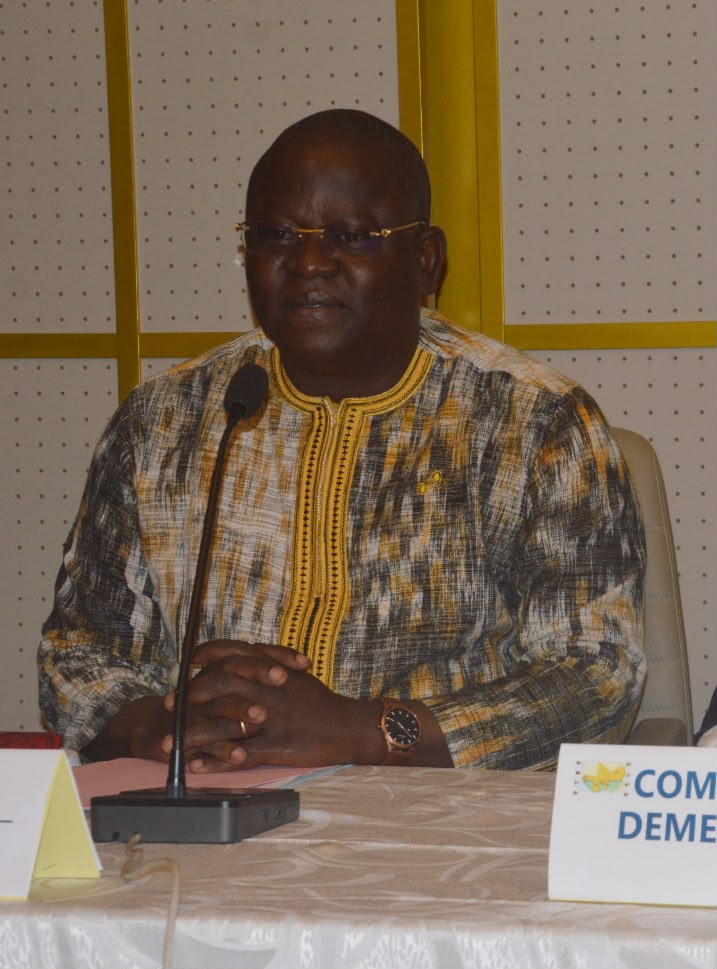
Le commissaire chargé du département du développement de l'entreprise, des mines, de l'énergie et de l'économie numérique à la Commission de l'UEMOA, Paul Koffi Koffi, a rappelé que la création du CRNN, par la décision nᵒ 10/2023/CM/UEMOA du 22 septembre 2023, marque une évolution dans la coopération entre les organismes nationaux chargés de la régulation et de la surveillance du numérique.
En succédant au Comité des régulateurs nationaux de télécommunications (CRTEL), le CRNN a élargi le champ de la concertation communautaire pour tenir compte de la diversification des acteurs, des services et des enjeux du numérique. Ceux-ci concernent désormais, au-delà des télécommunications traditionnelles, les services financiers numériques, la protection des données à caractère personnel, les services de confiance, l'accès à l'information publique et la sécurité numérique.
Pour Paul Koffi Koffi, la coordination entre les autorités nationales est indispensable pour assurer la cohérence des interventions publiques, protéger les utilisateurs et favoriser le développement harmonieux du marché numérique communautaire. Il a ainsi invité les participants à faire de cette session un cadre de propositions concrètes et mesurables.
Paul Koffi Koffi, commissaire à la Commission de l'UEMOA, a mis en avant la nécessité d'une régulation harmonisée pour favoriser l'intégration numérique régionale.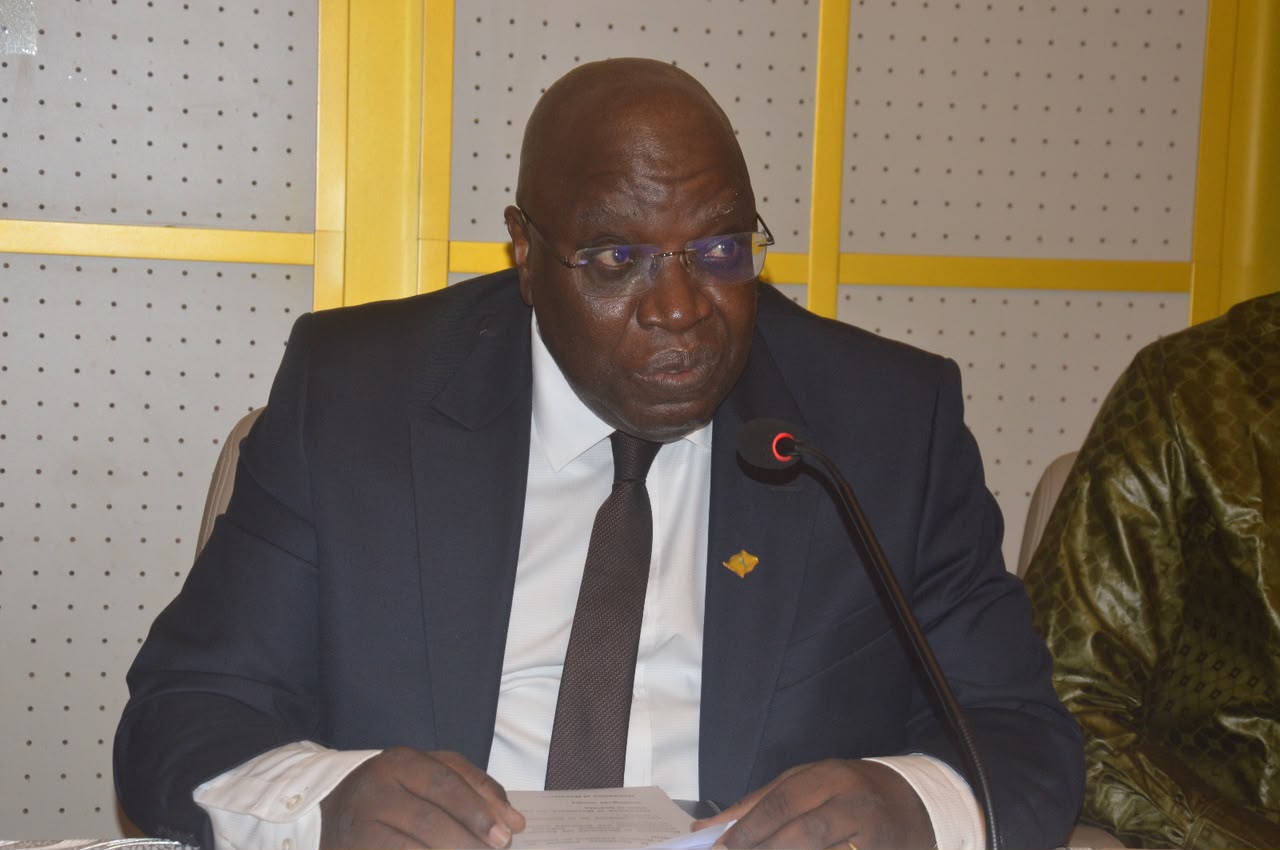
La croissance des usages numériques appelle une régulation adaptée
Pour illustrer l'importance des enjeux abordés, le représentant de la Commission de l'UEMOA a évoqué la progression des services financiers numériques dans l'Union. Selon le rapport annuel de la Banque centrale des États de l'Afrique de l'Ouest (BCEAO) consacré à l'année 2024, le nombre de comptes de monnaie électronique ouverts dans l'espace communautaire a atteint environ 248 millions, contre 209 millions en 2023, soit une progression de près de 19 %.
Le nombre de comptes actifs s'est établi à environ 77 millions, tandis que les points d'acceptation marchande ont dépassé 3,7 millions. Ces chiffres traduisent l'ampleur prise par les usages numériques dans les activités financières des populations et des entreprises.
Toutefois, cette évolution s'accompagne de défis liés notamment à l'accessibilité des services, à la qualité des réseaux, à la sécurité des transactions, à la protection des données et à l'interopérabilité des solutions. Face à ces enjeux, le commissaire a plaidé pour une coopération renforcée entre les régulateurs des communications électroniques, les autorités de supervision financière et les organismes chargés de la protection des données.
Les responsables des institutions de régulation et les représentants des États membres de l'UEMOA réunis autour des enjeux de la régulation du numérique dans l'espace communautaire.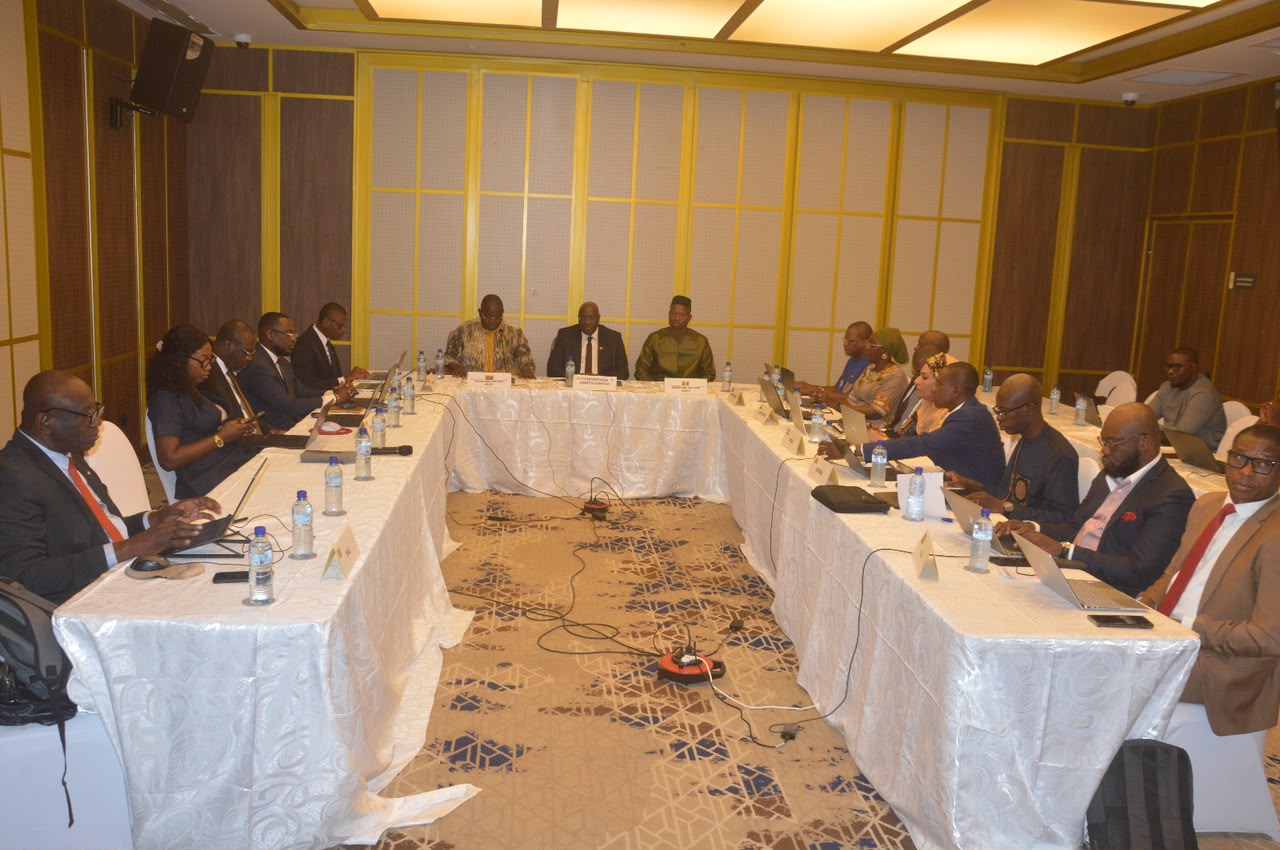
Concernant la mutualisation des infrastructures, il a relevé que le partage des équipements, lorsqu'il est techniquement et économiquement pertinent, peut contribuer à réduire les coûts de déploiement des réseaux et à accélérer la couverture des zones insuffisamment desservies. Il a toutefois souligné que cette démarche doit respecter les exigences de concurrence, de sécurité des réseaux et de qualité de service.
Le roaming au cœur de l'intégration numérique
La question de l'itinérance communautaire occupe une place particulière dans les travaux. Pour la Commission de l'UEMOA, la facilitation des communications électroniques au-delà des frontières constitue une exigence pour un espace engagé dans un processus d'intégration économique et monétaire.
La signature des accords bilatéraux de roaming, prévue le 23 octobre 2026 à Ouagadougou, représente ainsi une étape importante dans cette dynamique. L'objectif est de permettre aux citoyens en déplacement, aux commerçants, aux transporteurs et aux autres acteurs économiques de communiquer dans des conditions tarifaires raisonnables et transparentes.
Paul Koffi Koffi a cependant précisé que la signature de ces accords ne constituera que le début d'un processus. Leur réussite dépendra notamment du suivi des engagements, de l'information des consommateurs, de la transparence des tarifs et de l'évaluation régulière des résultats obtenus.
Au-delà de ces trois principaux axes, les participants examineront le plan d'actions 2026-2027 du CRNN afin d'évaluer les engagements pris et de définir les suites à leur donner.
À travers cette deuxième session, la Commission de l'UEMOA et les autorités nationales de régulation entendent consolider la convergence réglementaire, renforcer la coopération technique et approfondir l'intégration numérique régionale. Les conclusions des travaux sont attendues sous forme de recommandations opérationnelles destinées à accompagner le développement d'un marché numérique communautaire intégré, inclusif et sécurisé.
Anita Mireille Zongo
Lefaso.net
Categories: Afrique
Burkina/Semaine de l'étudiant : Entre coopération sino-burkinabè, sécurité et engagement citoyen
Du 20 au 24 octobre 2026, le Club des délégués des étudiants des établissements supérieurs du Burkina Faso (CDEES-BF) organise la Semaine de l'étudiant autour de la coopération sino-burkinabè, de la sécurité estudiantine et des échanges culturels et humains. À travers des conférences, un don de sang et des activités citoyennes, l'organisation entend promouvoir une jeunesse universitaire responsable, patriote et engagée dans le développement national.
C'est à l'École burkinabè des affaires, à Ouagadougou, que s'est tenue la conférence, marquant le début des activités de la semaine de l'étudiant. Plusieurs étudiants venus des différentes universités et instituts d'enseignement ont participé à la conférence.
Le thème de cette édition « Coopération sino-burkinabè, sécurité des étudiants et échanges culturels et humains : bâtir une jeunesse universitaire responsable, ouverte et engagée pour un avenir commun », traduit une volonté de faire de l'étudiant un acteur majeur des transformations de notre société, selon le président du CDEES-BF, Idrissa Ramdé.
D'après lui, la coopération sino-burkinabè représente une véritable opportunité en matière de formation, d'innovation et d'ouverture internationale. Toutefois, note-t-il, « notre conviction est claire : c'est d'avoir une jeunesse ouverte sur le monde, capable de tirer profit des expériences et des savoirs venus d'ailleurs, sans jamais renoncer à ses racines, à ses valeurs ni à son identité ».
Le président national du CDEES-BF, Idrissa Ramdé, a salué la mobilisation des étudiants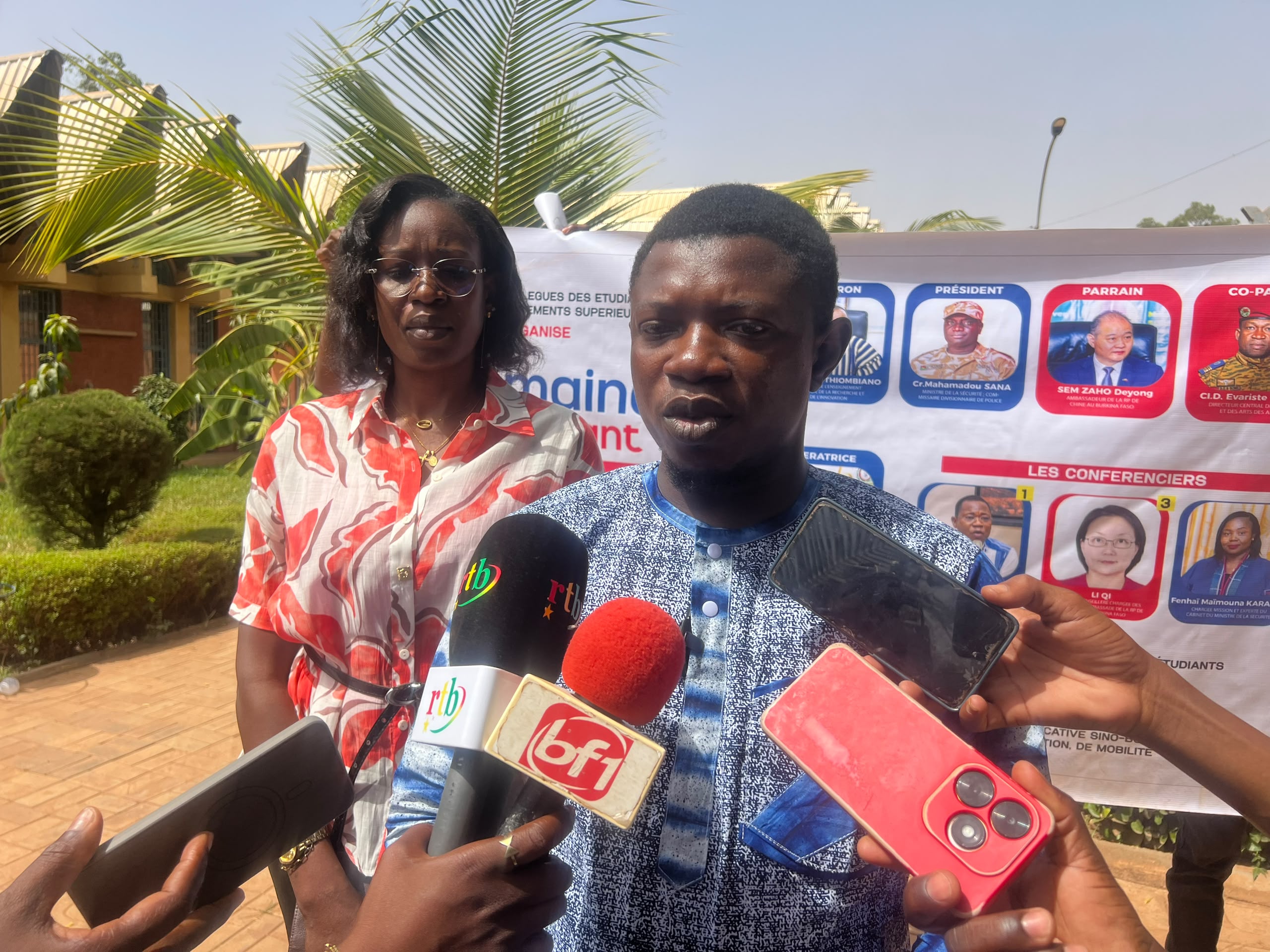
« Nous ne devons pas être une génération de diplômés sans compétences ! Nous ne devons pas être une génération de revendications sans propositions ! Nous ne devons pas être une génération d'ambitions sans discipline ! Nous devons être une génération de savoir, de courage, de responsabilité et d'action ! Car la véritable valeur d'un étudiant ne réside pas uniquement dans son diplôme, mais dans sa capacité à être utile à sa société », a lancé le président du CDEES-BF.
Li Qi a représenté l'ambassadeur de Chine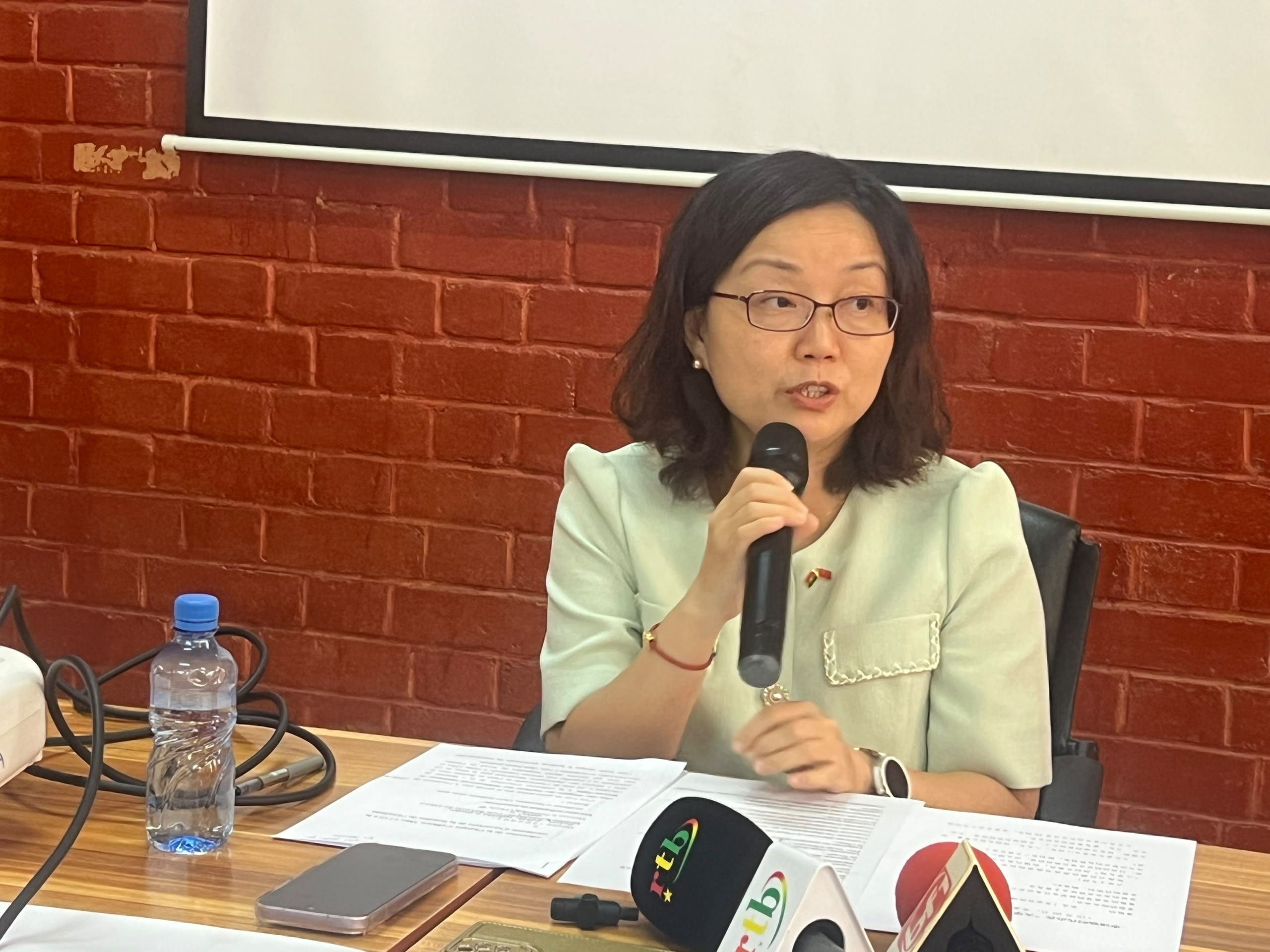
L'activité est placée sous le parrainage de la République populaire de Chine. La ministre conseillère de l'ambassade, Li Qi, a représenté l'ambassadeur. Elle a invité les jeunes Burkinabè à nourrir de grandes ambitions, à étudier avec assiduité, à s'ancrer dans les réalités de leur pays tout en gardant une ouverture sur le monde et à mettre l'énergie et le dynamisme de leur jeunesse au service du développement continu, de l'amitié et de la coopération entre la Chine et le Burkina Faso et plus largement entre la Chine et l'Afrique.
Elodie, attaché à l'ambassade de chine, a présenté une communication sur les études universitaires dans son pays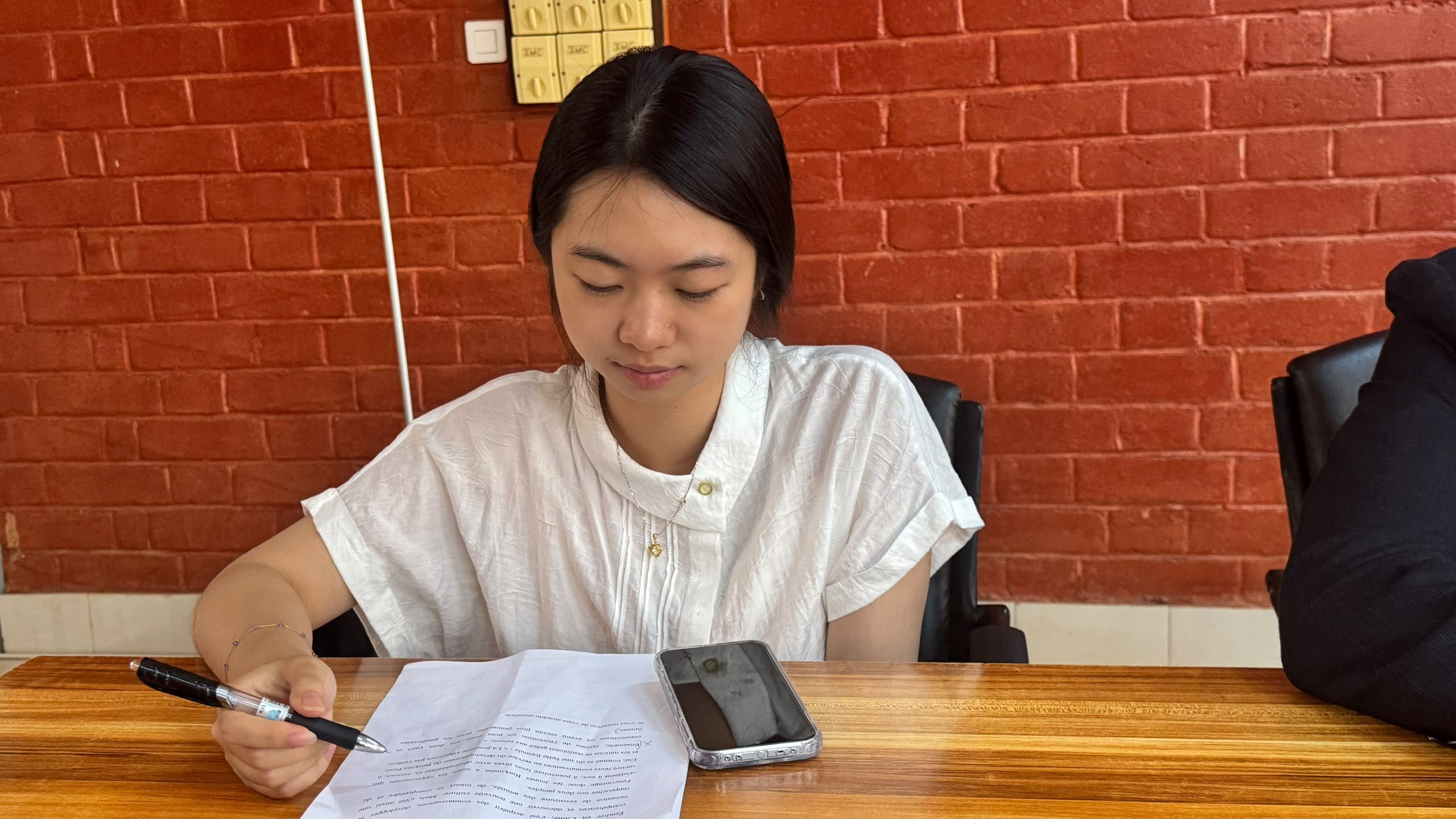
Elle a également affirmé que la Chine continuera à promouvoir la coopération éducative et les échanges humains et culturels entre les deux pays afin d'offrir aux jeunes burkinabè davantage de possibilités de bourses d'études, de formation en Chine et de programmes d'échanges.
Cette activité est marquée par plusieurs communications données par des Burkinabè et des Chinois.
Serge Ika Ki
Lefaso.net
Categories: Afrique
Zelensky Seeks U.S. Support, but Is Trump Interested?
The White House appears increasingly focused on bolstering ties with Russia.
Categories: Diplomacy & Crisis News
Décès de El Hadji Balima Moussa : Faire part
Categories: Afrique
In memoriam : Maitre KALE DIARRA/ Quaye
21 Octobre 2004 – 21 Octobre 2026
Il ya 22 années de cela, que tu t'es endormie dans le Seigneur, ton Dieu, et en ce jour du 21 Octobre 2026, nous voulons
Papa, Ella, Fifi, Nanan, et Nael, demander à toutes celles, et a tous ceux qui t'ont connue, d'avoir pour toi.
Maitre KALE DIARRA/ Quaye
Ex Notaire à Ouagadougou
Une pieuse pensée !!
Categories: Afrique
Décès de Mossé/Ky Panlô Thérèse : Remerciements et faire-part
La grande famille Mossé, Ky et alliés vous remercient sincèrement du fond du cœur pour vos marques de compassion, votre présence et vos soutiens multiformes lors du rappel à Dieu de leur maman, qui, leur était si chère le 14 Octobre dernier.
Que Dieu tout puissant vous comble de sa grâce.
Merci
Categories: Afrique
Trump Makes Midterm Pitch to Farmers
An $8 billion aid package aims to take the edge off the strain of the Iran war and trade chaos.
Categories: Diplomacy & Crisis News
Trump says he wants Zelenskyy to ‘make a deal’ with Russia
"He's going to have to want to make a deal, because I don't think his people are going to stand for it any longer," said Trump
Categories: European Union
Weber gears up to fight ‘political enemies’ in 2029
The EPP chief reshuffles his top team, bringing a Péter Magyar ally into his inner circle
Categories: European Union
Un éleveur ampute la main d'un agriculteur à Kika
Un nouvel incident lié aux conflits agro-pastoraux a été signalé dans la commune de Tchaourou, département du Borgou, ce mardi 20 octobre 2026. Un éleveur a amputé la main d'un agriculteur à Kika.
Un agriculteur perd une main dans un conflit l'opposant à un éleveur. Les faits se sont produits ce mardi 20 octobre 2026 à Kika, dans la commune de Tchaourou. Le cultivateur, a-t-on appris, a surpris un troupeau de bœufs en train de ravager son champ de maïs. Il a alors tenté de chasser les animaux afin de protéger sa production. Cette intervention aurait provoqué une altercation entre lui et l'éleveur.

Au cours de la dispute, ce dernier aurait fait usage d'une machette et tranché la main du cultivateur. Les circonstances précises de l'incident restent à établir.
Cet incident remet encore sur tapis la problématique de la cohabitation entre agriculteurs et éleveurs dans le Borgou, notamment à Tchaourou, une commune régulièrement confrontée à des conflits liés aux dégâts causés par les troupeaux dans les champs. Ceci, malgré les nombreuses mesures prises par les autorités pour encadrer les corridors ainsi que le calendrier de transhumance.
F. A. A.
Categories: Afrique
Sénégal: des centaines de travailleurs se mobilisent avant une grève générale annoncée pour trois jours
Au Sénégal, 72 heures de grève générale ont été décrétées à compter de ce mercredi 21 octobre. Le mouvement est lancé par le Front syndical pour la défense du travail (FSDT), un collectif qui rassemble 13 syndicats – incluant le secteur de la santé, l’éducation ou encore le transport. Malgré l’appel à reculer lancé par le gouvernement mardi, les travailleurs maintiennent leur mot d’ordre.
Categories: Afrique, Nyugat-Balkán
Europa League im TV heute: Was läuft?
Die Europa League sorgt auch heute wieder für spannende Fußballabende und hält zahlreiche Highlights bereit. Von packenden Partien wie Manchester United gegen Sevilla bis hin zu Gruppenspielen mit viel Versprechen, gibt es für jeden Fußballfan etwas zu sehen. Verpassen Sie nicht die intensive Begegnung zwischen Eintracht Frankfurt und Olympiacos, sowie die detaillierte Expertenanalyse, wenn Arsenal auf PSV Eindhoven trifft.
Aktualisieren Sie sich über die bevorstehenden Anstoßzeiten und verfolgen Sie live das Spiel Ajax gegen AS Roma. Auch Bayer Leverkusen steht vor einer großen Herausforderung, wenn Sie auf den schottischen Meister Celtic treffen. Sehen Sie exklusive Interviews mit Trainern und genießen Sie halbezeitliche Analysen der besten Torszenen des Abends. Der heutige Abend bietet eine breite Palette an fußballerischem Spitzenklasse – seien Sie dabei!
Das Wichtigste in Kürze- Heute Abend spielt Manchester United gegen Sevilla live auf Sport1.
- Ajax trifft auf AS Roma, Anstoßzeit 21:00 Uhr auf DAZN.
- Eintracht Frankfurt vs Olympiacos, Spiel läuft auf RTL.
- Bayer Leverkusen herausgefordert von Celtic, live auf Eurosport.
- Expertenanalysen und Halbzeit-Highlights bieten umfassende Spielbewertungen.
Heute Abend können Sie Manchester United gegen Sevilla live verfolgen. Dieses spannende Match wird zweifellos ein Highlight des Fußballabends sein.
Empfehlung: Europa Park Rabatt: Sparen mit Spaß
Group Stage Highlights: Eintracht Frankfurt vs Olympiacos Europa League im TV heute: Was läuft?Erleben Sie noch einmal die aufregendsten Momente des Spiels zwischen Eintracht Frankfurt und Olympiacos. Lassen Sie sich von den besten Torszenen mitreißen und spüren Sie den Adrenalinschub, den nur europäische Wettbewerbe bieten können. Verpassen Sie nicht die Höhepunkte dieses spannenden Gruppenspiels.
Fußball ist einfache Mathematik: Wer mehr Tore schießt, gewinnt. – Franz Beckenbauer
Expertenanalyse: Arsenal trifft auf PSV EindhovenArsenal und PSV Eindhoven sind zwei der aufsehenerregenden Klubs in der Europa League. Arsenal, angeführt von Mikel Arteta, hat sich auf Ihre starke Offensive konzentriert, während PSV Eindhoven auf ein robustes Verteidigungssystem setzt. Beide Teams zeigen eindrucksvolle Formationen und Taktiken, die zu einem aufregenden Spiel beitragen werden.
Countdown zur Anstoßzeiten: Ajax vs AS RomaBereiten Sie sich vor auf ein hochspannendes Duell zwischen Ajax und der AS Roma. Verpassen Sie nicht den Countdown zur Anstoßzeit, bei dem unsere Experten die Schlüsselspieler analysieren und die Taktiken beider Mannschaften diskutieren werden. Seien Sie rechtzeitig zu den Übertragungszeiten dabei, um keinen Moment dieses fesselnden Spiels zu verpassen!
Nützliche Links: Deka Grundbesitz Europa RC: Investieren Sie clever
.table-responsiv {width: 100%;padding: 0px;margin-bottom: 0px;overflow-y: hidden;border: 1px solid #DDD;overflow-x: auto;min-height: 0.01%;} Begegnung Uhrzeit Sender Manchester United vs Sevilla 20:45 Sport1 Eintracht Frankfurt vs Olympiacos 21:00 RTL Ajax vs AS Roma 21:00 DAZN Bayer Leverkusen vs Celtic 21:00 Eurosport Real Sociedad vs Napoli 21:00 Sky Spielfilm: Bayer Leverkusen herausgefordert durch Celtic Spielfilm: Bayer Leverkusen herausgefordert durch Celtic – Europa League im TV heute: Was läuft?Im heutigen Spielfilm trifft Bayer Leverkusen auf den schottischen Club Celtic. Beide Mannschaften sind dafür bekannt, offensiv und mit viel Energie zu spielen. Besonders spannend wird es, die Leistung von Spielern wie Patrik Schick und Moussa Dembele zu beobachten.
Leverkusen tritt in diesem Spiel als Favorit an, aber Celtic hat in der Vergangenheit mehrfach bewiesen, dass Sie stark und unvorhersehbar sind. Jeder Fehler könnte am Ende spielentscheidend sein.
Verwandte Themen: Europa Rundreise: Ihr Traumurlaub
Interviews: Trainerkommentare vor der BegegnungVor jeder wichtigen Begegnung ist es spannend, die Meinungen der Trainer zu hören. Im heutigen Interview äußerte sich Manchester Uniteds Coach positiv über den aktuellen Zustand seiner Mannschaft. Auf der anderen Seite betonte Sevillas Trainer die bedeutende Rolle der Fans, um sein Team zu motivieren.
Halbzeitanalyse: Die besten Torszenen und HighlightsDie Halbzeitanalyse konzentriert sich auf die besten Torszenen und Highlights des Spiels. Im Mittelpunkt stehen die herausragenden Leistungen der Spieler, insbesondere die spektakulären Tore. Hier wird präzise erläutert, wie diese Situationen entstanden sind, welche Spielzüge dazu führten und welche Techniken eingesetzt wurden. Diese Einblicke bieten ein tieferes Verständnis für den aktuellen Spielstand.
Besonders hilfreich ist es dabei, die Schlüsselmomente hervorzuheben, in denen die Teams Ihre taktische Überlegenheit zeigen konnten. Das ermöglicht den Zuschauern, das Geschehen auf dem Platz besser nachzuvollziehen und zu schätzen. Die Experten bieten eine detaillierte Analyse und betrachten sowohl technische als auch spielerische Aspekte, um die Spannung der Begegnung noch deutlicher zu machen.
Live-Übertragung: Real Sociedad vs NapoliDie Begegnung zwischen Real Sociedad und Napoli wird live übertragen und verspricht ein spannendes Duell zu werden. Beide Teams haben in der Vergangenheit Ihre Stärke bewiesen, und es bleibt abzuwarten, welche Mannschaft heute die Oberhand gewinnt. Fans können sich auf eine Partie voller intensiver Spielmomente freuen, in der sowohl die Offensive als auch die Defensive gefordert sein werden. Verpassen Sie nicht diese Höhepunkte des europäischen Fußballs!
FAQ: Antworten auf häufig gestellte Fragen Wie kann ich die Europa League-Spiele online streamen? Die Europa League-Spiele können online über verschiedene Streaming-Dienste wie DAZN, Eurosport Player oder Sky Go gestreamt werden. Überprüfen Sie die Verfügbarkeit der jeweiligen Spiele auf den Plattformen und abonnieren Sie, um die Spiele live zu verfolgen. Gibt es Wiederholungen der Spiele? Ja, viele Fernsehsender und Streaming-Plattformen bieten Wiederholungen der Europa League-Spiele an. Diese können in der Regel am nächsten Tag oder in den Tagen nach dem Spiel angesehen werden. Überprüfen Sie die Programmlisten oder die On-Demand-Sektionen der Dienste. Wie kann ich aktuelle Ergebnisse und Tabellenstände der Europa League abrufen? Aktuelle Ergebnisse und Tabellenstände der Europa League können auf diversen Sport-Websites wie kicker.de, transfermarkt.de oder auf den offiziellen Websites der UEFA und der jeweiligen Fernsehsender abgerufen werden. Viele Sport-Apps bieten ebenfalls aktuelle Live-Ticker und Tabellen an. Welche Stadionkapazitäten sind in der Europa League erlaubt? Die Stadionkapazitäten in der Europa League unterliegen den jeweiligen nationalen Vorschriften und Regelungen. Informieren Sie sich vor den Spielen über die aktuellen Bestimmungen bezüglich Zuschauerzahl und Sicherheitsmaßnahmen, die je nach pandemischer Lage variieren können. Wer sind die aktuellen Favoriten auf den Europa League-Titel? Zu den aktuellen Favoriten auf den Europa League-Titel zählen Vereine wie Manchester United, Arsenal, AS Roma und Napoli. Diese Teams haben in der Vergangenheit stark abgeschnitten und verfügen über Mannschaften mit hoher Qualität und Erfahrung.Der Beitrag Europa League im TV heute: Was läuft? erschien zuerst auf Neurope.eu - News aus Europa.
Categories: European Union
Les numéros gagnants du DIGITAL 20H
DIGITAL 20H : Avez-vous tenté votre chance ?
Le tirage DIGITAL 20H N°284 a livré son verdict !
Mardi 20 Octobre 2026
Avez-vous joué ?
Avez-vous misé sur vos numéros porte-bonheur ?
RÉSULTAT : 45 • 51 • 36 • 79 • 86
Félicitations aux heureux gagnants !
Pas encore cette fois ? Gardez le sourire.
Rendez-vous à 00H pour le prochain tirage.
Jouez dans les points de vente ou : Tapez *590# ou rendez-vous sur lnbloto.bj
Jouez avec modération et responsabilité. Le jeu doit rester un plaisir.
A TOI DE JOUER #XòGbɔnAlɔkpaVo
#LNBSA #JeuResponsable #LaChanceAvecModération
Categories: Afrique
Pages


© 2012-2018 Europa Varietas Foundation © 2015-2018 Europa Varietas Association
www.europavarietas.org | info(@)europavarietas(dot)org | Switzerland
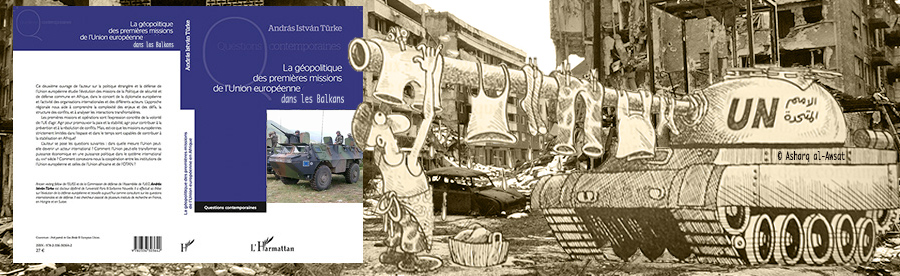
We are looking for sponsors for the English translation of these books, please contact turkeandras(at)gmail(dot)com