
You are here
Afrique
Crash Air Algérie au Mali : Swiftair écope d'une amende de 225 000 euros, l'AFAVIC salue le verdict
Le procès sur le crash dans la nuit du 24 juillet 2014 de l'avion d'Air Algérie, avec à son bord 116 personnes, a rendu son verdict ce lundi 28 septembre 2026 devant le Tribunal correctionnel de Paris. La compagnie Swiftair, propriétaire du MD-83, a été condamnée à la peine maximale de 225 000 euros d'amende par le Tribunal correctionnel pour homicides involontaires. Joint au telephone par notre media, Me Halidou Ouédraogo, président de l'Association des familles des victimes (AFAVIC) se dit satisfait du verdict.
Le Tribunal correctionnel de Paris a condamné Swiftair à 225 000 euros d'amende, soit la peine encourue, pour homicides involontaires, relaient plusieurs médias internationaux. Joint au téléphone, Me Halidou Ouédraogo, président de l'Association des familles des victimes (AFAVIC) note une satisfaction du verdict. "L'AFAVIC est en tout cas satisfaite de ce jugement parce qu'il a repris dans la grosse, tous les arguments que nous avions avancés : la négligence des appreteurs de l'avion Air Algérie, la responsabilité totale de Swiftair... C'est ce qui a été donné par l'association AH 5017 Agir ensemble en France. Au niveau de l'AFAVIC nous sommes vraiment satisfaits. On va prendre attache avec Agir ensemble pour voir la suite de cette affaire" a-t-il indiqué.
Pour rappel, « en pleine nuit, l'avion traversait une zone orageuse. Le système d'antigivrage n'ayant pas été activé, des cristaux de glace se sont formés dans des capteurs de pression, provoquant la décélération automatique des moteurs. L'équipage n'a pas réagi de manière appropriée, ce qui a conduit au décrochage fatal. La boîte noire n'a pas pu être exploitée. Appuyée sur des expertises, l'accusation a souligné que le commandant de bord avait manqué une séance obligatoire de remise à niveau consacrée précisément à l'antigivrage. Lui et sa copilote étaient des pilotes ‘'saisonniers'', sortant de plusieurs mois d'inactivité. La défense de Swiftair avait contesté la solidité du dossier constitué par les enquêteurs français. Ces derniers ont pourtant mis en évidence des manquements de la compagnie comme cause directe de l'accident, à rebours de la justice espagnole, qui a rendu un non-lieu », fait savoir H24 info, rappelant que le vol AH5017, qui reliait Ouagadougou à Alger, transportait plusieurs nationalités, dont 54 Français et 23 Burkinabè, ainsi que des Libanais et des Algériens. Le crash n'a laissé aucun survivant.
Les juges ont, selon le média, estimé que des négligences dans la formation et l'entraînement de l'équipage avaient contribué de façon certaine au terrible accident. En mars, à l'issue de trois semaines de débats, le Parquet avait déjà réclamé la peine maximale contre la société espagnole, qui avait loué l'appareil et son équipage à Air Algérie.
Lefaso.net.
Categories: Afrique
RAFFINOR-BF : 11 milliards FCFA pour transformer l'or au Burkina Faso
Le Burkina Faso a inauguré, lundi 28 septembre 2026 à Ouagadougou, sa première raffinerie d'or, dénommée RAFFINOR-BF. Présidée par le chef de l'État, le capitaine Ibrahim Traoré, cette cérémonie marque une nouvelle étape dans la stratégie nationale de souveraineté minière et de transformation locale des ressources.
Implantée dans l'arrondissement 12 de la capitale sur un site de cinq hectares, l'unité comprend notamment une fonderie, un laboratoire d'analyses, des espaces de stockage, une bijouterie et des bureaux administratifs. Dotée d'installations automatisées et fermées, elle doit produire de l'or fin titré à 99,9%.
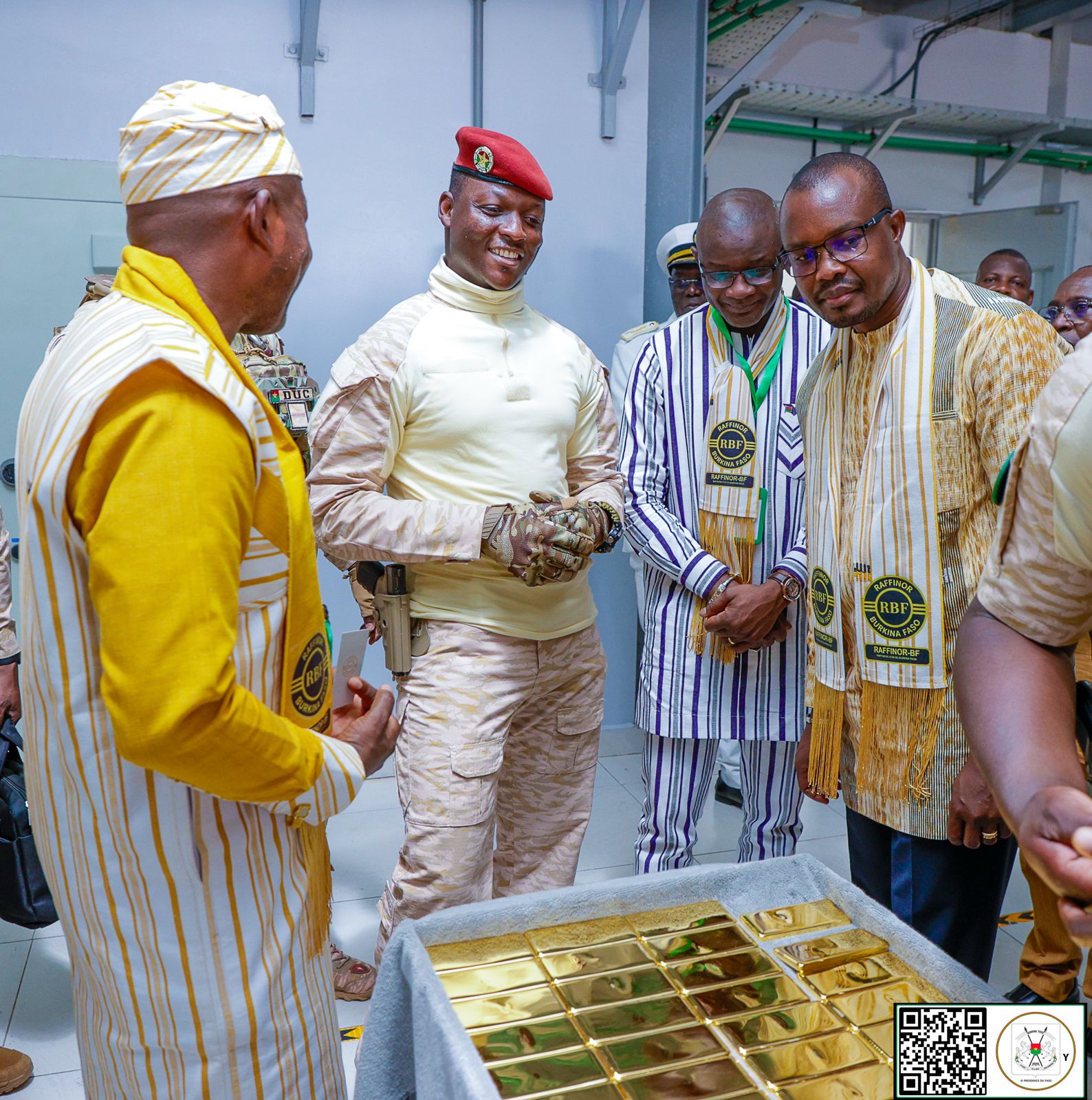
La première phase prévoit une capacité théorique de raffinage de 164 tonnes par an. Une extension ultérieure pourrait porter cette capacité à 515 tonnes annuelles. Le projet, financé à hauteur de 11 milliards FCFA, a été soutenu principalement par l'État burkinabè via la SONASP, avec l'appui de partenaires privés.
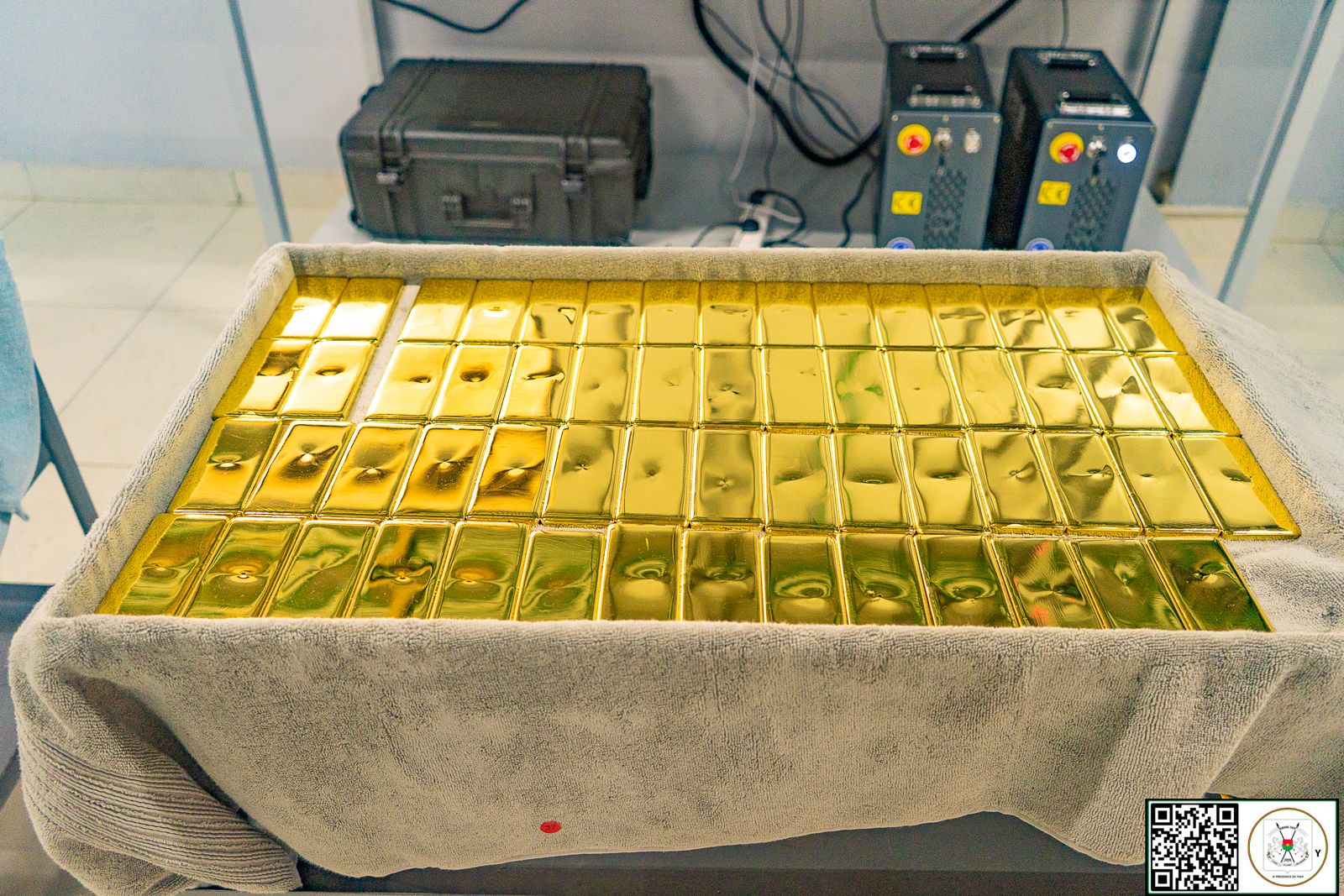
Les autorités entendent faire du secteur minier un levier d'industrialisation, d'emplois et de développement local. Après l'inauguration, le président du Faso, capitaine Ibrahim Traoré et les autorités présentes ont assisté au raffinage des premiers lingots.
Lefaso.net
Source : Page Facebook du ministère de l'énergie
Categories: Afrique
81e AG de l'ONU : "Nous ne demandons à personne la permission d'exister" Karamoko Jean Marie Traoré
Devant la 81ᵉ Assemblée générale de l'ONU, le ministre burkinabè des Affaires étrangères, Karamoko Jean Marie Traoré, a pris la parole le 28 septembre 2026 au nom de la Confédération des États du Sahel (AES), qui réunit le Burkina Faso, le Mali et le Niger. Saluant la mémoire des victimes du terrorisme, il a dénoncé des soutiens étatiques aux groupes armés et appelé la communauté internationale à enquêter et à condamner ceux qui les financent. Reprenant le thème de la session sur la confiance, il a fustigé les « doubles standards » de l'Organisation et justifié le retrait des trois pays de la Cour pénale internationale. Il a plaidé pour une réforme du Conseil de sécurité et de l'architecture financière mondiale, ainsi que pour la levée des sanctions unilatérales. À titre national, il a vanté les progrès économiques et sécuritaires du Burkina Faso, affirmant que plus de 74 % du territoire est sous contrôle. L'intégralité de son discours ci-après
Monsieur le Président,.Excellences, Mesdames et Messieurs,
J'ai l'insigne honneur de porter, depuis cette tribune, la voix de Leurs Excellences Le camarade Capitaine Ibrahim TRAORÉ, Président du Faso, Chef de l'État et Président de la Confédération des États du Sahel (AES) ; Le Général d'Armée Assimi GOITA Président de la Transition, Chef de l'Etat de la République du Mali et Le Général d'Armée Abdourahamane TIANI, Président de la République du Niger, Chef de l'Etat.
En leurs noms, la Confédération des États du Sahel vous adresse, Monsieur le Président, ses chaleureuses félicitations pour votre élection à la présidence de la 81ᵉ session. Elle vous formule ses vœux de succès dans l'accomplissement de votre mandat et s'associe à la fierté du peuple ami de Bangladesh. À Son Excellence Madame Annalena BAERBOCK, nous réitérons notre positive appréciation pour la conduite avec dextérité, des travaux de la 80ᵉ session.
Monsieur le Président,
C'est avec le cœur habité par la mémoire de milliers d'enfants, de femmes et d'hommes du Burkina Faso, du Mali et du Niger, innocentes victimes du terrorisme, que je prends la parole. Mais c'est aussi avec la fierté tirée de la résilience des populations du Sahel, et de l'espoir porté par la bravoure des forces de défense et de sécurité de la Confédération, ainsi que du rôle crucial joué par les Volontaires pour la défense de la patrie que je suis commis à la mission noble de porter cette déclaration.
Aussi, voudrais-je avoir une pensée pieuse aux familles endeuillées, aux communautés meurtries et à toutes celles et tous ceux dont la vie a été affectée par la barbarie terroriste.
Depuis plus d'une décennie, cette violence aveugle est entretenue, armée, financée et instrumentalisée par des réseaux criminels et leurs soutiens, déterminés à soumettre le Sahel par la peur. Mais qu'ils l'entendent ici : ils n'y parviendront pas.
Je m'incline avec un profond respect devant la mémoire des forces de défense et de sécurité de la Confédération des Etats du Sahel, nos volontaires pour la défense de la patrie et toutes nos forces patriotiques tombés sur le champ d'honneur.
En évoquant leur mémoire, j'ai une pensée pieuse pour le Général d'Armée Sadio CAMARA lâchement assassiné le 25 avril 2026 pour son engagement pour la paix au Mali et au Sahel.
Le sacrifice suprême que nos héros ont consenti est la semence de liberté, de justice et de souveraineté auxquelles aspirent nos peuples opprimés. Il est la source nourricière quotidienne de notre détermination collective à reconquérir l'intégrité de nos territoires, à défendre notre dignité et à garantir notre droit sacré de vivre libres, en paix et en sécurité.
Au peuple de la Confédération des Etats du Sahel, y compris sa diaspora, je rends un hommage appuyé et leur renouvelle ma fierté. Le courage, la résilience, l'engagement et la mobilisation dont ils font preuve chaque jour, en soutien aux efforts des Chefs d'État de la
Confédération AES, demeurent le centre de gravité de notre marche vers la souveraineté, la stabilité et le développement.
À tous les peuples d'Afrique et du monde qui partagent notre lutte et qui se reconnaissent dans l'idéal de paix, de dignité et de liberté, porté par la Confédération AES, je réitère ma gratitude.
Monsieur le Président,
La dynamique confédérale engagée et assumée par nos États, loin d'être un isolement, est la traduction du refus de la fatalité et de la tutelle chronique ainsi que du rejet de l'indignation sélective devant le drame humain. Elle est le signe de la volonté partagée de nos États, de sortir du cercle vicieux de la domination structurelle et de l'exploitation profondément enracinées dans les relents colonialistes et néocolonialistes. Elle porte en elle l'espérance de la renaissance du Sahel central, longtemps étiqueté sous tous les qualificatifs dévaluants.
La nouvelle marche engagée depuis le 16 septembre 2023 par l'adoption de la Charte du Liptako-Gourma, consolidée par la création de la Confédération des États du Sahel le 06 juillet 2024, a dévoilé un nouvel horizon pour les peuples de l'AES.
Chaque pan de territoire reconquis, chaque base terroriste détruite, chaque combat gagné sur les forces du mal, chaque école réouverte, chaque village réinstallé, chaque réforme initiée, nous rapproche de ce nouvel horizon défendu avec détermination par le Camarade Capitaine Ibrahim TRAORE, Le Général d'Armée Assimi GOITA et le Général d'Armée Abdourahamane TIANI.
Sous leur leadership éclairé, contre vents et marrées, l'Alliance des États du Sahel s'affirme chaque jour en prenant en main et en assumant son destin. Un destin de dignité, de prospérité, de liberté et de justice.
Elle s'affirme grâce à la mobilisation d'un peuple sur un espace commun pour un destin partagé : « Un peuple, un espace, un destin » : cette devise guide chacune de nos actions et s'incarne dans l'opérationnalisation de la Force unifiée de la Confédération, tout comme elle s'incarne dans la création de la Banque Confédérale pour l'Investissement et le Développement. Elle s'incarne dans la consolidation des relations entre l'ensemble des institutions des pays de l'AES, tout comme elle s'incarne dans le renforcement des liens historiques séculaires entre les communautés et les forces vives de notre espace. Enfin, cette devise vit dans la cohésion diplomatique des trois Etats, illustrée, de la plus belle des manières, par le présent discours prononcé au nom des Etats de la Confédération AES, au nom des Peuples de la Confédération AES et au nom de la Diaspora de la Confédération AES.
Monsieur le Président,
L'AES salue le choix du thème de la présente session : « Reconstruire la confiance, gérer la transformation : une Organisation pour tous ».
En lui tout seul, ce thème est un aveu indéniable : l'aveu d'une confiance érodée entre les membres du fait des doubles standards, des positions partiales, de l'injustice institutionnalisée, de l'instrumentalisation des institutions et des procédures ; l'aveu que notre Organisation peine à s'adapter aux changements pourtant flagrants, d'un monde en constante évolution ; et l'aveu de reconnaissance que notre organisation, hélas, n'est plus pour tous, mais appartient davantage à des acteurs choisis selon leur puissance et leurs intérêts.
Les couplets d'espoir déclinés dans la Charte des Nations Unies et faisant l'éloge de la paix, sont méprisés, le droit international martyrisé et torturé par des membres dont la propension à la domination, au néocolonialisme et à l'hégémonie est sans appel.
Oui il faut reconstruire la confiance ; c'est une ambition que nous partageons. Mais cela suggère que notre Organisation cesse d'être le porte-voix ou le faire-valoir de quelques puissances pour devenir la maison commune des peuples, égaux en dignité, égaux en droits et égaux en souveraineté. C'est à la lumière de cette exigence, et de ce qui se joue au Sahel, que nous prenons part à ces délibérations.
Pour la Confédération des États du Sahel, reconstruire la confiance rime impérativement avec l'arrêt immédiat des soutiens étatiques aux terroristes, car le terrorisme ne saurait continuer à être un instrument de la politique étrangère de certaines puissances.
La Confédération des États du Sahel n'est pas confrontée à une simple addition de groupes terroristes isolés. Nous faisons face à une entreprise persistante de déstabilisation, soutenue par des moyens considérables et orientée contre le droit de nos peuples à vivre en paix, à choisir leurs dirigeants, à disposer de leurs ressources et à exercer pleinement leur souveraineté.
Les attaques terroristes, notamment celles perpétrées les 25 avril et 04 juillet 2026 en République du Mali ; le 18 juin et les 29 et 30 août 2026 en République du Niger, illustrent parfaitement ce constat.
Disons-le sans détour : les chaînes d'approvisionnement, les capacités techniques et l'emploi coordonné de tels moyens conventionnels ne naissent pas du néant. Derrière le bras meurtrier du terroriste se dessinent des soutiens structurés, y compris étatiques, mus par la volonté de reconquérir des avantages et des privilèges perdus. Nous demandons à la communauté internationale de regarder les faits en face, d'enquêter avec sérieux et de condamner, sans calcul géopolitique, tous ceux qui financent, arment, renseignent ou protègent les terroristes. Le silence, face à de tels agissements, n'est plus de la prudence, mais une complicité.
Monsieur le Président,
Reconstruire la confiance rime également avec le respect strict de la souveraineté des États ; il rime avec le développement du partenariat et non de l'asservissement ; il rime avec une justice affranchie des velléités néocolonialistes. Toute chose contraire à l'instrumentalisation de certains mécanismes internationaux de défense des droits humains à des fins de pression politique contre nos pays, tel le rôle mal choisi par le Parlement européen pour justifier une éventuelle offensive néocoloniale à travers ses résolutions mal fondées contre le Sahel.
Monsieur le Président
La confiance ne peut renaître dans une Organisation qui invoque le droit pour les uns et tolère l'arbitraire pour les autres, qui exige des faibles ce qu'elle n'ose pas demander aux puissants.
La promotion et la protection des droits fondamentaux constituent, pour nos États, une responsabilité pleinement assumée. Nous l'exerçons dans un contexte de violence extrême imposée à nos populations par des terroristes. Lorsque nos États adoptent des mesures
exceptionnelles, strictement encadrées par leurs législations nationales et leurs obligations internationales, ils agissent pour protéger les populations, préserver l'ordre public et garantir la sécurité nationale. Car le premier droit humain est le droit à la vie ; la première liberté d'un peuple est de ne pas vivre sous la terreur.
Nous constatons que ces mesures font trop souvent l'objet de lectures partielles et sélectives, sans considération suffisante pour les réalités du terrain. La Confédération réaffirme son attachement à un traitement impartial, objectif et non sélectif des droits humains. Elle appelle à un dialogue fondé sur le respect mutuel, la bonne foi et la rigueur des faits. Nous acceptons l'examen impartial et objectif ; en revanche nous rejetons le procès politique. Oui pour le respect du droit ; mais nous refusons son instrumentalisation.
C'est précisément en raison de manquements graves, d'une sélectivité persistante et d'une politisation devenue manifeste que nos États ont souverainement décidé de se
retirer de la Cour pénale internationale et ont formellement notifié leur retrait du Statut de Rome.
Justice internationale, oui ; justice à géométrie variable, non. La Confédération demeure attachée à des institutions multilatérales indépendantes, impartiales et crédibles.
Monsieur le Président,
La Confédération des États du Sahel s'érige contre la domination, l'exploitation et le mépris.
Elle adhère à la vision d'une Afrique réhabilitée dans sa dignité, qui choisit sa propre voie, qui s'assume, qui s'émancipe des contraintes et des pesanteurs d'autrefois, pour être maitresse de son destin.
À cet égard, la Confédération des États du Sahel salue l'adoption, le 25 mars 2026, par l'Assemblée générale des Nations Unies, de la résolution reconnaissant la traite
transatlantique des Africains réduits en esclavage et le système d'asservissement racial comme le crime le plus grave contre l'humanité. C'est le lieu de réitérer nos vives
félicitations aux plus Hautes autorités de la République du Ghana et à l'ensemble des communautés afrodescendantes qui ont porté ce dossier avec le soutien de tous, pour franchir ce pas décisif vers la justice.
Cette reconnaissance historique, inscrite dans une marche noble, doit ouvrir la voie à la vérité, à la mémoire, aux réparations et à une transformation réelle des rapports internationaux hérités de l'esclavage et de la colonisation.
C'est également le lieu de saluer la récente adoption, il y a à peine trois semaines, le 04 septembre dernier, de la résolution A/80/L.104, visant à redonner sa grandeur naturelle à l'Afrique après plusieurs siècles de sous- estimation et de minimisation de la taille de notre cher continent. Nous félicitions les plus Hautes Autorités de la République togolaise pour avoir porté, avec dextérité, la mission qui lui a été confiée dans le cadre du plaidoyer ayant permis cette victoire légitime.
Monsieur le Président,
Sur le chapitre de la paix et de la sécurité internationale, notre monde reste confronté à la multiplication des conflits armés, à l'émergence de nouvelles crises et au retour de la loi du plus fort. Les approches unilatérales, les sanctions hors du droit, les interventions sélectives et les doubles standards fragilisent l'ordre international et mettent à rude épreuve le système multilatéral.
La Confédération AES appelle à la cessation immédiate des violences contre les populations civiles, à un accès humanitaire sans entrave et à une solution politique juste et durable. L'incapacité du Conseil de sécurité à prévenir ou à résoudre durablement ces crises révèle les limites d'un système qui protège trop souvent les intérêts de puissances au détriment de la vie humaine.
Sur le chapitre du développement, la Confédération demeure préoccupée par l'aggravation des vulnérabilités climatiques, la multiplication des crises humanitaires, et l'utilisation malveillante des technologies de l'information et de l'intelligence artificielle à des fins de manipulation et de déstabilisation. Les conclusions du Forum politique de haut niveau de juillet 2026 confirment que la communauté internationale demeure éloignée des Objectifs de développement durable. À quatre années de l'échéance de 2030, le temps n'est plus aux déclarations rituelles : il est à l'action, au financement équitable et à la justice économique.
Face à ces défis, des réponses collectives, ambitieuses et solidaires s'imposent. Le Pacte pour l'avenir, le Compromis de Seville, le Programme d'action de Doha, l'initiative UN80 et le Programme d'action d'Awaza pour les Pays en développement sans littoral peuvent contribuer à rendre le système multilatéral plus efficace, plus inclusif et davantage orienté vers les résultats, à condition qu'ils ne restent pas des promesses. Nos priorités doivent être clairement définies : réduire la fracture numérique, renforcer la résilience climatique, investir dans le capital humain, consolider les systèmes de santé et d'éducation, soutenir l'industrialisation, assurer la participation effective des jeunes et des femmes aux décisions. La solidarité internationale est nécessaire ; mais l'expérience de l'AES démontre aussi que la mobilisation des ressources internes, appuyée sur la confiance, la solidarité nationale et la participation citoyenne, est le premier levier de la libération économique.
Monsieur le Président,
La Confédération des États du Sahel soutient les efforts engagés dans le cadre de l'Initiative UN80, convaincue que notre Organisation doit connaître une profonde mue pour répondre aux défis contemporains. Mais la réforme ne saurait être un prétexte pour réduire davantage la présence des Nations Unies dans les pays. Elle doit être politique, démocratique et courageuse dans les redistributions des voix, des responsabilités et des pouvoirs.
La réforme du Conseil de sécurité ne peut plus attendre. Elle doit renforcer la transparence et la redevabilité, mettre fin aux doubles standards, adapter l'Organe à la réalité géopolitique. La Confédération AES réaffirme réitère son soutien au Consensus d'Ezulwini et à la Déclaration de Syrte.
La crédibilité de l'Organisation des Nations Unies dépendra de sa capacité à faire respecter, avec la même rigueur et sans distinction, la Charte, le droit international et l'égalité souveraine des États. Dans cet esprit, la Confédération AES réitère son appel à la levée de toutes les mesures coercitives unilatérales contraires au droit international, y compris l'embargo imposé à la République de Cuba. La réforme de la gouvernance mondiale doit également transformer l'architecture financière internationale : représentation plus équitable des pays en développement dans les institutions financières internationales, traitement juste de la dette, accès réel aux financements du développement, commerce international plus équitable et respect des priorités nationales.
Monsieur le Président,
La Confédération AES demeure résolument engagée à œuvrer, aux côtés de tous les États membres des Nations Unies, à l'avènement d'un ordre international plus juste, plus équitable et plus solidaire, fondé sur la dignité des peuples, l'égalité souveraine des États, la justice internationale et le règlement pacifique des différends. Mais notre coopération ne sera jamais synonyme de soumission, et notre ouverture ne signifiera jamais l'abandon de nos intérêts vitaux.
C'est à cette condition seulement que nous pourrons restaurer la confiance entre les Nations, rendre sa crédibilité à notre Organisation et offrir aux générations présentes et futures un monde plus sûr, plus prospère et plus respectueux des aspirations de tous les peuples.
Nous ne demandons à personne la permission d'exister. Nous ne sollicitons de personne un certificat de souveraineté. Nous avançons, unis et debout, parce que notre cause est juste et parce que notre avenir nous appartient.
Monsieur le Président,
Mesdames et Messieurs les Chefs de délégation, Mesdames et Messieurs,
A titre national, je voudrais maintenant porter à l'attention de notre auguste Assemblée quelques considérations sur la situation de mon pays.
Le Burkina Faso s'est engagé dans une dynamique de transformation profonde, portée par la Révolution progressiste populaire. À l'heure où nous nous apprêtons à en commémorer le quatrième anniversaire, nous pouvons, avec responsabilité et lucidité, relever les avancées enregistrées dans plusieurs domaines de la vie nationale.
Sur le plan économique, le Burkina Faso poursuit résolument ses efforts en faveur d'une transformation structurelle de son économie et d'un développement davantage fondé sur ses propres potentialités. En synergie avec les autres États membres de la Confédération des États du Sahel, notre pays œuvre à renforcer ses capacités productives, à valoriser ses ressources nationales et à promouvoir davantage la transformation locale de nos matières premières.
Dans les secteurs de l'agriculture et de l'industrie notamment, des initiatives présidentielles importantes sont mises en œuvre afin de stimuler la production nationale, de créer des emplois et de renforcer la participation de nos populations à l'activité économique.
Sous le leadership du Camarade Capitaine Ibrahim TRAORE, Président du Faso, le Burkina Faso a fait le choix de placer le peuple au cœur de toute dynamique, en encourageant la création de nouvelles unités de production et de transformation et en favorisant une meilleure valorisation de nos ressources. À travers des initiatives porteuses d'espoir, notamment les six grandes initiatives présidentielles, notre économie se dynamise et se consolide progressivement.
Notre ambition est de fortifier les bases d'un développement endogène, durable et inclusif, tout en poursuivant la refondation profonde de notre société et le renforcement de notre souveraineté économique.
Cette transformation concerne également les infrastructures, dont le développement accompagne progressivement la dynamique de modernisation et de transformation structurelle de notre économie.
Le Plan RELANCE 2026-2030 constitue, à cet égard, un cadre majeur pour consolider cette orientation et accompagner les mutations engagées dans notre pays.
En comptant d'abord sur nos propres forces, en faisant le choix d'exploiter et de transformer localement nos ressources, nous entendons créer davantage de valeur au sein de notre économie et faire en sorte que les richesses de notre pays bénéficient prioritairement à nos populations.
Sur le plan sécuritaire, le Burkina Faso, en coordination avec les pays de notre confédération, poursuit ses efforts en vue de restaurer durablement la paix, la sécurité et la cohésion sociale sur l'ensemble de son territoire.
Plus de 74 %du territoire national sont désormais sous son contrôle. Nos Forces de défense et de sécurité, ainsi que nos Volontaires pour la défense de la Patrie, poursuivent leurs opérations contre les groupes terroristes et les bandes criminelles.
Ces évolutions se traduisent notamment par la reconquête de plusieurs villages et localités, le retour progressif de milliers de personnes dans leurs lieux de résidence, la réouverture de dizaines d'établissements scolaires, ainsi que la reprise des activités dans plusieurs centres de santé et la réinstallation progressive de l'administration.
Ces avancées qui ne cessent de se consolider, sont le fruit des efforts et des sacrifices consentis par notre peuple, ainsi que de l'engagement de l'ensemble des acteurs mobilisés pour le rétablissement de la paix et de la sécurité.
Monsieur le Président,
Au Moyen-Orient, nous demeurons particulièrement préoccupés par la situation du peuple palestinien et les souffrances endurées par les populations civiles de Gaza. Face à cette tragédie, le Burkina Faso réaffirme son attachement à une solution politique durable fondée sur la coexistence de deux États, Israël et la Palestine, vivant côte -à -côte dans la paix et la sécurité, conformément au droit international et aux résolutions pertinentes des Nations Unies.
Sur un autre registre, le Burkina Faso demeure préoccupé par les conséquences des mesures coercitives unilatérales imposées à certains États, notamment à Cuba et au Nicaragua, dont les répercussions affectent durement les populations. Nous appelons, à cet égard, à privilégier le dialogue, la coopération et le respect mutuel entre les États.
S'agissant de la question du Sahara occidental, le Burkina Faso, fidèle aux principes consacrés par la Charte des Nations Unies, réaffirme son attachement au processus politique conduit sous les auspices du Secrétaire général de l'Organisation des Nations Unies.
Nous encourageons la poursuite des efforts visant à parvenir à une solution politique négociée entre parties, conformément aux résolutions pertinentes Conseil de sécurité.
Tout autant nous réaffirmons notre attachement principe d'une seule Chine.
Monsieur le Président,
À travers ces différentes considérations, le Burkina Faso voudrait réaffirmer une conviction essentielle : notre Organisation ne pourra répondre pleinement aux défis de notre temps que si elle demeure fidèle aux principes qui ont présidé à sa création.
Nous demeurons convaincus que, par le dialogue, la solidarité et la détermination, les Nations Unies ensemble avec nos peuples peuvent surmonter les épreuves auxquelles ils sont confrontés et construire les fondements d'un avenir de paix, de dignité et de prospérité partagée.
Un peuple - Un espace - Un destin.
Vive la Confédération des Etats du Sahel debout
Vive le Sahel debout.
Vive L'Afrique unie.
La Patrie ou la Mort, nous Vaincrons !
Je vous remercie.
Categories: Afrique
Tourisme : « Il faut créer un véritable marché de la photographie au Burkina », plaide Dieudonné Ouoba
Photographe et promoteur de la Randonnée photographique du Burkina, Dieudonné Ouoba a exposé une trentaine de photographies à l'occasion de la 16ᵉ édition du Salon international du tourisme et de l'hôtellerie de Ouagadougou (SITHO). Dans cet entretien, réalisé dimanche 27 septembre 2026, il revient sur sa participation au salon, la vocation de la randonnée, la commercialisation des œuvres, mais aussi les défis de structuration du secteur de la photographie au Burkina Faso.
Lefaso.net : Parlez-nous de votre participation au SITHO.
Dieudonné Ouoba : Pour la troisième fois, nous exposons au SITHO dans le cadre de la promotion touristique à travers, bien sûr, la photographie. Nous essayons de mettre en lumière nos potentialités touristiques et hôtelières à travers l'image. Actuellement, les œuvres physiques que nous exposons sont au nombre de 30. Nous avons également des centaines de photos numériques qui défilent sur un écran afin de permettre au public de découvrir véritablement les différents sites.
Qu'est-ce qui est le plus difficile lorsqu'on photographie un site touristique ?
Ce n'est véritablement pas facile de photographier un site ou une infrastructure touristique. Il s'agit de porter un regard singulier sur plusieurs éléments et de les faire ressortir dans une seule image.
C'est quelque chose de différent de la vidéographie, qui permet un assemblage de plusieurs images. En photographie, la difficulté est de représenter un site touristique à travers une seule image, de manière à ce que la personne puisse reconnaître le site et surtout avoir le désir d'aller le découvrir.
C'est un gros travail pour le photographe. Il faut chercher le bon angle, le bon regard, pour susciter auprès du grand public l'envie de découvrir le site.
À quoi reconnaît-on un bon photographe dans ce domaine ?
Il y a plusieurs éléments. Mais d'emblée, je dirais que c'est le regard singulier que le photographe porte sur son sujet.
Une image extraordinaire n'est pas forcément liée uniquement à la technique, à la lumière ou à d'autres aspects techniques. C'est surtout une image qui donne envie d'aller découvrir, qui touche la sensibilité de plusieurs personnes et qui ne ressemble pas simplement à ce qui a déjà été produit. C'est véritablement ce à quoi nous nous attelons sur les différents sites touristiques.
Ces photographies que vous exposez ont été réalisées dans le cadre de la Randonnée photographique. Pouvez-vous nous en parler ?
La Randonnée photographique est une initiative de ma structure qui vise à réunir les photographes du Burkina Faso sur un site touristique donné. Nous pouvons nous retrouver dans une région et essayer de mettre en lumière ses potentialités touristiques à travers la photographie.
L'exposition a réuni une trentaine d'œuvres physiques et des dizaines de fichiers numériques sur les sites touristiques du Burkina
Nous avons tenu la quatrième édition en août dernier. Il faut noter que cette initiative est organisée en marge de la célébration de la Journée mondiale de la photographie. À l'issue de la randonnée, nous exposons les images afin que le grand public puisse également découvrir nos potentialités touristiques.
C'est véritablement un travail d'équipe, un travail qui mobilise plusieurs regards photographiques que nous combinons pour venir exposer ici au SITHO.
L'intérêt des photographes augmente-t-il d'année en année pour la randonnée ?
Oui, nous constatons un intérêt croissant des photographes. Lors de la première édition, nous étions sept. À la deuxième édition, nous étions autour de 50 à 60 personnes. À la troisième, nous étions environ 80.
Pour la quatrième édition, nous avons décidé de réduire le nombre de participants afin de permettre aux photographes d'avoir des angles de vue différents et surtout d'allonger leur séjour sur les différents sites.
Auparavant, nous faisions la randonnée en une seule journée sur plusieurs sites. Désormais, nous le faisons sur 72 heures sur plusieurs sites. Cela donne aux photographes le temps de travailler véritablement leurs images tout au long de la journée : photographies de jour, de nuit, différentes ambiances et différents moments.
Où envisagez-vous d'organiser la prochaine édition ?
Pour l'année prochaine, nous envisageons d'aller à Kaya ou Pô. Nous sommes encore en prospection, mais nous mettons particulièrement l'accent sur la destination de Kaya afin de valoriser davantage les sites de cette région.
Kaya n'est pas très éloignée de Ouagadougou, mais ses potentialités restent relativement méconnues du grand public. Nous souhaitons donc contribuer à les faire découvrir.
La Randonnée photographique a-t-elle vocation à dépasser les frontières du Burkina Faso ?
Oui. Pour nous, l'ouverture ne consiste pas seulement à nous focaliser sur le Burkina Faso. Il s'agit également d'impulser la visibilité de nos sites touristiques à l'extérieur du pays.
À travers les hôtels, les ambassades et les structures étatiques qui se trouvent à l'étranger, nous voulons permettre au public de découvrir nos sites touristiques. Lorsqu'il revient au Burkina Faso, il doit déjà savoir où aller pour découvrir les richesses touristiques du pays.
Nous travaillons également dans une logique de synergie d'action. Cette année, nous avons invité le Togo, qui était notre pays invité d'honneur. Nous avons partagé notre expérience avec les acteurs togolais.
Nous nous sommes rendu compte qu'ils sont venus apprendre de notre expérience pour pouvoir, à leur tour, mettre en œuvre certains de ces acquis dans leur pays.
Nous sommes donc en train de nous exporter progressivement à l'extérieur afin de faire connaître nos potentialités touristiques.
Dieudonné OUOBA est le promoteur de DTO Pictures Design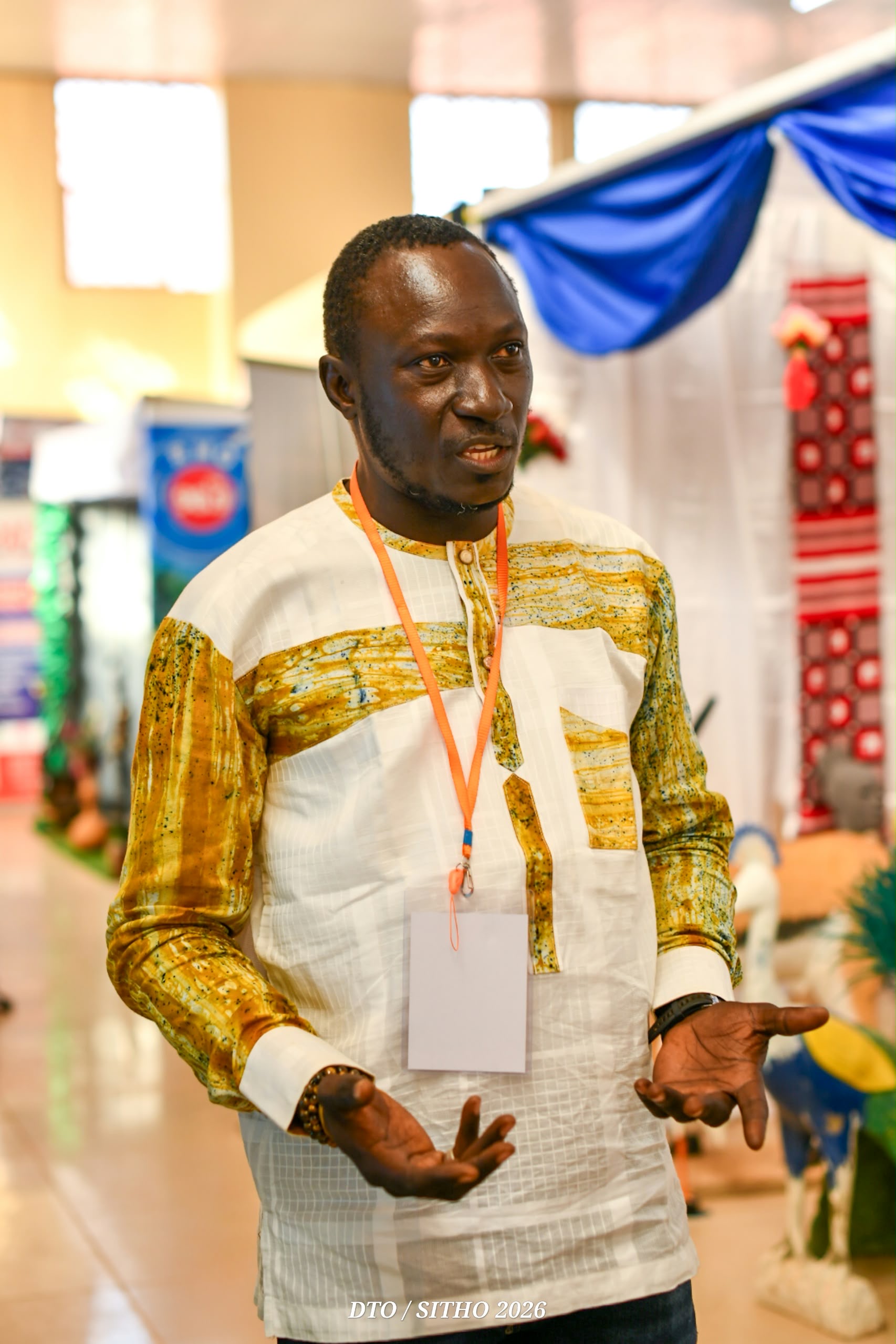
Ces photos sont-elles en vente ?
Oui. Les photos qui sont exposées ici sont commercialisables. Nous les mettons véritablement en vente. Nous disposons également d'une banque d'images que nous essayons de commercialiser auprès de ceux qui souhaitent réaliser leurs visuels ou développer leur branding à travers la promotion des sites touristiques. Nous vendons donc ces images aux personnes et aux structures intéressées.
Quels sont vos principaux clients ?
Nos clients potentiels sont très divers. Il peut s'agir de particuliers qui s'intéressent au tourisme et qui souhaitent acquérir des œuvres photographiques. Les hôtels peuvent également acheter ces tableaux pour leur décoration. Les agences de tourisme peuvent les utiliser pour leur décoration, mais aussi pour leur communication autour des sites touristiques. Véritablement, nos potentiels clients sont l'ensemble des acteurs du secteur.
Avez-vous vendu des tableaux durant cette 16ᵉ édition ?
Pour cette édition, nous avons eu des manifestations d'intérêt. Nous allons voir comment elles vont évoluer à l'issue de l'activité. Pour le moment, nous n'avons pas encore vendu de tableau.
Vous avez déjà vendu des œuvres lors des éditions précédentes ?
Oui. Nous avons déjà vendu un tableau l'année dernière, au prix de 175 000 FCFA. Il s'agissait d'un portrait du capitaine Thomas Sankara. L'acheteur était un ami, un admirateur de ce grand homme de notre pays.
En matière de vente physique, nous avons donc déjà enregistré des acquisitions. Par ailleurs, les acteurs de la communication touristique nous sollicitent régulièrement pour obtenir des images destinées à leurs affiches. Nous essayons alors de leur proposer certaines images à des coûts réduits afin qu'ils puissent les utiliser pour leur communication.
Comment appréciez-vous l'organisation du SITHO ?
De façon générale, l'organisation va bien. Mais le volet de la mobilisation des potentiels clients et touristes reste véritablement à revoir. C'est vrai qu'il s'agit de promouvoir le tourisme interne, mais il faudrait une communication beaucoup plus forte pour que la population puisse véritablement s'investir dans cette dynamique.
Il faudrait également peut-être revoir la programmation de la date. C'est une période connue du grand public, mais elle peut avoir un impact sur l'économie, notamment parce qu'elle coïncide avec la rentrée scolaire et une période où les dépenses des citoyens sont importantes.
Un visiteur émerveillé par les photos exposées au pavillon Kilimandjaro
Ce sont des défis auxquels il faut réfléchir afin de trouver, dans le futur, un modèle encore plus attrayant et surtout attirer davantage d'acheteurs comme ceux qui viennent au SITHO, qu'ils soient nationaux ou internationaux.
Le thème du SITHO porte cette année sur le financement des projets structurants. En tant que photographe, cette thématique vous parle-t-elle ?
Bien sûr. La structuration est véritablement un défi pour notre secteur, celui de la photographie, qui reste encore embryonnaire, comme je l'ai toujours dit. Il va falloir que le secteur soit davantage formalisé afin de pérenniser véritablement l'activité et permettre aux acteurs de faire entendre leur voix dans le secteur de la communication. On ne peut pas faire de communication sans images. Mais lorsque le secteur de l'imagerie lui-même n'est pas véritablement formalisé, cela constitue un défi qu'il faut relever.
Ce thème est donc à saluer. Nous osons croire qu'il contribuera à amener les acteurs de la photographie à se formaliser et à se structurer, de telle sorte que les images que nous produisons, qu'elles soient documentaires, artistiques ou autres, puissent véritablement générer des revenus et permettre aux photographes de bénéficier des fruits de leur travail.
Avez-vous le sentiment que les photographes qui exercent dans ce segment sont suffisamment considérés au Burkina Faso ?
Oui, je dirais que les photographes sont considérés. Quelle que soit l'activité, on a toujours besoin d'un photographe pour accompagner un événement et marquer un instant.
Mais le véritable souci reste la structuration du secteur. Il faut également que nos œuvres artistiques soient véritablement prises en compte et protégées afin que les acteurs puissent bénéficier des fruits de leur travail.
On oppose parfois la photographie artistique à la photographie dite « alimentaire ». Est-ce un débat pertinent ?
Je ne pense pas qu'il doive y avoir un débat fort sur cette question. La photographie d'art comme la photographie dite « alimentaire » ont chacune leur réalité et les deux ont besoin de ressources financières.
L'artiste a également besoin de ressources pour fonctionner et poursuivre sa recherche. Il y a néanmoins une différence. L'artiste laisse une trace, marque une génération et produit un impact visible à travers des thématiques et des questions qu'il choisit d'aborder.
Le photographe dit alimentaire qui travaille uniquement pour couvrir une cérémonie réalise un travail de documentation ponctuelle. Une fois l'activité terminée, il n'a parfois plus besoin de ce contenu.
Pourtant, les images peuvent servir à pérenniser et à sauvegarder la mémoire collective. Par exemple, un photographe qui réalise des séries sur nos autorités ou nos anciens présidents construit une véritable mémoire visuelle du pays. Son travail contribue fortement à nos archives.
Cela est différent de quelqu'un qui intervient uniquement pour des cérémonies ou pour des photos d'identité. Les deux pratiques n'ont donc pas les mêmes finalités.
Vous militez également pour une meilleure prise en compte de la photographie à la Semaine nationale de la culture. Y a-t-il de l'espoir ?
Oui, je pense qu'il y a de l'espoir. La Semaine nationale de la culture est véritablement un tremplin pour la culture burkinabè. Si la photographie reste en marge de cette manifestation, c'est un manque à gagner. C'est justement ce que nous voulons corriger à travers la structuration du secteur.
La prochaine randonnée photographique pourrait se tenir en 2027 à Kaya
Nous souhaitons que la SNC puisse véritablement prendre en compte la photographie, qui est un métier noble, au même titre que les autres corps de métiers artistiques et graphiques qui y sont représentés.
Il faut que la photographie puisse y être exposée et commercialisée afin que cette manifestation serve également de tremplin aux photographes.
C'est une lutte que nous menons auprès des autorités pour qu'elles revoient le format et permettent au secteur de la photographie d'être valablement représenté à la SNC.
Nous voyons déjà des avancées. Un photographe de Bobo-Dioulasso expose actuellement des images de la dernière édition de la SNC. Il a capitalisé son regard photographique sur la manifestation et présente aujourd'hui son travail. C'est véritablement un élément dont il faut tenir compte et qu'il faudrait intégrer davantage dans les compétitions et activités de la SNC.
Les photographes burkinabè sont-ils suffisamment unis ?
Je ne dirais pas véritablement qu'ils sont unis. La preuve, c'est que nous devons souvent courir derrière les photographes pour les mobiliser autour de la Randonnée photographique. Nous lançons des appels à candidatures, mais beaucoup ne s'intéressent pas véritablement à l'activité.
La même situation se présente lors de la célébration de la Journée mondiale de la photographie. Plusieurs photographes restent indifférents à cette célébration.
Pourtant, dans d'autres secteurs, on observe davantage de synergies et une mobilisation collective pour faire progresser leur domaine.
Cette année, nous avions voulu organiser la célébration à Ouagadougou et à Bobo-Dioulasso. Mais pour des raisons financières, nous n'avons pas pu le faire. Organiser deux expositions à la même période nécessite beaucoup de ressources.
Je crois donc que cet aspect de l'unité fait défaut et que nous devons travailler à l'améliorer.
Quel message voulez-vous adresser aux autorités, aux potentiels acheteurs, aux photographes et au grand public ?
Notre message aux autorités est de prendre véritablement à bras-le-corps le secteur de la photographie, de le considérer et de travailler à sa structuration. On ne devient pas photographe simplement parce qu'on a un appareil photo entre les mains. Il y a tout un cheminement, des compétences et une professionnalisation nécessaires.
Nous demandons véritablement qu'un marché de la photographie soit mis en place afin de permettre l'écoulement de nos productions photographiques au Burkina Faso, mais également à l'extérieur de nos frontières. Il faut créer un véritable cadre permettant l'achat et la commercialisation des œuvres photographiques.
Nous invitons les entreprises touristiques, mais également les autres entreprises, à consommer davantage les productions photographiques du pays.
Il est rare de voir des tableaux photographiques dans les bureaux. On retrouve davantage des peintures ou d'autres formes d'art.
Pourtant, sur les écrans de nos ordinateurs et de nos smartphones, nous utilisons quotidiennement des images qui ne sont pas forcément celles de notre pays.
Les entreprises qui produisent ces équipements mettent en valeur les images de leur environnement. À nous également de faire en sorte que les images de notre pays soient davantage présentes dans notre quotidien.
J'appelle les photographes à prendre cette activité à bras-le-corps et à accompagner davantage les initiatives qui contribuent à faire avancer le secteur.
La photographie n'est pas une activité individuelle. C'est une activité qui doit réunir l'ensemble des photographes.
Nous devons être davantage solidaires et unis pour faire bouger les choses. Même si c'est ma personne qui porte aujourd'hui cette initiative, il faut voir au-delà de ma personne et considérer le secteur dans son ensemble.
J'invite également le grand public à consommer davantage la photographie. Les entreprises, les institutions et les particuliers doivent acheter et valoriser les œuvres des photographes burkinabè.
C'est ainsi que nous pourrons véritablement faire vivre et développer notre secteur.
Entretien réalisé par Fredo Bassolé
Lefaso.net
Categories: Afrique
Daouda Kader Traoré, karatéka burkinabè : « J'ai décidé de laisser la place aux plus jeunes »
Après environ 18 ans passés en équipe nationale, Daouda Kader Traoré a décidé de mettre un terme à sa carrière de compétiteur. Ceinture noire 5e dan, le karatéka burkinabè entend désormais consacrer son expérience à la formation et à l'accompagnement de la relève. Entre souvenirs de combats, regrets d'un podium mondial manqué et ambitions dans le coaching, il revient sur les moments forts d'un parcours marqué par la résilience, la discipline et la transmission.
Lefaso.net : Vous avez décidé de mettre un terme à votre carrière après plusieurs années de pratique et une ceinture noire 5e dan. Pourquoi avez-vous choisi ce moment pour tourner la page ?
Daouda Kader Traoré : D'abord, ce n'est pas à ma carrière sportive que j'ai mis fin. C'est à ma carrière en tant que compétiteur que j'ai décidé de mettre un terme. Sinon, le sport, je suis toujours dedans. Je dors dans le sport, je me réveille dans le sport, j'aime beaucoup le sport. Ma vie se résume presque au sport.
Je me suis dit que cette décision devait être mûrement réfléchie avec mon encadrement, l'équipe fédérale et aussi mes parents, notamment mon père, qui est également mon formateur.
Après avoir compétit avec l'équipe nationale pendant plus de 18 ans, puisque j'ai connu ma première sélection en 2009, et après avoir fait mes preuves sur les plans national et international, je me suis dit que c'était le moment de raccrocher et de me concentrer aussi sur ma vie, surtout sur le plan sportif, tout en laissant la place à certains jeunes de s'exprimer.
Quand tu es dans la catégorie des moins de 84 kg, il y a certains jeunes qui évoluent dans cette catégorie et qui n'ont pas vraiment l'opportunité de s'exprimer sur le plan international. Certains sont obligés de changer de catégorie, tandis que d'autres sont carrément contraints d'abandonner. J'ai donc décidé de laisser la place à ces jeunes afin qu'ils aient la chance de découvrir ce qu'ils valent et ce qu'ils peuvent faire.
Lorsque vous regardez votre parcours, quels sont les exploits et les moments qui vous rendent le plus fier ?
Ce qui me rend fier, c'est déjà cet esprit de combativité que j'ai eu durant toute ma carrière de compétiteur. Mes derniers combats, notamment ceux de 2023, 2024 et 2025, resteront toujours gravés dans ma mémoire. Je pense que la plupart de mes finales étaient des combats au cours desquels j'étais mené au score. J'ai eu le public qui me soutenait et m'encourageait dans ces moments-là. Mais j'ai également développé cette capacité de résilience et de combativité qui m'a permis de renverser le score et de remporter ces combats.
Cela m'a fait comprendre que, dans la vie, peu importe la situation dans laquelle on se trouve, si on a toujours une chance de s'exprimer, il faut continuer d'essayer de changer les choses jusqu'à la dernière minute. Cela m'a vraiment permis de comprendre qu'il faut avoir un mental suffisamment fort pour affronter toutes les épreuves
Vous avez connu des compétitions, des victoires et certainement des moments difficiles. Quel a été le combat ou la compétition qui vous a le plus marqué au cours de votre carrière ?
C'est le championnat d'Afrique de 2018, à Kigali. Je revenais à la compétition après avoir passé une année sans combattre. Je venais tout juste de reprendre. Mon volume d'entraînement n'était pas encore atteint et, sur le plan des capacités physiques, je n'étais pas au meilleur de ma forme.
Il faut également dire que, sur le plan technique, au karaté comme dans tous les sports, le règlement évolue avec le temps. Après avoir passé une année sans compétition, j'étais donc un peu en déphasage avec les exigences de la compétition. Je suis arrivé, j'ai enchaîné avec le championnat de la Ligue, puis, la semaine suivante, avec le championnat national. La semaine d'après, j'étais au championnat d'Afrique.
Quand je suis arrivé à Kigali, je me suis dit que c'était un retour et qu'il fallait montrer à mes adversaires, que j'avais laissés l'année précédente, que j'étais de retour. Cela m'a beaucoup galvanisé et m'a poussé à sortir certaines techniques, notamment ma technique du « Scorpion ». J'ai trouvé en face de moi des adversaires qui étaient de taille. Quand je dis « de taille », c'est au sens propre. Dans ma catégorie, je fais partie des plus courts, même s'il y a la masse.
La manière dont je gravissais les échelons était vraiment remarquable. Beaucoup de personnes ont apprécié la technique que je développais et ont même souhaité que je vienne chez elles pour faire des stages, parce qu'elles trouvaient cette technique osée et élégante.
J'ai impressionné beaucoup de monde avec cette technique, jusqu'en demi-finale où j'ai malheureusement été éliminé. Mais cela reste une belle expérience. J'ai réussi à enchaîner trois compétitions en moins d'un mois alors que je n'étais pas en possession de toutes mes capacités physiques. Malgré cela, j'arrivais à faire des choses impressionnantes. C'était aussi une belle expérience.
Que représente pour vous le grade de ceinture noire 5e dan et quel a été le chemin parcouru pour atteindre ce niveau ?
C'est vraiment une bonne chose, parce qu'au Burkina Faso, nous ne sommes pas nombreux à avoir ce grade. La limite est désormais le 7e dan, qui a été ajouté en 2025. Avant, la limite était le 6e dan.
Déjà, pour mon âge, c'est une exception, parce que je suis très jeune à porter le grade de 5e dan. Je peux dire que c'est une chance pour moi, parce que mon père était dans le karaté. J'ai commencé assez tôt et je n'ai jamais arrêté à un moment donné. J'ai continué la compétition.
C'est en 2009 que j'ai obtenu ma ceinture noire 1er dan. C'est également cette année-là que j'ai été sélectionné en équipe nationale. En 2009, j'étais donc 1er dan. Chez nous, au karaté, on dit que la pratique du karaté commence à partir de la ceinture noire. Pendant que tu passes les ceintures intermédiaires, on peut dire que tu apprends d'abord le langage du karaté. En 2009, j'ai obtenu la ceinture noire 1er dan. Deux ans après, j'ai obtenu le 2e dan, puis, trois ans après, le 3e dan et, quatre ans après, le 4e dan. J'ai ensuite sauté une année et c'est en 2025 que j'ai obtenu le 5e dan.
C'est vraiment tout un parcours. À partir du 4e dan, quand tu portes ce grade, tu dois être fier, parce que c'est un travail qui n'est pas seulement technique. Pour l'obtenir, il faut également soutenir un thème de mémoire devant des experts délégués par la Fédération mondiale, qui viennent nous faire passer cet examen.
Au-delà des médailles et des titres, qu'est-ce que les arts martiaux vous ont apporté sur le plan humain et professionnel ?
Le karaté est une école de vie. Les arts martiaux, en général, sont une école de vie et une école de discipline.
Il faut déjà noter que je suis fonctionnaire de police. Quand je suis arrivé en formation, la discipline que j'avais apprise à travers le karaté, ainsi que l'état d'esprit et le mental que j'avais développés dans cette discipline, m'ont beaucoup aidé pendant ces deux années de formation.
Sur le plan de la discipline, ce sont des choses auxquelles j'étais déjà habitué.
Par exemple, quand on te donne un ordre et que la personne qui te le donne n'est pas forcément plus âgée que toi, mais qu'elle a un grade supérieur au tien, cela peut faire mal au début lorsqu'on n'est pas habitué à ce milieu. Mais quand on te dit de faire quelque chose, tu exécutes et tu réclames après.
Dès lors que tu refuses d'exécuter un ordre, c'est de l'indiscipline, voire de l'insubordination. Ce sont les mêmes règles qui sont appliquées dans les forces de sécurité, dans le milieu militaire et dans l'armée. Moi, j'étais déjà habitué à exécuter les ordres sans hésiter. Sur le plan physique, le karaté demande beaucoup d'entraînement, d'endurance et de renforcement musculaire. Ce sont des choses que l'on retrouve également beaucoup en formation.
De manière générale, le sport ouvre l'esprit et donne le sens de la cohésion. Le sport permet de beaucoup s'ouvrir aux autres et facilite la collaboration entre les personnes. Il permet également d'apprendre à écouter les autres et à voir les choses de manière positive.
Avec le recul, y a-t-il un objectif ou un titre que vous n'avez pas pu atteindre et que vous auriez particulièrement aimé décrocher ?
Oui. S'il y a un objectif que je n'ai pas pu atteindre, c'est le podium mondial. Je voulais, à un moment donné, monter sur un podium mondial. Je l'ai raté de justesse lors d'un championnat du monde, à mon avis.
Cela m'a quand même fait mal. Mais je me dis que ce n'est pas forcément de ma faute. C'est aussi une question d'accompagnement. Pour aller à un championnat du monde, il faut tout un accompagnement. Il faut participer à des compétitions préparatoires.
Je me rappelle qu'en 2020, j'ai participé aux qualifications. J'ai également participé à différents Open à Paris. Mais, faute de moyens, je n'ai pas pu participer aux championnats du monde et aux Jeux olympiques. Cela m'a fait mal.
C'est pour dire que, si aujourd'hui j'ai la chance d'adresser un message aux autorités, c'est vraiment de donner des opportunités aux jeunes.
Je viens de voir que les enfants sont rentrés d'Alger après avoir participé aux Jeux de l'AES. Quand j'ai vu les tableaux et les différents combats, j'ai constaté qu'il y a de la matière. C'est une génération qu'il faut vraiment accompagner et à qui il faut permettre de participer à des stages de haut niveau.
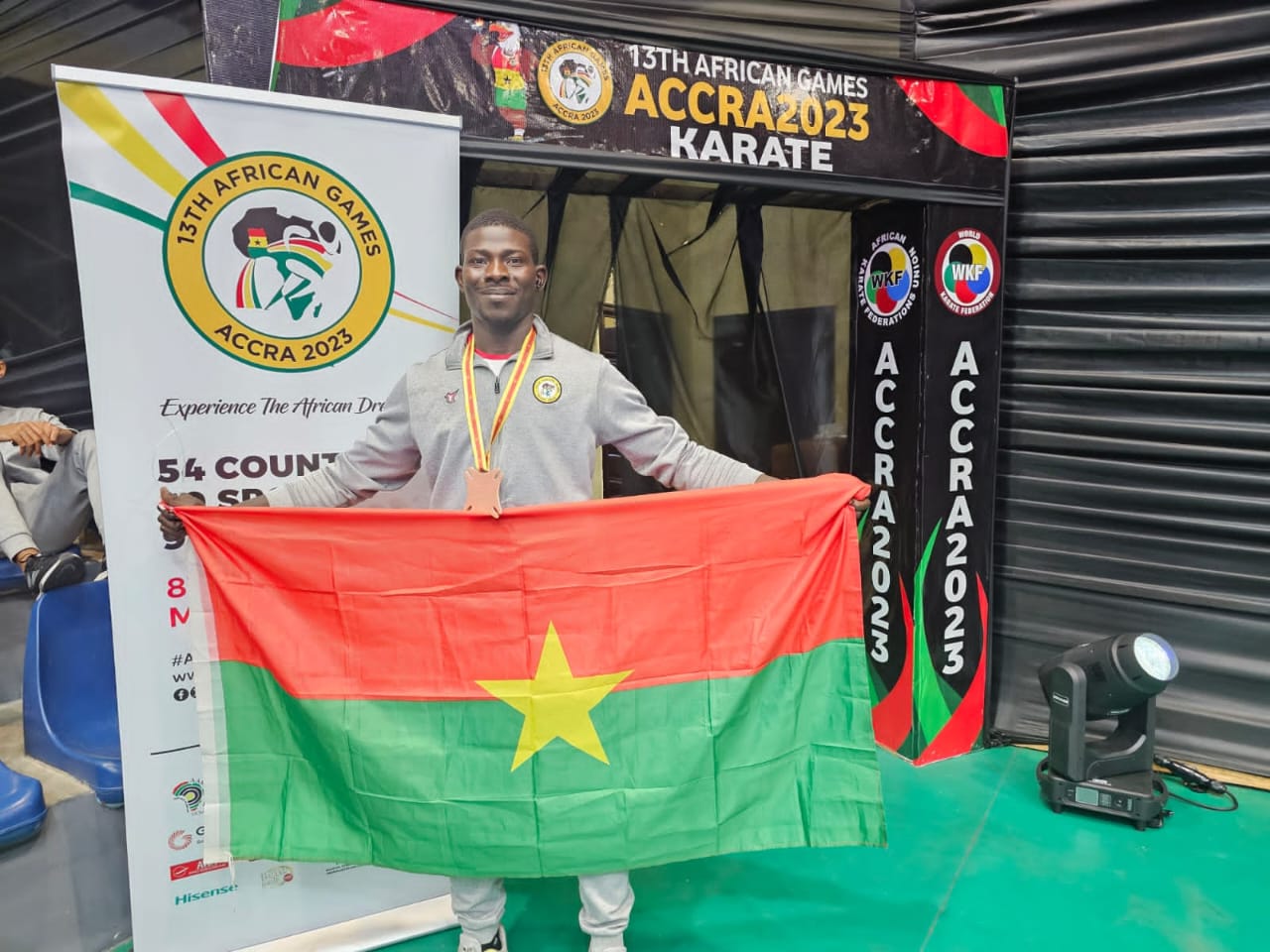
Vous quittez aujourd'hui la compétition, mais quelles ambitions nourrissez-vous encore pour le développement des arts martiaux au Burkina Faso ?
Il faut dire que mon ambition est déjà de travailler à la relève. Dieu merci, le ministère a lancé depuis quelques années les écoles de formation de la relève sportive. Je pense qu'ils sont actuellement en compétition à Bobo-Dioulasso.
Je pense qu'il faut arriver à maintenir l'accompagnement des enfants jusqu'à leur sélection en équipe nationale. Il y a également un projet que j'ai développé. J'ai déjà réalisé la phase 1, qui consiste en une tournée régionale de partage d'expériences. J'ai effectué cette tournée dans cinq régions entre juin et juillet. Pratiquement tous les week-ends, j'étais hors de Ouagadougou pendant 72 heures.
Je partais travailler avec des jeunes âgés de 6 à 16 ans. Il s'agissait des poussins, des pupilles et des cadets. La compétition ne se limite pas à donner des coups et à en encaisser. La compétition, c'est aussi une question de calcul. Il faut gérer le stress, le public, l'arbitrage, les tenues que nous portons. Tout cet ensemble contribue à former un compétiteur.
Ces enfants n'ont peut-être pas encore eu la chance de participer à des championnats de haut niveau. Mais nous qui avons eu la chance de participer à plusieurs compétitions, nous sommes allés leur expliquer que la compétition ne se résume pas simplement à marquer des points avec des coups de pied ou autres.
Pour la phase 2, nous avons détecté certains éléments afin de constituer des équipes de Ligue et de district. Au niveau des régions, nous allons mettre en place des équipes féminines et masculines. Une sélection sera faite. Nous allons les amener à Ouagadougou pour un stage national de trois jours. Nous allons ensuite poursuivre ce travail avec des compétitions interligues. Les meilleurs seront retenus et intégrés dans une base de données que nous allons mettre à la disposition des différentes régions.
Nous allons travailler avec ces enfants afin qu'ils puissent combler le vide que nous aurons dans les petites catégories. C'est le projet que je nourris sur le plan du karaté. Sur le plan sportif, il y a également le « Movi Fitness Show » que nous organisons chaque année au mois de décembre. Bien avant cela, nous organisons des séances de fitness dans les régions en hommage à nos FDS et à nos VDP. J'étais notamment à Ouahigouya.
Nous organisons également des collectes de fonds en faveur de nos FDS et de nos VDP. L'objectif est de créer une véritable interaction entre les populations et le sport.
Le sport est une opportunité pour s'exprimer dans la société. Il peut également servir à sensibiliser sur différentes questions, notamment la défense des droits des femmes et d'autres sujets sociaux. À travers ces activités, nous voulons donc faire la promotion du sport et montrer qu'il peut jouer un rôle important dans la société.
Vous parlez de vos ambitions pour la suite. Vous souhaitez donc continuer votre formation afin d'atteindre de nouveaux grades et poursuivre votre parcours dans le coaching. Pouvez-vous nous en parler ?
Il faut d'abord dire que dans le karaté, pour devenir coach, tu n'es pas forcément obligé d'avoir été compétiteur. Mais avoir été compétiteur constitue un véritable atout. Il y a certaines sensations qui ne sont pas théoriques. Elles sont vécues.
Lorsque tu as été compétiteur, tu comprends certaines situations que tu peux observer chez un athlète. Tu peux parfois voir qu'un combattant ne réagit pas alors qu'il a une opportunité.
Quand le coach n'a jamais été compétiteur, certaines situations peuvent être plus difficiles à comprendre. Pour moi, le fait d'être à la fois compétiteur et coach est donc un atout. Je pense maintenant me consacrer davantage et faire les examens nécessaires pour devenir un coach qui peut accompagner les équipes au niveau international.
J'ai déjà suivi une formation et je suis coach au niveau national. J'ai déjà eu l'occasion d'accompagner des jeunes dans des compétitions nationales. Je souhaite maintenant poursuivre ma formation afin d'évoluer dans le coaching et passer les différents examens nécessaires pour atteindre un niveau supérieur.
Aujourd'hui, quel conseil pouvez-vous donner à un jeune qui souhaite faire carrière et participer à de grandes compétitions internationales ?
La patience. Moi, j'ai commencé à faire des grandes compétitions depuis longtemps. Mais c'est seulement maintenant que certaines personnes commencent réellement à reconnaître la valeur du travail accompli. Nous avons mené beaucoup de luttes pour la reconnaissance des athlètes et pour l'amélioration de leurs conditions.
Parfois, les sportifs ont été considérés comme des personnes indisciplinées parce qu'ils ont revendiqué leurs droits. Aujourd'hui, les conditions commencent à s'améliorer. Les jeunes bénéficient de davantage de reconnaissance qu'auparavant, même s'il reste encore des choses à améliorer. Je suis fier de savoir qu'il y a eu plusieurs générations et que certaines personnes ont fait preuve de patience. La patience fait partie du parcours.
Je dirais donc aux jeunes d'être patients, mais aussi résilients. Si tu acceptes d'aller en compétition, tu dois être prêt à le faire avec les conditions que tu as. Tu peux demander de meilleures conditions, bien sûr, mais tu dois également être capable de partir et de donner le meilleur de toi-même avec les moyens disponibles.
Il faut être résilient. Lorsque tu regardes comment nos adversaires sont traités, tu constates qu'eux aussi représentent leur pays et qu'ils sont patriotes. Mais ils bénéficient parfois de conditions différentes. Malgré cela, nous devons faire avec nos réalités et continuer à progresser.
Je dirais donc : soyez patients, résilients et gardez l'esprit ouvert. Le savoir est infini. Ce n'est pas parce que tu as été champion d'Afrique ou que tu as remporté un titre important que tu dois penser que tu connais tout.
Il y a toujours quelque chose à apprendre des autres. Il faut accepter d'apprendre de tout le monde, écouter les conseils et savoir retenir ce qui peut nous faire progresser.
Aujourd'hui, quel message souhaitez-vous adresser à ceux qui vous ont soutenu et à ceux qui vous ont vu combattre pendant toutes ces années ?
Je voudrai leur dire merci. Merci à tous ceux qui m'ont soutenu pendant toutes ces années, notamment sur le plan mental.
Dans notre domaine, le mental est très important. Il faut avoir un mental solide pour gérer la compétition, la pression et tous les paramètres qui accompagnent les combats.
Il faut beaucoup de courage et beaucoup de sacrifices. Je veux donc dire merci à ceux qui m'ont soutenu, mais aussi à ceux qui m'ont parfois critiqué ou qui ont pensé que certaines choses que je faisais n'étaient pas bonnes. Je leur dis également merci, parce que toutes ces expériences m'ont permis de progresser. Je remercie tous ceux qui m'ont formé. Merci également à ceux qui m'envoient des messages, à ceux qui pensent à moi et à ceux qui prient pour moi. Je leur suis vraiment reconnaissant.
Avez-vous un dernier mot ?
Mon dernier mot, c'est simplement de dire merci à mon pays.
Merci au Burkina Faso pour toutes les opportunités, pour l'accompagnement et pour le soutien. C'est important. Tout ce que j'ai pu accomplir, je le dois aussi à toutes les personnes et à toutes les structures qui m'ont accompagné au cours de mon parcours.
Merci à Lefaso.net de nous mettre en lumière à travers cette interview.
Interview réalisée par Jean Elysée Nikiéma
Lefaso.net
Categories: Afrique
Relations internationales : Israël de plus en plus isolé et décrié
Benjamin Netanyahu, le Premier ministre israélien, a réussi à se maintenir au pouvoir, mais est en train de recevoir en pleine figure le retour de bâton de sa politique. On apprend qu'il aurait pu éviter le massacre du 7 octobre 2023 du Hamas parce qu'il avait été prévenu et n'a rien fait dans le but de pouvoir déclencher la guerre à Gaza et rester au pouvoir. De même, il a convaincu Trump d'aller en guerre avec lui contre l'Iran avec le “succès” que tout le monde connaît. Si fait qu'il est allé aux États-Unis sans pouvoir rencontrer son ami Trump qui a seulement dit qu'il empêcherait le maire de New York de l'arrêter.
Zohran Mamdani a fini par reconnaître qu'il n'avait aucun droit légal pour arrêter le « criminel de guerre » et l'« architecte d'un génocide horrible ». Reconnaissant ainsi qu'il ne pourra pas mettre en exécution ses menaces d'arrêter Benjamin Netanyahu lors de l'Assemblée générale de l'ONU pour exécuter le mandat d'arrêt de la Cour pénale internationale (CPI) visant le Premier ministre israélien. Depuis 2024, ce mandat d'arrêt est lancé contre lui pour crimes de guerre et crimes contre l'humanité dans la bande de Gaza. Car en voulant se venger de l'attaque terroriste du 7 octobre 2023 du Hamas, Israël est passé de l'autre côté et suscite de plus en plus la colère et le rejet dans le monde.
L'Irlande contre le génocide
Il y a des nations qui n'ont pas oublié. La douleur est toute fraîche, la plaie saigne toujours, les cœurs sont toujours meurtris. Ces nations ne peuvent pas voir et se taire. Elles refusent de se résigner à accepter l'indéfendable : le crime de génocide venant de descendants de la Shoah, de l'Holocauste. C'est pourquoi l'Afrique du Sud, la première, s'est levée pour dire à la face du monde que le régime en place à Tel Aviv a tout oublié de la mémoire de ceux dont on cite les noms au Mémorial de Yad Vashem.
Que le pouvoir israélien fait ce que le régime de l'apartheid faisait et que des crimes de guerre avaient cours, en déposant une plainte à la Cour pénale internationale contre les premiers responsables. Le pouvoir de Benjamin Netanyahu pense qu'il a un blanc-seing pour commettre des crimes en se drapant du passé de victime du peuple juif.
C'est ce que de plus en plus de nations et de personnes refusent de lui concéder. L'Irlande est de ces nations européennes qui condamnent le génocide du peuple palestinien et, à l'occasion du match de football de la Coupe des nations en Europe qui verra l'Irlande affronter Israël, l'entraîneur islandais de l'Éire (Irlande en gaélique, langue officielle nationale par opposition à l'anglais, celle du colonisateur) Heimir Hallgrímsson a déclaré à la presse : « Nous ne jouons pas avec le génocide, nous jouons contre le génocide. Nous ne jouons pas avec Israël, nous jouons contre Israël. » C'est pour rappeler que 73 000 Palestiniens ont été tués par Israël en représailles à l'attaque terroriste du Hamas du 7 octobre 2023.
Et depuis, Israël, sous prétexte de combattre le Hamas, a fait de Gaza des ruines où il n'y a plus rien : pas d'hôpitaux, pas d'écoles, pas de maisons, pas de routes, et les points de distribution de nourriture sont bombardés également par l'armée pour qu'au bout du compte, il ne reste plus une âme qui vive palestinienne à Gaza où vivaient deux millions de Palestiniens. Ainsi Netanyahu et Trump en feront une riviera comme ce dernier en rêvait debout. L'UEFA (Union européenne de football association) et ses dirigeants, vent debout contre Gianni Infantino pour sa réélection, sont d'accord avec lui et la FIFA pour ne pas exclure Israël des compétitions européennes de football.
C'est ce qui est dénoncé par l'entraîneur irlandais qui sait qu'une large opinion du pays le soutient puisque 86 % des Irlandais estiment, selon un sondage du Sunday Independent de juin 2025, qu'Israël commet un génocide dans la bande de Gaza. Seuls 5 % des personnes interrogées ont de la sympathie pour Israël. La solidarité des peuples opprimés en lutte contre l'oppresseur colonial existe toujours en Irlande, point besoin de dessins ou d'être grand clerc pour le voir à l'œuvre. Les Irlandais ont en mémoire la partition de leur pays, la confiscation des terres, la famine, la répression etc., qui ont amené une bonne partie de la population à émigrer.
La Fédération irlandaise de football a demandé l'exclusion d'Israël à l'UEFA, ce que celle-ci a refusé. Elle a demandé de ne pas devoir jouer contre lui et a pris un second refus. Si l'Irlande boycotte le match, elle s'expose à des sanctions. Mais le débat a été tranché suite à une pétition de sportifs demandant aux footballeurs de se prononcer pour la décision à prendre. Le vote a décidé de jouer le match de football. Une chose est sûre, même si la Fédération israélienne a répondu à l'entraîneur irlandais : « Nous ne jouons pas avec l'ignorance, l'hypocrisie et la stupidité, nous jouons contre l'entraîneur qui les incarne. »
Israël voit son image dans le monde et elle n'est pas belle. Le Premier ministre irlandais, en marge de l'Assemblée générale de l'ONU, a déclaré : « Israël ne peut pas continuer à nier ce que le monde sait », en parlant du génocide.
Dernier discours de Netanyahu devant l'AG de l'ONU ?
Le Premier ministre israélien est allé à l'Assemblée générale de l'ONU. Non pour parler aux autres États du monde, mais à son camp, ses supporters pour la campagne électorale dans son pays. À New York, quand il est monté sur la tribune pour parler, beaucoup de délégations ont quitté la salle pour ne pas écouter le « boucher de Gaza ».
Il s'en est pris au maire de New York qu'il a accusé d'antisémitisme et à la France et l'Angleterre pour leur long passé de colonialistes. Il n'est pas certain que cette défense lui rapporte des voix pour gagner l'élection, car il est bas dans les sondages, tout comme le pays qui est détesté pour ce que son gouvernement fait. La politique israélienne est décriée par la jeunesse aux quatre coins du monde. Des manifestants étaient devant le siège de l'ONU pour demander aux États-Unis de « Cessez d'armer Israël, laissez Gaza vivre » et « Cessez d'armer Israël, laissez l'Iran vivre ». Même les États-Unis de Donald Trump en ont marre de Benjamin Netanyahu.
Sana Guy
Lefaso.net
Categories: Afrique
Savoirs endogènes et recherche : Les acteurs veulent renforcer la transmission, la documentation et la valorisation des connaissances
Dans le cadre de la 6ᵉ édition du Symposium international sur la science et la technologie (SIST), un panel consacré aux « Savoirs endogènes et recherches scientifiques » s'est tenu le vendredi 25 septembre 2026 à Ouagadougou. Réunissant chercheurs, responsables institutionnels et détenteurs de savoirs endogènes, cette rencontre a permis de réfléchir aux moyens de mieux transmettre, documenter et valoriser ces connaissances héritées des générations précédentes. L'enjeu est de favoriser un dialogue plus étroit entre savoirs endogènes, recherche scientifique et modernité, afin de faire de cet héritage un patrimoine vivant, capable de répondre aux réalités contemporaines.
Un savoir qui disparaît avec celui qui le détient est-il encore un héritage ? La question a traversé les échanges du panel consacré aux « Savoirs endogènes et recherches scientifiques », organisé par le Centre national de la recherche scientifique et technologique (CNRST), dans le cadre de la 6e édition du SIST.
Le panel a réuni Konomba Traoré, Trésor humain vivant, le Dr Ludovic Kibora, directeur de recherche en anthropologie à l'Institut des sciences des sociétés (à droite), la Dre Sylvie Zongo, directrice des savoirs endogènes à la Direction générale de la recherche et de l'innovation du ministère en charge de l'enseignement supérieur (à gauche), le Dr Sylvin Ouédraogo, directeur de recherche en pharmacologie à l'Institut de recherche en sciences de la santé (IRSS). Les échanges étaient modérés par Dre Aoua Carole Bambara/Congo, Directrice de l'Institut des sciences des sociétés (INSS) du CNRST (au milieu).
- Lire aussi : Science et technologie : La transformation digitale du Burkina au cœur d'un symposium international
Dès les premières interventions, un constat s'est imposé. La préservation des savoirs endogènes ne consiste plus seulement à les conserver. Il faut aussi les transmettre, les documenter, reconnaître ceux qui les détiennent et permettre leur dialogue avec la recherche et les exigences du monde contemporain.
Transmettre avant que le savoir ne s'efface
Pour la Dre Sylvie Zongo, la transmission constitue l'une des caractéristiques fondamentales des savoirs endogènes. Elle souligne que cette dimension fait désormais l'objet d'une démarche institutionnelle au ministère en charge de l'enseignement supérieur.
La directrice des savoirs endogènes a fait état de l'élaboration d'un document d'orientation consacré aux savoirs endogènes. Le processus, dit-elle, a mobilisé une commission réunissant des experts de l'enseignement et de la recherche, des représentants de différents secteurs ainsi que des détenteurs de savoirs endogènes. Le document doit définir des mécanismes, des stratégies et une feuille de route pour permettre une implication progressive des différents acteurs.
La démarche ne devrait d'ailleurs pas se limiter à l'enseignement supérieur. Elle se veut interministérielle et concerne les différents ordres d'enseignement.
« Un processus de révision des curricula est déjà engagé, avec l'ambition de mieux intégrer les savoirs endogènes dans les enseignements », Dre Sylvie Zongo, directrice des savoirs endogènes à la Direction générale de la recherche et de l'innovation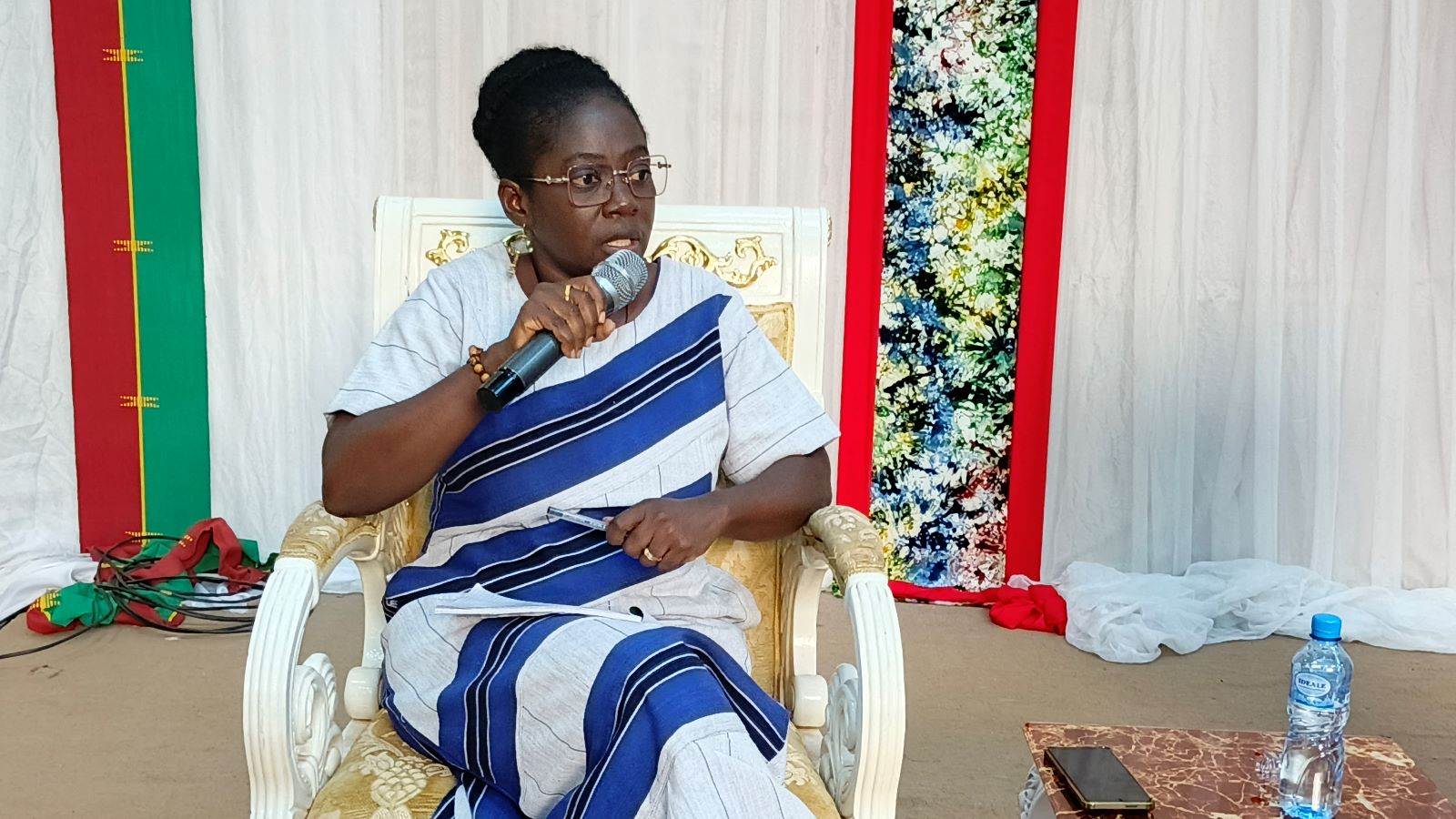
Elle précise que des initiatives sont aussi prises pour préparer une nouvelle génération de chercheurs à travailler sur ces connaissances.
La responsable situe la perspective de concrétisation de cette dynamique à l'horizon 2027-2028. Mais elle appelle également à tenir compte de la diversité des savoirs. Certains sont largement accessibles, tandis que d'autres restent détenus dans des cadres particuliers. Leur transmission doit donc se construire progressivement, dans le respect des communautés et de leurs dépositaires.
Documenter pour arracher les savoirs à l'oubli
La transmission pose immédiatement la question de la documentation. Pour le Dr Ludovic Kibora, celle-ci constitue un levier essentiel pour éviter que des pans entiers du patrimoine de connaissances ne disparaissent avec les générations qui les portent. Il relève que les savoirs endogènes circulent déjà dans les familles et les communautés. Ceux-ci, ajoute-t-il, peuvent également trouver leur place dans les cadres scolaires et scientifiques. Mais leur documentation systématique et rigoureuse permettrait de mieux les connaître, de les valoriser et de donner davantage de visibilité aux personnes qui les détiennent.
L'anthropologue estime que cette démarche peut également contribuer à une forme de décolonisation des savoirs, en accordant une place plus importante aux connaissances produites, conservées et transmises par les sociétés elles-mêmes. Le champ selon lui, est vaste. Il concerne notamment l'éducation aux valeurs, la littérature orale, les pratiques artistiques, l'architecture, les techniques et les connaissances liées à l'environnement. Dr Kibora affirme que des initiatives permettent déjà à des élèves de découvrir certaines pratiques culturelles, à l'image de la peinture rurale kassena. Cependant, le chercheur confie que dans plusieurs villages, certaines pratiques s'effacent progressivement, parfois sans avoir été suffisamment étudiées ni transmises aux jeunes générations.
« Aujourd'hui, quand tu veux construire une maison au village, on te parle en termes de nombre de tôles », Dr Ludovic Kibora, directeur de recherche en anthropologie à l'Institut des sciences des sociétés (INSS)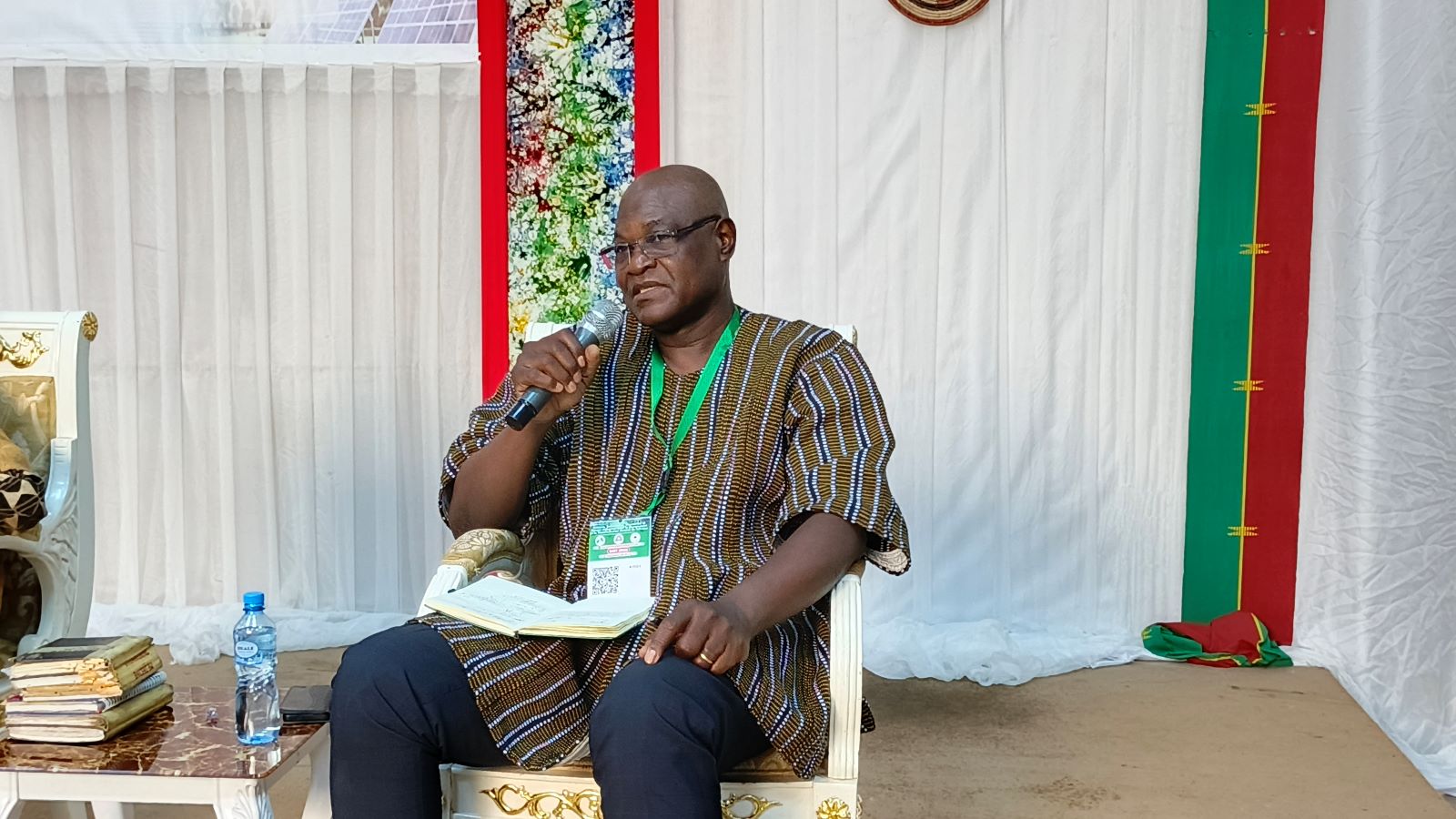
Ce qui n'était pas le cas auparavant, rappelle-t-il, où il était érigé dans les villages, des architectures qui s'adaptent à l'environnement, à la climatologie de l'espace, etc. Il soutient en effet, que l'utilisation du banco, de la paille et d'autres matériaux locaux répondait à des contraintes climatiques et environnementales précises. Dr Ludovic Kibora juge ainsi, que la progression de modèles de construction inspirés d'autres références peut entraîner, au-delà de la disparition de certaines formes architecturales traditionnelles, la perte de connaissances liées à l'environnement et aux solutions développées au fil des générations.
Quand la science rencontre les savoirs de santé
Le dialogue entre connaissances endogènes et recherche scientifique trouve également un terrain particulièrement sensible dans le domaine de la santé. Le Dr Sylvin Ouédraogo estime nécessaire de mieux préparer les professionnels de santé à dialoguer avec les détenteurs de savoirs médicaux traditionnels. L'absence de collaboration dans certains cas ne traduit pas nécessairement, selon lui, une opposition de principe. Les professionnels de santé appliquent d'abord les connaissances acquises au cours de leur formation.
« Le CAMES est en train de proposer les savoirs endogènes soient inscrits dans les curricula pour ceux des sciences de la Santé », annonce-t-il. La recherche pourrait ainsi servir de passerelle entre deux univers longtemps présentés comme distincts. Elle offrirait un cadre pour documenter, étudier et mieux comprendre des connaissances détenues au sein des communautés.
« Entre chercheurs et détenteurs des savoirs endogènes, il ne doit pas avoir de conflits », Dr Sylvin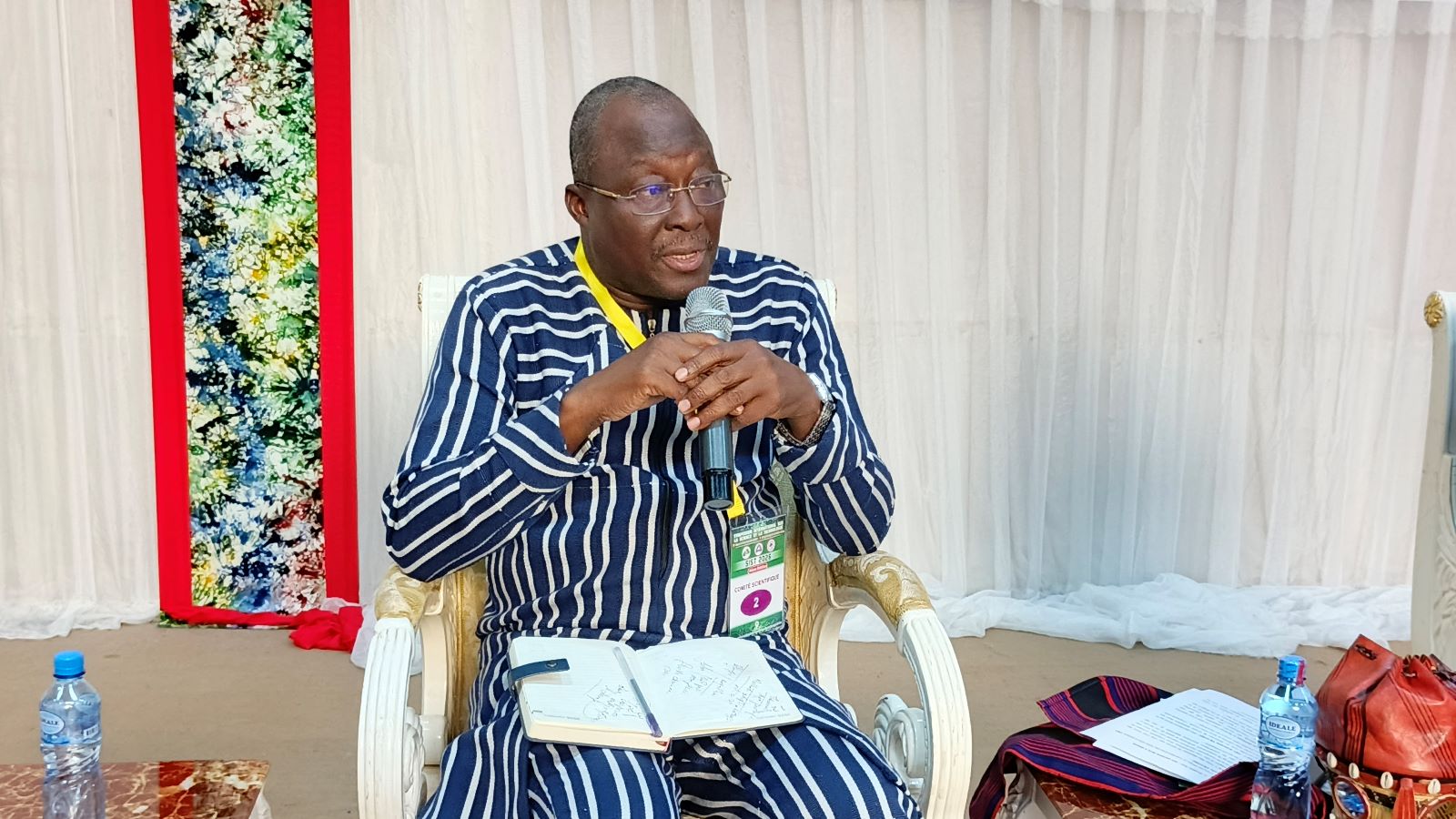
Ouédraogo, directeur de recherche en pharmacologie à l'Institut de recherche en sciences de la santé (IRSS)
Du point de vue du chercheur, tous les acteurs sont les enfants d'une même nation, le Burkina Faso. Et leur ambition est de faire en sorte que ce qui a été légué par leurs parents demeure également pour leurs progénitures. Dr Ouédraogo pense par conséquent que la recherche devrait travailler à pérenniser ces savoirs-là, en les documentant pour qu'ils soient accessibles aux générations à venir.
Un héritage qui ne demande pas à rester figé
La voix de Konomba Traoré apporte une autre dimension au débat. En tant que Trésor humain vivant, il se situe au cœur même de cette chaîne de transmission. Il a annoncé la parution prochaine, en octobre, d'un ouvrage de 400 pages intitulé « Le livre culte africain : ancêtrisme et symbolisme ». Il y aborde différents aspects des savoirs et pratiques africains, notamment les rites funéraires, les génies, la divination et la sorcellerie, ainsi qu'une réflexion critique sur les religions importées.
Des participants au panel sur les savoirs endogènes et la recherche scientifique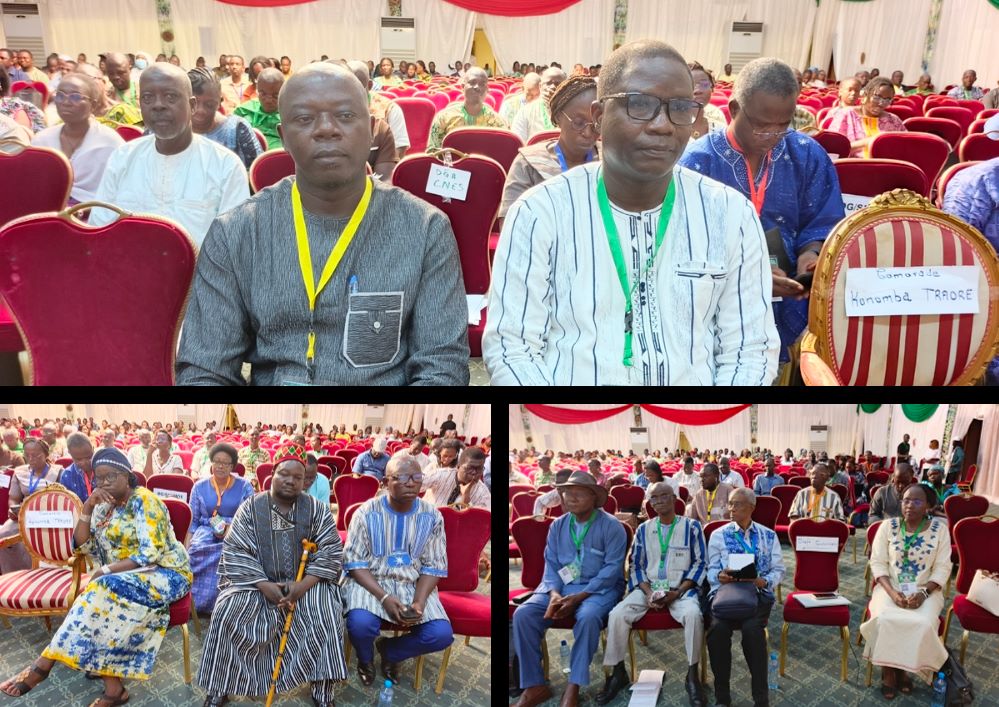
Son témoignage illustre l'importance de l'écriture pour des connaissances qui ont longtemps reposé principalement sur la parole, l'initiation et la transmission au sein des communautés. Mais son propos ne se résume pas à une volonté de retour au passé. Konomba Traoré défend plutôt une articulation entre héritage et modernité. L'Afrique, estime-t-il, doit pouvoir s'appuyer sur ses savoirs endogènes tout en restant ouverte au monde et en adaptant ces connaissances aux réalités contemporaines.
« Il y a des écoles de formation aux savoirs endogènes comme celle des Dozos. Je suis moi-même maître Dozo et j'invite les jeunes à venir s'initier », a-t-il déclaré. Le Trésor humain vivant précise que ces écoles sont des lieux où l'on enseigne la morale. Il a par ailleurs mentionné sa disponibilité pour tous ceux qui souhaitent bénéficier de ses services. Mon père disait que chaque homme doit contribuer à l'évolution positive de ce monde.
« La valeur de l'homme ne se mesure pas à sa puissance financière, mais se mesure à son utilité sociale », Konomba Traoré, Trésor humain vivant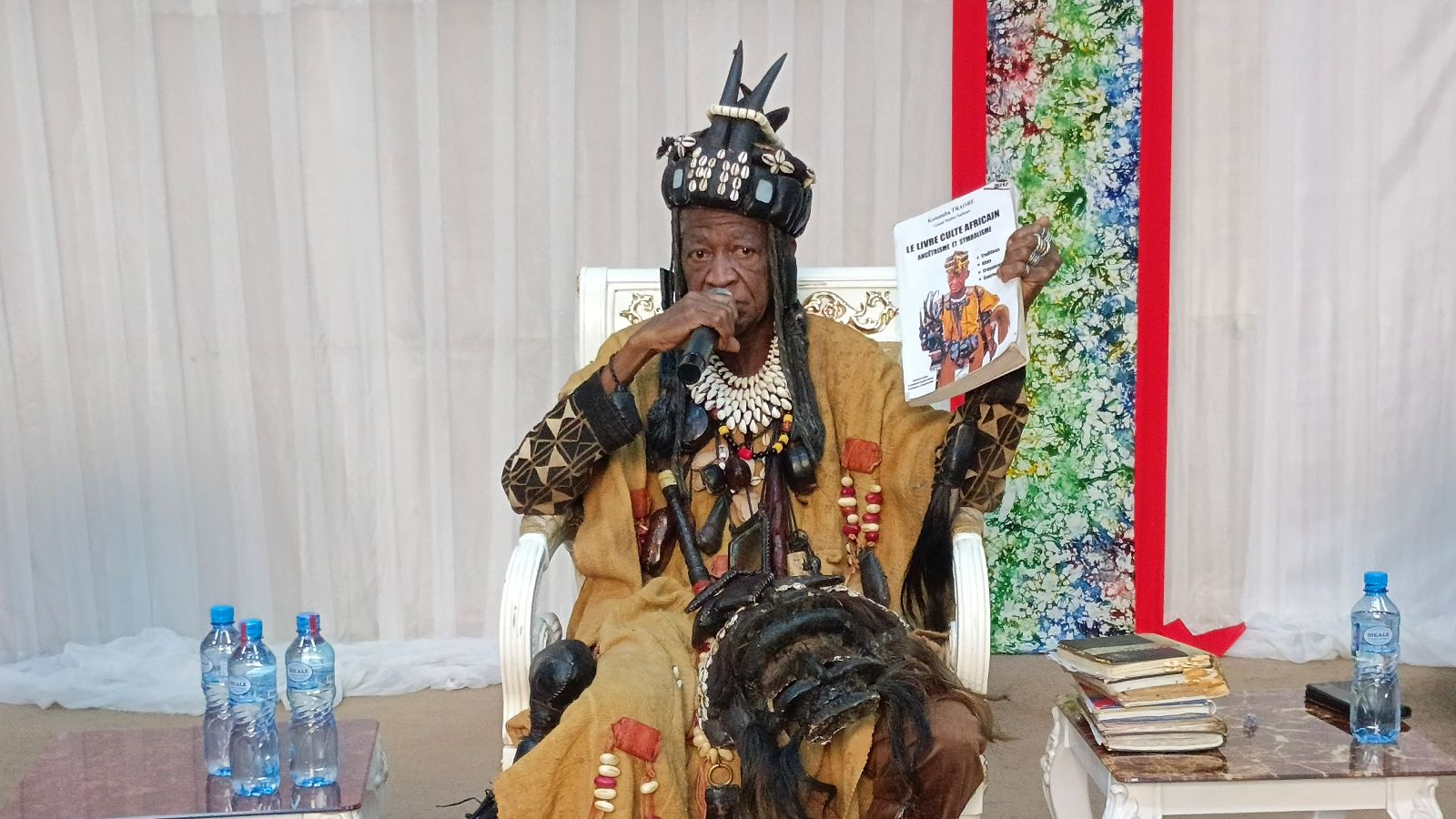
Des orientations aux actes
Au-delà des discours, reste désormais la question de la mise en œuvre. La Dre Sylvie Zongo insiste sur la nécessité d'accompagner les différents acteurs et de faire aboutir les processus institutionnels engagés. Les documents d'orientation et les stratégies ne doivent pas rester des cadres théoriques. Ils doivent se traduire par des actions concrètes dans l'enseignement, la recherche et les différents secteurs concernés.
C'est à ce niveau que les interventions des différents panélistes se rejoignent. Transmettre nécessite de documenter. Documenter appelle la recherche. La recherche exige le dialogue. Et le dialogue doit finalement permettre la valorisation et la transmission. La conviction de Konomba Traoré, héritée de son père, donne à cette démarche une dimension supplémentaire. À savoir que la valeur d'un homme ne se mesure pas seulement à ce qu'il possède, mais aussi à son utilité pour la société.
Les échanges étaient modérés par Aoua Carole Bambara/Congo, maître de recherche en linguistique et didactique et directrice des sciences des sociétés à l'INSS/CNRST (au milieu)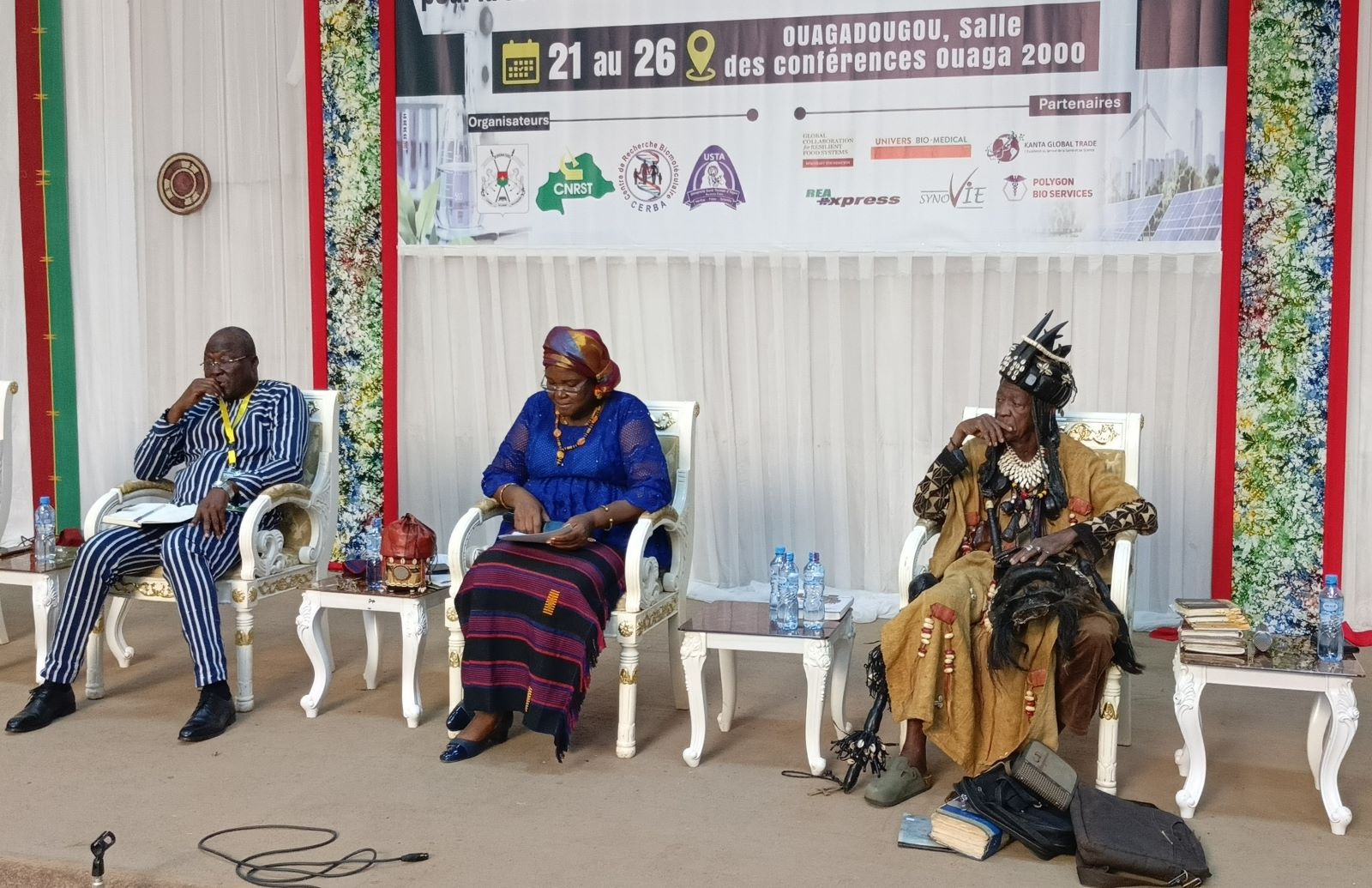
Les savoirs endogènes apparaissent ainsi moins comme des vestiges d'un passé révolu que comme un patrimoine en mouvement. Leur préservation ne signifie pas les soustraire au changement. Elle consiste aussi à permettre leur compréhension, leur documentation et lorsque cela est possible, leur adaptation aux réalités nouvelles.
Le défi est donc de faire en sorte que ce qui a été transmis par les générations précédentes ne s'éteigne pas avec leurs derniers dépositaires. Car un héritage véritablement vivant n'est pas seulement celui que l'on conserve. Mais c'est celui que l'on comprend, que l'on transmet et que l'on fait évoluer.
Hamed Nanéma
Lefaso.net
Categories: Afrique
Burkina : L'ARCEP renforce le dialogue avec les consommateurs sur la qualité des services numériques
L'Autorité de régulation des communications électroniques et des postes (ARCEP) organise, du 28 au 30 septembre 2026 à Ziniaré, un atelier d'échanges avec les consommateurs de la région de l'Oubri. Cette rencontre vise à renforcer les connaissances des associations de consommateurs, des organisations de la société civile et des organisations de veille citoyenne sur les actions du régulateur en matière de protection des consommateurs et de qualité des services de communications électroniques.
Placée sous le thème « Bilan des actions de l'ARCEP et perspectives pour une meilleure satisfaction des consommateurs des services de communication électronique », la rencontre de Ziniaré se veut un espace de dialogue entre le régulateur, les organisations de défense des consommateurs et les acteurs de la veille citoyenne. La cérémonie d'ouverture a été présidée par Saïdou Guyma, haut-commissaire de la province de Bassitenga, représentant la gouverneure de la région de l'Oubri. Dans son intervention, le représentant de la gouverneure a rappelé l'importance grandissante des communications électroniques et des services financiers mobiles dans la vie économique et sociale du Burkina Faso.
Le représentant de la gouverneure, Saïdou Guyma
« Les plateformes numériques et les services financiers mobiles ne sont plus de simples outils de modernité. Ils sont devenus le moteur invisible mais indispensable de notre économie, de l'inclusion financière de nos populations et de la continuité des services publics et privés », a-t-il souligné. Selon lui, le secteur des communications électroniques occupe désormais une place centrale dans le quotidien des populations et dans le développement socio-économique du pays. Cette évolution s'accompagne toutefois d'attentes de plus en plus fortes de la part des consommateurs, notamment en matière de qualité des réseaux, de tarification et de protection des données.
Face à ces enjeux, le représentant du gouverneur a estimé que le consommateur doit demeurer au centre des priorités du régulateur et des opérateurs. Les usagers burkinabè, a-t-il relevé, souhaitent notamment bénéficier d'une meilleure qualité de service, de coûts transparents et équitables, ainsi que d'un respect effectif de leurs droits.
Il a ainsi mis en avant la responsabilité de l'ARCEP dans l'encadrement du secteur. La régulation, a-t-il expliqué, passe notamment par la promotion d'une saine concurrence entre les opérateurs, le contrôle des tarifs et l'évaluation de la qualité des services fournis aux consommateurs. « C'est précisément là que réside toute la noblesse et la complexité des missions d'intérêt général confiées à l'ARCEP », a-t-il indiqué.
Irissa Ouédraogo, le représentant de la ligue des consommateurs
Au-delà du bilan des actions menées par le régulateur, l'atelier entend également renforcer la collaboration avec les organisations présentes sur le terrain. Pour le haut-commissaire, la régulation ne saurait être pleinement efficace sans la contribution des associations de consommateurs et des mouvements de veille citoyenne.
Il a appelé les organisations à jouer un rôle d'interface entre les pouvoirs publics, les fournisseurs de services et les utilisateurs finaux, en faisant notamment remonter les préoccupations et les expériences vécues par les populations. « La régulation ne peut être efficace si elle s'exerce de manière unilatérale. Elle a impérativement besoin de s'appuyer sur des partenaires de terrain capables de faire remonter le vécu réel des populations », a indiqué Saïdou Guyma.
Pour la conseillère technique à l'ARCEP, Salamata Rouamba, les consommateurs doivent connaître leurs droits, les obligations des opérateurs et savoir comment signaler une difficulté. « Qu'il s'agisse de la qualité du service, de la facturation ou du traitement d'une réclamation. Une information claire aide chacun à agir et permet à l'ARCEP de mieux exercer ses missions. Au cours de cet atelier, nos équipes présenteront les missions de l'ARCEP, les droits et obligations des usagers ainsi que les voies de recours et les modalités de traitement des plaintes. Nous prendrons aussi le temps d'écouter les observations sur les services offerts dans la région et sur les obstacles que rencontrent les consommateurs », a notifié la conseillère technique de l'ARCEP.
La conseillère technique de l'ARCEP, Salamata Rouamba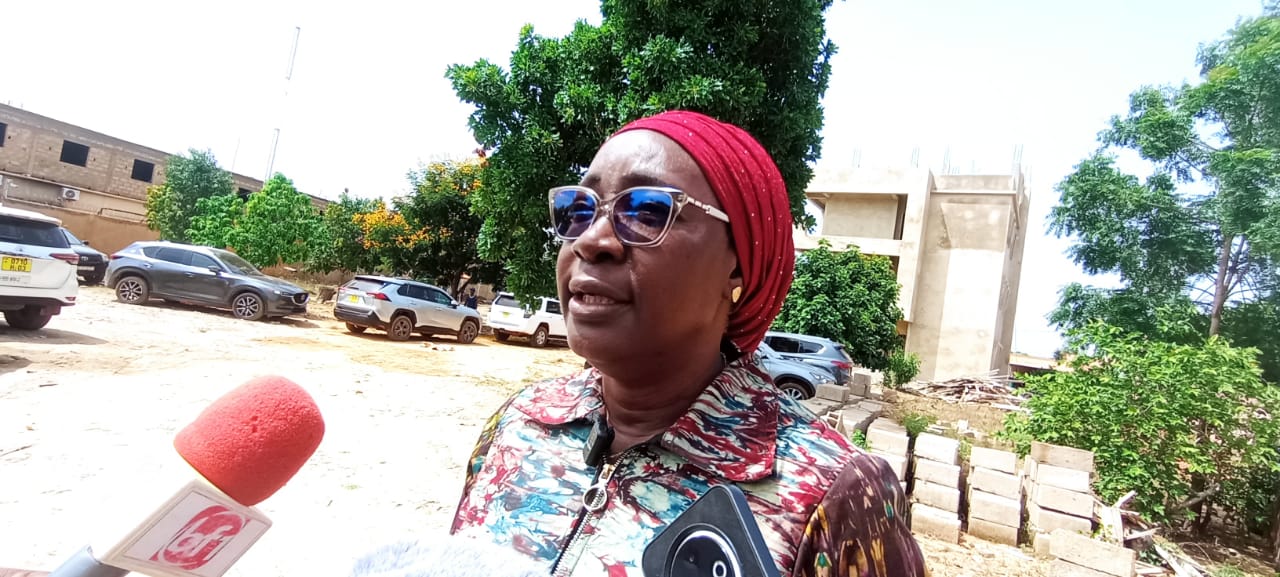
Selon elle, grâce aux mesures prises par l'ARCEP, aujourd'hui les services des opérateurs de téléphonie mobile se sont améliorés. « La durée de la validité des offres a été revue. Les offres ne sont plus balayées à l'expiration mais plutôt mises en suspens. Et quand on recharge, les offres reviennent. Cette mesure a été mise en place grâce aux discussions avec les consommateurs. Pour les perspectives, il nous faut discuter avec les consommateurs. Parce que le secteur des communications électroniques évolue très vite par rapport aux textes. Il y a un travail perpétuel à faire avec les consommateurs mais aussi avec les opérateurs afin de prendre en compte certains aspects avant d'appliquer ou d'adopter les textes », a relevé madame Rouamba.
La photo de famille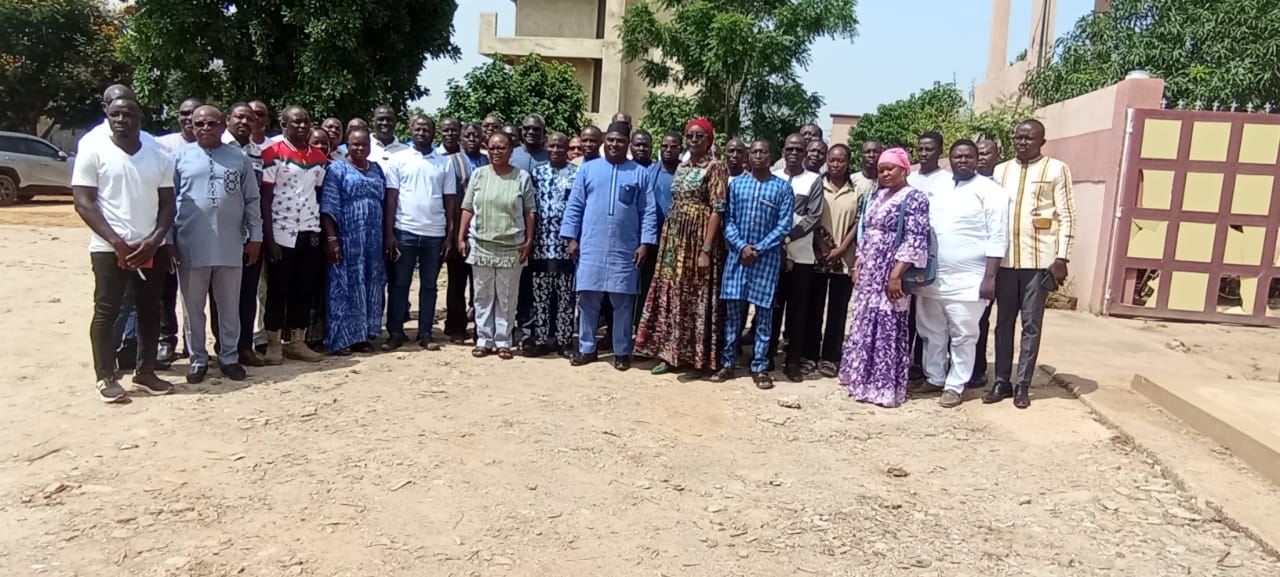
Pour le représentant de la Ligue des consommateurs, Irissa Ouédraogo, cet atelier va leur permettre de connaître et de comprendre les actions que mènent les autorités au profit des consommateurs. Cette rencontre, selon lui, va également leur permettre d'exposer les difficultés que vivent les consommateurs afin que des solutions soient trouvées.
Rama Diallo
Lefaso.net
Categories: Afrique
Loto Sportif : les 11 numéros issus des matchs nuls
La LNB SA vous donne les résultats du Loto Sportif du Tirage N°02/2027 des 26 et 27 Septembre 2026.
Matchs Nuls : 11
03-06-12-13-15
22-25-34-35-36
46
Loto Sportif : quand le score est nul,vos gains explosent !
Categories: Afrique
DIGITAL 20H : la combinaison gagnante
DIGITAL 20H : Avez-vous tenté votre chance ?
Le tirage DIGITAL 20H N°218 a livré son verdict !
Lundi 28 Septembre 2026
Avez-vous joué ?
Avez-vous misé sur vos numéros porte-bonheur ?
Faites défiler pour découvrir les numéros gagnants !
RÉSULTAT : 10 • 42 • 73 • 59 • 41
Félicitations aux heureux gagnants !
Pas encore cette fois ? Gardez le sourire.
Rendez-vous à 00H pour le prochain tirage.
Jouez dans les points de vente ou : Tapez *590# ou rendez-vous sur lnbloto.bj
Jouez avec modération et responsabilité. Le jeu doit rester un plaisir. De
A TOI DE JOUER #XòGbɔnAlɔkpaVo
#LNBSA #JeuResponsable #LaChanceAvecModération
Categories: Afrique
Caravane de la Rentrée : la Fondation Moov Africa Bénin aux côtés des élèves
Fidèle à une tradition désormais bien ancrée, la Fondation Moov Africa Bénin a lancé le jeudi 24 septembre 2026 sa Caravane de la Rentrée. Objectif : aller à la rencontre des jeunes apprenants à travers le pays et leur remettre des kits scolaires pour bien démarrer l'année.
Chaque rentrée scolaire représente un défi pour de nombreuses familles. Pour y répondre, la Fondation Moov Africa Bénin reprend la route avec sa Caravane de la Rentrée, une initiative consacrée à l'accompagnement des enfants et à la promotion de l'éducation. Au fil des étapes, la caravane parcourra plusieurs départements du Bénin pour apporter aux élèves un soutien concret, avec une conviction simple : chaque enfant doit disposer des moyens d'apprendre dans de bonnes conditions.
Des moments de partage avec les enfants
La tournée a démarré dans le département du Littoral, à l'Orphelinat Claudio Migneco. Les équipes de la Fondation y ont partagé un moment privilégié avec les enfants, avant de leur remettre des kits scolaires destinés à faciliter leur rentrée et à améliorer leurs conditions d'apprentissage. Le lendemain, vendredi 25 septembre, la caravane a fait escale à l'EPP Djidjè, à Cotonou. Là aussi, les élèves ont reçu des kits scolaires qui les accompagneront tout au long de l'année. Après Cotonou, la Fondation a mis le cap sur Ouidah, à Assogbénou Daho. Cette nouvelle étape a donné lieu à une remise de kits scolaires aux apprenants, dans une ambiance chaleureuse placée sous le signe du partage et de la solidarité.
Un engagement durable en faveur de l'éducation
Plus qu'une distribution de fournitures, la Caravane de la Rentrée traduit la volonté de la Fondation Moov Africa Bénin d'agir concrètement pour l'éducation et le bien-être des enfants. À son échelle, la Fondation entend rester aux côtés des communautés et contribuer à offrir aux plus jeunes de meilleures conditions pour apprendre, grandir et construire leur avenir.
La caravane poursuivra son parcours dans d'autres localités du pays au cours des prochains jours.
Categories: Afrique
Pobè célèbre l'heureux gagnant de 22,997 millions FCFA
Une soirée festive a été organisée dimanche 27 septembre 2026 à Pobè autour de la remise officielle du gain à Etienne ADJAÏ, heureux bénéficiaire d'un chèque de 22 997 550 FCFA.
Devant le palais royal de Pobè, l'motion était au rendez-vous ce dimanche 27 septembre 2026. Au cœur d'une soirée organisée par la Loterie Nationale du Bénin (LNB S.A.), Etienne ADJAÏ a reçu officiellement un chèque de 22 997 550 FCFA.
De l'incrédulité à la confirmation
Etienne ADJAÏ se souvient encore de sa réaction lorsqu'il a appris qu'il avait remporté cette importante somme. La nouvelle, explique-t-il, a d'abord été difficile à croire. Même son passage à la Direction générale de la LNB S.A. n'a pas immédiatement dissipé son étonnement. Il a fallu la confirmation officielle de la Loterie pour qu'il mesure véritablement la réalité de son gain. A partir de cet instant, l'incrédulité a laissé place à la joie. Une expérience qu'il considère désormais comme un moment particulier de son parcours.
Une soirée entre célébration et proximité
Pour la LNB S.A., la remise du chèque a également été l'occasion de réunir les populations autour d'un moment festif. Jeux, animations, distribution de lots et prestations artistiques ont rythmé la soirée organisée devant le palais royal.

Plusieurs artistes en herbe se sont produits sur scène, tandis que Dossi la Princesse a également assuré une prestation. Le public, venu nombreux, a participé à l'ambiance de cette soirée consacrée à la célébration du gagnant.
Empêché, le Directeur général de la LNB S.A. était représenté par le chef de l'agence LNB de Porto-Novo.
À l'issue de la cérémonie, Etienne ADJAÏ a invité les populations à continuer à faire confiance aux produits de la LNB S.A. et à participer aux différents jeux proposés, dans le respect des règles établies.


Categories: Afrique
2 dealers arrêtés avec plus de 950 grammes de chanvre indien
Plus de 950 grammes de chanvre indien ont été saisis dimanche 27 septembre 2026 à Vodjè Gbadji, à Cotonou.
Deux individus, soupçonnés de détenir et de commercialiser la drogue, ont été interpellés dimanche 27 septembre 2026 par les éléments du commissariat du 11e arrondissement de Cotonou.
L'opération, menée vers 17 heures sur la base de renseignements.
Les deux présumés dealers étaient en possession de plus de 950 grammes de chanvre indien, selon la Police républicaine. Les suspects ont indiqué aux enquêteurs l'identité de leur fournisseur présumé, un individu connu sous le surnom de « Pahou Ton » et résidant à Pahou.
Ce dernier fait désormais l'objet de recherches.
M. M.
Categories: Afrique
Loto Fortune 18 H : le verdict !
LES RÉSULTATS LOTO FORTUNE SONT LÀ !
TIRAGE N°155/26
Lundi 28 septembre 2026 (18H)
78 • 67 • 16 • 74 • 65
Félicitations aux heureux gagnants !
Pas encore gagné ? Gardez le sourire !
Rendez-vous au prochain tirage de 20h pour une nouvelle chance.
Jouez dans les centres de jeux ou en ligne : Tapez 590# ou lnbloto.bj
Jouez avec modération et responsabilité. Le jeu doit rester un plaisir.
Categories: Afrique
Gouvernance foncière et sécurité alimentaire à Bama : La terre des femmes désormais sous scellé juridique
Ce lundi 28 septembre 2026, la salle de conférence de la mairie de Bama a abrité la cérémonie de remise officielle d'Attestations de possession foncière rurale (APFR) à près de 34 femmes de la commune. Portée par un consortium d'organisations sous la houlette de l'Observatoire national du foncier au Burkina Faso (ONF-BF), cette initiative marque une avancée historique pour l'autonomisation des femmes et la sécurisation des terres rurales.
C'est un pas de géant qui vient d'être franchi. Près de 34 femmes de la localité ont reçu des mains des autorités communales et des partenaires au développement leurs Attestations de possession foncière rurale (APFR). Un document officiel qui leur garantit désormais la pleine propriété juridique de leurs terres agricoles, une avancée cruciale dans un contexte coutumier où l'accès des femmes à la terre demeure historiquement précaire.
Issifou Ganou secrétaire exécutif de ONF BF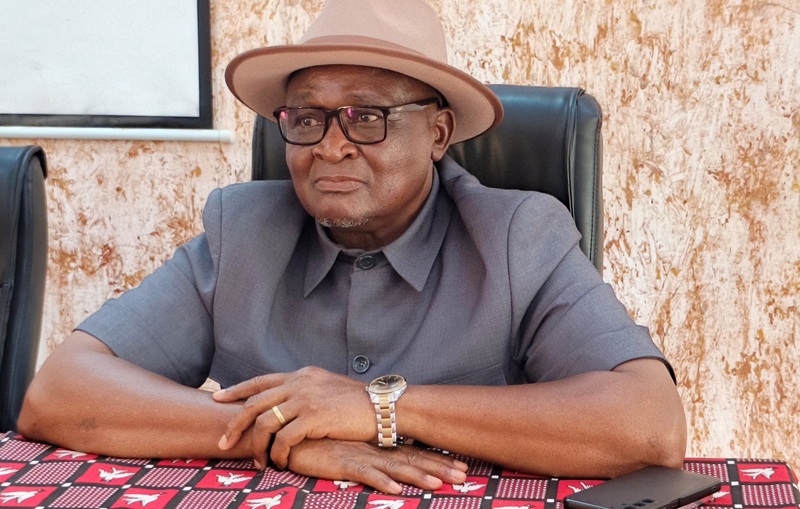
Un projet ambitieux financé par le Royaume des Pays-Bas
Cette cérémonie concrétise les résultats du Projet de renforcement de la gouvernance foncière pour la sécurité alimentaire au Burkina Faso. Mis en œuvre conjointement par l'Observatoire national du foncier au Burkina Faso (ONF-BF), l'ONG Nitidae et OXFAM-BF, ce projet bénéficie du soutien financier du ministère des Affaires étrangères des Pays-Bas, à travers l'Agence néerlandaise de développement (RVO). Conduite par le Président de la délégation spéciale (PDS) de la commune de Bama, représentant pour l'occasion l'ambassadeur des Pays-Bas au Burkina Faso Félix Baye, la cérémonie s'est déroulée en présence du secrétaire exécutif de l'ONF-BF Issifou Ganou ainsi que des représentants des organisations partenaires.
Le PDS de Bama Félix Baye"Un acte très fort" face à la pression foncière
Prenant la parole, le PDS de la commune de Bama n'a pas caché sa satisfaction face à l'aboutissement de cette initiative. « Nous venons de poser un acte très fort », a-t-il reconnu avant de souligner la rareté d'une telle démarche à l'endroit des femmes. « Dans nos sociétés, les difficultés pour les femmes d'avoir accès à la terre, et plus encore d'avoir un document qui sécurise leur terrain, sont réelles. C'est vraiment rare. Nous avons franchi un cap très important », a-t-il salué. Il laisse entendre que la commune de Bama, zone agricole à fort potentiel, fait face ces dernières années à une spéculation foncière grandissante. Le premier responsable de la commune a tenu à mettre en garde contre les ventes anarchiques de terres : « Bama est une zone d'attraction où les gens s'adonnent à la vente des terres, transformant le foncier en simple source de revenus. Résultat : les terres cultivables se réduisent, alors que ce sont nos mamans et nos femmes qui produisent pour nourrir nos familles », s'est-il offusqué.
L'autorité communale a ainsi lancé un appel vibrant aux propriétaires terriens et aux chefs coutumiers pour préserver le patrimoine agricole et faciliter la sécurisation des parcelles octroyées aux femmes.
Le PDS remettant une attestation à une bénéficiaire.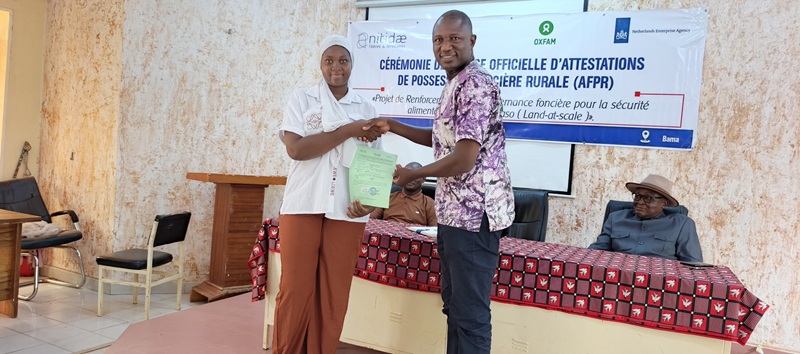
De la sécurité foncière à l'émancipation économique
Pour le secrétaire exécutif de l'ONF-BF, Issifou Ganou, la remise de ces 34 APFR à Bama est le fruit d'un travail de terrain rigoureux et d'un terrain politique et social particulièrement propice. « C'est un grand merci que nous adressons à l'ambassade des Pays-Bas et à RVO. C'est une grande note de satisfaction de voir que ce sont exclusivement des femmes que nous avons magnifiées ce soir », a-t-il félicité. Au-delà de la protection contre les spoliations, l'acquisition de l'APFR ouvre des perspectives économiques inédites pour ces productrices. Ce titre de propriété lui permet notamment l'accès au crédit bancaire. « Les attestations peuvent servir de garanties financières auprès des banques, des caisses populaires et des institutions de microfinance pour obtenir des prêts et investir », a souligné le secrétaire exécutif de ONF-BF. Il estime que, sécurisées sur leurs terres, les femmes peuvent investir durablement dans des infrastructures agricoles (irrigation, arboriculture, intrants) et de nombreux programmes d'appui privilégient désormais les exploitants disposant de titres fonciers sécurisés.
Les bénéficiaires en attente de leur APFR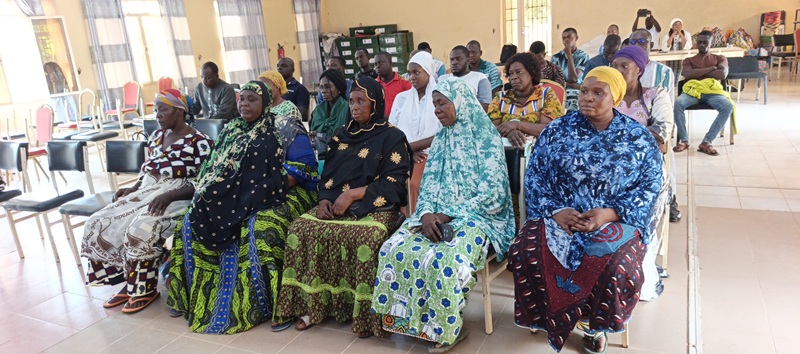
Bien que le présent projet touche à sa fin, les acteurs se veulent rassurants quant à la pérennité des actions. Le projet est intervenu au total dans 10 communes de la région, dont 6 dans le Guiriko (Satiri, Karangasso-Vigué, Karangasso-Sambla, Péni, Toussiana). Dans ces localités, de nombreuses APFR familiales ont été établies pour garantir la paix sociale et la stabilité des exploitations. Il souhaite un bon usage pour ces femmes, qu'elles puissent garder jalousement ces documents, qu'elles puissent les utiliser pour obtenir des prêts afin d'améliorer leur système de production.
Un second programme financé par la RVO est d'ores et déjà en préparation pour prendre la relève et étendre ces acquis à d'autres contrées du pays. En quittant la cour de la mairie, le sourire radieux des 34 récipiendaires témoignait d'une certitude retrouvée : désormais, sur la terre qu'elles cultivent, ces femmes de Bama sont bel et bien chez elles.
Une photo de famille pour immortaliser la cérémonie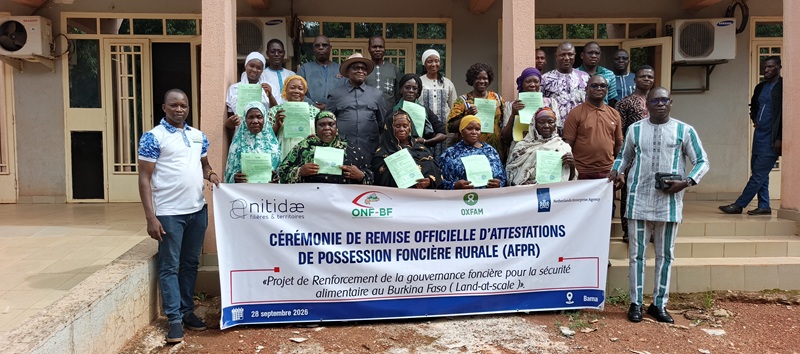
Au nom des bénéficiaires, Dokalo Sanata Sanou a exprimé sa joie pour l'obtention de ce document. Elle assure que ce sésame précieux leur sera d'une importance capitale. Elle a tenu à remercier les initiateurs du projet et souhaité sa pérennisation pour le bonheur des populations.
Djaryigo Diarra
Lefaso.net
Categories: Afrique
Journée de la solidarité : AGL et SITARAIL renforcent les équipements de l'école de Bendogo A
L'école primaire publique de Bendogo A, à Ouagadougou, bénéficiera d'un forage équipé et d'un kit complet de jardinage. Les travaux ont été lancés le jeudi 24 septembre 2026 par Africa Global Logistics (AGL) et sa filiale SITARAIL, dans le cadre de la journée de la solidarité. À travers cette initiative, les deux entreprises entendent contribuer à l'amélioration de l'accès à l'eau, du cadre scolaire et des activités éducatives.
L'école primaire publique de Bendogo A, à Ouagadougou, devrait bientôt disposer d'un nouvel équipement pour améliorer son accès à l'eau et développer des activités agricoles à vocation éducative. Le jeudi 24 septembre 2026, Africa Global Logistics (AGL), à travers sa filiale SITARAIL, y a procédé au lancement des travaux de réalisation d'un forage équipé, avec la mise à disposition d'un kit complet de jardinage.
L'initiative intervient dans le cadre de la journée de la solidarité du groupe AGL, consacrée cette année à l'éducation au Burkina Faso à travers le projet « École prospère ». Au-delà de l'accès à l'eau potable, le projet entend agir sur plusieurs aspects de la vie scolaire. La réalisation du forage doit contribuer à résoudre les difficultés rencontrées par l'établissement dans l'approvisionnement en eau. Le matériel de jardinage, quant à lui, doit permettre aux élèves et à l'école de développer des activités agricoles et éducatives. L'objectif affiché par les initiateurs est également d'améliorer l'environnement de l'établissement, notamment à travers l'embellissement et l'assainissement du cadre scolaire.
Pour la communauté éducative de Bendogo A, l'arrivée de ce forage répond à un besoin concret. L'eau potable représente en effet un enjeu important dans le fonctionnement d'un établissement scolaire et dans les conditions de vie des élèves.
La directrice de l'école primaire publique de Bendogo A, Rasmata Sawadogo, a exprimé sa profonde gratitude aux donateurs
La cérémonie de lancement des travaux a réuni plusieurs acteurs, notamment les responsables de l'éducation, les représentants d'AGL et de SITARAIL, les autorités coutumières ainsi que la communauté éducative de l'école.
Au nom du personnel, du conseil d'école et des élèves, la directrice de l'école primaire publique de Bendogo A, Rasmata Sawadogo, a exprimé sa profonde gratitude aux donateurs. Elle considère que l'intervention des deux entreprises ne saurait être réduite à la construction d'un simple point d'eau. « Nous célébrons plus qu'un forage, c'est pour célébrer la vie, l'espoir de l'école burkinabè », a-t-elle déclaré.
La responsable de l'établissement scolaire a expliqué que le nouvel équipement devrait mettre un terme aux difficultés liées à l'accès à l'eau dans l'école. Elle a également insisté sur la portée du kit de jardinage qui accompagne le forage.
L'équipement doit en effet permettre à l'établissement d'initier ou de renforcer des activités agricoles à caractère éducatif. « Ce forage sera également le cœur battant de notre futur projet agricole grâce au kit de jardin que vous nous offrez », a-t-elle ajouté. Rasmata Sawadogo a, par ailleurs, salué l'engagement de SITARAIL et d'AGL en faveur de la jeunesse.
Pour la représentante du ministre de l'enseignement de base, Adjarata Sawadogo, l'initiative rejoint les priorités du département
L'action menée à Bendogo A a également reçu l'appréciation des responsables de l'éducation. Représentant le ministre de l'enseignement de base, de l'alphabétisation et de la promotion des langues nationales, la directrice régionale de l'éducation préscolaire, primaire et non formelle du Kadiogo, Adjarata Sawadogo, a estimé que l'initiative rejoint les priorités du département. Elle a rappelé que la recherche d'une éducation de qualité ne dépend pas uniquement des apprentissages dispensés en classe. Elle exige également des équipements appropriés et des conditions favorisant l'épanouissement des étudiants dans leur cadre éducatif. C'est en ce sens qu'elle a applaudi l'engagement du secteur privé à améliorer les conditions d'accueil et d'enseignement au sein des établissements.
Pour la représentante du ministre, les deux volets du projet que sont le forage et le jardin scolaire s'inscrivent dans l'initiative nationale « Zéro école sans eau ni latrines ».
La disponibilité de ces infrastructures devrait notamment contribuer à améliorer les conditions d'hygiène, la santé et le confort des élèves. Adjarata Sawadogo a toutefois appelé les bénéficiaires à assurer la préservation des équipements réalisés, afin que ceux-ci puissent être utilisés durablement et profiter également aux générations futures.
Touwendé Joachim Ouédraogo a rappelé que la Journée de la solidarité est organisée chaque année par le groupe dans plusieurs pays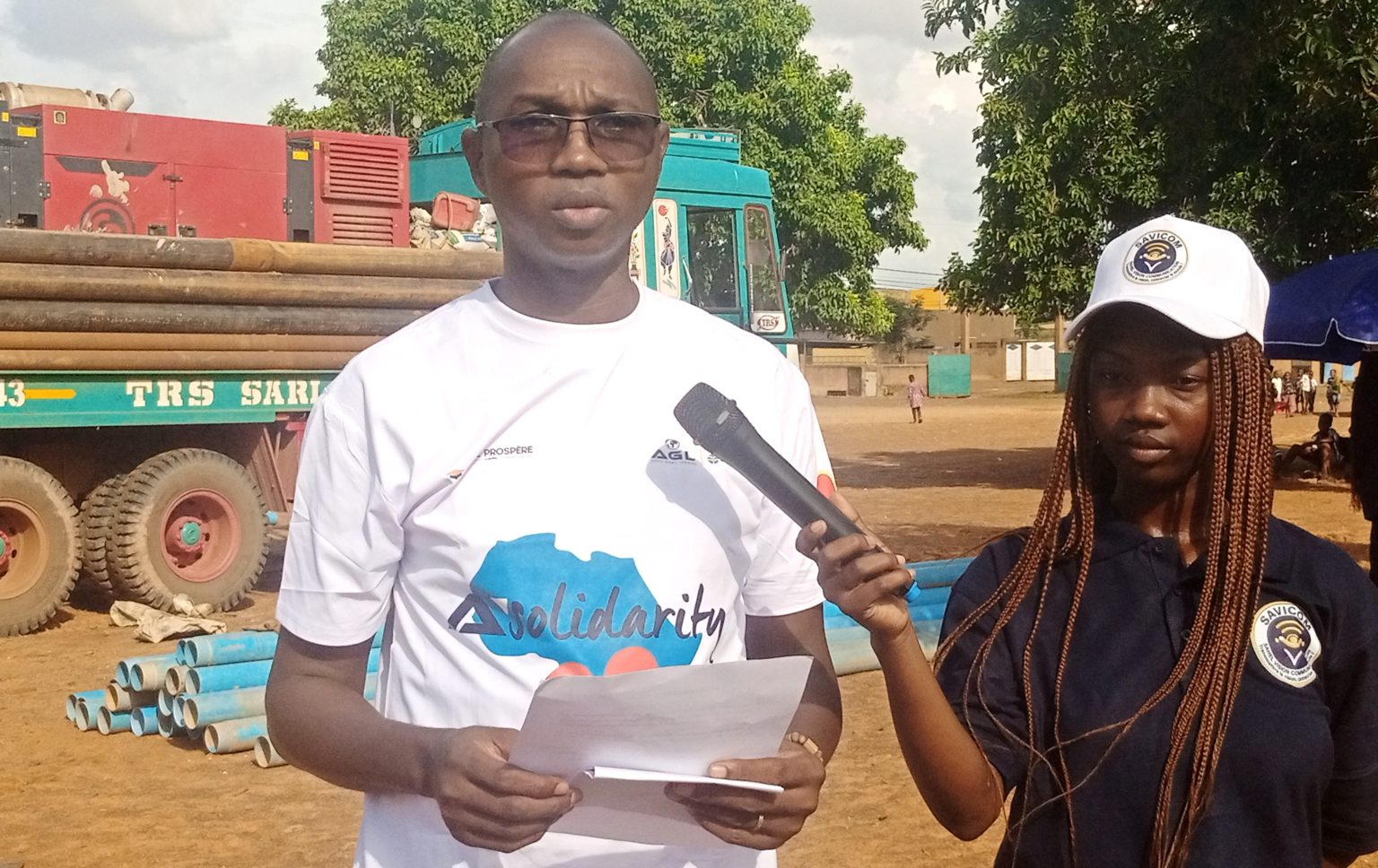
Du côté des donateurs AGL et de SITARAIL, l'action de Bendogo A s'inscrit dans une démarche plus large. Le directeur général adjoint d'AGL, Touwendé Joachim Ouédraogo, a rappelé que la ournée de la solidarité est organisée chaque année par le groupe dans plusieurs pays. Pour l'édition 2026, l'éducation a été retenue comme domaine d'intervention au Burkina Faso. L'initiative est portée à travers le projet « École prospère ».
Selon le responsable, cette orientation vise à dépasser le cadre d'un don ponctuel. Les actions entreprises dans ce contexte doivent plutôt permettre de produire des effets durables au bénéfice des communautés. À Bendogo A, cette volonté se traduit concrètement par deux réalisations : un forage équipé et un kit complet de jardinage.
Le premier doit faciliter l'accès à l'eau au sein de l'établissement. Le second doit offrir aux élèves la possibilité de participer à des activités de jardinage scolaire. À travers ces activités, AGL entend également promouvoir l'éducation environnementale et la responsabilisation des apprenants. L'amélioration du cadre de vie scolaire figure également parmi les objectifs poursuivis par le projet.
Ainsi, à travers cette initiative, AGL et SITARAIL associent l'amélioration des infrastructures scolaires à des activités susceptibles de renforcer la sensibilisation des élèves à l'environnement et leur participation à la vie de l'établissement.
Lefaso.net
Photos : Burkina 24
Categories: Afrique
Insertion professionnelle : Orezone Bomboré ouvre une nouvelle phase de son programme Tinbo pour 34 jeunes talents
Orezone Bomboré SA a lancé, lundi 28 septembre 2026, la deuxième édition de son programme d'incubation de jeunes talents, Tinbo. Après une première phase ayant permis à 25 jeunes de faire leurs premiers pas dans le monde professionnel minier, la deuxième édition accueille 34 bénéficiaires. Pendant 18 mois, ces jeunes seront appelés à renforcer leurs compétences et à se familiariser avec les exigences du secteur minier.
Le passage de l'université au monde professionnel constitue souvent une étape délicate pour les jeunes diplômés. Entre les connaissances acquises sur les bancs et les réalités du terrain, il existe parfois un écart que les stages et les expériences pratiques permettent de réduire. C'est dans cette perspective qu'Orezone Bomboré SA a mis en place le programme Tinbo, destiné à offrir à de jeunes talents une immersion professionnelle au sein de la société minière.
La deuxième phase du programme a été officiellement lancée ce lundi 28 septembre 2026, en présence de représentants de l'université Joseph-Ki-Zerbo, du ministère de l'Énergie, des mines et des carrières, d'Orezone Bomboré SA, ainsi que des partenaires du programme. Tinbo 2 qui s'étend sur une période de 18 mois, comprenant six mois de stage et douze mois d'apprentissage au sein de la société. L'objectif est de permettre aux bénéficiaires de développer leurs compétences, d'acquérir une expérience pratique et de mieux comprendre les exigences du monde professionnel, particulièrement dans un secteur où les questions de sécurité, de performance et de respect des normes occupent une place importante.
De 25 jeunes lors de la première phase à 34 pour Tinbo 2
Pour Orezone Bomboré SA, cette deuxième édition s'inscrit dans la continuité d'une première expérience jugée encourageante. Lors de la première phase, 25 jeunes avaient été recrutés. Selon les responsables du programme, un seul bénéficiaire n'a pas pu passer les examens finaux. Un autre a, au cours du parcours, obtenu une opportunité professionnelle dans une autre mine et y a été recruté.
À l'arrivée, 24 jeunes sont donc restés au terme de cette première expérience. Pour cette deuxième phase, l'effectif a été porté à 34 bénéficiaires.
En livrant le discours du directeur général d'Orezone Bomboré SA, Frédéric Toé a rappelé la philosophie qui sous-tend cette initiative. Il a insisté sur l'importance de la formation et de la préparation professionnelle de la jeunesse, notamment dans un secteur minier qui a besoin de compétences nationales. « La véritable richesse de notre secteur minier ne réside pas uniquement dans les ressources de notre sol, mais surtout dans les compétences des femmes et des hommes qui les exploitent », a-t-il déclaré.
Pour le représentant du directeur général, Tinbo 2 constitue ainsi une nouvelle étape dans l'engagement de l'entreprise en faveur de la jeunesse. À travers les 18 mois de formation et d'immersion, Orezone entend donner aux bénéficiaires les moyens de renforcer leurs compétences et de se confronter aux réalités du travail. « Notre ambition est simple : contribuer à former une nouvelle génération de professionnels qualifiés, capables de répondre aux besoins de notre industrie et de participer activement au développement de notre pays », a expliqué Frédéric Toé.
Le secrétaire permanent du contenu local de la Commission des investissements au ministère de l'Énergie, des mines et des carrières, Zéphirin Zongo, a appelé les bénéficiaires de Tinbo 2 à prendre pleinement la mesure de l'opportunité qui leur est offert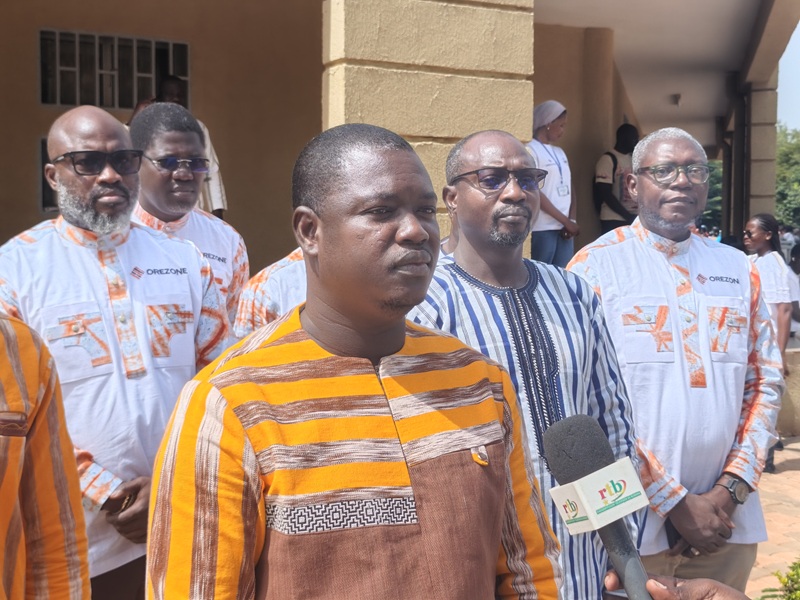
Aux jeunes bénéficiaires, il a demandé de considérer cette opportunité comme un engagement personnel. Sérieux, discipline, curiosité et respect des règles de sécurité devront, selon lui, accompagner leur parcours. L'entreprise entend également jouer un rôle actif dans cette transmission des compétences. « Notre responsabilité ne se limite pas à accueillir ces jeunes. Nous devons leur transmettre notre savoir-faire, les accompagner et leur donner les moyens de développer pleinement leur potentiel », a-t-il souligné.
« La mine est un milieu pour les hommes et pour les femmes »
Pour mesurer concrètement ce que peut représenter une telle immersion, le témoignage d'une bénéficiaire de la première édition apporte un éclairage particulier. Dorcas Soulama a effectué son parcours au département de la santé et de la sécurité au travail.
Son entrée dans le programme est partie d'une simple annonce partagée dans un groupe avec ses camarades de classe. Elle décide alors de tenter sa chance, malgré une représentation qu'elle dit avoir eue du milieu minier. « Au début, je me disais que pour travailler dans une mine, il faut connaître quelqu'un avant de postuler. Mais j'ai tenté quand même ma chance et puis j'ai été retenue », raconte-t-elle. Son expérience lui a permis de découvrir de manière concrète les différentes dimensions de la santé et de la sécurité au travail. Elle cite notamment l'inspection des lieux de travail et des équipements, le contrôle du port des équipements de protection individuelle par les travailleurs ainsi que les séances d'induction destinées à rappeler les règles de santé et de sécurité. « S'assurer que le personnel est en sécurité, qu'il porte bien les équipements de protection individuels, faire des inductions de santé et sécurité pour rappeler toujours que la santé et la sécurité sont une responsabilité de tous », détaille-t-elle. Au-delà des connaissances techniques, cette expérience lui a surtout permis de se confronter aux réalités d'un environnement professionnel qu'elle ne connaissait pas auparavant. Elle garde ainsi de son passage chez Orezone le sentiment d'avoir bénéficié d'une véritable opportunité. « Je remercie Orezone pour la chance qu'ils m'ont accordée. Déjà que je ne connaissais pas quelqu'un, mais que j'ai pu quand même y adhérer », confie-t-elle.
Les incubés du programme 1 ont reçu leurs attestations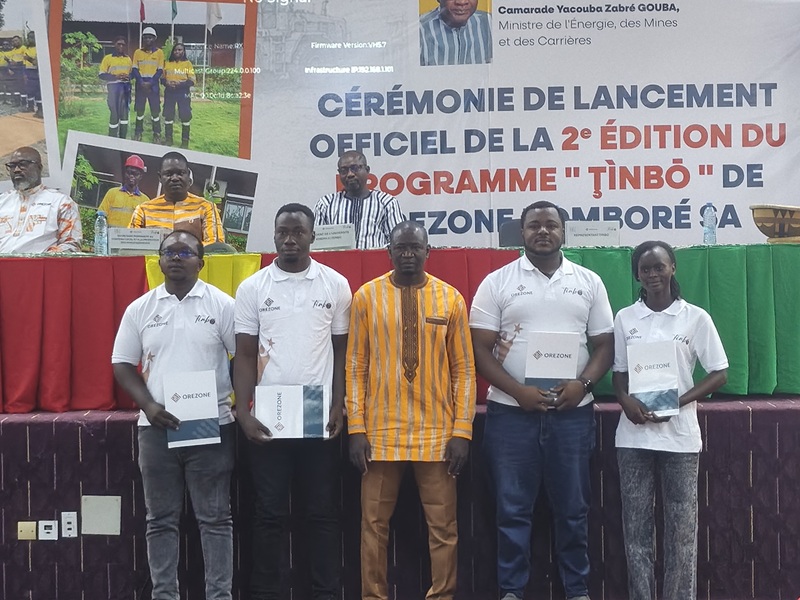
Son témoignage porte également sur la place des femmes dans l'industrie minière. Pour Dorcas Soulama, l'idée selon laquelle la mine serait un univers réservé aux hommes relève de préjugés qui peuvent être dépassés par l'expérience. « Le fait de dire que la mine n'est pas faite pour les filles et les femmes, ce sont des préjugés. Il faut entrer pour comprendre en fait, c'est un milieu pour les hommes et pour les femmes aussi », estime-t-elle. Elle encourage ainsi les jeunes femmes à ne pas s'autocensurer lorsqu'elles souhaitent intégrer ce secteur. Pour elle, le dynamisme, le respect et l'engagement constituent des qualités essentielles pour évoluer dans cet environnement. Le témoignage de cette ancienne bénéficiaire illustre l'un des objectifs poursuivis par Tinbo : permettre à des jeunes de franchir le pas entre leur formation et la réalité professionnelle, mais aussi de découvrir des métiers et des environnements auxquels ils ne pensent pas nécessairement avant leur immersion.
L'État appelle les entreprises à « former la jeunesse »
Présent à la cérémonie, le secrétaire permanent du contenu local de la Commission des investissements au ministère de l'Énergie, des mines et des carrières, Zéphirin Zongo, représentait le ministre Yacouba Zabré Gouba. Il a appelé les bénéficiaires de Tinbo 2 à prendre pleinement la mesure de l'opportunité qui leur est offerte. « Cette opportunité qui vous est offerte est très importante, mais sa réussite dépendra en partie de votre engagement personnel », a-t-il déclaré, avant d'inviter les jeunes à faire preuve « d'assiduité, de discipline, de curiosité, d'humilité et de professionnalisme ».
Pour le représentant du ministre, le secteur minier moderne ne recherche pas uniquement des diplômés. Il a besoin de professionnels capables de s'adapter, d'innover et de respecter les exigences liées notamment à la sécurité, à l'environnement et à la performance. Il a donc exhorté les bénéficiaires à apprendre auprès de leurs encadreurs, à respecter les règles de santé et de sécurité et à cultiver le goût du travail bien fait. « Vous êtes les cadres, les ingénieurs, les techniciens et les décideurs du secteur minier de demain au Burkina Faso », a-t-il lancé aux jeunes. Le secrétaire permanent a également adressé un appel aux entreprises minières et à leurs partenaires. Il les a invités à ouvrir davantage leurs portes aux jeunes, à leur offrir un encadrement de qualité et à leur transmettre leur savoir-faire.
Frédéric Toé a insisté sur l'importance de la formation et de la préparation professionnelle de la jeunesse, notamment dans un secteur minier qui a besoin de compétences nationales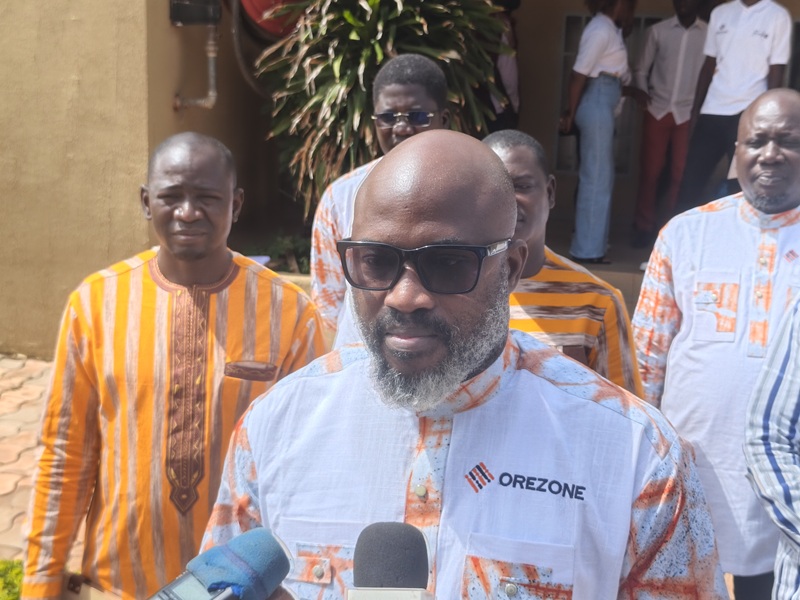
« Formez notre jeunesse. Ce n'est pas seulement une responsabilité sociale, c'est un investissement stratégique dans l'avenir de l'entreprise », a-t-il insisté. Il a par ailleurs salué l'engagement de Orezone Bomboré SA et souligné l'importance d'une collaboration entre l'État, les entreprises, les établissements d'enseignement, les formateurs et les autres partenaires pour renforcer les compétences nationales.
De son côté, le Dr Salifou Rouamba, représentant le président de l'université Joseph-Ki-Zerbo, s'est réjoui de l'accueil réservé à cette initiative. « Nous sommes très heureux de vous recevoir et nous souhaitons que cette journée soit pleine, fructueuse au bénéfice de tous les jeunes du Burkina Faso », a-t-il déclaré.
Pour Orezone, cette deuxième phase constitue également la poursuite d'une démarche visant à rapprocher davantage la jeunesse du monde minier et à contribuer au développement des compétences nécessaires à l'industrie. Le parcours des bénéficiaires de la première édition, dont celui de Dorcas Soulama, montre déjà comment une candidature peut ouvrir la voie à une première expérience professionnelle dans un secteur que certains jeunes considèrent encore comme difficilement accessible.
Farida Thiombiano
Lefaso.net
Categories: Afrique
Semaine du numérique 2026 : Le Comité national d'organisation officiellement installé
Le Comité national d'organisation de la 21ᵉ édition de la Semaine du numérique a été officiellement installé ce lundi 28 septembre 2026 à Ouagadougou.
À moins de deux mois de l'événement, prévu du 17 au 21 novembre 2026, les organisateurs ont affiché leur ambition qui est de capitaliser sur les acquis des éditions précédentes et placer la souveraineté technologique, la sécurité et l'inclusion au cœur des réflexions.
Présidée par le Dr Jonas Somé, la nouvelle équipe d'organisation aura la responsabilité de préparer cette 21ᵉ édition dans un contexte où le numérique occupe une place croissante dans les politiques publiques et le développement socio-économique du Burkina Faso.
À l'issue de son installation, le président du Comité national d'organisation, Dr Jonas Somé, a présenté la planification comme l'une des principales priorités de son équipe, rappelant qu'il reste environ six semaines avant l'ouverture de la manifestation. Pour lui, cette contrainte impose une organisation rigoureuse et une anticipation maximale afin de limiter les risques d'improvisation.
L'objectif affiché est de maintenir, voire de renforcer, le niveau atteint lors de la 20ᵉ édition.
« Notre mission en tant que comité d'organisation, c'est de pouvoir organiser cette 21ᵉ édition pour qu'elle soit au minimum au même niveau que la 20ᵉ édition », a déclaré Dr Somé.
La qualité du contenu constituera un autre chantier prioritaire. Le président du comité entend notamment veiller au respect du cahier des charges et à la pertinence des activités proposées autour du thème de cette édition. En effet, cette 21ᵉ édition se tiendra autour du thème : « Souveraineté technologique, accélérer la transformation digitale sécurisée et inclusive ».
Le comité installé ambitionne de capitaliser les acquis des éditions précédentes et placer la souveraineté technologique, la sécurité et l'inclusion au cœur des réflexions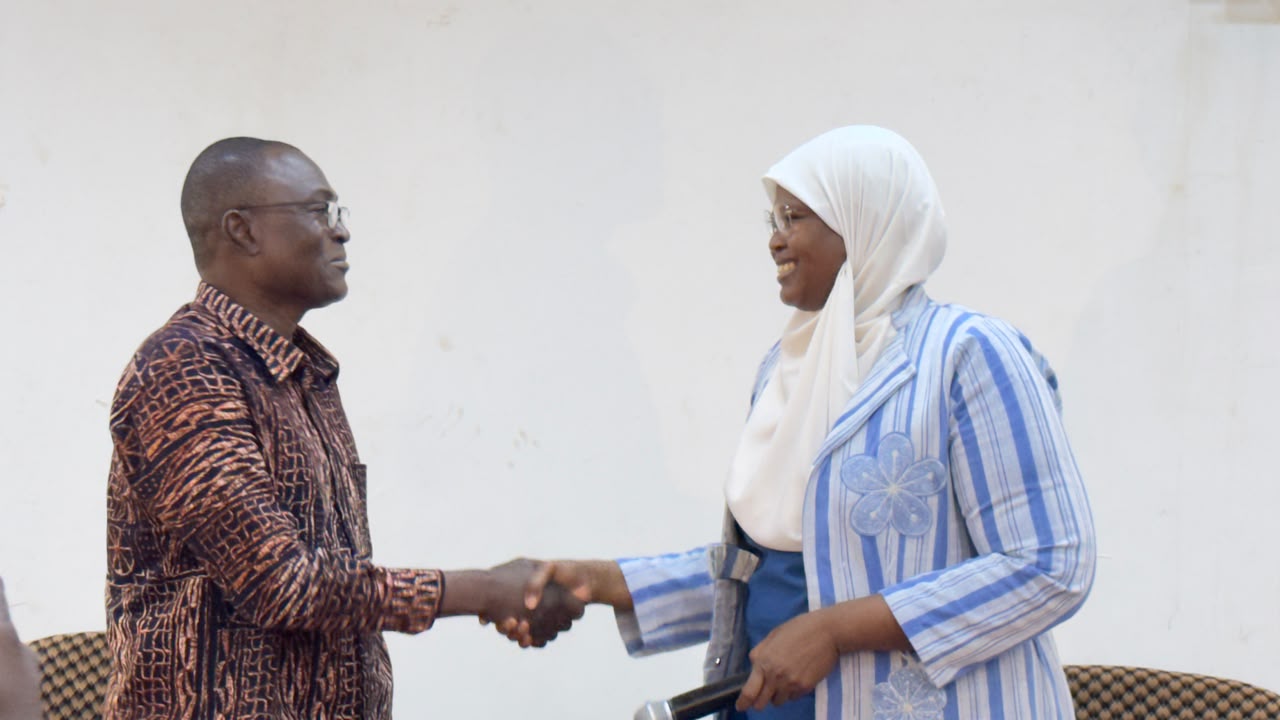
Pour la ministre en charge de la transition digitale, Dr Aminata Zerbo/Sabané, ce choix répond à des enjeux majeurs liés à l'accélération de la transformation numérique.
La ministre a particulièrement insisté sur la nécessité d'intégrer la sécurité au processus de transformation digitale. Selon elle, l'essor des usages numériques doit s'accompagner de mesures permettant de protéger les infrastructures et les utilisateurs.
L'autre dimension mise en avant est celle de l'inclusion numérique. La ministre a reconnu que l'accès aux services numériques reste encore inégal au Burkina Faso, en raison notamment de contraintes liées à la couverture, aux infrastructures, à l'alphabétisation ou encore aux langues.
L'ambition affichée est donc de faire du numérique un outil accessible au plus grand nombre, indépendamment du lieu de résidence ou des contraintes auxquelles les populations sont confrontées.
L'une des innovations également annoncées pour cette édition concerne la mise en valeur des solutions numériques endogènes.
Selon Dr Jonas Somé, les entreprises seront notamment invitées à présenter les solutions qu'elles ont développées.
L'objectif est de donner davantage de visibilité aux innovations produites localement et de favoriser leur découverte par les participants.
Cette orientation s'inscrit dans la logique du thème de la 21ᵉ édition, consacré à la souveraineté technologique. Le comité entend également renforcer le volet formation. Des améliorations sont annoncées dans les parcours de formation proposés au public afin d'aller plus loin que les dispositifs des précédentes éditions.
L'objectif du nouveau bureau est de maintenir, voire de renforcer, le niveau atteint lors de la 20ᵉ édition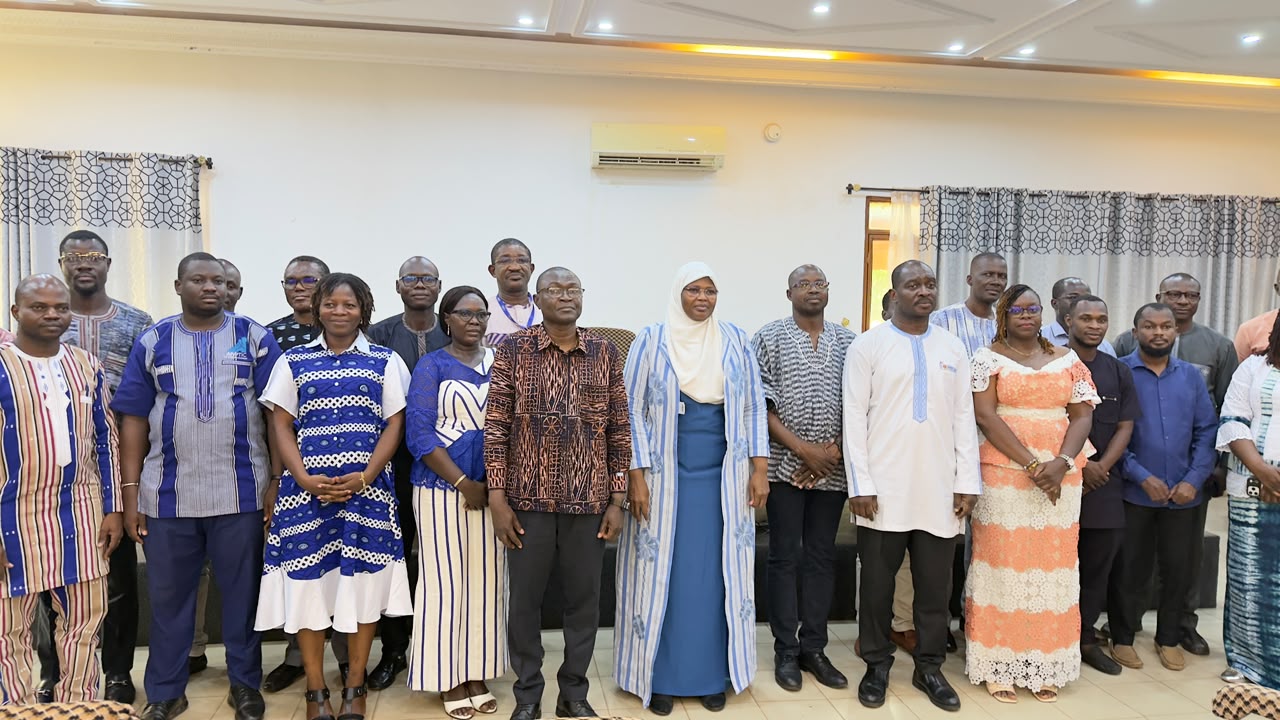
D'autres innovations devraient concerner l'organisation pratique de l'événement, notamment les parcours de visite, les modalités d'entrée, la traçabilité des visiteurs et la sécurité.
Les organisateurs ont rappellé que la Semaine du numérique a déjà fait de l'innovation technologique l'un de ses principaux marqueurs. Lors de l'édition précédente, l'intelligence artificielle et la réalité augmentée avaient notamment été mises en avant.
Pour 2026, le comité veut s'appuyer sur ces acquis pour proposer de nouvelles expériences et davantage valoriser les solutions développées au Burkina Faso.
L'événement devrait ainsi continuer à jouer son rôle de plateforme de rencontres entre acteurs publics, entreprises, professionnels, jeunes, innovateurs et utilisateurs du numérique.
Le comité prévoit une forte mobilisation du public durant les cinq jours de la manifestation. Dr Jonas Somé estime que des milliers de visiteurs pourraient être enregistrés quotidiennement, avec un public qui ne se limite pas aux jeunes.
L'organisation de cette 21ᵉ édition repose sur une architecture comprenant plusieurs commissions spécialisées. Celles-ci couvrent notamment la coordination, le contenu thématique, les finances, la communication et l'animation, l'exposition, la formation et la mobilisation des acteurs, le protocole, la sécurité, les concours et la gestion des lauréats, le support technique, la logistique et le transport ainsi que le secrétariat. Cette organisation vise à répartir les responsabilités et à assurer le suivi des différentes dimensions de l'événement. La ministre a appelé les responsables de ces commissions à travailler de manière étroitement coordonnée et à ne pas attendre les réunions formelles pour faire remonter les difficultés.
Hanifa Koussoubé
Lefaso.net
Categories: Afrique
Burkina : Moov Africa présente des offres spéciales pour la rentrée
L'opérateur de téléphonie Moov Africa Burkina a organisé une conférence de presse ce lundi 28 septembre 2026 à Ouagadougou. Face aux journalistes, les responsables de l'entreprise ont présenté les offres spéciales lancées pour la rentrée scolaire.
Après des vacances scolaires marquées par le succès du programme Moov Holidays 2026, à travers lequel Moov Africa Burkina a occupé les jeunes avec diverses activités, notamment sportives, l'entreprise revient avec de nouvelles offres spécialement conçues pour la rentrée scolaire, intitulées « Moov Ta Rentrée 2026 ».
À travers cette campagne « Moov Ta Rentrée 2026 », Moov Africa Burkina propose des solutions généreuses et inédites, avec des offres et des services destinés à répondre aux besoins de sa clientèle. L'entreprise articule ainsi sa campagne autour de deux dimensions : un volet institutionnel et un volet commercial.
Moov Africa Burkina a présenté ses offres spéciales pour la rentrée à la presse.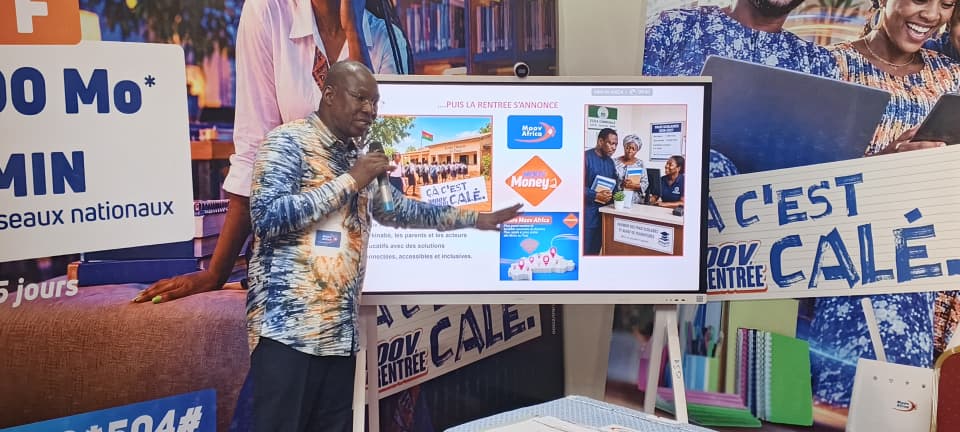
Sur le plan institutionnel, dans le cadre de sa responsabilité sociale, Moov Africa Burkina prévoit d'apporter un soutien aux établissements tout au long de l'année scolaire. Plusieurs activités sont prévues, parmi lesquelles une sensibilisation à un usage pédagogique, responsable et constructif des écrans, un appui conséquent aux collèges et lycées afin d'améliorer les conditions d'apprentissage, ainsi que l'octroi de bourses à des élèves méritants pour encourager la persévérance et l'accès aux études.
À travers le volet commercial, l'opérateur de téléphonie propose un forfait mobile combinant un volume conséquent de data et du temps d'appel, calibrés sur mesure pour répondre aux besoins de recherche et d'études. Moov Africa complète également son offre par une promotion Wi-Fi prépayée. Ainsi, pour toute nouvelle souscription, l'opérateur offre un mois d'abonnement gratuit ainsi que la gratuité des frais d'installation. Des avantages allant jusqu'à 10 % de remise sont également accordés sur les paiements des frais de scolarité et les achats de fournitures scolaires à travers Moov Money.
Mamadou Idogo, chef de département Marketing, Communication Produit & Digital.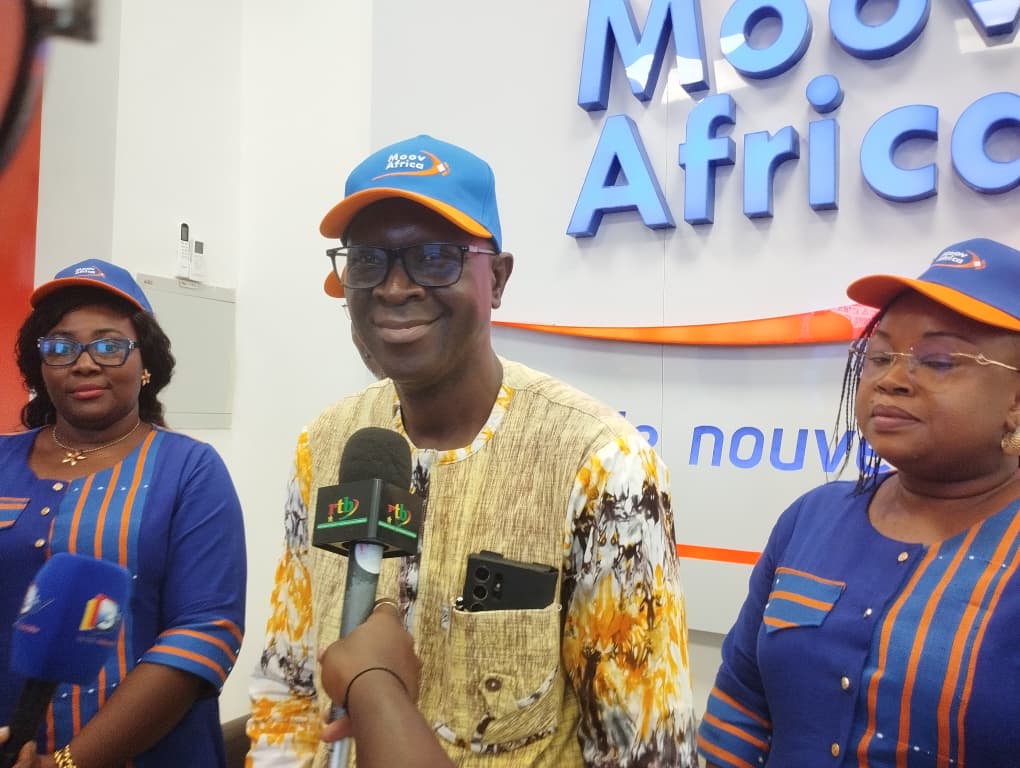
« À travers “Moov Ta Rentrée”, notre ambition est simple : accompagner les familles, les élèves et étudiants ainsi que le monde éducatif dans cette nouvelle étape, en mettant la connectivité et le numérique au service des usages du quotidien, de l'éducation et de la réussite », a déclaré Mamadou Idogo, chef de département Marketing, Communication Produit & Digital.
Selon lui, la campagne « Moov Ta Rentrée » traduit la volonté de proposer une rentrée placée sous le signe de la simplicité, de la générosité et de la proximité, tout en restant à l'écoute des besoins des clients et des réalités du marché.
Moov Africa Burkina a procédé à la présentation de son agence à Ouaga Mall.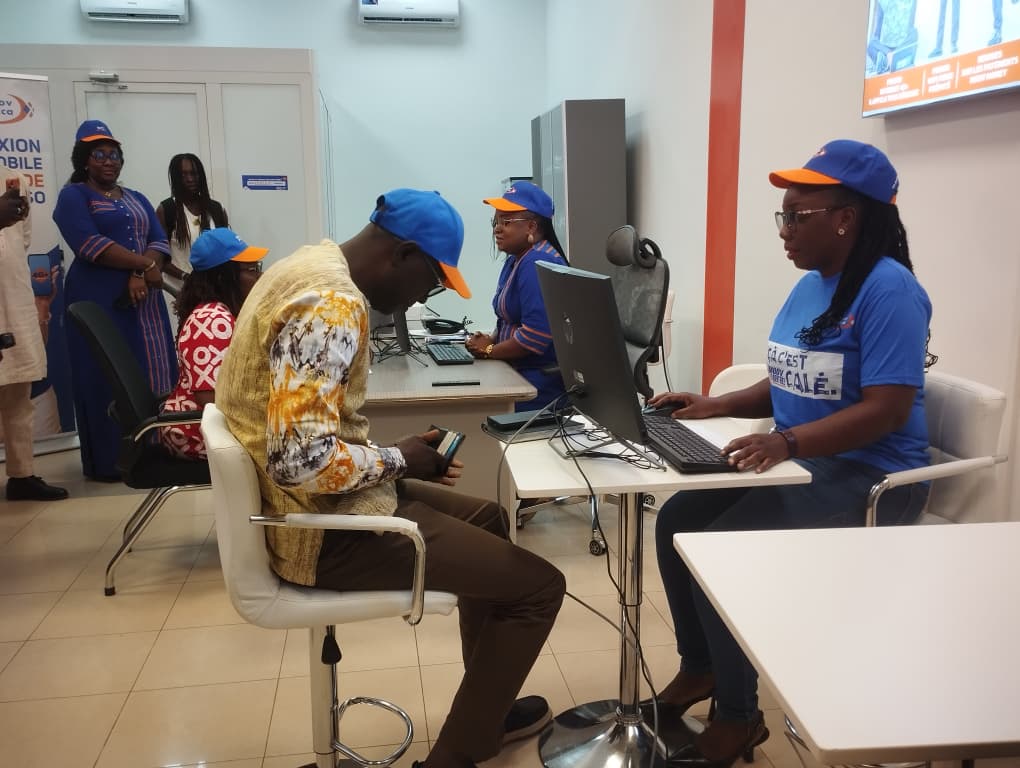
En plus de la présentation de ces nouvelles offres à la presse, Moov Africa Burkina a procédé à la présentation aux professionnels des médias son agence à Ouaga Mall. Selon les premiers responsables de l'entreprise de télécommunications, l'ouverture de cette agence répond à la volonté de la société de se rapprocher de la jeunesse, particulièrement présente dans ce type d'endroit.
L' agence de Ouaga Mall entend offrir sur place les mêmes services que les autres agences Moov Africa Burkina, avec une équipe disponible pour prendre en charge les besoins de la clientèle 7 jours sur 7 de 8h à 20h.
Jean Élysée Nikiéma
Lefaso.net
Categories: Afrique
Bobo-Dioulasso : Eugène Tuina des Bankui sacré lauréat de la 2ᵉ édition de Faso'Ora
La grande finale de la deuxième édition du concours national d'art oratoire patriotique Faso'Ora s'est tenue dans la soirée du dimanche 27 septembre 2026 à la Maison de la culture de Bobo-Dioulasso. Au terme d'une compétition âprement disputée, Eugène Tuina, représentant la région des Bankui, s'est hissé sur la plus haute marche du podium. La grande finale était placée sous le patronage du président de l'Assemblée législative du peuple, représenté à la cérémonie par son quatrième vice-président, Daouda Diallo.
Ils étaient quatre candidats à se disputer le titre de la deuxième édition de Faso'Ora. Sur la scène de la Maison de la culture de Bobo-Dioulasso, les représentants des Bankui, du Nakanbé, du Nazinon et de l'Oubri ont rivalisé d'éloquence, de conviction et de maîtrise oratoire pour tenter de séduire le jury et le public. Pour cette grande finale, les candidats ont été invités à développer leurs arguments autour du thème : « Pourquoi une transformation politique durable exige-t-elle une révolution économique et sociale profonde ? »
Eugène Tuina représentait les Bankui, Alice Yougbaré le Nakanbé, Ghislain Ouédraogo le Nazinon et Kadidiatou Diallo la région de l'Oubri. Chacun des finalistes a eu droit à deux passages sur scène. Le premier passage était consacré au thème central de cette édition. Les candidats devaient ainsi démontrer leur capacité à structurer leur pensée, à défendre une idée et à convaincre leur auditoire. Le second passage, consacré à l'improvisation, portait sur des paroles du président du Faso, le capitaine Ibrahim Traoré.
La finale de la compétition a connu une forte participation des acteurs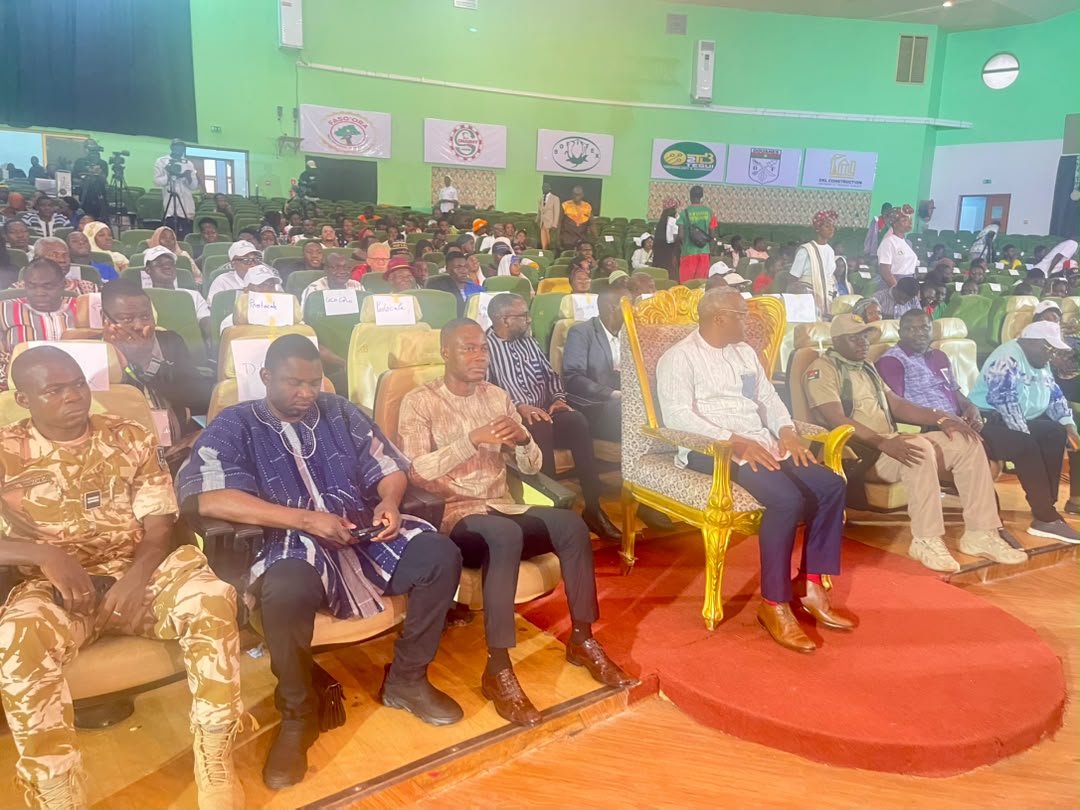
L'une des particularités de cette deuxième édition de Faso'Ora réside dans l'introduction d'un exercice en langue nationale. À l'issue de leur prestation, chaque candidat devait résumer son intervention dans sa langue maternelle. Cette innovation entend valoriser les langues nationales tout en permettant aux candidats de montrer leur capacité à adapter leur message à différents publics. Après le passage des quatre finalistes, le jury a finalement retenu Eugène Tuina comme lauréat de cette deuxième édition. Le candidat des Bankui devance Ghislain Ouédraogo du Nazinon, classé deuxième, Alice Yougbaré du Nakanbé, troisième, et Kadidiatou Diallo de l'Oubri, quatrième.
Eugène Tuina : « Le secret, c'était la constance et le travail »
Pour Eugène Tuina, ce sacre intervient au terme d'un parcours marqué par l'engagement et la persévérance. Étudiant en master de sémiotique et stratégie à l'université Joseph Ki-Zerbo, le représentant des Bankui dit mesurer pleinement la portée de cette victoire. « Un grand sentiment de satisfaction, parce que ce n'était pas évident. Pour cette dernière phase, j'étais vraiment fatigué », a-t-il confié à l'issue de la finale.
Eugène Tuina, représentant la région des Bankui, s'est hissé sur la plus haute marche du podium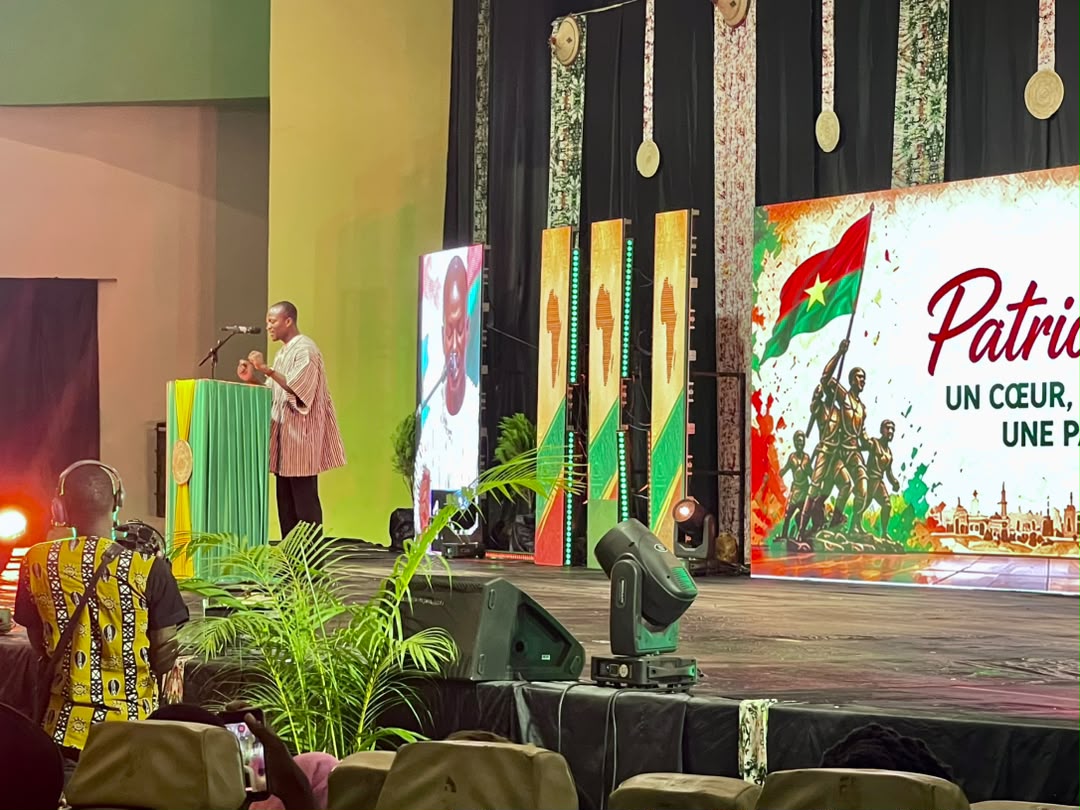
Au-delà de la victoire, le lauréat considère ce sacre comme particulièrement symbolique, puisqu'il marque, selon lui, la fin de sa carrière dans les compétitions d'art oratoire. « C'est ma dernière compétition dans ma carrière d'art oratoire, et terminer couronné champion d'une telle grande compétition, vraiment, il n'y a pas suffisamment de mots », a-t-il déclaré, avant d'exprimer sa reconnaissance à tous ceux qui l'ont accompagné ainsi qu'à Dieu.
Interrogé sur le secret de sa réussite, Eugène Tuina est catégorique : « Le secret, c'était la constance et le travail. Le travail et la constance, il n'y a pas autre chose ». Même dans les moments de fatigue et de doute, explique-t-il, la pensée de ceux qui comptaient sur lui a permis de poursuivre ses efforts et de donner le meilleur de lui-même.
Désormais, le jeune orateur entend mettre son expérience au service de la relève. Il envisage notamment de créer une structure de formation en art oratoire et en leadership. « Je compte aussi ouvrir une structure de formation en art oratoire et leadership, afin de permettre à ceux qui veulent se lancer dans le domaine d'avoir quelqu'un pour les guider », a-t-il annoncé.
Une ambition qui découle de sa propre expérience. Ayant débuté sans coach, Eugène Tuina dit connaître les difficultés auxquelles sont confrontés les jeunes qui souhaitent se former dans ce domaine. Il entend donc transmettre son savoir-faire pour permettre à d'autres de progresser, voire de « se hisser au-dessus » de lui.
Le vainqueur reçoit ses prix des mains du 4ᵉ vice-président de l'Assemblée législative du peuple, Daouda Diallo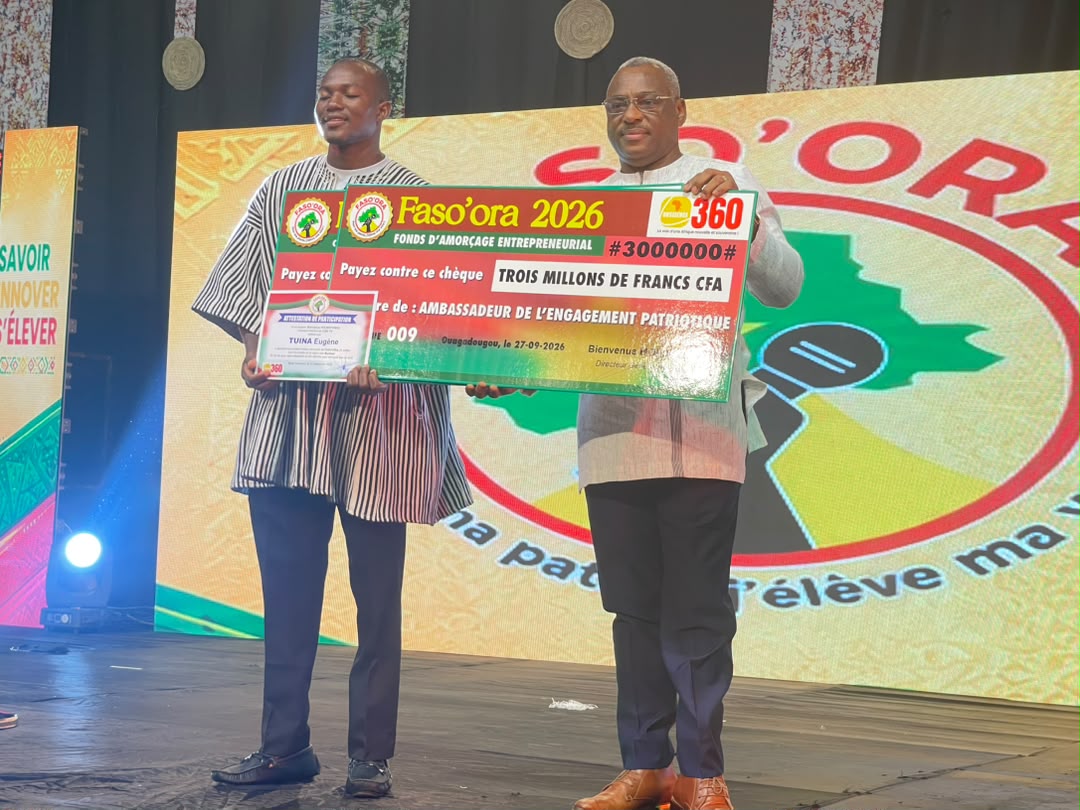
Un sacre récompensé
En décrochant la première place, Eugène Tuina repart avec le trophée de Faso'Ora, une récompense financière de 2 millions de francs CFA, une moto-scooter, ainsi qu'un fonds entrepreneurial d'une valeur de 3 millions de francs CFA. Pour Bienvenue Hounkponou, directeur général de la télévision C360, organisatrice du concours, cette deuxième édition constitue un pari réussi. « Absolument, le pari est gagné. Nous avons vu l'engouement qui s'est exprimé », a-t-il laissé entendre, estimant que le résultat obtenu à Bobo-Dioulasso confirme la vocation nationale de Faso'Ora.
Le directeur général de C360 souligne notamment la diversité géographique des lauréats. Après une première édition remportée par une candidate venue de la région du Yaadga, c'est cette fois-ci la région des Bankui qui s'adjuge le trophée. Pour lui, cette alternance est une illustration de la dimension nationale recherchée par les organisateurs. Au-delà de la compétition, Bienvenue Hounkponou rappelle que Faso'Ora vise à donner à la jeunesse burkinabè un espace d'expression et de réflexion. « L'objectif, c'est de permettre à la jeunesse burkinabè d'élever sa voix, pour exprimer son patriotisme, non pas simplement dans la communication creuse, mais en ayant des arguments, en ayant des aspects concrets qui se rattachent à notre quotidien », a-t-il expliqué.
Pour Eugène Tuina, ce sacre intervient au terme d'un parcours marqué par l'engagement et la persévéranceBobo-Dioulasso, choix assumé pour la finale
Le choix de Bobo-Dioulasso pour accueillir la grande finale n'est pas fortuit, selon le directeur général de C360. Il s'inscrit dans la volonté affichée de faire de Faso'Ora une véritable compétition nationale. « Faso'Ora a pour vocation d'être une compétition nationale. Et quoi de bon que d'essayer de toucher toutes les régions pour exprimer cette vocation, cet idéal », a-t-il indiqué. Après une première édition organisée à Ouagadougou, les organisateurs ont donc choisi la capitale économique pour cette deuxième finale, avec l'ambition, à terme, de faire voyager la compétition à travers les différentes régions du pays.
Organisé par la télévision panafricaine C360, Faso'Ora se veut à la fois un concours national d'art oratoire et une école de citoyenneté destinée à la jeunesse. L'initiative ambitionne notamment de promouvoir le patriotisme, le leadership et l'excellence auprès des jeunes Burkinabè. Lancée le 19 juillet 2026 à Ouagadougou, cette deuxième édition a réuni les représentants des 13 régions du Burkina Faso, à l'issue de phases éliminatoires locales et régionales. La grande finale de Bobo-Dioulasso était placée sous le patronage du président de l'Assemblée législative du peuple, représenté à la cérémonie par son quatrième vice-président, Daouda Diallo. Avec cette deuxième édition, Faso'Ora entend ainsi inscrire l'art oratoire dans une dynamique de promotion de la citoyenneté et de participation de la jeunesse à la réflexion sur les enjeux du Burkina Faso.
Romuald Dofini
Lefaso.net
Categories: Afrique
Pages


© 2012-2018 Europa Varietas Foundation © 2015-2018 Europa Varietas Association
www.europavarietas.org | info(@)europavarietas(dot)org | Switzerland

We are looking for sponsors for the English translation of these books, please contact turkeandras(at)gmail(dot)com