
You are here
Feed aggregator
En Algérie, face à des incendies d’une ampleur exceptionnelle, la très grande discrétion des autorités
A Jijel et Béjaïa, des incendies d’une violence inédite ont balayé montagnes et littoraux, faisant plus de 200 victimes. Alors que beaucoup s’interrogent sur le niveau d’impréparation de l’Etat, l’exécutif souligne le caractère criminel de certains feux et exige un durcissement de la réponse judiciaire.
Categories: Afrique
Kazakhstan’s New Parliament Appoints Tokayev’s Pick, Aibek Dadebay, as Chair
Kazakhstan’s new unicameral parliament voted in favor of appointing the leader of the Adilet party, a close confidant of President Tokayev, as its first chairman.
Categories: Diplomacy & Crisis News
SOEP (DIW Berlin) und Universität Potsdam: Ausschreibung der W3-Professur für Angewandte Sozialforschung und Surveymethodologie
Wir freuen uns mitzuteilen, dass seit heute die Ausschreibung der W3-Professur für Angewandte Sozialforschung und Surveymethodologie online ist. Die Professur ist mit der Leitung des Bereichs Surveymethodik und -management am Sozio-oekonomischen Panel (SOEP) des Deutschen Instituts für ...
Categories: Diplomacy & Defense Think Tank News
Le RN remet l'interdiction du port du voile dans le débat et promet un référendum
Le débat sur l'interdiction du port du voile dans l'espace public fait son retour avec les déclarations du député du Rassemblement national Jean-Philippe Tanguy, dimanche soir, et le message écrit sur X par Marine Le Pen lundi soir. La candidate à l'Élysée a proposé, comme Jordan Bardella un peu plus tôt dans la journée, un référendum sur le sujet.
Categories: France
Ceuta: Pedro Sanchez fustige les fausses informations de la Russie, d'Israël et une «internationale d'ultradroite»
Le Premier ministre espagnol Pedro Sanchez a écarté lundi 31 août toute implication du Maroc dans la crise migratoire de Ceuta, mais mis en cause la Russie, Israël et une « internationale d'ultradroite » dans la diffusion de fausses informations après l'afflux de migrants dans le petit territoire espagnol.
Categories: Diplomacy & Defense Think Tank News, Union européenne
In memoriam : Mme Bado/DAHANY Jeanne
Categories: Afrique
In memoriam : Mme Bado/DAHANY Jeanne
Categories: Afrique
Décès de SANGLA RIMSIGDA SALIF : Doua de 7e jour le dimanche 6 septembre 2026 à MANGANA (DÉDOUGOU)
إِنَّا لِلَّهِ وَإِنَّا إِلَيْهِ رَاجِعُونَ
"Certes, nous appartenons à Allah et c'est vers Lui que nous retournerons."
Sa Majesté Naaba Yemdé, Chef coutumier de Kalla, commune de Bagaré, province du Passoré ;
La grande famille SANGLA, à Poundou (Mangana), Kalla-Yako, Ouagadougou et Bobo-Dioulasso ;
Les familles alliées ;
Le frère du défunt, SANGLA Salam, commerçant à Mangana ;
Les veuves :
• KIEBRE Guétibsom Fati ;
• TOUGMA Téné ;
Les enfants :
• SANGLA Mahamadi, Inspecteur des impôts à Ouagadougou ;
• SANGLA Karim, cultivateur à Mangana ;
• SANGLA Adama, Professeur certifié des lycées et collèges ;
• SANGLA Bassirou, cultivateur à Mangana ;
• SANGLA Maminata, ménagère ;
• SANGLA Salimata, ménagère ;
• SANGLA Hamidou, chargé de communication ;
• SANGLA Rasmata, ménagère ;
• SANGLA Abdoulaye, cultivateur ;
• SANGLA Nemata, étudiante ;
• SANGLA Zakaria, électricien ;
Les petits-enfants,
ont la profonde douleur de vous annoncer le rappel à Dieu de leur père, grand-père et parent, SANGLA Rimsigda Salif
Décès survenu à Dédougou, le 27 août 2026, à l'âge de 75 ans, à la suite d'une longue maladie. L'inhumation a eu lieu le même jour à Mangana.
Ils expriment leur profonde gratitude au chef de terre de Poundou (Mangana), à la Communauté musulmane de Mangana et à celle du secteur 3 de Dédougou, aux fidèles catholiques et protestants de Mangana, ainsi qu'aux collègues, amis et connaissances des enfants et du défunt.
Ils adressent également leurs sincères remerciements au personnel soignant du CHR de Dédougou, à celui de la Clinique Zéphirin TOÉ, ainsi qu'à toutes les personnes qui, par leurs prières et soutiens multiformes, les ont accompagnés et soutenus durant cette douloureuse épreuve.
Ils informent par ailleurs que la prière (Doua) du 7ᵉ jour aura lieu dimanche 6 Septembre 2026 à 08 Heures à Mangana.
Qu'Allah, dans Son infinie miséricorde, lui pardonne ses péchés, accepte ses bonnes œuvres et lui accorde le Paradis.
Paix à son âme.
Categories: Afrique

Népal : Le bilan des inondations atteint 903 morts et 4 247 disparus
Le bilan des inondations et glissements de terrain qui frappent le Népal s'est alourdi à 903 morts et 4 247 disparus, selon la dernière mise à jour de la National disaster risk reduction and management authority (NDRRMA), publiée ce lundi 31 août 2026 à 9 heures. Les secours ont déjà permis de sauver 10 451 personnes, tandis que 267 autres ont été blessées.
Les opérations de recherche, de sauvetage et de secours se poursuivent dans les zones les plus durement touchées. Plus de 20 800 membres des forces de sécurité sont mobilisés pour retrouver les personnes portées disparues, porter assistance aux sinistrés et sécuriser les secteurs affectés.
Les secours ont notamment recours aux moyens aériens pour évacuer les populations en difficulté. À ce stade, 411 vols d'hélicoptères ont été effectués dans les zones sinistrées, dont 17 rien que ce lundi. L'armée népalaise a notamment procédé à l'évacuation aérienne de plusieurs milliers de personnes.
La situation demeure particulièrement préoccupante autour de certains projets hydroélectriques. Les autorités recensent notamment 933 personnes portées disparues sur des sites hydroélectriques, alors que les équipes de secours poursuivent leurs recherches dans des tunnels et des zones rendues difficiles d'accès par les boues et les débris.
Le nombre de blessés s'établit à 267, dont une partie a déjà pu quitter les établissements de santé. Des équipes médicales ont également été déployées dans les secteurs affectés pour renforcer la prise en charge des victimes.
L'évaluation globale des dégâts matériels se poursuit encore. Les opérations restent centrées sur la recherche des disparus, l'évacuation des populations et l'acheminement de l'aide, alors que plusieurs secteurs demeurent difficiles d'accès.
Avec 903 morts et plus de 4 200 personnes toujours portées disparues, le Népal fait face à une catastrophe majeure. Les autorités poursuivent les opérations de secours avec l'appui de moyens nationaux et de spécialistes étrangers, tandis que l'ampleur exacte des pertes humaines et matérielles continue d'être évaluée.
Lefaso.net
Source : National disaster risk reduction and management authority
Categories: Afrique
Journée internationale des personnes d'ascendance africaine : António Guterres appelle à combattre le racisme systémique
Le secrétaire général de l'ONU, António Guterres, appelle à renforcer la lutte contre le racisme systémique et les discriminations à l'occasion de la Journée internationale des personnes d'ascendance africaine, célébrée ce 31 août 2026. Il plaide pour davantage d'égalité, de justice et de changements concrets afin de garantir la pleine jouissance des droits humains aux personnes d'ascendance africaine.
António Guterres salue d'abord les contributions considérables des personnes d'ascendance africaine dans de nombreux domaines, notamment la politique, les sciences, les arts, la culture, l'innovation, le sport et les affaires. Mais il souligne que ces avancées ne doivent pas masquer les obstacles qui persistent à l'exercice plein et effectif de leurs droits.
Le secrétaire général des Nations unies dénonce notamment la résurgence de récits qu'il qualifie de mensongers, qui tendent à minimiser les réalités vécues par les personnes d'ascendance africaine et à effacer leur histoire. Il pointe également la persistance du racisme systémique, des inégalités sociales, des discours de haine et de la fracture numérique, qu'il relie aux survivances de l'idéologie suprématiste blanche.
Pour António Guterres, la lutte contre ces injustices doit notamment passer par la reconnaissance des faits historiques et des conséquences persistantes de l'esclavage et du colonialisme, en particulier celles liées à la traite transatlantique. Il appelle également à lever les barrières qui empêchent encore de nombreuses personnes d'ascendance africaine d'exercer pleinement leurs droits et de réaliser leur potentiel.
Le secrétaire général relève par ailleurs la montée des appels en faveur de la justice réparatrice et de la réparation des injustices historiques. Il considère la deuxième décennie internationale des personnes d'ascendance africaine (2025-2034) comme une nouvelle occasion d'obtenir des avancées significatives. L'ONU inscrit cette décennie autour des enjeux de reconnaissance, de justice et de développement.
Pour rappel, instituée par l'Assemblée générale des Nations unies, la Journée internationale des personnes d'ascendance africaine est célébrée chaque 31 août. Elle vise notamment à promouvoir une meilleure reconnaissance du patrimoine, de la culture et des contributions des personnes d'ascendance africaine, ainsi que le respect de leurs droits humains et libertés fondamentales.
Lefaso.net
Source : Nations unies
Categories: Afrique, Diplomacy & Crisis News
Des coupures d'électricité annoncées dans plusieurs localités ce mardi
La fourniture d'électricité sera perturbée ce mardi 1er septembre 2026 dans plusieurs localités du Bénin en raison de travaux de maintenance.
La Société Béninoise d'Energie Electrique (SBEE) et ses partenaires procéderont à des interventions destinées à améliorer la qualité du service. Des interruptions sont annoncées dans ce cadre dans plusieurs départements ce mardi 1er septembre 2026.
Les localités concernées dans la zone du Grand-Nokoué sont : Gbodjè, Lobozounkpa, Cocotomey, Zounga, Hèdomey, Dèkoungbé, Togbin, Ayimèvo, Salamey, Akogbato et environs. La maintenance est prévue de 10h à 15h dans ces localités.
Dans les Collines, les travaux concerneront Dassa-ville et ses environs, de 10h à 15h.
Dans le Borgou, les localités de Boko, Sirarou, N'Dali, Nikki, Kalalé, Boukoa et Dounkassa sont concernées sur la même plage horaire.
Dans la Donga, plusieurs zones de Djougou, notamment Dèwa, Sérou, Vanhoui, Patargo, Onclou, Daringa, Bakou, Wêwê et Soubroukou, connaîtront également des interruptions de 11h à 15h.
Les travaux toucheront aussi Kouandé, Péhunco et Kérou dans l'Atacora, ainsi que Kassakou, Borodarou, Gounarou, Gogounou, Sori Wara, Bagou et Tankongou dans l'Alibori.
Dans l'Atlantique, Kpomassè, Tokpadomè et Avakpa sont concernés.
A Abomey, dans le Zou, les interventions s'étendront de 9h à 17h dans plusieurs secteurs, dont Adandokpodji, Mougnon, Agounnan, la Préfecture, le Tribunal et la mairie.
Dans le Mono, Hillacondji, Agoué, Ayiginnou, Ewécondji et Grand-Popo connaîtront des perturbations de 10h à 15h.
La SBEE invite les usagers concernés à prendre leurs dispositions et à considérer les installations électriques comme sous tension pendant toute la durée des travaux.
M. M.
Categories: Afrique
La DGI/Bunia veut renforcer la mobilisation des recettes malgré la guerre et Ebola
Le nouveau responsable de la Direction générale des impôts (DGI) à Bunia, en Ituri s'engage à renforcer la mobilisation des recettes publiques et à améliorer l'encadrement des contribuables, malgré l’insécurité et l’épidémie d’Ebola. Cette réorganisation s'accompagne également d'une nouvelle répartition des responsabilités au sein des Centres des impôts synthétiques (CIS).
Cet engagement a été pris mercredi 26 aout 2026, à l'occasion de la cérémonie de remise et reprise organisée au siège de la DGI à Bunia.
Categories: Afrique
Dette : le frigo, l'euro et le plan B
Ça commence avec une histoire de frigo. Ça se poursuit avec un fumet de plan B. Question : comment passe-t-on de l'un à l'autre ?
- La pompe à phynance
Categories: Défense
Récentes évolutions de la question kurde en Turquie et en Syrie
Au cours des dernières semaines, de significatives évolutions ont modifié les paramètres politiques de la question kurde en Turquie et en Syrie. Ces processus différenciés renvoient, in fine, aux spécificités nationales des pays dans lesquels ces défis se cristallisent et démontrent une nouvelle fois que la séparation du peuple kurde au sein de quatre États du Moyen-Orient – Turquie, Syrie, Irak, Iran – au lendemain de la Première Guerre mondiale a induit des modes de socialisation et de mobilisation politiques différents de ses différentes composantes.
Significatives avancées en TurquieEn Turquie, un processus est engagé au cours de l’automne 2024 lorsque, à la surprise de la plupart des observateurs, le dirigeant d’un parti d’extrême droite nationaliste, pourtant connu pour son intransigeance à l’égard de la question kurde, ouvre la voie en proposant que le chef du Parti des travailleurs du Kurdistan (PKK), emprisonné depuis 1999, puisse venir s’expliquer devant le parlement turc. Les décisions s’enchaînent alors rapidement, et le 25 février 2025, Abdullah Öcalan rédige un appel, rendu public deux jours plus tard, qui fera date dans la longue histoire de la question kurde en Turquie. Intitulée Appel pour la paix et une société démocratique, la déclaration est brève. Évoquant la très ancienne cohabitation entre Turcs et Kurdes, revenant sur les raisons et le moment où le PKK a été créé, insistant ensuite sur l’importance fondamentale des valeurs et des pratiques démocratiques, Öcalan marque une claire rupture avec quelques-unes des revendications qui ont été celles du PKK au cours de son histoire. Ainsi, l’idée d’un État séparé, l’hypothèse d’une solution fédérale ou la perspective d’une autonomie administrative des régions du sud-est de la Turquie sont abandonnées. Il est frappant qu’aucune revendication proprement kurde n’apparaisse dans cette déclaration au profit de références, imprécises, à une vie démocratique et harmonieuse. A contrario, c’est la pierre angulaire de la déclaration, est clairement formulé l’appel au dépôt des armes et à l’autodissolution du PKK, ce qui traduit un bouleversement radical de perspectives.
Le 12 mai suivant, lors de son congrès, le PKK vote en effet son autodissolution, décision d’une importance considérable à propos d’un dossier qui envenime la vie politique en Turquie depuis des décennies, même si depuis une dizaine d’années une significative baisse des activités militaires du PKK sur le sol turc pouvait être constatée. Le 11 juillet 2025, une cérémonie de destruction symbolique d’armes de combattants dans les montagnes du Kurdistan d’Irak est ensuite mise en scène. Parallèlement, une « Commission parlementaire pour la solidarité nationale, la fraternité et la démocratie » est créée dont les propositions sont enfin rendues publiques le 5 août 2026, puis adoptées par le parlement, le 10 août.
Bien que le terme d’amnistie ne soit pas mentionné, il s’agit avant tout de la perspective de libération de milliers de prisonniers politiques – on estime leur nombre de 5000 à 7000 – et du retour en Turquie des cadres et combattants qui se trouvent à l’étranger. Les prisonniers condamnés pour appartenance au PKK bénéficieront d’une suspension de leur peine pour une période de cinq à dix ans, puis de son annulation en cas de non-récidive. Les dirigeants kurdes du PKK considèrent qu’en dépit du flou de certaines mesures, un premier pas, qualifié d’historique, est accompli puisqu’une loi votée donne un cadre juridique au désarmement, au retour et à la réintégration dans la vie civile de ses combattants. Abdullah Öcalan lui-même déclare « Une route de mille kilomètres commence par un premier pas ».
Est-ce la fin d’un conflit commencé le 15 août 1984 et qui a fait a minima 45 000 victimes ? Il est trop tôt pour l’affirmer, tant les reculs et les désillusions ont été nombreux ces dernières années. Sont néanmoins réunis les éléments d’avancées politiques qui restent à compléter et surtout à concrétiser. Il s’agira dans les semaines à venir de poursuivre un processus politique en abordant des questions non résolues à ce jour : statut des langues kurdes, de leur enseignement, de l’organisation territoriale de la Turquie, des enjeux de démocratisation de la vie politique, et enfin de l’avenir de prisonniers politiques emblématiques tels Selahettin Demirtas et Figen Yüksekdag – anciens dirigeants du Parti démocratique des peuples (HDP) en prison depuis 2016 – et bien sûr celui d’Abdullah Öcalan.
Nouvelle séquence en SyrieEn Syrie, c’est une tout autre dynamique qui est à l’œuvre. Dans le cours de la guerre civile (2011-2014), une région, communément appelée le Rojava, s’est autonomisée, dirigée par les Forces démocratiques syriennes (FDS) au sein desquelles le PKK joue un rôle politique prépondérant. La chute de Bachar Al-Assad en décembre 2024 rebat les cartes et les nouveaux dirigeants de Damas déclarent rapidement vouloir rétablir l’unité et la souveraineté du pays. Pour eux, il s’agit donc d’en finir avec le statut d’autonomie de facto dont jouit le Rojava.
Constatant l’échec des négociations entreprises, une offensive militaire éclair est lancée au début de l’année par les troupes d’Ahmed Al-Charaa, le président de transition en Syrie, au cours de laquelle les FDS, de façon surprenante, se débandent rapidement. Un protocole d’accord est alors signé le 30 janvier 2026, très favorable au gouvernement de Damas puisqu’il enterre la perspective de la pérennisation d’une autonomie kurde au Rojava et consacre la recomposition territoriale de la Syrie. Les autorités intérimaires de Damas prennent ainsi le contrôle des institutions locales, des postes-frontières, des champs gaziers et pétroliers ainsi que des camps d’internement dans lesquels se trouvent des prisonniers de l’organisation État islamique. Il est alors prévu que les institutions de l’’Administration autonome du Nord et de l’Est de la Syrie (AANES) seront intégrées à l’appareil d’État syrien et les combattants des FDS incorporés selon un protocole strict dans la nouvelle armée syrienne. Aucune mention n’est faite quant à l’avenir des unités de femmes combattantes des FDS et des combattants étrangers du PKK. Principales concessions, elles sont importantes, le kurde est reconnu comme langue nationale et pourra être enseigné librement, le Nouvel An kurde, le Newroz, sera quant à lui férié, et la nationalité syrienne enfin accordée à la totalité des citoyens d’origine kurde. Nulle reconnaissance à l’autogouvernement ou à l’autodétermination donc, mais bien plutôt celle de quelques droits dus à une minorité. On le voit, l’accord sanctionne un rapport de force peu favorable aux forces kurdes.
C’est au mois d’août 2026 que le processus de négociations semble finalisé et les institutions politiques, administratives, militaires et sécuritaires kurdes intégrées à l’appareil d’État syrien. Le 25 août, la dissolution des FDS est annoncée par son chef, Mazloum Abdi, ancien cadre du PKK. Ce dernier est en outre nommé conseiller auprès d’Ahmed Al-Charaa, le 28 août. C’est la première fois dans l’histoire de la Syrie contemporaine que les Kurdes sont ainsi représentés au sommet de l’appareil d’État.
Quelques enseignements de ces évolutionsAu-delà des différences structurelles et conjoncturelles, il est possible de formuler plusieurs remarques sur la question kurde telle qu’elle se pose aujourd’hui en Turquie et en Syrie. Pour leur part, les cas irakien et iranien sont très différents.
Nous constatons tout d’abord l’échec et l’impasse du choix de la lutte armée initié par le PKK il y a de nombreuses années et la possibilité d’une intégration potentielle de la dimension kurde dans les combats plus strictement politiques au sein des deux pays concernés. Nous en sommes néanmoins aux prémices d’une nouvelle séquence qui restent à confirmer pour que les décisions prises s’inscrivent réellement dans les faits et dans la durée. L’histoire du peuple kurde est parsemée par les multiples trahisons à son encontre et il convient de rester prudent sur la pérennité des dispositions prises récemment, elles n’en sont pas moins porteuses d’espoirs.
Le corollaire de cette situation est l’abandon de la perspective de création d’un État kurde dont il faut souligner que le PKK l’avait déjà théorisé il y a de nombreuses années. Pour certaines des composantes du mouvement national kurde la question territoriale, et donc de l’État, est centrale – c’est le cas des organisations kurdes en Irak – alors que d’autres affirment refuser désormais de se situer dans une perspective étatique et s’inscrivent dans une démarche de revendications présentées avant tout comme sociales et autogestionnaires. Ce paramètre est central, car il exprime de profondes divergences sur le type de société à construire. Doit-il l’être sur des bases ethniques ou a contrario sur les bases d’une citoyenneté politique transcendant les appartenances communautaires et identitaires ? La question n’est pas tranchée, et les rivalités souvent aiguës persistent entre les différentes branches du mouvement national kurde.
Se pose aussi la question centrale des droits démocratiques. Si la question kurde, potentiellement porteuse de nouvelles dynamiques étatiques régionales, ne suppose pas, à ce stade, celle d’un État indépendant unifié, elle soulève a contrario celle de l’ouverture du champ politique et de l’instauration de systèmes pluralistes. Les échecs des mouvements de contestation récents qui se sont cristallisés dans les mondes arabes, en Iran, en Turquie, démontrent à l’envi que les obstacles sont nombreux et que les régimes en place sont prêts à utiliser tous les moyens, y compris les plus violents, pour préserver leurs privilèges. En outre, l’altération parfois la nécrose, de nombreux appareils étatiques parviennent, dans certains cas, à transformer des liens d’appartenance nationaux en liens d’allégeances communautaires exclusives, contradictoires avec un processus d’ouverture démocratique. C’est pourquoi les processus de transitions sont infiniment complexes. La seule garantie effective réside dans la capacité offerte à tous les peuples et à tous les citoyens, sans exception, de s’exprimer librement, de s’organiser au sein d’associations, de partis ou de syndicats, d’accéder sans entraves à la presse, à Internet et aux réseaux sociaux, ainsi que dans le droit, pour les femmes, de porter ou non le voile selon leur libre choix. Ces droits ne sont pas optionnels : ils constituent le socle irréductible de tout exercice démocratique. Loin d’être abstrait ou utopique, ce principe représente une condition sinon suffisante, du moins indispensable, pour mieux réguler l’évolution des sociétés comme les relations internationales.
Le peuple kurde ne fait pas exception à ces défis. Son droit à l’autodétermination doit donc être un principe lui permettant de s’approprier son propre avenir. D’autant que les dirigeants kurdes intègrent désormais la nécessité de s’emparer du champ politique, la lutte armée n’étant plus l’unique moyen promu pour faire valoir leurs revendications. Si la perspective de la création d’un État kurde unifié n’est guère envisageable, c’est alors la question des droits démocratiques culturels et politiques qui est principalement posée pour les Kurdes et s’avère stratégique dans tout projet politique émancipateur. C’est certainement l’un des enjeux essentiels auxquels seront confrontées les différentes composantes du mouvement national kurde au cours des années futures. Il ne pourra faire l’économie des alliances avec les autres composantes politiques, syndicales, associatives qui se situent dans une perspective d’émancipation citoyenne progressiste dans la région et à l’international.
Didier Billion est auteur de l’ouvrage Comprendre la question kurde, à paraître le 9 septembre 2026 aux éditions Armand Colin.
L’article Récentes évolutions de la question kurde en Turquie et en Syrie est apparu en premier sur IRIS.
Categories: Diplomacy & Defense Think Tank News
Violences sexuelles : sous pression, Matignon ouvre la voie à la «loi intégrale»
Après avoir privilégié des réponses sectorielles, Sébastien Lecornu a finalement réservé du temps d’examen à la proposition de loi, attendue à l’Assemblée en septembre. Ses défenseurs veulent désormais savoir si l’exécutif assumera les 3 milliards d’euros par an prévus pour la financer.
Categories: France
France/Sweden : Paris and Stockholm mean business, in intelligence too
Franco-Swedish cooperation is going from strength to strength. On top of a €4.3bn deal for the sale of four frigates [...]
Categories: Defence`s Feeds
Hitting a High Point: The Australia-Indonesia 2+2
The significance of the 2+2 is the growing web of cooperation between Canberra and Jakarta.
Categories: Diplomacy & Crisis News
What Zheng He’s Changing Role Reveals About China’s Maritime Strategy
The historical figure has been invoked to advance different symbolic ends as Beijing’s goals and capabilities change.
Categories: Diplomacy & Crisis News
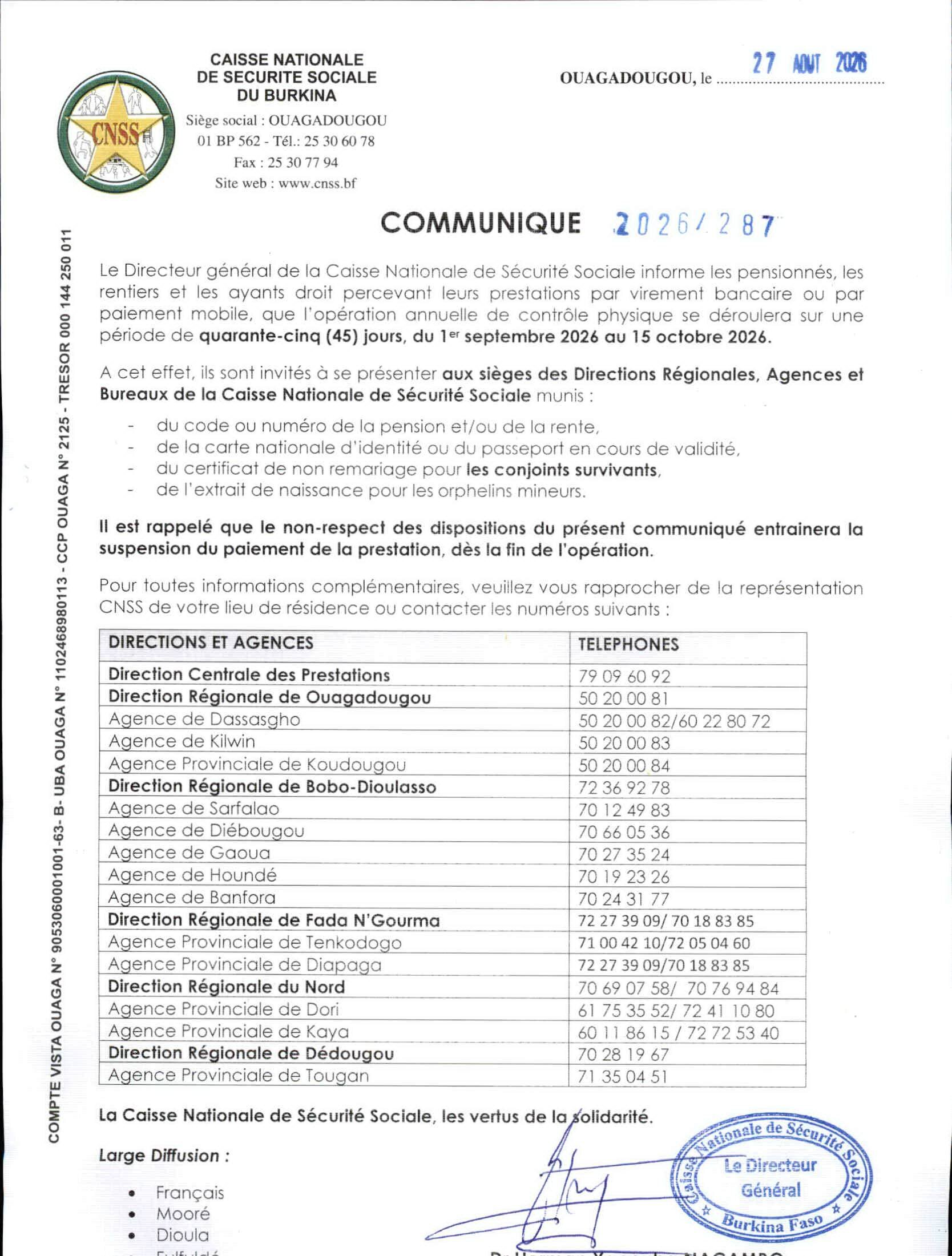
Burkina/CNSS : Le contrôle physique des pensionnés, rentiers et ayants droit prévu du 1er septembre au 15 octobre 2026
Categories: Afrique
Pages


© 2012-2018 Europa Varietas Foundation © 2015-2018 Europa Varietas Association
www.europavarietas.org | info(@)europavarietas(dot)org | Switzerland
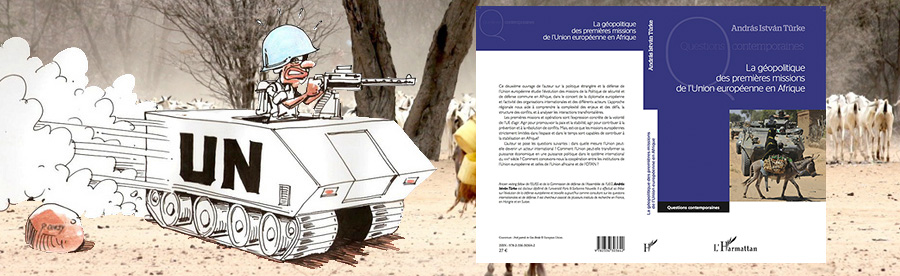
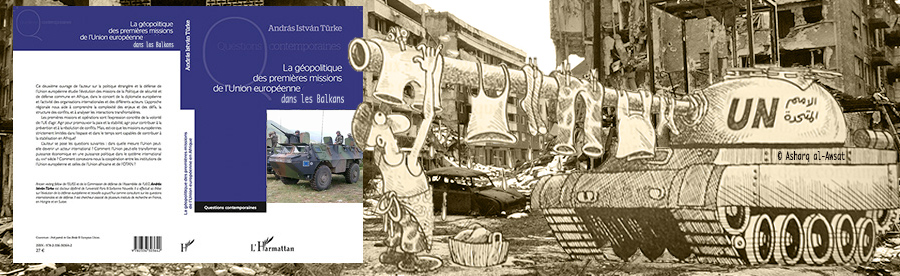
We are looking for sponsors for the English translation of these books, please contact turkeandras(at)gmail(dot)com