
Vous êtes ici
Agrégateur de flux
Le fisc espagnol va rembourser plus de 55 millions d'euros à la chanteuse Shakira
Coup de théâtre dans une affaire qui passionne l’Espagne depuis des années : les démêlés de la chanteuse Shakira avec le fisc. En 2021, le tribunal économique administratif central avait imposé des redressements et des amendes de plusieurs millions d'euros à l’artiste colombienne. Le tribunal de l'Audience nationale revient sur cette décision et ordonne de rembourser Shakira à hauteur de 55 millions d’euros.
Press release - EP TODAY
Catégories: European Union, Union européenne
Trump’s China Opening and Japan’s Taiwan Anxiety
Tokyo fears being sidelined again as Washington and Beijing recalibrate their relationship. Call it the “Trump Shock.”
RDC : 246 cas suspects d'Ebola et environ 80 décès en Ituri, alerte sanitaire dans le Nord-Est
La République démocratique du Congo fait face à une nouvelle épidémie de maladie à virus Ebola dans la province de l'Ituri, au nord-est du pays, ont rapporté nos confrères de 7SUR7. L'annonce a été faite le samedi 16 mai 2026 à Kinshasa, par le ministre de la Santé publique, Hygiène et Prévoyance sociale, Samuel Roger Kamba, lors d'un point de presse consacré à la situation sanitaire nationale.
Selon les autorités sanitaires, plusieurs alertes signalées depuis le début du mois ont été confirmées après analyses effectuées à l'Institut national de recherche biomédicale (INRB). Les tests ont permis d'identifier une souche spécifique du virus, distincte de celle généralement associée aux précédentes grandes flambées dans le pays.
Le ministre a précisé qu'il s'agit de la souche Bundibugyo, déjà détectée en 2012 à Isiro. Contrairement à la souche Zaïre, elle présente une évolution clinique différente, débutant notamment par de la fièvre, une fatigue intense et des vomissements, avant l'apparition plus tardive des symptômes hémorragiques. Cette caractéristique complique parfois la détection précoce des cas.
À ce stade, les autorités sanitaires font état de 246 cas suspects dans la communauté et d'environ 80 décès. Trois zones de santé sont principalement touchées : Mungwalu, Rwampara et Bunia, des localités marquées par une forte mobilité des populations et des activités commerciales intenses.
Face à la progression de l'épidémie, le gouvernement congolais affirme avoir déployé des équipes de riposte avec l'appui de ses partenaires techniques et humanitaires. Les efforts portent notamment sur la surveillance épidémiologique, l'identification des contacts et le renforcement des capacités de prise en charge dans les zones affectées.
Les autorités appellent les populations au respect strict des mesures de prévention, notamment le lavage régulier des mains, l'isolement des cas suspects, la prudence lors des contacts avec les personnes malades et l'évitement des rites funéraires à risque. Elles insistent également sur la nécessité de ne pas manipuler les animaux morts et de bien cuire les aliments.
Le ministre a enfin alerté sur le risque de propagation vers les provinces voisines et les pays frontaliers, notamment en raison des échanges fréquents avec le Nord-Kivu, la Tshopo, ainsi que l'Ouganda et le Soudan du Sud, appelant à une vigilance régionale renforcée.
Lefaso.net
Source : 7SUR7
Catégories: Afrique, European Union
Bridging Geopolitical Divides: Tokayev’s Message at the Antalya Diplomacy Forum
Tokayev’s remarks at the Antalya Diplomacy Forum underscored Kazakhstan’s ambition to play a larger stabilizing role in global diplomacy.
Duterte vs Marcos: The Political Feud Tearing Apart the Philippines
The Duterte-vs-Marcos battle is much more than a domestic political matter; it could determine the fate of the South China Sea.
Le Centre Culturel du Faso rallume la flamme de la culture burkinabè
Il est des lieux qui ne changent pas seulement de nom… mais de destin.
Ce samedi 16 mai 2026, l'ancien Canal Olympia Ouaga 2 000 a officiellement tourné une page de son histoire pour devenir le Centre Culturel du Faso (CCF), lors d'une cérémonie solennelle tenue à Ouagadougou.
Dans une salle pleine d'acteurs culturels, d'artistes, de partenaires et d'autorités, le message était clair : le Burkina Faso veut reprendre possession de ses espaces culturels et écrire une nouvelle histoire portée par ses propres ambitions.
Derrière cette renaissance, un acteur : GNANDORO Vision.
Pour son Président, Roland Achille SOW, cette initiative relève presque d'un devoir..
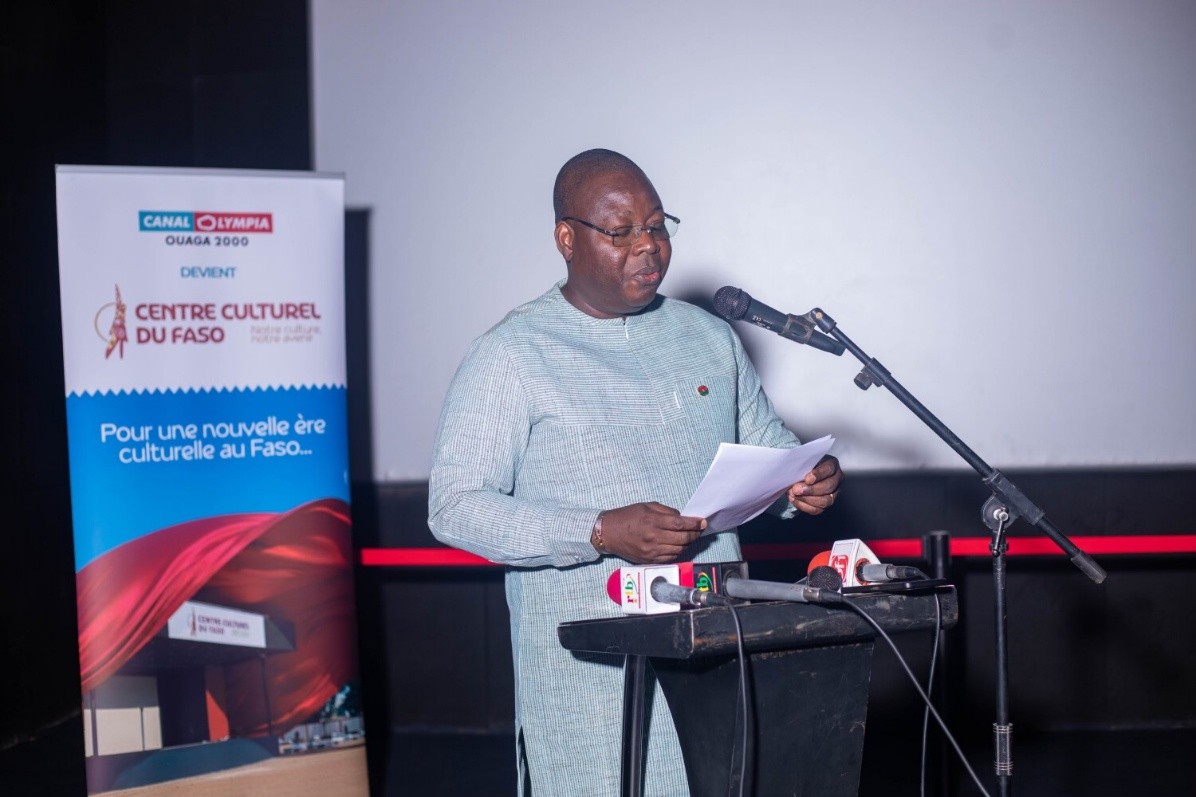
« Lorsque la SONATUR a lancé cet appel à candidature, nous n'y avons pas vu une simple opportunité commerciale. Nous y avons vu un devoir national », a-t-il confié.
Dans un discours particulièrement applaudi, le promoteur a annoncé de grandes ambitions pour le Centre Culturel du Faso :
• une salle de spectacles d'environ 2 500 places ;
• une salle de conférence de 3 000 places ;
• des espaces dédiés à la jeunesse créative ;
• des infrastructures sportives et artistiques ;
• un espace pour les enfants ;
• un grand restaurant ;
• et surtout une programmation culturelle tournée vers le cinéma africain et burkinabè culturelles nationales.
Le Ministre de la Communication, de la Culture, des Arts et du Tourisme, Pingdwendé Gilbert OUEDRAOGO, patron de la cérémonie, a salué un projet porté par « l'expertise et les capitaux burkinabè ».
Pour lui, cette initiative traduit une volonté forte de construire une véritable souveraineté culturelle.
« Lorsque des citoyens burkinabè décident d'investir dans la culture, c'est un véritable signal de résilience », a-t-il déclaré.
Durant près d'une heure trente, les invités ont assisté à plusieurs projections dont une vidéo 3D présentant les futurs aménagements du Centre Culturel du Faso
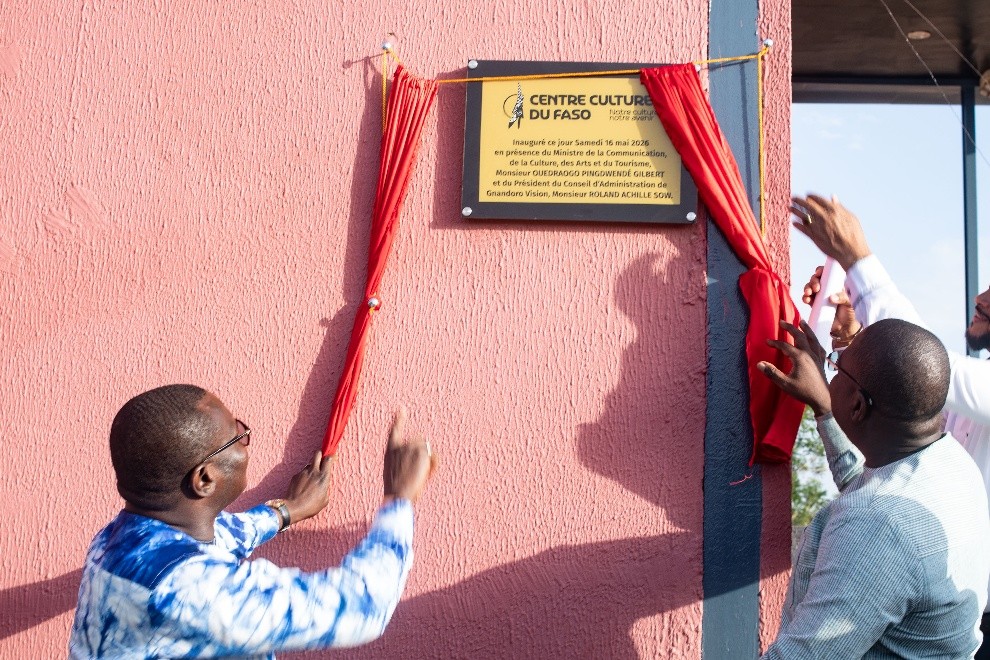
L'un des moments les plus marquants de la soirée restera le dévoilement officiel de la plaque inaugurale par le Ministre Pingdwendé Gilbert OUEDRAOGO et le Président de GNANDORO Vision, Roland Achille SOW, sous les applaudissements du public.
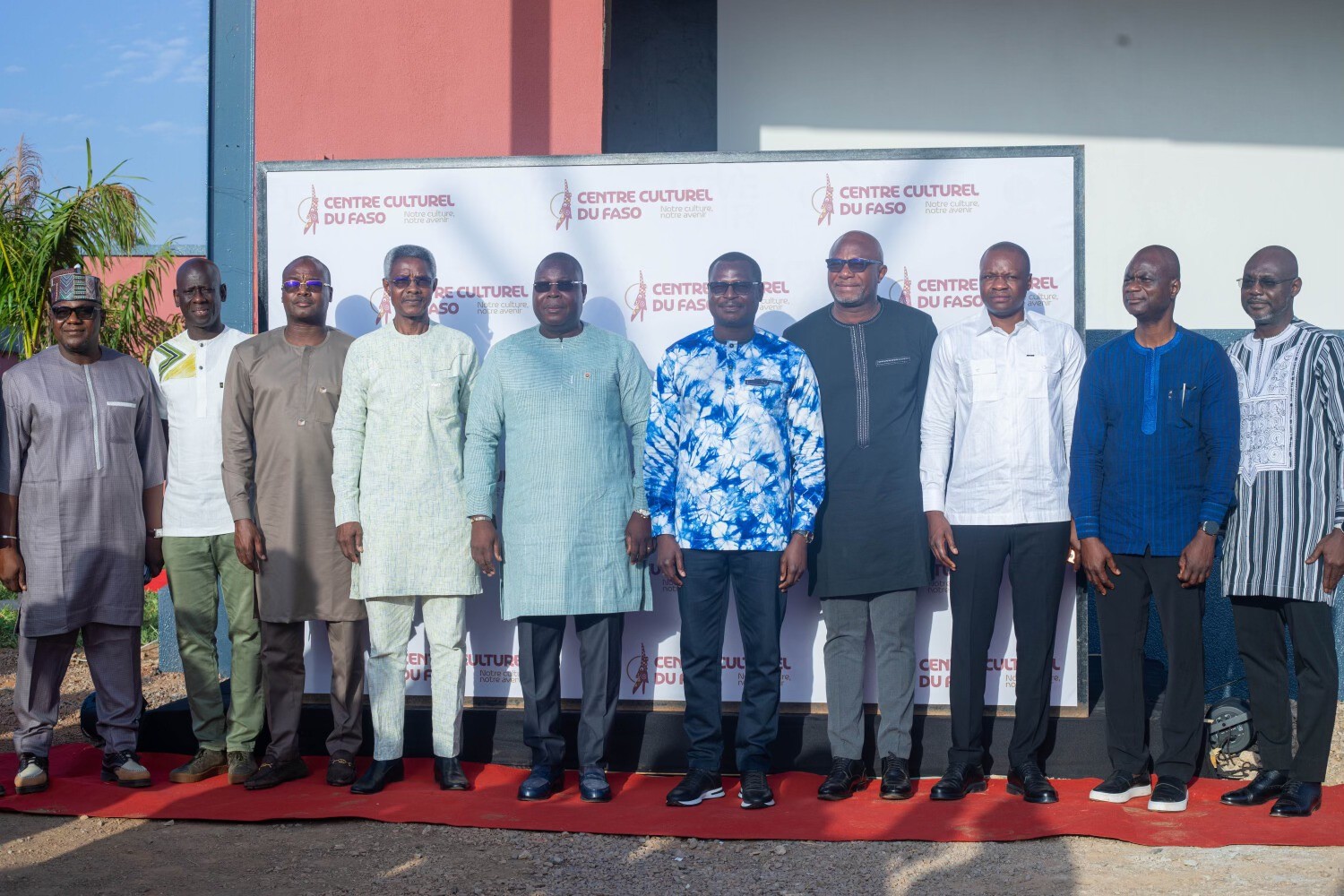
La cérémonie s'est ensuite poursuivie avec une photo officielle de famille réunissant autorités, partenaires, invités d'honneur et acteurs du monde culturel.
Plus qu'un simple complexe culturel, le CCF veut devenir un lieu de vie, un espace d'expression et un symbole du renouveau culturel burkinabè.
Entre ambitions artistiques, volonté patriotique et vision entrepreneuriale locale, le Centre Culturel du Faso semble déjà vouloir imposer une nouvelle dynamique culturelle à Ouagadougou.
La soirée s'est achevée autour d'un cocktail convivial et de plusieurs échanges entre médias, artistes et invités..
Catégories: Afrique, European Union
Côte d'Ivoire : Laurent Gbagbo annonce une délégation du pouvoir au sein du PPA-CI
Nouvellement réélu à la tête du Parti des peuples africains-Côte d'Ivoire (PPA-CI), l'ex-chef d'État ivoirien, Laurent Gbagbo, a annoncé sa volonté de déléguer une partie des pouvoirs liés à la gestion du parti, lors de la fête de la renaissance qui s'est déroulée le samedi 16 mai 2026 dans le village de Songon M'brathé (Sud ivoirien).
« Après ce congrès, je vais déléguer le pouvoir de président », a déclaré l'ancien président ivoirien devant une foule de militants.
Âgé de 81 ans, Laurent Gbagbo a expliqué vouloir déléguer une partie des pouvoirs de la présidence à une autre personne sans toutefois céder les rênes du parti qu'il dirige depuis sa création en 2021.
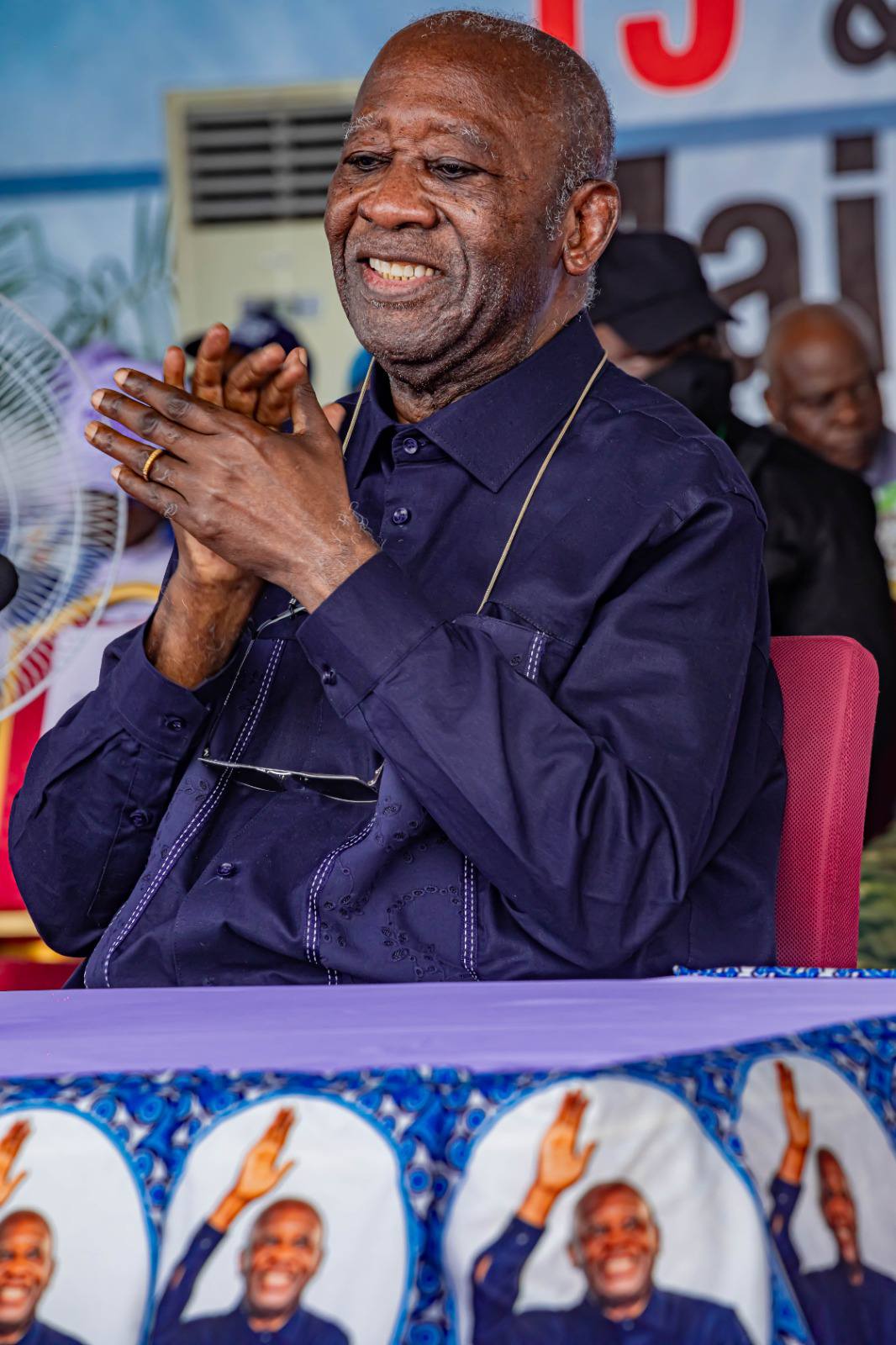
Cette personne, détaille-t-il, aura pour mission de « faire les courses du parti, d'aller au marché, d'aller au magasin et à la boutique ».
S'il n'a pas levé le flou sur sa succession, le président a cependant insisté pour dire que ce nouveau mode de fonctionnement du parti « ne veut pas dire qu'il nomme son successeur ».
Lors de son discours, Laurent Gbagbo a critiqué la situation politique en Côte d'Ivoire, dénonçant l'emprisonnement de plusieurs membres de sa formation politique depuis les manifestations contre le quatrième mandat du pouvoir d'Abidjan et contre la vie chère. « La vie est chère, le dire n'est pas un crime », a-t-il déclaré, concluant que « la démocratie pour laquelle il s'est battu et qu'il continue de battre est pour que chacun puisse exprimer son opinion ».
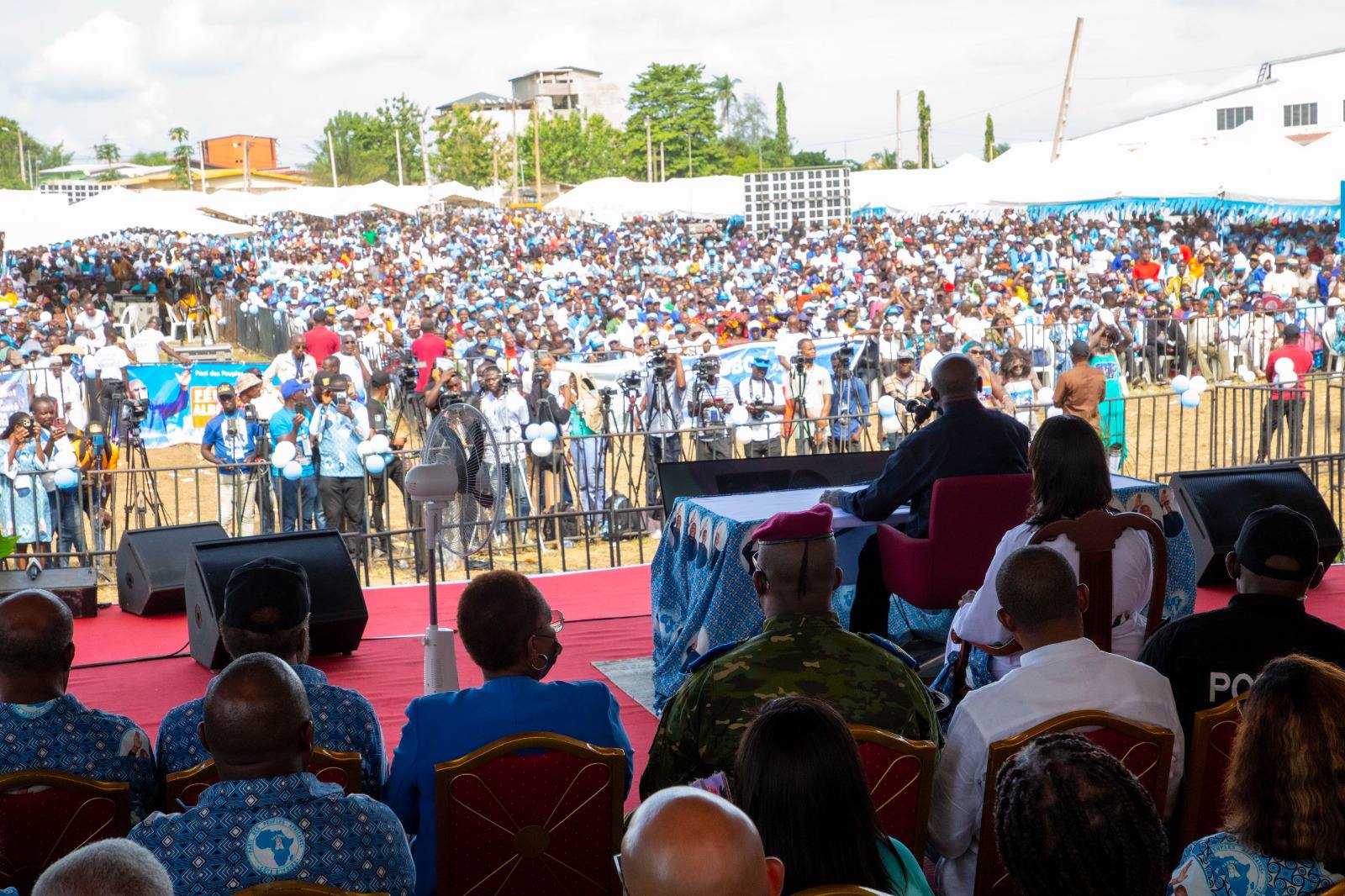
« Le brouhaha politique n'est pas encore terminé. »
Même s'il avait annoncé son retrait de la scène politique ivoirienne, le président justifie son retour par le climat politique ivoirien estimant que « le brouhaha politique n'est pas encore terminé ».
Il a notamment dénoncé l'invalidation des candidatures des principales figures de l'opposition lors du scrutin présidentiel d'octobre 2025.
Plusieurs partis politiques de l'opposition ont aussi pris part à cette rencontre, notamment : le PDCI, le COJEP et le MGC.
Samira Ouédraogo
Correspondante à Abidjan
Lefaso.net
Catégories: Afrique, European Union
Le Nigeria mène de nouvelles frappes avec les États-Unis contre le groupe État islamique
Les États-Unis ont annoncé, lundi, avoir mené de nouvelles frappes avec l'armée nigérianne, après la mort d'un responsable du groupe État islamique lors d'une opération similaire dans ce pays d'Afrique de l'Ouest. Quelques jours plus tôt, 46 personnes, principalement des enfants, ont été enlevées dans le sud, a révélé l'Association des Chrétiens du Nigeria.
Catégories: Afrique, European Union
Côte d'Ivoire : L'artiste Abomé L'Éléphant est décédé
L'artiste rappeur ivoirien Abomé L'Éléphant, de son vrai nom Anassin Boris Médard, est décédé ce lundi 18 mai 2026 des suites d'un malaise cardiaque. La nouvelle a été confirmée par plusieurs sources proches de l'artiste, provoquant une vive émotion au sein de ses fans et du milieu culturel ivoirien, ont rapporté nos confrères de Linfodrome.
Selon les informations recueillies, le décès est survenu alors que l'artiste souffrait déjà de problèmes de santé qu'il évoquait publiquement depuis plusieurs années. Il s'était notamment exprimé à plusieurs reprises sur des troubles de la vision.
Son état de santé, parfois visible lors de ses apparitions médiatiques, avait déjà suscité l'attention et l'inquiétude du public. Malgré cela, l'artiste continuait de s'engager dans ses activités, notamment en faveur de la jeunesse et de la promotion de la culture musicale africaine.
Des témoignages de proches indiquent que la disparition est intervenue de manière soudaine. « On savait qu'il avait des soucis aux yeux… Nous sommes choqués par son décès, surtout par le malaise cardiaque », a confié un collaborateur, évoquant une absence de signes apparents avant l'incident.
L'artiste aurait été pris en charge dans une structure hospitalière d'Abidjan, notamment au CHU de Treichville, où son décès a été constaté. Cette disparition laisse un vide dans le paysage musical ivoirien où Abomé L'Éléphant s'était imposé comme une figure engagée, mêlant création artistique et sensibilisation sociale, particulièrement en direction des enfants et de la promotion de la culture africaine.
Lefaso.net
Source : Linfodrome
Catégories: Afrique, European Union
Breaking Cultural Barriers to Equip Marginalised Kenyan Girls With Entrepreneurial Skills
For generations, communities in Kenya’s arid and semi-arid lands (ASAL) have viewed girls through the lens of marriage, with some being married at 11 in exchange for livestock or soon after secondary school, denying them opportunity for further education and skills training. However, in West Pokot, a community deeply rooted in traditions, something extraordinary is […]
Tony Elumelu au Africa Forward Summit : « La jeunesse africaine n'a pas besoin d'assistanat »
Le fondateur de Heirs Holdings affirme aux présidents William Ruto et Emmanuel Macron que l'Afrique recherche des partenariats solides, fondés sur l'égalité, et que l'accès à l'électricité ainsi que le développement des infrastructures doivent constituer les priorités absolues.
À l'occasion de l'édition 2026 du Africa Forward Summit, organisée conjointement par le président kényan William Ruto et le président français Emmanuel Macron, le fondateur et président de Heirs Holdings, Tony O. Elumelu, a livré un message fort devant un parterre de chefs d'État, d'investisseurs et de dirigeants économiques internationaux : l'Afrique recherche des partenaires engagés, et non des relations fondées sur l'assistanat.
« Nous accueillons favorablement les véritables partenariats — des partenariats solides et fondés sur l'équité — où les Africains et les solutions africaines contribuent à façonner l'avenir du continent », a déclaré l'homme d'affaires nigérian.
Pour Tony Elumelu, la transformation économique de l'Afrique repose avant tout sur deux priorités fondamentales : l'accès à l'électricité et le développement des infrastructures. Selon lui, le secteur privé doit jouer un rôle central dans la mobilisation des capitaux nécessaires à ces investissements structurants.
« Le secteur privé est le moteur qui nous permettra de mobiliser les financements indispensables aux investissements dans les infrastructures et l'électricité. Ce sont deux conditions essentielles à la prospérité économique et au développement de l'Afrique », a-t-il affirmé.
« Si nous créons un environnement propice aux affaires, nous créerons des emplois, réduirons la pauvreté et générerons une croissance durable. »
Dans un continent où plus de 65 % de la population a moins de 35 ans, Tony Elumelu a également appelé à rompre avec les discours traditionnels centrés sur l'aide internationale.
« En Afrique, nous avons une population jeune. Il n'y a pas de place pour une mentalité victimaire. Notre jeunesse n'a pas besoin d'assistanat ; elle a besoin d'emplois, d'un meilleur accès à l'électricité et à Internet. Ce qui compte, c'est de mettre en place les infrastructures et les conditions nécessaires pour permettre à nos jeunes de réaliser pleinement leur potentiel », a-t-il soutenu.
À travers la Tony Elumelu Foundation (TEF), l'entrepreneur africain affirme déjà cet engagement en faveur de l'autonomisation des jeunes. La fondation a permis à plus de 2,5 millions de jeunes Africains d'accéder à des programmes de formation et a financé plus de 27 000 entrepreneurs dans les 54 pays du continent, faisant du TEF la plus grande plateforme africaine dédiée à l'entrepreneuriat.
Tony Elumelu a par ailleurs insisté sur l'ouverture de l'Afrique à tous les partenaires crédibles, quelle que soit leur origine géographique.
« C'est une période importante pour l'Afrique. Nous devons accueillir tous ceux qui souhaitent contribuer à accélérer la croissance du continent. L'Afrique est aujourd'hui la région à la croissance la plus rapide au monde, et cela ne se limite pas à sa démographie », a-t-il déclaré.
Il a également appelé à un changement de paradigme dans les relations économiques internationales :
« Au XXIe siècle, les mentalités doivent évoluer. Nous devons adopter une vision axée sur la prospérité économique et le développement, une vision capable de créer les conditions nécessaires pour réduire durablement la pauvreté et offrir des opportunités à notre jeunesse. »
La participation de Tony Elumelu à ce sommet s'inscrit dans la stratégie globale de Heirs Holdings, groupe d'investissement panafricain engagé dans le développement à long terme du continent à travers des investissements dans des secteurs clés tels que l'énergie, les services financiers, la santé, l'hôtellerie et les technologies.
L'édition 2026 du Africa Forward Summit s'est achevée sur des appels renouvelés à un renforcement de la coopération entre gouvernements, institutions de développement et secteur privé, afin d'accélérer une croissance inclusive et de consolider la place de l'Afrique dans l'économie mondiale.
À propos de Heirs Holdings
Heirs Holdings est un groupe d'investissement panafricain de premier plan. Son portefeuille couvre plusieurs secteurs stratégiques, notamment l'énergie, l'électricité, la banque, l'assurance, les services financiers, la technologie, l'immobilier, l'hôtellerie et la santé, avec des activités dans vingt-quatre pays à travers le monde.
Le groupe s'inspire du concept d'Africapitalisme, une philosophie selon laquelle le secteur privé constitue le principal moteur de création de richesse économique et sociale en Afrique. Dans cette logique, Heirs Holdings privilégie des investissements de long terme, combinant capital stratégique, expertise sectorielle et excellence opérationnelle.
Catégories: Afrique, European Union
Football : Le Burkina Faso affrontera la Russie et la Biélorussie en matchs amicaux les 5 et 9 juin 2026
À l'approche des journées FIFA du mois de juin 2026, la sélection nationale se prépare à disputer deux grandes rencontres internationales. Sous la direction du sélectionneur Amir Abdou et de son staff technique, les Etalons disputeront deux rencontres amicales de haut niveau. La première face à la Russie le 5 juin prochain ; et la seconde face à la Biélorussie le 9 juin prochain.
Ces rencontres constituent une étape stratégique pour le staff technique, visant à tester l'effectif, ajuster les automatismes et renforcer la cohésion du groupe. Elles permettent à l'équipe de franchir un cap dans sa préparation en affrontant des adversaires aux profils différents, évoluant dans des contextes européens exigeants.
Dans ce cadre, la publication de la liste des joueurs sélectionnés est annoncée pour ce mardi 19 mai 2026 à 10 heures. Cette annonce très attendue permettra de connaître les choix du sélectionneur, notamment en ce qui concerne les joueurs en forme, les nouveaux appelés et les ajustements possibles au sein de l'effectif.
Cette communication interviendra juste avant le tirage au sort des éliminatoires de la CAN 2027 (TotalEnergies Coupe d'Afrique des Nations), prévu le même jour à 12 heures GMT au siège de la Fédération égyptienne de football au Caire. L'enjeu est de taille, puisqu'il s'agit de la phase qualificative de la compétition organisée conjointement par le Kenya, la Tanzanie et l'Ouganda.
Lefaso.net
Source : Fédération burkinabè de football
Catégories: Afrique, European Union
How California Politics Set the National Tone
Ronald Reagan honed his right-wing conservatism in the Golden State.
Indiens Weltraumpolitik
Die indische Regierung will das Weltraumprogramm des Landes ausbauen, um die nationale Sicherheit zu stärken, das Wirtschaftswachstum zu fördern und das Ansehen des Landes zu erhöhen. Durch den Ausbau will Indien in der zivilen Raumfahrt strategische Autonomie erlangen, in militärischen Fähigkeiten technologische Souveränität. Sicherheitspolitisch befindet sich Indiens Streben nach souveränen Fähigkeiten aufgrund der Rivalität mit China in einem Rennen gegen die Zeit. Indiens Bemühungen um eigenständige und wettbewerbsfähige Weltraumfähigkeiten sind jedoch trotz erleichterter Investitions- und Regulierungsbedingungen noch nicht umfassend vorangeschritten. Wichtigster strategischer Partner Indiens im Bereich Weltraum sind die USA. Grundlage hierfür ist die enge Kooperation beider Länder in Handels-, Sicherheits- und nachrichtendienstlichen Fragen. Bei der zivilen Raumfahrt steigt in Indien indes das Interesse an der Zusammenarbeit mit europäischen Akteuren. Indien verfolgt das Ziel, mehr Investitionen ins Land zu locken, Technologielücken zu schließen und seine Partnerschaften zu diversifizieren.
Houndé : Endeavour Mining injecte plus de 1,5 milliard de francs CFA pour soutenir 270 producteurs affectés par l'activité minière
La mine de Houndé, filiale de Endeavour Mining, a remis officiellement 80 tracteurs entièrement équipés au profit de 270 producteurs impactés par ses activités minières. Cette importante dotation comprend notamment des charrues, des remorques et divers accessoires agricoles destinés à renforcer les capacités de production des bénéficiaires. C'était le vendredi 15 mai 2026, à Houndé, région du Guiriko.
Cet investissement s'inscrit dans le cadre du programme de restauration des moyens de subsistance des populations affectées par les projets du Parc à Résidus (TSF2) ; mais aussi par les exploitations minières dans les villages de Vindaloo Sud et Sud-Est. Il est évalué à plus de 1,5 milliard de francs CFA. À travers cette initiative, l'entreprise entend accompagner les communautés touchées vers une relance durable de leurs activités économiques.

Le programme vise principalement à moderniser l'agriculture locale en facilitant l'accès à la mécanisation dans une zone où les équipements agricoles demeurent encore insuffisants. Pour les producteurs bénéficiaires, cette dotation représente une opportunité d'améliorer les rendements, de réduire la pénibilité des travaux champêtres et d'accroître les revenus des ménages.
Lors de la cérémonie, le directeur pays d'Endeavour Mining au Burkina Faso, Souleymane Boly, a souligné la portée sociale de cette action. « Ces tracteurs équipés ne sont pas de simples machines. Ils sont des outils de productivité, d'autonomisation et de dignité pour les ménages dont les terres ont été affectées par nos opérations », a-t-il déclaré.
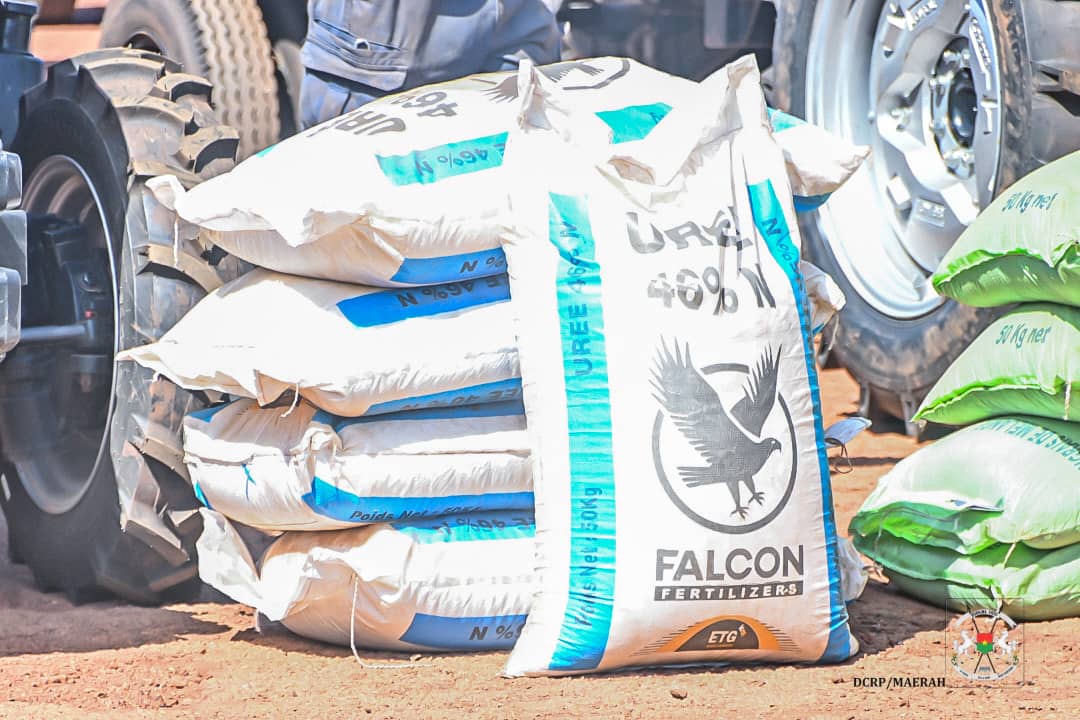
Prévu sur une période de 3 ans, le programme de restauration des moyens de subsistance ne se limite pas à la fourniture de matériels agricoles. Il comprend également des actions d'intensification de la production agricole, un accompagnement des activités génératrices de revenus, un appui aux unités d'élevage et de maraîchage, ainsi qu'un meilleur accès aux microcrédits pour les femmes issues des ménages affectés.
La cérémonie de remise du matériel a réuni plusieurs autorités administratives et coutumières, des représentants des services techniques de l'État, des membres des comités de suivi et de réinstallation, ainsi que les bénéficiaires du programme. Les ministres en charge des Mines et de l'Agriculture ont également pris part à l'événement, illustrant l'intérêt accordé à ce type d'initiatives associant exploitation minière et développement local.
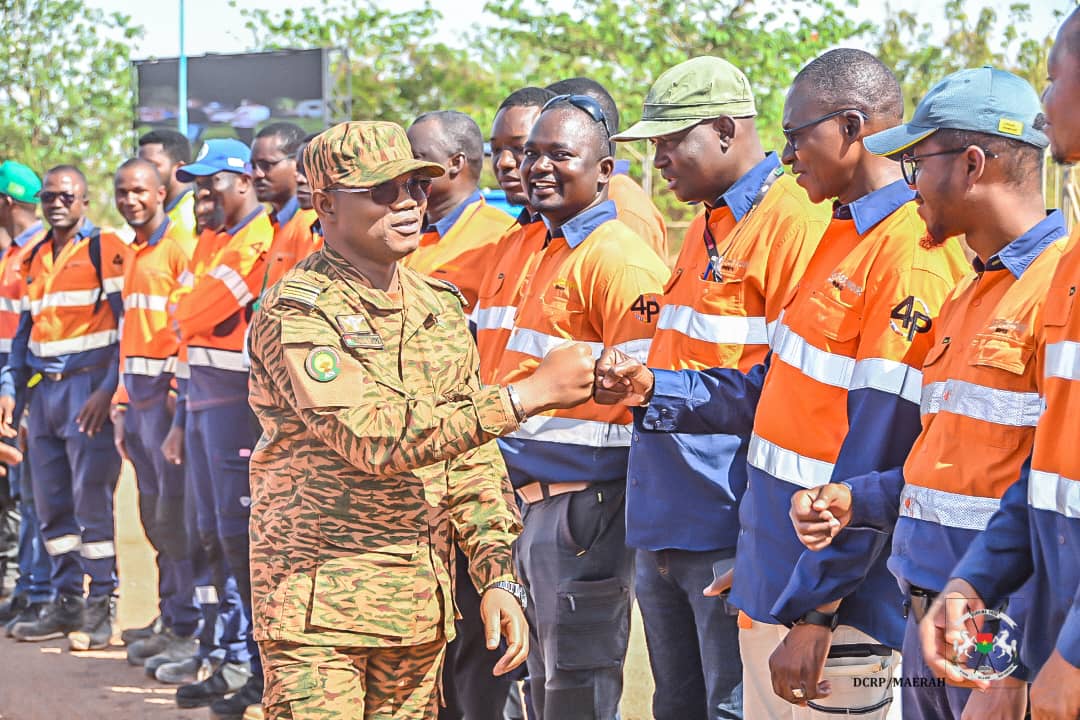
Par l'exécution de ce projet, Endeavour Mining affirme sa volonté de faire de l'activité minière un levier de développement économique pour les communautés hôtes. Dans un contexte marqué par les défis liés à la sécurité alimentaire et à la résilience des populations rurales, l'entreprise mise sur la mécanisation agricole et l'accompagnement socio-économique afin de renforcer durablement les capacités des producteurs locaux.
Pour rappel, Endeavour Mining est l'un des principaux producteurs mondiaux d'or et le plus grand en Afrique de l'Ouest, avec des actifs opérationnels au Sénégal, en Côte d'Ivoire et au Burkina Faso, ainsi qu'un portefeuille solide de projets avancés et d'actifs d'exploration situés dans la ceinture de roches vertes birimiennes, hautement prospective. Membre du Conseil mondial de l'or, Endeavour s'engage dans une exploitation minière responsable et vise à créer une valeur durable pour ses employés, ses parties prenantes et les communautés où elle opère. Endeavour est cotée aux Bourses de Londres et de Toronto sous le symbole EDV.
Hamed Nanéma
Lefaso.net
Source : Endeavour Mining
Catégories: Afrique, European Union
Pages



© 2012-2018 Europa Varietas Foundation © 2015-2018 Europa Varietas Association
www.europavarietas.org | info(@)europavarietas(dot)org | Switzerland




We are looking for sponsors for the English translation of these books, please contact turkeandras(at)gmail(dot)com