
You are here
Feed aggregator
AI chatbots to face UK safety rules after outcry over Grok
"The new measures announced today include crackdown on vile illegal content created by AI," UK Prime Minister Keir Starmer said on Monday
Categories: Biztonságpolitika, European Union
Pour le ministre albanais de la Défense, l’Europe du Sud-Est est le « système nerveux » de la sécurité du continent
Le ministre albanais de la Défense, Pirro Vengu, estime que les Balkans occidentaux occupent une place centrale dans l’architecture de sécurité européenne.
The post Pour le ministre albanais de la Défense, l’Europe du Sud-Est est le « système nerveux » de la sécurité du continent appeared first on Euractiv FR.
Categories: Europäische Union, Union européenne
Mort de Quentin à Lyon : pourquoi La France insoumise est-elle mise en cause ?
De nombreux dirigeants politiques, y compris des ministres, accusent La France insoumise d’être en partie responsable de la mort du militant nationaliste Quentin Deranque à Lyon, en raison de son discours mais aussi parce que le nom d’un assistant parlementaire du député LFI Raphaël Arnault est cité par plusieurs témoins.
Saudi Arabia to Acquire C-27J’s Maritime Patrol Aircraft Variant
The Royal Saudi Naval Force will receive four C-27Js in the new Maritime Patrol Variant, with deliveries expected to start in 2029. Leonardo has announced that it will supply four C-27Js in the new Maritime Patrol Aircraft (MPA) variant to Saudi Arabia’s Ministry of Defense. The aircraft will be operated by the Royal Saudi Naval […]
Categories: Defence`s Feeds, Europäische Union
Le Parlement européen désactive des fonctionnalités d’IA sur les tablettes des eurodéputés pour des raisons de sécurité
Le Parlement européen a désactivé les fonctionnalités d’intelligence artificielle sur les tablettes mises à disposition des députés européens, invoquant des préoccupations liées à la cybersécurité et à la protection des données. La décision figure dans un courriel adressé lundi 16 février aux élus et consulté par Euractiv.
The post Le Parlement européen désactive des fonctionnalités d’IA sur les tablettes des eurodéputés pour des raisons de sécurité appeared first on Euractiv FR.
Categories: Diplomacy & Crisis News, Union européenne
Retour progressif au calme à Bule après plusieurs semaines des combats FARDC-CRP
Categories: Afrique
Dans les montagnes tunisiennes, l’interminable lutte contre les cellules djihadistes
Dans la région de Kasserine, bastion de l’insurrection djihadiste dans les années 2010, soldats et policiers patrouillent jour et nuit. L’élimination, le 22 janvier, d’une cellule terroriste qui projetait des attaques ravive la crainte d’un retour de la violence.
L’UE ne devrait pas encore renoncer à la tarification du carbone, selon Jos Delbeke, ancien directeur général pour l’action climatique à la Commission
Jos Delbeke explique pourquoi les énergies renouvelables sont la solution aux prix élevés de l'électricité et comment l'UE doit renforcer son jeu diplomatique.
The post L’UE ne devrait pas encore renoncer à la tarification du carbone, selon Jos Delbeke, ancien directeur général pour l’action climatique à la Commission appeared first on Euractiv FR.
Categories: Diplomacy & Crisis News, Union européenne
Germany extends EU border controls by six months
Since taking office in May, a coalition led by conservative Chancellor Friedrich Merz has deployed more police at the borders
Categories: Biztonságpolitika, European Union
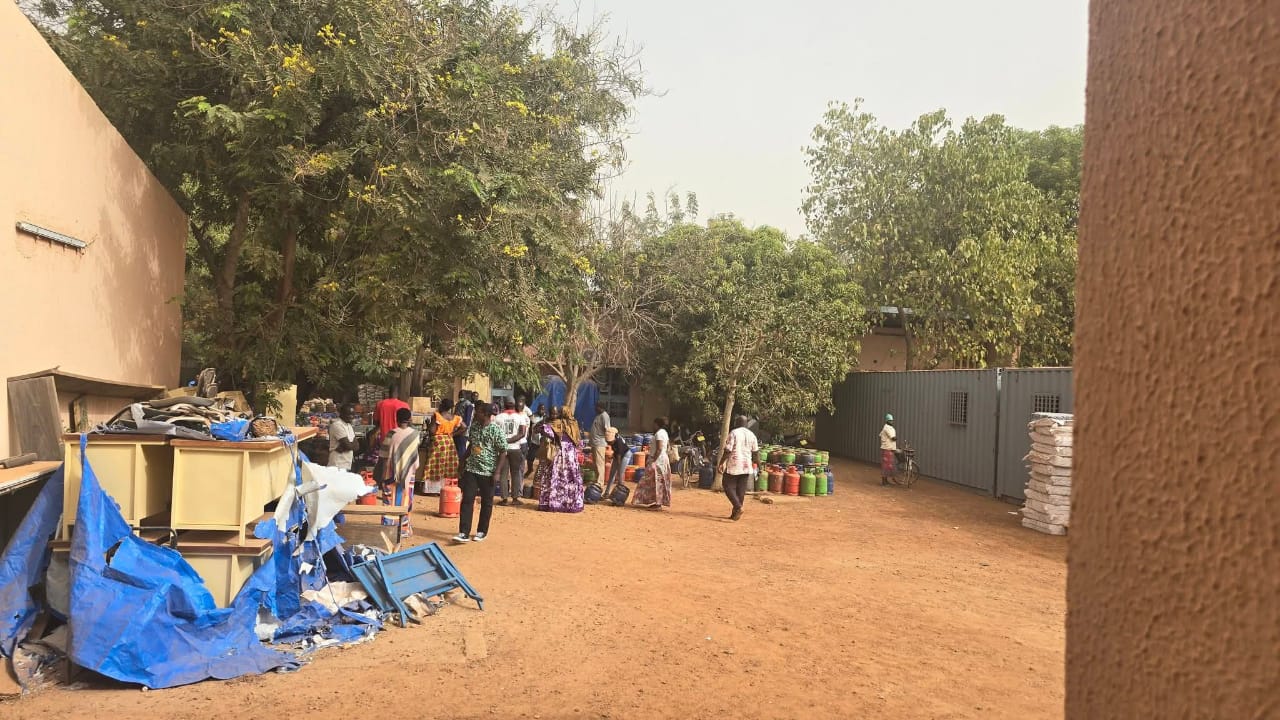
Burkina : La BMCRF met en vente des bouteilles de gaz butane saisies
La brigade mobile de contrôle économique et de la répression des fraudes (BMCRF) met en vente des bouteilles de gaz butane saisies pour pratique illicite de prix.
Cette opération se déroule dans ses locaux conformément au communiqué officiel du 13 février 2026.
C'est l'annonce faite sur sa page Facebook ce lundi 16 février 2026. Cette décision est en application, selon elle, des dispositions de l'arrêté n°02-045/MCPEA/SG du 03 juin 2002, fixant les taux des consignes des bouteilles de gaz butane, ces bouteilles vides sont cédées aux prix réglementés suivants :
– 13 500 F CFA pour la bouteille de 6 kg
– 16 500 F CFA pour la bouteille de 12 kg
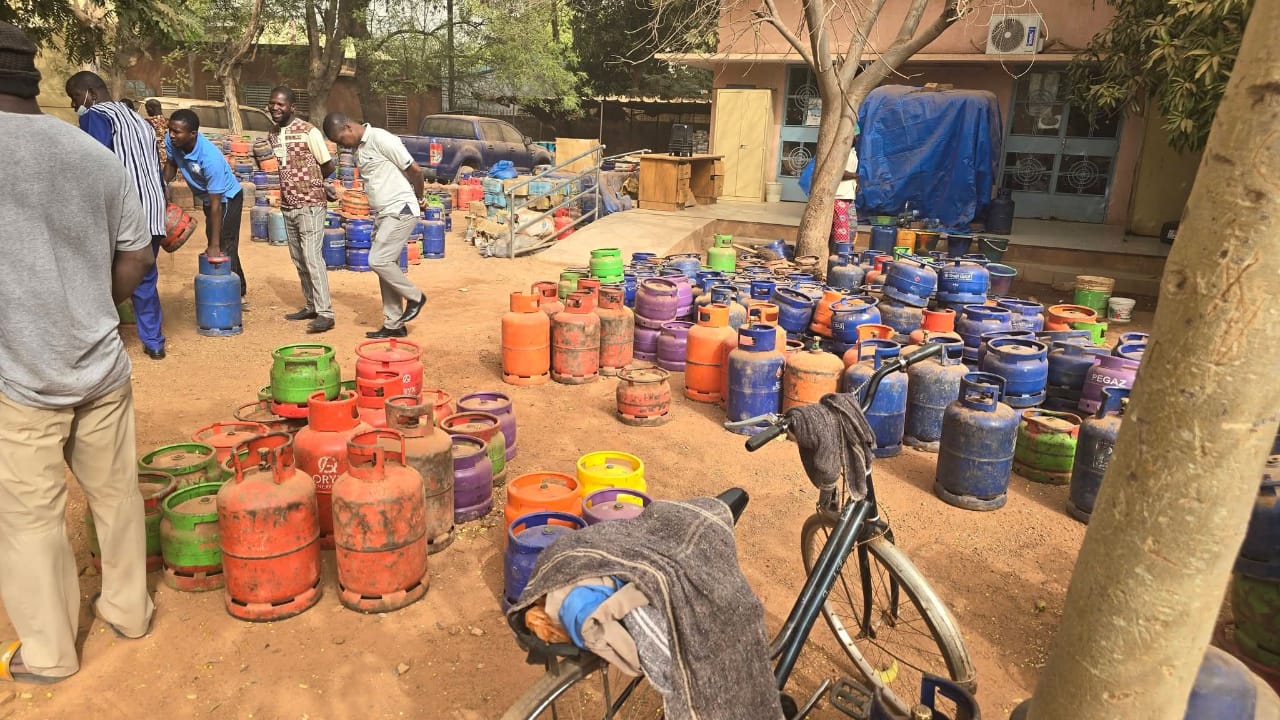
Cette initiative vise à mettre ces bouteilles à la disposition des marketeurs afin de prévenir toute rupture sur le marché et garantir un approvisionnement régulier des ménages.
Ainsi, les ménages qui souhaitent échanger leurs bouteilles vides contre des bouteilles chargées peuvent également se rendre directement dans les locaux de la BMCRF pour effectuer l'opération. Elle rappelle par ailleurs que cette action s'inscrit dans sa mission de lutte contre les pratiques frauduleuses et de protection du consommateur. Tout en garantissant une concurrence saine et loyale.
Pour toute information, veuillez contacter les numéros suivants : 80 00 11 84 /80 00 11 85/ 80 00 11 86
Lefaso.net
Source : SCRP/BMCRF
Categories: Afrique, European Union
Ukraine: 2025, l'année la plus meurtrière pour les civils depuis le début de l’invasion russe
Plus de 2 200 tués et 12 000 blessés : c'est le nombre de victimes civiles recensées en 2025 en Ukraine par une ONG britannique. Un bond de 26% qui fait de l'année dernière la plus meurtrière pour les civils ukrainiens depuis le 24 février 2022 et le début de l'invasion à grande échelle de l'Ukraine par la Russie. Ces pertes ont lieu dans les zones proches du front, mais aussi de plus en plus souvent dans les villes beaucoup plus à l'ouest, visées par les bombardements russes.
Categories: Diplomacy & Defense Think Tank News, Union européenne
FIREPOWER: The view from Munich
Ukraine, Arctiv, destruction
Categories: Biztonságpolitika, European Union
INTERVIEW: Southeastern Europe is the ‘nervous system’ of Europe’s security
Albania's defence minister argues his country is key for EU security
Categories: Biztonságpolitika, European Union
Új 95%-os támogatás zártkerti infrastruktúra fejlesztésekre önkormányzatoknak
Hamarosan megjelenik a vidéki infrastruktúra fejlesztést támogató felhívás, amely keretében a zártkerti területeken megvalósuló fejlesztések támogathatóak, akár 95% támogatással 50 millió forintig, különös tekintettel az infrastruktúra fejlesztésére, az alapellátások biztosítására, valamint a vadvédelem és a helyi értékek megőrzésére.
Categories: Africa, Pályázatok
Agroécologie au Bénin : bien cultiver pour bien manger
SOS, les sols s’épuisent ! L’agriculture mondiale épand aujourd’hui six fois plus d’engrais chimiques que dans les années 1960. L’Afrique est le continent qui en utilise le moins, et pourtant… au Bénin, par exemple, 62 % des terres sont dégradées, d’où le virage national vers l’agroécologie, avec une feuille de route déployée jusqu’en 2030. Objectif : réduire ou supprimer les intrants de synthèse pour préserver les rendements à long terme. À Ouidah, Lidwine et Jaurès ont devancé l’appel. Ce couple d’ingénieurs agronomes travaille en coopération avec la nature. Leur devise : ferme les yeux et mange !
Madagascar : au moins 59 morts à la suite du passage du cyclone Gezani
Le cyclone a semé la destruction dans le nord-est du pays, accompagné de rafales qui ont atteint jusqu’à 250 km/h. Quinze personnes sont par ailleurs portées disparues.
BOA-BURKINA FASO informe son aimable clientèle qu'un mouvement d'humeur est actuellement en cours
Le dialogue social se poursuit activement pour parvenir à des solutions constructives, dans le respect de notre institution, de nos collaborateurs et de la qualité de service que nous nous engageons à vous offrir.
Pour vos opérations courantes, L'AGENCE CENTRALE, sise au projet ZACA près de la base aérienne, reste ouverte.
Par ailleurs, nos Distributeurs Automatiques de Billets (DAB), ainsi que nos produits digitaux demeurent pleinement accessibles 24h/24 et 7j/7.
BOA-BURKINA FASO présente ses excuses pour les désagréments que cette situation pourrait occasionner et vous remercie de votre compréhension.
La Direction Générale
Categories: Afrique, European Union
Muanda : 30 corps non réclamés inhumés grâce à l’opération « zéro cadavre » à la morgue
Trente corps non réclamés à la morgue de Muanda, au Kongo Central, ont été inhumés samedi 14 février dans cette cité côtière, dans le cadre de l’opération « zéro cadavre d’indigent à la morgue », lancée le 4 février par le député provincial Jean Kimboko Ndombasi.
Categories: Afrique
Relation France-Algérie : "Ce que Laurent Nunez fait montre bien l'échec de la méthode Retailleau"
En visite à Alger pendant deux jours, le ministre de l'Intérieur Laurent Nunez va tenter de relancer un dialogue bilatéral mis à mal par des mois de tensions. Le chercheur Adlene Mohammedi décrypte pour France 24 les enjeux de cette visite et les conditions d’un possible apaisement entre Paris et Alger.
Parliament blocks AI features on MEPs’ tablets over security fears
An email sent to lawmakers, seen by Euractiv, shows the Parliament worried about how much data goes to AI companies
Categories: Biztonságpolitika, European Union
Pages


© 2012-2018 Europa Varietas Foundation © 2015-2018 Europa Varietas Association
www.europavarietas.org | info(@)europavarietas(dot)org | Switzerland
We are looking for sponsors for the English translation of these books, please contact turkeandras(at)gmail(dot)com