
You are here
Feed aggregator
Mongolia’s President at the SCO Summit
For Mongolia, the highlights were the bilateral meetings held on the sidelines with Kyrgyzstan, China, and Russia.
Categories: Diplomacy & Crisis News
22 cas suspects de Mpox et trois décès signalés dans la zone de santé de Luebo au Kasaï
Vingt-deux cas suspects de Monkeypox, (Mpox) sont signalés, dans la zone de santé de Luebo, dans la province du Kasaï. Trois décès ont déjà été enregistrés, selon le médecin chef de cette zone de santé, ce mercredi 2 septembre.
Categories: Afrique
Rentrée scolaire : des écoles publiques de Gemena reprennent avec des chantiers inachevés
La rentrée scolaire 2026-2027 a débuté mardi 1er septembre à Gemena, dans la province du Sud-Ubangi, alors que plusieurs infrastructures scolaires publiques restent inachevées. Certains de ces chantiers, réalisés dans le cadre du Programme de développement local des 145 territoires (PDL-145T), sont à l’arrêt, selon des responsables d’établissements, rapportent des témoins.
Categories: Afrique
Menace de grève à Radio France après l’arrivée de Charles Sapin, passé par Valeurs Actuelles
Les personnels de Radio France ont voté mercredi le principe d’une grève et demandent le retrait de la chronique hebdomadaire confiée à Charles Sapin, responsable au magazine Valeurs actuelles, classé à l'extrême droite. Réunis en assemblée générale, ils dénoncent une arrivée à l’antenne qu’ils jugent incompatible avec les valeurs du groupe public.
Categories: France
From Partnership to Penalty: US Tariffs Shadow India Trade Deal
The promise of deeper economic cooperation is undermined by punitive measures that could torpedo the India-U.S. pact even before it is signed.
Categories: Diplomacy & Crisis News
Double Chance 14 H : le verdict !
LES RÉSULTATS DOUBLE CHANCE SONT LÀ !
LOTO STAR Tirage N°105/26
Mercredi 02 septembre 2026 (14H)
– Zone A (5 premiers numéros) :
80 • 14 • 35 • 63 • 82
– Zone B (5 derniers numéros) :
66 • 08 • 78 • 76 • 33
Félicitations aux heureux gagnants.
Pas encore cette fois ? Gardez le sourire !
Rendez-vous à 18H pour le prochain tirage.
Jouez avec modération et responsabilité. Le jeu doit rester un plaisir.
Categories: Afrique
LIVE-TICKER - Amoktat in Aarau: Beschuldigter war psychisch krank und gibt grosse Rätsel auf
Der festgenommene 43-jährige Schweizer sei «mit an Sicherheit grenzender Wahrscheinlichkeit» der Täter, sagt die Polizei. Der Mann hat in der Nacht auf Sonntag an einer Technoparty über 40 Mal in die Menge geschossen, eine 22-jährige Frau getötet und sechs weitere Personen verletzt.
Categories: Swiss News
Das AfD-Paradox in Sachsen-Anhalt: Populäre soziale Versprechen, aber keine Basis für Sozialstaat
Zusammenfassung:
2. September 2026 – Nach den Landtagswahlen am 6. September könnte Sachsen-Anhalt dramatische politische Veränderungen erfahren: Die AfD könnte zum ersten Mal Regierungsverantwortung übernehmen und den Ministerpräsidenten stellen. Für welche politischen Positionen steht die AfD in Sachsen-Anhalt? Wie fällt ein Vergleich zu den demokratischen Parteien aus, wo gibt es Überschneidungen? Und wie extrem ist die AfD in ihren Positionen, wo bestehen Widersprüche? Eine Auswertung des Wahl-O-Mats der Bundeszentrale für politische Bildung sowie ein Vergleich mit den Landtagswahlen 2016 und 2021 und der Bundestagswahl 2025 zeigen ein grundlegend verändertes Parteiensystem. Trotz wachsender Unterschiede in den Positionen der Parteien verliert die AfD vermehrt ihre inhaltliche Alleinstellung. Gerade in der Sozialpolitik zeigt sich in Sachsen-Anhalt das AfD-Paradox: Menschen und Wirtschaft sind auf eine gute öffentliche Daseinsvorsorge, Fachkräfte, kommunale Infrastruktur, Bildung, bezahlbares Wohnen und eine verlässliche Gesundheitsversorgung angewiesen. Die AfD unterstützt zwar einzelne populäre Maßnahmen wie kostenfreie Schüler-Mobilität, geringere Kita-Kosten oder öffentliche Krankenhäuser. Aber sie lehnt zentrale Voraussetzungen einer zukunftsfähigen sozialen Infrastruktur ab, etwa die Anwerbung ausländischer Fachkräfte, Projekte gegen Rechtsextremismus, Demokratiebildung, Klimaneutralität, Vermögensteuer und teils Instrumente des sozialen Wohnungsbaus oder der Ausbildungsfinanzierung.
Categories: Diplomacy & Defense Think Tank News
Hydrocarbures : L’Algérie au cœur des plus grands accords pétroliers d’août 2026
L’Algérie a figuré parmi les acteurs majeurs des plus grandes transactions pétrolières enregistrées au cours du mois d’août 2026, à la faveur de deux accords […]
L’article Hydrocarbures : L’Algérie au cœur des plus grands accords pétroliers d’août 2026 est apparu en premier sur .
Categories: Afrique
Foot: Pierre-Emerick Aubameyang ne veut plus jouer avec le Gabon
Le capitaine des Panthères du Gabon Pierre-Emerick Aubameyang a annoncé sa mise en retrait de l'équipe nationale, s'estimant « humilié » par son exclusion puis sa réintégration après l'échec à la CAN 2025 au Maroc.
Categories: Afrique
Prioritizing Social Stability Over Democratic Reforms: Uzbekistan Announces New Development Programs
Uzbekistan’s new national development programs prioritize socio-economic developments over democratic reforms.
Categories: Diplomacy & Crisis News
Tebboune nomme un nouveau ministre de l’Industrie, Fouzia Naâma promue ministre déléguée
Nouveau remaniement au sein du gouvernement algérien. Le président de la République, Abdelmadjid Tebboune, chef suprême des Forces armées et ministre de la Défense nationale, […]
L’article Tebboune nomme un nouveau ministre de l’Industrie, Fouzia Naâma promue ministre déléguée est apparu en premier sur .
Categories: Afrique
Tchad: au procès d'Abdoulaye Miskine, l'avocat de la défense estime que le «dossier est vide»
Au Tchad, le procès d’Abdoulaye Miskine s’est poursuivi mardi 2 septembre au palais judiciaire de Ndjamena. Aux côtés de trois coaccusés, cet ex-rebelle créateur du Front démocratique du peuple centrafricain (FDPC) arrêté en 2019 est poursuivi pour création d’un mouvement insurrectionnel, viol, assassinat et torture.
Categories: Afrique
Balancing China and Russia: India’s Tightrope Walk at BRICS
New Delhi aims to keep BRICS relevant to the Global South while preventing its transformation into a Chinese bandwagon or an explicitly anti-Western coalition.
Categories: Diplomacy & Crisis News
Land Seizures in the Name of Development in Vietnam
More and more Vietnamese are being forcibly displaced to make way for development. Many are reluctant to speak out, because “between a victim and a criminal lies only a fragile line.”
Categories: Diplomacy & Crisis News
Niger, derrière les accusations du capitaine Gabriel, la machine à désinformer
Dans une vidéo diffusée par Télé Sahel mardi, le 1er septembre, le capitaine Roger Gabriel met en cause le Tchad, le Bénin, la Côte d'Ivoire et la France dans les événements du 29 août à Niamey. Faute d'éléments indépendamment vérifiables, ce témoignage illustre surtout une mécanique de désinformation déjà employée par le régime nigérien : transformer une crise intérieure en complot étranger, puis imposer ce narratif par la télévision publique, les comptes militants et les trolls.
Face caméra, le capitaine Roger Gabriel décline son identité avant de livrer sa version de la mutinerie qui a secoué Niamey les 28 et 29 août. Cet officier du 1er bataillon parachutiste affirme notamment avoir reçu l'appel d'un militaire tchadien l'informant d'une possible intervention destinée à soutenir les mutins. Son récit fait également apparaître le Bénin, la Côte d'Ivoire et la France parmi les soutiens présumés de l'opération. Diffusée sur Télé Sahel, la télévision publique nigérienne, la séquence est rapidement extraite, découpée et partagée sur les réseaux sociaux. Le titre qui l'accompagne devient catégorique : « Le Niger accuse le Tchad, le Bénin, la Côte d'Ivoire, la CEDEAO et la France d'implication dans le putsch déjoué. »
Capitaine Gabriel, caution institutionnelle ?
Cette présentation constitue une première déformation : la vidéo ne livre pas les conclusions d'une enquête judiciaire ou militaire, mais la version d'un officier. Aucun relevé téléphonique, aucun enregistrement ni aucune authentification indépendante des appels et messages évoqués n'a été rendu public pour étayer l'implication présumée de gouvernements étrangers. La diffusion de ce témoignage sur Télé Sahel ne peut cependant être considérée comme anodine. Dans un régime militaire qui exerce un contrôle étroit sur l'information, il paraît peu probable qu'un officier puisse porter des accusations aussi graves sur la télévision publique sans l'aval, au moins implicite, de sa hiérarchie. Cette mise à l'antenne apporte ainsi au récit du capitaine Gabriel une forme de caution institutionnelle, sans pour autant transformer ses affirmations en faits établis.
Un récit lancé avant même l'apparition des preuves
La mécanique avait commencé avant la diffusion de cette séquence. Dès le 30 août, au lendemain des affrontements, des comptes favorables au général Abdourahamane Tiani ont attribué la mutinerie à une opération organisée depuis l'étranger. Des publications très similaires ont désigné la France et certains États voisins, sans attendre que l'identité, les motivations et la chaîne de commandement des mutins soient établies.Ce vide informationnel constituait un terrain idéal. Durant les événements, la télévision nationale a été interrompue et le réseau perturbé, limitant la remontée d'informations indépendantes depuis Niamey. Pendant que les journalistes tentaient de vérifier les faits, les comptes militants disposaient déjà d'un récit simple : le Niger aurait une nouvelle fois été attaqué par ses ennemis extérieurs.
La désinformation ne repose pas nécessairement sur une invention totale. Elle peut partir d'un événement réel — ici, une mutinerie et un appel téléphonique allégué — puis combler toutes les zones d'ombre par des affirmations non démontrées. La répétition fait ensuite le reste : les mêmes accusations circulent sur Facebook, TikTok, YouTube et WhatsApp jusqu'à donner l'impression que plusieurs sources indépendantes les confirment. En réalité, ces publications remontent souvent à une seule déclaration.
La reprise d'un narratif déjà éprouvé
Les pays désignés ne le sont pas au hasard. En janvier 2026, après l'attaque de la base aérienne de Niamey, le général Tiani avait déjà accusé la France, le Bénin et la Côte d'Ivoire d'en être les « sponsors ». Reuters avait alors souligné qu'aucune preuve n'avait été fournie pour étayer ces accusations. Le Tchad vient désormais s'ajouter à cette géographie du soupçon.Depuis le coup d'État de juillet 2023, le même narratif revient à chaque crise sécuritaire : la France préparerait une déstabilisation du Niger avec l'aide de pays de la région et de la CEDEAO. L'AFP Factuel a pourtant documenté l'utilisation répétée de vidéos anciennes, d'images détournées et d'audios manipulés pour alimenter cette lecture des événements. Autre fait marquant, la propagande autour de l'Alliance des États du Sahel reprend également ce schéma. De prétendues infrastructures, réalisations économiques ou avancées militaires sont attribuées au Mali, au Burkina Faso et au Niger à partir d'images provenant d'autres pays .L' AFP Factuel a recensé plusieurs de ces publications trompeuses, conçues pour magnifier l'AES tout en désignant la France et ses partenaires africains comme responsables de ses difficultés.Les opérations d'influence dans le Sahel ne relèvent d'ailleurs plus de publications isolées. Une enquête coordonnée par Forbidden Stories a révélé l'existence de réseaux pro russes utilisant des influenceurs, de faux journalistes et des médias partenaires pour imposer certains récits politiques. Une cartographie du Centre d'études stratégiques de l'Afrique estime que l'Afrique de l'Ouest concentre près de 40 % des campagnes de désinformation documentées sur le continent.
Faire oublier une crise interne
Le narratif du complot extérieur remplit enfin une fonction politique : détourner le regard de l'origine interne de la crise. Les faits établis décrivent une rébellion de militaires nigériens, notamment issus d'unités confrontées aux pertes provoquées par les groupes djihadistes. Désigner immédiatement la France, le Bénin, la Côte d'Ivoire ou le Tchad permet donc d'évacuer des questions plus embarrassantes : pourquoi plusieurs unités se sont-elles retournées contre le pouvoir ? Quel est l'état réel de la cohésion de l'armée ? Comment expliquer le mécontentement des soldats engagés sur les fronts de Tillabéri, Téra ou Dosso ? Et pourquoi un régime revendiquant sa souveraineté a-t-il eu besoin d'une force russe pour contenir une contestation venue de ses propres rangs ? La vidéo du capitaine Gabriel ne suffit pas à répondre à ces questions. En l'absence d'éléments susceptibles d'être vérifiés indépendamment, elle demeure un témoignage et un ensemble d'accusations. La présenter comme la preuve d'un complot multinational ne relève plus de l'information, mais de la construction d'un récit politique : désigner l'ennemi extérieur pour éviter d'expliquer la fracture intérieure.
Categories: Afrique
Après la tentative de coup d’Etat au Niger, l’Algérie inaugure sa nouvelle doctrine de déploiement militaire hors de ses frontières
Afin de préserver ses intérêts stratégiques au Sahel, Alger a dépêché à Niamey une formation aérienne au lendemain d’une tentative de putsch. L’initiative marque une rupture dans la tradition algérienne de non-intervention militaire à l’étranger.
Categories: Afrique
Himayatec alerte sur des pommes de terre potentiellement toxiques : voici comment les repérer
La pomme de terre occupe une place centrale dans l’assiette des Algériens, figurant parmi les produits les plus consommés au quotidien dans les foyers. Qu’il […]
L’article Himayatec alerte sur des pommes de terre potentiellement toxiques : voici comment les repérer est apparu en premier sur .
Categories: Afrique
La télévision d'État du Niger diffuse des allégations faisant état d'un complot international contre la junte
Le capitaine Roger Gabriel a affirmé que des proches de l’ancien président Mohamed Bazoum et des officiers tchadiens étaient liés à la tentative de coup d’État des 28 et 29 août au Niger. Selon lui, des forces spéciales tchadiennes et françaises devaient soutenir les mutins, avec l’appui présumé du Bénin et de la Côte d’Ivoire.
Categories: Afrique
Au moins 43 morts en une semaine dans des attaques attribuées aux ADF à Mambasa (Société civile)
Au moins 43 civils ont été tués entre le 27 août et le 1er septembre dans des attaques attribuées aux rebelles des ADF dans le territoire de Mambasa, en Ituri, selon des sources locales et le monitoring d’organisations de défense des droits de l’homme. Ces violences ont également perturbé la rentrée scolaire dans plusieurs localités touchées.
Categories: Afrique
Pages


© 2012-2018 Europa Varietas Foundation © 2015-2018 Europa Varietas Association
www.europavarietas.org | info(@)europavarietas(dot)org | Switzerland
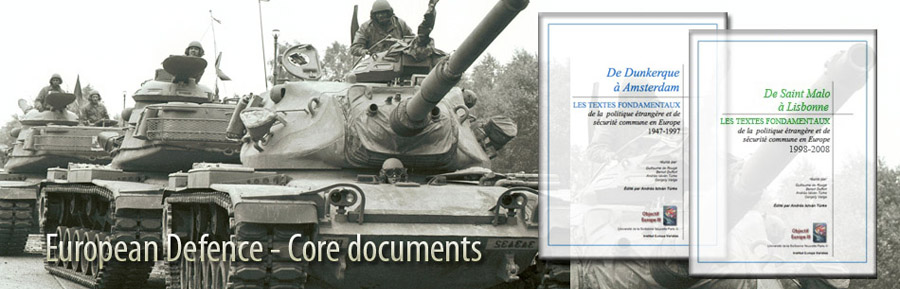
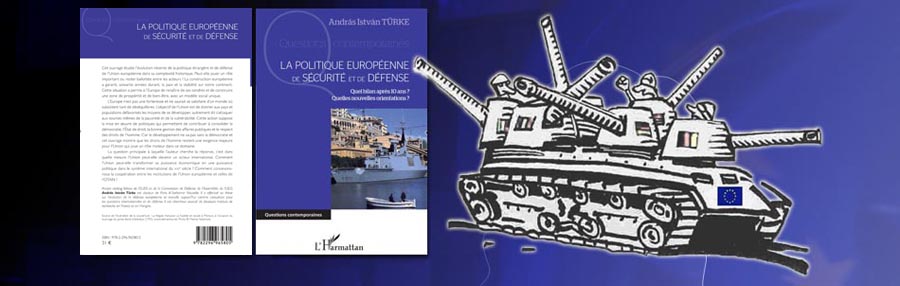
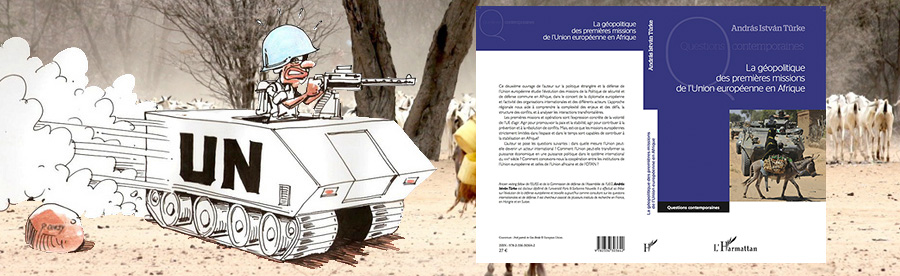
We are looking for sponsors for the English translation of these books, please contact turkeandras(at)gmail(dot)com