
You are here
Feed aggregator
Uganda pulling out of Prince Harry's Invictus Games, says military chief
The decision, announced by the chief of defence, comes just two months after Uganda said it would participate.
Categories: Africa, Biztonságpolitika
The Rwandan eyeing Champions League history against Man Utd
Rwanda forward Joy-Lance Mickels has helped Azerbaijan's Sabah reach the Champions League proper on their competition debut, and is now looking to down the team he supports.
Categories: Africa, Biztonságpolitika
How Could Iran Happen? An Autopsy.
The president’s war on the “deep state” led directly to his debacle in the Middle East.
Categories: Diplomacy & Crisis News
Peine de mort, indemnisations, prix : les décisions du gouvernement
Le durcissement annoncé de la loi pénale entre dans sa phase technique. Réunis ce mercredi autour du Premier ministre Sifi Ghrieb, les membres du gouvernement […]
L’article Peine de mort, indemnisations, prix : les décisions du gouvernement est apparu en premier sur .
Categories: Afrique
Elite Kingdom School, 1ʳᵉ école accréditée Cambridge en Algérie : une distinction qui fait la différence
Choisir un parcours scolaire international pour son enfant implique de regarder au-delà du programme. La qualité de l’enseignement, la formation des équipes et la continuité […]
L’article Elite Kingdom School, 1ʳᵉ école accréditée Cambridge en Algérie : une distinction qui fait la différence est apparu en premier sur .
Categories: Afrique
Études en France 2026-2027 : les candidatures ouvrent bientôt, voici le calendrier complet
C’est officiel : si vous rêvez d’intégrer une université française, les candidatures pour la prochaine campagne « Études en France » ouvrent dès le 1er […]
L’article Études en France 2026-2027 : les candidatures ouvrent bientôt, voici le calendrier complet est apparu en premier sur .
Categories: Afrique
Son prix passe sous la barre des 200 DA/kg : récolte exceptionnelle de pommes dans cette wilaya
La wilaya de Khenchela s’apprête à conclure une campagne agricole remarquable pour la filière arboricole. Malgré quelques aléas climatiques printaniers, les volumes récoltés confirment le […]
L’article Son prix passe sous la barre des 200 DA/kg : récolte exceptionnelle de pommes dans cette wilaya est apparu en premier sur .
Categories: Afrique
Nouveaux BMS – Météo Algérie : jusqu’à 50 mm de pluie attendus dès demain dans ces wilayas
Un épisode pluvio-orageux d’ampleur s’annonce sur l’Algérie dès cet après-midi, avec des cumuls pouvant atteindre 50 mm dans certaines régions. Selon Météo Algérie, plusieurs wilayas […]
L’article Nouveaux BMS – Météo Algérie : jusqu’à 50 mm de pluie attendus dès demain dans ces wilayas est apparu en premier sur .
Categories: Afrique
Digitalization and innovation in Egyptian firms: does female ownership and management matter?
This paper examines how leadership gender configurations shape digitalisation and innovation in Egyptian manufacturing. Using the 2020/21 Egyptian Industrial Firm Behavior Survey (EIFBS) covering 2,338 firms, we construct a four-category gender variable (female owners and male managers (FOMM), male owners and female managers (MOFM), female owners and female managers (FOFM) and all-male baseline) and analyse how these owner–manager gender mixes relate to the adoption of digital technologies (DT) and to innovation outputs, and how these relationships vary by firm size and DT use. Our analysis suggests that firms with male owners and female managers (MOFM) are most likely to adopt DT across specifications. The cross-sectional data suggests that mixed-gender firms are associated with a higher probability of spending on R&D, but not with higher innovation outputs in firms with female owners (i.e. FOMM and FOFM) – pointing toward an innovation conversion gap in those firms. Heterogeneity results show that the MOFM adoption premium of DT and a negative association between FOMM and innovation are strongest in small firms. DT use moderates gender gaps: female-owned firms not using DT are significantly less likely than all-male firms to generate innovation outputs, but this penalty disappears when female-owned firms use DT. A combined size–sector analysis suggests that the divergence between MOFM and FOMM/FOFM is driven mainly by small food manufacturers, with average marginal effects elsewhere broadly comparable. The results highlight leadership composition as a correlate of technology adoption and the role of DT in converting innovation inputs into outputs.
Categories: Diplomacy & Defense Think Tank News
Digitalization and innovation in Egyptian firms: does female ownership and management matter?
This paper examines how leadership gender configurations shape digitalisation and innovation in Egyptian manufacturing. Using the 2020/21 Egyptian Industrial Firm Behavior Survey (EIFBS) covering 2,338 firms, we construct a four-category gender variable (female owners and male managers (FOMM), male owners and female managers (MOFM), female owners and female managers (FOFM) and all-male baseline) and analyse how these owner–manager gender mixes relate to the adoption of digital technologies (DT) and to innovation outputs, and how these relationships vary by firm size and DT use. Our analysis suggests that firms with male owners and female managers (MOFM) are most likely to adopt DT across specifications. The cross-sectional data suggests that mixed-gender firms are associated with a higher probability of spending on R&D, but not with higher innovation outputs in firms with female owners (i.e. FOMM and FOFM) – pointing toward an innovation conversion gap in those firms. Heterogeneity results show that the MOFM adoption premium of DT and a negative association between FOMM and innovation are strongest in small firms. DT use moderates gender gaps: female-owned firms not using DT are significantly less likely than all-male firms to generate innovation outputs, but this penalty disappears when female-owned firms use DT. A combined size–sector analysis suggests that the divergence between MOFM and FOMM/FOFM is driven mainly by small food manufacturers, with average marginal effects elsewhere broadly comparable. The results highlight leadership composition as a correlate of technology adoption and the role of DT in converting innovation inputs into outputs.
Categories: Diplomacy & Defense Think Tank News
Digitalization and innovation in Egyptian firms: does female ownership and management matter?
This paper examines how leadership gender configurations shape digitalisation and innovation in Egyptian manufacturing. Using the 2020/21 Egyptian Industrial Firm Behavior Survey (EIFBS) covering 2,338 firms, we construct a four-category gender variable (female owners and male managers (FOMM), male owners and female managers (MOFM), female owners and female managers (FOFM) and all-male baseline) and analyse how these owner–manager gender mixes relate to the adoption of digital technologies (DT) and to innovation outputs, and how these relationships vary by firm size and DT use. Our analysis suggests that firms with male owners and female managers (MOFM) are most likely to adopt DT across specifications. The cross-sectional data suggests that mixed-gender firms are associated with a higher probability of spending on R&D, but not with higher innovation outputs in firms with female owners (i.e. FOMM and FOFM) – pointing toward an innovation conversion gap in those firms. Heterogeneity results show that the MOFM adoption premium of DT and a negative association between FOMM and innovation are strongest in small firms. DT use moderates gender gaps: female-owned firms not using DT are significantly less likely than all-male firms to generate innovation outputs, but this penalty disappears when female-owned firms use DT. A combined size–sector analysis suggests that the divergence between MOFM and FOMM/FOFM is driven mainly by small food manufacturers, with average marginal effects elsewhere broadly comparable. The results highlight leadership composition as a correlate of technology adoption and the role of DT in converting innovation inputs into outputs.
Categories: Diplomacy & Defense Think Tank News
Portières truffées de près d’un quintal de kif: une opération commando fait tomber 8 trafiquants à Chlef
Près de 97 kilogrammes de drogue viennent d’être retirés du circuit dans l’ouest du pays. La brigade mobile des douanes de Chlef, appuyée par des […]
L’article Portières truffées de près d’un quintal de kif: une opération commando fait tomber 8 trafiquants à Chlef est apparu en premier sur .
Categories: Afrique
Entretien entre le conseiller de Trump et Tebboune : Washington veut élargir le partenariat
Le rapprochement entre Alger et Washington franchit une nouvelle étape. Massad Boulos, conseiller principal du président américain Donald Trump pour les affaires arabes et africaines, […]
L’article Entretien entre le conseiller de Trump et Tebboune : Washington veut élargir le partenariat est apparu en premier sur .
Categories: Afrique
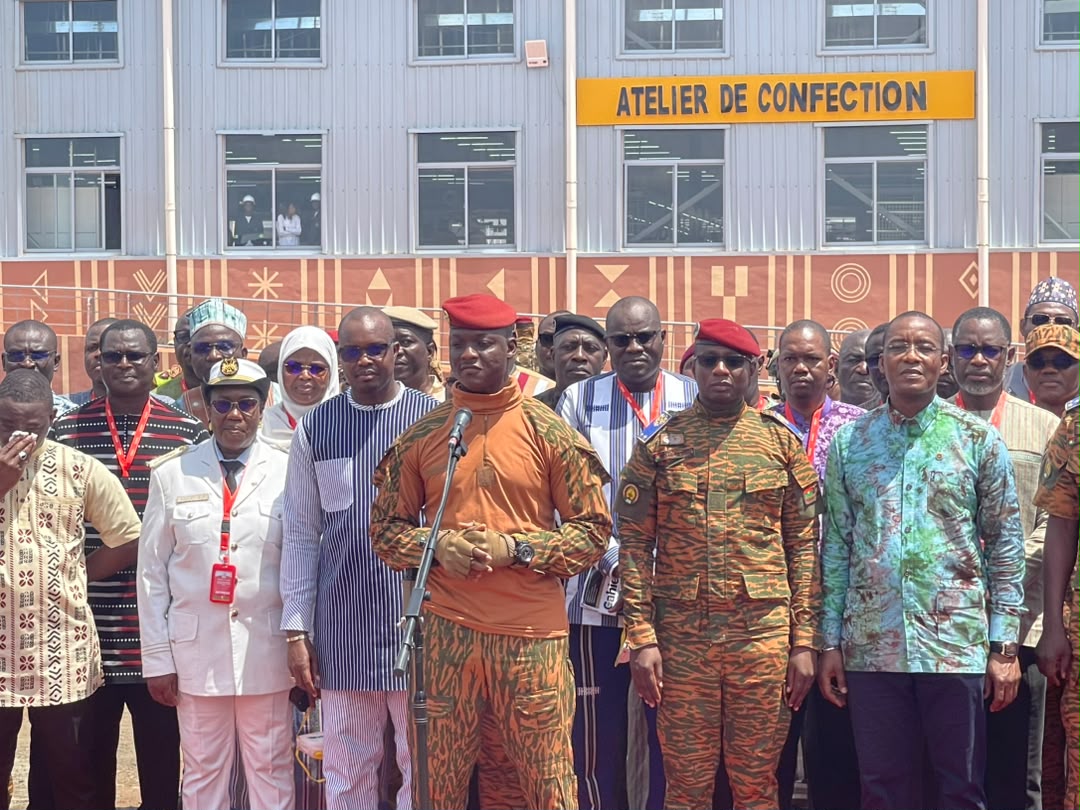
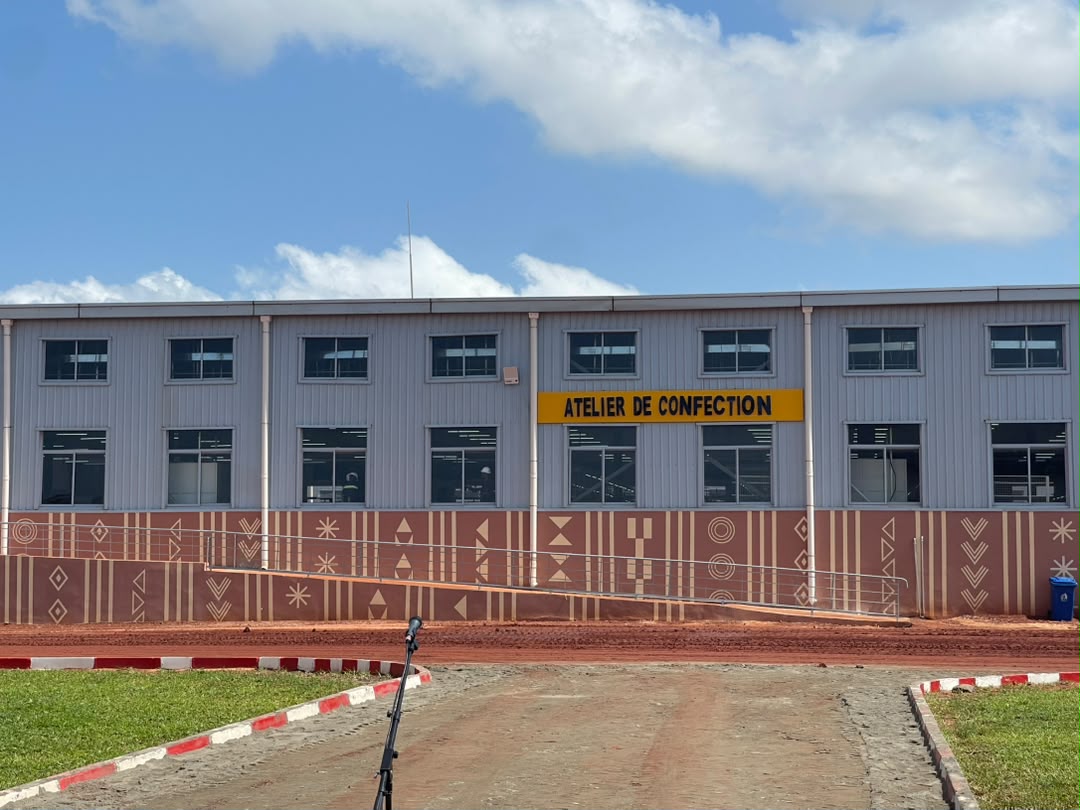
Industrie textile : TEXFORCES-BF, le pari burkinabè de la transformation locale du coton
Le président du Faso, chef de l'État, le capitaine Ibrahim Traoré, a procédé ce mercredi 9 septembre 2026, à l'inauguration officielle du complexe industriel de Textile des Forces du Burkina Faso (TEXFORCES-BF), à Logofourousso, village rattaché à la commune de Bobo-Dioulasso. Présentée comme une infrastructure stratégique et unique en Afrique de l'Ouest, l'usine ambitionne de renforcer la production textile nationale et de contribuer à l'autonomie du Burkina Faso en matière d'habillement militaire et civil.
Le secteur industriel burkinabè franchit une nouvelle étape avec la mise en service de TEXFORCES-BF. Implanté à Logofourousso, dans la commune de Bobo-Dioulasso, sur une superficie de 30 hectares, ce complexe industriel est destiné à produire des effets d'habillements pour les Forces de défense et de sécurité (FDS), mais également pour les populations civiles.
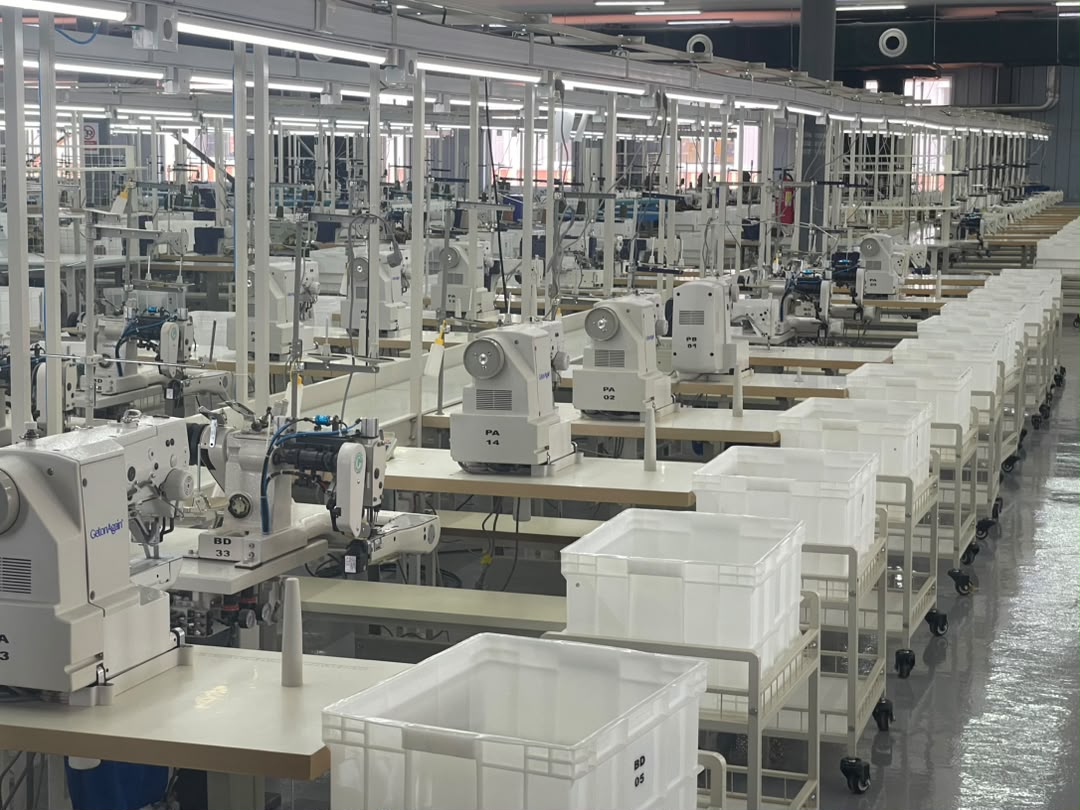
L'inauguration officielle de l'infrastructure est intervenue ce mercredi 9 septembre 2026, sous la présidence du capitaine Ibrahim Traoré. Elle marque, selon les autorités, une nouvelle étape dans la volonté de développer les capacités industrielles du pays et de donner davantage de valeur ajoutée à la production nationale.
Lire la suite sur Lefaso.net
Categories: Afrique
Les ressortissants étrangers au Kenya disposent de 90 jours pour obtenir un permis de travail.
Le Kenya a accordé aux ressortissants étrangers gérant de petites entreprises un délai de 90 jours pour faire traiter leur statut d'immigration, leurs permis de travail et leurs licences commerciales.
Categories: Afrique
US Destroys 5 Iranian Tankers As Tehran Strikes Back Across Gulf
The United States and Iran have sharply escalated their confrontation, with Washington destroying five Iranian oil tankers and Tehran responding with missile attacks on US forces in Jordan and claims of strikes against American warships and other vessels.
Categories: Defence`s Feeds
Rubio: Iran Will 'Lose Tankers' for Every Attempt to Hit US Ships
The United States has struck additional Iranian oil tankers linked to the Islamic Revolutionary Guard Corps (IRGC), US officials told reporters on September 8, as tensions between Washington and Tehran escalated following further attempted Iranian missile attacks on US Navy ships.
Categories: Defence`s Feeds
Army's world-class air defence capability ready for operations
Australia's integrated air and missile defence capability has been strengthened with the achievement of Final Operational Capability for Army's National Advanced Surface to Air Missile System (NASAMS) capability.
Categories: Defence`s Feeds
$2.4 billion investment in air and missile defence
The Albanese Government is investing $2.4 billion to strengthen Australia's air and missile defence capabilities while building a resilient sovereign defence industrial base.
Categories: Defence`s Feeds
Comment by Aide to the President Yury Ushakov following Vladimir Putin's telephone conversation with US President Donald Trump
No description
Categories: Defence`s Feeds
Pages



© 2012-2018 Europa Varietas Foundation © 2015-2018 Europa Varietas Association
www.europavarietas.org | info(@)europavarietas(dot)org | Switzerland




We are looking for sponsors for the English translation of these books, please contact turkeandras(at)gmail(dot)com