
You are here
Feed aggregator
'We could call it racist' - Ivory Coast boss sad at Schweinsteiger comments
Ivory Coast boss Emerse Fae says comments from ex-Germany midfielder Bastian Schweinsteiger about their "wild" playing style could be considered racist.
Categories: Africa, Balkan News
WM-Sorgen bei den Deutschen: Undav-Frage, Neuer-Debatte – und ein gereizter Nagelsmann
Deutschland ist zwar Gruppensieger. Dennoch sorgt die Pleite gegen Ecuador für viele Sorgen bei unseren Nachbarn.
Categories: Afrique, Swiss News
Podcast-Star Karin Bearpark: «Ich vermisse das Schnäbi wirklich nicht»
Die Frage, ob Karin Bearpark etwas fehlt im Bett, steht schon länger im Raum. In der aktuellen Folge von «intim&laut» wird sie definitiv geklärt. Und die Erfolgs-Podcasterin verrät den beiden Gastgeberinnen, was alles besser ist, seit sie eine Frau liebt.
Categories: Afrique, Swiss News
DJ Antoine über Mutter seines Sohnes: «Meine Ex finde ich bis heute einen Teufel»
DJ Antoine offenbart private Einblicke: Der Basler Star, heute glücklich mit Partnerin und Tochter, bezeichnet seine Ex-Frau als «den Teufel» und spricht über eine Ehe, die er nie hätte eingehen sollen.
Categories: Afrique, Swiss News
Sie kassieren Arbeitslosengeld auf Top-Niveau: Jetzt müssen Spitzenverdiener in Zug stempeln gehen
Der Kanton Zug ist bekannt für seine Topverdiener. Doch plötzlich müssen ausgerechnet sie häufiger stempeln gehen, beobachten die Behörden. Viele Kaderleute auf Stellensuche? Das geht auch bei der Arbeitslosenversicherung ins Geld.
Categories: Afrique, Swiss News
Teheran brüskiert Amerikaner auf Schritt und Tritt: Iran attackiert Frachter in der Strasse von Hormus
Mit einem Drohnenangriff auf einen Frachter in der Strasse von Hormus verschärft Iran die Lage im globalen Nadelöhr wieder. Teheran demonstriert Kontrolle, ignoriert internationale Spielregeln – und stellt die USA einmal mehr offen bloss.
Categories: Afrique, Swiss News
Verstärkung für Absteiger: Ehemaliger St. Galler Junior wechselt nach Wolfsburg
Alessio Besio geht ab der kommenden Saison in der 2. Bundesliga auf Torejagd: Der ehemalige Junior des FC St. Gallen wechselt zum VfL Wolfsburg.
Categories: Afrique, Swiss News
«Es ist schon etwas komisch»: Warum wartet Schiri Schärer noch auf den ersten WM-Einsatz?
Sandro Schärer ist an dieser WM bislang als Hauptschiedsrichter noch nicht zum Zug gekommen. Urs Meier erklärt, weshalb das noch kein schlechtes Zeichen sein muss.
Categories: Afrique, Swiss News
Kheireddine Zetchi enfin fixé sur son jugement, après 19 mois de détention
Le tribunal de Sidi M’hamed a programmé pour le 30 juin prochain l’ouverture du procès relatif à l’ancien mode de gestion de la Fédération algérienne de […]
L’article Kheireddine Zetchi enfin fixé sur son jugement, après 19 mois de détention est apparu en premier sur .
Categories: Afrique, European Union
Ex-England-Star mit Ratschlag: «Würde Ronaldo nicht immer von Anfang an aufstellen»
Rio Ferdinand gilt als Freund von Portugal-Superstar Cristiano Ronaldo – und freute sich entsprechend über dessen Doppelpack gegen Usbekistan. Gleichzeitig soll der 41-Jährige seiner Meinung nach aber mehr geschont werden.
Categories: Afrique, Swiss News
Nach langer Verletzungspause: Küng bei Comeback an Schweizer Meisterschaften chancenlos
Bei den Schweizer Meisterschaften im Zeitfahren bestreitet Stefan Küng am Donnerstag sein erstes Rennen seit seinem Oberschenkelbruch Ende Februar. Zum resultatmässig perfekten Einstand fehlt aber viel.
Categories: Afrique, Swiss News
Nach Rassismus-Debatte: Klopp bricht Interview wegen Schweinsteiger-Frage ab
Jürgen Klopp bricht ein Interview bei der WM in den USA ab. Der Ex-Liverpool-Coach weigerte sich, zu Bastian Schweinsteigers umstrittenen Aussagen über den afrikanischen Fussball Stellung zu nehmen.
Categories: Swiss News, Union européenne
Verfolgungsjagd in Mauren (FL) – ein Dorf ist geschockt: «Anwohner riefen: ‹Hört auf! Hört auf!›»
Eine Verfolgungsjagd schockt Mauren in Liechtenstein: Am Dienstag fuhr die Polizei einem 12-jährigen E-Scooter-Fahrer hinterher. Das Kind stürzte. Die Bevölkerung diskutiert nun über das brisante Vorgehen der Gesetzeshüter.
Categories: Swiss News, Union européenne
Unfall im Kanton Freiburg: Töff-Fahrer (†29) stürzt Abhang hinunter – tot!
Am Donnerstagnachmittag hat sich zwischen Giffers und Le Mouret im Kanton Freiburg ein tödlicher Verkehrsunfall ereignet. Ein Töff-Fahrer verlor sein Leben.
Categories: Swiss News, Union européenne
Zehnkampf oder Weitsprung?: Ehammer hat einen EM-Entscheid gefällt
Simon Ehammer wird an der EM in Birmingham nur im Weitsprung an den Start gehen. Das meldet der 26-Jährige auf Instagram.
Categories: Swiss News, Union européenne
Spannende Zahlen: So viel Geld verdient SRF mit den Hydration Breaks
Wer während den umstrittenen Hydration Breaks auf SRF Werbung schalten möchte, muss zum Teil tief in die Taschen greifen. Sehr tief.
Categories: Swiss News, Union européenne
Grossbrand in Sornetan BE: «Ich war schockiert über das Ausmass des Feuers»
Rauch und Flammen in Sornetan! Ein Bauernhof ist offenbar in Flammen aufgegangen. Der Grossbrand erschüttert die Gemeinde Petit-Val im Berner Jura. Was die Behörden der Bevölkerung jetzt raten.
Categories: Europäische Union, Swiss News
UNCTAD: A Shift of Risk, Geopolitical Tension Weighs on Global Markets Heavier than Trade Policy
As of now, geopolitics overtook trade policy uncertainty as the primary concern for countries. Credit: Unsplash / Sajimon Sahadevan
By Maximilian Malawista
UNITED NATIONS, Jun 25 2026 (IPS)
Amidst increased geopolitical tensions, the risk of volatile energy markets, trade corridors, and regional stability in the Middle East has garnered more attention than trade policy in terms of its power to alter the global economy, according to new findings from the United Nations Conference on Trade and Development (UNCTAD).
In their report on trade and development, “Global Economy Faces a Geopolitical Challenge”, UNCTAD says that a protracted escalation “raises the likelihood of deeper disruptions in global trade and finance, potentially, foreshadowing a cascading crisis”.
Credit: UN Conference on Trade and Development (Trade and Development Foresights 2026)
Daily crude oil prices in the Middle East since the beginning of the conflict have risen from around USD 60-70, to a fluctuating rate between a high of over USD 110-. With oil prices surging more than 60 percent, and gas doubling in price, many markets have been left in an inflating scenario as higher energy prices increase macroeconomic pressure and overall slow and contract the economy.
The increase per barrel is largely due to a constriction of supply, where most Gulf economies can barely output oil due to a lack of transport ability through the strait of Hormuz. The International Monetary Fund (IMF) records a spike in the price of Brent crude rising over USD 100 per barrel and remaining at elevated levels, with European gas also jumping roughly “60 percent amid disruptions to LNG exports”.
The numbers are impacted by an estimated loss of capacity of 10 million barrels per day of oil and “about 500 million cubic meters per day of natural gas”. This is roughly 10 percent of global oil production, and roughly 5 percent of global natural gas production for every single day.
The IMF records the following:
Daily Traffic through the Strait of Hormuz (in number of vessels) between 26 February and 6 April 2026. Credit: IMF
Oil being an inelastic good means that consumers won’t be able to curb their spending. Rather, they have to pay more for as long as the conflict lasts as fuels are needed for many essential routine tasks, from driving your car, to taking your vitamins, to growing your food, and having your Amazon packages shipped.
In their April 2026 Regional Economic Outlook Update for the Middle East and Central Asia, the IMF details that a continued conflict will likely for every 10 percent rise in the average oil price lead to a loss of about 0.5 percent of GDP and an inflation increase of around 1 percent in Gulf economies, ultimately affecting global markets heavily.
As the report notes, “Longer trade disruptions or greater damage to oil production capacity raises the possibility of higher and more sustained oil prices and a larger risk premium than is currently embedded in oil futures prices”.
However, for developing countries higher energy prices hit a lot harder to consumers in developing countries, which in this case don’t have the same money to spare. The IMF warns that “Low-income countries and other fragile and conflict-affected states in the MENAP region are especially vulnerable to higher energy, fertilizer, and food prices”.
Due to the conflict, estimates stand that vulnerable economies, mostly least developed countries (16.1 billion) and small island developing states (4.3 billion), could incur a USD 20 billion a year increase in spending, representing a huge composition of their GDP expenditure.
Among least-developed nations, Mauritania is recorded to have their bill increase by 7.3 percent, The Gambia 6.3 percent, Burkina Faso 5.0 percent, Liberia and Zambia 4.3 percent, with 17 other least developed countries also estimating to increase their spending by at least 0.5 percent in terms of GDP points.
Similarly for small-island developing states, Vanuatu is recorded to have an increase of 5.8 percent, Maldives 5.2 percent, Tonga 4.4 percent, Mauritius 4.2 percent, and Fiji 3.2 percent, with 18 other small developing states recording an increase of at least 0.6%.
UNCTAD also expects this conflict to take away capital investment into developing nations, as these assets are perceived as riskier. The UNCTAD report states that “the start of the Middle East conflict triggered a sell-off of developing countries’ assets, with equity markets of emerging markets sliding by more than 12 per cent between 28 February and 29 March.” Likely such effects will trigger a compacting of issues, contributing to an economic downturn that could take years to recover from depending on the length of the conflict.
IPS UN Bureau Report
Follow @IPSNewsUNBureau
!function(d,s,id){var js,fjs=d.getElementsByTagName(s)[0],p=/^http:/.test(d.location)?'http':'https';if(!d.getElementById(id)){js=d.createElement(s);js.id=id;js.src=p+'://platform.twitter.com/widgets.js';fjs.parentNode.insertBefore(js,fjs);}}(document, 'script', 'twitter-wjs');
Categories: Africa, European Union
Mit 420 Kilogramm Sprengstoff: Berühmtes Wahrzeichen wird in Sekunden dem Erdboden gleichgemacht
Drei Jahre nach der verheerenden Erdbebenkatastrophe in der Türkei ist ein schwer beschädigtes 16-stöckiges Hochhaus in Adana kontrolliert gesprengt worden. Ein Baggerabriss war nicht möglich.
Categories: Europäische Union, Swiss News
The Overlooked Impact of Flooding on Crops, Soils and Food Systems
When agricultural crops are lost to flooding, food costs rise, food systems are weakened, and our ability to meet our food security needs is threatened. Credit: Shutterstock
By Esther Ngumbi and Christy Gibson
URBANA, Illinois, US, Jun 25 2026 (IPS)
Across the United States, record breaking extreme weather events have already occurred, including severe storms and Tornadoes in the State of Illinois to flooding in Texas, southern Wisconsin and the South. Throughout the summer, and the remainder of the growing season, additional severe weather events will come through including several hurricanes and tropical storms beginning with Tropical Storm Arthur.
While the impacts of severe weather on people, communities, and infrastructure dominate headlines, the damage flooding inflicts on agricultural systems, crop productivity, and food security often goes unnoticed and underestimated.
Equally concerning is the noticeable lack of focused dialogue among researchers, policymakers, and other key stakeholders in agricultural crop production and food systems, including farmers, about whether current best management practices and innovations are keeping pace with efforts to mitigate the negative impacts of severe weather and flooding on agriculture.
The impacts of flooding on crops and soils, as well as the beneficial web of microbes, can persist long after floodwaters have receded. Research shows that even after floodwaters have receded, plants continue to grow slowly and remain highly vulnerable to pests and diseases, further exacerbating crop damage and yield losses
Flooding can affect agricultural crops, including corn and vegetables like tomatoes, in many ways. These effects range from altered growth patterns and the wiping out of millions of acres of crops to tons of unsellable vegetables due to potential contamination from floodwaters.
I have seen this firsthand in my research at the University of Illinois Urbana-Champaign. In just a few days, due to a lack of oxygen, crops like tomatoes and corn visibly stop growing, and when flooding is severe, they suffocate to death.
Belowground, flooding is also harmful to beneficial soil microbes that provide many benefits to plants, including improving nutrient availability and uptake, fixing nitrogen, promoting growth, boosting resilience to biotic and abiotic threats, and improving soil health and fertility.
By harming beneficial microbes and other organisms, including earthworms, flooding can disrupt the belowground ecosystem that sustains healthy soils, crop growth, resilient agricultural production systems, and food security.
Disturbingly, the impacts of flooding on crops and soils, as well as the beneficial web of microbes, can persist long after floodwaters have receded. Research shows that even after floodwaters have receded, plants continue to grow slowly and remain highly vulnerable to pests and diseases, further exacerbating crop damage and yield losses.
Alarmingly, current studies show that agricultural losses from flooding do parallel those caused by drought, and future projections indicate that the intensity, frequency, and severity of flooding events will continue to increase.
Ultimately, flooding causes systemic issues and disruptions across food systems, affecting all stakeholders connected to agriculture, a trillion-dollar industry. These impacts that come along with flooding can increase food costs, trigger higher insurance claims, and place additional mental burden on farmers and agricultural workers.
The question then becomes: What can be done to prepare for this future? What best practices and innovations can be implemented? What can farmers, researchers, policymakers, and all stakeholders in agriculture do to ensure that the crops we depend on to meet food security, along with the practices and flooding mitigating innovations in place, can withstand flooding?
First, there is a need for more investment in flooding research in the United States and globally. Compared with drought, we know far less about the full extent of flood impacts on agricultural crops, from the onset of flooding through the post-flood recovery phase.
Additionally, we do not know whether the current best management practices and innovations that farmers are deploying to cope with flooding are effective.
Investing in research will enable researchers to build a comprehensive understanding of flood impacts on plants, soils, and microbiomes in current and projected future climates, while uncovering the many strategies plants use to resist, adapt, and thrive.
Notably, our understanding of flooding impacts to crops, microbes, agroecosystems, and agricultural productivity remains siloed and fragmented across disciplines. Yet flooding impacts span multiple disciplines, including plant biology, entomology, agronomy, microbial and soil ecology, predictive modelling, and climate systems biology and engineering.
Arguably, there is a need to collaborate across disciplines to develop a more integrated and holistic understanding of how flooding affects crops and agroecosystems. In doing so, we will advance scientific knowledge and lay the groundwork for developing solutions to address and conquer flooding and its negative impacts on agriculture.
Necessarily so, there is an urgent need to conduct field-based research across a spectrum of climates, soils, and management practices. Although researchers have made great strides in building foundational knowledge about flooding impacts on crops, most of this research has been conducted in controlled settings, primarily in greenhouses.
To capture the complexity and inherent variability of agricultural systems, soils, and environments, field experiments are necessary. These experiments can offer insights and help determine the factors that determine crop resilience.
A metric of success for researchers is collaborating with farmers and using farms as living laboratories to understand flooding and co-build flooding solutions. These collaborations offer many benefits, as farmers are the ones who suffer most, but also have on the ground intelligence that research may not have.
When researchers and farmers co-build solutions, the resulting insights, solutions, and innovations become more practical, trusted, and embraced by farmers and in turn, these can be quickly integrated and translated into the suite of strategies and solutions farmers are deploying to mitigate flooding.
Research alone would still not go very far. Policymakers, governments, philanthropists, the private sector, and the media are equally needed if we are to make strides in addressing flooding and its negative impacts.
Media outlets such as NBC, CNN, local TV news channels, and major outlets, including The New York Times, The Washington Post, USA Today, and The News-Gazette, can expand public understanding of flooding by discussing and sharing the rarely highlighted consequences of flooding for agricultural production. Greater visibility can raise awareness and highlight the need to invest in flooding research.
In the end, we cannot solve a problem we do not fully understand. Only by acknowledging and demonstrating the impacts of flooding through research and having the media and other stakeholders share widely about the consequenses of severe weather including flooding on agriculture can we begin to identify the sustainable short- and long-term solutions needed to protect our agricultural systems.
When agricultural crops are lost to flooding, food costs rise, food systems are weakened, and our ability to meet our food security needs is threatened. It’s time to paint a realistic picture of flooding and acknowledge its full impact. In doing so, we can begin to develop solutions that help us withstand flooding and the extreme weather-related challenges ahead. Time is of the essence.
Esther Ngumbi, PhD is Assistant Professor, Department of Entomology, African American Studies Department, University of Illinois at Urbana-Champaign.
Christy Gibson is an Illinois Distinguished Postdoctoral Scholar in the Department of Crop Sciences at the University of Illinois Urbana-Champaign, where she studies how floods and droughts reshape farming systems and the ecosystems that sustain them.
Categories: Africa, European Union
Pages
the old site is here


© 2012-2015 Europa Varietas Foundation © 2015-2020 Europa Varietas Association
www.europavarietas.org | info(@)europavarietas(dot)org | Switzerland
This is a GDPR ready site


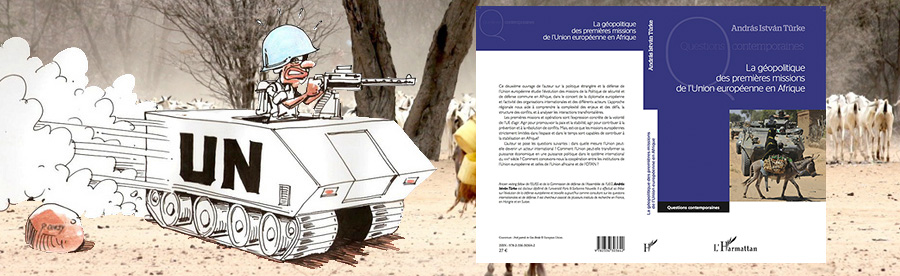
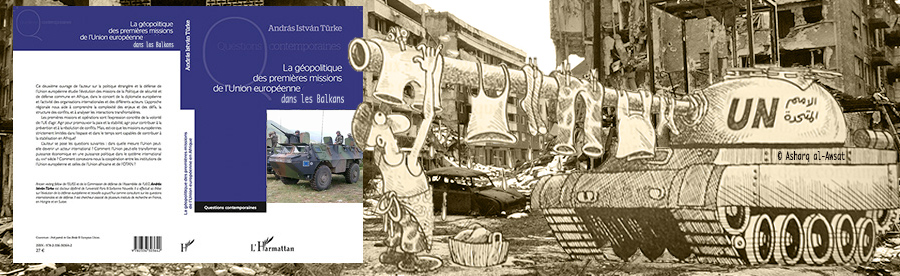
We are looking for sponsors for the English translation of these books, please contact turkeandras(at)gmail(dot)com