
You are here
Feed aggregator
Schwedische Vergangenheit: Für vier Nati-Stars wird der Viertelfinal besonders speziell
Nicht nur Dominik Egli, der zuletzt zwei Jahre bei Frölunda spielte, sondern auch Dean Kukan, Ken Jäger und Damien Riat zogen einst aus, um in Schweden bessere Spieler zu werden.
2026 World Cup: Let us rally behind Black Stars - Ex-GFA president Kwesi Nyantakyi urges Ghanaians
Former Ghana Football Association president, Kwesi Nyantakyi, has called on Ghanaians to throw their full support behind the Black Stars as they prepare for the 2026 FIFA World Cup. Ghana will make their fifth appearance at the global tournament this summer and have been drawn in Group L alongside Panama, England and Croatia.
Pointes à 39 °C dans le Sud-Est, 17 départements en alerte orange, épisodes de pollution critique à l’ozone… Face à la canicule, le gouvernement appelé à « prendre des mesures structurantes »
Météo France a annoncé, dans bulletin du jeudi 28 mai, que 17 départements ont été placés en alerte orange, avec des pointes inédites à 38-39 °C dans plusieurs localités. Critiqué pour son manque d'action, le gouvernement s'est donné rendez-vous à Matignon, pour une réunion interministérielle consacrée à un la mise en place d'un « plan d’endurance » pour l’été.
Arsenal fordert PSG: Alles zum Champions-League-Final 2026
Arsenal oder PSG? Nur noch wenige Tage, bis in Budapest der neue König im Klubfussball gekrönt wird. Anspielzeit, Übertragung, Show und mehr: Das musst du zum CL-Final 2026 wissen.
Why China Never Captured the Indian Imagination
Their customs, norms, language, food and music are different. They have radically different approaches to politics, ideas, and religion too.
Categories: Diplomacy & Crisis News, Európai Unió : hírek magyarul
RDC: l’opposition quitte l’hémicycle en plein examen d’un rapport sur le projet de loi référendaire
En République démocratique du Congo (RDC), la majorité au pouvoir avance vers l’adoption d’une loi sur le référendum à deux ans de la fin du second mandat de Félix Tshisekedi. L’opposition, qui soupçonne que son objectif est d'imposer un troisième mandat pour le président en place, a claqué la porte de l’hémicycle le 27 mai lors d’une plénière consacrée à l’examen du rapport d’une commission mise en place pour le toilettage de ce texte.
Categories: Afrique, European Union
«Ja, es stimmt»: Liebes-Aus bei Karpi und Natascha Beller
Nach mehreren gemeinsamen Jahren gehen Satiriker Patrick Karpiczenko und Regisseurin Natascha Beller getrennte Wege. «Ja, es stimmt, wir haben uns getrennt», sagt Karpi exklusiv zu Blick. Das Ex-Paar hat eine gemeinsame Tochter.
« Bruel ! Violeur ! » : la pièce de théâtre du chanteur interrompue par trois militantes de Nous Toutes
Trois militantes de Nous Toutes ont interrompu une représentation de la pièce « Deuxième Partie » dans la soirée du mercredi 29 mai au théâtre Édouard-VII à Paris. Dans un communiqué diffusé après l’action, le collectif féministe appelle à la déprogrammation du chanteur.
Serbie : le restaurant 27, crime mafieux au sommet de l'État
Disparition d'un homme, corps dissous dans l'acide, chef de la police impliqué, versions contradictoires et réseaux criminels : l'affaire du restaurant « 27 » de Belgrade est en train de devenir l'un des plus grands scandales politico-mafieux de la Serbie contemporaine.
- Articles / Une - Diaporama, Courrier des Balkans, Vucic, Serbie, Défense, police et justice
Categories: Balkans Occidentaux, Diplomacy & Defense Think Tank News
Serbie : le restaurant 27, crime mafieux au sommet de l'État
Disparition d'un homme, corps dissous dans l'acide, chef de la police impliqué, versions contradictoires et réseaux criminels : l'affaire du restaurant « 27 » de Belgrade est en train de devenir l'un des plus grands scandales politico-mafieux de la Serbie contemporaine.
- Articles / Une - Diaporama, Courrier des Balkans, Vucic, Serbie, Défense, police et justice
Categories: Afrique, Balkans Occidentaux
En Chine, le président serbe Aleksandar Vucic renforce encore le partenariat de son pays avec Pékin
La visite officielle de cinq jours du président serbe en Chine s'achève ce jeudi 28 mai. Aleksandar Vucic avait été invité par son homologue chinois Xi Jinping. Il a qualifié cette visite de « plus importante de sa carrière politique ». À la clé, il y a le partenariat stratégique renforcé via une vingtaine d’accords : infrastructure, robotique, sécurité, chaînes d’approvisionnement. Ce voyage en Chine reflète le double enjeu, intérieur et international, pour la Serbie de sa relation avec Pékin.
Categories: European Union, Union européenne
Glasners perfekter Abschied: «Schwer zu glauben, dass dies mein letztes Spiel war»
Mit dem Final der Conference League endet Oliver Glasners Zeit bei Crystal Palace. Was der Trainer zu seinem Abschied sagt und wie es weiter geht.
Recognition of femicide in the EU
Written by Ionel Zamfir
Over a thousand women are killed in the EU each year in circumstances that often point to a gender-related motive, and the perpetrators are most commonly intimate partners or family members. Data collected by a number of EU Member States on female homicides show no consistent downward trend, despite a range of measures aimed at combating gender-based violence.
Widely publicised cases of femicide have highlighted systemic failures in prevention and victim protection, and have driven legislative reforms in several Member States. These include the introduction of femicide as an aggravating circumstance alongside measures on prevention, victim support and data collection.
Experts recommend avoiding an exclusive focus on harsher criminal penalties and instead implementing a comprehensive approach that addresses the root causes of femicide, strengthening prevention efforts, improving victim protection, enhancing data collection and raising public awareness.
At the EU level, existing legislative and non-legislative measures address gender-based violence more broadly but do not specifically recognise femicide as a distinct crime. The European Parliament has therefore urged for its formal recognition at EU level, arguing that this would improve legal clarity, data comparability and the effectiveness of prevention and protection measures.
Read the complete briefing on ‘Recognition of femicide in the EU‘ in the Think Tank pages of the European Parliament.
Categories: Afrique, European Union
Schussabgabe auf Syrer (24): Zürcher Polizei verhaftet zwei 19-Jährige
In der Nacht vom Freitag auf Samstag ist in Wallisellen ein Mann bei einer Schussabgabe schwer verletzt worden. Nun wurden zwei Tatverdächtige verhaftet.
Konferencia-liga: a Crystal Palace nyerte a trófeát
Az angol Crystal Palace nyerte a labdarúgó Konferencia-liga 2025/26-os kiírását azzal, hogy a szerda esti, lipcsei fináléban 1-0-ra győzött a spanyol Rayo Vallecano ellen.
A londoni gárda – melynek edzője, a Frankfurttal 2022-ben Európa-liga győztes Oliver Glasner utolsó meccsén irányított a kispadról – története első európai kupadiadalát aratta, és a következő idényben az Európa-ligában indulhat. A találkozó egyetlen gólját Jean-Philippe Mateta szerezte az 51. percben.
A West Ham United és a Chelsea után a Crystal Palace a sorozat rövid, ötéves történetének harmadik londoni győztese.
Az angol csapatoknak ezzel megvan az esélyük arra, hogy minden európai trófeát a szigetországba vigyenek, hiszen múlt héten az Aston Villa nyerte az Európa-ligát, az Arsenal pedig szombaton Budapesten, a Puskás Arénában játssza a Bajnokok Ligája döntőjét a címvédő francia Paris Saint-Germain ellen.
Konferencia-lia, döntő:Crystal Palace (angol)-Rayo Vallecano (spanyol) 1-0 (0-0)
Lipcse, 39 176 néző, v.: Maurizio Mariani (olasz)
gólszerző: Mateta (51.)
sárga lap: Wharton (42.), Pino (74.), Riad (82.), illetve Ciss (20.), Isi Palazón (23.), Lopez (48.), Garcia (62.), Mendy (85.), Alfonso Espino (92.)
Crystal Palace:
Henderson – Riad, Lacroix, Canvat – Munoz, Wharton, Kamada, Mitchell – Sarr, Mateta (Larsen, 76.), Pino (Guessand, 80.)
Rayo Vallecano:
Batalla – Raţiu, Lejeune, Ciss, Pep Chavarría – Óscar Valentin (Mendy, 62.), Lopez (Pedro Diaz, 62.) – De Frutos (Sergio Camello, 70.), Isi Palazón (Akhomach, 77.), Garcia (Alfonso Espino, 70.) – Alemao
II. félidő:
51. perc: Wharton távoli lövése kijött Batalláról, így az ötösön álló Matetának csak az üres kapuba kellett pofoznia a labdát (1-0).
Az első félidőben nem sok helyzetet láthatott a közönség, az első igazán nagy lehetőségre a ráadásig kellett várni, ekkor Mitchell öt méterről, teljesen tisztán fejelhetett, de cél tévesztett. A csapatok így gól nélküli állásnál vonulhattak pihenőre, a két együttes nem vállalt felesleges kockázatot, de a csata ettől függetlenül kemény volt.
Nem sokkal a fordulást követően megszerezte a vezetést az angol együttes, Mateta góljához kellett a spanyolok kapusának rossz mozdulata is, éppen az ellenfél támadójához ütötte a labdát.
Néhány perccel később kis híján megduplázta előnyét a londoni gárda, de Mato 23 méteres szabadrúgása után a labda a jobb kapufáról a balra csapódott, onnan pedig kifelé perdült. A spanyolokban érezhetően „benne volt az ütés”, Mateta pár pillanat múlva megint majdnem betalált.
A spanyolok játéka a hajrára ugyan feljavult, de igazán nagy lehetőséget nem tudtak kidolgozni az angol kapu előtt. A Palace szurkolói a gól után gyakorlatilag végig énekelve biztatták kedvenceiket, akik magabiztosan őrizték meg minimális előnyüket, és arattak így klubtörténeti sikert.
MTI
The post Konferencia-liga: a Crystal Palace nyerte a trófeát appeared first on Kárpátalja.ma.
EN DIRECT - Guerre en Ukraine: l'UE met en garde contre le «piège» russe sur la désignation d'un médiateur
La cheffe de la diplomatie de l'Union européenne, Kaja Kallas, a mis en garde jeudi contre le « piège » russe consistant à débattre de la désignation d'un médiateur européen pour la guerre en Ukraine, au moment où l'UE doit démontrer son unité face à Moscou.
Categories: European Union, Union européenne
Safari nimmt unangenehme Wende: Elefanten attackieren Bus voll mit Touristen
Vermutlich versuchen diese Elefanten in Simbabwe nur ihr Junges zu schützen. Auf jeden Fall wollen sie die Touristen, die gerade mit einem Bus bei ihnen vorbeifahren so schnell wie möglich loswerden – und greifen an.
SWP-WebMonitor Cybersicherheit und Digitalpolitik Nr. 3/2026
Categories: Diplomacy & Defense Think Tank News, European Union
VOLTAGE: Ignoring the clock ticking?
In today's edition: electrification, competitiveness, data centres
Categories: European Union
Támogatás a méhészeknek
Minden hivatalosan nyilvántartott méhcsalád után 15 eurónak megfelelő támogatás járhat – tájékoztatott az RMDSZ. A törvénytervezetről szerdán döntő házként szavazott a képviselőház plénuma. A szubvenció három egymást követő évben igényelhető, évente egyszer. A támogatást termelői igazolvánnyal rendelkező természetes személyek, egyéni vállalkozók, családi vállalkozások, mezőgazdasági társulások, szövetkezetek, termelői csoportok és jogi személyek is igényelhetik. A jogosultság […]
Articolul Támogatás a méhészeknek apare prima dată în Kolozsvári Rádió Románia.
Pages


© 2012-2018 Europa Varietas Foundation © 2015-2018 Europa Varietas Association
www.europavarietas.org | info(@)europavarietas(dot)org | Switzerland
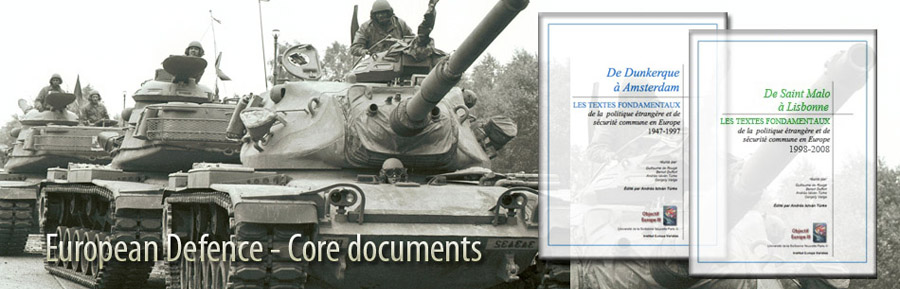
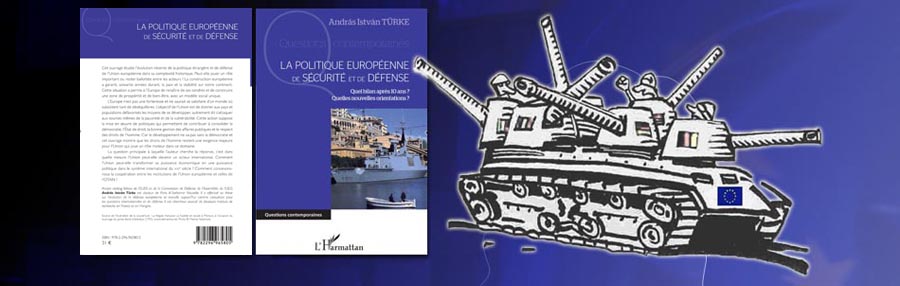
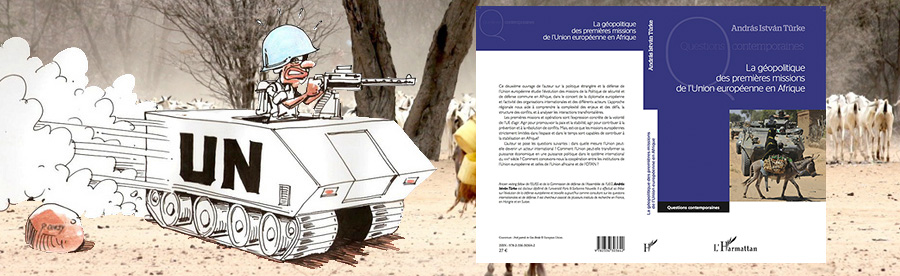
We are looking for sponsors for the English translation of these books, please contact turkeandras(at)gmail(dot)com