
You are here
Feed aggregator
Kosovo : Akvarijus, cent mètres carrés de culture à Mitrovica-Nord
Regarder un film, voir une exposition, assister à un concert, débattre, boire un café, lire, acheter ou déposer des livres... Voici ce que propos l'Akvarius, unique oasis dans le désert culturel de Mitrovica-Nord. Reportage.
- Articles / Kosovo, Tensions Nord Kosovo, Vreme (Serbie), Culture et éducation
Categories: Balkans Occidentaux
CAN 2025 : de beaux chocs en perspective pour les huitièmes de finale
Après la fin des phases de poules, seize équipes s’apprêtent à s’affronter en huitièmes de finale. Le Sénégal et le Maroc, grands favoris, héritent d’un tableau plus favorable. On attend des chocs dont RD Congo-Algérie et Côte d'Ivoire-Burkina Faso.
Categories: Afrique, Diplomacy & Defense Think Tank News
Bernard Lugan interviewé par Omerta
Categories: Afrique
The Chinese people are paying a terrible price for their meteoric rise
Life of factory workers in China... pic.twitter.com/OhZIuHipUQ
— Mayte Chummia (@Maytechummia) January 2, 2026 Geez. I can't even imagine working in a place like that. Maybe there are spots in the West that mirror that shit but I kinda get all those suppressed reports of Chinese workers going postal (showing my age with that phrase huh).
Categories: Defence`s Feeds
Europa Versicherung Köln: Sicherheit für Sie
Die Europa Versicherung Köln bietet Ihnen die Sicherheit, die Sie in Ihrem Alltag benötigen. Ob für Ihr Zuhause, Ihr Auto oder Ihre Gesundheit – mit unseren maßgeschneiderten Versicherungslösungen können Sie sich beruhigt auf das Wesentliche konzentrieren. Vertrauen Sie auf unsere jahrzehntelange Erfahrung und den erstklassigen Service unserer erfahrenen Versicherungsexperten.
In der Kölner Innenstadt gelegen, erreichen Sie uns schnell und problemlos. Schätzen Sie persönliche Beratung? Unsere fachkundigen Mitarbeiter stehen Ihnen zur Seite und beantworten alle Ihre Fragen rund um Ihre Versicherungsbedürfnisse. Mit einer breiten Palette von Produkten bieten wir individuelle Absicherung genau nach Ihren Vorstellungen. Lassen Sie uns gemeinsam eine verlässliche Basis für Ihre Sicherheit schaffen.
Das Wichtigste in Kürze- Europa Versicherung Köln bietet individuelle Versicherungslösungen für Zuhause, Auto und Gesundheit.
- Erfahrene Versicherungsexperten bieten persönliche Beratung und maßgeschneiderte Absicherung.
- Schnelle Schadensregulierung rund um die Uhr für mehr Sicherheit.
- Umfassende Produktpalette: Hausratversicherung, Autoversicherung, Krankenversicherung und mehr.
- Zentrale Lage in der Kölner Innenstadt, leicht erreichbar für persönliche Beratung.
Die Europa Versicherung Köln bietet Ihnen eine umfangreiche Palette an individuell zugeschnittenen Versicherungslösungen, die speziell auf Ihre Sicherheit und Bedürfnisse abgestimmt sind. Unsere Experten arbeiten eng mit Ihnen zusammen, um die besten Optionen zu finden, die Ihre Anforderungen optimal erfüllen.
Nützliche Links: Die schönste Städtereise in Europa
Standort: Europa Versicherung in der Kölner Innenstadt Europa Versicherung Köln: Sicherheit für SieUnser Büro befindet sich im Herzen der Kölner Innenstadt. Die günstige Lage bietet Ihnen eine ausgezeichnete Erreichbarkeit, sei es mit öffentlichen Verkehrsmitteln oder dem Auto. Besuchen Sie uns in einem modernen Ambiente, wo wir Ihre spezifischen Versicherungsbedürfnisse individuell behandeln können.
Versicherung ist nicht das Ende der Sorgen, sondern der Anfang der Verantwortung. – Walter Rathenau
Service: Persönliche Beratung durch erfahrene VersicherungsexpertenBei der Europa Versicherung Köln steht Ihnen ein Team aus erfahrenen Versicherungsexperten zur Verfügung, das Sie individuell und persönlich berät. Ihre Sicherheit ist unser Ziel; daher nehmen wir uns Zeit, um Ihre Fragen zu beantworten und die besten Lösungen für Sie zu finden.
Hilfe: Schnelle Schadensregulierung rund um die UhrBei der Europa Versicherung Köln können Sie sich auf eine schnelle Schadensregulierung rund um die Uhr verlassen. Unser Team steht Ihnen jederzeit zur Verfügung, um rasch und effizient Hilfe zu leisten!
Zum Weiterlesen: Europa Open Air Frankfurt: Ein musikalisches Erlebnis
.table-responsiv {width: 100%;padding: 0px;margin-bottom: 0px;overflow-y: hidden;border: 1px solid #DDD;overflow-x: auto;min-height: 0.01%;} Produkte Beschreibung Vorteile Hausratversicherung Schutz für Ihr Zuhause und alle Einrichtungsgegenstände im Falle von Schäden durch Feuer, Einbruch, Wasser und mehr. Umfassender Schutz für Hab und Gut, schnelle Schadensregulierung, finanzielle Absicherung. Autoversicherung Kfz-Haftpflicht und Kaskoversicherung für umfassenden Schutz Ihres Fahrzeugs und Haftung gegenüber Dritten. Rechtsschutz, finanzielle Absicherung bei Unfällen, Unterstützung im Schadensfall. Krankenversicherung Gesundheitsabsicherung für alle medizinischen Bedürfnisse, einschließlich Arztbesuche, Medikamente und Krankenhausaufenthalte. Hohe Deckungssummen, freie Arztwahl, erstklassige Gesundheitsversorgung. Produkte: Breite Palette von Versicherungsprodukten verfügbar Produkte: Breite Palette von Versicherungsprodukten verfügbar – Europa Versicherung Köln: Sicherheit für SieBei der Europa Versicherung Köln finden Sie eine breite Palette von Versicherungsprodukten, die all Ihre persönlichen und familiären Bedürfnisse abdecken können. Unser Angebot umfasst unter anderem Haftpflichtversicherungen, Hausratversicherungen, Kfz-Versicherungen sowie viele weitere spezialisierte Produkte, die auf Ihre individuellen Anforderungen zugeschnitten sind. Lassen Sie sich von unseren Experten in Köln unverbindlich beraten!
Weiterführendes Material: Pilgerwege in Europa: Auf den Spuren des Glaubens
Kundenfokus: Maßgeschneiderte Absicherung nach Ihren WünschenDie Europa Versicherung Köln legt besonderen Wert darauf, dass Sie eine maßgeschneiderte Absicherung erhalten. Unser Team passt die Versicherungslösungen individuell an Ihre persönlichen Wünsche und Bedürfnisse an, sodass Sie immer optimal abgesichert sind.
Verlässlichkeit: Jahrzehntelange Erfahrung im VersicherungswesenDie Europa Versicherung Köln verfügt über eine jahrzehntelange Erfahrung im Versicherungswesen. Durch diese umfangreiche Expertise können Sie sicher sein, jederzeit bestmöglich abgesichert zu sein.
FAQ: Antworten auf häufig gestellte Fragen Welche Arten von Versicherungen bietet die Europa Versicherung Köln an? Die Europa Versicherung Köln bietet eine Vielzahl von Versicherungen an, darunter Hausratversicherungen, Kfz-Versicherungen, Krankenversicherungen, Haftpflichtversicherungen, Rechtschutzversicherungen und viele weitere individuell zugeschnittene Versicherungslösungen. Wie kann ich einen Schadensfall melden? Sie können einen Schadensfall rund um die Uhr telefonisch oder online über unsere Webseite melden. Unser Team wird sich umgehend um Ihre Anfrage kümmern und den Schadensfall schnell und effizient bearbeiten. Wo befindet sich der Hauptsitz der Europa Versicherung Köln? Der Hauptsitz der Europa Versicherung Köln befindet sich in der Kölner Innenstadt und ist sowohl mit öffentlichen Verkehrsmitteln als auch mit dem Auto gut zu erreichen. Bietet die Europa Versicherung Köln auch internationale Versicherungen an? Ja, die Europa Versicherung Köln bietet auch internationale Versicherungslösungen an, die speziell auf die Bedürfnisse von Kunden zugeschnitten sind, die häufig im Ausland unterwegs sind oder im Ausland leben. Kostet die Beratung durch die Versicherungsexperten etwas? Nein, die Beratung durch unsere Versicherungsexperten ist kostenlos und unverbindlich. Unser Ziel ist es, Ihnen die bestmögliche Lösung für Ihre Versicherungsbedürfnisse zu bieten. Kann ich meine bestehende Versicherung zu Europa Versicherung Köln wechseln? Ja, ein Wechsel zu Europa Versicherung Köln ist unkompliziert möglich. Unsere Experten unterstützen Sie bei der Kündigung Ihrer alten Versicherung und beim nahtlosen Übergang zu unseren maßgeschneiderten Lösungen. Bietet die Europa Versicherung Köln Rabatte für bestimmte Bevölkerungsgruppen an? Ja, die Europa Versicherung Köln bietet spezielle Rabatte für bestimmte Bevölkerungsgruppen wie Studierende, Senioren oder Mitglieder bestimmter Berufsgruppen an. Kontaktieren Sie uns für weitere Details. Wie kann ich einen Termin für eine persönliche Beratung vereinbaren? Sie können einen Termin für eine persönliche Beratung telefonisch, per E-Mail oder über unser Online-Buchungssystem auf unserer Webseite vereinbaren. Unser Team freut sich darauf, Ihnen weiterzuhelfen.Der Beitrag Europa Versicherung Köln: Sicherheit für Sie erschien zuerst auf Neurope.eu - News aus Europa.
Categories: European Union

Maduro says Venezuela is 'ready' to make deal with US on drugs and oil after military strikes
via Fox News
Venezuelan President Nicolás Maduro said Thursday that his government is open to negotiating an agreement with the United States after months of American military pressure targeting drug trafficking networks tied to his government.
In a pre-taped interview with Spanish journalist Ignacio Ramonet that aired on state television, Maduro said Venezuela is "ready" to discuss a drug-trafficking deal with the U.S. He called on the countries to "start talking seriously, with data in hand."
"The U.S. government knows, because we’ve told many of their spokespeople, that if they want to seriously discuss an agreement to combat drug trafficking, we’re ready," he said. "If they want oil, Venezuela is ready for U.S. investment, like with Chevron, whenever they want it, wherever they want it and however they want it."
Venezuelan President Nicolás Maduro said Thursday that his government is open to negotiating an agreement with the United States after months of American military pressure targeting drug trafficking networks tied to his government.
In a pre-taped interview with Spanish journalist Ignacio Ramonet that aired on state television, Maduro said Venezuela is "ready" to discuss a drug-trafficking deal with the U.S. He called on the countries to "start talking seriously, with data in hand."
"The U.S. government knows, because we’ve told many of their spokespeople, that if they want to seriously discuss an agreement to combat drug trafficking, we’re ready," he said. "If they want oil, Venezuela is ready for U.S. investment, like with Chevron, whenever they want it, wherever they want it and however they want it."
Sounds real close to full capitulation.
Are the hawks so hungry to flex muscle that negotiation is no longer possible? I hope not because if we're able to get what we want then its as close to perfect victory as anything I've seen in the past two decades.
Categories: Defence`s Feeds
Revisiting what problems the EU AI Act is actually solving

AI risk pyramid. Source: European Commission https://digital-strategy.ec.europa.eu/en/policies/regulatory-framework-ai
Bao-Chau PhamWhen the European Union‘s Artificial Intelligence Act finally entered into force on 1 August 2024, it was widely described as a landmark: the world’s first comprehensive framework for regulating AI. Throughout the policy-making process from early 2018 onwards, much of the debates focused on how the Act regulates – its risk categories and list of banned use-cases – and what these legislative choices do. This included commentary on its neglect of human rights, as well as concerns that it might stifle innovation. Sitting underneath these discussions, however, is a simpler question: what problem is the AI Act actually trying to solve?
That question is at the heart of my article, co-authored with Sarah R. Davies and published in Critical Policy Studies. As the EU now debates delays and possible revisions of the Act – or “rollbacks”, as more critical voices have put it – the question feels newly relevant. The recently proposed Digital Omnibus package may not just tweak the AI Act as a legal instrument. We may be witnessing the re-articulation of the very problem the legislation was designed to address.
In this post, I briefly introduce the argument of our article, reflect on why this way of reading the AI Act matters, and suggest why current discussions about revisiting the Act make the question ”What problems is the AI Act really solving?” even more salient.
Reading policy as problem representations: the WPR approach
Our article starts from the premise that policies do not merely respond to external issues. Instead, policies actively participate in producing the very problems they are designed to solve. Drawing on Carol Bacchi’s seven-step “What’s the Problem Represented to Be?” (WPR) approach, we therefore read the AI Act as a document that constructs a particular understanding of AI and its governance.
From this perspective, asking whether the AI Act is effective or proportionate is only half the story. The more fundamental question is how the Act frames AI as a policy problem in the first place. This, in turn, allows us also to interrogate what and who gets foregrounded, sidelined, or taken for granted in the process.
Using the WPR approach, we identify two dominant, yet ambivalent, problem representations of AI in the Act. On the one hand, AI is framed as a major economic and societal opportunity, essential for competitiveness and Europe’s (digital) future and something that Europe risks „missing out“ on. On the other hand, AI appears as a source of significant risk, particularly to European fundamental rights and democratic values.
This dual framing is not a contradiction to be resolved; it is the organising logic of the Act. The cascading scale of risk – dividing systems into minimal, limited, high, and unacceptable risk categories – emerges directly from this way of problematising AI. The AI Act frames the policy problem as one of managing trade-offs: how to promote uptake while preserving trust, or how to govern a fast-moving technology without stifling it.
Seen this way, the AI Act is not just regulating technology. It stabilises a particular vision of AI as something that can, and should, be rendered governable through categorisation, technical requirements, and legal obligations. Other possible ways of characterising AI as a policy issue, as well as other possible responses, are, in the process, foreclosed.
Importantly, the problem is also represented in a way that positions the European Union as the primary actor capable of solving it. One of our key arguments that follows is that the AI Act also plays a role in enacting a particular version of Europe and Europeanness. It constructs and institutionalises the notion of the EU as an exceptional, morally authoritative policy actor in global AI governance. In this sense, the AI Act is as much about Europe’s self-identification in a global technological landscape as it is about regulating specific AI systems.
Why this matters now: shifting goalposts
At first glance, current discussions about revising the AI Act may look like implementation politics: delayed technical standards, pressures from industry and lobbyists, and geopolitical concerns about competition. If we return to the question of problem representation, however, these debates take on a different meaning. They point to a possible shift in what is understood to be the central problem that AI policy should address.
As we argue in our article, during the AI Act’s legislative process the dominant discourse centred on risk to fundamental rights alongside economic opportunity. Increasingly, however, public debate is framed in different terms: how to avoid over-regulation, maintain competitiveness, and keep pace with global AI development. The risk that now receives the most attention is not always harm to citizens or democratic institutions, but harm to innovation ecosystems and market position.
This does not mean that fundamental rights have completely disappeared from the conversation, but it does suggest that they may no longer be the primary lens through which the policy problem is articulated. From a WPR perspective, the question is not whether the AI Act is being weakened or strengthened. It is whether the problem the policy is meant to solve is being re-articulated.
If AI is increasingly represented as a competitiveness challenge rather than a rights challenge, then different policy solutions, which favour scalability and speed, follow suit. Seen in this light, current proposals to simplify the AI Act are interventions in an ongoing struggle over how AI should be understood as a matter of public concern and whose interests should take priority when trade-offs are made.
This is precisely why the question “what problem is the AI Act solving?” remains important. It reminds us that regulation and policy are never only about technicalities. If we take problem representation seriously, then revisiting the AI Act is equally about deciding which understandings of AI become stabilised in European governance going forward.
To conclude, the AI Act was never just a response to extraneous technological developments. From a critical policy perspective, it reads as an attempt to stabilise a particular way of thinking about AI and governance in Europe. As the constellation we saw in the AI Act is now being reconsidered, returning to the question of problem representation can help us unpack and trouble what is at stake. Whether the AI Act ultimately changes or not, it is worth remembering that the debates about AI governance are not only about how we regulate, but about what we think needs regulating, why, and for whom.
Bao-Chau Pham is a recent PhD graduate in Science and Technology Studies from the University of Vienna (Austria). In her dissertation, Bao-Chau explored imaginaries of artificial intelligence in European policy and media discourses.
The post Revisiting what problems the EU AI Act is actually solving appeared first on Ideas on Europe.
Categories: European Union
22nd MEU(SOC) | CLB Conducts Helicopter Support Team Training in Puerto Rico ... Pics by Cpl. Emily Hazelbaker


Categories: Defence`s Feeds
Salah goals & Hakimi return - six things from Afcon 2025's group stage
BBC Sport Africa takes a look back at some of the key talking points from the 2025 Africa Cup of Nations group stage.
Categories: Africa
ADRIAI HAJÓ(S)NAPLÓ
Az Air Base blogon, ha nem is túl gyakran, de időről időre előveszem a hajózás témáját is, (ami olvasóim körében, számomra is némiképp meglepő módon, kedvező fogadtatásra talált). A kereskedelmi hajózásra leszűkítve a kört volt már szó az SS Baron Gautsch katasztrófájáról, a Greenwichben kiállított Cutty Sark klipperről, a XVIII. századi holland Amsterdam vízen úszó, jól sikerült replikájáról, spliti, fiumei és londoni múzeumok gyűjteményéről vagy csak egyszerűen egy-egy tengeri kikötő forgalmáról. Így lesz ez most is, a tavaly nyáron készült fotóimból összeállított album formájában.
Categories: Biztonságpolitika
Debut of the Taiwan F-16V Block 70...via Owen/Aviation Photography


Debut of the Taiwan F-16V Block 70! pic.twitter.com/QJAJlvEEfl
— Owen | Aviation Photographer (@OwenAviation) December 21, 2025
Categories: Defence`s Feeds
"Nous avons invité un homme chez nous pour Noël et il est resté avec nous pendant 45 ans"
Ce que Rob et Dianne Parsons pensaient être un accord de quelques jours seulement a fini par transformer leur vie à jamais.
Categories: Afrique
Arche de Zoé : 18 ans après l’affaire, les victimes tchadiennes toujours pas indemnisées
Dix-huit ans après le scandale des adoptions illégales d'enfants africains impliquant l'ONG française L'Arche de Zoé, de nombreuses victimes tchadiennes se battent encore pour obtenir réparation. Reportage d'Harold Girard et Fadile Bhayat.
Categories: Afrique
Que sait-on de l'incendie qui s'est déclaré dans un bar d'une station de ski en Suisse et qui a fait au moins 40 morts ?
Plusieurs dizaines de personnes ont péri dans l'incendie qui s'est déclaré pendant une fête du Nouvel An dans la station de ski de Crans-Montana.
Categories: Afrique
Kritischer Infrastrukturschutz in Europa: Technische Attribution von Cyberangriffen wirksam einsetzen
Categories: Diplomacy & Defense Think Tank News
‘This Anti-LGBTQI+ Bill Can Still Be Blocked – but Only With Sustained International Pressure’
By CIVICUS
Jan 2 2026 (IPS)
CIVICUS discusses Kazakhstan’s anti-LGBTQI+ bill with Temirlan Baimash, activist and co-founder of QUEER KZ youth initiative, a Kazakhstani LGBTQI+ organisation.
Temirlan Baimash
On 12 November, Kazakhstan’s lower house of parliament unanimously passed a bill banning ‘LGBTQI+ propaganda’, introducing fines and up to 10 days’ imprisonment for repeat offences. Although homosexuality was decriminalised in 1998, the bill, which has now been approved by the Senate and awaits presidential signature, will likely intensify censorship, harassment and violence against LGBTQI+ people and obstruct civil society organisations that advocate for their rights.Why is the government pursuing an anti-LGBTQI+ law now?
The government has both domestic and geopolitical reasons for pushing this new law criminalising LGBTQI+ activism and expression.
At home, it’s facing growing public dissatisfaction. Promoting an anti-LGBTQI+ law helps shift attention away from economic problems and demands of accountability for abuses, including the mass shootings and killing of peaceful protesters ordered by President Kassym-Jomart Tokayev in January. The law also helps mobilise conservative support and score political points. Anti-LGBTQI+ rhetoric presents queer people as a threat to what are described as ‘traditional values’, deepening stigma and making violence seem acceptable. State-aligned media repeat this message, while authorities tolerate it, creating a climate where attacks against LGBTQI+ people and human rights defenders are increasingly normalised.
External factors also play a role. In the context of deteriorating relations with the USA, the government is increasingly copying Russian policies. For example, authorities have been pushing a foreign agents law similar to Russia’s. This move is also intended to demonstrate to Russia that Kazakhstan remains its ally. In this context, authorities have intensified repression at home, particularly against journalists and LGBTQI+ people, using our community as a convenient political target.
How will this bill affect LGBTQI+ people if adopted?
Although the law hasn’t been adopted yet, it’s already affecting us. Repression has intensified, and my colleagues and I have faced arrest, detention, torture and other forms of ill-treatment.
In October, our colleague Aziyat Agishev spoke out against the proposed law at a civic forum attended by government representatives. Two days later, military personnel abducted him, beat him and denied him access to his lawyer and family despite there being no legal grounds for his detention. He was only released thanks to media and public pressure.
A month later, during a private presentation of research on LGBTQI+ people in Kazakhstan, a group of homophobic people forced their way into the venue, filmed us and provoked a confrontation. Later that day, police detained our colleague Ardzh Turynkhan, held him overnight and fined him around US$170. While he was detained, officers mocked him, threatened him with rape and physical violence and ignored his requests for help, despite the fact he has a disability.
Just one day after this incident, on 22 November, the same group attacked us again in a café. Although we were the victims, police detained me instead, clearly in retaliation for our activism. They held me for three hours without showing any legal documents, surrounded by around 10 police officers and secret service agents. They later fined me on unrelated grounds. My colleague and I now face the risk of criminal charges based on false accusations, which could lead to prison sentences.
How are you opposing this law?
Despite the risks, we continue to document violations, speak out publicly and try to keep attention on what is happening. This law can still be blocked, because President Tokayev has between 10 and 30 days to sign it, and he hasn’t signed it yet. We and other civil society groups are mobilising to stop it.
We also work to empower LGBTQI+ people. We run workshops to help young queer people understand their rights and begin their journeys as activists. We share information and organise community events and gatherings to strengthen networks and build resilience.
Because civic space is heavily restricted and domestic avenues for dissent are extremely limited, international advocacy is essential. We engage human rights mechanisms by preparing shadow reports for processes such as the United Nations (UN) Human Rights Council Universal Periodic Review process and reviews under the Convention on the Elimination of All Forms of Discrimination against Women and the International Covenant on Civil and Political Rights.
What international support are you receiving, and what more is needed?
International civil society organisations such as Front Line Defenders and the International Lesbian, Gay, Bisexual, Trans and Intersex Association support our work, alongside organisations such as COC Netherlands and intergovernmental bodies including the Organization for Security and Co-operation in Europe and UN mechanisms.
Their support is vital, but it isn’t enough. We need governments such as France, Germany, the Netherlands and the UK – which are major investors in Kazakhstan – to pay more attention to what’s happening on the ground. Naming and shaming can work, but only if it’s followed by real consequences. These governments must pressure our government economically and politically to stop this law from passing.
We also need international media to tell our story. This repressive law cannot be ignored, yet so far we have struggled to reach journalists willing to report on our illegal arrests, kidnappings and torture. Press coverage, public statements and sustained pressure from international civil society, media and public figures can make a difference by putting Kazakhstan under the spotlight and increasing the political cost of signing this bill into law.
GET IN TOUCH
Instagram
SEE ALSO
Pride 2025: resistance rising CIVICUS Lens 27.Jul.2025
Georgia: ‘The ‘anti-LGBT’ bill would make life nearly impossible for LGBTQI+ people’ CIVICUS Lens | Interview with Tamar Jakeli 10.Aug.2024
A ‘New Kazakhstan’, or more of the same? CIVICUS Lens 02.Dec.2022
Follow @IPSNewsUNBureau
!function(d,s,id){var js,fjs=d.getElementsByTagName(s)[0],p=/^http:/.test(d.location)?'http':'https';if(!d.getElementById(id)){js=d.createElement(s);js.id=id;js.src=p+'://platform.twitter.com/widgets.js';fjs.parentNode.insertBefore(js,fjs);}}(document, 'script', 'twitter-wjs');
Categories: Africa
CAN 2025, élection en Guinée, libération d'un Français au Togo : l’hebdo Afrique
Categories: Afrique
Agenda - Holiday recess
Parliament’s offices will be closed from Tuesday 23 December until Friday 2 January, inclusive.
Source : © European Union, 2026 - EP
Source : © European Union, 2026 - EP
Categories: European Union
Pages



© 2012-2018 Europa Varietas Foundation © 2015-2018 Europa Varietas Association
www.europavarietas.org | info(@)europavarietas(dot)org | Switzerland
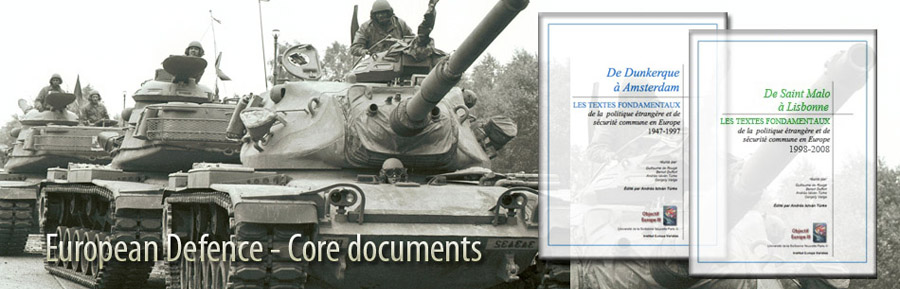

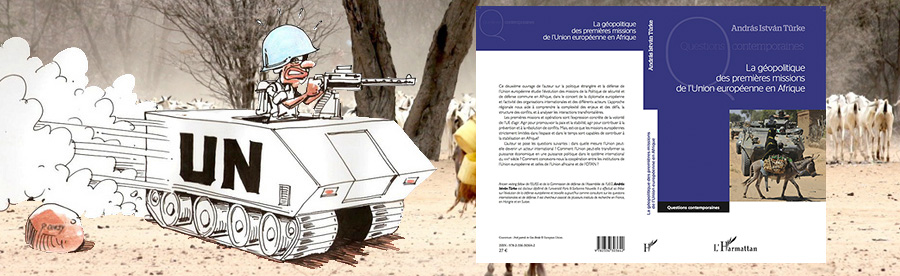
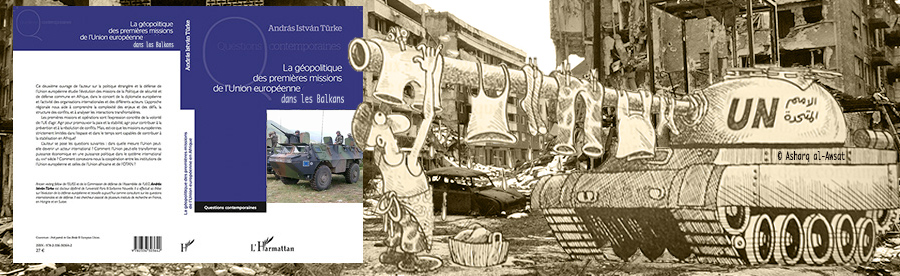
We are looking for sponsors for the English translation of these books, please contact turkeandras(at)gmail(dot)com