
You are here
Feed aggregator
A Paris, Emmanuel Macron et Mahamat Idriss Déby actent le renouveau de leur coopération militaire
Après la brouille provoquée par l’éviction de l’armée française du Tchad, les deux chefs d’Etat se sont rapprochés au cours de l’année écoulée. L’armée française reprend même discrètement pied dans son bastion historique.
Categories: Afrique
Pakistan Is Treating Every Grievance as Terrorism, and It’s Failing
From KP to Balochistan and beyond, instead of addressing the underlying causes of unrest, the country's rulers are hell-bent on targeting the opposition.
Categories: Diplomacy & Crisis News
Donald Trump et Tony Soprano
Ce serait la fusion du siècle. Paramount rachète Warner. C'est déjà une histoire exemplaire. Le casting : un transhumaniste et son fils, le Tout-Hollywood et des journalistes épouvantés. / Cinéma, États-Unis, Médias, Audiovisuel - 2026/10
/ Cinéma, États-Unis, Médias, Audiovisuel
Categories: Diplomacy & Crisis News
Manet Floriana Gazard démissionne de son poste de PRMP
La Personne responsable des marchés publics (PRMP) de la mairie de Cotonou, Manet Floriana Gazard, a déposé sa démission le jeudi 8 octobre 2026.
La mairie de Cotonou enregistre une nouvelle démission au sein de son administration. Il s'agit de celle de Manet Floriana Gazard, Personne responsable des marchés publics (PRMP). L'information a été annoncée par le maire de Cotonou, Luc Gnacadja, ce mardi 13 octobre, devant les élus réunis en session ordinaire du conseil communal. Floriana Gazard demissionne pour des raisons personnelles.
Ce départ intervient après celui du secrétaire exécutif de la mairie, Anges Paterne Amoussouga, qui avait déposé sa démission le 30 septembre 2026. Celle-ci a été acceptée par le maire et doit prendre effet à la fin de la journée du 31 octobre.
Categories: Afrique
Mapping Global Impunity
Press freedom setbacks are largely driving deteriorating scores around the world.
Categories: Diplomacy & Crisis News
Des combats signalés à Rutshuru et des tensions persistantes à Masisi
Des combats ont été signalés dans la matinée de ce mardi 13 octobre autour de Kiseguro, dans le territoire de Rutshuru, au Nord-Kivu, entre des combattants présumés Wazalendo et ceux de l’AFC/M23, récemment rebaptisée Front pour la refondation de la nation (FRN). Selon plusieurs sources locales concordantes, dans le territoire voisin de Masisi, la situation sécuritaire reste tendue autour de Rubaya et de Ngungu.
Categories: Afrique
Élargissement de l’Union européenne: pourquoi Bruxelles ralentit et accélère à la fois
Pour leur deuxième jour de réunion à Luxembourg, les ministres européens des Affaires étrangères rencontrent ce 13 octobre leurs homologues d’Albanie, Moldavie et Ukraine après le Monténégro la veille. Un « super mardi » de l’élargissement, selon la présidence irlandaise du Conseil des ministres, avec quatre « conférences de préaccession » successives pour ces pays qui ont réussi à clore les négociations sur des chapitres spécifiques comme les finances, la justice ou la pêche par exemple.
Categories: Union européenne
US Economic Diplomacy With Allies Becomes an Election Showcase for Trump
Investment pledges by Japan and South Korea make tempting achievements for Trump to hold up ahead of the voting.
Categories: Diplomacy & Crisis News
La société civile de Mbanza-Ngungu s'inquiète du transfert de 95 détenus à la prison centrale déjà surpeuplée
La société civile de Mbanza-Ngungu a exprimé, lundi 12 octobre, son inquiétude après le transfert de 95 détenus vers la prison centrale de cette ville du Kongo-Central, alors que les nouvelles admissions y étaient suspendues depuis sept mois à la suite d'une épidémie de choléra. Elle redoute une aggravation de la surpopulation carcérale et l'apparition d'une nouvelle crise sanitaire dans cet établissement pénitentiaire.
Categories: Afrique
326 millions d'euros de la BID pour financer deux projets majeurs au Bénin
Le président du Groupe de la Banque islamique de développement (BID), Dr Muhammad Al Jasser, et le ministre délégué auprès du ministre de l'Économie et des Finances, chargé de la mobilisation des ressources extérieures et de la gestion de la dette de la République du Bénin, Hugues Oscar Lokossou, ont signé des accords de cofinancement pour la mise en œuvre de deux projets clés au Bénin. La cérémonie s'est déroulée lors d'une réunion bilatérale tenue en marge des réunions annuelles 2026 de la Banque mondiale et du FMI à Bangkok.
Le Bénin et la BID renforcent leur coopération avec la signature des accords de financement de 326 millions d'euros. Il est destiné à la réalisation de deux projets majeurs. Le premier projet concerne l'extension et la modernisation de la route Godomey–Ouidah–Hillacondji. D'un coût total de 576,06 millions d'euros, il bénéficie d'un financement de 306,89 millions d'euros de la BID. Selon l'institution, le projet permettra « d'améliorer la sécurité et l'efficacité routières, de réduire les temps de trajet et les coûts de transport, et de renforcer la connectivité régionale et le commerce le long du corridor Abidjan–Lagos ».
Le second financement de 19,17 millions d'euros de la BID est accordé au projet d'intensification durable des systèmes à base de légumineuses pour la fertilité des sols, la résilience agricole et la sécurité alimentaire. La réalisation de ce projet chiffré à 20,70 millions d'euros vise à « promouvoir une agriculture durable à base de légumineuses, d'améliorer la fertilité des sols, de renforcer la sécurité alimentaire et d'améliorer la résilience climatique dans cinq pôles de développement ».
Categories: Afrique
La Mairie Cotonou et le Port autonome renforcent leur collaboration
Le maire de Cotonou, Luc Gnacadja, et le directeur général du Port autonome de Cotonou, Bart Van Eenoo, ont échangé ce lundi 12 octobre 2026 sur les possibilités de coopération entre leurs institutions pour accompagner la transformation de la ville.
Les enjeux et les formes possibles de collaboration entre la mairie et le Port autonome de Cotonou ont été au cœur d'une séance de travail ce lundi. Le maire de Cotonou, Luc Gnacadja, et le directeur général du Port autonome de Cotonou, Bart Van ont examiné les pistes de coopération pour contribuer au développement de la capitale économique du Bénin.
Pour Bart Van Eenoo, la ville et le port sont comme des « jumeaux siamois », en raison de leurs liens étroits. Il a exprimé sa volonté de travailler aux côtés de Luc Gnacadja afin de soutenir les ambitions de développement et de transformation de la ville de Cotonou.
Categories: Afrique
Les résultats et gains de ce mardi
La Loterie Nationale du Bénin vous donne les résultats du TIERCE / QUARTE/ QUINTE+
DU MARDI 13 OCTOBRE 2026
Arrivée de la course : 09-16-02-14-01 Tous Partants
TIERCE
Gain dans l'Ordre : 130.900 FCFA (04)
Gain dans le Désordre : 26.100 FCFA (12)
QUARTE
Gain dans l'Ordre : NEANT (00)
Gain dans le Désordre : 66.500 FCFA (06)
QUINTE+
Gain dans l'Ordre : NEANT (00)
Gain dans le Désordre : 207.450 FCFA (02)
Bonus : 4.500 FCFA (41)
PARI SIMPLE / PARI COUPLE
09 Gagnant : NEANT (00)
09 Placé : NEANT (00)
16 Placé : 3.000 FCFA (02)
02 Placé : NEANT (00)
09-16 Gagnant : 31.500 FCFA (01)
09-16 Placé : 4.500 FCFA (16)
09-02 Placé : 24.000 FCFA (03)
16-02 Placé : 14.500 FCFA (05)
MASSE PARTAGÉE : 2.089.200 FCFA
MONTANT DU JACKPOT DU VENDREDI 16 OCTOBRE 2026 : 3.564.591 FCFA
MONTANT DE LA TIRELIRE DU MARDI 27 OCTOBRE 2026 : 577.640 FCFA
CAGNOTTE « 4+1 » ORDRE DU SAMEDI 17 OCTOBRE 2026 : 2.046.799 FCFA
https://www.facebook.com/100069272119664/posts/1416070564045334/?app=fbl
Categories: Afrique
A PNL és az RMDSZ is támogatná Luca Niculescu kormányát
A Nemzeti Liberális Párt fontolgatja, hogy hat hónapra szóló politikai megállapodást kössön Luca Niculescu kijelölt miniszterelnökkel, amely rögzítené a kormány külső támogatásának feltételeit – közölte kedden a Facebook-oldalán Ilie Bolojan ügyvivő miniszterelnök. A PNL elnökének bejegyzése szerint ez a dokumentum nem koalíciós megállapodás lenne. A liberálisok ellenzékben maradnának, de támogatnák a Niculescu-kormány intézkedéseit, ha azok […]
Articolul A PNL és az RMDSZ is támogatná Luca Niculescu kormányát apare prima dată în Kolozsvári Rádió Románia.
Categories: Határon túli magyar portálok összesített hírei
J’ai lu… « Le triangle du pouvoir » de Alexander Stubb
À l’occasion de la parution de « Le Triangle du pouvoir » (éditions Tallandier), Pascal Boniface revient sur la vision géopolitique du président finlandais Alexander Stubb, qui distingue trois grands pôles de puissance : l’Occident, la Chine et le Sud global.
Il analyse en particulier les erreurs stratégiques des États-Unis, de la « guerre contre le terrorisme » aux échecs en Irak et en Afghanistan, ainsi que les conséquences de l’invasion russe de l’Ukraine. Selon lui, face à un Sud global qui conteste les incohérences occidentales, notamment à propos des sanctions contre la Russie et de la question israélienne, l’Occident doit repenser son approche s’il veut préserver son influence.
Pour Stubb, défendre un ordre international fondé sur des règles suppose de les appliquer avec cohérence, d’écouter le reste du monde et de montrer l’exemple plutôt que d’imposer ses valeurs.
C’est donc une réflexion lucide, portée par un dirigeant occidental conscient des limites de la puissance de son propre camp et du rôle déterminant que le Sud global sera appelé à jouer dans la définition du nouvel ordre mondial.
L’article J’ai lu… « Le triangle du pouvoir » de Alexander Stubb est apparu en premier sur IRIS.
Categories: Diplomacy & Defense Think Tank News
A 'landmark' moment - why has Rwanda been chosen to host F1?
How Rwanda has succeeded where Morocco and South Africa, among others, have failed by agreeing a deal to stage the African Grand Prix.
Categories: Africa
La formule 1 retourne en Afrique pour la première fois depuis 1993, avec dix ans de Grand Prix au Rwanda « au début des années 2030 »
La formule 1 a officialisé, mardi, sa venue au Rwanda à compter du début de la prochaine décennie. La discipline n’était pas venue sur le continent africain depuis 1993 et le Grand Prix de Kyalami, en Afrique du Sud.
Categories: Afrique
Pollution, canicule: comment les villes de demain vont s'adapter?
Le bilan est désormais bien chiffré… L’été caniculaire 2026 a impacté 80 millions d’habitants en Europe et provoqué 25 000 décès supplémentaires. Après avoir répondu à l’urgence, comment les villes vont-elles s’adapter et gérer les contraintes climatiques et environnementales ? De Rome à Bruxelles en passant par Madrid, le chantier est vaste, mais pas toujours bien anticipé. Plus de 40 degrés en journée, et des nuits tropicales à plus de 25 degrés, qui se sont répétées pendant les mois de juillet et août. L’été a été très, très chaud principalement en France, en Espagne, en Allemagne et en Italie, les quatre pays les plus touchés par la canicule.
Categories: Union européenne
Le Rwanda accueillera la première course de Formule 1 en Afrique depuis 1993
Le Rwanda signe un contrat de 10 ans avec la Formule 1 pour accueillir des courses dans le pays africain, à partir du début des années 2030.
Categories: Afrique
Pages


© 2012-2018 Europa Varietas Foundation © 2015-2018 Europa Varietas Association
www.europavarietas.org | info(@)europavarietas(dot)org | Switzerland


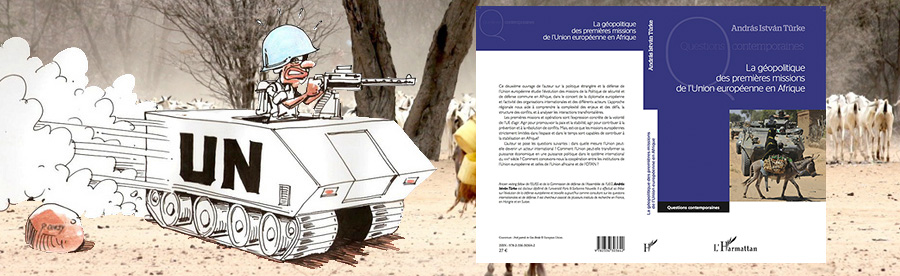
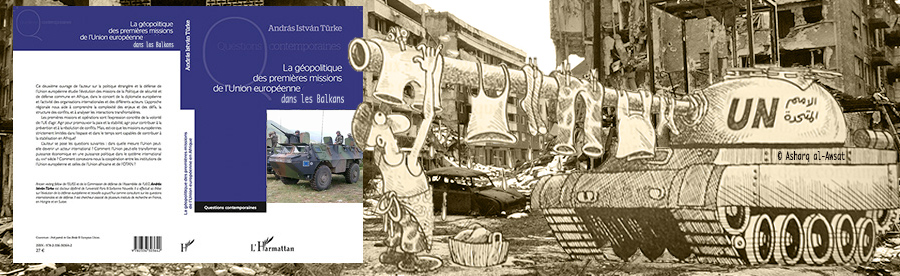
We are looking for sponsors for the English translation of these books, please contact turkeandras(at)gmail(dot)com