
Vous êtes ici
Europäische Union
Video einer Ausschusssitzung - Mittwoch, 3. Juni 2026 - 12:30 - Ausschuss für auswärtige Angelegenheiten - Entwicklungsausschuss
Dauer des Videos : 15'
Haftungsausschluss : Die Verdolmetschung der Debatten soll die Kommunikation erleichtern, sie stellt jedoch keine authentische Aufzeichnung der Debatten dar. Authentisch sind nur die Originalfassungen der Reden bzw. ihre überprüften schriftlichen Übersetzungen.
Quelle : © Europäische Union, 2026 - EP
Haftungsausschluss : Die Verdolmetschung der Debatten soll die Kommunikation erleichtern, sie stellt jedoch keine authentische Aufzeichnung der Debatten dar. Authentisch sind nur die Originalfassungen der Reden bzw. ihre überprüften schriftlichen Übersetzungen.
Quelle : © Europäische Union, 2026 - EP
Catégories: Diplomacy & Defense Think Tank News, Europäische Union
AMENDMENTS 1692 - 2043 - Draft report Establishing Global Europe - PE789.072v01-00
AMENDMENTS 1692 - 2043 - Draft report Establishing Global Europe
Committee on Foreign Affairs
Committee on Development
Robert Biedroń, Michael Gahler
Source : © European Union, 2026 - EP
Committee on Foreign Affairs
Committee on Development
Robert Biedroń, Michael Gahler
Source : © European Union, 2026 - EP
Catégories: Diplomacy & Defense Think Tank News, Europäische Union
AMENDMENTS 112 - 407 - Draft report Establishing Global Europe - PE789.067v01-00
AMENDMENTS 112 - 407 - Draft report Establishing Global Europe
Committee on Foreign Affairs
Committee on Development
Robert Biedroń, Michael Gahler
Source : © European Union, 2026 - EP
Committee on Foreign Affairs
Committee on Development
Robert Biedroń, Michael Gahler
Source : © European Union, 2026 - EP
Catégories: Europäische Union, France
BERICHT über den Bericht 2025 der Kommission über Montenegro - A10-0143/2026
BERICHT über den Bericht 2025 der Kommission über Montenegro
Ausschuss für auswärtige Angelegenheiten
Marjan Šarec
Quelle : © Europäische Union, 2026 - EP
Ausschuss für auswärtige Angelegenheiten
Marjan Šarec
Quelle : © Europäische Union, 2026 - EP
Catégories: Europäische Union, France
BERICHT über die Bekämpfung transnationaler Repression und die Entwicklung einer EU-Strategie für den Schutz der Souveränität und der demokratischen Werte Europas - A10-0142/2026
BERICHT über die Bekämpfung transnationaler Repression und die Entwicklung einer EU-Strategie für den Schutz der Souveränität und der demokratischen Werte Europas
Ausschuss für auswärtige Angelegenheiten
Hannah Neumann
Quelle : © Europäische Union, 2026 - EP
Ausschuss für auswärtige Angelegenheiten
Hannah Neumann
Quelle : © Europäische Union, 2026 - EP
Catégories: Europäische Union, France
BERICHT über den Bericht 2025 der Kommission über Georgien - A10-0140/2026
BERICHT über den Bericht 2025 der Kommission über Georgien
Ausschuss für auswärtige Angelegenheiten
Rasa Juknevičienė
Quelle : © Europäische Union, 2026 - EP
Ausschuss für auswärtige Angelegenheiten
Rasa Juknevičienė
Quelle : © Europäische Union, 2026 - EP
Catégories: Europäische Union, France
BERICHT über den Bericht 2025 der Kommission über Albanien - A10-0141/2026
BERICHT über den Bericht 2025 der Kommission über Albanien
Ausschuss für auswärtige Angelegenheiten
Andreas Schieder
Quelle : © Europäische Union, 2026 - EP
Ausschuss für auswärtige Angelegenheiten
Andreas Schieder
Quelle : © Europäische Union, 2026 - EP
Catégories: Europäische Union, France
AMENDMENTS 1054 - 1406 - Draft report Establishing Global Europe - PE789.070v01-00
AMENDMENTS 1054 - 1406 - Draft report Establishing Global Europe
Committee on Foreign Affairs
Committee on Development
Robert Biedroń, Michael Gahler
Source : © European Union, 2026 - EP
Committee on Foreign Affairs
Committee on Development
Robert Biedroń, Michael Gahler
Source : © European Union, 2026 - EP
Catégories: Europäische Union, France
AMENDMENTS 408 - 660 - Draft report Establishing Global Europe - PE789.068v01-00
AMENDMENTS 408 - 660 - Draft report Establishing Global Europe
Committee on Foreign Affairs
Committee on Development
Robert Biedroń, Michael Gahler
Source : © European Union, 2026 - EP
Committee on Foreign Affairs
Committee on Development
Robert Biedroń, Michael Gahler
Source : © European Union, 2026 - EP
Catégories: Europäische Union, France
Video einer Ausschusssitzung - Mittwoch, 3. Juni 2026 - 08:15 - Ausschuss für Sicherheit und Verteidigung
Dauer des Videos : 15'
Haftungsausschluss : Die Verdolmetschung der Debatten soll die Kommunikation erleichtern, sie stellt jedoch keine authentische Aufzeichnung der Debatten dar. Authentisch sind nur die Originalfassungen der Reden bzw. ihre überprüften schriftlichen Übersetzungen.
Quelle : © Europäische Union, 2026 - EP
Haftungsausschluss : Die Verdolmetschung der Debatten soll die Kommunikation erleichtern, sie stellt jedoch keine authentische Aufzeichnung der Debatten dar. Authentisch sind nur die Originalfassungen der Reden bzw. ihre überprüften schriftlichen Übersetzungen.
Quelle : © Europäische Union, 2026 - EP
Catégories: Europäische Union, France
Video einer Ausschusssitzung - Mittwoch, 3. Juni 2026 - 07:00 - Ausschuss für Industrie, Forschung und Energie - Ausschuss für Sicherheit und Verteidigung
Dauer des Videos : 60'
Haftungsausschluss : Die Verdolmetschung der Debatten soll die Kommunikation erleichtern, sie stellt jedoch keine authentische Aufzeichnung der Debatten dar. Authentisch sind nur die Originalfassungen der Reden bzw. ihre überprüften schriftlichen Übersetzungen.
Quelle : © Europäische Union, 2026 - EP
Haftungsausschluss : Die Verdolmetschung der Debatten soll die Kommunikation erleichtern, sie stellt jedoch keine authentische Aufzeichnung der Debatten dar. Authentisch sind nur die Originalfassungen der Reden bzw. ihre überprüften schriftlichen Übersetzungen.
Quelle : © Europäische Union, 2026 - EP
Soziale Sicherung: unentbehrlich für den Kampf gegen Armut, Hunger und Ungleichheit
Bonn, 3. Juni 2026. In vielen Ländern nehmen Armut und Ungleichheit zu. Investitionen in die soziale Absicherung sind vermutlich das einzige Gegenmittel.
In den vergangenen Jahrzehnten ist der Anteil der Menschen weltweit, die in extremer Armut leben, gesunken – mit Ausnahme der Zeit unmittelbar nach der Corona-Pandemie. Doch zuletzt stieg die absolute Zahl der in Armut lebenden Menschen wieder leicht an, und sie wird voraussichtlich nach 2030 weiter wachsen. Dies hat verschiedene Ursachen, u.a. die wachsende Zahl von Konflikten und extremen Wetterereignissen weltweit sowie die wirtschaftliche Stagnation vieler Länder. Zugleich bleiben die Ungleichheit und die Zahl hungernder Menschen weltweit groß und nehmen in vielen Ländern sogar zu.
Diese beunruhigenden Prognosen zeigen an, dass die globalen Anstrengungen im Kampf gegen Armut, Hunger und Ungleichheit verstärkt werden müssen. Es ist daher sehr zu begrüßen, dass das Bundesministerium für wirtschaftliche Zusammenarbeit und Entwicklung (BMZ) diesen Kampf in seinem jüngsten Reformplan als erstes von vier Zielen beibehalten hat. Weniger klar ist allerdings, mit welchen Instrumenten das Ziel erreicht werden soll. Ohne soziale Sicherung, wozu beitragsfinanzierte Sozialversicherungen und steuerfinanzierte Programme wie Geldtransfers oder Cash-for-Work gehören, wird dies nicht möglich sein. Die Erfahrungen von Ländern weltweit zeigen, dass soziale Sicherung entscheidend für die Bekämpfung von Armut, Hunger und Ungleichheit ist. Nicht von ungefähr nennen die Vereinten Nationen sie als ersten Politikbereich unter dem ersten ihrer Ziele für nachhaltige Entwicklung (SDGs), welches sich mit der Beseitigung von Armut befasst. Das BMZ plant hingegen, sein Engagement für die soziale Sicherung in vielen seiner Partnerländer auslaufen zu lassen.
Wissenschaftler*innen der Tulane-Universität haben Belege erbracht, dass die meisten Länder mit niedrigem und mittlerem Einkommen Armut und Ungleichheit vor allem durch steuerfinanzierte Programme für soziale Sicherung, Gesundheit und Bildung verringern konnten. Das Gleiche wurde zuvor auch schon für Länder mit hohem Einkommen festgestellt. Selbst China hätte seine bemerkenswerte Armutsbekämpfung nicht erreicht, wenn es seine tiefgreifende wirtschaftliche Transformation nicht mit Umverteilungsmaßnahmen wie Landreformen und auf die Armen ausgerichteten Programmen der sozialen Sicherung kombiniert hätte. Laut Berichten der Weltbank wird der Anteil der Menschen in extremer Armut weltweit in den nächsten 20 Jahren nicht unter 3 % sinken, wenn die einzelnen Länder nicht verstärkt Einkommen durch Steuererhöhungen und eine Stärkung der sozialen Sicherung umverteilen.
Wirtschaftswachstum alleine reicht nicht aus, wie der diesjährige Bericht des Sonderberichterstatters der Vereinten Nationen für extreme Armut und Menschenrechte betont. Es verringert Armut nur begrenzt, insbesondere dort, wo es mit hoher Ungleichheit einhergeht oder auf Rohstoffabbau oder kapitalintensiven Produktionsweisen beruht. Derartige Muster sind vor allem in Subsahara-Afrika weit verbreitet, beispielsweise in Nigeria und Südafrika.
Noch stärker gilt dies für die mehrdimensionale Armut. Sie ist in den vergangenen Jahrzehnten weitaus weniger zurückgegangen als die Einkommensarmut, insbesondere in Subsahara-Afrika. So hat Wirtschaftswachstum kaum Auswirkungen auf die nicht-monetären Dimensionen von Armut in Ländern mit niedrigem und mittlerem Einkommen.
Wirtschaftswachstum kann Armut und Hunger nur dann nachhaltig bekämpfen, wenn es arbeitsintensiv ist und durch Investitionen in soziale Sicherung, Bildung und Gesundheit unterstützt wird – bzw. wenn diese sogar vorausgehen. Insbesondere steuerfinanzierte Programme wie Geldtransfers sind unerlässlich, um sog. pockets of poverty zu erreichen, d. h. diejenigen, die nicht vom Wirtschaftswachstum profitieren. Dazu zählen Menschen in abgelegenen Gebieten, mit geringer Bildung und Ausbildung oder gesundheitlichen Einschränkungen sowie ältere Menschen. Entgegen manchmal vorgebrachter Bedenken halten solche Programme der sozialen Sicherung ihre Nutznießer nicht von der Arbeit ab.
Die deutsche Entwicklungszusammenarbeit sollte daher Länder in Krisensituationen oder mit niedrigem Prokopfeinkommen dabei unterstützen, verlässliche und gut ausgerichtete steuerfinanzierte Programme der sozialen Sicherung auf- und auszubauen, anstatt ihr Engagement für soziale Sicherung zu reduzieren. Andere Instrumente wie die Sozialversicherung sind ebenfalls nützlich, helfen aber Menschen mit geringem Einkommen nicht, da diese keine Sozialbeiträge zahlen können, insbesondere wenn sie ihren Lebensunterhalt aus informeller, unsicherer Beschäftigung bestreiten.
In die soziale Sicherung zu investieren bedeutet nicht zwangsläufig, dass Geberländer wie Deutschland die Geldtransfers selbst finanzieren. Im Rahmen technischer Zusammenarbeit können sie die Partnerländer dabei unterstützen, überhaupt stabile Systeme der sozialen Sicherung aufzubauen. Im Idealfall sollten diese in den nationalen Verfassungen oder anderen Rechtswerken verankert sein, damit alle Menschen Sicherheit darüber haben, welche Leistungen ihnen wann zustehen. Nur wenn sie sich auf den langfristigen Fortbestand der sozialen Sicherungssysteme verlassen können, sind sie bereit, in Humankapital und produktive Aktivitäten zu investieren, um so ihren Wohlstand langfristig zu verbessern. Nur dann kann soziale Sicherung ihr Potenzial bei der Förderung der sozialen, wirtschaftlichen und politischen Entwicklung in allen Teilen der Welt voll entfalten.
Catégories: Diplomacy & Defense Think Tank News, Europäische Union
AMENDMENTS 1407 - 1691 - Draft report Establishing Global Europe - PE789.071v01-00
AMENDMENTS 1407 - 1691 - Draft report Establishing Global Europe
Committee on Foreign Affairs
Committee on Development
Robert Biedroń, Michael Gahler
Source : © European Union, 2026 - EP
Committee on Foreign Affairs
Committee on Development
Robert Biedroń, Michael Gahler
Source : © European Union, 2026 - EP
Catégories: Europäische Union, France
Entwurf der Tagesordnung - Mittwoch, 3. Juni 2026 - Donnerstag, 4. Juni 2026 - PE789.048v03-00 - Ausschuss für Sicherheit und Verteidigung
Quelle : © Europäische Union, 2026 - EP
Catégories: Europäische Union, France
AMENDMENTS 661 - 1053 - Draft report Establishing Global Europe - PE789.069v01-00
AMENDMENTS 661 - 1053 - Draft report Establishing Global Europe
Committee on Foreign Affairs
Committee on Development
Robert Biedroń, Michael Gahler
Source : © European Union, 2026 - EP
Committee on Foreign Affairs
Committee on Development
Robert Biedroń, Michael Gahler
Source : © European Union, 2026 - EP
Catégories: Europäische Union, France
Draft agenda - Wednesday, 3 June 2026 - PE789.122v01-00 - Committee on Security and Defence
Source : © European Union, 2026 - EP
Catégories: Europäische Union, France
Social protection for better health in Arab countries
After World War II, countries in the Middle East and North Africa (MENA) started from low levels of socioeconomic development. Especially health indicators were worse than in most other world regions. This changed drastically when MENA countries became independent and started to invest into the social protection of citizens against health risks. They built up powerful social health insurance schemes, and today, many of their health indicators are almost on the same level as in Europe or North America. During the 1980s and 1990, however, most MENA governments reduced healthcare spending again as an element of structural adjustment programs, and focused increasingly on health services that are particularly important for the urban upper and middle classes, their main allies in society, but not so much for the poor. Therefore, MENA health systems suffer again from significant deficits regarding fairness, efficiency, and effectiveness. Financial, legal, and geographical obstacles restrict access for large parts of the population. The coexistence of multiple social protection schemes for different population groups reflects and intensifies already existing social inequalities. Deficits in quality and tidiness and the prevalence of informal fees charged for “good” treatment reduce further the value of public health services. Efficiency suffers from irrational prioritizations in fund allocation and from a lack of customer orientation. And the effects of MENA health systems, although not really bad, could still be better, which has become more than obvious during the recent COVID-19 pandemic.
Catégories: Diplomacy & Defense Think Tank News, Europäische Union
Press release - Deal on new EU rules on migrant returns
On Monday, Parliament and Council negotiators agreed provisionally on changes to EU policy on the return of non-EU nationals staying illegally in the EU.
Committee on Civil Liberties, Justice and Home Affairs
Source : © European Union, 2026 - EP
Committee on Civil Liberties, Justice and Home Affairs
Source : © European Union, 2026 - EP
ÄNDERUNGSANTRÄGE 1 - 309 - Entwurf eines Berichts Einrichtung des Programms für agile, schnelle Innovation im Verteidigungsbereich (AGILE) - PE788.873v01-00
ÄNDERUNGSANTRÄGE 1 - 309 - Entwurf eines Berichts Einrichtung des Programms für agile, schnelle Innovation im Verteidigungsbereich (AGILE)
Ausschuss für Industrie, Forschung und Energie
Ausschuss für Sicherheit und Verteidigung
Tonino Picula, Ivars Ijabs
Quelle : © Europäische Union, 2026 - EP
Ausschuss für Industrie, Forschung und Energie
Ausschuss für Sicherheit und Verteidigung
Tonino Picula, Ivars Ijabs
Quelle : © Europäische Union, 2026 - EP
Catégories: Europäische Union, France
Entwurf der Tagesordnung - Mittwoch, 3. Juni 2026 - PE788.888v02-00 - Ausschuss für auswärtige Angelegenheiten
Quelle : © Europäische Union, 2026 - EP
Catégories: Europäische Union, France
Pages


© 2012-2018 Europa Varietas Foundation © 2015-2018 Europa Varietas Association
www.europavarietas.org | info(@)europavarietas(dot)org | Switzerland
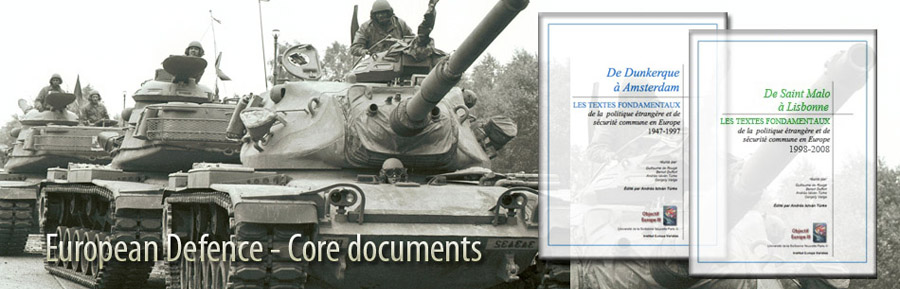
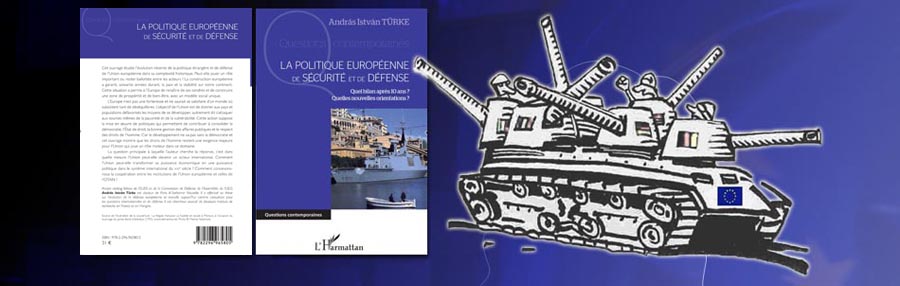
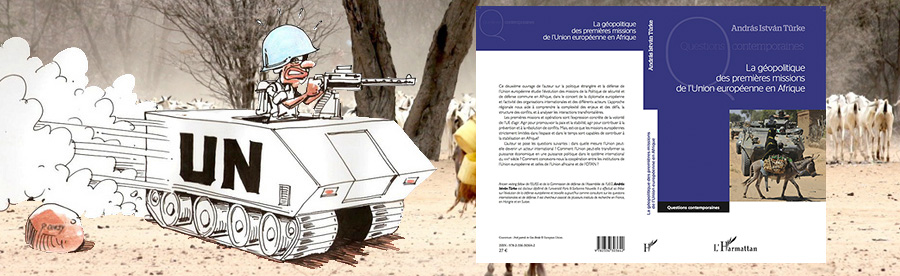
We are looking for sponsors for the English translation of these books, please contact turkeandras(at)gmail(dot)com