
You are here
European Union
Debate: How bad is the crisis at Volkswagen?
The crisis-hit VW Group is planning drastic cuts. According to CEO Oliver Blume up to 50,000 jobs could be lost and several factories are on the brink of closure. Growing competition from China in particular is putting the group under pressure. The press sees tough times ahead.
Categories: European Union
Debate: Why was the CIA chief in Moscow?
The head of the US Central Intelligence Agency John Ratcliffe was in Moscow on Tuesday for talks. The visit was unofficial and unannounced, but the media got wind of it when a large US military cargo aircraft was spotted flying from Washington via Riga to Moscow on Flightradar24. The Kremlin later confirmed the visit, saying there had been "talks between the intelligence services".
Categories: European Union
Debate: Joyriding for likes: how to stop it?
There has been a surge in the number of serious accidents in the UK and Ireland involving teenagers who steal cars and post videos of their joyrides on social media. After twelve people were recently killed in two accidents involving cars driving in the wrong direction on the motorway, the British press examines how to end the joyriding trend.
Categories: European Union
Läden in der Europa Passage: Shoppingtipps
Die Europa Passage Läden bieten eine außergewöhnliche Vielfalt an Einkaufsmöglichkeiten im Herzen Hamburgs. Egal, ob Sie auf der Suche nach den neuesten Modetrends oder nach exklusiven Kosmetikmarken sind – in der Europa Passage werden Sie fündig. Auch Technikliebhaber kommen nicht zu kurz, denn zahlreiche Elektronikshops präsentieren die neuesten Gadgets und Geräte.
Für Feinschmecker gibt es eine Auswahl an Feinkostläden, die internationale Spezialitäten anbieten. Wenn Sie nach spannender Literatur suchen, finden Sie in den Buchhandlungen der Europa Passage ein breites Sortiment. Und für diejenigen, die ihren Stil mit dem passenden Schmuck oder Accessoires unterstreichen möchten, bietet sich ebenfalls eine Vielzahl an Optionen.
Das Wichtigste in Kürze- Die Europa Passage bietet eine große Vielfalt an Modegeschäften für jeden Stil und Anlass.
- Technikliebhaber finden neueste Gadgets und Geräte in zahlreichen Elektronikshops.
- Feinkostläden bieten internationale Spezialitäten und exklusive Delikatessen.
- Buchhandlungen führen eine umfangreiche Auswahl an Literatur für alle Genres.
- Kosmetikgeschäfte bieten exklusive Marken sowie kompetente Beratung.
In der Europa Passage Hamburg finden Sie eine beeindruckende Vielfalt an Modegeschäften, die für jeden Stil und Anlass etwas bieten. Ob Sie nach eleganter Businesskleidung, lässiger Freizeitmode oder trendigen Accessoires suchen – hier werden Sie fündig. Viele Geschäfte führen exklusive Kollektionen internationaler Designer sowie beliebte Marken, die Ihre Garderobe perfekt ergänzen.
Mehr dazu: Schöne Länder in Europa: Ihre Reiseziele
Elektronikshops bieten neueste Gadgets und GeräteLäden in der Europa Passage: ShoppingtippsIn den Elektronikshops der Europa Passage Läden erwartet Sie eine Vielzahl an modernen Geräten und Gadgets. Hier finden Sie die neueste Technologie, von Smartphones über Tablets bis hin zu innovativen Smart-Home-Lösungen. Die aktuellen Modelle sowie exklusiven Sonderangebote sind ideal für alle Technikbegeisterten. Lassen Sie sich von kompetenten Fachkräften beraten und entdecken Sie die vielfältige Auswahl, die diese Shops bieten.
Innovation bedeutet, dass man Dinge tut, die man vorher nicht für möglich hielt. – Bill Gates
Feinkostläden mit internationalen SpezialitätenIn der Europa Passage finden Sie eine Vielzahl von Feinkostläden, die mit internationalen Spezialitäten aufwarten. Hier können Sie Delikatessen aus verschiedenen Ländern entdecken, um Ihren Gaumen zu verwöhnen. Von exquisiten Käsesorten über edle Schokoladen bis hin zu erlesenen Weinen – die Auswahl ist beeindruckend. Besonders hervorzuheben sind die bregionalen Köstlichkeiten, die exklusiv in den jeweiligen Herkunftsländern hergestellt werden. Die fachkundige Beratung hilft Ihnen, das richtige Produkt für Ihre kulinarischen Bedürfnisse auszuwählen und garantiert ein unvergessliches Genuss-Erlebnis.
Buchhandlungen: umfangreiche Auswahl an LiteraturIm Bereich der Europa Passage Läden finden Sie Buchhandlungen mit einer umfassenden Auswahl an Literatur, die alle Genres und Geschmäcker abdeckt. Ob Sie nach den neuesten Bestsellern, klassischen Werken oder Fachliteratur suchen, hier werden Ihre Wünsche erfüllt. Spezielle Abteilungen für Kinderbücher, Reiseliteratur und Zubehör wie Lesezeichen und Buchstützen runden das Angebot ab.
Weiterführendes Material: CBS Europa Program: Serien und Filme
.table-responsiv {width: 100%;padding: 0px;margin-bottom: 0px;overflow-y: hidden;border: 1px solid #DDD;overflow-x: auto;min-height: 0.01%;} Kategorie Beschreibung Empfohlene Läden Modegeschäfte Vielfalt an Modegeschäften für jeden Stil, von Businesskleidung bis Freizeitmode. ZARA, H&M, Mango Elektronikshops Neueste Gadgets und Geräte, von Smartphones bis hin zu Smart-Home-Lösungen. MediaMarkt, Saturn, Apple Store Feinkostläden Internationale Spezialitäten, von Käsesorten bis hin zu erlesenen Weinen. Delicious Gourmet, Feinkost Käfer, Weinhandlung Höffer Kosmetikgeschäfte mit exklusiven Marken Kosmetikgeschäfte mit exklusiven Marken – Läden in der Europa Passage: ShoppingtippsIn den Kosmetikgeschäften der Europa Passage werden Sie eine einzigartige Auswahl an Produkten vorfinden. Hier finden Sie exklusive Marken, die Ihnen hochwertigste Pflege und Schönheit bieten. Egal ob Sie auf der Suche nach luxuriösen Hautpflegeprodukten oder trendigen Make-up-Artikeln sind, die Vielfalt an Angeboten lässt keine Wünsche offen.
Besonders hervorzuheben sind die kompetente Beratung und das freundliche Personal in diesen Läden. So erhalten Sie nicht nur erstklassige Produkte, sondern auch wertvolle Tipps und Tricks für deren Anwendung. Die Kosmetikgeschäfte in der Europa Passage versprechen ein Einkaufserlebnis der luxuriösen Art.
Weiterführendes Material: Rod Stewart Europa Tour 2024: Musik und Emotionen
Schmuck- und Accessoire-Läden für stilbewusste KundenDie Europa Passage Läden bieten eine breite Auswahl an Schmuck und Accessoires, die perfekt für stilbewusste Kunden sind. Von eleganten Uhren bis zu auffälligen Ketten – hier finden Sie alles, was Ihr Herz begehrt. Eine exzellente Option ist der Laden XY, der sich durch seine hohe Qualität und exklusive Designs auszeichnet. Zudem können Sie in diesen Geschäften auch individuelle Stücke entdecken, die Ihrem Look eine persönliche Note verleihen.
Sportswear-Shops für aktive LebensstileFür diejenigen, die einen aktiven Lebensstil pflegen, bietet die Europa Passage Läden mit einer großartigen Auswahl an Sportswear-Shops. Hier finden Sie hochwertige Marken und Produkte, die auf maximale Leistung ausgelegt sind. Ob für Laufen, Fitness oder Outdoor-Abenteuer – es gibt etwas für jeden Sportenthusiasten.
Spielwarengeschäfte für Kinder und SammlerDie Europa Passage Läden bieten eine große Auswahl an Spielwarengeschäften, die sowohl für Kinder als auch für Sammler interessant sind. Hier finden Sie hochwertige Spielsachen von bekannten Marken sowie seltene Sammelobjekte. Besonders hervorzuheben sind die großen LEGO-Sets und Modellbaukästen, die in einigen dieser Geschäfte erhältlich sind.
FAQ: Antworten auf häufig gestellte Fragen Gibt es in der Europa Passage Gastronomiebereiche? Ja, die Europa Passage bietet zahlreiche Gastronomiebereiche, einschließlich internationaler Restaurants, Cafés und Schnellimbissen, die für jeden Geschmack etwas Passendes bieten. Welche Parkmöglichkeiten gibt es in der Nähe der Europa Passage? Es gibt mehrere Parkhäuser in unmittelbarer Nähe der Europa Passage, die bequemen Zugang zu den Geschäften bieten. Auch öffentliche Parkplätze sind in der Umgebung verfügbar. Gibt es spezielle Events in der Europa Passage? Ja, die Europa Passage organisiert regelmäßig verschiedene Events wie Modenschauen, Produktvorführungen und saisonale Veranstaltungen, um den Besuchern ein besonderes Einkaufserlebnis zu bieten. Sind die Läden auch sonntags geöffnet? In der Regel sind die Läden in der Europa Passage sonntags geschlossen, es gibt jedoch Ausnahmen an besonderen Einkaufssonntagen oder während spezieller Events. Gibt es einen Spielbereich für Kinder? Ja, die Europa Passage verfügt über einen ausgewiesenen Spielbereich für Kinder, der den kleinen Besuchern ermöglicht, sich zu amüsieren, während die Eltern einkaufen. Bietet die Europa Passage Geschenkgutscheine an? Ja, Sie können in der Europa Passage Geschenkgutscheine erwerben, die in den meisten Geschäften der Passage eingelöst werden können. Gibt es eine Möglichkeit, Geld abzuheben? Ja, in der Europa Passage gibt es mehrere Geldautomaten, die Ihnen ermöglichen, Bargeld abzuheben. Sind Haustiere in der Europa Passage erlaubt? In der Europa Passage sind Haustiere grundsätzlich erlaubt, solange Sie angeleint sind oder in einer Transportbox mitgeführt werden. Bitte beachten Sie jedoch, dass einige Geschäfte den Zutritt von Haustieren einschränken könnten. Gibt es WLAN in der Europa Passage? Ja, die Europa Passage bietet kostenloses WLAN für alle Besucher. Sie können sich einfach mit dem Netzwerk verbinden und während Ihres Einkaufs online bleiben. Wie erreiche ich die Europa Passage mit öffentlichen Verkehrsmitteln? Die Europa Passage ist gut mit öffentlichen Verkehrsmitteln erreichbar. Die nächstgelegenen U-Bahn- und S-Bahn-Stationen sind Jungfernstieg und Hauptbahnhof, von denen aus die Passage fußläufig erreichbar ist. Auch mehrere Buslinien halten in der Nähe.Der Beitrag Läden in der Europa Passage: Shoppingtipps erschien zuerst auf Neurope.eu - News aus Europa.
Categories: European Union
Europa Tabellenbuch Metall: Ihr Wissensspeicher
Das Europa Tabellenbuch Metall dient als umfassender Wissensspeicher für alle, die im Bereich der Metallbearbeitung und -verarbeitung tätig sind. Es bietet eine fundierte Grundlage zu wesentlichen Themen wie Werkstoffeigenschaften, technische Zeichnungen und Werkstoffprüfung.
Ein besonderer Fokus liegt auf der Werkzeug- und Maschinenkunde, sowie den verschiedenen Fertigungsprozessen. Das Buch hilft Ihnen dabei, Normungen und Maße im europäischen Kontext zu verstehen und korrekt anzuwenden. Durch seine klar strukturierte Aufbereitung wird das Studium und Nachschlagen erleichtert, wodurch Sie wertvolle Zeit sparen.
Von den Grundlagen des Schweißens und Lötens bis hin zu verwandten Verbindungstechniken deckt das Europa Tabellenbuch Metall alle wichtigen Aspekte ab. Mit diesem Buch haben Sie ein zuverlässiges Nachschlagewerk zur Hand, das Ihnen in Ihrer täglichen Arbeit unterstützt.
Das Wichtigste in Kürze- Das Europa Tabellenbuch Metall bietet umfassendes Wissen zur Metallbearbeitung und -verarbeitung, ideal für Fachkräfte und Auszubildende.
- Es deckt Werkstoffeigenschaften, technische Zeichnungen, und Werkstoffprüfung detailliert ab.
- Verschiedene Fertigungsprozesse und Verbindungstechniken, wie Schweißen und Löten, werden erläutert.
- Das Buch hilft, europäische Normungen und Maße korrekt anzuwenden und zu verstehen.
- Technische Zeichnungen und Qualitätskontrollen im Metallbereich sind umfassend erklärt.
Das Europa Tabellenbuch Metall dient als umfassender Wissensspeicher für die metallbearbeitende und -verarbeitende Industrie. Grundlegend ist das Verständnis der verschiedenen Techniken zur Bearbeitung von Metallen, die in vielen Industrien unerlässlich sind.
Zu den primären Verfahren gehören das Fräsen, Drehen, Bohren und Schleifen. Diese Methoden dienen dazu, Rohmetalle in die gewünschte Form zu bringen oder Oberflächen zu bearbeiten, um bestimmte Eigenschaften wie Glätte oder Präzision zu erzielen.
Ein wesentlicher Punkt bei der Metallbearbeitung ist darüber hinaus die Wahl des richtigen Werkzeugs sowie der Maschinen. Hierbei spielen verschiedene Parameter eine Rolle, z.B. die Härte des zu bearbeitenden Materials, die nötige Präzision und die Art der Aktion (Bohrung, Trennung, etc.).
Die Metallverarbeitung fokussiert daneben auf die Umformung bereits bestehender Werkstücke durch Walzen, Schmieden oder Gießen. Jede dieser Methoden hat spezifische Vorteile und eignet sich je nach Anwendungsfall und bearbeitetem Material besser oder schlechter.
Siehe auch: CBS Europa Program: Serien und Filme
Werkstoffeigenschaften und deren AnwendungsmöglichkeitenEuropa Tabellenbuch Metall: Ihr WissensspeicherDas Europa Tabellenbuch Metall bietet umfassende Informationen zu verschiedenen Werkstoffen und ihren Eigenschaften. Metalle haben unterschiedliche physikalische und chemische Eigenschaften, die Sie für spezifische Anwendungen prädestinieren.
Zum Beispiel ist Stahl bekannt für seine Festigkeit und Haltbarkeit, was ihn ideal für den Bau von Strukturen und Maschinen macht. Aluminium hingegen zeichnet sich durch sein geringes Gewicht und seine Korrosionsbeständigkeit aus, was es perfekt für Anwendungen in der Luft- und Raumfahrt sowie im Automobilbau macht.
Stahl wird oft wegen seiner hohen Zugfestigkeit und Beständigkeit gegenüber mechanischen Belastungen gewählt. In der Praxis wird auch häufiger legierter Stahl verwendet, um zusätzliche Eigenschaften wie Korrosionsbeständigkeit oder Härte zu erzielen.
Kupfer eignet sich hervorragend für leitfähige Anwendungen aufgrund seiner hervorragenden elektrischen und thermischen Leitfähigkeit. Deswegen findet man Kupfer meist in Elektronikbauteilen und Verkabelungen.
Technik ist die Kunst, die Kraft der Natur so zu nutzen, dass Sie den Menschen dient. – Carl Friedrich von Weizsäcker
Technische Zeichnungen richtig lesen und verstehenTechnische Zeichnungen sind das Herzstück der Metallverarbeitung. Um diese korrekt zu interpretieren, ist es wichtig, einige grundlegende Aspekte zu beachten. Eine technische Zeichnung vermittelt alle notwendigen Informationen für die Herstellung eines Werkstücks, einschließlich Maße, Toleranzen und Materialien.
Ein zentraler Bestandteil dabei sind die verschiedenen Linienarten: Volllinien zeigen sichtbare Kanten an, während gestrichelte Linien verborgene Teile darstellen. Darüber hinaus sind Symbole und Abkürzungen entscheidend. Sie geben Hinweise auf Fertigungsverfahren oder Oberflächenbeschaffenheiten und müssen daher unbedingt verstanden werden.
Neben den geometrischen Angaben spielen auch die Ansichten in einer technischen Zeichnung eine Rolle. Damit verschiedene Perspektiven des Werkstücks erkennbar sind, werden üblicherweise mehrere Projektionen verwendet, die orthogonal zueinander stehen.
Das Europa Tabellenbuch Metall bietet Ihnen die nötigen Werkzeuge, um technische Zeichnungen sicher zu analysieren und fehlerfrei umzusetzen.
Werkstoffprüfung und Qualitätskontrolle im MetallbereichDie Werkstoffprüfung und Qualitätskontrolle im Metallbereich spielt eine entscheidende Rolle, um die Leistungsfähigkeit und Zuverlässigkeit von Bauteilen sicherzustellen. Es gibt diverse Prüfverfahren, die dazu dienen, verschiedene Eigenschaften des Metalls zu überprüfen.
Eine der gängigsten Methoden ist die Zerstörungsfreie Prüfung (ZfP), bei der das Material nicht beschädigt wird. Hierzu gehören Techniken wie das Ultraschallprüfen und die Röntgenprüfung. Diese Verfahren ermöglichen es Ihnen, innere Fehler oder Unregelmäßigkeiten zu entdecken, ohne dass das getestete Werkstück unbrauchbar wird.
Daneben existieren auch zerstörende Prüfmethoden, wie zum Beispiel der Zugversuch oder der Härtestest. Diese Tests liefern detaillierte Informationen über mechanische Eigenschaften wie Festigkeit und Duktilität, verlangen jedoch nach neuen Materialien für jede Prüfung.
Durch regelmäßige Qualitätssicherungsmaßnahmen und gezielte Prüfungen gewährleisten Sie, dass die metallischen Komponenten den erforderlichen Standards entsprechen und Ihre Funktionen zuverlässig erfüllen können.
Auch interessant: Rod Stewart Europa Tour 2024: Musik und Emotionen
.table-responsiv {width: 100%;padding: 0px;margin-bottom: 0px;overflow-y: hidden;border: 1px solid #DDD;overflow-x: auto;min-height: 0.01%;} Bezeichnung Verfahren Eigenschaften Stahl Schmieden, Walzen Hohe Zugfestigkeit, Beständigkeit Aluminium Gießen, Walzen Leicht, Korrosionsbeständig Kupfer Gießen, Ziehen Hohe Leitfähigkeit Werkzeug- und Maschinenkunde Werkzeug- und Maschinenkunde – Europa Tabellenbuch Metall: Ihr WissensspeicherDas Europa Tabellenbuch Metall bietet Ihnen umfassendes Wissen zur Werkzeug- und Maschinenkunde. Erfahren Sie mehr über die verschiedenen Arten von Werkzeugmaschinen, Ihre spezifischen Einsatzbereiche und wie Sie optimal genutzt werden können. Von der Einordnung moderner CNC-Maschinen bis hin zu traditionellen Handwerkzeugen erhalten Sie wertvolle Informationen.
Zudem wird auf die Bedeutung von Wartung und Sicherheitsvorkehrungen eingegangen, um einen reibungslosen und sicheren Betrieb in Ihrer Arbeitsumgebung zu gewährleisten. Nutzen Sie das umfangreiche Wissen des Europa Tabellenbuchs Metall, um Ihre Fachkenntnisse zu erweitern!
Nützliche Links: Steuersätze Europa: Ein Vergleich
Fertigungsprozesse und Ihre BesonderheitenDie Vielfalt der Fertigungsprozesse in der Metallbearbeitung ermöglicht es, Werkstücke mit unterschiedlichen Eigenschaften und Anwendungen herzustellen. Zu den klassischen Verfahren zählen das Drehen, Fräsen, Bohren, Schleifen sowie verschiedene Spanlose Formgebungsverfahren wie Schmieden und Biegen. Während spanabhebende Verfahren durch Materialabtrag charakterisiert sind, zielen umformende Verfahren darauf ab, die geometrische Form des Werkstückes durch plastisches Verformen zu verändern.
Weitere Besonderheiten umfassen moderne Techniken wie die additive Fertigung (3D-Druck), welche eine schnelle und flexible Produktion komplexer Bauteile erlaubt. Hierbei wird Material Schicht für Schicht aufgebaut und führt damit zu geringerem Materialverlust im Vergleich zu traditionellen Verfahren. Eine präzise Steuerung über Computer Numerical Control (CNC) gewährleistet eine hohe Genauigkeit und Wiederholbarkeit, was besonders bei Serienfertigungen von Vorteil ist.
Normung und Maße im europäischen KontextIm Bereich der Metallbearbeitung spielt Normung eine wesentliche Rolle. Europa hat einheitliche Standards entwickelt, um die Kompatibilität und Sicherheit unterschiedlicher Bauteile zu gewährleisten. Diese Normen helfen nicht nur dabei, die Qualität sicherzustellen, sondern auch beim internationalen Handel. Maßeinheiten wie Millimeter und Zoll finden häufige Anwendung und es ist entscheidend, diese korrekt zu konvertieren und anzuwenden, um Präzision in der Fertigung zu gewährleisten.
Schweißen, Löten und verwandte VerbindungstechnikenDas Europa Tabellenbuch Metall bietet Ihnen wertvolle Informationen über verschiedene Verbindungstechniken in der Metallbearbeitung. Schweißen und Löten sind zwei weit verbreitete Methoden, um metallische Werkstoffe miteinander zu verbinden. Während beim Schweißen die Materialien durch Hitze verflüssigt und verbunden werden, kommt beim Löten ein Zusatzwerkstoff zum Einsatz, der bei niedrigeren Temperaturen schmilzt und so eine feste Verbindung schafft.
Neben diesen beiden Techniken finden Sie auch Informationen zu weiteren Verfahren wie dem Pressschweißen oder verschiedenen Klebeverfahren. Das Europa Tabellenbuch Metall erläutert detailliert die Vor- und Nachteile jeder Methode sowie Anwendungsbeispiele, damit Sie immer die bestmögliche Entscheidung für Ihre speziellen Anforderungen treffen können.
FAQ: Antworten auf häufig gestellte Fragen Für wen eignet sich das Europa Tabellenbuch Metall? Das Europa Tabellenbuch Metall eignet sich für Fachkräfte, Auszubildende und Studierende im Bereich der Metallbearbeitung und -verarbeitung sowie für Ingenieure und Techniker, die fundierte Informationen zu Werkstoffen, Fertigungsverfahren und technischen Zeichnungen benötigen. Welche zusätzlichen Ressourcen bietet das Buch für praktisches Lernen? Das Buch enthält neben theoretischen Grundlagen auch praxisorientierte Beispiele, Übungsaufgaben und Illustrationen, um das erlernte Wissen direkt anwenden zu können. Zudem gibt es QR-Codes zu weiterführenden Online-Ressourcen und Video-Tutorials. Gibt es unterschiedliche Ausgaben des Europa Tabellenbuch Metall? Ja, das Europa Tabellenbuch Metall gibt es in mehreren Ausgaben, die regelmäßig aktualisiert werden, um den neuesten Standards und technologischen Entwicklungen gerecht zu werden. Es gibt auch spezialisierte Ausgaben, die auf bestimmte Bereiche der Metallbearbeitung fokussieren. Welchen Umfang hat das Europa Tabellenbuch Metall? Das Europa Tabellenbuch Metall umfasst mehrere hundert Seiten und deckt ein breites Spektrum an Themen ab. Es enthält detaillierte Tabellen, Diagramme und Illustrationen zu verschiedenen Aspekten der Metallbearbeitung und -verarbeitung. Wird das Buch auch in anderen Sprachen angeboten? Ja, das Europa Tabellenbuch Metall ist in mehreren Sprachen erhältlich, um den internationalen Bedürfnissen von Fachkräften gerecht zu werden. Es gibt Versionen in Englisch, Französisch, Spanisch und weiteren Sprachen.Der Beitrag Europa Tabellenbuch Metall: Ihr Wissensspeicher erschien zuerst auf Neurope.eu - News aus Europa.
Categories: European Union
We Can Steer This: How the European Parliament Told the Story of AI

European Parliament https://www.europarl.europa.eu/portal/en
Anne GoldmannWhen the EU’s Artificial Intelligence Act was finally adopted in 2024, most of the public debate had already moved on from how the Act regulates to whether it should. Headlines focused on the moments when it looked as if everything might still fall apart: the dispute over facial recognition and law enforcement powers1, the trilogue negotiations that nearly collapsed2, the industry lobbying that shadowed the final months3. These flashpoints are usually what people remember about the road to the AI Act.
Behind these visible and widely discussed developments lies a more structural question: what kind of story did the European Parliament actually tell about AI while it was co-shaping this law? In our recent article in Government Information Quarterly “Narrating the AI Act: Policy narratives on artificial intelligence, their construction, and evolution within the European Parliament”4, we set out to answer exactly that.
AI narratives in the European ParliamentMost existing research on AI policy narratives has focused on strategy documents and white papers produced by executives such as national governments5 or the European Commission6. The Parliament’s own discursive role has received far less attention, even though it was a key actor in shaping the final text of the AI Act, most visibly in the fight over remote biometric identification and its use by police and law enforcement authorities.
For our study, we didn’t focus on the legal text of the AI Act itself; instead, we built a corpus of 18 documents produced by the European Parliament between 2019 and 2024: records of hearings by the special committee on Artificial Intelligence in the Digital Age (AIDA)7, working papers on topics from AI and health to AI and the labor market, committee reports, and the two plenary debates dedicated to the AI Act. Within these documents, we manually identified 500 narratives, small stories related to AI in which someone or something acts in a specific setting.
To analyze them systematically, we used the Narrative Policy Framework (NPF)8, a political science approach that breaks every policy narrative down into four building blocks: characters (who acts in which position – as a hero, a villain, a victim, or a beneficiary), a plot (a story of either rising, decline, control or helplessness), a setting (the context), and a moral (the proposed solution). The NPF lets us ask not just what MEPs said about AI, but how they structured what they said – the underlying grammar of the debate, so to speak.
What it tells us (and what it doesn’t)It is worth being precise about what this kind of analysis reveals to us and where its limits lie. We studied the structure of the narratives told in Parliament, not the content of every individual argument or speech. So, what does this structure look like?
On characters, the picture is strikingly one-sided: nearly half of all character codings were heroes, and beneficiaries were the second-largest group. Villains and victims made up a much smaller share. In other words, when MEPs told stories about AI, they overwhelmingly cast someone, e.g. the EU, or something, e.g. AI, as the actor responsible for success rather than harm.
The plot tells a similar story: again, nearly half of all plot codings were stories of control, and another third were stories of rising. Stories of decline or helplessness were comparatively rare. Put simply: the Parliament’s underlying understanding was “we can steer this, and it will make things better”, not “this is happening to us”.
The setting and moral categories give us more content-specific details. Settings in which the topic of AI was placed ranged from security and law enforcement to global economic competition, with frequent references to existing European law and fundamental rights. The dominant moral, unsurprisingly, was the call for a risk-based regulation, followed by claims about protecting democracy and the need for not only a joint European but also an international approach.
Perhaps the most striking finding, though, is how stable all of this was over time. We expected the release of ChatGPT 3.5 in November 2022 to function as an external shock that would visibly shift the Parliament’s narrative components – and other research on parliamentary framing has indeed found such shifts9. But at the level of narrative structure, we found no such break: the plenary debates held well after ChatGPT’s release contained roughly the same share of stories of control and rising as the documents published before it. The surface-level framing of AI issues may have adapted; the deeper storyline, presenting AI as governable and beneficial, did not.
Why AI narrative research is more than “just another technical discourse”Debates about new technologies and their consequences are as old as societies undergoing technological change themselves. It would be easy to file AI narrative research under this well-worn category and move on.
But there is something qualitatively different happening in the broader AI debate. Increasingly, AI and its potential capabilities are being positioned not merely as tools that governments and administrations can use, but as something that could substitute for political judgement itself, a better way of deciding than politics itself. And while efficiency gains in administration and bureaucracy are, of course, worth pursuing, a discourse that quietly displaces the political as such is a different matter entirely. Scholars such as Timnit Gebru have long warned about the costs of uncritically adopting techno-solutionist narratives around AI – narratives that ultimately tie technology’s promise to nothing less than the future of humanity itself10.
In the material we analyzed, the European Parliament’s narratives don’t yet go that far – MEPs consistently cast themselves and European law as the actors in control. But this framing is not equally dominant across the whole AI discourse. Outside Parliament, and especially among tech industry voices, the narrative increasingly leans toward AI as an alternative11, even a superior one, to political deliberation12. A shift worth watching closely, since narrative research shows that stories can travel across institutions.
This is, ultimately, why we think narrative analysis matters for AI governance research: laws are not only made through legal text and formal votes, but through the stories legislators tell about what a technology is, what risks it poses, and what kind of future it should enable. Those stories shape which problems get taken seriously and which get quietly sidelined. If you want to dig into the full findings, including the breakdown by document type, our GIQ article is available here4.
Anne Goldmann is a postdoctoral researcher at the Center for Advanced Internet Studies (CAIS), Bochum (Germany). Her research focuses on digital governance, artificial intelligence, and democratic innovations.
References:
[1] Liboreiro, Sanchez Alonso 2023 https://www.euronews.com/my-europe/2023/06/14/meps-endorse-blanket-ban-on-facial-recognition-in-public-spaces-rejecting-targeted-exempti
[2] Volpicelli 2023 https://www.politico.eu/article/france-germany-power-grab-kill-eu-blockbuster-ai-artificial-intelligence-bill/
[3] Vranken 2023 https://corporateeurope.org/en/2023/11/big-tech-lobbying-derailing-ai-act
[4] Goldmann, Plümer 2026 https://www.sciencedirect.com/science/article/abs/pii/S0740624X26000560
[5] Bareis, Katzenbach 2021 https://doi.org/10.1177/01622439211030007
[6] Malmborg, 2022 https://onlinelibrary.wiley.com/doi/10.1111/ropr.12529
[7] Website AIDA https://www.europarl.europa.eu/committees/en/archives/9/aida/home/welcome-words
[9] Suter et al. 2025 https://onlinelibrary.wiley.com/doi/10.1002/poi3.70010
[10] Gebru, Torres 2024 https://firstmonday.org/ojs/index.php/fm/article/view/13636
[11] Lepore 2026 https://www.theguardian.com/news/2026/aug/18/the-long-read-democracy-v-the-machine-digital-age-warnings-computer-history-technology
[12] Oleart, Palomo 2025 https://delibdemjournal.org/article/id/1839/
The post We Can Steer This: How the European Parliament Told the Story of AI appeared first on Ideas on Europe.
Categories: European Union
Schöne Länder in Europa: Ihre Reiseziele
Europa ist ein Kontinent voller faszinierender Länder, die mit einer beeindruckenden Vielfalt an Kulturen und Landschaften aufwarten. Viele dieser Destinationen bieten eine einzigartige Mischung aus Geschichte, Kunst und moderner Lebensweise, was Sie zu unverzichtbaren Reisezielen macht. Hier können Sie in einem Moment antike Ruinen erkunden und im nächsten die pulsierende Atmosphäre eines lebhaften Stadtzentrums genießen.
Ob Sie die majestätischen Monumente Roms bestaunen möchten oder den Charme von Paris‘ berühmten Boulevards erfahren wollen – jedes Reiseziel verspricht unvergessliche Erlebnisse. Entdecken Sie wunderschöne Grachten in Amsterdam oder lassen Sie sich von der beeindruckenden Architektur Barcelonas verzaubern. Europa hat für jeden Geschmack etwas zu bieten, und jeder Besuch offenbart neue Schätze und Eindrücke.
In diesem Artikel nehmen wir Sie mit auf eine Reise durch einige der schönsten Länder in Europa. Wir stellen Ihnen nicht nur bekannte Metropolen wie London und Wien vor, sondern auch historische Juwelen wie Prag und Athen. Planen Sie Ihren nächsten Urlaub mit unseren Empfehlungen und erleben Sie die vielfältigen Facetten dieses faszinierenden Kontinents!
Das Wichtigste in Kürze- Europa bietet eine Vielfalt an kulturellen und historischen Reisezielen.
- Rom, Paris, London und Barcelona sind beliebte Städte mit ikonischen Sehenswürdigkeiten.
- Prag, Amsterdam, Athen und Wien bieten reiche historische und architektonische Erlebnisse.
- Reisen zwischen Ländern sind einfach dank effizienter Verkehrssysteme.
- Jede Stadt hat einzigartige Attraktionen und kulinarische Spezialitäten.
Rom, die Hauptstadt Italiens, ist ein faszinierendes Reiseziel voller Geschichte und Kultur. Das Kolosseum, eines der bedeutendsten Überbleibsel des Römischen Reiches, beeindruckt mit seiner Architektur und den Geschichten alter Gladiatorenkämpfe. Die Vatikanstadt, Sitz des Papstes, beherbergt den Petersdom und die Sixtinische Kapelle mit Michelangelos berühmten Fresken. Die historischen Stadtteile wie das antike Forum Romanum und der Trevi-Brunnen bieten einen tiefen Einblick in die Vergangenheit und laden dazu ein, in den engen Gassen zu flanieren und die römische Atmosphäre zu genießen.
Weiterführendes Material: Rod Stewart Europa Tour 2024: Musik und Emotionen
Paris, Frankreich: Eiffelturm, Louvre, Champs-ÉlyséesSchöne Länder in Europa: Ihre ReisezieleParis ist eine der bezauberndsten Städte in Europa und bietet zahlreiche Sehenswürdigkeiten. Zu den Highlights gehört natürlich der Eiffelturm, ein Wahrzeichen, das Sie gesehen haben müssen. Ein Besuch im Louvre eröffnet Ihnen die Welt berühmter Kunstwerke, darunter auch da Vincis Mona Lisa. Flanieren Sie die prächtige Champs-Élysées entlang und genießen Sie die Vielfalt an Geschäften, Restaurants und historischen Gebäuden. Paris verzaubert mit einer Mischung aus Geschichte, Kultur und modernem Charme und ist ein Muss auf jeder Reisewunschliste.
Die Welt ist ein Buch. Wer nie reist, sieht nur eine Seite davon. – Augustinus von Hippo
London, England: Big Ben, Buckingham Palace, ThemseIn London, der faszinierenden Hauptstadt Englands, gibt es eine Vielzahl von Sehenswürdigkeiten, die Sie unbedingt besuchen sollten. Ein absolutes Muss ist der Big Ben, das ikonische Uhrenturm-Gebäude am Palace of Westminster. Ein weiteres Highlight ist der prächtige Buckingham Palace, die offizielle Residenz der britischen Monarchie. Für einen entspannten Spaziergang oder eine Bootsfahrt können Sie entlang der malerischen Themse flanieren und dabei das beeindruckende Stadtbild genießen.
Barcelona, Spanien: Gaudís Sagrada Família, Park GüellBarcelona, Spanien, ist bekannt für seine atemberaubende Architektur und Kunst. Besonders hervorzuheben sind die Werke des katalanischen Architekten Antoni Gaudí.
Eines seiner berühmtesten Werke ist die Sagrada Família, eine beeindruckende Basilika, deren Bau im Jahr 1882 begann und bis heute andauert. Dieser geniale Architekt hat es geschafft, Formen der Natur in Stein zu verewigen.
Verpassen Sie auch nicht den Besuch im Park Güell. Dieses farbenfrohe Meisterwerk vereint kreative Designs mit einzigartigen Mosaiken und bietet einen spektakulären Blick über die Stadt. Der Park gehört ebenfalls zum UNESCO-Weltkulturerbe und ist ein exemplarisches Beispiel dafür, wie natürliche Landschaft und Architektur harmonisch miteinander verbunden werden können.
Schöne Länder in Europa bieten zahlreiche solcher kulturellen Schätze, und Barcelona nimmt hier zweifellos eine besondere Stellung ein.
Ergänzende Artikel: Steuersätze Europa: Ein Vergleich
.table-responsiv {width: 100%;padding: 0px;margin-bottom: 0px;overflow-y: hidden;border: 1px solid #DDD;overflow-x: auto;min-height: 0.01%;} Stadt Land Hauptsehenswürdigkeiten Rom Italien Kolosseum, Vatikanstadt, historische Stadtteile Paris Frankreich Eiffelturm, Louvre, Champs-Élysées London England Big Ben, Buckingham Palace, Themse Prag, Tschechien: Altstädter Ring, Prager Burg, Karlsbrücke Prag, Tschechien: Altstädter Ring, Prager Burg, Karlsbrücke – Schöne Länder in Europa: Ihre ReisezielePrag, die Hauptstadt von Tschechien, ist bekannt für ihren historischen Altstädter Ring, wo sich zahlreiche prächtige Bauwerke und das berühmte astronomische Uhrwerk befinden. Die eindrucksvolle Prager Burg, eine der größten Burgen weltweit, bietet einen herrlichen Blick über die Stadt. Ein Spaziergang über die Karlsbrücke, gesäumt von barocken Statuen, ist ein Erlebnis, das man nicht verpassen sollte.
Siehe auch: Wartezeiten im Europa Park: Tipps und Tricks
Amsterdam, Niederlande: Grachten, Van Gogh Museum, Anne Frank HausAmsterdam, eine der faszinierendsten Städte in den Niederlanden, ist bekannt für seine malerischen Grachten. Diese Wasserwege durchziehen die Stadt und bieten eine einzigartige Möglichkeit, Ihre Architektur und Kultur zu entdecken. Ein weiteres Highlight ist das Van Gogh Museum, das eine beeindruckende Sammlung von Werken des berühmten Künstlers beherbergt. Ein Ort von großer historischer Bedeutung ist auch das Anne Frank Haus, wo Besucher mehr über das Leben der jungen Anne Frank und die Geschichte des Zweiten Weltkriegs erfahren können.
Athen, Griechenland: Akropolis, Parthenon, Plaka ViertelAthen, die pulsierende Hauptstadt Griechenlands, ist ein Mekka für Geschichtsliebhaber und Kulturinteressierte. Im Zentrum steht die Akropolis, eine antike Festung, die majestätisch über der Stadt thront. Hier finden Sie den berühmten Parthenon, ein Symbol des klassischen Griechenlands und ein Meisterwerk dorischer Architektur. Das Plaka Viertel, das älteste Viertel Athens, verzaubert mit seinen engen Gassen, neoklassizistischen Gebäuden und einer Fülle von traditionellen Tavernen und Souvenirläden. Athen verbindet mühelos reiche Geschichte mit lebendigem urbanem Leben.
Wien, Österreich: Schönbrunn, Stephansdom, HofburgWien, die Hauptstadt Österreichs, ist bekannt für Ihre eleganten kaiserlichen Paläste und beeindruckende Architektur. Ein Highlight Ihres Besuchs sollte das Schloss Schönbrunn sein, die ehemalige Sommerresidenz der Habsburger, welche durch Ihre prunkvollen Säle und weitläufigen Gärten besticht.
Ein weiteres architektonisches Juwel Wiens ist der Stephansdom. Mit seinem markanten Singerturm bietet er einen fantastischen Ausblick über die Stadt und gilt als ein Symbol Wiens.
Ebenso bemerkenswert ist die Hofburg, die einstige Kaiserresidenz und heutiger Sitz des österreichischen Bundespräsidenten. Innerhalb des Palastkomplexes befinden sich mehrere Museen, die spannende Einblicke in die Geschichte der Habsburger Monarchie bieten.
Machen Sie sich auf, die faszinierenden Sehenswürdigkeiten dieser wunderschönen Stadt zu entdecken!
FAQ: Antworten auf häufig gestellte Fragen Welche ist die beste Reisezeit für einen Besuch in Europa? Die beste Reisezeit für Europa variiert je nach Zielort. Frühling (April bis Juni) und Herbst (September bis Oktober) sind ideal, um mildes Wetter und weniger Touristenmassen zu genießen. Der Sommer eignet sich besonders für Stranddestinationen, während der Winter für Weihnachtsmärkte und Wintersport perfekt ist. Wie komme ich am besten in Europa von einem Land zum anderen? Europa bietet eine Vielzahl an Fortbewegungsmöglichkeiten zwischen den Ländern. Zu den beliebtesten gehören Züge wie der Eurostar und Thalys, sowie günstige Fluggesellschaften wie Ryanair und EasyJet. Auch Busse und Mietwagen sind eine praktische Option für kürzere Distanzen. Welche Sprachen werden in Europa hauptsächlich gesprochen? In Europa gibt es eine Vielzahl an gesprochenen Sprachen. Zu den meist verbreiteten zählen Englisch, Französisch, Deutsch, Spanisch und Italienisch. In den verschiedenen Ländern finden Sie zudem viele regionale Sprachen und Dialekte. Benötige ich ein Visum für Reisen innerhalb Europas? Für Reisende aus der Europäischen Union und Schengen-Ländern sind Visa für Reisen innerhalb Europas nicht erforderlich. Wenn Sie aus einem Nicht-EU-Land kommen, hängt die Visumpflicht vom jeweiligen Herkunftsland ab. Informieren Sie sich daher rechtzeitig über die Visabestimmungen. Welche Währung wird in Europa verwendet? Die meisten europäischen Länder, einschließlich Deutschland, Frankreich, Italien und Spanien, nutzen den Euro (€). Es gibt jedoch Ausnahmen wie das Vereinigte Königreich (britisches Pfund) und die Schweiz (Schweizer Franken). Sind Trinkgelder in Restaurants in Europa üblich? Ja, das Geben von Trinkgeldern ist in vielen europäischen Ländern üblich. In der Regel sind 5-10% des Rechnungsbetrags angemessen, wenn der Service gut war. In einigen Ländern, wie etwa Frankreich, ist das Trinkgeld oft bereits in der Rechnung enthalten. Welche kulturellen Unterschiede muss ich in Europa beachten? Europa ist vielfältig und kulturelle Unterschiede können je nach Land erheblich sein. Höflichkeit und Respekt sind jedoch universell zu beachten. Beispielsweise wird in Spanien ein spätes Abendessen bevorzugt, während in Deutschland Pünktlichkeit sehr geschätzt wird. Informieren Sie sich vorab über die spezifischen Gepflogenheiten Ihres Reiseziels. Wie sicher ist das Reisen in Europa? Europa gilt im Allgemeinen als sicherer Reisezielkontinent. Dennoch sollten Reisende stets wachsam sein, insbesondere in großen Städten und touristischen Gebieten. Bewahren Sie Ihre Wertsachen sicher auf und vermeiden Sie abgelegene Gegenden bei Nacht. Welche berühmten Festivals und Veranstaltungen gibt es in Europa? Europa beherbergt eine Vielzahl an weltbekannten Festivals und Veranstaltungen. Dazu gehören das Oktoberfest in München, der Karneval in Venedig, die Filmfestspiele in Cannes und das Glastonbury Festival in England. Jedes Land hat zudem seine eigenen lokalen Feste, die einen Besuch wert sind. Welche kulinarischen Spezialitäten sollte ich in Europa probieren? Europa bietet eine reiche Vielfalt an kulinarischen Spezialitäten. Probieren Sie in Italien Pasta und Pizza, in Frankreich Baguettes und Käse, in Spanien Tapas und Paella, in Deutschland Bratwurst und Bier und in Griechenland Gyros und Moussaka. Jede Region hat Ihre eigenen einzigartigen und schmackhaften Gerichte.Der Beitrag Schöne Länder in Europa: Ihre Reiseziele erschien zuerst auf Neurope.eu - News aus Europa.
Categories: European Union
Pages

© 2012-2018 Europa Varietas Foundation © 2015-2018 Europa Varietas Association
www.europavarietas.org | info(@)europavarietas(dot)org | Switzerland
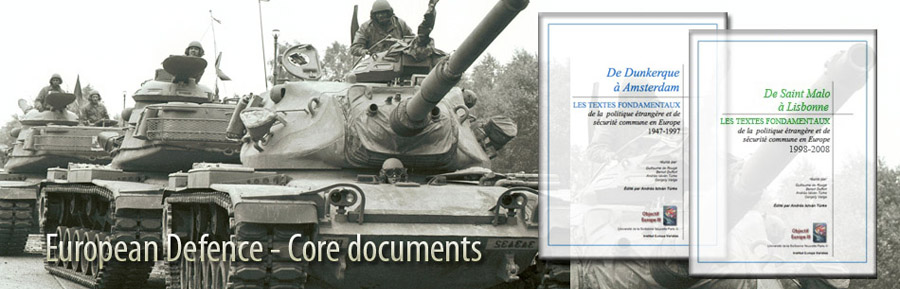
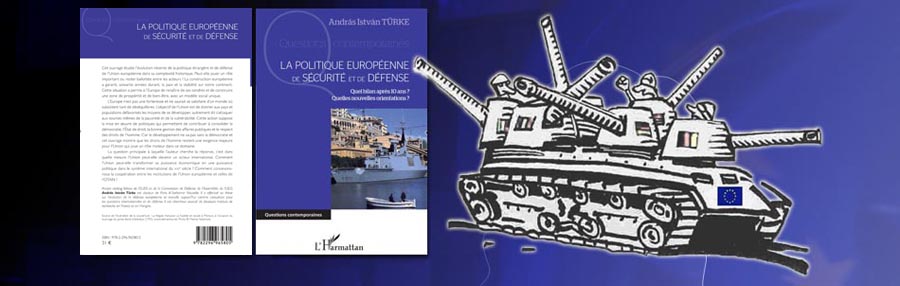
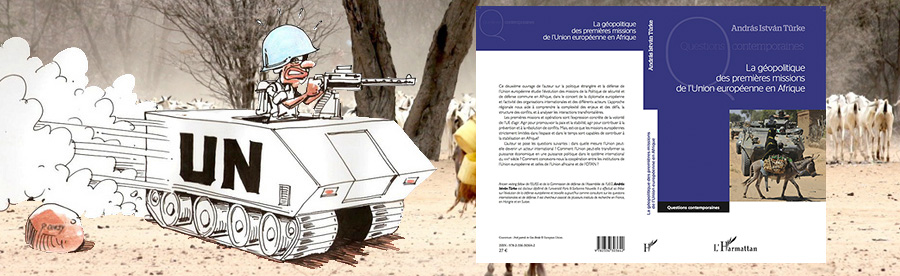
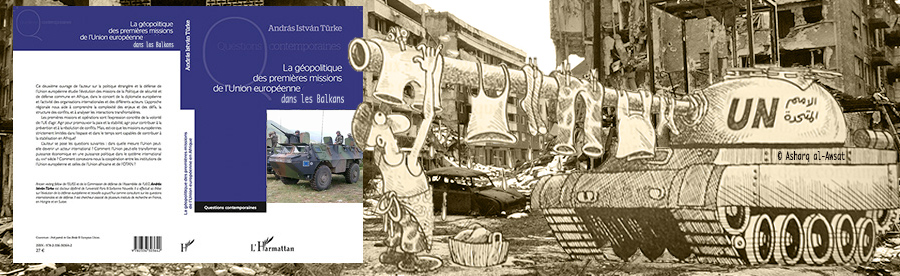
We are looking for sponsors for the English translation of these books, please contact turkeandras(at)gmail(dot)com