
You are here
Határon túli magyar portálok összesített hírei
Minutes - Monday, 19 October 2026 - PE797.352v01-00 - Committee on Foreign Affairs , Committee on Development
Source : © European Union, 2026 - EP
Décès d’un Algérien en France : héritage, impôts et frédha, les démarches à connaître
Lorsqu’un parent algérien décède en France, sa succession peut relever à la fois du droit français et du droit algérien. Tout dépend de la nature […]
L’article Décès d’un Algérien en France : héritage, impôts et frédha, les démarches à connaître est apparu en premier sur .
Categories: Afrique, Határon túli magyar portálok összesített hírei
France : comment une fausse affaire d’employée algérienne a conduit un maire devant la justice
Jean-Christophe Lagarde bientôt face aux juges. Le maire de Drancy a été officiellement renvoyé devant le tribunal correctionnel pour escroquerie en bande organisée et recel. […]
L’article France : comment une fausse affaire d’employée algérienne a conduit un maire devant la justice est apparu en premier sur .
Categories: Afrique, Határon túli magyar portálok összesített hírei
Two European women held captive for more than a year in Niger freed in Libya
The Swiss government told the BBC that the freed national was on her way back to Switzerland.
Categories: Africa, Határon túli magyar portálok összesített hírei
Nigeria's first Ebola patient holidayed in Uganda, officials say
The wife of a diplomat based in Abuja travelled to Kampala for a vacation.
Categories: Africa, Határon túli magyar portálok összesített hírei
Welche Bratwurst schmeckt am besten?
Eine Konsumentenschutz-Recherche zeigt, dass bei gewissen Kalbsbratwürsten nur ein Drittel Kalbfleisch drinsteckt. Höchste Zeit für den Blick-Bratwurst-Test auf der Strasse. Was mögen die Leute? Wie viel Kalb muss in einer Kalbsbratwurst drin sein?
Categories: Határon túli magyar portálok összesített hírei, Swiss News
Deshalb sollte man die Bratwurst nicht einschneiden
Wie gelingt die perfekte Bratwurst? Blick findets heraus gemeinsam mit Expertin Franziska Grob von der Metzgerei Schmid in St. Gallen. Sie verrät uns ihre Tricks.
Categories: Határon túli magyar portálok összesített hírei, Swiss News
Kroaten spucken vor Spiel in Thun grosse Töne
Die kroatischen Journalisten sehen Hajduk im Vorteil, Thun-Trainer Privitelli hält dagegen. Spieler Nicolas Bürgy macht aber klar: Gegen den Ajax-Bezwinger wäre auch ein Unentschieden wertvoll.
Categories: Határon túli magyar portálok összesített hírei, Swiss News
Sozialamt entfernt Stühle aus Wartezimmer, um Armutsbetroffene abzuschrecken
Knapp ein Drittel der Armutsbetroffenen bezieht keine Sozialhilfe, obschon sie berechtigt dazu wären. Der Grund ist nicht nur Scham, sondern laut einer neuen Studie auch die «unfreundliche» Praxis in einzelnen Kantonen.
Categories: Határon túli magyar portálok összesített hírei, Swiss News
Schiri zeigt Gelb mit dem Handy
In Uruguay wird aktuell ein neues System getestet, bei dem Schiedsrichter Verwarnungen und Platzverweise per Smartphone anzeigen. Das Gerät soll mit zusätzlichen Funktionen den Unparteiischen das Leben vereinfachen.
Categories: Határon túli magyar portálok összesített hírei, Swiss News
Weshalb es immer weniger Goalies aus dem Ausland gibt
Vor vier Jahren waren sie im Trend, inzwischen sind sie aber eine vom Aussterben bedrohte, rare Spezies: Die ausländischen Goalies haben in der National League massiv an Bedeutung verloren.
Categories: Határon túli magyar portálok összesített hírei, Swiss News
«Mir werden Chancen geboten, die nicht jeder haben kann»
Sunday Rose Kidman-Urban, 18-jährige Tochter von Nicole Kidman und Keith Urban, ziert die Novemberausgabe der deutschen «Vogue». Darin spricht sie über Privilegien, ihre Modelpläne und ihre mögliche Zukunft in der Regie.
Categories: Határon túli magyar portálok összesített hírei, Swiss News
«Warum darf man sowas überhaupt noch Kalbsbratwurst nennen?»
Eine Konsumentenschutz-Recherche legt offen, dass die Zusammensetzung von vielen Fleischprodukten von Hersteller zu Hersteller enorm variiert. Besonders wie wenig Kalb in einer Schweizer Kalbsbratwurst stecken kann, sorgt in unserer Community für Aufruhr.
Categories: Határon túli magyar portálok összesített hírei, Swiss News
So erklären Detailhändler die Kalbsbratwurst-Unterschiede
Der Anteil von Kalbfleisch in Kalbsbratwürsten schwankt gewaltig – ausgerechnet teure Bio-Würste enthalten am wenigsten davon. Das zeigt eine neue Auswertung des Konsumentenschutzes. Das sagen Coop, Aldi und Co. zu ihren Würsten.
Categories: Határon túli magyar portálok összesített hírei, Swiss News
Russland baut gigantisches Radar in Kaliningrad – Experte ordnet ein
Satellitenbilder zeigen den Aufbau einer gigantischen Radaranlage in Gwardeisk bei Kaliningrad. Das Mega-Radar soll dank seiner weiten Reichweite auch grosse Teile Europas überwachen Können. Ein Experte ordnet die neue Anlage ein.
Categories: Határon túli magyar portálok összesített hírei, Swiss News
Bund schlägt Alarm – Spitäler und Behörden haben ihre Website vom Netz genommen
Webseiten, Onlineshops und Nachrichtenportale sind derzeit weltweit angreifbar – wenn diese die Programmiersprache PHP verwenden. In Deutschland, Finnland und den Niederlanden haben Behörden Websites vom Netz genommen. Auch in der Schweiz sind Webseiten abgeschaltet. Was es jetzt zu tun gilt.
Categories: Határon túli magyar portálok összesített hírei, Swiss News
South Africa's Andrews died of tear in artery around heart - autopsy
Former Sale player Hyron Andrews - who was found dead at his new team's hotel base before a Champions Cup match - died of natural causes, an autopsy finds.
Categories: Africa, Határon túli magyar portálok összesített hírei
Crédit voiture et logement à 2 %… de nouveaux avantages en vue pour les retraités algériens !
Plus de 3,6 millions de retraités algériens pourraient bientôt bénéficier de conditions de crédit plus avantageuses. Une révision des taux d’intérêt est à l’étude pour […]
L’article Crédit voiture et logement à 2 %… de nouveaux avantages en vue pour les retraités algériens ! est apparu en premier sur .
Categories: Afrique, Határon túli magyar portálok összesített hírei
Saisie choc : Près de 200 kg de viande et de poissons avariés découverts dans un garage privé
Les services de la 15e sûreté urbaine de la wilaya d’Oran ont saisi une importante quantité de viandes et de produits de la mer impropres […]
L’article Saisie choc : Près de 200 kg de viande et de poissons avariés découverts dans un garage privé est apparu en premier sur .
Categories: Afrique, Határon túli magyar portálok összesített hírei
Reviewing the implementation design of energy subsidy reforms: insights from novel cross-country data
Over the past two decades, energy subsidy reforms have increasingly gained importance as mitigation measures to fight climate change. Still, many countries subsidize fossil energy consumption, and reforms are often short-lived. This paper presents harmonized cross-country data on the design of energy subsidy reforms, obtained from a structured literature review of both implemented and failed consumption subsidy reforms between 1978 and 2021. This standardized data enables the identification and validation of key design characteristics, including the motivation for reform, the use of gradual approaches, communication strategies, pricing mechanisms, and social protection measures, as well as their use in implementing reforms. The data highlight significant regional heterogeneity and emphasize the importance of context-specificity in shaping reform designs. The study also demonstrates the connection between key aspects of reform design and reform implementation, as well as associations with subsidy levels. It offers lessons for middle-income countries, especially those planning to implement carbon pricing policies. Lastly, this paper lays the groundwork for future research to explore these factors in greater detail; one avenue is to link design characteristics and political economy factors.
Pages
the old site is here


© 2012-2015 Europa Varietas Foundation © 2015-2020 Europa Varietas Association
www.europavarietas.org | info(@)europavarietas(dot)org | Switzerland
This is a GDPR ready site


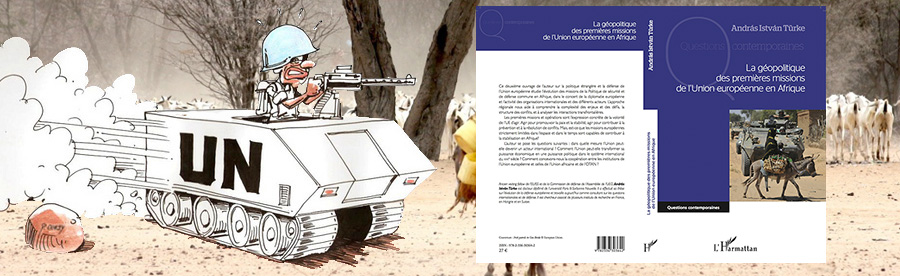

We are looking for sponsors for the English translation of these books, please contact turkeandras(at)gmail(dot)com