
You are here
Afrique
Ses achats ont grimpé de 77% : Ce géant asiatique devient le 2ᵉ client du pétrole algérien
La Corée du Sud a augmenté ses importations de pétrole brut algérien de 77 % au cours des neuf premiers mois de l’année 2026, atteignant […]
L’article Ses achats ont grimpé de 77% : Ce géant asiatique devient le 2ᵉ client du pétrole algérien est apparu en premier sur .
Categories: Afrique
Air Algérie casse les prix : Le Caire et Doha dès 53 000 DA
Voyager vers Le Caire ou Doha sans se ruiner, c’est possible ! Air Algérie casse les prix sur ses lignes internationales phares au départ de […]
L’article Air Algérie casse les prix : Le Caire et Doha dès 53 000 DA est apparu en premier sur .
Categories: Afrique
La statue de l'Amazone, le cadeau du Bénin à l'épouse de Messi
Le Gouvernement béninois a offert un cadeau à Antonela Roccuzzo Messi, l'épouse de Lionel Messi, lors du match amical, qui a opposé dans la nuit de mardi à mercredi, à Buenos Aires, les Guépards à l'Albiceleste.
La statue de l'Amazone est le cadeau que le Gouvernement béninois a fait à l'épouse de Lionel Messi, mercredi 7 octobre 2026, avant le match amical opposant le Bénin à l'Argentine, dans le cadre des Journées FIFA. A travers une lettre accompagnant le cadeau remis à la star internationale de football, le Gouvernement béninois souligne que « l'Amazone incarne ces femmes dévouées, courageuses, déterminées et résilientes, qui ont porté la mémoire et la grandeur de notre peuple ». « En vous offrant cette œuvre, nous rendons hommage à la femme forte qui est à vos côtés : cette présence essentielle qui soutient, préserve et insuffle sa force au quotidien, tout au long d'un parcours exceptionnel », lit-on dans la correspondance.
Lettre du Bénin à Lionel Messi

Categories: Afrique
Un camion gros porteur se renverse sur un axe fortement dégradé
Un camion gros porteur s'est renversé ce mercredi 7 octobre 2026, sur l'axe Boa-Allada-Avakpa, au niveau de Wadon, dans l'arrondissement d'Agbanou. L'accident survient deux jours après une mobilisation des riverains dénonçant la dégradation avancée de la voie.
L'accident d'un camion gros porteur suscite des interrogations à Allada. Dans cette commune du département de l'Atlantique, le tronçon allant de Boa-Allada-Avakpa, est dans un état de dégradation avancée. Les populations riveraines ont dénoncé cette situation lors d'une mobilisation, le lundi 5 octobre 2026.
Une chaussée fortement dégradée
Lundi dernier, les habitants de Wadon avaient bloqué la circulation pour alerter les autorités sur les difficultés qu'elles rencontrent quotidiennement sur cet axe. Selon les riverains, cette route s'est considérablement dégradée avec les pluies enregistrées ces derniers jours, combinées au passage fréquent de camions gros porteurs.
A travers leur manifestation, les populations réclamaient une intervention urgente pour réhabiliter la voie et garantir de meilleures conditions de circulation. Pour elles, il ne s'agit pas seulement d'un problème de confort ou de fluidité du trafic, mais d'une véritable question de sécurité. La multiplication des incidents sur le tronçon, renforçant leurs inquiétudes.
A travers leur manifestation, les populations souhaitent des mesures concrètes et durables pour améliorer l'état de la chaussée. Pour elles, aucun camion ne devrait circuler sur cet axe au risque de le dégrader davantage.
F. A. A.
Categories: Afrique
Draft agenda - Monday, 19 October 2026 - PE796.357v01-00 - Committee on Foreign Affairs , Committee on Development
Source : © European Union, 2026 - EP
Categories: Afrique, Europäische Union
J'ai découvert que j'avais un cancer parce que mon fils de 4 ans m'a donné un coup de pied dans les testicules
Un père a découvert qu'il avait un cancer après avoir reçu un coup de pied accidentel dans les testicules. À la suite de cette expérience, il a pris conscience de la nécessité pour les hommes de parler de leurs problèmes.
Categories: Afrique, Határon túli magyar portálok összesített hírei
Niedrigwasser stoppt «urchige» Musik-Flussfahrt auf dem Rhein
Wegen Niedrigwasser auf dem Rhein sagt Thurgau Travel die musikalische Kurzreise der MS Edelweiss von Basel nach Strassburg ab. Seit Juli waren laut Veranstalter rund 40 Abfahrten vom Niedrigwasser betroffen, 14 Reisen fielen aus.
Categories: Afrique, Swiss News
Das wird das grösste Fussball-Stadion der Welt
Die Bauarbeiten am VinFast-Trong-Dong-Stadion in der vietnamesischen Hauptstadt Hanoi laufen auf Hochtouren. Bereits im Juli 2027 soll das Bauwerk fertig sein – ein ganzes Jahr vor dem ursprünglichen Zeitplan.
Categories: Afrique, Swiss News
Un militaire togolais poursuivi devant la CRIET
Un militaire togolais est poursuivi devant la Cour de Répression des Infractions Economiques et du Terrorisme (CRIET) après avoir entrepris des démarches pour obtenir un passeport béninois, alors qu'il reconnaît ne pas avoir la nationalité béninoise.
Un militaire togolais a comparu lundi 5 octobre 2026 pour avoir entrepris des formalités en vue d'obtenir un passeport béninois.
Devant les juges, le prévenu n'a pas contesté sa nationalité togolaise. Pour justifier sa démarche, il a notamment mis en avant ses attaches familiales au Bénin. Son épouse est Béninoise et le couple a des enfants. Des éléments que la Cour a distingués de la possession de la nationalité béninoise.
L'audience a porté également sur la situation du militaire dans son pays. Interrogé sur les raisons qui auraient pu le pousser à chercher un document de voyage béninois.
Le militaire a évoqué une sanction qui pesait sur lui à la suite d'une manœuvre effectuée au Togo. Une explication qui a amené la Cour à s'interroger sur une éventuelle volonté de quitter son pays ou de déserter.
Le prévenu a rejeté cette hypothèse et assuré qu'il n'avait aucune intention de déserter.
Au terme de l'audience, la juridiction a décidé de maintenir le prévenu en détention.
Le dossier a été renvoyé à novembre 2026. Cette prochaine audience sera consacrée aux réquisitions du ministère public et aux plaidoiries de la défense.
M. M.
Categories: Afrique
Les sénateurs en session le 28 octobre prochain
Les sénateurs béninois feront leur première rentrée parlementaire ordinaire le 28 octobre 2026.
La première rentrée parlementaire ordinaire du Sénat béninois est prévue pour mercredi 28 octobre prochain. Cette rencontre, la première depuis l'installation de l'institution, aura lieu au Dome du Sofitel.
A cette occasion, le président du Sénat va présenter les principaux enjeux de la session et les dossiers qui seront examinés.
Selon le règlement intérieur de l'institution, la session ordinaire doit durer 21 jours. Son ordre du jour pourra être complété en fonction des dossiers qui lui seront soumis.
Cette première session ordinaire du Sénat interviendra une semaine après celle de l'Assemblée nationale, prévue le 22 octobre à Porto-Novo.
F. A. A.
Categories: Afrique
Ex-Alcaraz-Coach äussert sich zu Gerücht um Sinner-Job
Trainiert Juan Carlos Ferrero bald Jannik Sinner? Der Spanier schliesst ein ATP-Comeback und Engagement beim Italiener nicht aus, betont aber, er komme nur für «etwas wirklich Begeisterndes».
Categories: Afrique, Swiss News
Draft agenda - Monday, 19 October 2026 - PE796.355v01-00 - Committee on Foreign Affairs
Source : © European Union, 2026 - EP
Categories: Afrique, Europäische Union
Lebensmittel, die mit Vorsicht zu geniessen sind
Das Essen schmeckt bitter oder löst Magenschmerzen aus? Dann könnten Giftstoffe in den Lebensmitteln gewesen sein. Bei diesen alltäglichen Produkten sollte man vorsichtig sein.
Categories: Afrique, Swiss News
Qui a réellement pris la « fille au napalm », l'une des photos les plus célèbres au monde ?
Un documentaire controversé remet en question la paternité de l'une des plus célèbres photos de guerre de tous les temps.
Categories: Afrique, Diplomacy & Defense Think Tank News
Der Bob-Kirk-Effekt entscheidet, ob ein Name sympathisch klingt
Die Namenswahl bereitet vielen werdenden Eltern Kopfzerbrechen. Was führt dazu, dass wir einen Namen positiv bewerten? Wissenschaftler sind dieser Frage nachgegangen und dabei auf den Bob-Kirk-Effekt gestossen.
Categories: Afrique, Swiss News
Double Chance : les numéros gagnants
LES RÉSULTATS DOUBLE CHANCE SONT LÀ !
LOTO STAR Tirage N°120/26
Mercredi 07 Octobre 2026 (14H)
– Zone A (5 premiers numéros) :
80 • 13• 19 • 05 • 36
– Zone B (5 derniers numéros) :
11 • 68 • 23 • 29 • 37
Félicitations aux heureux gagnants.
Pas encore cette fois ? Gardez le sourire !
Rendez-vous à 18H pour le prochain tirage.
Jouez avec modération et responsabilité. Le jeu doit rester un plaisir.
A TOI DE JOUER #Akaxòa
#LNBSA #XòGbɔnAlɔkpaVo #JeuResponsable #LaChanceAvecModération
Categories: Afrique
600 milliards de centimes envolés : le procès Berraki ajourné
Le pôle pénal économique et financier, près le tribunal de Sidi M’hamed, a décidé de renvoyer au 20 octobre prochain l’examen du dossier impliquant Arezki […]
L’article 600 milliards de centimes envolés : le procès Berraki ajourné est apparu en premier sur .
Categories: Afrique
La France suspend l'utilisation de grenades assourdissantes après qu'un garçon a eu la main arrachée lors de manifestations étudiantes
Cette mesure fait suite aux plaintes de plusieurs groupes dénonçant l'usage disproportionné de la force par la police envers les adolescents.
Categories: Afrique, Swiss News
La France suspend l'utilisation de grenades assourdissantes après qu'un garçon a eu la main arrachée lors de manifestations étudiantes
Cette mesure fait suite aux plaintes de plusieurs groupes dénonçant l'usage disproportionné de la force par la police envers les adolescents.
Categories: Afrique, Diplomacy & Defense Think Tank News
Accidents de la route en Algérie : quelle catégorie de conducteurs est la plus impliquée ?
Malgré une discrète amélioration des indicateurs nationaux sur les huit premiers mois de l’année 2026, la réalité du terrain reste sombre pour une catégorie précise […]
L’article Accidents de la route en Algérie : quelle catégorie de conducteurs est la plus impliquée ? est apparu en premier sur .
Categories: Afrique, Balkans Occidentaux
Pages
the old site is here


© 2012-2015 Europa Varietas Foundation © 2015-2020 Europa Varietas Association
www.europavarietas.org | info(@)europavarietas(dot)org | Switzerland
This is a GDPR ready site
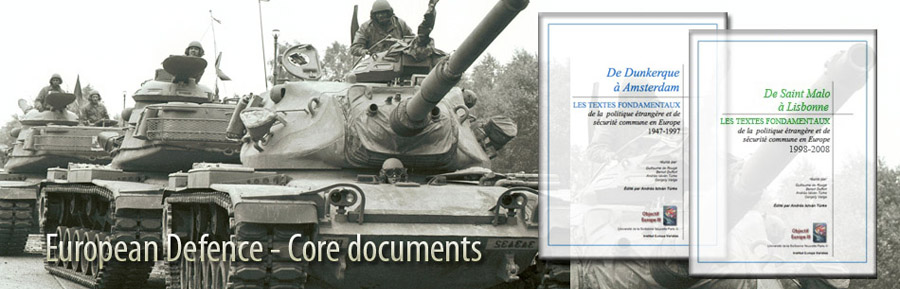

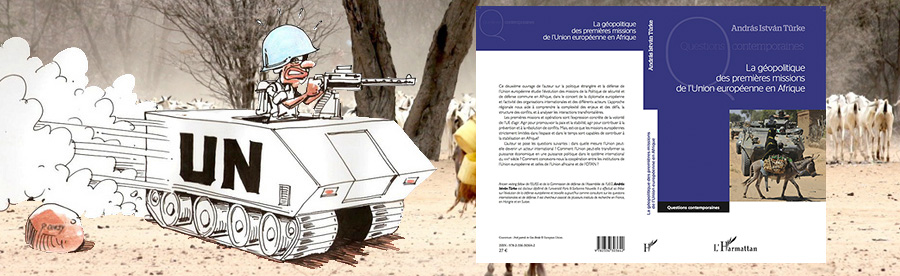

We are looking for sponsors for the English translation of these books, please contact turkeandras(at)gmail(dot)com