
You are here
Union européenne
Spillovers from foreign land-based investments in agriculture: evidence from a nucleus-outgrower scheme in Zambia
Nucleus-outgrower schemes (NOSs) are considered particularly effective private-sector mechanisms for supporting smallholder farmers and mitigating problematic aspects of large-scale agricultural investments. Using two rounds of panel household surveys from approximately 780 households in Zambia, this study examines the impact of a NOS associated with one of the largest foreign land-based investments in agriculture in Zambia. We focus on links between NOS interventions and smallholder farmers’ adoption of agricultural technologies, sustainable land management (SLM) practices, and crop productivity. Findings indicate that NOS participation increased adoption of full-suite conservation agriculture (CA) practices. However, impacts on other technologies, specifically improved seed varieties, are less clear and depend on support type and scheme design. Results also show that while overall productivity impacts are modest, the programme contributed to maize productivity improvements during its initial phase, but less so latter when focus shifted towards oilseed crops. In summary, NOSs, despite associated risks, have potential to make substantial contributions to sustainable agricultural practices and improve smallholder productivity.
Categories: Diplomacy & Defense Think Tank News, Union européenne
Communiqué de presse - Sondage européen : des préoccupations croissantes qui demandent une action européenne plus forte
Dans un contexte de tensions géopolitiques accrues, les citoyens sont de plus en plus inquiets pour leur avenir et souhaitent que l’UE agisse avec unité et ambition.
Source : © Union européenne, 2026 - PE
Source : © Union européenne, 2026 - PE
Categories: Afrique, Union européenne
Spheres of influence are officially back - and China stands to gain
Russia’s full-scale invasion of Ukraine, the United States abducting Venezuela’s president,and U.S. President Donald Trump’s public musings about annexing Greenland all point in the same direction. After decades marked by Western dominance, economic globalization and the expansion of multilateral institutions, the ostentatious exercise and threat of raw military power are back at the center of world politics. Overall, we are seeing the return of overt geopolitics: a style of major power politics that does not bother to hide behind international law or multilateral norms. That’s good news for China – and bad news for Taiwan.
Categories: Diplomacy & Defense Think Tank News, Union européenne
Togo : de grandes décisions prises au Conseil des ministres de ce lundi 2 février
Le Président du Conseil, Faure Essozimna Gnassingbé a présidé ce 02 février 2026 le Conseil des ministres. Au cours des travaux, le Conseil a adopté cinq décrets.
Compte rendu du Conseil des ministres
Lomé, 02 février 2026
Le Conseil des ministres s’est réuni ce lundi 2 février 2026, sous la présidence de Son Excellence, Monsieur Faure Essozimna GNASSINGBE, Président du Conseil.
Cinq (5) décrets ont été adoptés :
Le conseil a adopté le décret fixant le taux de l’intérêt légal au titre de l’année civile 2026
Le taux de l’intérêt légal est fixé chaque année par décret pris en conseil des ministres, conformément à l’article 2 de la loi uniforme n° 2014-021 du 20 novembre 2014 relative au taux de l’intérêt légal dans les pays de l’Union monétaire Ouest Africaine (UMOA).
Il représente l’indemnité due à un créancier en cas de retard de paiement d’une dette, en l’absence d’un taux conventionnel fixé entre parties.
Pour l’année civile 2026, ce taux est de 5,3637%, tel qu’arrêté par la Banque centrale des États de l’Afrique de l’Ouest (BCEAO).
La fixation de ce taux contribue à garantir l’équité dans les relations financières et à renforcer la sécurité juridique.
Le conseil a ensuite adopté deux (2) décrets portant approbation des critères de répartition des dotations du Fonds d’appui aux collectivités territoriales (FACT), exercice 2026, pour le compte des régions et des communes Notre pays poursuit la mise en œuvre du processus de décentralisation qui représente un pilier majeur du développement local, de la justice sociale et de la solidarité nationale.
C’est dans cette dynamique que le conseil des ministres a approuvé les critères de répartition des dotations du FACT pour l’exercice 2026, au profit des régions et des communes.
Les dotations accordées permettront aux collectivités territoriales de mettre en œuvre leurs missions de développement local en vue de réduire les disparités entre les territoires et d’améliorer durablement les conditions de vie des populations.
Elles tiennent compte des réalités et des besoins spécifiques de chaque collectivité, dans un esprit d’équité, de solidarité et de développement équilibré.
À travers cette décision, le gouvernement réaffirme son engagement à doter les collectivités territoriales des moyens nécessaires pour assumer pleinement les compétences qui leur sont transférées.
Le conseil a également adopté le décret portant régime juridique applicable aux comptables publics.
Ce décret s’inscrit dans le cadre de la modernisation et de l’harmonisation des pratiques budgétaires et comptables, conformément à la loi organique n° 2014 013 du 27 juin 2014 relative aux lois de finances, adoptée en application de la directive n° 06/2009/CM/UEMOA du 26 juin 2009.
Il consacre le principe de responsabilité personnelle et pécuniaire du comptable public, garantissant ainsi la régularité, la sincérité et la fiabilité des opérations financières de l’État.
Le conseil a enfin procédé à la reconnaissance par décrets de quinze (15) chefs de canton, désignés par voie de consultation populaire ou de succession coutumière, conformément aux dispositions de la loi relative à la chefferie traditionnelle et au statut des chefs traditionnels.
Cette mesure vise à régulariser la désignation de ces chefs de cantons, en leur conférant la légitimité juridique nécessaire à l’exercice des attributions et responsabilités qui leur sont conférées par les lois et règlements en vigueur.
Au titre des nominations
Pour le compte du ministère de l’administration territoriale, de la gouvernance locale et des affaires coutumières :
Commandant VIAGBO Mensah Kafui est nommé préfet d’Assoli ;
Monsieur KOUMAGNANOU Amavi est nommé préfet de Danyi.
Fait à Lomé, le 2 février 2026
The post Togo : de grandes décisions prises au Conseil des ministres de ce lundi 2 février appeared first on Togo Actualite - Premier site d'information du Togo.
Categories: Afrique, Union européenne
Zum Gedenken an Ägyptens gescheiterte Revolution
Bonn, 02. Februar 2026. Ägyptens arabischer Frühling wurde zum Winter, als das Versprechen des 25. Januar zerschlagen wurde. Zum Gedenken an die Gefallenen müssen Ideale von Freiheit, Würde und sozialer Gerechtigkeit lebendig gehalten werden.
Fünfzehn Jahre sind seit Beginn der ägyptischen Revolution vergangen, die am 25. Januar 2011 Präsident Mubarak stürzte. Statt Feierlichkeiten sind die Jahrestage von Trauer geprägt, von erzwungenem Schweigen und stillem Gedenken an jene, die im Streben nach einem verratenen Traum gefallen sind. Die Revolution wurde demontiert, umgeschrieben und ihres Sinns entleert, nicht nur wegen dessen, was verloren ging, sondern auch wegen dessen, was niemals Wirklichkeit wurde. Revolutionen werden nicht an Parolen oder Momenten kollektiver Euphorie gemessen, sondern daran, ob sie radikale institutionelle Veränderungen bewirken, die über den Moment der Straße hinaus Bestand haben. Gemessen daran ist die Januarrevolution politisch, wirtschaftlich und moralisch gescheitert.
Machtkonzentration und institutionelle UmkehrSie gründete auf der Vision rechenschaftspflichtiger Herrschaft, verfassungsrechtlicher Machtbegrenzung und rechtlich verankerter Würde, nicht auf Angst. Seit 2013 geht das Land aber in die entgegengesetzte Richtung. Macht wurde erneut in der Exekutive konzentriert, die Gewaltenteilung aufgehoben und die Verfassung wiederholt geändert, um Amtsinhabern statt den Bürgern zu dienen. Dass der jetzige Präsident al-Sisi seine Herrschaft über 2030 hinaus verlängern könnte, ist nicht überraschend, sondern die logische Folge eines Systems, das verfassungsrechtliche Grenzen als vorübergehende Unannehmlichkeiten behandelt. Die Verfassung gilt nicht als bindender Gesellschaftsvertrag, sondern als flexibles Instrument militärischer Machtkontinuität.
Die menschlichen Kosten dieser politischen Umkehr sind erschütternd: die Zahl politischer Gefangener sowie erzwungenes Verschwindenlassen, lang andauernde Untersuchungshaft und Massenprozesse übertreffen selbst die Zustände unter Mubarak. Terror ist zu einem Herrschaftsinstrument geworden. Die Angehörigen der Gefangenen warten ohne Informationen, rechtsstaatliche Verfahren oder Rechtsmittel. Ebenso besorgniserregend ist die systematische Unterordnung einst autonomer Institutionen. Die Justiz wurde durch rechtliche Eingriffe, selektive Rechtsdurchsetzung und Druck umgeformt. Ihre Funktion als unabhängiger Schiedsrichter ist geschwächt. Auch religiöse Institutionen sind versicherheitlicht; Rekrutierung und Aufstieg hängen zunehmend von Sicherheitsfreigaben und politischer Konformität ab. Institutionelle Autonomie wird ausgehöhlt.
Auch die wirtschaftliche Bilanz ist ernüchternd. Die Revolution richtete sich gegen Ausgrenzung, Prekarität und die Konzentration von Privilegien. Fünfzehn Jahre später erdrückt die Inflation reale Einkommen und die öffentliche Verschuldung erreichte historisch beispiellose Höhen, die die Lebensgrundlagen künftiger Generationen verpfänden. Wiederholte Abwertungen ließen die Währung massiv an Wert verlieren, erodierten Ersparnisse und Löhne. Die Sozialsysteme hielten nicht mit. Für Millionen Menschen wurde der Alltag zum Überlebenskampf, nicht zu einem Raum der Hoffnung.
Gleichzeitig flossen enorme öffentliche Ressourcen in kapitalintensive, weithin sichtbare, aber ökonomisch wenig tragfähige Megaprojekte. Immobilien, Großinfrastruktur und eine neue Verwaltungshauptstadt dominieren das Entwicklungsnarrativ, während staatliche Schulen und Krankenhäuser verfallen und die Eliten Bildung und Gesundheitsfürsorge bei privaten Anbietern oder im Ausland einkaufen. Solche Investitionen mögen Symbolik erzeugen, lösen aber keine strukturellen Probleme. Sie beheben weder Defizite im Humankapital noch chronisch unterfinanzierte Bildungs- und Gesundheitssysteme oder einen privaten Sektor, der durch ungleichen Wettbewerb erstickt wird.
Fragiles Wachstum, sterile InvestitionenAm schädlichsten ist die systematische Blockade der Märkte. Statt die Wirtschaft zu entfesseln, verfestigte die Politik Markteintrittsbarrieren und schuf ungleiche Wettbewerbsbedingungen. Kompetitive Märkte, das Rückgrat von Beschäftigung und Innovation, bleiben die Ausnahme. Wo Regeln unzuverlässig und ungleich angewandt werden und staatsnahe Akteure privilegiert sind, verkümmert private Initiative. Investitionen werden spekulativ statt produktiv, Beschäftigung prekär. Ohne verlässliche Regeln und unabhängige Regulierung ersetzt auch Beton kein Vertrauen. Wachstum ohne Teilhabe ist fragil, Investitionen ohne Wettbewerb steril. Stabilität auf Repression und Ausgrenzung ist Stagnation unter Polizeischutz.
Besonders schmerzhaft ist dieses Scheitern, weil die Alternative nicht utopisch war. Die Ägypter*innen forderten keine Wunder, sondern einen Staat, der seine Gesetze respektiert, eine Wirtschaft, die Leistung statt Nähe zur Macht belohnt, und Institutionen, die den Bürger*innen dienen, statt sie zu disziplinieren.
Die im Januar Getöteten werden heute - wenn überhaupt - nur noch politisch-rhetorisch erinnert; die Prinzipien, für die sie einstanden, gelten als Bedrohung oder Verrat. Ihr Opfer wird seines politischen Gehalts beraubt und zur Legitimation jener Ordnung genutzt, gegen die sie sich wandten. Eine Generation, die sich ein anderes Ägypten vorzustellen wagte, wurde zum Schweigen gebracht, ins Exil gedrängt, inhaftiert oder zermürbt.
Den 25. Januar zu betrauern heißt aber nicht, in Nostalgie zu verfallen. Es heißt, sich Auslöschung zu verweigern. Es heißt darauf zu bestehen, dass die Forderungen nach Freiheit, Würde und sozialer Gerechtigkeit weder naiv noch zerstörerisch waren, sondern notwendig. Und es heißt, mit Klarheit statt Sentimentalität jener zu gedenken, die ihr Leben in dem Glauben verloren, dass Ägypten frei sein und seinen Menschen würdig sein könnte.
Heute trauern wir um sie. Wir trauern auch um eine Revolution, deren Versprechen unter der Last der Vergangenheit begraben wurde.
Categories: Diplomacy & Defense Think Tank News, Union européenne
Communiqué de presse - La présidence chypriote informe les commissions du Parlement de ses priorités
Les ministres tiennent une série de réunions au sein des commissions parlementaires afin de présenter les priorités de la présidence chypriote du Conseil.
Commission des affaires constitutionnelles
Commission des affaires étrangères
Commission de l'agriculture et du développement rural
Commission de la culture et de l'éducation
Commission du développement
Commission de l'emploi et des affaires sociales
Commission de l'environnement, de la santé publique et de la sécurité alimentaire
Commission des droits des femmes et de l'égalité des genres
Commission du marché intérieur et de la protection des consommateurs
Commission du commerce international
Commission de l'industrie, de la recherche et de l'énergie
Commission des affaires juridiques
Commission des libertés civiles, de la justice et des affaires intérieures
Commission de la pêche
Commission de la sécurité et de la défense
Commission des transports et du tourisme
Source : © Union européenne, 2026 - PE
Categories: Afrique, Union européenne
Be(com)ing the largest donor in a post-aid world: analysing the EU’s expanding and evolving role as a Global development actor
PDF/EPUB Cite Share options Information, rights and permissions Metrics and citations Figures and tables Abstract In 2004 the European Union (EU)’s membership grew from 15 to 25 member states. This article analyses how the EU used this ‘big bang enlargement’ to promote horizontal and vertical expansion to its role as a global development actor. It describes how the Union’s larger membership realised considerable horizontal expansion, primarily by increasing the development cooperation budget managed by the EU institutions. The global financial crisis, austerity measures in its member states as well as legal and institutional changes, however, hampered vertical expansion, with many member states failing to sufficiently increase their own national budgets and efforts to promote coordination and harmonisation delivering limited results. The understanding of the task division between the EU and its member states has evolved with the EU having gained a stronger role as a global development actor in its own right. This article contextualises and describes these expansion patterns by analysing key policy trends in the period 2000–2025 in a historical and international perspective and contributes new evidence to the literature on international organisation expansion.
Categories: Diplomacy & Defense Think Tank News, Union européenne
Climate policy as development policy: leveraging carbon revenues for social protection in low- and middle-income countries
Carbon pricing is widely recognized as a key tool for reducing greenhouse gas emissions. However, if implemented without compensatory measures, it can increase poverty and inequality. The aim of this paper is to examine the role of carbon pricing in generating fiscal space for expanding social protection systems in low- and middle-income countries (LMICs). Using tax-benefit microsimulation models for six countries (Ecuador, Indonesia, South Af rica, Tanzania, Viet Nam, and Zambia), we assess both the direct distributional impacts of carbon pricing and the potential poverty-reducing effects of recycling revenues into social protection. Our f indings show that even modest carbon pricing can mobilize substantial resources, particularly in higher-emission countries, and that channelling these revenues into targeted or categorical transfers significantly cushions households against welfare losses. The results highlight the dual role of carbon pricing: as a climate mitigation instrument and as a source of fiscal capacity for inclusive development. By ref raming climate policy as a means to expand social protection, this study underscores the opportunities and constraints for designing equitable climate–development strategies in the Global South.
Categories: Diplomacy & Defense Think Tank News, Union européenne
Latest news - Next meeting - Subcommittee on Human Rights
The next ordinary meeting of the Subcommittee on Human Rights is scheduled to take place on 23-24 February 2026 in Brussels.
DROI meetings - 2026
DROI meetings - 2025
DROI Coordinators
Source : © European Union, 2026 - EP
Categories: European Union, Union européenne
Vidéo d'une réunion d'une commission - Mardi 27 janvier 2026 - 14:00 - Sous-commission "Droits de l'homme"
Durée de la vidéo : 150'
Clause de non-responsabilité : L'interprétation des débats facilite la communication mais ne constitue en aucun cas un enregistrement authentifié des débats. Seuls le discours original ou la traduction écrite révisée du discours original peuvent être considérés authentiques.
Source : © Union européenne, 2026 - PE
Categories: European Union, Union européenne
Új pályázat éttermek támogatására februárban!
Hamarosan megjelenik az éttermi szektort célzó, 5+1 pontból álló akcióterv részeként egy vissza nem térítendő támogatást és 2,5%-os kedvezményes hitelt tartalamazó konstrukció modernizálásra, beruházásra, és működésre.
Categories: Pályázatok, Union européenne
Vidéo d'une réunion d'une commission - Mardi 27 janvier 2026 - 09:00 - Sous-commission "Droits de l'homme"
Durée de la vidéo : 90'
Clause de non-responsabilité : L'interprétation des débats facilite la communication mais ne constitue en aucun cas un enregistrement authentifié des débats. Seuls le discours original ou la traduction écrite révisée du discours original peuvent être considérés authentiques.
Source : © Union européenne, 2026 - PE
Categories: European Union, Union européenne
Publications - January 2026 - Subcommittee on Human Rights
Presidential elections in Honduras, the non-recognition of the outcome by the incumbent administration and the attacks on opposition members of the National Assembly
Case of Joseph Figueira Martin in the Central African Republic
Conviction and imminent sentencing of Jimmy Lai in Hong Kong
Source : © European Union, 2026 - EP
Categories: European Union, Union européenne
Kisfaludy Program - új támogatás turisztikai vállalkozásoknak
Január 26-tól indul a pályázat kiegészítő támogatásra a Kisfaludy Turisztikai Hitelközpont Start-kölcsönei mellé. A különleges, egyedi akció célja, hogy a legkisebb üzemméretű turisztikai szereplők mellett a mikro-, kis- és középvállalkozások gyorsan, kedvező feltételekkel, egyszerűen jussanak finanszírozási forráshoz, elősegítve versenyképesebb pozíciójukat a következő főszezonban, és biztosítva üzemszerű működésüket.
Categories: Pályázatok, Union européenne
Indul a Falusi Civil Alap - akár 7 millió forint támogatással
Hamarosan indul a Falusi Civil Alap pályázat, amely a kistelepüléseken működő civil szervezetek számára nyújt jelentős támogatási lehetőséget. A program keretében akár 7 millió forint vissza nem térítendő támogatás igényelhető közösségi célú fejlesztések és eszközbeszerzések támogatására.
Categories: Pályázatok, Union européenne
Projet d'ordre du jour - Mardi 27 janvier 2026 - PE782.445v02-00 - Sous-commission "Droits de l'homme"
Source : © Union européenne, 2026 - PE
Categories: European Union, Union européenne
Akár 70% támogatás vállalkozások fenntartható működést elősegítő beruházásaihoz
Februárban indul a vállalati fenntarthatóságot és körforgásos működést elősegítő demonstrációs mintaprojektek pályázat, amely komplex, szemléletformáló fejlesztések megvalósítását támogatja a körforgásos gazdaságra való átállás elősegítése érdekében. A konstrukció keretében legfeljebb 125 millió forint akár 70%-os támogatási intenzitással igényelhető.
Categories: Pályázatok, Union européenne
Highlights - Human rights in Kyrgyzstan: follow up on the EP resolution and DROI mission - Subcommittee on Human Rights
Four months after the EP consent to the EU-Kyrgyzstan Enhanced Partnership and Cooperation Agreement (EPCA), DROI Sybcommittee will discuss the human rights situation in Kyrgyzstan, following-up to the relevant December 2024 EP urgency resolution and DROI mission to Kyrgyzstan in February 2025.
The exchange of views will be held during the ordinary DROI meeting on 27 January 2026, from 15:30 to 16:30.
Source : © European Union, 2026 - EP
Source : © European Union, 2026 - EP
Categories: European Union, Union européenne
Briefing - Monthly Highlights: Research digest for committees - January 2026 - PE 760.336 - Committee on the Internal Market and Consumer Protection - Special Committee on the Housing Crisis in the European Union - Subcommittee on Human Rights -...
Source : © European Union, 2026 - EP
Categories: European Union, Union européenne
Indul a Eurostars program innovatív projektek támogatására
Az Eurostars program innovatív kis- és középvállalkozások, valamint partnereik nemzetközi kutatás-fejlesztési és innovációs projektjeit támogatja. A programban való részvétel lehetőséget biztosít arra, hogy a szervezetek állami finanszírozást vegyenek igénybe a K+F projektek megvalósításához, akár 100%-os támogatással.
Categories: Pályázatok, Union européenne
Pages


© 2012-2018 Europa Varietas Foundation © 2015-2018 Europa Varietas Association
www.europavarietas.org | info(@)europavarietas(dot)org | Switzerland
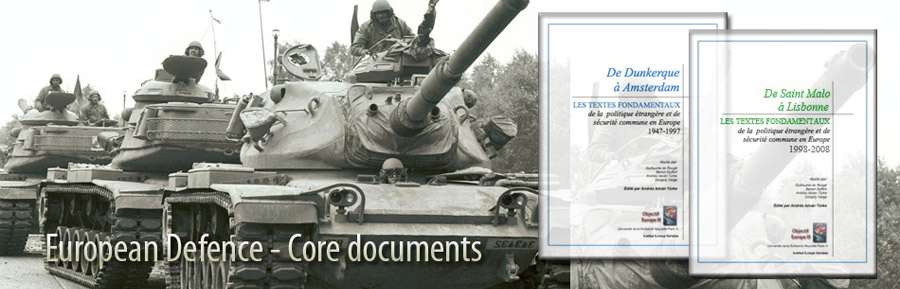
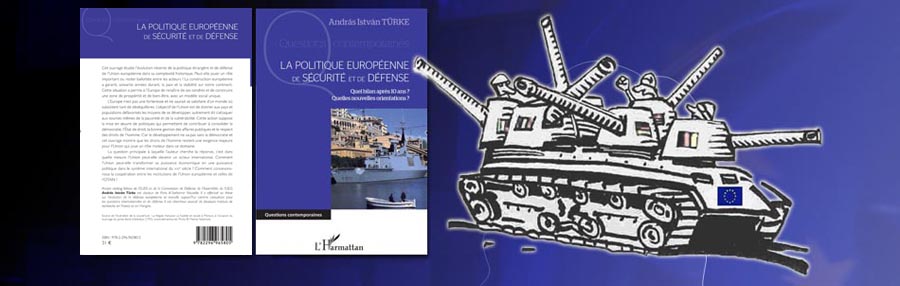
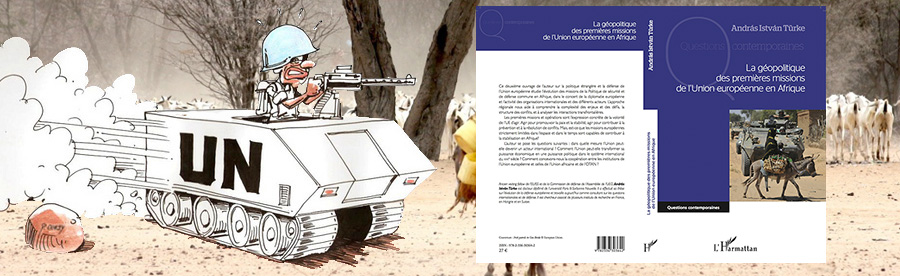
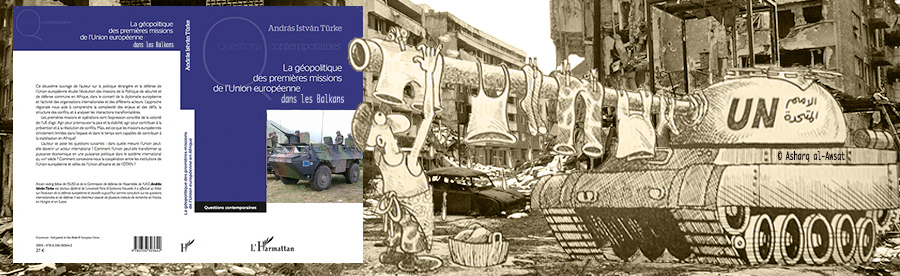
We are looking for sponsors for the English translation of these books, please contact turkeandras(at)gmail(dot)com