
Vous êtes ici
Afrique
Au Nigeria, au moins 24 morts dans des attaques communautaires dans l’Etat du Plateau
Située au centre du pays, la région est le théâtre de violences récurrentes entre éleveurs musulmans itinérants et agriculteurs sédentaires chrétiens.
Catégories: Afrique
D'importants dégâts matériels après un accident à Bohicon
A Zakpo Adagamè, une localité de la commune de Bohicon, dans le département du Zou, le chauffeur d'un camion benne a perdu le contrôle et percuté plusieurs installations électriques de la Société béninoise d'énergie électrique (SBEE) dans la soirée de ce lundi 17 août 2026. Un point de vente de l'essence de contrebande a été également touché, mais l'incendie ne s'est pas déclaré.
Plus de peur que de mal après l'accident d'un camion à Bohicon. Le chauffeur a perdu le contrôle de son véhicule et percuté plusieurs installations électriques dans la soirée de ce lundi 17 août 2026, à Zakpo Adagamè.
Le camion a d'abord traversé le trottoir, avant de percuter un poteau électrique et un autre de haute tension. Un point de vente de l'essence de contrebande a été également touché. Selon le bilan du propriétaire, sept bouteilles de 20 litres d'essence et plusieurs autres bouteilles de petites capacités ont été renversées. Ce qui porte à plus de 150 litres, la perte enregistrée sur son étalage.
Une équipe de la SBEE s'est dépêchée sur les lieux pour examiner les dégâts et rétablir la fourniture de l'énergie électrique.
Aucun blessé ni de perte en vie humaine n'a été enregistré. L'éclatement de deux pneus du véhicule serait à l'origine de l'accident.
F. A. A.
Catégories: Afrique
Une série de rencontres littéraires avec « Parole d'auteurs »
La Bibliothèque nationale du Bénin lance, à partir de ce mercredi 19 août 2026, « Parole d'auteurs », une série de rencontres littéraires destinées à rapprocher les auteurs du public et à célébrer la richesse de la création littéraire béninoise.
Pendant près d'un mois, huit auteurs béninois se succéderont dans la salle d'animation de la Bibliothèque nationale, à Porto-Novo, pour partager leurs œuvres, leurs parcours et leurs expériences avec les amoureux du livre.
Ces rencontres, ouvertes aux enseignants, chercheurs, étudiants, élèves et à tous les passionnés de littérature, seront placées sous le signe de l'échange, de la découverte et de l'inspiration.
Le premier rendez-vous est prévu ce mercredi 19 août. Les rencontres se poursuivront jusqu'au 11 septembre, les mercredis de 15 h à 17 h et les vendredis de 9 h à 11 h.
À travers cette initiative, la Bibliothèque nationale du Bénin entend renforcer son rôle dans la promotion du livre, de la lecture et de la création littéraire nationale. L'entrée est libre et gratuite.
Catégories: Afrique
Loto Fortune : les numéros gagnants du tirage de 11H
LES RÉSULTATS LOTO FORTUNE SONT LÀ !
TIRAGE N°132/26
Mardi 18 août 2026 (11H)
52 • 87 • 83 • 90 • 28
Félicitations aux heureux gagnants !
Pas encore gagné ? Gardez le sourire !
Rendez-vous au prochain tirage de 14h pour une nouvelle chance.
Jouez dans les centres de jeux de la LNB ou en ligne : Tapez 590# ou lnbloto.bj
Jouez avec modération et responsabilité. Le jeu doit rester un plaisir.
Catégories: Afrique
La société civile exige l'arrêt immédiat de constructions jugées « illégales » dans le parking public à Beni
La société civile de Kasindi-Lubirigha, commune rurale située à 90 kilomètres de la ville de Beni (Nord-Kivu), s'oppose à l'exécution de travaux de construction sur le site du parking public du quartier Congo ya Sika, à la lisière du Parc national des Virunga.
Cette structure citoyenne dénonce l'occupation progressive de cet espace domanial et exige la suspension des chantiers engagés par l'autorité municipale.
Catégories: Afrique
Après 23 ans d’arrêt, le bac Epamba reprend du service entre la Lomami et le Haut-Lomami
Après 23 années de paralysie, le bac Epamba, qui relie les provinces de la Lomami et du Haut-Lomami sur la rivière Lomami, a repris du service. L’embarcation a été remise en circulation le week-end dernier lors d’une cérémonie présidée par le gouverneur de la Lomami.
Catégories: Afrique
VIDEO CAN : les Lionnes indomptables accueillies en héroïnes au Cameroun
Après sa victoire 3 buts à 0 face au Malawi, l’équipe camerounaise est revenue à Yaoundé avec son premier titre dans la compétition.
Catégories: Afrique
La première session extraordinaire du CES s'ouvre ce mardi
Les travaux de la première session extraordinaire du Conseil économique et social (CES) s'ouvrent ce mardi 18 août 2026.
La première session extraordinaire du Conseil économique et social (CES) démarre ce mardi 18 août 2026. Deux principales activités seront au cœur des travaux. Il s'agit de l'examen et l'adoption du nouveau règlement intérieur de l'institution. Cette étape cruciale vise à adapter le fonctionnement interne du CES aux exigences des récentes réformes de sa loi organique, promulguée en juillet 2026.
Le Plan stratégique 2027-2031 du Conseil sera officiellement lancé au cours de cette session. Cette importante activité sera l'occasion pour les participants de donner le coup d'envoi officiel de l'élaboration de cet outil de gouvernance moderne, pensé pour inscrire l'action de l'institution dans une dynamique prospective à long terme.
Les travaux prévus pour durer trois jours, sont placés sous la présidence de Abdoulaye Bio Tchané, président du CES.
F. A. A.
Catégories: Afrique
Décès du Révérend Pasteur Patriarche Koudgou Dénis DIPAMA : Remerciements et faire-part
Promotion céleste du Révérend Pasteur Patriarche Koudgou Dénis DIPAMA
Les grandes familles DIPAMA, COMPAORÉ, KABORÉ, KONKOELE, BAGA, TARBANGDO, SAWADOGO et GUIGMA, BOUDA à Boura, Sougou, Manga, Ouagadougou, Tema, France, États-Unis d'Amérique et Canada.
Les familles alliées TIENDRÉBÉOGO, TOBOUA, DABRÉ et NADEMBEGA à Manga, Ouagadougou, Beguedo et Tenkodogo.
• Madame Madeleine SAWADOGO, veuve du Révérend Pasteur Patriarche Koudgou Dénis DIPAMA
Les enfants :
• Le Pasteur Jean DIPAMA et son épouse ;
• Wennengoudi Jean-Baptiste DIPAMA, Chargé de mission à la Primature du Burkina Faso, et son épouse ;
• Bouinzemwendé Jacques DIPAMA et son épouse, résidant aux États-Unis d'Amérique ;
• Les belles-filles, gendres, petits-enfants et l'ensemble de la famille,
profondément touchés par les nombreuses marques de compassion, de solidarité, de soutien moral, spirituel, matériel et financier reçues à l'occasion de la promotion céleste de leur très regretté père, époux, grand-père, frère, beau-père et patriarche,
Révérend Pasteur Patriarche Koudgou Dénis DIPAMA
rappelé à Dieu le 18 juillet 2026,
adressent leurs sincères et profondes gratitudes à toutes les personnes, institutions et communautés qui les ont accompagnés durant cette douloureuse épreuve.
Les familles expriment leur reconnaissance toute particulière :
• au Bureau Exécutif National de l'Église de la Mission Apostolique du Burkina Faso ;
• au Bureau Exécutif National des Églises des Assemblées de Dieu du Burkina Faso ;
• à l'ensemble des responsables nationaux, régionaux et locaux de l'Église de la Mission Apostolique du Burkina Faso ;
• à l'ensemble des responsables nationaux, régionaux et locaux des Églises des Assemblées de Dieu du Burkina Faso ;
• à l'Église locale des Assemblées de Dieu Temple Salem de Silmissin, sise à Kalgondin (Ouagadougou),
• à l'ensemble des pasteurs de la province du Zoundwéogo ;
• au personnel de la Primature du Burkina Faso ;
• à la communauté burkinabè vivant aux USA,
• à l'association des ressortissants du Zoundwéogo vivant à New-York,
• à l'église des Assemblées de Dieu Sinaï de New-York et à toute la communauté évangélique burkinabè vivant à New-york,
• à la 15e Promotion des journalistes et techniciens de l'audiovisuel de l'Institut des Sciences et Techniques de l'Information et de la Communication (ISTIC),
• aux anciens élèves du Lycée Provincial Naaba Baongo de Manga ;
• à l'ensemble des pasteurs de la région du Kadiogo et du Nazinon ;
• aux Pasteurs et aux différents fidèles de la province du Passoré ;
• aux pasteurs et responsables des différentes dénominations chrétiennes ;
• aux communautés religieuses de la région du Nazinon ainsi qu'à leurs responsables et leaders religieux ;
• à l'ensemble des fidèles des différentes Églises ;
• aux autorités administratives, coutumières, religieuses et aux leaders communautaires de la province du Zoundwéogo et de la région du Nazinon ;
• à la population de Boura, Sougou, Manga, de toute la province du Zoundwéogo, de la région du Nazinon ainsi que des localités environnantes ;
• aux ressortissants, parents, amis et connaissances venus de près comme de loin, du Burkina Faso, de France, des États-Unis d'Amérique et du Canada, qui ont effectué le déplacement ou manifesté leur soutien de diverses manières ;
• aux différentes structures des jeunes, femmes, hommes, de l'Église et à toutes les bonnes volontés qui ont contribué à l'organisation et au bon déroulement des obsèques.
Votre présence, vos prières, vos témoignages, vos messages de réconfort, vos contributions multiformes et les nombreux hommages rendus à la mémoire du Révérend Pasteur Patriarche Koudgou Dénis DIPAMA ont été pour toute la famille une source de consolation et de réconfort.
Dans l'impossibilité de citer individuellement toutes les personnes qui les ont soutenus, la famille prient chacune et chacun de trouver, à travers ce communiqué, l'expression de leur profonde gratitude et de leur reconnaissance.
Que le Seigneur Tout-Puissant, qu'il a fidèlement servi tout au long de son ministère, vous bénisse abondamment, vous garde et vous rende au centuple toutes les marques de générosité, d'affection et de solidarité que vous avez manifestées envers la famille.
« J'ai combattu le bon combat, j'ai achevé la course, j'ai gardé la foi. Désormais la couronne de justice m'est réservée … » 2 Timothée 4:7-8
Catégories: Afrique
La mortalité liée à Ebola baisse sur le site de Kigonze en Ituri, mais le manque d’eau inquiète
La mortalité liée à la maladie à virus Ebola est en baisse sur le site de personnes déplacées de Kigonze, à Bunia, dans la province de l’Ituri, selon les responsables de la riposte et les autorités du site dans une déclaration lundi 17 août. Alors que jusqu’à huit décès étaient enregistrés quotidiennement au plus fort de l’épidémie en juin et juillet, le bilan se situe désormais entre un et trois morts par jour, pour une population estimée à près de 17 000 personnes.
Catégories: Afrique
Le RADIF consulte des partis extra-parlementaires pour former une coalition en faveur du dialogue national en RDC
Le Rassemblement pour le Développement Intégral et Fédéral (RADIF) mène des consultations auprès de plusieurs formations politiques extra-parlementaires en République démocratique du Congo. L’objectif est de mettre en place une plateforme baptisée « Bloc pour la réunification du Congo et la cohésion nationale », en vue de favoriser un dialogue inclusif et de contribuer à la préservation de l’unité du pays.
Catégories: Afrique
Firmin Mvonde ordonne la traque des auteurs d’infractions sur TikTok et les autres réseaux sociaux en RDC
Le procureur général près la Cour de cassation, Firmin Mvonde, a instruit lundi 17 août 2026 les officiers de police judiciaire de rechercher activement les auteurs d’infractions commises sur les réseaux sociaux. Il leur demande notamment de se saisir d’office, sans attendre le dépôt d’une plainte, et de transmettre les procès-verbaux au ministère public pour d’éventuelles audiences en flagrance.
« Trop, c’est trop », prévient Firmin Mvonde
Catégories: Afrique
Bernard Lugan sur Radio Courtoisie
Catégories: Afrique
Comment une frappe à Ormuz a provoqué une marée noire en Iran
Des experts ont indiqué à BBC Verify que la pollution provenant d'un navire attaqué le 3 août s'est propagée et menace la faune sauvage vulnérable.
Catégories: Afrique, Biztonságpolitika
Angélique Kidjo inaugure son étoile au Hollywood Walk of Fame
La chanteuse béninoise Angélique Kidjo sera honorée ce mardi 18 août 2026 d'une étoile sur le célèbre Hollywood Walk of Fame, à Los Angeles. À la veille de cette cérémonie historique, le gouvernement béninois salue une distinction qui vient couronner quatre décennies d'une carrière internationale exceptionnelle.
Une nouvelle consécration pour Angélique Kidjo. La chambre de commerce de Hollywood dévoilera, ce mardi 18 août, la 2854 étoile du Hollywood Walk of Fame au nom de la star béninoise dans la catégorie « enregistrement ».
Avec cette distinction, Angélique Kidjo devient la première artiste africaine à recevoir une étoile sur le Hollywood Walk of Fame. Une reconnaissance qui, selon le gouvernement béninois, vient consacrer une carrière qui a contribué à faire rayonner les musiques d'Afrique de l'Ouest sur les plus grandes scènes internationales.
Cinq fois lauréate d'un Grammy Award et auteure de 18 albums, Angélique Kidjo figure également parmi les personnalités les plus reconnues du continent et du monde. Elle a notamment été classée par le magazine Time parmi les 100 personnalités les plus influentes de la planète et désignée par Forbes comme la femme la plus influente d'Afrique.
« Au-delà de son œuvre musicale, elle porte, à travers la fondation Batonga qu'elle a créée, un engagement constant pour l'éducation et l'autonomisation des filles au Bénin et au Sénégal, prolongeant sur le terrain social le rayonnement qu'elle offre à son pays sur les grandes scènes internationales enregistrement », ajoute le gouvernement Béninois.
Le Bénin représenté à Los Angeles
Pour marquer l'importance de cette consécration, le président de la République, Romuald Wadagni, a dépêché à Los Angeles le ministre de la Culture, des Arts et du Patrimoine, Yassine Latoundji, ainsi que l'ambassadeur du Bénin aux États-Unis, Agniola Ahouanmenou. Le gouvernement adresse à Angélique Kidjo, « au nom du peuple béninois tout entier, ses plus vives et chaleureuses félicitations ».
Le Hollywood Walk of Fame est une célèbre promenade située à Los Angeles, aux États-Unis, connue pour ses milliers d'étoiles dédiées aux personnalités qui ont marqué l'industrie du divertissement. Les étoiles récompensent des artistes et professionnels dans plusieurs catégories, notamment le cinéma, la télévision, la musique, la radio et le spectacle vivant. Chaque étoile porte le nom de la personnalité honorée et est incrustée dans le trottoir de Hollywood Boulevard.
Catégories: Afrique
7sur7 : Dialogue national : « Kabila et Nangaa sont parties prenantes » (Fayulu)
Catégories: Afrique
Plus de 50 000 cas suspects de rougeole signalés au Nord-Kivu et au Sud-Kivu en 7 mois
Entre janvier et le 19 juillet 2026, plus de 50 820 cas suspects de rougeole signalés dans les provinces du Nord-Kivu et du Sud-Kivu, selon les données officielles citées par Médecins sans frontières (MSF) et consultées lundi 17 août 2026 par Radio Okapi. Et à l’échelle nationale, la République démocratique du Congo a enregistré plus de 108 643 cas suspects de rougeole et 1 394 décès au cours de la même période.
Catégories: Afrique
Burkina/Concours directs 2026 : Dans le Kadiogo, cinq présumés fraudeurs à la MACO, une candidate expulsée pour refus d'enlever son voile
Le secrétaire général du ministère des Serviteurs du peuple a, avec ses collaborateurs, animé, ce lundi 17 août 2026 à Ouagadougou, une conférence de presse sur le bilan de l'administration des épreuves sur table des concours directs de la fonction publique et la suite du processus, session 2026.
Il s'est agi pour les organisateurs d'informer l'opinion publique, en particulier les candidats, du déroulement des compositions qui se sont tenues du 15 au 22 juillet 2026 sur l'ensemble du territoire national, des incidents relevés ainsi que des différentes étapes qui conduiront à la publication des résultats.
L'administration des épreuves écrites sur table des concours directs a été lancée officiellement le mercredi 15 juillet 2026 à Djibo, qui accueillait pour la première fois un centre secondaire de composition, rappelle le secrétaire général du ministère des Serviteurs du peuple, Rodrigue Oboulbiga, président du comité de pilotage des concours, principal intervenant à la conférence.
L'administration des épreuves s'est donc déroulée du 15 au 22 juillet dans les treize centres de composition, à savoir Ouagadougou, Bobo-Dioulasso, Banfora, Dédougou, Dori, Fada N'Gourma, Gaoua, Kaya, Ouahigouya, Manga, Koudougou, Ziniaré et Tenkodogo.
Ce sont 108 concours qui ont été, conformément au calendrier officiel, effectivement administrés, « dans des conditions globalement satisfaisantes », indique-t-il.
L'opération a mobilisé environ 3 300 jurys (dont 949 dans la seule ville de Ouagadougou), 92 997 surveillants, 21 507 membres de jurys (dont 7 408 personnels de soutien), 9 645 personnels de sécurité.
Le scannage des copies a, lui, pris fin le 1ᵉʳ août 2026 et la correction électronique des copies, qui a débuté le 29 juillet, se poursuit jusqu'à épuisement de toutes les copies de tous les concours. La délibération se fait au fur et à mesure de la correction, de même que la publication des listes d'admissibilité par ordre de mérite suivant les notes obtenues par les candidats.
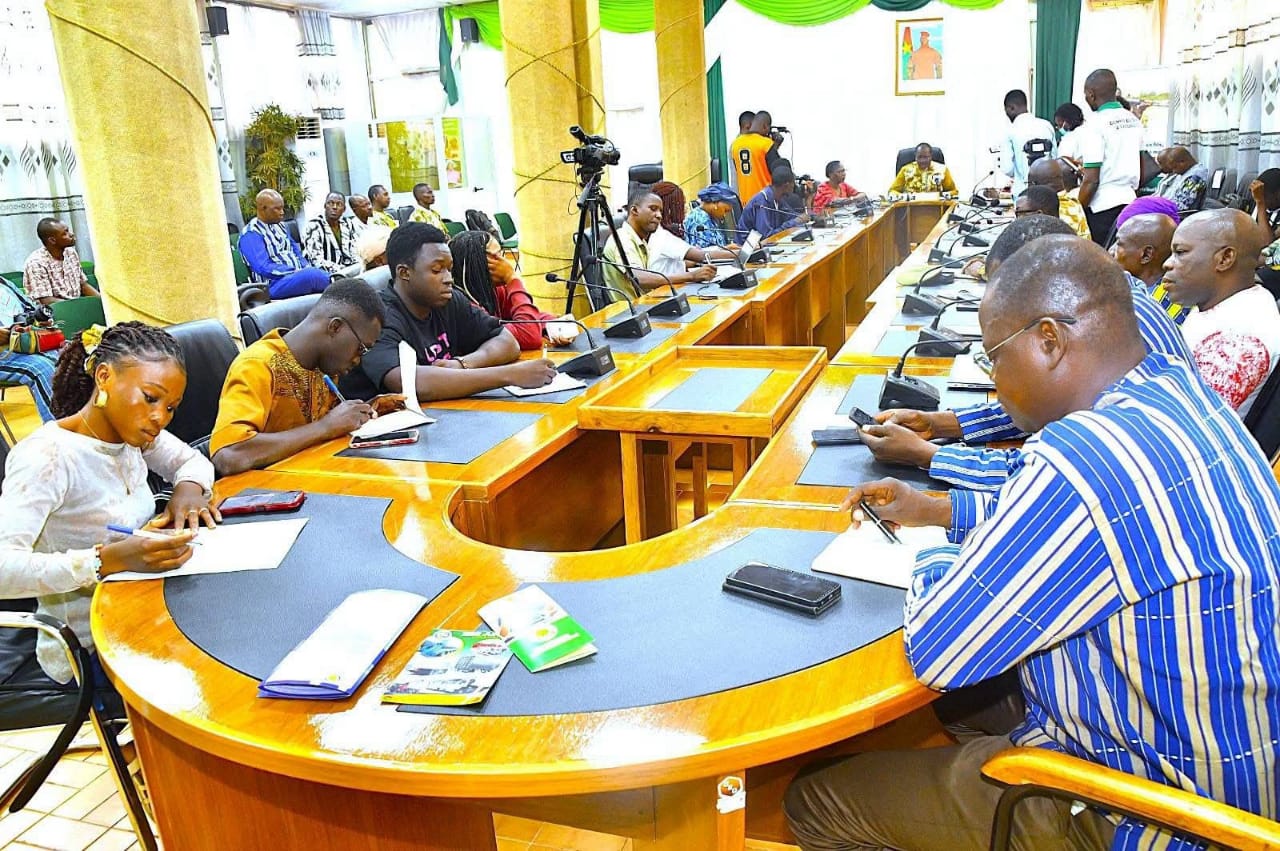
« À titre d'information sur l'avancement actuel du traitement des copies et de la délibération, il importe de souligner que nous disposons de 155 concours administrés sur table, intégrant les concours avec options au niveau de l'enseignement secondaire et les concours à quota réservé. Le bilan de progression suivant peut être communiqué : 62 concours ont d'ores et déjà été intégralement corrigés, tandis que 93 concours sont actuellement en cours de correction. S'agissant de la phase de délibération et de publication, 40 concours ont eu leurs résultats d'admissibilité publiés et 22 concours sont actuellement en cours de délibération ou en phase de vérification des données avant publication des listes d'admissibilité », a détaillé le conférencier, précisant qu'après la publication des admissibilités, les candidats déclarés admissibles seront invités à déposer leurs dossiers physiques de candidature, conformément aux communiqués d'ouverture du concours.
À l'issue de cette phase de dépôt, les jurys se réuniront de nouveau pour le traitement des admissions, sur la base des admissibilités et des communiqués d'ouverture des concours.
Mention à la mobilisation exemplaire des différents acteurs
Les organisateurs invitent les candidats à la plus grande vigilance dans la constitution de leurs dossiers physiques et à se référer exclusivement aux communiqués d'ouverture, car tout dossier jugé incomplet ou non conforme entraînera l'écartement du candidat concerné. « Il peut s'agir d'un diplôme ne correspondant pas au profil exigé, de l'absence de la CNIB (Carte nationale d'identité burkinabè : Ndlr), de l'absence de l'extrait d'acte de naissance ou de toute autre pièce manquante ou non conforme », détaille M. Oboulbiga avant d'évoquer des cas antérieurs où le candidat a fourni par erreur l'extrait d'acte de naissance de son père ou le diplôme de son grand-frère.
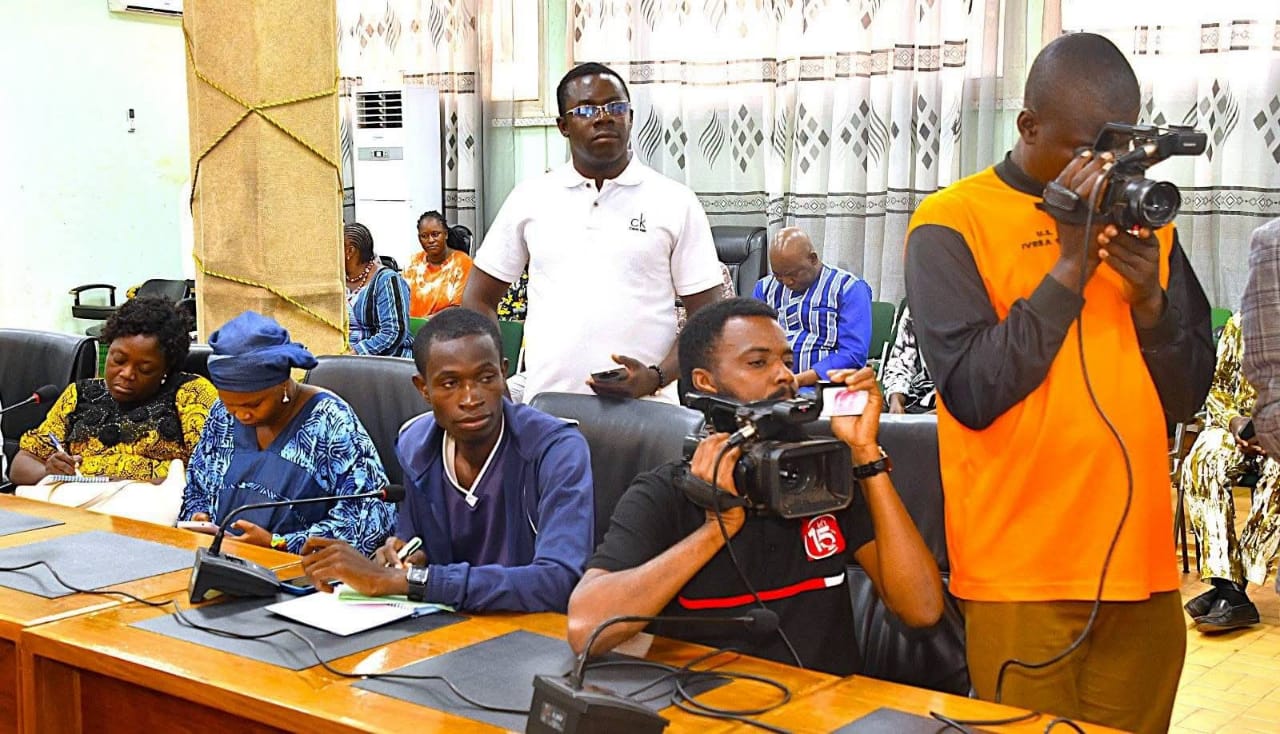
« Dans ce cas de figure, le dossier est déclaré non conforme, et pour des raisons d'équité, le jury n'est pas autorisé à rappeler un candidat pour compléter ou corriger son dossier », souligne le secrétaire général du ministère des Serviteurs du peuple, président du comité de pilotage des concours de la fonction publique.
Le secrétaire général salue la mobilisation exemplaire des différents acteurs qui a ainsi permis un bon déroulement de l'opération.
Cependant, relève le président du comité de pilotage, en dépit du rappel formel des consignes avant le début de chaque épreuve, quelques incidents ont été recensés au cours des compositions. Il s'agit notamment de tentatives par certains candidats d'emporter des épreuves après la composition ; de tentatives d'utilisation de téléphones portables par des candidats durant la composition de certaines épreuves (les présumés coupables ont été arrêtés et la police poursuit les investigations pour démasquer d'éventuels réseaux) ; de tentatives de non-respect de la consigne relative au non-port de voile, foulard, bonnet, casquette, etc.
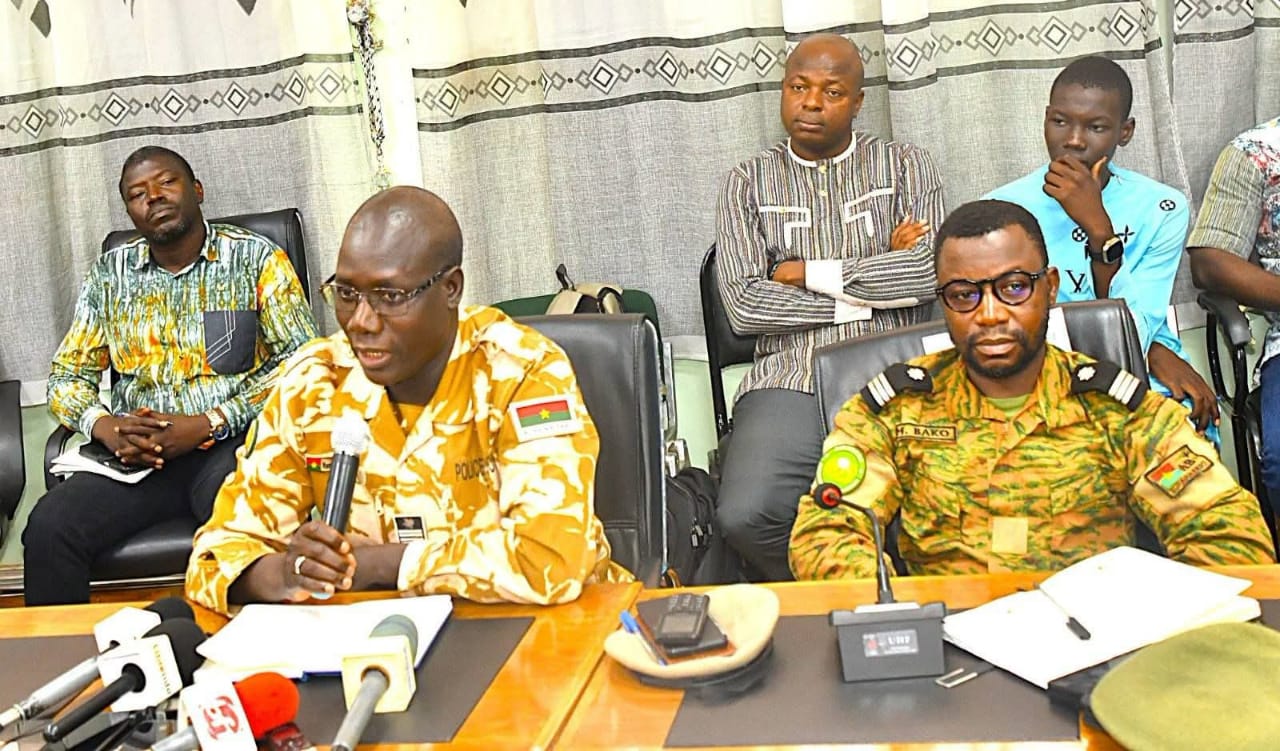
Sur ces incidents, le commissaire principal Hamadou Tassembédo, commissaire central de police de la ville de Ouagadougou, membre du comité de pilotage, a présenté la situation de la région du Kadiogo (capitale). Ils concernent cinq cas de fraude et une expulsion.
Les cas de fraudes sont relatifs à l'usage de téléphone, faux et usage de faux en écritures publiques (des candidats pris avec des récépissés qui ne sont pas reconnus) et détention frauduleuse de copie (un candidat qui sort à la fin avec sa copie). « Les investigations se poursuivent pour les cinq cas et les intéressés ont été tous déférés à la Maison d'arrêt et de correction de Ouagadougou (MACO) », renseigne le commissaire Tassembédo.
Le seul cas d'expulsion, poursuit-il, concerne une dame, « qui a carrément refusé de soulever le voile » pour que les surveillants puissent clairement l'identifier. La dame a tenu mordicus, s'opposant à ce qu'on lève le voile pour l'identifier, rapporte le commissaire de police, précisant qu'elle n'a simplement pas composé (elle n'a pas été déférée, comme les cinq autres).
O.L. et Elysée Nikiéma
Lefaso.net
Catégories: Afrique
Le Faso Digital 2026 lance son Concours d'innovation digitale : faire émerger les solutions d'un Burkina digital pour tous
Ouagadougou, [17 août 2026] – Après une première édition placée sous le signe de la résilience, Le Faso Digital franchit une nouvelle étape. Dans le cadre de sa deuxième édition, le comité d'organisation annonce le lancement de l'appel à candidatures pour le Concours d'innovation digitale 2026, l'un des rendez-vous majeurs de la Foire virtuelle.
Organisée cette année autour du thème « Inclusion, souveraineté, innovation : Vers un Burkina digital pour tous », l'édition 2026 porte une ambition claire : faire du numérique un levier de développement accessible à tous, capable de réduire les fractures, de renforcer notre autonomie technologique et de faire émerger des solutions conçues à partir des réalités et des besoins du Burkina Faso.
Le Concours national d'innovation digitale constitue l'une des traductions concrètes de cette ambition. Il part d'une conviction : les talents, les idées et les solutions capables de contribuer à la transformation du Burkina Faso existent. Il faut les identifier, les révéler, les connecter aux opportunités et leur donner les moyens de grandir.
Inclusion, souveraineté, innovation : trois ambitions au cœur du concours
Partout au Burkina Faso, dans les startups, les universités, les laboratoires, les entreprises, les administrations et parfois autour d'un simple ordinateur, des femmes et des hommes imaginent des solutions numériques pour répondre aux défis de leur environnement. Le Concours national d'innovation digitale Le Faso Digital 2026 veut aller à leur rencontre.
Cette année, les innovations seront notamment appréciées à travers les trois grandes ambitions qui structurent Le Faso Digital 2026.
1. INCLUSION : Faire du numérique une opportunité pour tous
L'innovation doit contribuer à réduire les fractures plutôt qu'à en créer de nouvelles. Le concours accordera ainsi une attention particulière aux solutions qui facilitent l'accès au numérique des populations, des territoires ou des catégories sociales encore insuffisamment desservis.
Solutions accessibles aux populations rurales, services adaptés aux personnes vivant avec un handicap, technologies utilisant les langues nationales, outils d'éducation et de formation, services numériques destinés aux femmes et aux jeunes, innovations permettant l'accès aux services essentiels : le numérique doit pouvoir profiter à tous.
2. SOUVERAINETÉ : Concevoir et maîtriser nos propres solutions
La transformation digitale pose également une question stratégique : celle de notre capacité à maîtriser nos outils, nos infrastructures, nos données et notre avenir technologique. Le concours souhaite ainsi mettre en lumière les innovations qui renforcent les capacités technologiques nationales, valorisent les compétences locales et proposent des réponses adaptées aux réalités burkinabè.
Cybersécurité, intelligence artificielle, solutions de paiement, cloud, plateformes numériques, logiciels métiers, valorisation des données, technologies éducatives ou agricoles : la souveraineté numérique passe aussi par notre capacité à concevoir et développer localement les solutions dont nous avons besoin.
3. INNOVATION : Transformer les défis en solutions
Innover, ce n'est pas nécessairement inventer une technologie spectaculaire. C'est d'abord apporter une réponse nouvelle, pertinente et efficace à un problème concret. Le Faso Digital 2026 souhaite donc révéler des solutions capables d'améliorer les services publics, de créer des emplois, de renforcer la compétitivité des entreprises, d'accroître la productivité, d'améliorer les conditions de vie des populations ou de transformer durablement un secteur d'activité. L'innovation recherchée est une innovation utile, accessible et porteuse d'impact.
Quels sont les objectifs du concours ?
À travers cette deuxième édition, le Concours national d'innovation digitale ambitionne de :
– identifier et récompenser les innovations numériques qui répondent concrètement aux besoins du Burkina Faso ;
– stimuler la créativité technologique, la recherche et l'entrepreneuriat numérique ;
– promouvoir les solutions locales et les compétences burkinabè ;
– encourager le développement d'innovations inclusives et accessibles au plus grand nombre ;
– favoriser l'émergence de solutions contribuant à la souveraineté numérique nationale ;
– rapprocher les innovateurs des administrations, entreprises, investisseurs, incubateurs et partenaires techniques et financiers ;
– offrir une visibilité nationale et internationale aux projets les plus prometteurs ;
– contribuer à la construction d'un écosystème numérique national plus dynamique, compétitif et souverain.
Toutes les innovations numériques peuvent trouver leur place
Le concours est ouvert aux solutions numériques innovantes apportant une réponse concrète à un besoin économique ou social. Les projets peuvent notamment concerner : l'intelligence artificielle, l'agriculture et l'élevage, la santé, l'éducation et la formation, la fintech et les services financiers numériques, l'administration électronique, la cybersécurité, le commerce électronique, les industries culturelles et créatives, les transports et la mobilité, l'environnement, l'énergie, l'emploi, l'inclusion numérique, les technologies destinées aux personnes vulnérables, ainsi que tout autre domaine dans lequel le numérique peut contribuer au développement.
Au-delà de la sophistication technologique, une attention particulière sera accordée à l'utilité de la solution, son caractère innovant, son accessibilité, son impact potentiel, son adaptation au contexte burkinabè et ses possibilités de passage à l'échelle.
Qui peut participer ?
Le concours est ouvert notamment aux :
– startups et entreprises technologiques ;
– développeurs, ingénieurs et designers ;
– étudiants et jeunes diplômés ;
– chercheurs et enseignants-chercheurs ;
– porteurs de projets innovants ;
– équipes issues d'universités, de laboratoires ou d'incubateurs ;
– organisations de la société civile ;
– structures publiques et privées développant une innovation numérique.
Une attention particulière sera accordée aux candidatures portées par les jeunes, les femmes et les innovateurs proposant des solutions favorisant l'inclusion numérique.
Plus qu'un concours : une vitrine pour les innovateurs
Le Faso Digital veut aller au-delà d'une compétition ponctuelle. Les projets sélectionnés bénéficieront de la visibilité offerte par la Foire virtuelle Le Faso Digital 2026 et son écosystème médiatique. Ils pourront présenter leurs solutions, leurs usages et leur potentiel à un public composé de citoyens, de décideurs publics, de chefs d'entreprise, d'investisseurs, de chercheurs, de partenaires techniques et financiers ainsi que de membres de la diaspora.
Un jury composé de professionnels du numérique, d'entrepreneurs, d'experts et de représentants d'institutions partenaires évaluera les projets soumis.
Le concours veut ainsi devenir un pont entre l'innovation et l'opportunité : permettre à une bonne idée de rencontrer un partenaire, à un prototype de trouver un marché, à une startup d'accéder à de nouveaux réseaux et à une solution locale de changer d'échelle.
Des récompenses, mais surtout des opportunités
À l'issue du processus de sélection, les meilleures innovations seront distinguées lors de Le Faso Digital 2026. Au-delà des récompenses, les organisateurs souhaitent favoriser la mise en relation des lauréats avec les institutions publiques, les entreprises, les investisseurs, les incubateurs et les partenaires susceptibles d'accompagner le développement, l'expérimentation ou le déploiement de leurs solutions.
Comment participer ?
Les innovateurs intéressés sont invités à soumettre leur candidature à travers la plateforme officielle de Le Faso Digital.
Ouverture des candidatures : [18 août 2026]
Date limite de candidature : [30 septembre 2026]
Lien d'inscription : [https://lefasodigital.net/prix/]
Vous avez développé une application, une plateforme, un service ou une technologie qui facilite la vie des populations ?
Votre innovation contribue à rendre le numérique plus accessible ?
Elle permet de mieux maîtriser nos données, nos technologies ou nos infrastructures ?
Elle apporte une réponse originale à un problème concret du Burkina Faso ?
Ce concours est le vôtre.
Innovez. Candidatez. Faites connaître votre solution.
Et ensemble, faisons de l'innovation un moteur de l'inclusion, de la souveraineté et de la transformation du Burkina Faso.
………………………….
À propos de Le Faso Digital
Initiée par Lefaso.net, média pionnier de la presse en ligne professionnelle au Burkina Faso, Le Faso Digital est une plateforme de valorisation des solutions, des entreprises, des institutions, des talents et des initiatives qui participent à la transformation numérique du Burkina Faso.
Après une première édition consacrée au rôle du numérique dans la résilience nationale, Le Faso Digital 2026 est placé sous le thème : « Inclusion, souveraineté, innovation : Vers un Burkina digital pour tous »
À travers sa Foire virtuelle, ses conférences et panels, son Concours national d'innovation digitale, ses rencontres professionnelles, ses contenus éditoriaux et la série « Les 100 Visages du Burkina Digital », l'initiative veut contribuer à bâtir un écosystème numérique burkinabè dynamique, inclusif et souverain, capable de mobiliser les intelligences, de connecter les talents et de créer des opportunités durables pour tous.
Contacts presse et informations
Le Faso Digital 2026
E-mail : contact@lefasodigital.net
Téléphone : (+226) 70 74 07 51
Site web : lefasodigital.net
Catégories: Afrique
Les 100 Visages du Burkina Digital : Émile Yaogo, aux sources de l'Internet burkinabè
À 60 jours de l'ouverture de Le Faso Digital 2026, nous poursuivons notre série consacrée aux femmes et aux hommes qui ont contribué à écrire l'histoire du Burkina numérique. Aujourd'hui, nous remontons aux premières heures de l'Internet au Burkina Faso avec Émile Yaogo, ingénieur réseaux et télécommunications, entrepreneur et expert DNS, dont le parcours relie les débuts de la connexion du pays aux grands enjeux actuels de résilience et de souveraineté numériques.
Pour toute une génération, Internet semble avoir toujours existé. Pourtant, il y a moins de trente ans, se connecter au réseau mondial depuis le Burkina Faso relevait encore de la nouveauté. Il fallait construire les infrastructures, proposer les premiers abonnements, créer des messageries électroniques, héberger les premiers sites et familiariser les utilisateurs avec un univers alors largement inconnu.
Émile Yaogo appartient à la génération de techniciens et d'entrepreneurs qui ont participé à cette aventure.
1997, aux premières heures de l'Internet burkinabè
L'année 1997 constitue un tournant dans son parcours. Émile Yaogo crée River Telecom, fournisseur d'accès Internet qui figure parmi les premiers opérateurs du secteur au Burkina Faso aux côtés de l'ONATEL et du Cenatrin.
River Telecom propose alors des services qui paraissent aujourd'hui ordinaires mais qui, à l'époque, ouvrent une nouvelle fenêtre sur le monde : abonnements d'accès à Internet, messagerie électronique, noms de domaine et hébergement de sites web. Dans un Burkina Faso où le numérique en est encore à ses balbutiements, cette initiative contribue à installer les premières briques d'un écosystème Internet national.
Émile Yaogo participe également à un important projet de construction d'artères numériques interurbaines de transmission pour l'acheminement des images de télévision et du téléphone. Pour le compte de l'équipementier américain Lucent Technologies, il supervise notamment l'installation des multiplexeurs de trafic et la télésurveillance des équipements.
Quinze ans au service des infrastructures Internet nationales
Son rôle dans le développement de l'Internet burkinabè ne s'arrête pas à l'entrepreneuriat. Pendant quinze ans, Émile Yaogo assure le support technique des services Internet de l'ONATEL. Ses missions touchent à plusieurs composantes essentielles du fonctionnement du réseau : gestion du domaine national .bf, messagerie électronique des abonnés, hébergement de sites web ou encore lutte contre le spam. Des activités peu visibles du grand public, mais indispensables au fonctionnement quotidien d'Internet.
Son parcours rappelle ainsi une réalité souvent oubliée : derrière les sites web, les applications et les services numériques se trouve toute une infrastructure technique qu'il faut administrer, sécuriser et faire évoluer en permanence.
Vingt-sept années au cœur de France Télécom et Orange
L'expérience d'Émile Yaogo prend ensuite une dimension internationale. Pendant vingt-sept ans, il évolue au sein de France Télécom/Orange France, où il exerce notamment comme architecte technique dans une équipe chargée de l'architecture des projets complexes. Son métier consiste alors à traduire les besoins des organisations en solutions techniques capables d'accompagner leurs projets de transformation.
Il développe également une expertise approfondie du DNS, ce système essentiel qui permet notamment de traduire les noms de domaine utilisés par les internautes en adresses compréhensibles par les machines. Au sein du département DNS d'Orange France, il travaille sur l'analyse en temps réel des flux afin d'identifier les comportements anormaux, d'améliorer la qualité de service et de détecter des abonnés dont les équipements sont infectés par des logiciels malveillants.
Une expertise qui dépasse les frontières
Cette longue carrière lui permet d'intervenir dans différents environnements technologiques et industriels. Il effectue des missions de formation et de transfert de compétences à New Delhi auprès d'Orange India et intervient également chez Airbus à Hambourg.
Son parcours professionnel révèle par ailleurs une polyvalence assez singulière. Au sein de France Télécom Recherche et Développement, il participe à la conception d'outils de calcul de charge, de performance et de supervision des réseaux. Il intervient aussi comme consultant chez Renault dans le domaine du calcul de structures automobiles et chez le constructeur informatique Bull pour le développement d'un système expert destiné au pilotage de hauts-fourneaux dans l'industrie sidérurgique. Derrière l'expert télécom apparaît ainsi un ingénieur habitué à faire dialoguer informatique, réseaux, mathématiques et problématiques industrielles complexes.
Le retour au Burkina, près de trente ans plus tard
En juillet 2024, Émile Yaogo revient s'installer au Burkina Faso. Ce retour ouvre un nouveau chapitre de son parcours. Près de trois décennies après la création de River Telecom, les enjeux ont profondément changé. Il ne s'agit plus seulement de connecter le Burkina à Internet. Il faut désormais rendre cet Internet plus robuste, plus sécurisé et davantage maîtrisé localement. Il crée alors Standards Libres, une entreprise destinée à promouvoir l'utilisation des logiciels et standards libres au Burkina Faso, avec un intérêt particulier pour le DNS, IPv6 et les mécanismes d'authentification forte. Le pionnier des premiers accès Internet revient ainsi sur un terrain qu'il connaît bien, mais avec les problématiques d'une nouvelle époque.
DNSSEC, IPv6 : préparer l'Internet burkinabè de demain
Cette nouvelle étape de sa carrière est fortement orientée vers le transfert de compétences. Expert DNS, Émile Yaogo assure notamment des formations sur le DNS, DNSSEC et la cryptographie pour le compte de l'Alliance Burkinabè des Domaines Internet (ABDI), dont Standards Libres est membre. Son engagement dans ce domaine est salué le 5 décembre 2025 par une attestation de reconnaissance de l'Autorité de régulation des communications électroniques et des postes (ARCEP), à l'occasion du lancement de DNSSEC au Burkina Faso.
Derrière ces acronymes techniques se jouent pourtant des questions stratégiques. DNSSEC contribue à renforcer la sécurité du système des noms de domaine, tandis qu'IPv6 prépare Internet à la multiplication continue des équipements et services connectés. Former des compétences nationales dans ces domaines revient donc à préparer les infrastructures sur lesquelles reposera une partie du Burkina numérique de demain.
Un parcours entre deux âges de l'Internet
Le parcours d'Émile Yaogo possède une particularité rare. Il a connu l'époque où l'enjeu était de faire arriver Internet et il participe aujourd'hui à celle où il faut mieux le sécuriser, le maîtriser et préparer son avenir. Entre les deux, près de trois décennies d'expérience dans les réseaux et télécommunications, dont vingt-sept années au sein de France Télécom/Orange France.
Sa formation reflète d'ailleurs cette double culture. Émile Yaogo est titulaire d'un diplôme d'ingénieur Réseaux Télécom de l'Université Paris 6-Jussieu et d'un diplôme de statisticien-économiste de niveau master de l'Institut Technique de Prévision Économique et Sociale de Paris. Une combinaison entre ingénierie et analyse qui accompagne un parcours consacré aux infrastructures invisibles sans lesquelles aucune transformation numérique n'est possible.
Pourquoi fait-il partie des 100 Visages du Burkina Digital ?
Parce qu'il appartient à la génération des pionniers qui ont contribué à introduire et développer l'Internet au Burkina Faso.
Parce qu'en créant River Telecom dès 1997, il a participé à l'émergence des premiers fournisseurs d'accès Internet du pays et à la diffusion de services alors nouveaux : connexion Internet, courrier électronique, noms de domaine et hébergement web.
Parce qu'il a consacré quinze années au support technique des services Internet de l'ONATEL et vingt-sept années à France Télécom/Orange France, développant une expertise pointue des réseaux et du DNS.
Parce qu'après une longue carrière internationale, il a choisi de revenir au Burkina Faso pour transmettre son expertise et contribuer aux nouveaux chantiers que sont DNSSEC, IPv6, l'authentification forte et les standards logiciels libres.
Et parce que son parcours dessine, à lui seul, une boucle remarquable de l'histoire numérique du pays : avoir contribué hier à connecter le Burkina à Internet et travailler aujourd'hui à rendre cet Internet plus sûr, plus résilient et mieux maîtrisé.
Catégories: Afrique
Pages


© 2012-2018 Europa Varietas Foundation © 2015-2018 Europa Varietas Association
www.europavarietas.org | info(@)europavarietas(dot)org | Switzerland



We are looking for sponsors for the English translation of these books, please contact turkeandras(at)gmail(dot)com