
You are here
Feed aggregator
Trois jeunes meurent après le chavirement d'une pirogue
Un chavirement de pirogue sur le fleuve Mékrou a fait trois morts, dimanche 18 octobre 2026, dans l'arrondissement de Gnèmasson, commune de Ouassa-Péhunco, dans le département de l'Atacora.
Trois morts, c'est le bilan d'un chavirement de barque dimanche 18 octobre 2026 à Gnèmasson, commune de Ouassa-Péhunco. Selon les informations rapportées par Naanè FM, douze jeunes s'apprêtaient à traverser le fleuve lorsque le drame s'est produit. Alors que sept d'entre eux avaient déjà pris place dans la pirogue, celle-ci a chaviré, précipitant ses occupants dans l'eau.
Malgré l'intervention des riverains, trois jeunes n'ont pu être sauvés. L'une des victimes selon le chef du village, serait originaire de Gnèmasson et les deux autres, de Bibékou.
Après ce drame, les autorités locales ont appelé les populations à davantage de prudence lors des traversées du fleuve. Elles insistent notamment sur le respect des règles de sécurité et la nécessité d'éviter la surcharge des pirogues, particulièrement en cette période de montée des eaux.
F. A. A.
Categories: Afrique
Kenya cult leader's children still being starved weeks before trial, son says
Dan Mackenzie initially defended his father but now says he felt he had to report his own grandmother.
Categories: Africa
A (re)newed case for the UN: Europe and the future of UN leadership
The transition to a new United Nations (UN) Secretary-General (SG) comes at a challenging moment, both for the organisation and its member states. It raises questions about how the next SG can guide the UN through volatile times and what they should prioritise amid mounting agendas and tightening budgets. It also gives member states an opportunity to reassess what they need from the UN and how they engage with it. Drawing on dis¬cussions at a convening of thinkers from across Europe, part of the Guidance and Regional Intelli¬gence for the Transition of UN Leadership project, this brief identifies key trends in Europe’s engage¬ment with the UN and lays out how the next SG can set priorities that matter to Europe and use the tools of their office to keep Europe engaged.
The challenge:
• Despite Europe’s significant financial contribu-tion, there is a perception that its influence at the UN is declining as global power shifts. Ear-marked funding still gives it consi¬der¬able say over the UN system, but its influence in formal settings is weakened by its own inconsistencies and by limited outreach to other regions.
• Europe’s interest in the UN may also be fading. Domestic pressures and competing crises push the organisation down the political agenda, as priori¬ties shift towards security, defence and competitiveness.
Priorities for the next SG, as seen from Europe:
• Among numerous agendas, two criteria for prioritisation emerged: (i) relevance to member states’ concerns; (ii) whether the UN can play a distinctive and valuable role.
• For Europe, this points to three areas: (i) peace and security, with the UN contributing to a future peace process and post-war reconstruction in Ukraine; (ii) migration, for which the UN offers a multilateral framework to tackle root causes such as conflict, climate change and global inequality over the long term; (iii) AI governance, where the UN can bring fragmented initiatives together and ensure they complement rather than compete with or duplicate one another.
Recommendations:
• Delivering on these priorities depends not on new mandates or processes – these should be avoided – but on the SG making better use of existing tools, such as their good offices function, their convening power and agenda-setting and their willingness to take political risks. It also depends on adequate financing by member states and on their political support.
• For Europe, the SG should lead with a strategy linked to issues salient to European audiences, act as a bridge-builder between Europe and other regions, and work with Europe’s interests at the UN, including demonstrating how sharing power and supporting a more equitable UN could serve both Europe and other regions in the long term.
Categories: Diplomacy & Defense Think Tank News
MEPs back small-business exemption from costly waste-reduction compliance
Lawmakers agree requirement for agent in all EU export markets should be scrapped
Categories: European Union
Brussels to seek ‘black carbon’ ban in Arctic region
Ice-melting pollution linked to dirty shipping fuel set to increase as new sea routes open up
Categories: European Union
La première femme Premier ministre du Maroc prise entre le roi, les religieux et les féministes
Fatima El Mansouri parviendra-t-elle à faire progresser les droits des femmes malgré les barrières religieuses et politiques ?
Categories: Afrique
North Korea Wants Security Talks With the US, Not Nuclear Talks
For decades, Washington tried to change Pyongyang’s nuclear policy. Now North Korea is trying to do the reverse: use its nuclear weapons to change U.S. policy.
Categories: Diplomacy & Crisis News
Pressemitteilung - Weniger Bürokratie beim Recycling von Batterien, Verpackungen und Textilien
Das Parlament will kleine Unternehmen von der Pflicht befreien, in jedem EU-Land einen Bevollmächtigten für die Einhaltung der Abfallvorschriften zu benennen.
Ausschuss für Umweltfragen, öffentliche Gesundheit und Lebensmittelsicherheit
Quelle : © Europäische Union, 2026 - EP
Ausschuss für Umweltfragen, öffentliche Gesundheit und Lebensmittelsicherheit
Quelle : © Europäische Union, 2026 - EP
Categories: Europäische Union
Burkina/Ministère en charge de la Transition digitale : Des sensibilisations au code d'éthique et de déontologie pour améliorer les pratiques professionnelles
En conformité avec l'esprit de la Révolution progressiste populaire (RPP) qui prône l'exemplarité des agents publics par le respect des règles et la qualité du service rendu aux citoyens, le ministère de la Transition digitale, des Postes et des Communications électroniques (MTDPCE) initie, du 19 au 23 octobre 2026, des séances de sensibilisation au code d'éthique et de déontologie. L'initiative, conduite par l'Inspection technique des services (ITS), concerne des structures du ministère.
Mise en œuvre sur instructions de Mme la ministre de la Transition digitale, des Postes et des Communications électroniques, Dr Aminata Zerbo, cette démarche s'inscrit dans le prolongement des orientations du chef de l'État, capitaine Ibrahim Traoré, qui appelle à une administration disciplinée, intègre et engagée au service du peuple, situe la Direction de la Communication et des Relations Presse dudit ministère (DCRP/ MTDPCE).
Adopté le 31 août 2023, le code d'éthique et de déontologie définit les principes qui doivent guider les agents publics dans l'exercice de leurs fonctions, poursuit la publication, estimant que son appropriation contribue donc à améliorer les pratiques professionnelles, les relations avec les usagers et la gouvernance administrative.
« Cet atelier rentre en droite ligne de la sensibilisation et l'appropriation par le personnel de ce document stratégique, essentiel pour améliorer la gouvernance, nos comportements et nos attitudes envers les usagers, les clients et nos collègues », rapporte-t-elle des propos de l'inspecteur général des services, Ousséni Kaboré, président du comité d'éthique et de déontologie.
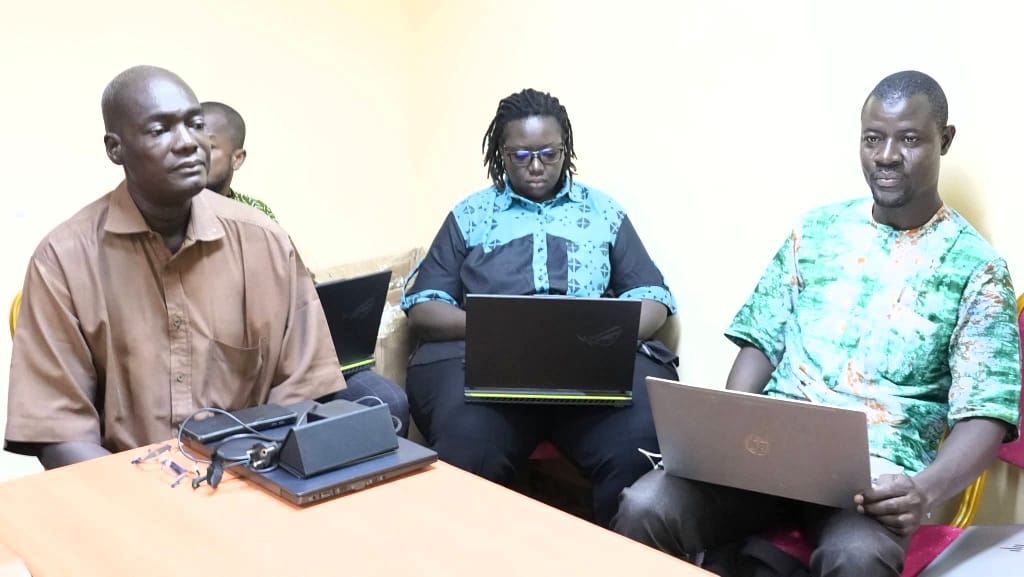
Le mardi 20 octobre 2026, ce sont les agents de la Direction générale de la transformation digitale (DGTD) qui ont pris part à l'initiative, lit-on. Pour le directeur de la cybersécurité à la DGTD, Wilfrid Batako, cette séance constitue un rappel utile des bonnes pratiques professionnelles. C'est pourquoi souhaite-t-il que de telles initiatives soient régulièrement renouvelées.
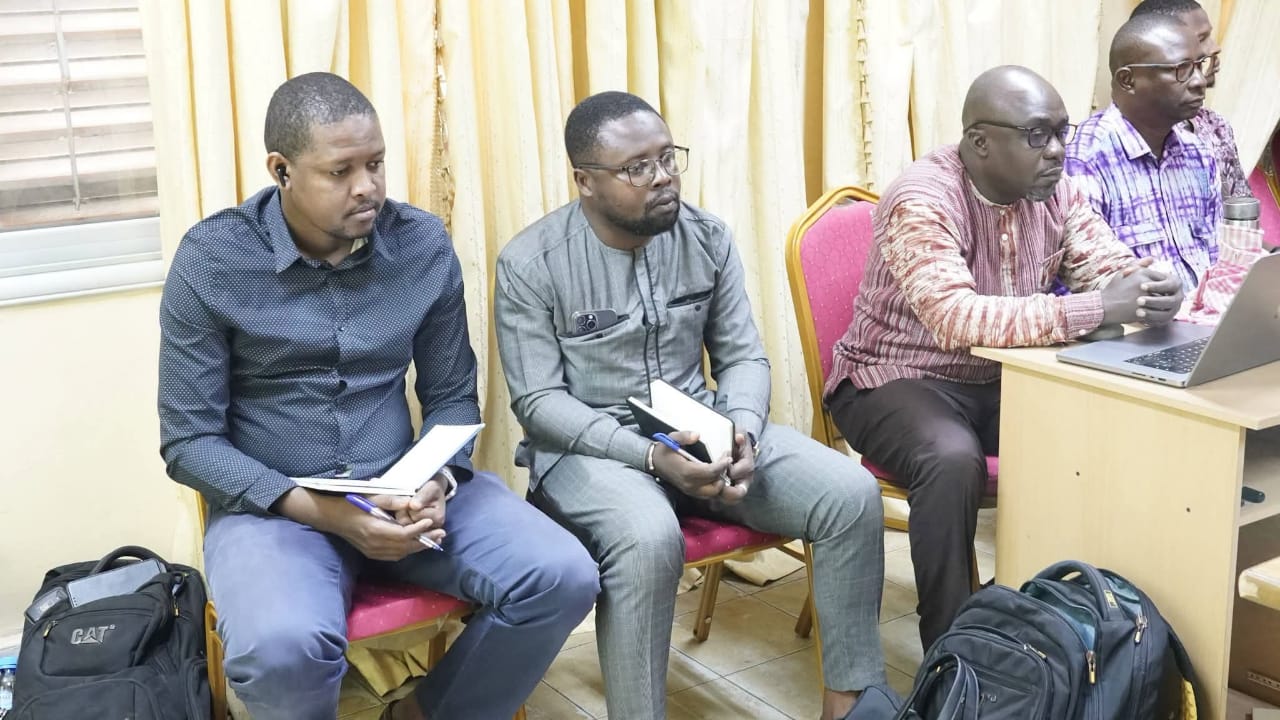
« Après sept structures concernées par cette première phase, la sensibilisation doit s'étendre aux autres entités du ministère à partir de 2027 », informe la DCRP/ MTDPCE.
Lefaso.net
Categories: Afrique
Ukraine’s Zelenskyy on mission to fix US relationship
Zelenskyy has talked to Rubio and briefed US elected officials in recent days
Categories: European Union
EPP wants Black Sea security funding in next MFF
MEPs plan visit to Bulgaria’s coast amid suspected Russian drone attacks
Categories: European Union
AMENDMENTS 881 - 1147 - Draft report Implementation of the common foreign and security policy – annual report 2026 - PE796.521v01-00
AMENDMENTS 881 - 1147 - Draft report Implementation of the common foreign and security policy – annual report 2026
Committee on Foreign Affairs
David McAllister
Source : © European Union, 2026 - EP
Committee on Foreign Affairs
David McAllister
Source : © European Union, 2026 - EP
Categories: Europäische Union
AMENDMENTS 881 - 1147 - Draft report Implementation of the common foreign and security policy – annual report 2026 - PE796.521v01-00
AMENDMENTS 881 - 1147 - Draft report Implementation of the common foreign and security policy – annual report 2026
Committee on Foreign Affairs
David McAllister
Source : © European Union, 2026 - EP
Committee on Foreign Affairs
David McAllister
Source : © European Union, 2026 - EP
Categories: Défense, European Union
Kinshasa : les recenseurs du RGPH-2 globalement bien accueillis par la population à N'Djili
La cartographie censitaire du Deuxième Recensement général de la population et de l’habitat (RGPH-2) se déroule dans un climat globalement favorable à N'Djili, l’une des 24 communes de Kinshasa concernées par l’opération. Autorités locales, agents recenseurs et habitants ont salué, lundi 19 octobre, l’accueil réservé aux équipes déployées sur le terrain, même si quelques défis sécuritaires persistent dans certains quartiers.
Categories: Afrique
Serbia accuses EU election observers of political bias
Belgrade had previously criticised members of the EP's observation mission
Categories: European Union
Kallas warns of food ‘perfect storm’ amid EU price fears
Costlier fertilisers and disrupted trade threaten to push up supermarket prices
Categories: European Union
Trial by Social Media? The Boundaries of Feminist Teaching in China
A law school professor was dismissed after online controversy over her course on women’s rights.
Categories: Diplomacy & Crisis News
Le Service national dote 14 écoles publiques de 2 000 bancs-pupitres à Mbuji-Mayi
Le Service national a remis, lundi 19 octobre 2026, 2 000 bancs-pupitres à 14 établissements scolaires publics de Mbuji-Mayi, au Kasaï-Oriental. Cette dotation, destinée à près de 7 000 élèves, concerne des écoles réparties dans trois sous-divisions de la province éducationnelle Kasaï-Oriental 1.
Categories: Afrique
Pages


© 2012-2018 Europa Varietas Foundation © 2015-2018 Europa Varietas Association
www.europavarietas.org | info(@)europavarietas(dot)org | Switzerland
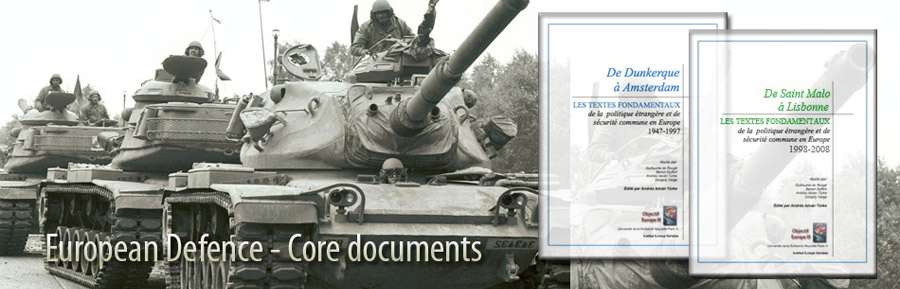
We are looking for sponsors for the English translation of these books, please contact turkeandras(at)gmail(dot)com