
You are here
Feed aggregator
Protokoll - Donnerstag, 25. Juni 2026 - PE790.755v02-00 - Ausschuss für Umweltfragen, öffentliche Gesundheit und Lebensmittelsicherheit , Ausschuss für Industrie, Forschung und Energie , Ausschuss für Sicherheit und Verteidigung
Quelle : © Europäische Union, 2026 - EP
Categories: Europäische Union, France
Intégration : Le Burkina Faso renforce les liens entre les communautés africaines vivant sur son sol
Les acteurs institutionnels et les représentants des communautés africaines vivant au Burkina Faso sont mobilisés du 19 au 22 octobre 2026 à Gaoua, chef-lieu de la région du Djôrô, pour réfléchir sur les moyens d'une intégration continentale fondée sur la souveraineté, la solidarité et les aspirations des peuples. Cette rencontre, IXè édition du Forum national de l'Intégration, se tient sous le thème :« L'intégration africaine à l'ère de la Révolution progressiste Populaire ».
Pour le gouvernement burkinabè, représenté par le ministre délégué auprès du ministère des Affaires étrangères, Stella Eldine Kabré, qui a présidé l'ouverture du forum, il y a nécessité de transformer les liens historiques et culturels entre les pays africains, en réponses concrètes aux besoins des populations : faciliter les échanges, rapprocher les administrations, encourager la mobilité des jeunes et des travailleurs et soutenir les initiatives communautaires.
Et le choix de la ville de Gaoua pour accueillir ce forum n'est pas fortuit ; elle est présentée comme un lieu de mémoire, là où le président Thomas Sankara, leader de la RDP (Révolution démocratique et populaire) et défenseur des idéaux de souveraineté, de justice sociale et d'émancipation africaine, a, entre autres liens, fait ses études primaires.
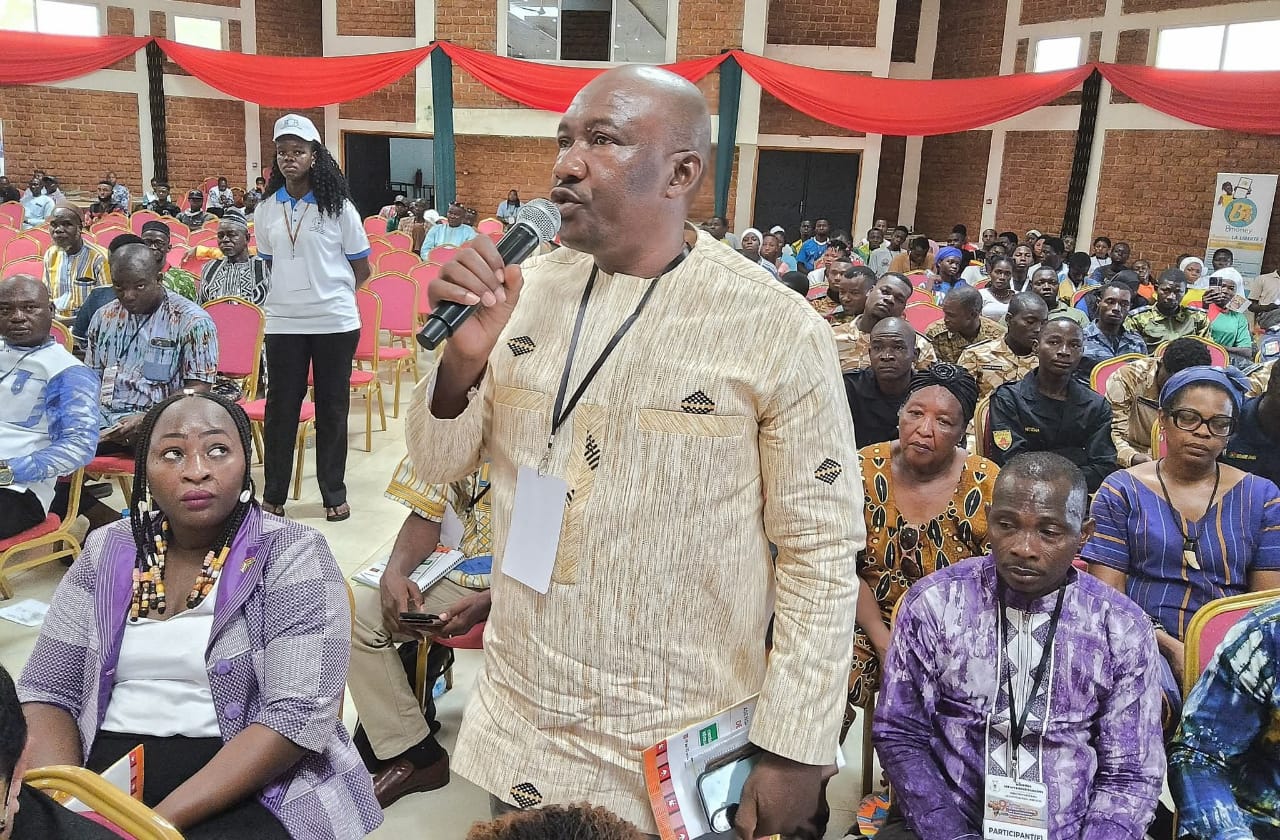
C'est pourquoi, Mme la ministre déléguée auprès du ministère des Affaires étrangères, Stella Eldine Kabré, a, s'inspirant de l'héritage du capitaine Thomas Sankara, rappelé que le Burkina Faso est une terre d'hospitalité et de fraternité, qui œuvre pour la souveraineté économique, la valorisation des capacités endogènes et la solidarité entre les peuples africains.
« Faisant un lien entre la Révolution démocratique et populaire (RDP) et la Révolution progressiste populaire (RPP), prônée par le camarade président du Faso, le capitaine Ibrahim Traoré, elle a insisté sur la nécessité de bâtir une intégration africaine fondée sur la souveraineté des peuples, la défense de leur dignité et leur pleine participation au développement du continent », a relevé Mme la ministre déléguée, Stella Eldine Kabré, réaffirmant l'engagement du Burkina Faso et de la Confédération AES pour une intégration africaine souveraine, basée sur la sécurité collective, la solidarité économique et culturelle.
Mme la ministre déléguée auprès du ministre des Affaires étrangères, Stella Eldine Kabré.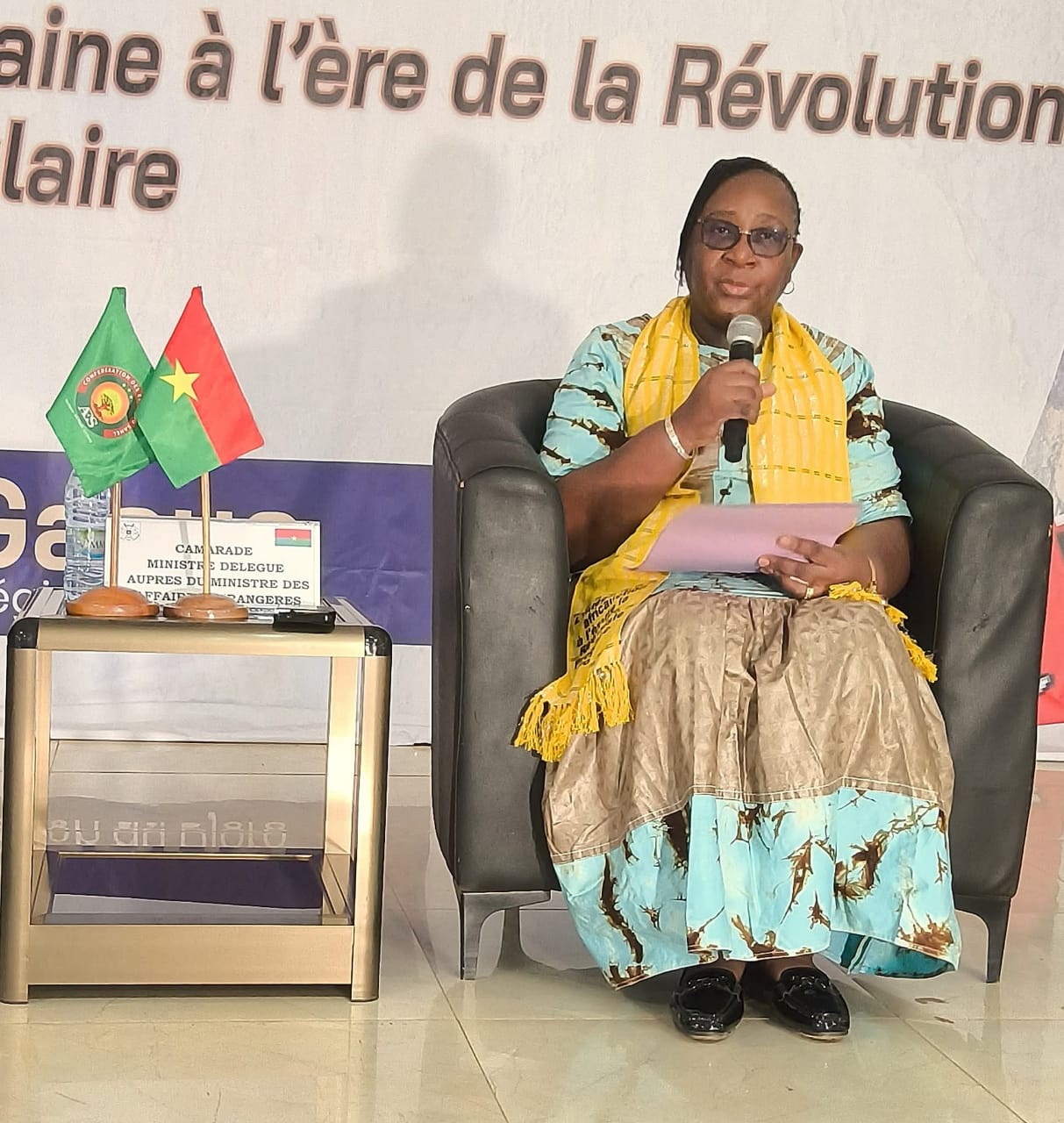
Selon l'autorité, cette vision implique une rupture avec les modèles d'intégration qui s'éloignent des préoccupations des citoyens ; l'intégration ne peut prospérer contre les peuples, elle doit se construire avec eux et pour eux. De ce fait, estime-t-elle, les mécanismes institutionnels ne devraient jamais devenir une source de souffrance pour les peuples qu'ils sont censés protéger.
Le porte-parole de la coordination des communautés africaines vivant au Burkina Faso, A. Saliou Dokpema a salué les avancées enregistrées en matière de circulation des ressortissants africains, notamment la gratuité des visas pour les citoyens des pays africains. Il note également que les conditions de déplacement vers le Burkina Faso sont aujourd'hui plus favorables qu'auparavant, permettant aux ressortissants africains de circuler avec un sentiment accru de proximité.
Pour lui, les Africains vivant au Burkina Faso se doivent donc de contribuer au développement du pays, respecter ses lois et participer à la dynamique nationale dans un esprit de solidarité. M. Dokpema apprécie en outre les bonnes relations entre les communautés étrangères et les populations burkinabè ; relations qu'il décrit comme celles familiales, marquées par une co-habitation et un vivre-ensemble, exemplaires.
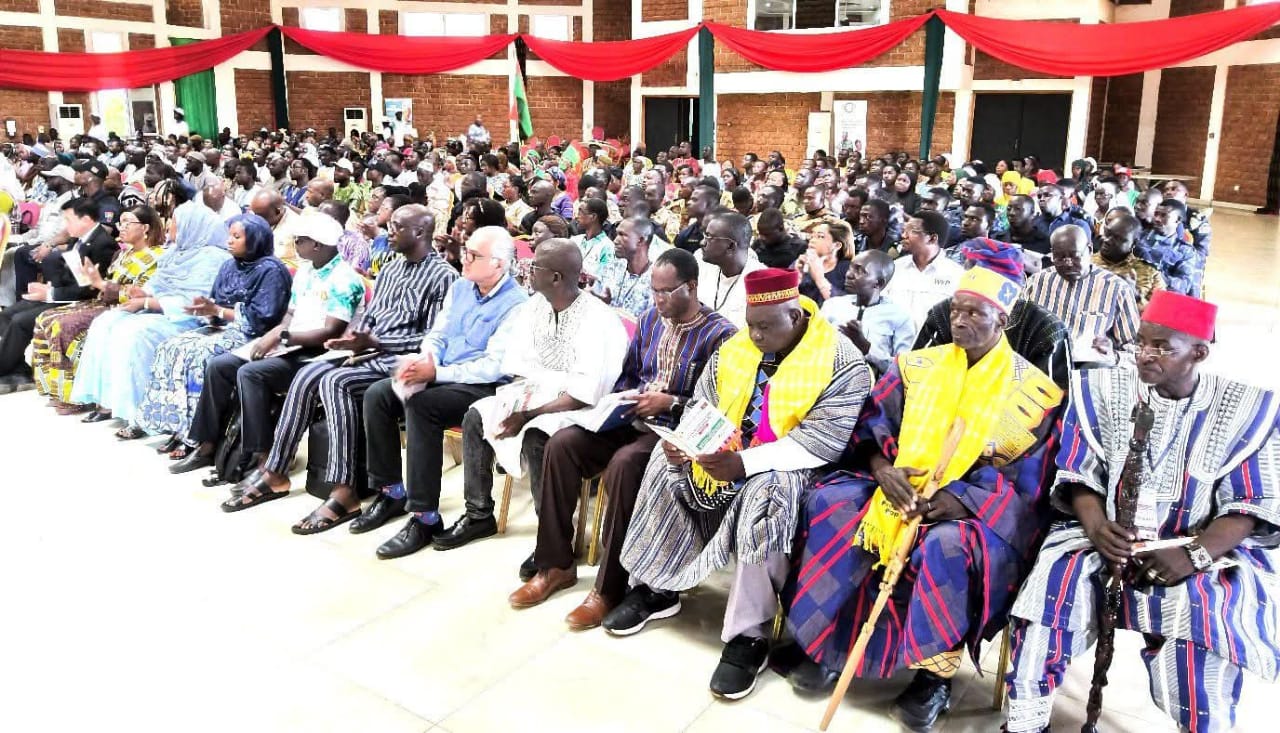
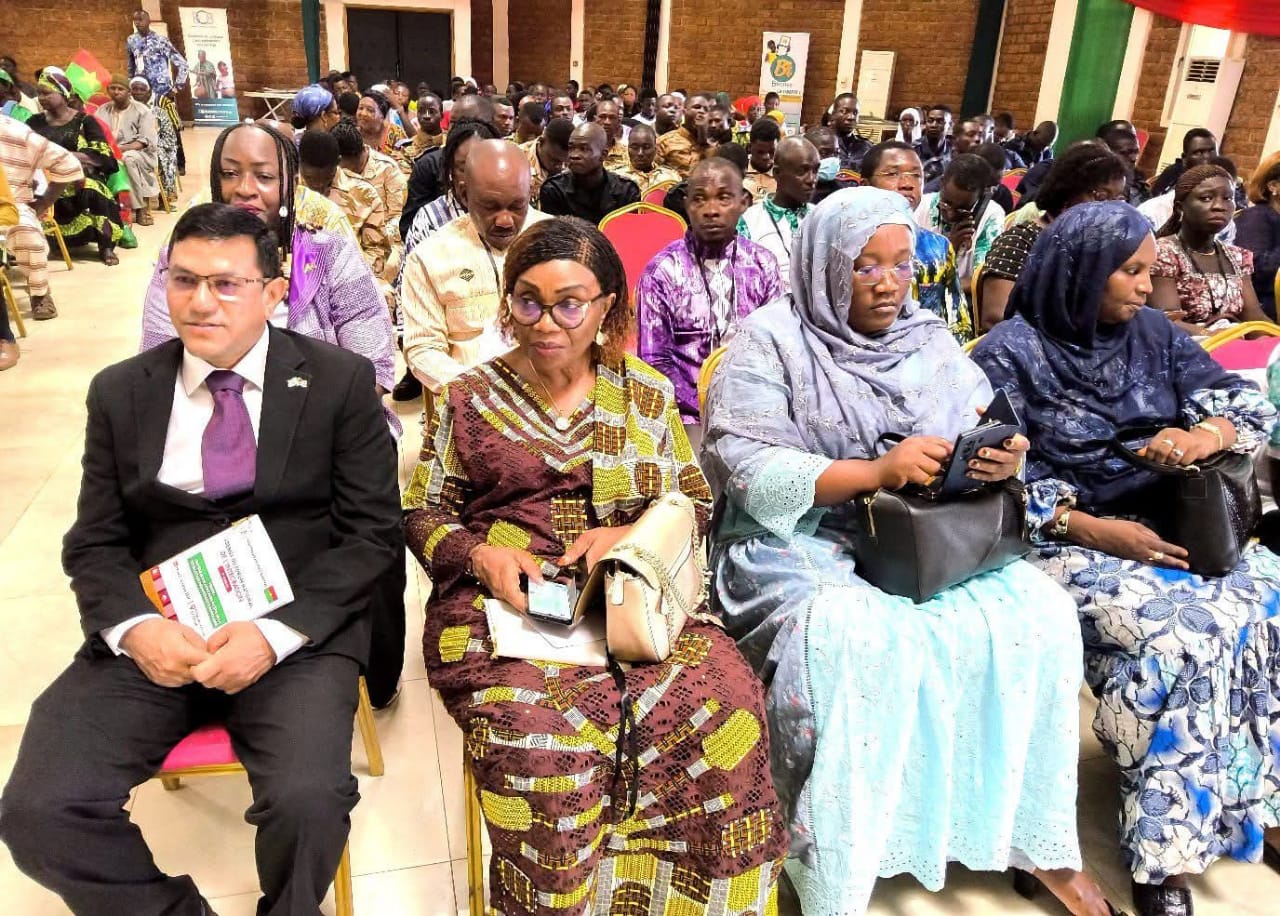
Le IXè Forum national de l'intégration comporte donc plusieurs activités, visant à raffermir les liens entre les communautés et à favoriser une connaissance des différentes cultures africaines. Ainsi, panels, dialogues thématiques, échanges directs avec les représentants des communautés vivant au Burkina Faso, exposition de stands culturels et culinaires, sport et jeux de société (tirs à l'arc, aérobic…), activités de promotion de la santé (dont des dépistages des cancers du sein et du col de l'utérus), visite touristique sur le site historique de Loropéni (patrimoine mondial de l'UNESCO) … sont au programme du Forum national de l'Intégration 2026, qui enregistre la présence également du président de la Commission nationale de l'Alliance des États du Sahel, Bassolma Bazié.
Lefaso.net
Sources : Bafujiinfos et DCRP Ministère des Affaires étrangères
Categories: Afrique
Ukraine: en visite en Norvège, Volodymyr Zelensky tente de relancer une diplomatie en crise
Volodymyr Zelensky est arrivé mardi 20 octobre en Norvège pour des entretiens avec les émissaires américains, alors que les relations entre Kiev et Washington se sont fortement tendues.
Categories: Union européenne
Weapons to Russia, Wigs to China: How North Korea Balances Its Allies
A clear division of labor ensures North Korea’s alliances with Russia and China are complementary, not competitive with each other.
Categories: Diplomacy & Crisis News
À São Paulo, les sans-terre à la conquête des populations urbaines
Depuis sa fondation, en 1984, les quelque deux millions de membres revendiqués du Mouvement des travailleurs ruraux sans terre (MST) militent pour une réforme agraire au Brésil, en occupant des terres pour les cultiver jusqu'à obtenir leur régularisation par l'État. / Brésil, Agriculture, (…)
/ Brésil, Agriculture, Réforme agraire, Mouvement de contestation
Categories: Diplomacy & Crisis News
11. ÖAW-STAT Lecture: Sabine Zinn über die Bedeutung von Langzeitstudien für evidenzbasierte Politik
Wie lassen sich gesellschaftlicher Wandel, soziale Ungleichheiten und individuelle Lebensverläufe über die Zeit hinweg verstehen? Mit dieser Frage beschäftigt sich die 11. ÖAW-STAT Lecture am 21. Oktober 2026 in Wien. Zu Gast ist Sabine Zinn, Direktorin des Sozio-oekonomischen Panels (SOEP) am ...
Categories: Diplomacy & Defense Think Tank News
Attaques armées à Ménaka, au Mali : Ce que l'on sait du massacre de plus de 40 civils
Plus de 40 civils ont été tués dimanche 18 octobre dernier dans la localité de Tagadayat, près de Tinabow, dans la région de Ménaka, au nord-est du Mali. Selon plusieurs sources locales et sécuritaires rapportées lundi par l’AFP, les attaques ont été perpétrées par des hommes armés à bord de motos.
Categories: Afrique
France’s sick leave costs surge as social security deficit widens
Auditors urge spending restraint as shortfall heads towards €21.8 billion in 2027
Categories: European Union
What if No One Wins the Israeli Election?
Netanyahu’s opponents are ahead but will struggle to form a coalition.
Categories: Diplomacy & Crisis News
Un blessé grave et des dégâts matériels à Djidja
Un accident de la circulation s'est produit dans la matinée de ce mardi 20 octobre 2026 à Avocanzoun, une localité de la commune de Djidja, dans le département du Zou. Le bilan provisoire fait état d'un blessé grave et d'importants dégâts matériels.
Accident à Djidja ce mardi 20 octobre 2026. Un véhicule bâché transportant des commerçantes en route pour le marché d'Agouna et un tricycle seraient entrés en collision. Selon les témoignages recueillis sur place, un dépassement mal maîtrisé serait à l'origine du choc. Sous la violence de l'impact, le véhicule bâché a quitté la chaussée avant de terminer sa course dans un grand caniveau. D'importants dégâts matériels ont été enregistrés.
Le bilan humain selon nos sources, fait état d'un blessé grave, évacué à l'hôpital de zone de Mougnon.
Les éléments du commissariat de Mougnon se sont rendus sur les lieux pour procéder au constat.
F. A. A.
Categories: Afrique
Bougainville Needs a Credible Timetable for PNG’s Independence Vote. Australia Can Help.
Canberra should stay out of what Port Moresby decides on Bougainville, but it can push for a concrete timeline for the decision.
Categories: Diplomacy & Crisis News
EU to broach demand reduction as energy crisis deepens
Bloc's energy chief warns of 'tough winter'
Categories: European Union
Double Chance : les numéros tirés ce mardi
LES RÉSULTATS DOUBLE CHANCE SONT LÀ !
LOTO FORTUNE Tirage N°168/26
Mardi 20 Octobre 2026 (14H)
– Zone A (5 premiers numéros) :
51 • 52 • 35 • 45 • 14
– Zone B (5 derniers numéros) :
38 • 59 • 90 • 67 • 75

Félicitations aux heureux gagnants.
Pas encore cette fois ? Gardez le sourire !
Rendez-vous à 18H pour le prochain tirage.
Jouez avec modération et responsabilité. Le jeu doit rester un plaisir.
A TOI DE JOUER #Akaxòa
#LNBSA #XòGbɔnAlɔkpaVo #JeuResponsable #LaChanceAvecModération
Categories: Afrique
Madagascar, nouvelle terre de recrutement et d’influence pour la Russie
« Madagascar, un an après le coup d’Etat » (4/4). Mi-août, la mort sur le front ukrainien d’un Malgache enrôlé par l’armée russe a mis en lumière la discrète campagne de recrutement militaire sur la Grande Ile. Depuis l’arrivée du colonel Randrianirina, le pays a entamé un rapprochement généralisé avec la Russie, au grand dam de Paris.
Categories: Afrique, Diplomacy & Crisis News
Crise politique et sécuritaire en RDC : l’Union africaine soutient le dialogue inclusif et l’ordre constitutionnel
Le président de la Commission de l’Union africaine, Mahmoud Ali Youssouf, a réaffirmé, lundi 19 octobre, l’engagement de l’organisation continentale en faveur de la paix, de la stabilité et du dialogue en République démocratique du Congo (RDC).
Categories: Afrique
CASS-mentesség kismamáknak, „felmelegített” oktatási intézkedések – megnéztük a kormányprogramot
A megelőzésre, a vidéki egészségügyi ellátás fejlesztését célozza meg egyebek mellett a Luca Niculescu által benyújtott kormányprogram egészségügyi fejezete. A vidéki térségekben korszerűsítenék a közösségi egészségügyi központokat, és lakhatási támogatással, illetve pénzügyi ösztönzőkkel segítenék az orvosok és más egészségügyi dolgozók megtartását. A program az orvosi ügyeleti rendszer átalakítását és az ügyeleti díjak fokozatos emelését is […]
Articolul CASS-mentesség kismamáknak, „felmelegített” oktatási intézkedések – megnéztük a kormányprogramot apare prima dată în Kolozsvári Rádió Románia.
Categories: Határon túli magyar portálok összesített hírei
Romania ends political deadlock with left-technocrat government
Niculescu pledged to attract investment, create jobs and strengthen Europe
Categories: European Union
People Who Choose to End Their Lives
Decisions about ending one’s life are often complex, reflecting a combination of medical, psychological, social, and personal considerations. Credit: Shutterstock
By Joseph Chamie
PORTLAND, USA, Oct 20 2026 (IPS)
People who choose to end their lives through voluntary assisted dying typically face terminal, incurable, or debilitating conditions that cause severe physical or psychological suffering.
Research on requests for medical assistance in dying and euthanasia shows that most individuals seeking these options have advanced, irreversible illnesses or incurable, debilitating conditions that cause severe suffering or diminish their autonomy, dignity, or the ability to engage in meaningful activities.
Despite becoming legally permitted in an increasing number of countries, voluntary assisted dying remains controversial. The debate centers on a fundamental tension between respecting personal autonomy and relieving suffering, on the one hand, and protecting human life, on the other
Although physical pain is an important factor, psychological, existential, and quality-of-life concerns also play major roles in decisions to end life. These include losing independence and physical abilities, losing control over bodily functions, depending on others for basic care, and fearing future pain, suffering, and distress during the final stages of an illness.
Eligibility requirements for medical assistance in dying vary by jurisdiction. Where access is restricted to terminally ill patients, individuals generally must have a prognosis of six months or less to live.
Other jurisdictions permit access under different eligibility criteria. Applicants generally must demonstrate decision-making capacity and make a voluntary, informed request. Independent medical assessments are generally required, and many jurisdictions impose waiting periods or other safeguards.
Amyotrophic lateral sclerosis (ALS), cancer, and other serious illnesses are frequently associated with requests for voluntary assisted dying. Other requests involve advanced cardiovascular and lung diseases, as well as neurodegenerative conditions, including Alzheimer’s disease and other forms of dementia.
Cancer, particularly when advanced and no longer responsive to treatment, can also involve severe pain, weakness, loss of function, and other debilitating symptoms. Other requests for voluntary assisted dying include terminal illnesses such as advanced cardiovascular and lung diseases and neurodegenerative conditions, such as Alzheimer’s disease and other forms of dementia.
Severe physical pain or psychological distress that cannot be adequately relieved through standard medical or palliative care may lead some people to consider ending their lives. However, the reasons for requesting voluntary assisted dying generally extend beyond physical pain alone.
Loss of autonomy, including the inability to engage in meaningful activities, care for oneself, or maintain personal dignity, may strongly influence these decisions. Some individuals also fear increasing dependence on family members or caregivers, losing control over basic aspects of daily life, or experiencing further deterioration in their quality of life.
Decisions about ending one’s life are often complex, reflecting a combination of medical, psychological, social, and personal considerations. For some individuals, the prospect of prolonged deterioration or increasing dependence may be as important as the symptoms of the underlying illness.
Consequently, requests for voluntary assisted dying generally require careful assessment of an individual’s medical condition, decision-making capacity, wishes, and available alternatives, including palliative and hospice care.
When people actively choose the timing and manner of their death, their choices generally fall into three primary categories, each governed by different legal frameworks, medical protocols, and procedures.
These categories differ principally in who administers the life-ending medication, whether the person must take the medication themselves, and whether the choice involves voluntarily forgoing food and fluids rather than receiving life-ending medication (Table 1).
Source: Compassion & Choices.
The first category is medical aid in dying (MAID), also known as physician-assisted dying or, in some jurisdictions, death with dignity. MAID allows a mentally capable, terminally ill adult who meets specific legal requirements to request and self-administer prescribed medication intended to end their life. In many U.S. jurisdictions where MAID is legal, eligibility generally requires a terminal illness with a prognosis of six months or less, although specific requirements vary by jurisdiction.
The emphasis on self-administration is an important distinction between MAID and voluntary euthanasia. Under MAID, the individual—not a physician or other health professional—takes the medication, retaining control over the timing of the final act. Depending on the jurisdiction, safeguards may include repeated requests, confirmation of the diagnosis and prognosis, assessment of decision-making capacity, and other measures to ensure the decision is voluntary and informed.
MAID is generally intended for people who meet specific legal eligibility requirements. It is not a general option for anyone experiencing suffering or wishing to die. Each jurisdiction determines who qualifies, what medical assessments are required, how requests must be documented, and what waiting periods and other safeguards apply.
The second category is voluntary euthanasia. Unlike MAID, which involves self-administration, voluntary euthanasia occurs when a healthcare professional administers medication intended to end the patient’s life at the individual’s explicit and competent request, typically to relieve otherwise intolerable suffering. It is legally permitted in several countries and jurisdictions, although eligibility requirements, procedures, and safeguards vary considerably.
The third category is voluntarily stopping eating and drinking (VSED). For people who do not qualify for MAID or live where MAID or voluntary euthanasia is unavailable, VSED may be another end-of-life option. It involves a voluntary decision to stop consuming food and fluids, eventually resulting in death. Medical and palliative care may be provided to relieve discomfort during the process.
Voluntary assisted dying is legally permitted in a growing number of countries. In 2026, some form of the practice is legal in approximately 16 countries. Estimates indicate that more than 30,000 people die each year through voluntary assisted dying in jurisdictions where the practice is permitted.
Nearly 5% of the world’s population, or more than 400 million people, live in countries or areas where some form of voluntary assisted dying is legal. These jurisdictions include Australia, Austria, Belgium, Canada, Colombia, Ecuador, France, Germany, Luxembourg, the Netherlands, New Zealand, Portugal, Spain, Switzerland, and Uruguay.
In the United States, Illinois and New York recently joined 11 other states and the District of Columbia in permitting medical aid in dying (MAID) under specified conditions. Nearly one-third of the U.S. population lives in a state where the practice is permitted.
About 60% of U.S. adults consider MAID acceptable or do not view it as a moral issue. Opinions differ by political party, however. About 75% of Democrats compared with 50% of Republicans consider the practice morally acceptable.
Across many regions, including North America, Europe, and Australia, international opinion polls generally find majority support for voluntary assisted dying. A cross-sectional survey of physicians in 17 countries also found nuanced but generally supportive views of physician-assisted death when strict safeguards are in place.
Methods of administering medication also vary across jurisdictions. In Switzerland, individuals self-administer the medication, usually by swallowing a liquid. In Québec, Canada, physicians or nurse practitioners administer it, usually intravenously. In Australia, both self-administration and practitioner administration are permitted.
The laws governing voluntary assisted dying differ considerably across countries and jurisdictions. Nevertheless, the medical conditions and personal circumstances associated with requests for assisted dying tend to show similar patterns across regions and over time.
People with ALS, for example, have been found to have the highest rate of voluntary assisted dying, often several times those of cancer patients. Cancer patients, in turn, are more likely to access voluntary assisted dying than people with other illnesses, such as lung or heart disease. However, cancer remains the most common diagnosis among assisted dying cases, largely because it affects far more people than these other conditions.
Voluntary assisted dying accounts for a relatively small share of all deaths in countries where it is permitted, generally 1% or less in countries such as Germany, Spain, and Switzerland. In other countries, the proportions are considerably higher. Around 2023, assisted dying accounted for 5.4% of deaths in the Netherlands, 4.7% in Canada, and 3.6% in Belgium.
The number of voluntary assisted deaths has increased substantially in some countries. In the Netherlands, for example, the number has reportedly increased threefold since 2002. In Canada, the number initially increased rapidly before growth slowed; assisted dying now accounts for nearly 5% of all deaths.
Despite becoming legally permitted in an increasing number of countries, voluntary assisted dying remains controversial. The debate centers on a fundamental tension between respecting personal autonomy and relieving suffering, on the one hand, and protecting human life, on the other (Table 2).
Source: British Medical Association (BMA).
Arguments in favor of voluntary assisted dying emphasize patient autonomy, relief from suffering, dignity at the end of life, regulatory safeguards, and reduced burdens on families. Arguments against it stress the sanctity of life, risks to vulnerable people, the potential for a “slippery slope”, concerns about medical ethics, and the importance of palliative care.
In sum, voluntary assisted dying is legally permitted in a growing number of countries and jurisdictions, and its use has increased substantially in many of them. Nevertheless, voluntary assisted dying remains a sensitive, controversial, and deeply personal issue, even where it is legally permitted.
Joseph Chamie is a consulting demographer, a former director of the United Nations Population Division, and author of numerous publications on population issues.
Categories: Africa
Data Centers in the Crosshairs
Why digital connectivity has become the new front in modern warfare.
Categories: Diplomacy & Crisis News
Taiwan’s Tech Diplomacy Has a Labor Problem
Migrant worker recruitment debt threatens the island’s access to Western markets and its ties with Southeast Asia.
Categories: Diplomacy & Crisis News
Pages


© 2012-2018 Europa Varietas Foundation © 2015-2018 Europa Varietas Association
www.europavarietas.org | info(@)europavarietas(dot)org | Switzerland

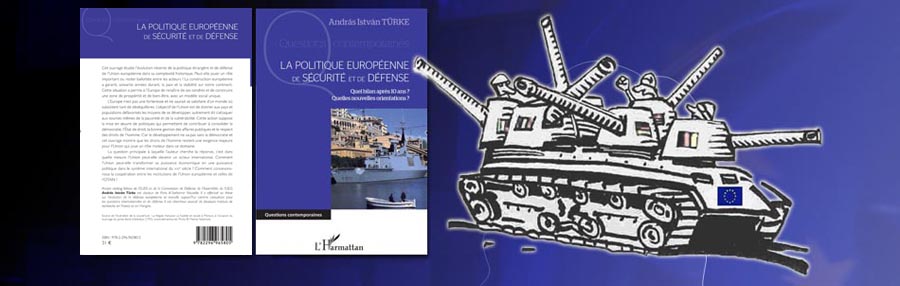
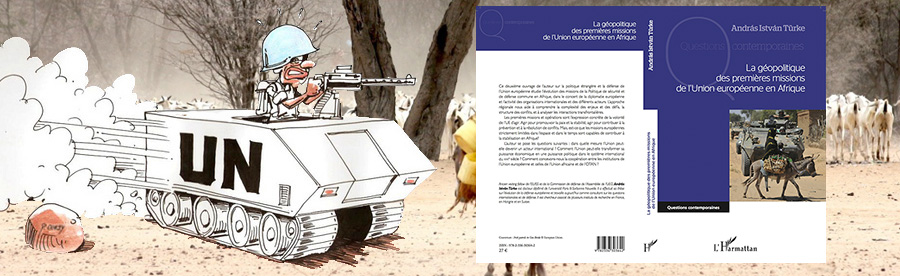
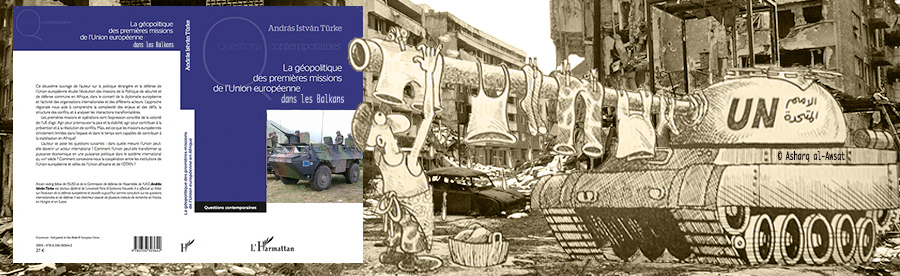
We are looking for sponsors for the English translation of these books, please contact turkeandras(at)gmail(dot)com