
You are here
Feed aggregator
Communiqué de presse - Les députés demandent une action de l'UE pour lutter contre la répression transnationale
Les députés condamnent fermement les actes de "répression transnationale" et demandent à l’UE et aux États membres d’adopter une approche de tolérance zéro.
Commission des affaires étrangères
Source : © Union européenne, 2026 - PE
Commission des affaires étrangères
Source : © Union européenne, 2026 - PE
Categories: Afrique, Union européenne
Sajtóközlemény - EU–USA kereskedelem: az EP zöld utat adott a vámszabályoknak
A Parlament kedden jóváhagyott két rendeletjavaslatot, amelyek az EU és az USA közötti 2025. augusztusi közös nyilatkozatban vállalt uniós vámkötelezettségeket hajtják végre.
Nemzetközi Kereskedelmi Bizottság
Forrás : © Európai Unió, 2026 - EP
Nemzetközi Kereskedelmi Bizottság
Forrás : © Európai Unió, 2026 - EP
European Parliament clears way for EU-US trade pact
Parliament approves Washington deal while fresh trade threats emerge
Categories: European Union
Everyone Lost the War With Iran
Months of fighting revealed that multiple countries can impose costs, but none can impose order.
Categories: Diplomacy & Crisis News, France
Az RMDSZ nem vesz részt Adrian Veștea kormányában
Az RMDSZ politikusai hétfőn találkoztak Adrian Veștea kijelölt miniszterelnökkel, aki kormányzati részvételt ajánlott a Szövetségnek. Az RMDSZ Szövetségi Állandó Tanácsa azonban kedden, szinte 3 órás ülésen úgy döntött, hogy nem kíván tagja lenni Adrian Veștea kijelölt miniszterelnök kabinetjének. Az RMDSZ szóvivője, Csoma Botond, a Szövetség képviselőházi frakcióvezetője az ülés után azt nyilatkozta, a döntés egyik […]
Articolul Az RMDSZ nem vesz részt Adrian Veștea kormányában apare prima dată în Kolozsvári Rádió Románia.
Categories: Afrique, Határon túli magyar portálok összesített hírei
Czech MEP rules out quitting Patriots for ECR
Antonín Staněk will not join ECR, but Nikola Bartůšek is expected to
Categories: European Union
BUDGET BRIEF: ‘Nego box’ battle heads for EUCO
Including: ‘Nego box’ check, Meloni’s rebate debate, Poland vs ETS own resource and more
Categories: European Union
Communiqué de presse - Législation sur l’IA: Le Parlement approuve les mesures de simplification et l’interdiction des applications de nudification
Les mesures de simplification visent à aider les entreprises à se conformer à la loi sur l'IA, tout en préservant ses principales dispositions et son approche fondée sur les risques.
Commission du marché intérieur et de la protection des consommateurs
Commission des libertés civiles, de la justice et des affaires intérieures
Source : © Union européenne, 2026 - PE
Commission du marché intérieur et de la protection des consommateurs
Commission des libertés civiles, de la justice et des affaires intérieures
Source : © Union européenne, 2026 - PE
Categories: Afrique, Union européenne
Sajtóközlemény - Az EP jóváhagyta a MI-rendelet halasztását és a „vetkőztető” appok betiltását
A módosítások célja támogatni a vállalatokat abban, hogy megfeleljenek a mesterséges intelligenciáról szóló jogszabálynak, illetve megőrizni a jogszabály fő rendelkezéseit.
Belső Piaci és Fogyasztóvédelmi Bizottság
Állampolgári Jogi, Bel- és Igazságügyi Bizottság
Forrás : © Európai Unió, 2026 - EP
Belső Piaci és Fogyasztóvédelmi Bizottság
Állampolgári Jogi, Bel- és Igazságügyi Bizottság
Forrás : © Európai Unió, 2026 - EP
Communiqué de presse - Le Parlement soutient l'aide de l'UE en faveur des travailleurs belges licenciés
Mardi, les députés ont voté en faveur de la mobilisation de 2 millions d'euros d'aide de l'UE pour aider les anciens travailleurs de Soliver, à la suite de la faillite de l'entreprise.
Commission des budgets
Source : © Union européenne, 2026 - PE
Commission des budgets
Source : © Union européenne, 2026 - PE
Categories: Afrique, Union européenne
Communiqué de presse - Approbation définitive de nouvelles mesures pour soutenir les agriculteurs dans la chaîne d’approvisionnement alimentaire
Mardi, le Parlement a approuvé de nouvelles règles visant à renforcer la position contractuelle des agriculteurs et à contribuer à stabiliser leurs revenus.
Commission de l'agriculture et du développement rural
Source : © Union européenne, 2026 - PE
Commission de l'agriculture et du développement rural
Source : © Union européenne, 2026 - PE
Categories: Afrique, Union européenne
Press release - Fertiliser prices: MEPs fast-track work on farmer support
On Tuesday, Parliament agreed to use the urgent procedure for measures to support farmers affected by rising fertiliser prices.
Committee on Agriculture and Rural Development
Source : © European Union, 2026 - EP
Committee on Agriculture and Rural Development
Source : © European Union, 2026 - EP
Categories: Diplomacy & Defense Think Tank News, Europäische Union
Press release - Fertiliser prices: MEPs fast-track work on farmer support
On Tuesday, Parliament agreed to use the urgent procedure for measures to support farmers affected by rising fertiliser prices.
Committee on Agriculture and Rural Development
Source : © European Union, 2026 - EP
Committee on Agriculture and Rural Development
Source : © European Union, 2026 - EP
Categories: Afrique, Európai Unió : hírek magyarul
Press release - Fertiliser prices: MEPs fast-track work on farmer support
On Tuesday, Parliament agreed to use the urgent procedure for measures to support farmers affected by rising fertiliser prices.
Committee on Agriculture and Rural Development
Source : © European Union, 2026 - EP
Committee on Agriculture and Rural Development
Source : © European Union, 2026 - EP
Categories: European Union
Press release - Fertiliser prices: MEPs fast-track work on farmer support
On Tuesday, Parliament agreed to use the urgent procedure for measures to support farmers affected by rising fertiliser prices.
Committee on Agriculture and Rural Development
Source : © European Union, 2026 - EP
Committee on Agriculture and Rural Development
Source : © European Union, 2026 - EP
Categories: European Union
RDC-RCA : la députée Grâce Neema salue la reprise annoncée du rapatriement des réfugiés
La décision de relancer, dès le mois de juillet prochain, le processus de rapatriement volontaire des réfugiés centrafricains et congolais suscite un immense soulagement dans les zones frontalières de la RDC.
Categories: Afrique
Pressemitteilung - Handelsabkommen der EU mit den USA: Parlament gibt grünes Licht
Am Dienstag billigte das Parlament zwei Gesetze zur Umsetzung der Zollverpflichtungen der EU im Rahmen der gemeinsamen Erklärung der EU und der USA vom August 2025.
Ausschuss für internationalen Handel
Quelle : © Europäische Union, 2026 - EP
Ausschuss für internationalen Handel
Quelle : © Europäische Union, 2026 - EP
Categories: Diplomacy & Defense Think Tank News, Europäische Union
Press release - EU-US trade: Parliament gives its green light to tariff legislation
On Tuesday, MEPs gave their final approval to two pieces of legislation implementing EU tariff commitments under the August 2025 EU-US joint statement.
Committee on International Trade
Source : © European Union, 2026 - EP
Committee on International Trade
Source : © European Union, 2026 - EP
Categories: European Union
Press release - EU-US trade: Parliament gives its green light to tariff legislation
On Tuesday, MEPs gave their final approval to two pieces of legislation implementing EU tariff commitments under the August 2025 EU-US joint statement.
Committee on International Trade
Source : © European Union, 2026 - EP
Committee on International Trade
Source : © European Union, 2026 - EP
Categories: European Union
Press release - MEPs demand EU action to fight transnational repression
MEPs strongly condemn acts of “transnational repression” and demand the EU and member states adopt a zero-tolerance approach.
Committee on Foreign Affairs
Source : © European Union, 2026 - EP
Committee on Foreign Affairs
Source : © European Union, 2026 - EP
Categories: Diplomacy & Defense Think Tank News, Europäische Union
Pages


© 2012-2018 Europa Varietas Foundation © 2015-2018 Europa Varietas Association
www.europavarietas.org | info(@)europavarietas(dot)org | Switzerland
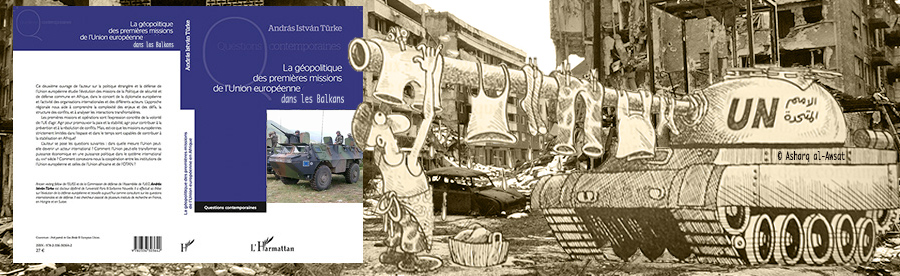
We are looking for sponsors for the English translation of these books, please contact turkeandras(at)gmail(dot)com