
You are here
Biztonságpolitika
Wettbewerb Grüner Wertstoffhof: Deutsche Umwelthilfe ehrt Gewinner in Straubing und Herford für exzellente Beiträge zum Ressourcen- und Klimaschutz
Deutsche Umwelthilfe e.V.: Berlin (ots) - - Entsorgungszentrum Sachsenring (Straubing) und SWK Wertstoffhof mit Secondhand-Kaufhaus (Herford) gewinnen dritte Runde des Wettbewerbs "Grüner Wertstoffhof" - Gewinner überzeugen durch ausgezeichneten Service und großes ...
Categories: Biztonságpolitika
Kreativität trifft Technologie: Innovation für Deutschland
Autodesk: München (ots) - Gebäude, Infrastruktur, Produkte - vieles, was unseren Alltag prägt, ist das Ergebnis intensiver kreativer Arbeit. In einer zunehmend komplexen Welt, die von technologischem Wandel, Ressourcenknappheit und steigenden ...
Categories: Biztonságpolitika
BESZÉLGETÉS LÁSZLÓ FERENC HELIKOPTERPILÓTÁVAL, 1. RÉSZ
László Ferenc mezőgazdasági és légimentő pilóta néhány évvel ezelőtt ment nyugdíjba, lezárva egy igencsak gazdag pályafutást. Közel ötven év levegőben szerzett élményeit nem könnyű röviden összefoglalni – de azért megpróbáltuk. László Ferenccel Kaposvár melletti otthonában beszélgettem.
A történet valamikor a hatvanas években kezdődött, egy Rubik-féle vitorlázógép, az R-15 Koma fedélzetén. Ilyen kétüléses géppel mutatta meg a repülés élményét az akkor még csak három éves László Ferencnek az édesapja. Az apa – aki tudta, hogy aggódó felesége nagyon félti a fiukat – a hazavezető úton többször is kérte, hogy a repülés maradjon kettőjük között. Hazaérve a kisfiú első mondata az élmény hatására természetesen az volt, hogy „Anyu, láttam fentről az erdőt!” Aznap nem csak az erdőt látta fentről, hanem életében először azt is, hogy néz ki valaki infarktus közeli állapotban...
Categories: Biztonságpolitika
Simon-Kucher wächst 2025 um sechs Prozent - Umsatz bei 606 Millionen Euro
Simon - Kucher & Partners: Köln (ots) - Während viele Unternehmen Investitionen zurückstellen, steigert die globale Strategieberatung Simon-Kucher ihren Umsatz im Jahr 2025 um sechs Prozent auf 606 Millionen Euro. Gefragt sind vor allem Projekte mit unmittelbarem ...
Categories: Biztonságpolitika
Aus dem Blick verloren: Auswertung aus ADAC Autotest zeigt, dass die Rundumsicht immer schlechter wird
ADAC: München (ots) - Die Rundumsicht aus einem Fahrzeug heraus ist ein maßgeblicher Sicherheitsfaktor. Mehr als jeder vierte Unfall außerorts passiert beim Ab- oder Einbiegen sowie an Kreuzungen. Ein wesentlicher Grund dafür ist das Übersehen ...
Categories: Biztonságpolitika
Basketball live bei MagentaSport: Start ins Heim-WM-Jahr geglückt! Bundestrainer Lange feiert mit DBB-Frauen Sieg "mit viel Herz" gegen Südkorea - Chemnitzer EuroCup-Erfolgsstory endet im Achtelfinale
MagentaSport: München (ots) - Erfolgreicher Auftakt für die deutsche Basketball-Nationalmannschaft der Frauen auf dem Weg zur Heim-Weltmeisterschaft in Berlin: Beim WM-Quali-Fenster in Villeurbanne/Lyon fährt die Auswahl des Deutschen Basketball Bundes (DBB) ...
Categories: Biztonságpolitika
Countries Agree to Historic Emergency Oil Reserve Release
IEA member states will distribute 400 million barrels of oil to ease the Iran war-caused supply crunch.
Komolyan vett fegyverintegráció
Túlzás nélkül bombaként robbant a meghatározó délszláv repülési szakportálon, a Tango Sixen minap nyilvánosságra hozott két fotó, melyek két, napjaink légi hadviselésében kötelező, illetve erősen javallott, stand-off fegyverfajta szerb légierőben történő megjelenését adta hírül. A precíziós irányítású siklóbombáról és a légi indítású (aero/kvázi)ballisztikus rakétáról van szó, melyek kínai képviselőit, az LS-6-ot és a CM-400AKG-t szemmel láthatóan beszerzi és rendszeresíti déli szomszédunk, nyolcvanas években gyártott és az elmúlt években korszerűsített MiG-29SzM+-jaira integrálva. Perspektivikusan ezek a pusztítóeszközök egy második harcirepülő század beszerzését is előre vetítik a Rafale-val felszerelt mellé (~Orao utódnak), valószínűleg kínai típussal.
A Tango Six hírének köszönhető retrospektív felfedezés a tavalyi belgrádi Partner kiállításon készített képem tartalma - és jelentősége. A képesség technikai kulcsa a mindkét új függesztmény hordozására képes többfunkciós stand alone bombatartó/indítóberendezés (SWFCS/WZHK-1) mely a fegyverintegrációs munka minimalizálásának szükségességét szem előtt tartva készült.
A Partner 25-öt megelőző hétvégén lezajlott belgrádi parádé (250920) legutolsó áthúzását bemutató MiG-29-esén is jó eséllyel már ez az új tartó volt látható. Azaz csak lenne, ha az autofókusz nem hagyott volna cserben és nem lenne egy hasonlóan nagyméretű másik indítóberendezése is a szerb MiG-29-eseknek, az orosz H-29 és H-31 rakétákhoz szükséges AKU-58-as.
Zord
Categories: Biztonságpolitika
Bundestagspräsidentin Julia Klöckner (CDU): In der Ukraine ist die Sorge groß, vergessen zu werden
PHOENIX: Kiew/Bonn (ots) - 11. März 2026 - Bundestagspräsidentin Julia Klöckner hat bei ihrem heutigen Besuch in der ukrainischen Hauptstadt Kiew in allen Gesprächen mit politisch Verantwortlichen die Befürchtung wahrgenommen, dass angesichts des ...
Categories: Biztonságpolitika
LMU München weiterhin Spitze: Status als Exzellenzuniversität bestätigt
Ludwig-Maximilians-Universität München: München (ots) - Die Ludwig-Maximilians-Universität München (LMU) ist weiterhin Exzellenzuniversität - dies hat eine internationale Jury im Rahmen der Exzellenzstrategie von Bund und Ländern entschieden. So festigt die LMU ihren Status als ...
Categories: Biztonságpolitika
Le litre à la pompe passe de 3 200 à 4 500 FC à Beni
Le prix du litre de carburant à la pompe est passé de 3 200 francs congolais à 4 500 francs congolais dans la ville de Beni, chef‑lieu provisoire du Nord‑Kivu.
Cette hausse d’au moins 40 % a été décidée au cours d’un échange organisé mardi 10 mars entre les opérateurs pétroliers et le chef de la Division provinciale de l’Économie du Nord‑Kivu.
Après ce compromis, les stations‑service ont rouvert leurs portes, après cinq jours de fermeture destinés à exprimer leur ras‑le‑bol.
Categories: Afrique, Biztonságpolitika
L’ONU et l’Union européenne réaffirment leur engagement pour la paix et la stabilisation de l’Ituri
Categories: Afrique, Biztonságpolitika
LIPROBAKIN : BC Espoir Fukash, BC Chaux Sport et BC Banaé Mboka gagnent leurs matches
Lors de la deuxième journée de la 61ᵉ édition du championnat de la Ligue provinciale de basketball de Kinshasa (LIPROBAKIN), BC Espoir Fukash a largement dominé, mardi 10 mars, BC Police nationale congolaise (PNC) sur le score sans appel de 100 à 12.
Cette rencontre s’est jouée au stadium du Stade des Martyrs.
Categories: Afrique, Biztonságpolitika
Une analyse vidéo montre qu'un missile américain a frappé une base militaire près d'une école iranienne
Une analyse vidéo réalisée par des experts montre qu'un missile américain Tomahawk a frappé une base militaire située près d'une école primaire dans le sud de l'Iran, où les autorités iraniennes ont déclaré que 168 personnes avaient été tuées.
Indul az 5+5 milliós hitel- és támogatási lehetőség éttermeknek
A vendéglátóipari akcióterv keretében megjelent az 5+5-ös pénzügyi konstrukcióhoz kapcsolódó pályázati felhívás, amely az éttermek számára biztosít vissza nem térítendő támogatási lehetőséget és kedvező hitelt. A konstrukció keretében az 5 millió Ft összegű KTH Start beruházási vagy forgóeszköz-kölcsön mellé további 5 millió Ft vissza nem térítendő állami támogatás igényelhető.
Categories: Biztonságpolitika, Pályázatok
Matapan 02.
Az olasz haditengerészet fő támaszpontja elleni légitámadás gondolata egyáltalán nem volt új keletű. Az angol oldalon már az etióp válság idején, 1935-ben felmerült az ötlet, hogy az olasz flottát torpedóvető repülőgépek Taranto elleni légitámadásával kellene semlegesíteni, ha háborúra kerülne sor Olaszországgal. (Az elképzelés eredete talán még ennél is régebbre nyúlik vissza, 1918-ra, amikor az angolok a német kikötők ellen terveztek hasonló, anyahajókról indított légitámadásokat.) A háború első hónapjaiban az Egyiptomban állomásozó angol légierő egy sor eredményes támadást intézett a líbiai olasz kikötők ellen, és alighanem ezek sikerét látva jutott eszébe ismét valakinek a Taranto elleni légitámadás ötlete. A helyzet különösen kedvező volt, hiszen ekkortájt érkezett meg Alexandriába az Illustrious, tehát Cunningham-nek egy ideig egyszerre két anyahajó is rendelkezésére állt. A pilóták már szeptembertől gyakorolni kezdték a sekély vízben végrehajtott torpedóvetést. A támadás eredetileg tervezett időpontja október 21-e volt, Trafalgar napja. Az Illustrious fedélzetén kitört tűz miatt azonban az akciót el kellett napolni, majd meg kellett várni a következő holdtöltét, miután az éjjeli támadást teliholdnál, jó látási viszonyok között akarták lebonyolítani. Nem sokkal indulás előtt aztán az Eagle sérült meg egy közelben becsapódó bombától, ám az angolok már nem akartak tovább várni, és megindították a hadműveletet, bár Cunningham is kételkedett benne, egyetlen anyahajóval képesek lesznek e elérni a várt eredményeket.
Categories: Biztonságpolitika, Union européenne
‘Like a Startled Crow’: The Precarious Life of Women Amid Myanmar’s Polycrisis
For many women in Myanmar, conjoined economic and security crises mean never being able to let their guard down and never being able to think more than “one day at a time.”
Pages


© 2012-2018 Europa Varietas Foundation © 2015-2018 Europa Varietas Association
www.europavarietas.org | info(@)europavarietas(dot)org | Switzerland
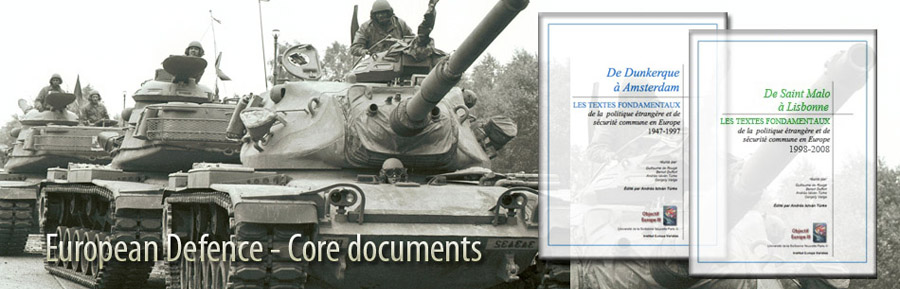

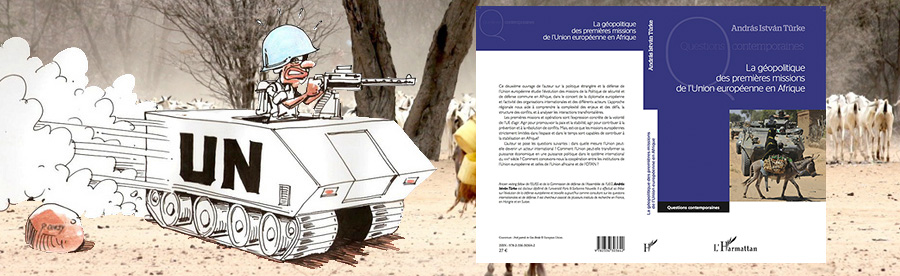

We are looking for sponsors for the English translation of these books, please contact turkeandras(at)gmail(dot)com