
Vous êtes ici
Diplomacy & Defense Think Tank News
Kenya: le pasteur Paul Mackenzie inculpé pour 52 morts supplémentaires
Déjà poursuivi pour le massacre de Shakahola qui a fait plus de 450 morts en 2023, le fondateur de l’église internationale de Bonne Nouvelle a également été inculpé pour « terrorisme », « meurtres sur enfants » et « homicide » dans l'affaire de Kwa Binzaro, une localité de la côte kényane où un charnier de 52 corps avait été découvert en août dernier. Leur exhumation avait montré que les victimes étaient mortes de faim.
Catégories: Afrique, Diplomacy & Defense Think Tank News
Bangladesh Holds Most Consequential Election in Years
The first vote since Prime Minister Sheikh Hasina’s ouster favors a dynastic party but could see the Islamists rise.
Netanyahu Urges Trump to Include Israel’s Demands in Iran Nuclear Talks
But Tehran remains adamant that its missile arsenal is nonnegotiable.
Trump Hosts Netanyahu at the White House
But Tehran remains adamant that its missile arsenal is nonnegotiable.
Can Ukraine Kill Its Way to Victory?
Increased losses could strain Russia’s military, but Ukraine faces steep hurdles.
Putin’s Conspiratorial Fantasies Are Blowing Back on Him
Russian ultranationalists are turning against Moscow itself
As Bangladesh Votes, Few Women Are on the Ballot
Parties failed to meet a modest commitment to field more female candidates, despite the leading role of women in the 2024 protest movement.
Les bureaux des 5 Commissions parlementaires constitués (Liste)
Les députés ont procédé, ce mercredi, à la constitution des bureaux des cinq commissions permanentes de l'Assemblée nationale, achevant ainsi l'organisation interne de l'institution après la formation des groupes parlementaires.
Réunis, mercredi 11 février 2026, les députés de la 10è législature ont désigné les présidents, vice-présidents, rapporteurs et secrétaires devant conduire les travaux au sein des 5 Commissions parlementaires.
MEMBRES DE BUREAU PAR COMMISSION
Commission des lois, de l'administration et des droits de l'homme (C1)
Président : Jean-Baptiste Orden Alladatin
Vice-président : Casimir Sossou
1er Rapporteur : Alice Dadégnon
2ème Rapporteur : Adam Mohamed Zacharie
Secrétaire : Denise Mahougnon Hounmènou
Commission des finances et des échanges (C2)
Président : Gérard Gbénonchi
Vice-président : Poisson Henri Pierre
1er Rapporteur : Sarako Bio Tamou
2ème Rapporteur : Alimatou Badarou
Secrétaire : Christophe Ayissi
Commission du plan, de l'équipement et de la production (C3)
Président : Joseph Amavi Anani
Vice-président : Glawdys Eudoxie Tossou
1er Rapporteur : Irène Adam
2ème Rapporteur : Aïkpadou Pauline Ayikpadou
Secrétaire : Mathias Kouwanou
Commission de l'éducation, de la culture, de l'emploi et des affaires sociales (C4)
Président : Éléonore Yayi Ladékan
Vice-président : Victor Hounsa
1er Rapporteur : Armand Gansè
2ème Rapporteur : Viviane Akpassonou
Secrétaire : Jeanne Tchanati
Commission des Relations extérieures, de la Coopération au Développement, de la Défense, et de la Sécurité (C5)
Président : Augustin Ahouanvoèbla
Vice-président : Constant Nahum
1er Rapporteur : Abass Olossoumaré
2ème Rapporteur : Alidjanatou Saliou-Arêkpa
Secrétaire : Mora Sanni Saré Malick
M. M.
Catégories: Afrique, Diplomacy & Defense Think Tank News
Trump’s Puzzlingly Rosy Jobs Numbers
The first U.S. jobs report of 2026 is so good, it’s raising eyebrows—and questions.
«On voyait l'eau s'infiltrer et tout qui bougeait»: un habitant de Tamatave raconte le passage du cyclone Gezani
Au moins 31 personnes sont mortes à Madagascar après le passage du cyclone Gezani dans la nuit de mardi à mercredi. Tamatave, la deuxième plus grande ville malgache, n’a pas été épargnée. Toits envolés, inondations, arbres déracinés. La capitale économique s'est retrouvée dans l'œil du cyclone. L'électricité est toujours coupée et les habitants s'affairent à reconstruire les premiers dégâts. Sur place, David Penn raconte.
Catégories: Afrique, Diplomacy & Defense Think Tank News
De nouveaux noms pour les rues et espaces publics au Bénin
Le chef de l'Etat Patrice Talon à travers un décret, a procédé à la mise en place d'une Commission nationale de la toponymie et de la mémoire nationale. Ladite commission est chargée de proposer de nouvelles appellations pour les rues et espaces publics en s'appuyant sur l'histoire du pays.
Au Bénin, une commission nationale de la toponymie et de la mémoire nationale est mise en place. Ladite commission est présidée par le ministre d'Etat, secrétaire général de la Présidence de la République, Pascal Irénée Koupaki. Sa mission consiste à rebaptiser les voies et lieux publics.
Les nouvelles dénominations devront mettre en valeur des héros nationaux, des événements historiques et des personnalités ayant marqué l'histoire du Bénin.
L'initiative vise à favoriser la réappropriation de l'histoire nationale par les populations, à donner une signification historique aux espaces du quotidien et à renforcer la mémoire collective, ainsi que la fierté et la cohésion nationale. Elle s'inscrit également dans la continuité des actions mémorielles engagées par les autorités, notamment le retour des trésors royaux et l'édification de monuments à Cotonou, la capitale économique du Bénin. La commission est composée de dix membres, nommés par décret présidentiel pour un mandat de trois ans à compter de leur installation.
Elle est structurée comme suit :
– Président : Pascal Irénée Koupaki, représentant de la Présidence de la République ;
– Premier rapporteur : Florent Couao-Zotti, représentant du ministère du tourisme, de la culture et des arts ;
– Deuxième rapporteur : Ghislain Hounnou, représentant du ministère du cadre de vie et des transports, en charge du développement durable ;
– Pascal Dohou, représentant du ministère de la décentralisation et de la gouvernance locale ;
– Jérôme Alladayè, représentant du ministère de l'enseignement supérieur et de la recherche scientifique ;
– Albert Tingbé-Azalou, sociologue anthropologue ;
– Arthur Agossou Vido, historien.
Outre ces membres, quatre personnalités ont été désignées en qualité de personnes ressources pour accompagner les travaux de la commission. Il s'agit de
– Albert Bienvenue Akoha, professeur titulaire d'université ;
– Jacques Adandé, diplomate ;
– Candide Ahouansou, diplomate ;
– Médard D. Bada, professeur d'université.
F. A. A.
Catégories: Afrique, Diplomacy & Defense Think Tank News
NATO Has Become a Zombie Alliance
European leaders must revive it before disaster strikes.
Sommet IA de New Delhi : l’Inde trace une « quatrième voie » pour le Sud Global
Du 16 au 20 février, New Delhi accueille le quatrième Sommet mondial sur l’intelligence artificielle. Plus de 100 pays y participent et près de 35 chefs d’État ou de gouvernement, au nombre desquels Emmanuel Macron qui, voici un an, avait coprésidé le Sommet de Paris avec le Premier ministre indien Narendra Modi, hôte de ce sommet.
Cette année, en Inde, le sujet choisi est l’impact de l’IA. Son titre officiel est d’ailleurs « India AI Impact Summit 2026 ». Le thème est loin d’être anecdotique, la présidence indienne ayant tenu à ce que pour la première fois depuis la tenue de tels sommets, les utilisateurs, et non plus seulement les « producteurs d’IA » soient au centre des préoccupations, tant en ce qui concerne les individus que les pays. Car l’Inde, qui se projette en porte-parole du « Sud Global », entend bien saisir l’occasion, comme elle l’avait fait en 2023 avec la présidence du G20, pour affirmer ce rôle et marquer des points vis-à-vis des autres acteurs internationaux, qu’il s’agisse de l’Occident, de la Chine ou de ses partenaires et rivaux au sein de ce même Sud Global.
À téléchargerL’article Sommet IA de New Delhi : l’Inde trace une « quatrième voie » pour le Sud Global est apparu en premier sur IRIS.
Catégories: Diplomacy & Defense Think Tank News
Peut-on préserver notre souveraineté numérique face à Trump ? Avec Gilles Babinet
Pascal Boniface · Peut-on préserver notre souveraineté numérique face à Trump ? Avec G. Babinet | Entretiens géopo
Devenu à la fois un outil et un champ d’affrontement, le numérique constitue aujourd’hui un réel instrument au service de la puissance des États. Les rapports de force technologiques, la maîtrise des données, l’ascendant réglementaire ou les dépendances infrastructurelles influencent déjà les équilibres internationaux et façonnent ceux de demain. Dans cette compétition globale, il est important pour les États de conserver une certaine autonomie stratégique en matière de numérique. Une autonomie et un leadership que l’Europe a à ce jour perdu en raison de l’accroissement de sa dépendance aux acteurs américains. Une dépendance dont l’Union européenne pâtit particulièrement depuis le retour au pouvoir de Donald Trump et ses menaces de couper l’accès aux technologies américaines. Ces récents événements permettront-ils un sursaut européen ? Face à Trump, la France et l’Europe peuvent-elles préserver leur souveraineté numérique ? Comment appréhender la guerre de la règlementation du numérique ? L’Europe conserve-t-elle une réelle marge de manœuvre face à sa dépendance technologique aux États-Unis ? Les orientations politiques actuels en la matière sont-ils à la hauteur de l’enjeu stratégique ?
Dans ce podcast, Pascal Boniface reçoit Gilles Babinet, entrepreneur et spécialiste du numérique, président de Café IA.
L’article Peut-on préserver notre souveraineté numérique face à Trump ? Avec Gilles Babinet est apparu en premier sur IRIS.
Catégories: Diplomacy & Defense Think Tank News
War or Peace? Germany’s Decision-Makers Can’t Decide.
A new podcast features a war game with painful lessons for everyone—except Russia.
15 structures d'appui reçoivent 1,49 million USD de subventions
15 Organisations d'Appui à l'Entrepreneuriat (OAE) ont reçu, vendredi 6 février 2026 à Cotonou, des subventions d'un montant total de 1,49 million de dollars, assorties de 14 mois d'accompagnement technique, dans le cadre d'un programme visant à renforcer durablement l'écosystème entrepreneurial béninois.
L'Agence de Développement de Sèmè City (ADSC) et l'Agence de Développement des Petites et Moyennes Entreprises (ADPME), avec le soutien du ministère des PME et de la Promotion de l'Emploi, du ministère de l'Économie et des Finances, ainsi que de la Chambre de commerce, et l'appui technique et financier de la Banque mondiale à travers le projet Formation professionnelle et entrepreneuriat pour l'emploi (FP2E), ont procédé à la remise officielle de financements à 15 Organisations d'Appui à l'Entrepreneuriat (OAE).
L'initiative vise à professionnaliser l'appui aux entrepreneurs et à soutenir la création d'emplois à travers un dispositif inédit.
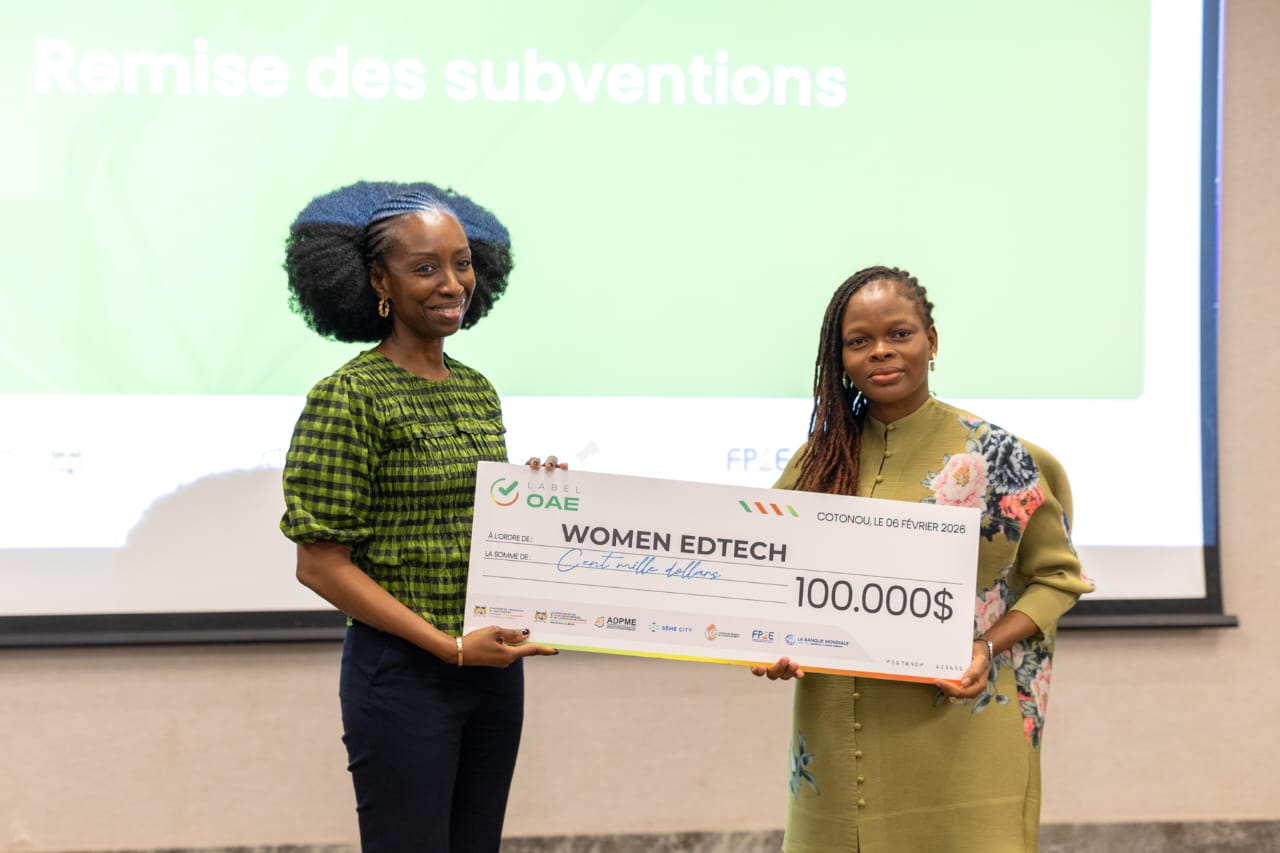
Contrairement aux approches classiques centrées sur les entreprises individuelles, le dispositif cible prioritairement les structures qui accompagnent les porteurs de projets, considérées comme un maillon essentiel de la chaîne de création d'emplois et de développement des PME. Outre les financements, les organisations bénéficiaires recevront un accompagnement personnalisé assuré par un cabinet spécialisé. Celui-ci portera notamment sur la gouvernance, les modèles organisationnels, les outils de gestion, les systèmes d'information, le renforcement des compétences des équipes et l'amélioration de la qualité des programmes d'appui.
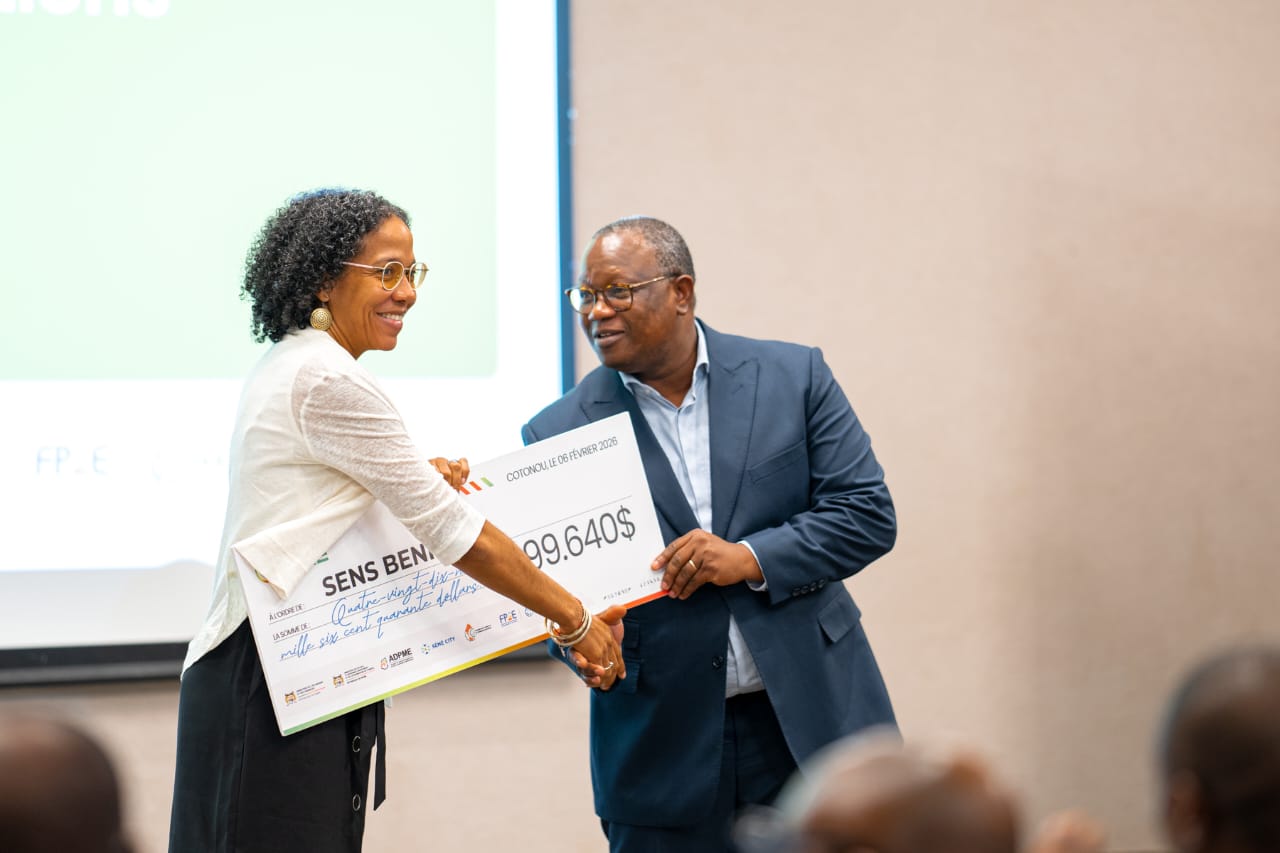
« Le Bénin fait aujourd'hui un choix stratégique et innovant : investir dans les structures qui accompagnent les entrepreneurs pour transformer durablement tout l'écosystème entrepreneurial », a déclaré Claude Borna, directrice générale de Sèmè City, évoquant une démarche « inédite en Afrique de l'Ouest ».
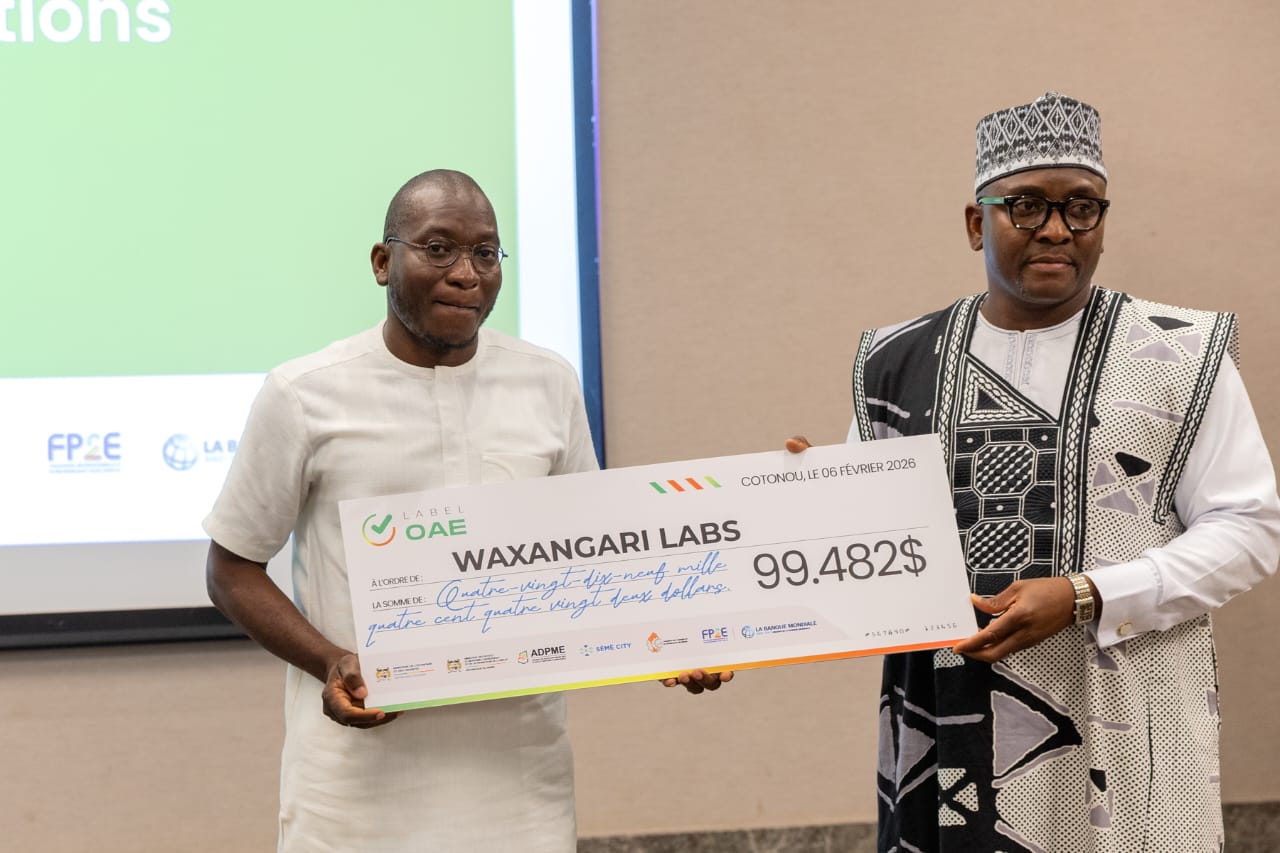
Pour Laurent Gangbès, directeur général de l'ADPME, « en dotant les OAE de moyens financiers et d'un accompagnement technique de long terme, nous renforçons les fondations mêmes de l'entrepreneuriat béninois ».
Les 15 organisations ont été retenues à l'issue d'un processus compétitif ayant enregistré 62 candidatures à l'échelle nationale. La sélection a été conduite par un comité multipartite associant représentants des ministères concernés, des agences publiques, de la Chambre de commerce et de l'opérateur des subventions, sur la base d'analyses techniques approfondies et de visites de terrain.
À travers ces structures, ce sont à terme des milliers d'entrepreneurs qui devraient bénéficier d'un accompagnement plus structuré et plus professionnel.
M. M.
Les 15 OAE bénéficiaires
Les organisations labellisées interviennent dans plusieurs territoires du Bénin et couvrent des secteurs stratégiques de l'économie nationale :
• Future Studio (Cotonou) – Hub d'innovation et d'accompagnement de startups à fort potentiel.
• Etrilabs (Cotonou) – Incubateur technologique spécialisé dans les solutions numériques innovantes.
• Fondation UAC – Startup Valley (Abomey-Calavi) – Structure universitaire d'appui à l'entrepreneuriat étudiant et à l'innovation.
• FRAM BUSINESS (Cotonou) – Organisation dédiée à l'accompagnement des PME et au renforcement des capacités entrepreneuriales.
• L'ENVOL (Cotonou) – Incubateur engagé dans l'autonomisation économique des jeunes et des femmes.
• Women EdTech (Cotonou) – Structure spécialisée dans l'inclusion des femmes dans les métiers du numérique et de l'éducation technologique.
• SENS Bénin (Bohicon) – Organisation d'appui aux entrepreneurs à impact social et environnemental.
• Waxangari Labs (Parakou) – Hub créatif et technologique soutenant l'innovation numérique et culturelle.
• SUD Capital (Cotonou) – Structure d'accompagnement stratégique et financier des entreprises en croissance.
• IROKO Fablab (Cotonou) – Laboratoire de fabrication numérique favorisant l'innovation locale et le prototypage.
• SODESI (Cotonou) – Organisation d'appui au développement des entreprises et à la structuration des filières économiques.
• Innovation Design Factory (Cotonou) – Hub d'innovation et de design orienté vers les industries créatives et technologiques.
• CDE – Université de Parakou (Parakou) – Centre universitaire d'appui à l'entrepreneuriat et à l'innovation régionale.
• BLOLAB (Cotonou) – Espace d'innovation et de fabrication numérique au service des jeunes entrepreneurs.
• CePEPE (Cotonou) – Centre d'appui à l'entrepreneuriat et à la promotion des petites entreprises.
Catégories: Afrique, Diplomacy & Defense Think Tank News
Open d'Australie 2026 : principaux points à retenir et signaux pour la saison
Que nous a révélé le premier tournoi du Grand Chelem de l'année ? AfroPari analyse l'influence de l'Open d'Australie sur la saison de tennis.
L'Open d'Australie 2026 (114e édition de l'histoire) a, dès ses premiers jours, bouleversé la hiérarchie habituelle. Malgré un tableau classique, le tournoi a rapidement éliminé plusieurs favoris : les champions de 2025, Madison Keys et Jannik Sinner, n'ont pas réussi à se hisser en finale. Premier signal : la saison 2026 ne devrait pas se reposer sur les performances passées.
La magie des chiffres et les records de l'OA 2026
Dès ses premiers jours, le tournoi a remis en question la gradation habituelle, tout en enregistrant plusieurs performances historiques.
- Centurion : En battant Pedro Martinez au premier tour, Novak Djokovic a décroché sa 100e victoire à Melbourne. Il est devenu le seul joueur de l'histoire à remporter plus de 100 matchs dans trois tournois du Grand Chelem différents (Open d'Australie, Roland-Garros et Wimbledon).
- Confrontation marathonienne : la demi-finale entre Alcaraz et Zverev, d'une durée de 5 heures et 27 minutes, est devenue la demi-finale la plus longue de l'histoire de la compétition et la troisième du classement des matchs les plus longs de l'Open d'Australie.
- Jeunesse éternelle : à 38 ans, Djokovic a établi un record à l'Open d'Australie en devenant le finaliste le plus âgé de l'histoire du tournoi. Cette finale est devenue sa 38e dans le cadre du Grand Chelem, un record absolu.
L'Open d'Australie 2026 restera gravé dans les mémoires non seulement pour ses records, mais aussi pour les histoires personnelles qui ont largement influencé le déroulement du championnat.
Blessure de Lorenzo Musetti
L'Italien était sur le point de déjouer tous les pronostics, dominant Djokovic en quarts de finale (6-4, 6-3). Cependant, alors que le score était de 1-3 dans le troisième set, il s'est blessé gravement à la cuisse. La tête de série n°5 a quitté le court en larmes, et sa sortie, alors qu'il était en position de l'emporter en sa faveur, a constitué le principal drame du tableau masculin.
Adieux de Stan Wawrinka
Le triple champion des tournois du Grand Chelem a terminé son chapitre australien sur le même court où il s'était offert son premier titre en 2014. À 40 ans, Stan a prouvé que son revers était toujours redoutable, devenant ainsi le joueur le plus âgé à se retrouver en huitièmes de finale depuis des décennies. Le stade a offert une ovation debout à la légende.
Les finales inattendues
Chez les dames, les experts misaient sur le duo Sabalenka-Swiatek. Elena Rybakina, qui figurait seulement en cinquième position parmi les vainqueuses possibles, n'était pas considérée comme une véritable prétendante au sacre. Après une longue crise et une séquence de forfaits en 2024, beaucoup se sont empressés de l'enterrer. Pourtant, son triomphe au Finals-2025 a prouvé qu'Elena n'était pas seulement revenue, mais plus forte que jamais.
En finale face à Aryna Sabalenka, les chances de Rybakina étaient estimées à seulement 45 %. Dans le troisième jeu, menée 0-3, elle a réussi à renverser la vapeur en s'adjugeant deux services consécutifs et en concluant ainsi la partie sur une bonne note (6-4, 4-6, 6-4). Ce triomphe à Melbourne a démontré qu'Elena avait surmonté une série d'échecs et s'était imposée comme la joueuse la plus redoutable du circuit.
En finale messieurs, nous avons assisté à un affrontement générationnel des plus contrastés : seize ans séparaient Alcaraz (22 ans) de Djokovic (38 ans). Auteur d'un début fulgurant et prometteur (6-2), Novak s'est fait chiper sans gloire les trois sets suivants. Ce succès a permis à l'Espagnol de devenir le plus jeune joueur de tennis de l'ère Open à avoir soulevé des titres dans les quatre tournois du Grand Chelem (un « Grand Chelem » sur trois surfaces).
Leçons clés de l'Open d'Australie 2026
L'Open d'Australie 2026 a non seulement lancé la saison, mais a également instauré une nouvelle hiérarchie. Sur le circuit masculin, deux puissances se sont imposées : Carlos Alcaraz et Jannik Sinner sont désormais objectivement hors concurrence.
Le tournoi de Melbourne a scellé la fin de l'ère des échanges longues et ternes : sous la chaleur, ceux qui ont pris l'initiative ont immédiatement tiré leur épingle du jeu. Miser sur un service puissant et une première frappe agressive est devenu la clé de la domination, permettant de dicter le rythme et de conserver son énergie pour les moments décisifs.
Lors des prochains tournois du Grand Chelem, Alcaraz et Sinner occuperont des positions différentes dans le tableau, ce qui rend leur confrontation en finale inévitable. Novak Djokovic reste une force redoutable, mais son plafond est désormais la finale, et non un 25e titre. L'objectif principal du Serbe est de s'imposer à New York afin de devenir le premier joueur de l'histoire à remporter le « Golden Hundred » dans les quatre tournois du Grand Chelem.
Chez les dames, l'ère de la domination d'une seule star est révolue. Bien qu'Aryna Sabalenka conserve la première place, sa vulnérabilité en finale face aux outsiders est devenue flagrante. Dans un contexte de déclin d'Iga Swiatek, Elena Rybakina est la grande révélation de la saison : sa série de victoires au Finals 2025 et à Melbourne fait d'elle la favorite de tous les tournois. Cependant, l'imprévisibilité du circuit WTA demeure : à Wimbledon, les principales rivales restent sans aucun doute Gauff, Pegula ou Anisimova.
L'insight du betting décisif durant ce tournoi résidait dans la « force mentale » des nouveaux champions. Les performances d'Alcaraz en finale contre Djokovic et de Rybakina dans le set décisif face à Sabalenka ont démontré qu'aujourd'hui, les titres ne se gagnent pas par l'absence d'erreurs, mais par la capacité à se ressaisir instantanément après un échec. La capacité à renverser le cours du match face à des légendes vivantes est le facteur qui a finalement scellé le passage entre les générations.
L'Open d'Australie appartient désormais au passé, mais les batailles sur terre battue à Paris, sur gazon à Londres et sur surface dure à l'US Open restent à venir. Suis le tennis mondial et optimise tes paris grâce aux analyses d'AfroPari !
Catégories: Afrique, Diplomacy & Defense Think Tank News
What Rubio Gets Right (and Wrong) About the Western Hemisphere
Washington needs to compete forcefully in its backyard without relying on force alone.
Un homme jugé pour avoir détourné l'héritage d'un ami décédé
Au Bénin, un homme a comparu, ce mardi 10 février 2026, devant les juges de la Cour de répression des infractions économiques et du terrorisme (CRIET), pour des faits d'abus de confiance via l'internet. On lui reproche d'avoir détourné une somme de près de 7 millions FCFA que lui a confiée son ami pour prendre soin de son unique enfant avant son décès.
Un homme se retrouve en prison pour avoir détourné l'argent d'un mort. Le prévenu selon les déclarations à la barre, avait été sollicité par son ami alors gravement malade. Celui-ci lui avait confié la responsabilité de transférer les accès de son compte Binance sur le téléphone de sa concubine afin de lui permettre de prendre soin de leur fille unique en cas de décès.
Mais contre toute attente, l'accusé après la mort de son ami a retiré l'intégralité des fonds du compte Binance, soit près de 7 millions de francs CFA, et n'aurait versé qu'un peu plus d'un million de FCFA à la concubine du défunt. Mécontente, cette dernière saisit la justice.
A la barre, le prévenu n'a pas nié les faits mis à sa charge.
Le ministère public demande à la Cour de le retenir dans les liens de prévention pour des faits d'abus de confiance via internet, et requiert à son encontre, une peine de 03 ans d'emprisonnement ferme et une amende d'un million de francs CFA. Il devra également restitué l'intégralité des biens matériels du défunt qu'il avait pris.
Le délibéré est renvoyé au 24 mars 2026.
F. A. A.
Catégories: Afrique, Diplomacy & Defense Think Tank News
Pages


© 2012-2018 Europa Varietas Foundation © 2015-2018 Europa Varietas Association
www.europavarietas.org | info(@)europavarietas(dot)org | Switzerland
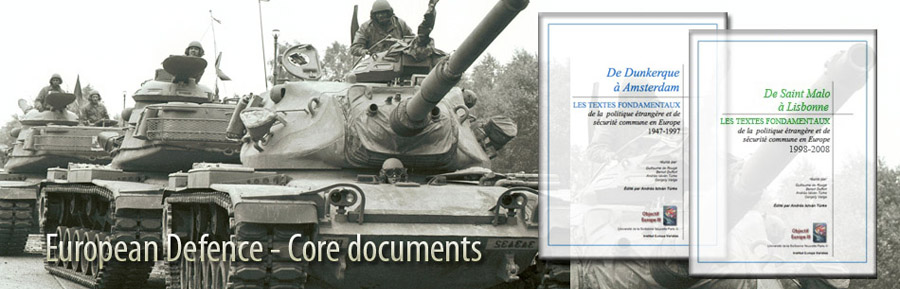

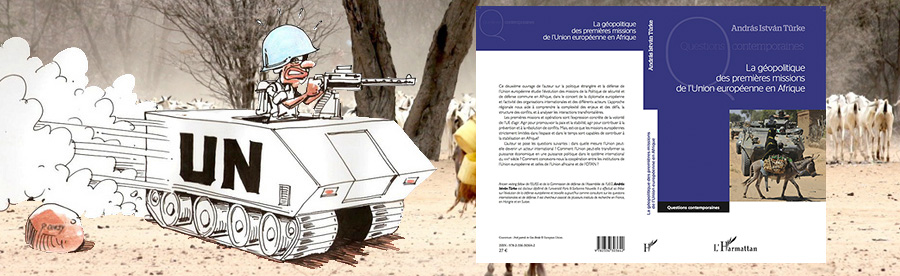
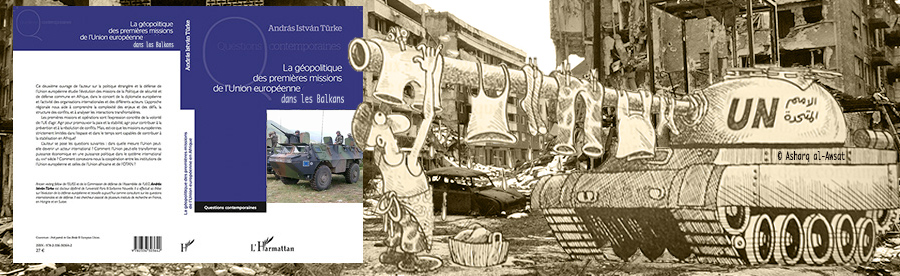
We are looking for sponsors for the English translation of these books, please contact turkeandras(at)gmail(dot)com