
You are here
Afrique
Burkina/Contrôle économique : Une surveillance du marché davantage renforcée
La Brigade mobile de contrôle économique et de la répression des fraudes (BMCRF) a intensifié ses opérations de contrôle à Ouagadougou, ciblant notamment la traçabilité des marchandises importées et les conditions de stockage des produits de première nécessité. C'est ce qui ressort de la publication de la BMCRF, ce lundi 7 septembre 2026.
Ces inspections renforcées visent, selon elle, à protéger les consommateurs en veillant à la disponibilité de produits conformes, sains et accessibles, tout en contribuant à préserver l'équilibre du marché et le pouvoir d'achat des ménages.
La BMCRF met en garde les opérateurs économiques contre tout manquement à la réglementation et annonce l'application de sanctions plus sévères en cas d'infraction.
Elle appelle également les citoyens à contribuer à la transparence commerciale en signalant tout soupçon de fraude aux numéros 80 00 11 84, 80 00 11 85 et 80 00 11 86.
Lefaso.net
Source : BMCRF
Categories: Afrique
Effort de paix : La diaspora burkinabè en Éthiopie, Guinée et Libye mobilise plus de 31 millions FCFA
La diaspora burkinabè en Éthiopie, en Guinée et en Libye a mobilisé 31 147 927 francs CFA au profit du Fonds de soutien patriotique et de l'Agence Faso Mêbo. C'est le ministère des Affaires étrangères qui l'a annoncé ce lundi 7 septembre 2026. Les trois délégations ont remis les quittances de leurs contributions au ministre Karamoko Jean Marie Traoré.
La communauté burkinabè établie en Éthiopie arrive en tête avec une contribution de 20 200 470 francs CFA. Celle de la Guinée a apporté 6 millions de francs CFA, dont 5 millions destinés au Fonds de soutien patriotique et 1 million destiné à Faso Mêbo.
La diaspora en Libye, a quant à elle, contribué à hauteur de 4 947 457 francs CFA, dont 1 502 016 francs CFA destinés à Faso Mêbo.
Par ces contributions, les Burkinabè de l'extérieur réaffirment leur attachement à la patrie et leur soutien aux efforts engagés pour la reconquête du territoire, la restauration de la paix et le développement du pays.
Au nom du président du Faso, le ministre des Affaires étrangères, Karamoko Jean Marie Traoré, a salué cette mobilisation et souligné le rôle de la diaspora dans les avancées enregistrées sur les plans sécuritaire et socio-économique.
Il l'a appelée à rester mobilisée et à parler d'une même voix pour relever les défis liés à l'insécurité, à la désinformation, à la dignité, à la liberté et à la justice.
Lefaso.net
Source : Ministère des Affaires étrangères
Categories: Afrique
Burkina Faso : Un jeune entrepreneur offre des lampes solaires au ministère de la Sécurité
Un jeune entrepreneur d'une entreprise de la place, a offert un lot de lampes solaires au ministère de la Sécurité, lors d'une audience avec le ministre Mahamadou Sana. L'information est rapportée ce lundi 7 septembre 2026 par son département communication.
Le donateur a expliqué avoir découvert ces équipements lors de ses voyages d'affaires et avoir décidé de les mettre à la disposition des forces de sécurité. Ces lampes, selon lui, sont conçues pour fournir un éclairage performant.
Elles sont notamment adaptées aux missions de surveillance, de contrôle et d'intervention dans les zones insuffisamment éclairées. Pour le donateur, leur utilisation pourrait contribuer à améliorer les conditions de travail des policiers sur le terrain.
Le ministre de la Sécurité a salué ce geste citoyen et exprimé sa reconnaissance à l'entrepreneur pour son engagement en faveur de la sécurité nationale. Il a rappelé que la consolidation de la sécurité constitue une responsabilité partagée, nécessitant la mobilisation de tous les Burkinabè.
Lefaso.net
Source : Ministère de la Sécurité
Categories: Afrique
Recrutement d'un Cabinet / Bureau d'études pour assister les acteurs de la filière volaille en gestion technique, administrative et financière de leurs fermes avicoles (Djôro, Guiriko, Tannounya, et au Mali)
La Deutsche Gesellschaft für Internationale Zusammenarbeit (GIZ), est une entreprise de coopération internationale pour le développement durable opérant sur tous les continents.
Elle propose des solutions d'avenir pour le développement politique, économique, écologique et social dans un monde globalisé. Dans des conditions parfois difficiles, la GIZ soutient des processus complexes de changement et de réforme.
Son objectif principal est d'améliorer durablement les conditions de vie des populations dans les pays d'intervention.
Dans le cadre de la mise en œuvre des activités du Programme Développement de l'Agriculture (PDA), la GIZ lance cet appel à proposition pour la sélection pour la sélection d'un cabinet / bureau d'étude chargé de réalisation de cette mission.
La participation à la concurrence est ouverte à égalité de conditions à toutes les structures remplissant les conditions énumérées dans le Dossier d'Appel d'Offres et régulièrement installés au Burkina Faso.
Les prestataires intéressés peuvent obtenir le dossier d'Appel d'Offres en envoyant une demande à l'adresse BF_Inquiry@giz.de avec en objet « Dossier N°10050136_Recrutement d'un Cabinet / Bureau d'études pour assister les acteurs de la filière volaille en gestion technique, administrative et financière de leurs fermes avicoles (Djôro, Guiriko, Tannounya, et au Mali) ».
Date limite de soumission le 22.09.2026 à 16h30.
Categories: Afrique
Décès de TOURE Hassane : Remerciements
« Certes, nous sommes à Allah, et c'est à lui que nous retournerons. »
Coran, Sourate Al-Baqara, 2 :156
Le Naaba Kiiba Roi du Yatenga ;
Le Chef de Gourcy ;
Le Chef de Oula ;
Les grandes familles OUEDRAOGO, TOURE et TRAORE à Ouahigouya, ainsi que les familles alliées, profondément éprouvées par le décès de leur fils, neveu, cousin, frère, père, époux, beau-frère et oncle, TOURE Hassane, survenu le 29 août 2026, de son inhumation le 30 août 2026, au cimetière municipal de Gounghin, suivi d'un doa au domicile familial à Dapoya, adressent leurs sincères remerciements à toutes celles et tous ceux qui, de près ou de loin, leur ont témoigné compassion, soutien, prières et réconfort durant cette douloureuse épreuve.
Votre présence, vos messages, vos appels, vos contributions et vos prières ont été d'un grand réconfort pour la famille éprouvée.
Elle s'excuse de ne pouvoir citer de noms de peur d'en oublier.
Qu'Allah le Tout-Puissant vous rende au centuple vos bienfaits, vous accorde ses bénédictions et vous préserve de toute épreuve.
Puisse – t – il dans son infinie miséricorde, pardonner les péchés de notre cher disparu, l'accueillir dans son Paradis Firdaws et lui accorder le repos éternel !
Amen !
Union de prières !
Categories: Afrique
IN MEMORIAM : OUEDRAOGO SIBIRI ANTOINE
« NUL NE DISPARAIT LORSQUE SON SOUVENIR DEMEURE ANCRE DANS LE CŒUR DES SIENS »
11 SEPTEMBRE 2011 – 11 SEPTEMBRE 2026
Voici déjà quinze ans qu'il a plu au Seigneur de rappeler à lui son serviteur, notre très cher et bien aimé grand-père, père, frère, oncle et époux
OUEDRAOGO SIBIRI ANTOINE
En ce quinzième anniversaire, Madame OUEDRAOGO HAOUA FRANCINE RACHEL et enfants à Ouagadougou et Niamey,
Les familles alliées, PARE, SOME et SIDIBE vous invitent à vous unir à eux dans la prière pour le repos de son âme.
Des messes seront dites à son intention :
Vendredi 11 septembre à 5h45
Dimanche 13 septembre à 9h00
A l'Eglise notre Dame des Apôtres de la Patte d'oie.
Que le seigneur le reçoive dans sa demeure éternelle.
UNION DE PRIERE ET PAIX A SON AME
Categories: Afrique
Décès de OUEDRAOGO Rimpayaissidé Bonaventure Edgard : Remerciements et faire-part
« Nul nne disparait, lorsque son souvenir demeure ancré dans nos cœurs »
Sa majesté le Naaba Kiiba, Dima du royaume du Riziam
Les chefs des villages de Bango, Souryala, Tankigla, Kougsaobla, Roughin, Sankondé, Badinogo n°2, Sanhoui, Yibaou, Siguinvoussé, Bissa Paalgo, Loundogo ; Soulou, Zomkalga, Yangré, Yalgwéogo, Bouiga, Imiougou, Rounou, Wazellé, Kongoussi, Bouri, Sita et Wattinoma,
Vous remercient du fond du cœur pour les nombreuses marques de sympathie et de compassion lors du rappel à Dieu le 08 Aout 2026 à l'hôpital de Tengandogo/Ouagadougou et de l'inhumation le 09 Aout à Kongoussi de notre fils, frère, père.
OUEDRAOGO Rimpayaissidé Bonaventure Edgard
27 Novembre 1982 - 08 Aout 2026
La famille exprime sa reconnaissance :
Au tengsoaba de Bango et sa suite ;
Au Ben-Naaba de Bango et sa suite ;
Au Kom-bi Naaba de Bouryiri et sa suite ;
Aux autorités administratives, coutumières et religieuses de la province du Bam ;
Aux populations de kongoussi et de Sabcé ;
Aux jeunes du quartier Tampouy de Ouagadougou ;
Aux voisins du quartier Bolga/Kongoussi et du quartier Tampouy/Ouagadougou ;
Aux amis et collègues du défunts ;
Aux différentes délégations venues de Ouagadougou et d'ailleurs,
La famille s'excuse auprès de tous ceux dont les noms n'ont pu être cités.
Que tous et chacun reçoivent aux centuple leurs bienfaits !
La famille vous informe par ailleurs que des messes seront dites pour le repos de son âme selon un calendrier ultérieurement.
« Je suis la résurrection et la vie, celui qui croit en moi, même s'il meurt, vivra » Jean 11_12
Que l'âme du défunt repose en paix !
Union de prière !!!
Categories: Afrique
In memoria : Dr MILLOGO/SANOU Marie Madeleine
Categories: Afrique
Football : Bertrand Traoré rejoint Wolverhampton en Championship
Libre de tout contrat depuis la fin de son engagement avec Sunderland en juin 2026, l'international burkinabè Bertrand Traoré va poursuivre sa carrière en Angleterre. Wolverhampton, club relégué en Championship a confirmé la signature de l'Étalon ce lundi 7 septembre, qui s'est engagé pour une saison.
Après Chelsea, Aston Villa et Sunderland, le capitaine des Étalons va ainsi découvrir un quatrième club anglais, cette fois en Championship, la deuxième division anglaise. Il y retrouvera son compatriote Nasser Djiga.
Après une saison compliquée à Sunderland, où il n'a disputé que 12 matchs en raison de blessures, le capitaine des Étalons va tenter de relancer sa carrière sous les couleurs des Wolves.
À Wolverhampton, il tentera désormais d'écrire un nouveau chapitre de cette longue aventure, fort de l'expérience accumulée au fil de ses passages dans huit clubs européens et de ses nombreuses compétitions internationales.
À l'issue du match de Championship ayant opposé Wolverhampton à Birmingham, le dimanche 6 septembre, l'entraîneur des Wolves, César Peixoto, avait décrit Bertrand Traoré comme un joueur de qualité, correspondant exactement au profil d'ailier gaucher dont son équipe a besoin.
« C'est un poste que nous souhaitions et c'est un bon joueur pour améliorer l'équipe, une option supplémentaire. Il possède les caractéristiques que je recherche à ce poste : bon en un contre un, fort, gaucher pour marquer ou faire des passes décisives et rapide pour attaquer les espaces. C'est un poste que nous allons beaucoup faire évoluer au cours de la saison, nous avions donc besoin de plus de joueurs avec des caractéristiques différentes pour avoir des options », a-t-il déclaré au sujet de Bertrand Traoré.
Jean Élysée Nikiéma
Lefaso.net
Categories: Afrique
Ce que les différentes cartes du monde représentent correctement… et ce qu'elles représentent de façon erronée
Alors que l'ONU adopte une nouvelle carte du monde reflétant la taille réelle de l'Afrique, examinons de plus près ce que les différentes cartes font bien et ce qu'elles font mal.
Categories: Afrique
Ce que les différentes cartes du monde représentent correctement… et ce qu'elles représentent de façon erronée
Alors que l'ONU adopte une nouvelle carte du monde reflétant la taille réelle de l'Afrique, examinons de plus près ce que les différentes cartes font bien et ce qu'elles font mal.
Categories: Afrique
Burkina : Le ministre Serge Poda appelle les travailleurs de la SOFITEX à accompagner la nouvelle dynamique
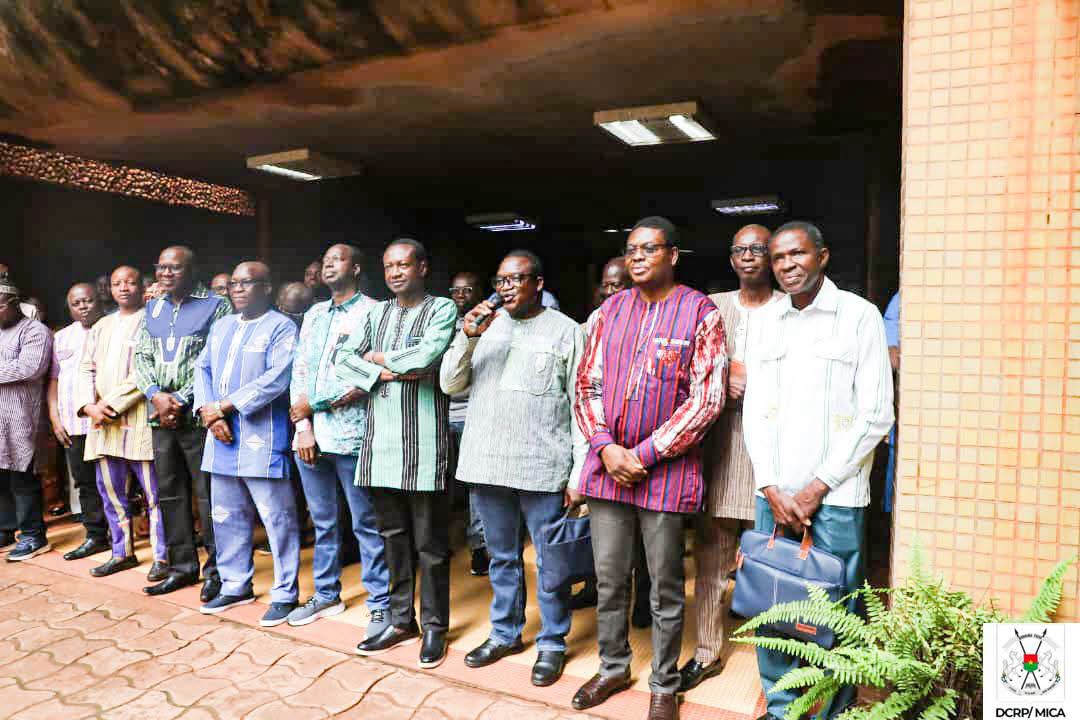
Le ministre de l'Industrie, du commerce et de l'artisanat, Serge Gnaniodem Poda, a échangé avec les agents de la Societé nationale des fibres textiles (SOFITEX) à Bobo-Dioulasso. L'annonce est faite par le ministère ce lundi 7 septembre 2026. Les échanges ont porté sur l'avenir et les perspectives de la nationale du textile.
Au cours de cette rencontre, le ministre a félicité et encouragé le personnel, tout en présentant la vision des plus hautes autorités pour faire de la SOFITEX un véritable levier du développement socio-économique du Burkina Faso. Il a notamment rappelé l'importance de sa nationalisation et les espoirs placés par le Gouvernement dans cette nouvelle étape.
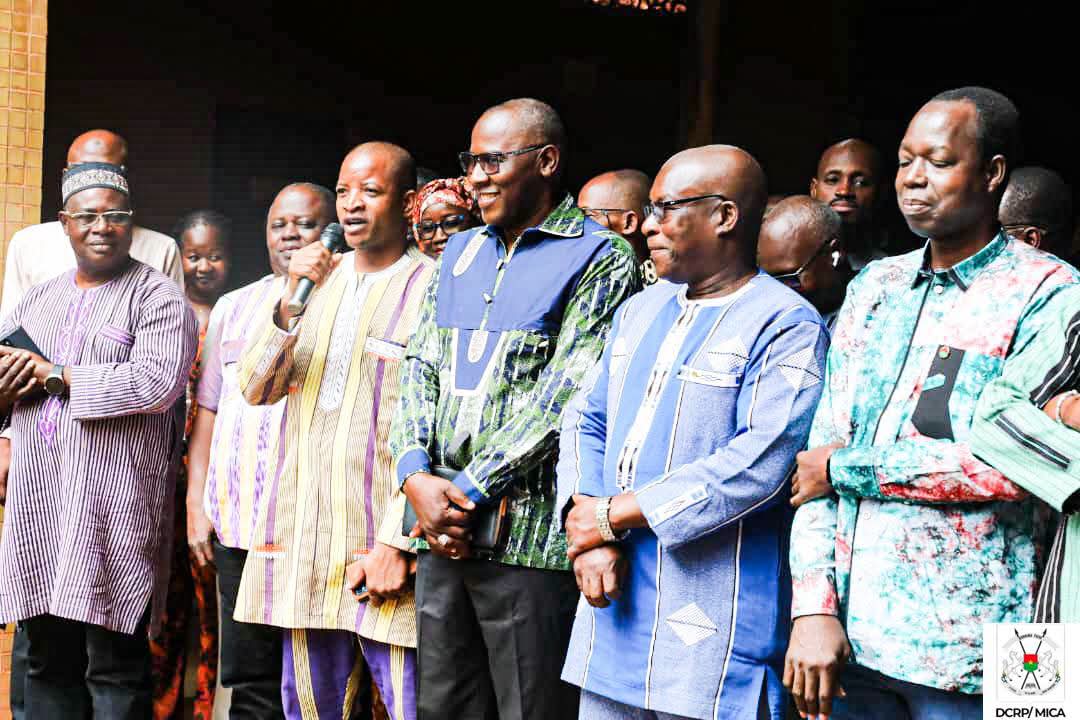
Serge Poda a invité les travailleurs à accompagner pleinement les réformes engagées afin de permettre à la société de produire des textiles de qualité, capables de répondre aux exigences des marchés national et international. Il a également insisté sur l'engagement, le dévouement et le patriotisme comme conditions de la pérennisation de la SOFITEX.
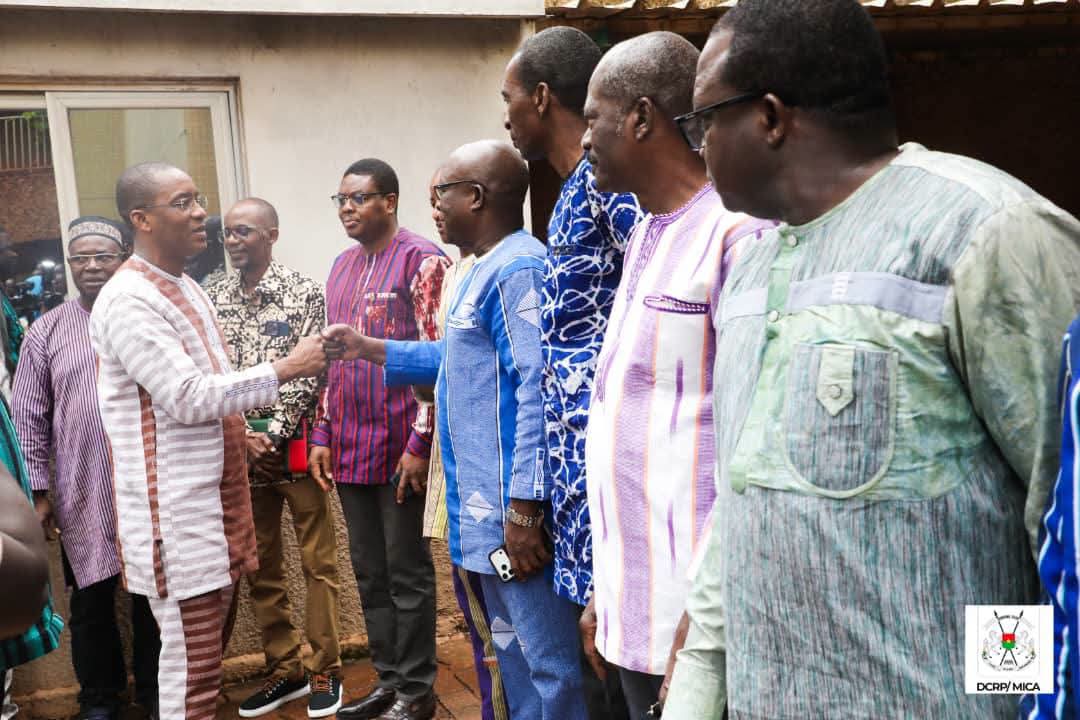
En clôturant les échanges, le ministre a exhorté chaque agent à devenir un véritable ambassadeur du « consommons burkinabè », en contribuant par son travail, à la consolidation de l'industrie nationale.
Lefaso.net
Source : Ministère en charge de l'industrie
Categories: Afrique
Décès de SANOU NÉE OUEDRAOGO PAULE CHRISTELLE : Remerciements
Il« INNA LILLAHI WA INNA ILAYHI RAJI'UN »
À la suite du décès survenu le 25 août 2026 de leur très chère regrettée
SANOU NÉE OUEDRAOGO PAULE CHRISTELLE
Épouse de feu Ardiouma Souro SANOU.
Précédemment Coordonnatrice de la Fondation BOA à Ouagadougou.
Belle-fille, épouse, mère, sœur, fille, belle-sœur, tante et coépouse.
Les grandes familles SANOU (Famille Bakary Plombier et alliées), OUEDRAOGO, ZONGO, KIETYETA, YMBA, VOUDRI, KOUTIEBOU, ZOUNGRANA, SANON, TARPAGA, ZOMA, NIKIEMA, ainsi que les familles alliées et apparentées, profondément touchées par les nombreuses marques de compassion et de solidarité qui leur ont été témoignées, expriment leur profonde gratitude à toutes celles et tous ceux qui, de près ou de loin, les ont accompagnées dans cette douloureuse épreuve.
Elles adressent leurs sincères remerciements à toutes les personnes qui ont manifesté leur soutien à travers leur présence, leurs prières, leurs messages de réconfort, leurs contributions morales, spirituelles, matérielles et financières.
Les familles expriment également leur reconnaissance à toutes les personnes, institutions et communautés qui les ont accompagnées lors du transfert de la dépouille à Bobo-Dioulasso, des obsèques, de l'inhumation et du Doua du 7ᵉ jour.
REMERCIEMENTS PARTICULIERS
• Au Chef de canton de la communauté Bobo-Mandarè ;
• Au Grand Imam SANOU Siaka de la Grande Mosquée de Dioulasso-Bâ ;
• Au PCA de la BOA, Monsieur Lassiné DIAWARA ;
• À la Direction et au personnel de la Fondation BOA ;
• À l'ensemble du personnel de la BOA ;
• Aux différentes délégations venues de Ouagadougou et d'ailleurs ;
• Aux voisins de Wayalghin ;
• Aux voisins de Gounghin ;
• Aux voisins de Kôkô ;
• Aux voisins du secteur 5 ;
• À toutes les familles alliées, amis, collègues et connaissances.
• À toutes celles et tous ceux dont les noms n'ont pu être cités ici, mais dont la présence, les prières, les paroles réconfortantes, les gestes de solidarité et les différentes marques d'affection ont été d'un précieux soutien, les familles adressent leurs sincères et profondes gratitudes.
« QUE DIEU VOUS LE RENDE AU CENTUPLE. »
Que Dieu Tout-Puissant, dans Son infinie miséricorde, accueille notre chère disparue dans Son Paradis, lui accorde Son pardon et illumine sa tombe.
Qu'Il accorde également paix, patience, courage et consolation à ses enfants, à ses familles et à tous ceux qui l'ont aimée.
PAIX À SON ÂME
LES FAMILLES SANOU, OUEDRAOGO ET LES FAMILLES ALLIÉES
Categories: Afrique
Grande promo Orange Money : Yaguinatou Ouédraogo remporte une voiture MG ONE
Lancée le 23 juillet 2026, la Grande Promo Orange Money a livré ses premiers gagnants. Yaguinatou Ouédraogo a remporté le premier grand lot, une voiture MG ONE. La remise des clés s'est déroulée le jeudi 3 septembre 2026 à Ouagadougou, en présence des responsables d'Orange Money Burkina Faso et de son partenaire Merveille Motors.
Yaguinatou Ouédraogo ne s'attendait pas à remporter un prix, encore moins le grand lot de cette promotion d'Orange Burkina, lorsqu'elle a décidé de tenter sa chance. Elle a alors composé le *202#, conformément au principe du jeu. Quelques jours plus tard, elle a reçu la bonne nouvelle lui annonçant qu'elle était l'heureuse gagnante de la voiture MG ONE, mise en jeu par le partenaire de l'opération.
« Au tout début, je me suis inscrite parce que c'est un jeu, mais aussi pour avoir une expérience. Quand je le faisais, mon époux m'a même taquinée en disant que ce sont des futilités. Mais j'ai été surprise quand Orange Burkina m'a appelée pour m'annoncer que j'étais la gagnante. C'était vraiment la joie », a expliqué la gagnante, Yaguinatou Ouédraogo.
Nouvellement installée au volant de sa voiture, le sourire aux lèvres, elle n'a cessé d'exprimer sa reconnaissance à Orange Burkina et à la providence. À cette occasion, elle a invité les populations à utiliser les services d'Orange, mais aussi à participer au jeu. Car, selon elle, il faut toujours tenter sa chance.
En plus de Yaguinatou Ouédraogo, deux autres personnes ont reçu des prix. Isidore Bamogo et Damien Ouédraogo ont remporté respectivement 50 000 francs CFA et 25 000 francs CFA.

Le principe du jeu
Pour participer à la Grande Promo Orange Money, il faut composer le *202#. Mais avant de composer ce numéro pour s'inscrire, le participant doit disposer d'un compte Orange Money, utiliser « Max it » et effectuer des paiements marchands. En somme, il doit être avant tout un utilisateur des services Orange Money.
« Rapprocher Orange Money de ses clients »
Joseph Ouédraogo a représenté le directeur général d'Orange Money Burkina Faso à l'occasion de la remise du premier grand lot de la Grande Promo Orange Money 2026. Il a félicité les différents lauréats et invité les autres participants à poursuivre le jeu, qui est prolongé jusqu'au 20 septembre 2026.
Au cours de la cérémonie, il a également rappelé que l'objectif de cette promotion est de rapprocher davantage Orange Money de ses clients. « Cette voiture représente bien plus qu'un simple cadeau. Elle symbolise notre volonté de remercier nos clients pour leur confiance et de leur offrir des récompenses à la hauteur de leur fidélité », a-t-il indiqué.
Depuis sa présence au Burkina Faso en 2012, confie-t-il, Orange Money s'est imposé comme un acteur majeur de l'inclusion financière dans notre pays. En tant que seul établissement de monnaie électronique burkinabè agréé par la BCEAO, poursuit-il, l'entreprise a la responsabilité de continuer à proposer à ses clients des services financiers accessibles, sécurisés et fiables.
Joseph Ouédraogo a représenté le directeur général d'Orange Money Burkina Faso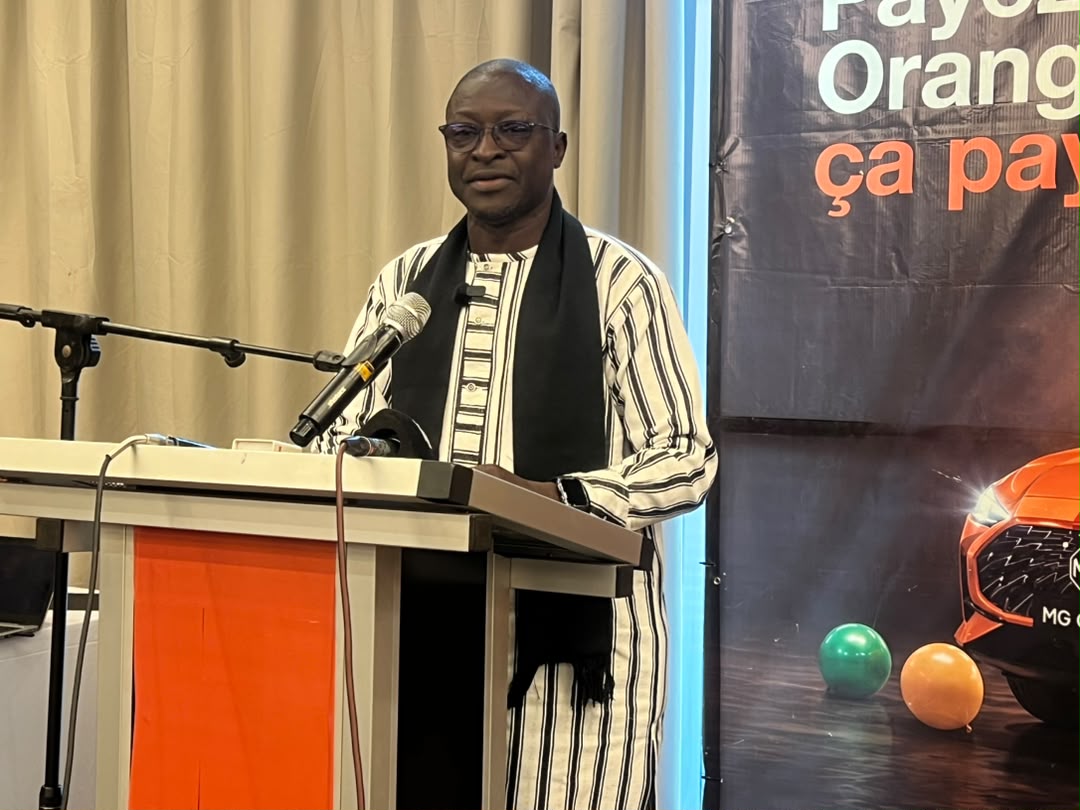
« Cette confiance que nous accordent chaque jour des millions de clients nous engage à continuer d'innover, mais aussi à créer des expériences qui renforcent cette relation privilégiée avec eux », a déclaré le représentant du directeur général d'Orange Money Burkina Faso.
À cette occasion, il a également exprimé sa reconnaissance au partenaire Merveille Motors pour son accompagnement.
Aminata Ouédraogo, responsable commerciale de Merveille Motors, a félicité les gagnants. Elle s'est également réjouie de la collaboration avec Orange Money.
« Dans le cadre de ce partenariat, nous avons accompagné Orange Burkina en mettant en jeu deux véhicules pour la Grande Promo », a-t-elle expliqué. Selon elle, Merveille Motors est le représentant de la marque MG ONE au Burkina Faso. Il s'agit d'une marque d'origine britannique.
Le deuxième véhicule sera offert à un ou une autre grand(e) gagnant(e) à l'issue du deuxième jeu, qui sera bouclé le 29 septembre prochain.
Serge Ika Ki
Lefaso.net
Categories: Afrique
Des Burundais fuient le Kenya avant la répression du commerce informel
Le Kenya devrait commencer à appliquer des mesures visant à restreindre la possibilité pour les ressortissants étrangers d'exploiter des petites entreprises.
Categories: Afrique
Décès de KY Joseph : Faire part
Sa Majesté le chef de canton de Yaba ;
Sa Majesté le Chef de Canton de Toma ;
Sa Majesté Le Douty Lawamagô Somozena de Kissan ;
Les grande famille KY à Kisson, Ouagadougou, Bobo-Dioulasso, Dedougou, Koudougou, Boromo,
En côte d'Ivoire, Soudan du Sud, USA, Canada ;
Le colonel KY Christophe à la retraite et ses frères et sœurs,
Madame KY née KY Antoinette ;
Les enfants :
KY Jocelin déclarant en douane et épouse à Ouagadougou ;
Mme Tamini née KY Joceline et époux à Bobo Dioulasso ;
Madame KY née KY Karine et époux à Ziniaré ;
KY Diane Alida à Bobo Dioulasso ;
KY Mikaël Opérateur machine à la Brakina, Bobo-Dioulasso,
KY Edgard, Étudiant à Bobo Dioulasso
KY Larissa élève à Dédougou
Ont la profonde douleur de vous faire part du rappel à Dieu de leur frère, époux père, grand père , oncle,
KY Joseph Assistant des Eaux et Forêts à la retraite.
Décès survenu le Samedi 06 septembre 2026 à Ouagadougou de suite de longue, à l'âge de 67 ans.
Le programme des obsèques qui se présente comme suit :
Lundi 7 septembre 2026 :
16H00 : levée du corps à la morgue du CHU Bogodogo pour le domicile du Douty de Kisson sis à la Zone I
20h:00
Veillée de prière au domicile du Douty de Kisson
Mardi 8 septembre 2026 :
11h:00
Levée du Corps au domicile du Douty de Kisson et Départ à Kisson
20h00
veillée de prière au domicile a Kisson
Mercredi 9 septembre 2026 :
10h 00 absoute à la Chapelle Christ Roi de Kisson suivi de l'inhumation a domicile.
Union de prière.
Que par la miséricorde de Dieu l'âme de Joseph repose en Paix
Categories: Afrique
Burkina Faso–Iran : Ouagadougou et Téhéran veulent renforcer leur coopération
Le ministre burkinabè des Affaires étrangères, Karamoko Jean Marie Traoré, a échangé avec l'ambassadeur d'Iran au Burkina Faso, Mojtaba Faghihi, sur le renforcement de la coopération entre Ouagadougou et Téhéran lors d'une audience. C'est ce qu'a annoncé le ministère ce lundi 7 septembre 2026.
Les deux responsables ont également abordé plusieurs questions d'actualité internationale, notamment la situation de la République islamique d'Iran face aux sanctions américaines. Selon le compte rendu du ministère, les deux parties ont déploré ces mesures, qu'elles considèrent comme une manifestation de la volonté de certains États d'imposer leurs politiques au reste du monde.
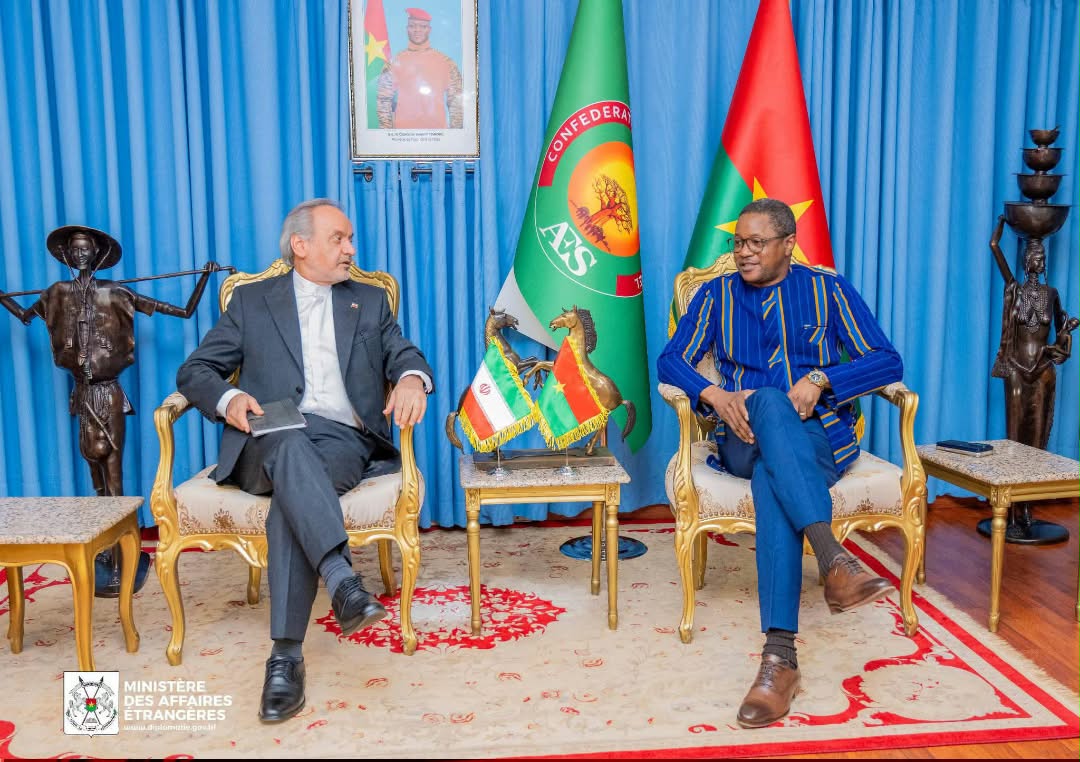
Dans cette convergence de vues, le chef de la diplomatie burkinabè a appelé l'Organisation des Nations unies à prendre ses responsabilités et à interpeller les États membres qui, selon lui, agissent davantage comme des acteurs de la guerre que de la paix.
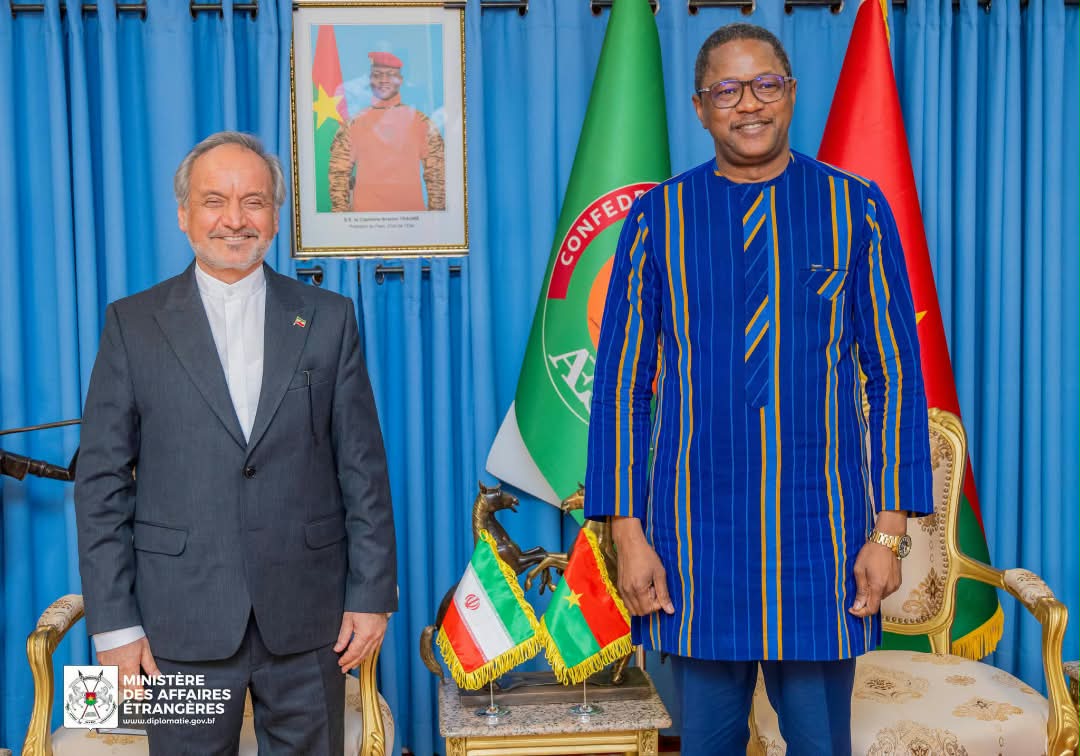
Karamoko Jean Marie Traoré a par ailleurs souligné la nécessité pour les États confrontés à des situations d'injustice de renforcer leur solidarité face aux tentatives de domination, citant notamment la dynamique engagée au sein de la Confédération AES. Tout en exprimant la compassion du peuple burkinabè au peuple iranien, il a réaffirmé la volonté du Burkina Faso de poursuivre et d'approfondir la coopération avec l'Iran.
Lefaso.net
Source : Ministère des Affaires étrangères
Categories: Afrique
IA et souveraineté numérique : Mahamadi Rouamba veut faire émerger une technologie africaine
Démonstration d'Agent One, l'agent d'intelligence artificielle développé par TICANALYSE.
Categories: Afrique
Campagnes africaines : Le Vitesse FC et le Rahimo FC déjà dos au mur
Les représentants burkinabè ont tous deux raté leur entrée en campagne africaine. Le Vitesse FC s'est incliné, ce dimanche 6 septembre 2026 à Ouagadougou, face au Réal de Bamako (1-2), tandis que le Rahimo FC a subi une lourde défaite (4-1) face aux Marocains du MAS de Fès.
Opposé au Réal de Bamako au stade du 4-Août, Vitesse FC, vainqueur de la Coupe du Faso, s'est incliné sur le score de 2 buts à 1. Lors de son match, c'est pourtant le Vitesse FC qui a été le premier à ouvrir le score avec un but d'Assami Sassan Dah à la 26ᵉ minute.
Avant la mi-temps, le Réal de Bamako a rattrapé le Vitesse FC au score avec une réalisation d'André Kamaté à la 38ᵉ minute, avant que Sidy Diarra ne permette à l'équipe malienne de mener sur le score de 2-1. Au retour des vestiaires, les Guépards ne parviendront pas à rejoindre leur adversaire au score et vont concéder une défaite au match aller.
Le match retour entre les deux formations est prévu le 11 septembre à Bamako. Le représentant burkinabè devra réagir s'il veut continuer la compétition.
Le Rahimo FC, de son côté, a subi le même sort que le Vitesse FC. Engagés en Ligue des champions africaine, les académiciens de Bama n'ont pas réussi à tenir tête à leurs adversaires pour leur entrée en lice.
Face au MAS de Fès, les champions du Burkina Faso se sont inclinés. Avec des buts d'Adam Brika à la 7ᵉ et un autre de Soulaïman Allouch à la 45ᵉ minute, les Marocains du MAS de Fès ont très vite pris l'avantage sur le Rahimo.
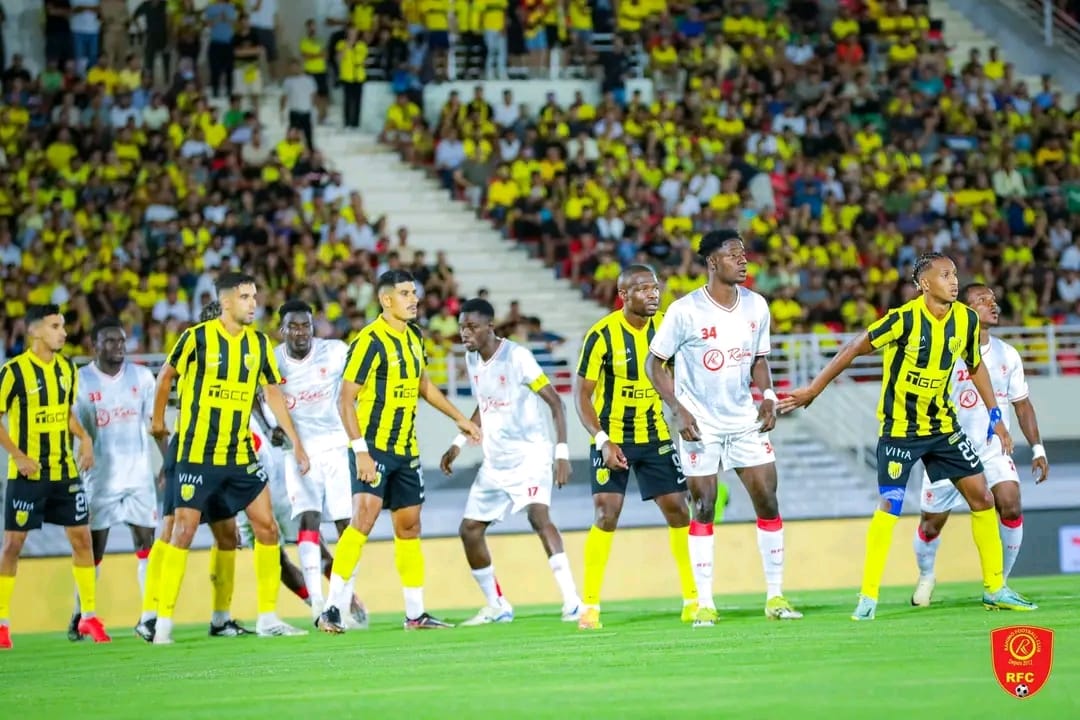
Au retour des vestiaires, Narcisse Ouédraogo a relancé les siens en réduisant l'écart à la 60ᵉ minute, avant que le MAS de Fès ne scelle définitivement l'issue du match avec des buts de Devin Titus et de Christopher Ibayi aux 72ᵉ et 76ᵉ minutes.
Après avoir été éliminés au deuxième tour préliminaire il y a une année en Ligue des champions africaine, les académiciens de Bama pourraient voir leur parcours s'arrêter une deuxième fois consécutive avant la phase de poules.
Le match retour se jouera le 12 septembre prochain au Burkina Faso. Les champions burkinabè devront se relancer s'ils désirent continuer la compétition.
Un seul club burkinabè, Salitas FC, a franchi les tours préliminaires pour atteindre une phase de groupes continentale sur les dix dernières années (2018-2019), et ce, en Coupe de la confédération.
En Ligue des champions africaine, les équipes burkinabè restent encore stoppées lors des tours préliminaires.
Jean Élysée Nikiéma
Lefaso.net
Categories: Afrique
Pages



© 2012-2018 Europa Varietas Foundation © 2015-2018 Europa Varietas Association
www.europavarietas.org | info(@)europavarietas(dot)org | Switzerland




We are looking for sponsors for the English translation of these books, please contact turkeandras(at)gmail(dot)com