
You are here
Afrique
FIA 2026 : Samsung Place l’innovation et l’intelligence artificielle au cœur de sa participation
Samsung Electronics, leader mondial de la technologie, participe à la 57ème édition de la Foire Internationale d’Alger (FIA), qui se tient du 22 au 27 […]
L’article FIA 2026 : Samsung Place l’innovation et l’intelligence artificielle au cœur de sa participation est apparu en premier sur .
Categories: Afrique, Europäische Union
Marché noir des devises : après plusieurs secousses, l’euro marque une pause face au dinar ce 24 juin
L’euro semble avoir trouvé un point d’équilibre sur le marché parallèle des devises en Algérie. Après avoir reculé en fin de semaine dernière puis légèrement […]
L’article Marché noir des devises : après plusieurs secousses, l’euro marque une pause face au dinar ce 24 juin est apparu en premier sur .
Categories: Afrique, Európai Unió : hírek magyarul
Lyon débaptise une rue dédiée au maréchal Bugeaud, figure de la colonisation de l’Algérie
C’est désormais officiel : la rue Bugeaud, artère emblématique du 6e arrondissement, va changer de nom. Suivant l’avis favorable du Comité histoire et mémoires, l’exécutif […]
L’article Lyon débaptise une rue dédiée au maréchal Bugeaud, figure de la colonisation de l’Algérie est apparu en premier sur .
Categories: Afrique, Európai Unió : hírek magyarul
Coupe du monde : les maillots africains les plus iconiques à travers l'histoire - quel est le plus emblématique ?
Voici une sélection de maillots africains parmi les plus marquants, mêlant impact visuel, héritage culturel et forte empreinte en Coupe du monde.
Categories: Afrique, European Union
Coupe du monde : les maillots africains les plus iconiques à travers l'histoire - quel est le plus emblématique ?
Voici une sélection de maillots africains parmi les plus marquants, mêlant impact visuel, héritage culturel et forte empreinte en Coupe du monde.
Categories: Afrique, Határon túli magyar portálok összesített hírei
Yakin und seine Stürmer-Wahl: Sitzt Superjoker Manzambi auch gegen Kanada auf der Bank?
Breel Embolo ist im Nati-Sturm gesetzt, Johan Manzambi muss sich mit der Jokerrolle begnügen. Doch was plant Murat Yakin für das Spiel gegen Kanada?
Categories: Afrique, Swiss News
Nati-Newsticker zur WM: Sonderlob für Xhaka von Kanada-Star
Die Schweiz will diesen Sommer an der Fussball-Weltmeisterschaft in den USA, Kanada und Mexiko für Furore sorgen. Mit dem Nati-Newsticker bleibst du immer am Ball.
Categories: Afrique, Swiss News
«Sie wurden auf den Boden der Tatsachen zurückgeholt»: England-Euphorie verflogen – VAR übersieht Bellingham-Aktion
Nach dem 2. WM-Spiel ist in England die Euphorie etwas abhandengekommen. Während Thomas Tuchel gelassen bleibt, äussern die Medien Kritik – und Jude Bellingham sorgt gleich zweimal für Aufsehen.
Categories: Afrique, Swiss News
Alerte météo du 24 juin : fortes pluies orageuses et vague de chaleur dans plusieurs régions
L’Algérie aborde ce mercredi 24 juin sous un régime météorologique doublement tendu. D’un côté, 33 wilayas de l’intérieur et du Grand Sud sont placées sous alerte pour […]
L’article Alerte météo du 24 juin : fortes pluies orageuses et vague de chaleur dans plusieurs régions est apparu en premier sur .
Categories: Afrique
Kanada-Keeper Crépeau: Nach WM-Drama wartet nun sein grösstes Spiel
Diesen Mann gilt es zu überwinden, wollen wir den Kanadiern den ersten Gruppenplatz abluchsen: Maxime Crépeau, Keeper von Orlando City. Der an der Heim-WM gerade ein maximal grosses Trauma verarbeitet.
Categories: Afrique, Swiss News
Alle Räder stehen still: Computerprobleme legen Bahnverkehr in Deutschland lahm
In Deutschland fiel am Dienstagabend der digitale Zugfunk aus. Eine sichere Weiterfahrt war deshalb nicht möglich, die Züge wurden angehalten.
Categories: Afrique, Swiss News
Drogellenes politika és geopolitikai érdekek: elfogatóparancs Maduro ellen az USA perspektívájából
Merényi Vivien
Drogellenes politika és geopolitikai érdekek:
elfogatóparancs Maduro ellen az USA perspektívájából
A 21. századi nemzetközi politika egyik meghatározó sajátossága, hogy a klasszikus biztonsági kérdések – háború, terrorizmus, államközi konfliktusok – mellett egyre nagyobb szerepet kapnak az úgynevezett „hibrid” fenyegetések. Ezek közé tartozik a kábítószer-kereskedelem is, amely már régóta nem csupán bűnüldözési problémaként értelmezhető, hanem komplex geopolitikai és biztonságpolitikai kihívásként. Az Egyesült Államok drogellenes politikája ennek megfelelően fokozatosan átalakult: a belső rendfenntartás eszközéből globális stratégiává vált, amelyben a jogi, katonai és diplomáciai eszközök szorosan összefonódnak.
Ebben a kontextusban különösen jelentős Nicolás Maduro venezuelai elnök elleni amerikai elfogatóparancs és az azt övező politikai diskurzus. Az ügy nem pusztán egy büntetőjogi eljárás kérdése, hanem a hatalomgyakorlás modern formáinak látványos példája: a drogellenes retorika, a nemzetbiztonsági érvelés és a geopolitikai érdekek együttesen alakítják a narratívát. A Maduro elleni fellépés így egyszerre értelmezhető jogi lépésként, politikai nyomásgyakorlásként és a nemzetközi rend újraértelmezésének eszközeként.
A narco-terrorizmus diskurzusa és a fenyegetés konstrukciója
A Maduro elleni vádemelés egyik legfontosabb jogi és politikai eleme a narco-terrorizmus kategóriája, amely a drogkereskedelem és a terrorizmus összekapcsolásán alapuló, a nemzetközi közösség számára fenyegetésként bemutatott konstrukció – amely nem pusztán jogi fogalom, hanem stratégiai narratíva is, hiszen ez legitimálja a rendkívüli intézkedéseket és a célzott politikai akciókat. Ezen terminus lehetővé teszi, hogy a kábítószer-kereskedelem ne csupán kriminalizált cselekményként jelenjen meg, hanem olyan komplex, rendszerszintű fenyegetésként, ami egyben destabilizálja a nemzetállamokat, veszélyezteti a regionális biztonságot, és hosszú távú hatással van a nemzetközi rendre.
A narco-terrorizmus alkalmazása ugyanakkor nem csupán fenyegetés konstrukcióját szolgálja, hanem a politikai delegitimációt is, mivel a célpontot – jelen esetben Maduro rezsimjét – nem egyszerű politikai ellenfélként, hanem a nemzetközi biztonságot közvetlenül fenyegető entitásként pozicionálja, amely lehetővé teszi az amerikai diplomácia számára az elszigetelést, a szankciók alkalmazását és a regionális nyomásgyakorlást. Ugyanakkor a fogalom kritikák kereszttüzében áll: elemzők és nemzetközi jogászok egyaránt rámutatnak, hogy a narco-terrorizmus rendkívül tág és rugalmas kategória, amely lehetőséget ad politikai motivációjú értelmezésekre, így a jogi normák relativizálására és a nemzetközi konszenzus elkerülésére. Maga a terminus használata tehát egyszerre biztosít jogi és politikai keretet a fellépéshez, miközben új vitákat generál a nemzetközi jogi keretek, a hatalomgyakorlás és a fenyegetés definíciója körül, és egyben megmutatja, hogy a modern drogellenes politika nem pusztán bűnüldözési kérdés, hanem a geopolitikai hatalomgyakorlás komplex eszköze.
Extraterritoriális jog és a szuverenitás újraértelmezése
Az Egyesült Államok extraterritoriális jogalkalmazási gyakorlata a Maduro-ügyben kiemelt jelentőséggel bír a nemzetközi jog fejlődése szempontjából, mivel lehetővé teszi, hogy egy külföldi, sőt akár hivatalban lévő államfő ellen is büntetőeljárás induljon, amennyiben annak tevékenysége az amerikai jogrend szerint amerikai érdekeket sért vagy veszélyeztet. Ez a gyakorlat alapjaiban kérdőjelezi meg a klasszikus szuverenitásfogalmat, amely a Westphalia-i rendszer óta az államok területi kizárólagosságára, egyenlőségére és a külső beavatkozás tilalmára épül. A Maduro-ügy rávilágít arra, hogy a szuverenitás a gyakorlatban egyre inkább feltételes és értelmezésfüggő kategóriává válik, különösen a globális biztonsági kockázatokkal összefüggésben.
Ez a jelenség részben a globalizáció következménye, hiszen a transznacionális bűnözés, a kábítószer-kereskedelem, a pénzmosás, a korrupció vagy a terrorizmus elleni fellépés gyakran nem korlátozható kizárólag nemzeti joghatósági keretekre. A nemzetközi szereplők ezért egyre gyakrabban alkalmaznak olyan jogi konstrukciókat, amelyek lehetővé teszik a határokon átnyúló felelősségre vonást. Ugyanakkor a gyakorlat egyértelműen tükrözi a nemzetközi hatalmi aszimmetriákat is, mivel az Egyesült Államok olyan kiterjedt jogi, pénzügyi és katonai eszközrendszerrel rendelkezik, amely más államok számára jellemzően nem elérhető vagy csak korlátozottan alkalmazható. Ennek következtében az extraterritoriális jogalkalmazás nem pusztán jogtechnikai kérdés, hanem a globális erőviszonyok egyik fontos megnyilvánulása is. Az elfogatóparancs ebben az összefüggésben nem kizárólag jogi aktus, hanem egyértelmű politikai üzenet is. Azt fejezi ki, hogy bizonyos, nemzetközi biztonságot érintő fenyegetések esetén a szuverenitás elve nem tekinthető abszolútnak, és adott esetben alárendelhető a kollektív vagy nemzeti biztonsági prioritásoknak. Ez a megközelítés azonban komoly normatív vitákat generál a nemzetközi jogi szakirodalomban, különösen az állami immunitás, a joghatósági korlátok és a be nem avatkozás elvének értelmezése kapcsán. Különösen problematikus a kérdés, amikor hivatalban lévő államfő érintett, mivel ilyenkor a nemzetközi szokásjog által biztosított immunitási szabályok és a büntetőjogi felelősségre vonás igénye közvetlenül ütközik egymással.
Az extraterritoriális jogalkalmazás emellett precedensértékkel is bírhat, amely hosszabb távon hozzájárulhat a nemzetközi jogi rend átalakulásához. Amennyiben ugyanis ez a logika szélesebb körben elfogadottá válik, az más államokat is ösztönözhet hasonló jogértelmezési és jogalkalmazási gyakorlatok bevezetésére saját geopolitikai érdekeik mentén. Ez viszont a nemzetközi jog fragmentálódásának irányába hathat, és növelheti a joghatósági konfliktusok, valamint a politikailag motivált eljárások kockázatát. Hosszabb távon mindez gyengítheti a nemzetközi normák egységes és kiszámítható alkalmazását.
A Maduro-ügy összességében jól mutatja, hogy a modern hatalomgyakorlásban a jogi, politikai és diplomáciai eszközök egyre szorosabban összekapcsolódnak, és egymást kiegészítve szolgálják a stratégiai érdekérvényesítést. A nemzetközi jog ebben a kontextusban nem csupán normatív szabályrendszerként működik, hanem a globális politikai befolyásolás egyik eszközeként is, amelyben a szuverenitás hagyományos értelmezése folyamatos újratárgyalás tárgyát képezi.
A művelet és a különleges műveleti erők szerepe
Az amerikai tervek a Maduro elleni fellépésre a modern katonai műveletek egyik legösszetettebb és legérzékenyebb kategóriáját képviselik, amelyek a „szürke zónás” műveletek logikájába illeszkednek. Ezek olyan akciók, amelyek szándékosan a nyílt háború és a béke közötti spektrumban helyezkednek el, és céljuk, hogy a stratégiai hatás elérése mellett a katonai eszkaláció és a nyilvános konfrontáció kockázata minimális maradjon. Ebben a keretben a különleges műveleti erők (Special Operations Forces – SOF) kulcsszerepet töltenek be, mivel rendkívül rugalmas, gyorsan bevethető és alacsony láthatóságú képességeik révén képesek olyan politikailag érzékeny feladatok végrehajtására, amelyek hagyományos katonai erőkkel nehezen vagy egyáltalán nem kivitelezhetők.
A művelet előkészítésének egyik legfontosabb pillére a több forrásból származó hírszerzési információk integrálása. Ez magában foglalja a nyílt forrású hírszerzést (OSINT), a humán hírszerzést (HUMINT), a technikai és elektronikai megfigyelési adatok elemzését, valamint a pénzügyi tranzakciók és hálózatok követését. Különösen jelentős szerepet kap a kábítószer-kereskedelmi útvonalak és szervezeti struktúrák feltérképezése, mivel ezek adják az operatív célpontok azonosításának egyik alapját. Az így nyert információk lehetővé teszik a célpontok priorizálását, a kockázati tényezők előzetes értékelését, valamint a műveleti környezet részletes modellezését, amely nélkül egy ilyen komplex akció nem lenne végrehajtható.
A SOF egységek szerepe azonban nem merül ki a közvetlen beavatkozásban vagy az elfogási műveletek végrehajtásában. Feladataik közé tartozik a folyamatos helyzetfelmérés és műveleti tudatosság fenntartása, a gyors reagálási képességek biztosítása, valamint a különböző műveleti komponensek – így a légi, tengeri és esetenként kibertérben zajló műveletek – összehangolása. Emellett kiemelt jelentőségű a logisztikai és kommunikációs infrastruktúra biztosítása, amely garantálja a művelet folyamatosságát még dinamikusan változó környezetben is. A különleges műveleti erők így egyfajta integrált koordinációs központként is funkcionálnak, amely összekapcsolja a hírszerzést, a katonai végrehajtást és a stratégiai döntéshozatalt.
Ugyanakkor az ilyen típusú műveletek rendkívül magas politikai és diplomáciai kockázattal járnak. Egy szuverén állam területén végrehajtott titkos vagy félig titkos katonai akció könnyen nemzetközi feszültségekhez, jogi vitákhoz vagy akár diplomáciai konfliktushoz vezethet, különösen akkor, ha a beavatkozás jogi alapja vitatott vagy nem széles körben elfogadott. A „plauzibilis tagadhatóság” elve ugyan bizonyos mértékig csökkentheti a közvetlen felelősségvállalás politikai költségeit, de nem szünteti meg a művelet következményeit a nemzetközi kapcsolatok rendszerében.
A művelet stratégiai céljai is túlmutatnak a szűken vett elfogáson. A Maduro elleni fellépés egy tágabb geopolitikai és regionális stabilitási keretbe illeszkedik, amely magában foglalhatja a venezuelai politikai rezsim gyengítését, a kábítószer-kereskedelmi hálózatok felszámolását, valamint az Egyesült Államok regionális befolyásának megerősítését Latin-Amerikában. Ebben az összefüggésben a katonai eszközök nem önmagukban, hanem a diplomáciai, gazdasági és jogi nyomásgyakorlás kiegészítéseként jelennek meg. A SOF képességei lehetővé teszik, hogy ezek az eszközök összehangoltan, nagy pontossággal és viszonylag alacsony nyilvános láthatóság mellett érvényesüljenek.
Mindez összességében azt mutatja, hogy a modern különleges műveletek nem csupán taktikai katonai beavatkozások, hanem komplex, többdimenziós stratégiai eszközök, amelyekben a hírszerzés, a katonai végrehajtás, a diplomáciai mérlegelés és a politikai célrendszer szorosan összefonódik. A Maduro-ügy kontextusában ez különösen jól látható, mivel a művelet egyszerre szolgálhat konkrét végrehajtási célt és szélesebb geopolitikai üzenet közvetítését is, miközben érzékeny egyensúlyt próbál fenntartani a hatékonyság, a titkosság és a nemzetközi jogi következmények között.
Geopolitikai érdekek és regionális hatalmi dinamika
A Maduro elleni amerikai fellépés geopolitikai dimenziója rendkívül összetett, és a regionális hatalmi viszonyok átfogó elemzését igényli, mivel Venezuela stratégiai jelentősége – az olaj- és energiahordozók, a regionális politikai szerep és a globális szövetségi kapcsolatok miatt – kiemelt prioritássá teszi az országot az Egyesült Államok számára. A drogellenes politika ebben az esetben nem pusztán rendészeti vagy bűnüldözési intézkedésként értelmezhető, hanem eszközként, amely lehetővé teszi a politikai befolyás növelését, a rezsim delegitimálását és a regionális térség kontrolljának erősítését. Az ügy geopolitikai súlya tovább nő, ha figyelembe vesszük Venezuela kapcsolatát más nagyhatalmakkal, beleértve Oroszországot, Kínát és Kuba szövetségesi hálózatát, amelyek minden amerikai fellépést potenciálisan befolyásolnak és politikailag érzékeny helyzeteket generálnak.
Az Egyesült Államok számára a célok többdimenziósak: egyrészt a kábítószer-kereskedelem visszaszorítása és a nemzetbiztonság fenntartása, másrészt a regionális politikai nyomásgyakorlás, a rezsim instabilizálása és az amerikai befolyás demonstrálása. Ugyanakkor a geopolitikai kockázatok is jelentősek: a művelet eszkalációhoz vezethet, feszültséget generálhat a Latin-Amerikai országok között, és befolyásolhatja a nemzetközi szervezetek, például az ENSZ, az OAS és a nemzetközi jogi mechanizmusok reakcióit. A geopolitikai dimenzió így nemcsak a regionális hatalmi egyensúlyt, hanem a globális nagyhatalmi rivalizálás összefüggéseit is érinti, miközben az amerikai döntéshozatalban a politikai, jogi, katonai és diplomáciai eszközök szoros összhangban működnek, és a Maduro-ügy jól példázza, hogy a modern hatalomgyakorlás hogyan képes egyszerre érvényesülni a helyi, regionális és globális szinten.
Összegzés
A Nicolás Maduro elleni amerikai elfogatóparancs jól példázza, hogy a drogellenes politika és a geopolitikai érdekek szorosan összefonódnak. Az ügy rávilágít arra, hogy a modern hatalomgyakorlás többdimenziós: jogi, politikai, technológiai és ideológiai elemek egyaránt szerepet játszanak benne.
A Maduro-ügy így nem csupán egy konkrét konfliktus, hanem a nemzetközi rend átalakulásának lenyomata is, amelyben a hatalom, a jogi keretek és a biztonság új módon kapcsolódik össze.
Foto: ChatGPT
A Drogellenes politika és geopolitikai érdekek: elfogatóparancs Maduro ellen az USA perspektívájából bejegyzés először Biztonságpolitika-én jelent meg.
Categories: Afrique, Biztonságpolitika
Genugtuung für Ronaldo: «Es war eine dunkle Woche, aber ich habe durchgehalten»
Cristiano Ronaldo spricht nach dem 5:0-Sieg an der WM gegen Usbekistan offen über die Kritik, die nach dem enttäuschenden 1:1 gegen die Demokratische Republik Kongo auf ihn eingeprasselt ist.
Categories: Afrique, Swiss News
Löhne fehlen auf Konto, Personal mit Kameras gefilmt: 25 Angestellte laufen Sturm gegen Schweizer Zalando-Retouren-Partner
Dicke Luft beim Zalando-Retouren-Partner: Ex-Angestellte von MS Direct fordern ausstehende Löhne ein und klagen über Kamera-Überwachung während der Arbeit. Schlichtungsverfahren laufen. MS Direct dementiert die Vorwürfe und spricht von unbegründeten Einzelfällen.
Categories: Afrique, Swiss News
Tanja S. (53) wird vor Migrolino in Hinwil ZH bedroht – bestraft wird aber auch sie: «Ich bin doch das Opfer, warum bekomme ich Hausverbot?»
Lamin B.* bedroht Tanja S.* vor einer Migrolino-Filiale in Hinwil ZH mit dem Tod. Im Laden wehrt sich die Frau, es wird handgreiflich. B. wird für die Drohung verurteilt. Doch die Frau darf trotzdem nicht mehr ins Migrolino. Denn sie hat Hausverbot.
Categories: Afrique, Swiss News
Autofahrer sind selber schuld!: Jeder siebte Parkplatz auf der Strasse in Gefahr
Neuverkaufte Autos werden immer länger und breiter. Das sorgt auf Parkplätzen zunehmend für Dichtestress. Geht die Entwicklung ungebremst weiter, könnten bis zu 14 Prozent der städtischen Strassenparkplätze verschwinden, so eine neue Studie. Auto Schweiz widerspricht.
Categories: Afrique, Swiss News
Schritt für Schritt zur Bestform: So zünden Mujinga und Ditaji Kambundji das nächste Level
Nach einer Schwangerschaft oder Verletzung wieder voll durchstarten? Die Leichtathletik-Stars Mujinga und Ditaji Kambundji wissen, was es dafür braucht – und wie wichtig Geduld und gute Physios sind.
Categories: Afrique, Swiss News
Kecskeméti "érkezők", demózók és tranzitálók
Múlt heti leszállításukat követően ma tartották a második két extra Gripen befogadó ünnepségét Kecskeméten, ahol egyúttal a program kezdetének 25. és az első magyar gépek leszállításának 20. évfordulójáról is megemlékeztek. A véletlennek köszönhetően ráadásul az európai repülőnapra települő Türk Yildizlari is "beesett" a bázisra.
Az áttelepüléshez használt 150 gallonos póttartállyal ér betont a Török Csillagok hatos száma, a mai nap legszínesebb szereplőinek egyike.
A helyi szállítók előterén a vendégeket kísérő A400M svanca is látszik.
A korábban felszállt "legújabb géppár" visszatér a reptér fölé megérkezni.
A 47-es...
...majd a 48-as kigurulása 30-as irányba, háttérben nyilvánvaló jelei láthatók a párhuzamos TWY/RWY építkezésének.
Szemből jól látszik a slick configuration.
(Slick configuration flashback 2007)
A tűzoltófecskendős fogadtatás olyannyira megszokottá vált, hogy lassan teret lehetne újra adni a kreatívoknak. Bár...közben a végéhez közelít a 2017 óta lényegében folyamatos állami légijármű teljesítési időszak is.
47 és 48 leállítás közben.
Ha már pótos, centerline In detail and scale.
Mészáros Csongor főhadnagy egyéni bemutatója a tigrismintás 36-ossal fokozta a rendezvény fényét.
A speciális festésű gép áprilisi bemutatójához képest most sikerült a műalkotást teljes egészében kibontakoztatni a "hátmutogatós" áthúzással.
A magyar Gripen közösség nagy trükkje, a dump and burn is jól sikerült.
Zord
Categories: Afrique, Biztonságpolitika
Le fameux « bouchon gagnant » de retour : 100 téléviseurs LG UHD 50 pouces en jeu
Deux noms gravés dans le quotidien de millions d’Algériens viennent de franchir un cap inédit. LG Electronics Algérie et Hamoud Boualem ont officiellement lancé, le 21 juin dernier, […]
L’article Le fameux « bouchon gagnant » de retour : 100 téléviseurs LG UHD 50 pouces en jeu est apparu en premier sur .
Categories: Afrique
Rhythmus oder längere Pause?: Akanji vor entscheidendem WM-Gruppenspiel in der Zwickmühle
Am Mittwoch (21 Uhr Schweizer Zeit) duelliert sich die Schweiz an der WM mit Kanada um den Gruppensieg. Dabei geht es auch darum, ob die Nati bereits am 28. Juni oder erst am 3. Juli in die K.-o.-Phase einsteigt.
Categories: Afrique, Swiss News
Pages
the old site is here


© 2012-2015 Europa Varietas Foundation © 2015-2020 Europa Varietas Association
www.europavarietas.org | info(@)europavarietas(dot)org | Switzerland
This is a GDPR ready site
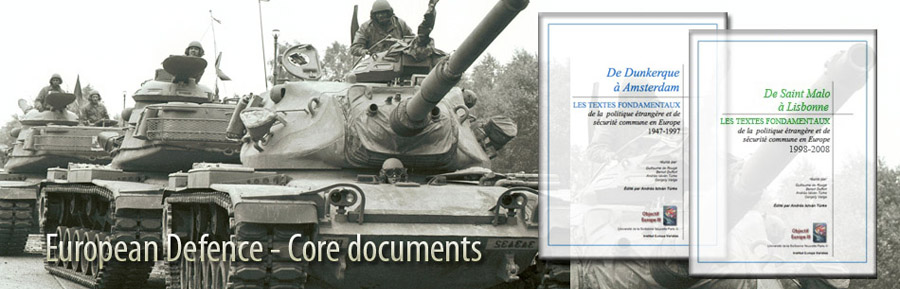
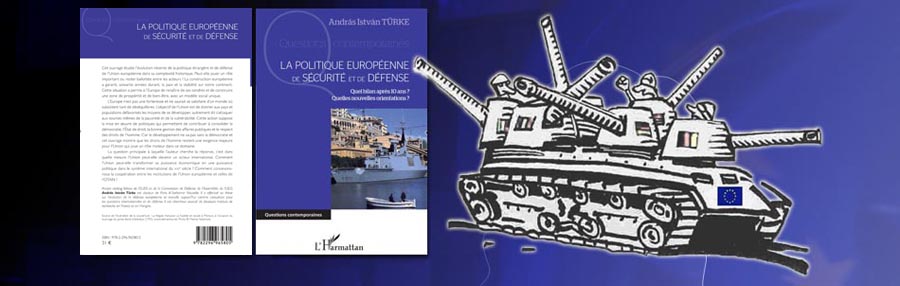
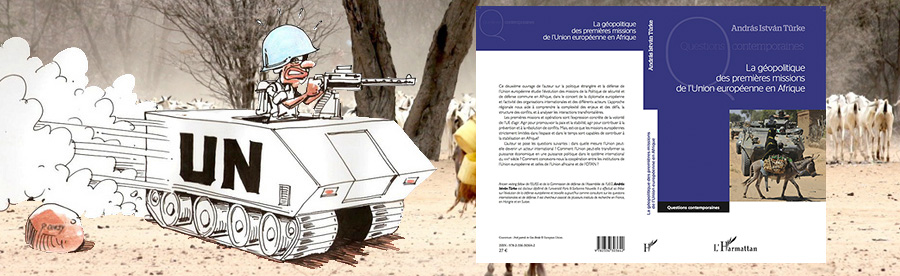
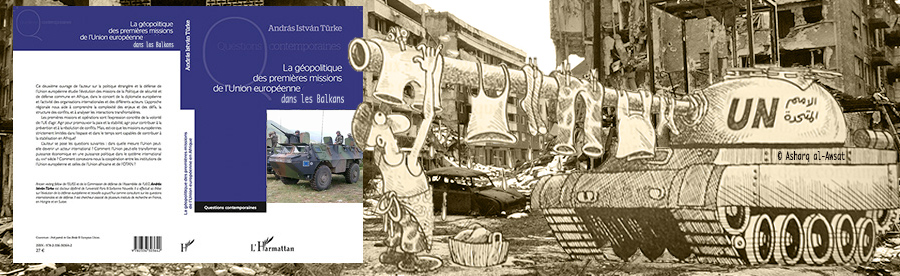
We are looking for sponsors for the English translation of these books, please contact turkeandras(at)gmail(dot)com