
You are here
Diplomacy & Defense Think Tank News
SOEP erhält „Infrastructure Prize for Sociology“ der Kohli Foundation
Die unabhängige, private Stiftung „Kohli Foundation“ hat das Sozio-oekonomische Panel mit seinem diesjährigen Infrastrukturpreis ausgezeichnet. Sein Auswahlkomitee betont die Rolle des SOEP als Vorbild und treibende Kraft im Bereich Dateninfrastruktur – auch über Deutschland hinaus. Es leiste ...
Frauen von KI-Transformation im Beruf nicht deutlich stärker betroffen als Männer
Studie untersucht Zusammenhang zwischen Berufen mit hohem KI-Transformationspotenzial und Frauenanteil der Beschäftigten – Geschlechtsspezifisches Muster lässt sich nicht erkennen – Für Frauen wie Männer besteht Bedarf an einschlägiger und kontinuierlicher Weiterbildung
Der technologische ...
Colombia/United States : Despite rhetoric, Washington quietly steps up support for Bogota's counternarcotics efforts
Despite rising US-Colombia tensions in recent months, Washington is set to provide Bogota with new tools that use artificial intelligence [...]
Thailand : Hyundai mandates influential businesswoman in Bangkok to secure frigate contract
She is the centrepiece of South Korean firm Hyundai Heavy Industries' (HHI) bid in the competition for Thailand's future frigate [...]
France/Iran/Kuwait : Researcher tipped to head French Centre on Arabian Peninsula denied being 'agent of influence' for Iran
The political scientist Elyamine Settoul is tipped to head the French Research Centre on the Arabian Peninsula (CEFREPA, formerly CEFAS), [...]
France : Changes at Orange Marine, Soitec, US spies' HR goes private
Paris – Former Comcyber boss joins Orange MarineThe first head of France's Cyber Defence Command (Comcyber) and a former member [...]
La Manche, laboratoire d’un nouveau modèle d’attractivité territoriale
Face aux enjeux de réindustrialisation, de transition énergétique et de recherche de souveraineté productive, l’attractivité des territoires français change de nature. Elle ne se limite plus à une image ou à une qualité de vie : elle devient une équation complète, articulant production, emploi, logement et conditions d’installation durable. C’est précisément cette transformation que met […]
Categories: Défense, Diplomacy & Defense Think Tank News
After Yaoundé: sobering pragmatism
The members of the World Trade Organization (WTO) gathered for the past few days in the capital of Cameroon for their biennial ministerial conference. Before the 14th Ministerial Conference (MC14), sober pragmatism seemed possible. After four days of tense but fruitless negotiations in Yaoundé, sobering pragmatism carried the day. And both assessments still sit at the positive end of the evaluative spectrum.
Categories: Diplomacy & Defense Think Tank News, Europäische Union
After Yaoundé: sobering pragmatism
The members of the World Trade Organization (WTO) gathered for the past few days in the capital of Cameroon for their biennial ministerial conference. Before the 14th Ministerial Conference (MC14), sober pragmatism seemed possible. After four days of tense but fruitless negotiations in Yaoundé, sobering pragmatism carried the day. And both assessments still sit at the positive end of the evaluative spectrum.
Categories: Diplomacy & Defense Think Tank News, European Union
After Yaoundé: sobering pragmatism
The members of the World Trade Organization (WTO) gathered for the past few days in the capital of Cameroon for their biennial ministerial conference. Before the 14th Ministerial Conference (MC14), sober pragmatism seemed possible. After four days of tense but fruitless negotiations in Yaoundé, sobering pragmatism carried the day. And both assessments still sit at the positive end of the evaluative spectrum.
Categories: Diplomacy & Defense Think Tank News, European Union
Angelina Hackmann: „Ein Ausscheiden syrischer Arbeitskräfte würde in vielen Bereichen den Fachkräftemangel erheblich erhöhen“
Bundeskanzler Friedrich Merz hat gestern auf einer Pressekonferenz angekündigt, dass 80 Prozent der syrischen Geflüchteten in den kommenden drei Jahren in ihre Heimat zurückkehren sollen. Angelina Hackmann, Arbeitsmarktexpertin im Deutschen Institut für Wirtschaftsforschung (DIW Berlin), schätzt die Folgen für den deutschen Arbeitsmarkt wie folgt ein:
Wenn tatsächlich 80 Prozent der syrischen Geflüchteten in ihre Heimat zurückkehren, wird das den deutschen Arbeitsmarkt empfindlich treffen. Rund 240.000 syrische Geflüchtete arbeiten derzeit in sozialversicherungspflichtigen Jobs, davon viele in Mangel- und systemrelevanten Berufen. Ein Ausscheiden dieser Arbeitskräfte würde in vielen Bereichen, zum Beispiel im Transport- und Logistikbereich, in ausgewählten Produktionsbereichen oder dem Gesundheitswesen, den Fachkräftemangel erheblich erhöhen.
Gleichzeitig steht der Arbeitsmarkt bereits unter strukturellem Druck durch den demografischen Wandel. Mit dem Eintritt der Babyboomer in den Ruhestand dürfte das Erwerbspersonenpotenzial bereits ab diesem Jahr sinken. Ohne ausreichenden Ersatz verstärkt sich der Arbeits- und Fachkräftemangel weiter.
Die Folgen gehen über einzelne Branchen hinaus: Eine schrumpfende Erwerbsbevölkerung dämpft das Wachstumspotenzial der gesamten Volkswirtschaft und könnte die aktuelle wirtschaftliche Erholung in Deutschland bremsen. Daher sind sowohl weitere Zuwanderung als auch das langfristige Halten bereits zugewanderter Arbeitskräfte zentrale Bausteine, um die Folgen des demografischen Wandels abzufedern.
Cybersicherheit: Wie Europa von den USA unabhängig werden kann
Categories: Diplomacy & Defense Think Tank News
Unpacking the Epstein Case and the Crisis of the Liberal International Order
Categories: Diplomacy & Defense Think Tank News, France
DIW-Konjunkturbarometer März: Krieg im Nahen Osten bremst Erholung der deutschen Wirtschaft
Das Konjunkturbarometer des Deutschen Instituts für Wirtschaftsforschung (DIW Berlin) ist im März auf 97,3 Punkte zurückgegangen. Im Februar lag der Wert noch bei 101,6 Punkten. Somit wurde der im Herbst begonnene Aufwärtstrend unterbrochen: Der Barometerwert ist erneut unter die neutrale 100-Punkte ...
Guerre en Iran : l’hubris conduit à la catastrophe
Alors que la guerre en Iran entre dans son deuxième mois, aucun signe d’apaisement n’est en vue. Les trois principaux protagonistes sont désormais enfermés dans une logique où chacun surestime sa position et refuse les concessions.
Donald Trump, dont les déclarations erratiques trahissent une perte de contrôle, multiplie les provocations : insultes envers ses alliés, menaces d’intervention terrestre, et une gestion des conséquences économiques qui alimente la contestation aux États-Unis.
L’Iran, malgré les frappes et les destructions, résiste et mise sur sa capacité de nuisance, notamment en bloquant le détroit d’Ormuz. Mais ses exigences démesurées, comme le retrait des bases américaines ou des réparations de guerre, pourraient pousser Donald Trump à une réaction encore plus violente. Benyamin
Netanyahou, lui, semble croire en une victoire sans fin. Entre l’augmentation du budget militaire, la loi sur la peine de mort pour les Palestiniens, et les frappes au Liban, Israël s’enfonce dans une logique de répression qui isole le pays.
La question centrale reste la suivante : jusqu’où iront-ils ? L’hubris de ces dirigeants, leur sentiment d’impunité, et leur refus de négocier sont-ils en passe de déclencher une escalade incontrôlable ?
Pendant ce temps, le monde entier subit les conséquences économiques et humanitaires de la guerre qui s’inscrit dans le temps.
Mon analyse dans cette vidéo.
L’article Guerre en Iran : l’hubris conduit à la catastrophe est apparu en premier sur IRIS.
Categories: Diplomacy & Defense Think Tank News, European Union
Géopolitique des mondes arabes
La guerre en cours au Moyen-Orient a remis au premier plan l’importance stratégique des mondes arabes et leur influence sur la scène internationale. Loin de former un ensemble homogène, ces mondes se distinguent par des contextes politiques, économiques et sociaux très différents, tout en partageant un certain nombre de caractéristiques communes qui contribuent à façonner les dynamiques régionales. La région bénéficie d’atouts stratégiques majeurs, liés notamment à sa position géographique et à ses ressources, mais elle reste également marquée par des fragilités et des déséquilibres persistants. Ces tensions dépassent largement le cadre régional et redéfinissent les équilibres géopolitiques à l’échelle mondiale. À ce titre, le conflit israélo-palestinien en constitue un exemple déterminant, dont les répercussions continuent d’influencer les rapports de force sur la scène internationale.
À l’occasion de la réédition de son livre « Géopolitique des mondes arabes » (Eyrolles, février 2026), Didier Billion, directeur adjoint de l’IRIS et responsable du programme Moyen-Orient / Afrique du Nord, répond à nos questions :
- Sur quoi reposent à la fois l’unité et la diversité des mondes arabes ?
- Quel poids les États des mondes arabes ont-ils dans les relations internationales ? Quels sont leurs principaux atouts et fragilités sur la scène internationale ?
- Quel est l’impact géopolitique du conflit israélo-palestinien à l’échelle régionale ?
L’article Géopolitique des mondes arabes est apparu en premier sur IRIS.
Categories: Diplomacy & Defense Think Tank News, European Union
Turkey’s “Year of the Family” 2025
The Turkish government’s declaration of 2025 as the “Year of the Family” reflects an increasingly authoritarian approach to managing demographic decline amid conditions of economic strain. Falling fertility rates are framed as a strategic challenge to national resilience, giving rise to a policy agenda that positions the family as the cornerstone of demographic recovery. At the same time, anti-gender politics has moved beyond ideological rhetoric towards a broader governance strategy linking demographic management, fiscal constraints, and authoritarian consolidation. For Germany and the European Union (EU), understanding these developments is essential for engaging Turkey on democratic governance, social policy, and gender equality.
Categories: Diplomacy & Defense Think Tank News, France
Elektrolyse basierter Dünger als vielversprechende Innovation in Afrika
Bonn, 30. März 2026. Die Blockade der Straße von Hormus verdeutlicht die Anfälligkeit von globalen Düngemittel-Lieferketten für Störungen. Wasserstofftechnologien ermöglichen die lokale Produktion mit erneuerbaren Energien.
Im März 2026 schloss der Iran nach Angriffen durch Israel und die USA die Straße von Hormus. Dies kann erhebliche Auswirkungen auf die Weltwirtschaft haben, da die Meerenge zentral für den Öl- und Gastransport ist und die Preise steigen würden. Weniger Beachtung fanden bislang die Nahrungsmittelproduktion und die Ernährungssicherheit im Globalen Süden, insbesondere in Asien und Subsahara-Afrika, aber auch in Brasilien. Das sich abzeichnende Problem ist eng mit der Düngemittelversorgung verknüpft, insbesondere mit Stickstoffpräparaten. Stickstoff (N), Phosphor (P) und Kalium (K) sind essenzielle Makronährstoffe, wobei Stickstoffdünger weltweit, auch in Afrika, die größte Bedeutung haben. Die globalen Lieferketten für Phosphor und Kalium greifen auf Lagerstätten in Marokko und Kanada zurück, während Stickstoffdünger nicht aus natürlichen Vorkommen stammen. Früher wurden Quellen wie Gülle, Kompost, Guano und chilenischer Salpeter genutzt, um Nutzpflanzen mit Stickstoff zu versorgen. Diese waren jedoch knapp und reichten für die wachsende Weltbevölkerung nicht aus.
Eine entscheidende Innovation stellte das früh im 20. Jahrhundert entwickelte Haber-Bosch-Verfahren (HBV) dar. Heute werden rund 98 % des Ammoniaks so hergestellt, was enorme Ertragssteigerungen ermöglicht hat. Dabei wird Ammoniak (NH₃) aus Wasserstoff (H₂) und Stickstoff (N₂) hergestellt. Während Stickstoff relativ einfach aus der Luft abgeschieden werden kann, ist dies für Wasserstoff nicht möglich, da seine Konzentration in der Atmosphäre sehr gering ist. Stattdessen dominiert die Dampfreformierung von Methan (Steam Methane Reforming, SMR), bei der Erdgas unter hohem Druck und hoher Temperatur mit Wasserdampf umgesetzt wird. Dabei wird Wasserstoff (H₂) gewonnen und CO₂ freigesetzt. Nahezu die gesamte Ammoniakproduktion ist weiterhin von Erdgas und dem traditionellen HBV abhängig, was zwei Probleme verursacht: Erstens müssen die Treibhausgasemissionen der konventionellen Stickstoffdüngerproduktion deutlich reduziert werden. Zweitens ergeben sich sehr lange Lieferketten: Von weltweit lediglich rund 500 NH₃-Anlagen, die an Gasfelder oder Pipelines gebunden sind, gelangen die Produkte über Importhäfen zum landwirtschaftlichen Betrieb. Wie anfällig diese Strukturen sind, lässt sich derzeit beobachten. Auch wirken sich Schwankungen der Erdgaspreise unmittelbar auf die Preise von Düngemitteln aus.
Geringer Düngemitteleinsatz in AfrikaDer weltweite Düngemitteleinsatz stieg von 55 kg/ha im Jahr 1972 auf 134 kg/ha im Jahr 2022 – mit erheblichen regionalen Unterschieden. Im Jahr 2022 wurden in Ostasien durchschnittlich 321 kg/ha, in Lateinamerika 187 kg/ha und in der EU 124 kg/ha ausgebracht. In Subsahara-Afrika hingegen blieb der Düngemitteleinsatz mit durchschnittlich 18 kg/ha sehr gering (1972: 10 kg/ha). Daten der FAO zeigen, dass Afrika die geringste Ernährungssicherheit aller Weltregionen aufweist, unter anderem aufgrund von Konflikten, Naturkatastrophen, dem Klimawandel und der COVID-19-Pandemie. Aber auch der geringe Düngemitteleinsatz verschärft die Ernährungsunsicherheit. Eine unzureichende Nährstoffversorgung verringert Erträge, Nährstoffgehalt und die für die Bodengesundheit wichtige Biomasse. Zugleich kann sinkende Bodenfruchtbarkeit zur Ausweitung landwirtschaftlicher Flächen und zur Entwaldung beitragen.
Zwei Erklärungen der Afrikanischen Union (AU) griffen dieses Problem auf: Die Abuja-Erklärung (2006) setzte ein Ziel von 50 kg/ha bis 2015, das jedoch deutlich verfehlt wurde. Der Entwurf der Nairobi-Erklärung (2024) bekräftigte dieses Ziel, integrierte es jedoch in umfassendere Strategien zur Bodengesundheit und bezog mineralische und organische Düngemittel ein.
Technologische Innovationen für die lokale Ammoniakproduktion und eine geringere Abhängigkeit von LieferkettenEin vielversprechender Ansatz ist die dezentrale, klimaneutrale Produktion von Ammoniak auf Basis eines elektrifizierten HBV, das mit erneuerbaren Energien betrieben wird. Diese Technologien haben bereits einen hohen Reifegrad erreicht; eine erste Anlage wurde auf einem exportorientierten Großbetrieb in Kenia installiert. Forschungsergebnisse deuten darauf hin, dass solche Lösungen in wenigen Jahren wettbewerbsfähig werden und erheblich zur Ernährungssicherheit beitragen könnten, insbesondere in „unterdüngten“ afrikanischen Ländern.
Eine weitere Technologie, die sich derzeit noch in einem frühen Entwicklungsstadium befindet, ist die Rückgewinnung von Ammoniak aus Abwasser. Dieser Ansatz ist auch für die Bewältigung eines weiteren Problems in vielen afrikanischen Ländern relevant: der Eutrophierung von Gewässern infolge übermäßiger Stickstoffeinträge in Oberflächen- und Grundwasser, ein Problem, das durch das rasante Bevölkerungswachstum weiter verschärft wird.
Kleinere Ammoniakprojekte, etwa im Rahmen öffentlich-privater Partnerschaften, könnten zusammen mit Genossenschaften oder ländlichen Gemeinden umgesetzt werden. Entwicklungsprogramme könnten diese Innovationen im Sinne der Nairobi-Erklärung mit Initiativen zur landwirtschaftlichen Entwicklung und zur Bodengesundheit verbinden. Darüber hinaus ist elektrolysebasiertes Ammoniak zwar ein nahezu klimaneutrales Produkt, dessen Handhabung, Transport und Lagerung jedoch weiterhin anspruchsvoll und potenziell gefährlich sind. Dies erfordert entsprechende Maßnahmen zum Kapazitätsaufbau sowie zur Standardisierung und Qualitätssicherung.
Dr. Andreas Stamm ist Geograph und wissenschaftlicher Mitarbeiter in der Forschungsabteilung "Transformation der Wirtschafts- und Sozialsysteme” des German Institute of Development and Sustainability (IDOS).
Dr. Christine Bosch ist Agrarökonomin und derzeit Postdoktorandin in der Abteilung „Sozialer und institutioneller Wandel in der landwirtschaftlichen Entwicklung“ am Hans-Ruthenberg-Institut der Universität Hohenheim.
Fernanda Nan ist eine internationale Wirtschaftsexpertin mit Spezialisierungen in Recht, Nachhaltigkeit, Compliance- und Prüfungsstandards, Circular Economy Agribusiness und Energie. Sie ist Gastdozentin für das Seminar „Accountability, Ethics, and Governance“ an der Hochschule Osnabrück in Deutschland und unterrichtet „Global Sustainability Business“ an der Fakultät für Ingenieurwissenschaften der Universität Montevideo (UM).
Categories: Diplomacy & Defense Think Tank News, Europäische Union
Elektrolyse basierter Dünger als vielversprechende Innovation in Afrika
Bonn, 30. März 2026. Die Blockade der Straße von Hormus verdeutlicht die Anfälligkeit von globalen Düngemittel-Lieferketten für Störungen. Wasserstofftechnologien ermöglichen die lokale Produktion mit erneuerbaren Energien.
Im März 2026 schloss der Iran nach Angriffen durch Israel und die USA die Straße von Hormus. Dies kann erhebliche Auswirkungen auf die Weltwirtschaft haben, da die Meerenge zentral für den Öl- und Gastransport ist und die Preise steigen würden. Weniger Beachtung fanden bislang die Nahrungsmittelproduktion und die Ernährungssicherheit im Globalen Süden, insbesondere in Asien und Subsahara-Afrika, aber auch in Brasilien. Das sich abzeichnende Problem ist eng mit der Düngemittelversorgung verknüpft, insbesondere mit Stickstoffpräparaten. Stickstoff (N), Phosphor (P) und Kalium (K) sind essenzielle Makronährstoffe, wobei Stickstoffdünger weltweit, auch in Afrika, die größte Bedeutung haben. Die globalen Lieferketten für Phosphor und Kalium greifen auf Lagerstätten in Marokko und Kanada zurück, während Stickstoffdünger nicht aus natürlichen Vorkommen stammen. Früher wurden Quellen wie Gülle, Kompost, Guano und chilenischer Salpeter genutzt, um Nutzpflanzen mit Stickstoff zu versorgen. Diese waren jedoch knapp und reichten für die wachsende Weltbevölkerung nicht aus.
Eine entscheidende Innovation stellte das früh im 20. Jahrhundert entwickelte Haber-Bosch-Verfahren (HBV) dar. Heute werden rund 98 % des Ammoniaks so hergestellt, was enorme Ertragssteigerungen ermöglicht hat. Dabei wird Ammoniak (NH₃) aus Wasserstoff (H₂) und Stickstoff (N₂) hergestellt. Während Stickstoff relativ einfach aus der Luft abgeschieden werden kann, ist dies für Wasserstoff nicht möglich, da seine Konzentration in der Atmosphäre sehr gering ist. Stattdessen dominiert die Dampfreformierung von Methan (Steam Methane Reforming, SMR), bei der Erdgas unter hohem Druck und hoher Temperatur mit Wasserdampf umgesetzt wird. Dabei wird Wasserstoff (H₂) gewonnen und CO₂ freigesetzt. Nahezu die gesamte Ammoniakproduktion ist weiterhin von Erdgas und dem traditionellen HBV abhängig, was zwei Probleme verursacht: Erstens müssen die Treibhausgasemissionen der konventionellen Stickstoffdüngerproduktion deutlich reduziert werden. Zweitens ergeben sich sehr lange Lieferketten: Von weltweit lediglich rund 500 NH₃-Anlagen, die an Gasfelder oder Pipelines gebunden sind, gelangen die Produkte über Importhäfen zum landwirtschaftlichen Betrieb. Wie anfällig diese Strukturen sind, lässt sich derzeit beobachten. Auch wirken sich Schwankungen der Erdgaspreise unmittelbar auf die Preise von Düngemitteln aus.
Geringer Düngemitteleinsatz in AfrikaDer weltweite Düngemitteleinsatz stieg von 55 kg/ha im Jahr 1972 auf 134 kg/ha im Jahr 2022 – mit erheblichen regionalen Unterschieden. Im Jahr 2022 wurden in Ostasien durchschnittlich 321 kg/ha, in Lateinamerika 187 kg/ha und in der EU 124 kg/ha ausgebracht. In Subsahara-Afrika hingegen blieb der Düngemitteleinsatz mit durchschnittlich 18 kg/ha sehr gering (1972: 10 kg/ha). Daten der FAO zeigen, dass Afrika die geringste Ernährungssicherheit aller Weltregionen aufweist, unter anderem aufgrund von Konflikten, Naturkatastrophen, dem Klimawandel und der COVID-19-Pandemie. Aber auch der geringe Düngemitteleinsatz verschärft die Ernährungsunsicherheit. Eine unzureichende Nährstoffversorgung verringert Erträge, Nährstoffgehalt und die für die Bodengesundheit wichtige Biomasse. Zugleich kann sinkende Bodenfruchtbarkeit zur Ausweitung landwirtschaftlicher Flächen und zur Entwaldung beitragen.
Zwei Erklärungen der Afrikanischen Union (AU) griffen dieses Problem auf: Die Abuja-Erklärung (2006) setzte ein Ziel von 50 kg/ha bis 2015, das jedoch deutlich verfehlt wurde. Der Entwurf der Nairobi-Erklärung (2024) bekräftigte dieses Ziel, integrierte es jedoch in umfassendere Strategien zur Bodengesundheit und bezog mineralische und organische Düngemittel ein.
Technologische Innovationen für die lokale Ammoniakproduktion und eine geringere Abhängigkeit von LieferkettenEin vielversprechender Ansatz ist die dezentrale, klimaneutrale Produktion von Ammoniak auf Basis eines elektrifizierten HBV, das mit erneuerbaren Energien betrieben wird. Diese Technologien haben bereits einen hohen Reifegrad erreicht; eine erste Anlage wurde auf einem exportorientierten Großbetrieb in Kenia installiert. Forschungsergebnisse deuten darauf hin, dass solche Lösungen in wenigen Jahren wettbewerbsfähig werden und erheblich zur Ernährungssicherheit beitragen könnten, insbesondere in „unterdüngten“ afrikanischen Ländern.
Eine weitere Technologie, die sich derzeit noch in einem frühen Entwicklungsstadium befindet, ist die Rückgewinnung von Ammoniak aus Abwasser. Dieser Ansatz ist auch für die Bewältigung eines weiteren Problems in vielen afrikanischen Ländern relevant: der Eutrophierung von Gewässern infolge übermäßiger Stickstoffeinträge in Oberflächen- und Grundwasser, ein Problem, das durch das rasante Bevölkerungswachstum weiter verschärft wird.
Kleinere Ammoniakprojekte, etwa im Rahmen öffentlich-privater Partnerschaften, könnten zusammen mit Genossenschaften oder ländlichen Gemeinden umgesetzt werden. Entwicklungsprogramme könnten diese Innovationen im Sinne der Nairobi-Erklärung mit Initiativen zur landwirtschaftlichen Entwicklung und zur Bodengesundheit verbinden. Darüber hinaus ist elektrolysebasiertes Ammoniak zwar ein nahezu klimaneutrales Produkt, dessen Handhabung, Transport und Lagerung jedoch weiterhin anspruchsvoll und potenziell gefährlich sind. Dies erfordert entsprechende Maßnahmen zum Kapazitätsaufbau sowie zur Standardisierung und Qualitätssicherung.
Dr. Andreas Stamm ist Geograph und wissenschaftlicher Mitarbeiter in der Forschungsabteilung "Transformation der Wirtschafts- und Sozialsysteme” des German Institute of Development and Sustainability (IDOS).
Dr. Christine Bosch ist Agrarökonomin und derzeit Postdoktorandin in der Abteilung „Sozialer und institutioneller Wandel in der landwirtschaftlichen Entwicklung“ am Hans-Ruthenberg-Institut der Universität Hohenheim.
Fernanda Nan ist eine internationale Wirtschaftsexpertin mit Spezialisierungen in Recht, Nachhaltigkeit, Compliance- und Prüfungsstandards, Circular Economy Agribusiness und Energie. Sie ist Gastdozentin für das Seminar „Accountability, Ethics, and Governance“ an der Hochschule Osnabrück in Deutschland und unterrichtet „Global Sustainability Business“ an der Fakultät für Ingenieurwissenschaften der Universität Montevideo (UM).
Categories: Diplomacy & Defense Think Tank News, European Union
Elektrolyse basierter Dünger als vielversprechende Innovation in Afrika
Bonn, 30. März 2026. Die Blockade der Straße von Hormus verdeutlicht die Anfälligkeit von globalen Düngemittel-Lieferketten für Störungen. Wasserstofftechnologien ermöglichen die lokale Produktion mit erneuerbaren Energien.
Im März 2026 schloss der Iran nach Angriffen durch Israel und die USA die Straße von Hormus. Dies kann erhebliche Auswirkungen auf die Weltwirtschaft haben, da die Meerenge zentral für den Öl- und Gastransport ist und die Preise steigen würden. Weniger Beachtung fanden bislang die Nahrungsmittelproduktion und die Ernährungssicherheit im Globalen Süden, insbesondere in Asien und Subsahara-Afrika, aber auch in Brasilien. Das sich abzeichnende Problem ist eng mit der Düngemittelversorgung verknüpft, insbesondere mit Stickstoffpräparaten. Stickstoff (N), Phosphor (P) und Kalium (K) sind essenzielle Makronährstoffe, wobei Stickstoffdünger weltweit, auch in Afrika, die größte Bedeutung haben. Die globalen Lieferketten für Phosphor und Kalium greifen auf Lagerstätten in Marokko und Kanada zurück, während Stickstoffdünger nicht aus natürlichen Vorkommen stammen. Früher wurden Quellen wie Gülle, Kompost, Guano und chilenischer Salpeter genutzt, um Nutzpflanzen mit Stickstoff zu versorgen. Diese waren jedoch knapp und reichten für die wachsende Weltbevölkerung nicht aus.
Eine entscheidende Innovation stellte das früh im 20. Jahrhundert entwickelte Haber-Bosch-Verfahren (HBV) dar. Heute werden rund 98 % des Ammoniaks so hergestellt, was enorme Ertragssteigerungen ermöglicht hat. Dabei wird Ammoniak (NH₃) aus Wasserstoff (H₂) und Stickstoff (N₂) hergestellt. Während Stickstoff relativ einfach aus der Luft abgeschieden werden kann, ist dies für Wasserstoff nicht möglich, da seine Konzentration in der Atmosphäre sehr gering ist. Stattdessen dominiert die Dampfreformierung von Methan (Steam Methane Reforming, SMR), bei der Erdgas unter hohem Druck und hoher Temperatur mit Wasserdampf umgesetzt wird. Dabei wird Wasserstoff (H₂) gewonnen und CO₂ freigesetzt. Nahezu die gesamte Ammoniakproduktion ist weiterhin von Erdgas und dem traditionellen HBV abhängig, was zwei Probleme verursacht: Erstens müssen die Treibhausgasemissionen der konventionellen Stickstoffdüngerproduktion deutlich reduziert werden. Zweitens ergeben sich sehr lange Lieferketten: Von weltweit lediglich rund 500 NH₃-Anlagen, die an Gasfelder oder Pipelines gebunden sind, gelangen die Produkte über Importhäfen zum landwirtschaftlichen Betrieb. Wie anfällig diese Strukturen sind, lässt sich derzeit beobachten. Auch wirken sich Schwankungen der Erdgaspreise unmittelbar auf die Preise von Düngemitteln aus.
Geringer Düngemitteleinsatz in AfrikaDer weltweite Düngemitteleinsatz stieg von 55 kg/ha im Jahr 1972 auf 134 kg/ha im Jahr 2022 – mit erheblichen regionalen Unterschieden. Im Jahr 2022 wurden in Ostasien durchschnittlich 321 kg/ha, in Lateinamerika 187 kg/ha und in der EU 124 kg/ha ausgebracht. In Subsahara-Afrika hingegen blieb der Düngemitteleinsatz mit durchschnittlich 18 kg/ha sehr gering (1972: 10 kg/ha). Daten der FAO zeigen, dass Afrika die geringste Ernährungssicherheit aller Weltregionen aufweist, unter anderem aufgrund von Konflikten, Naturkatastrophen, dem Klimawandel und der COVID-19-Pandemie. Aber auch der geringe Düngemitteleinsatz verschärft die Ernährungsunsicherheit. Eine unzureichende Nährstoffversorgung verringert Erträge, Nährstoffgehalt und die für die Bodengesundheit wichtige Biomasse. Zugleich kann sinkende Bodenfruchtbarkeit zur Ausweitung landwirtschaftlicher Flächen und zur Entwaldung beitragen.
Zwei Erklärungen der Afrikanischen Union (AU) griffen dieses Problem auf: Die Abuja-Erklärung (2006) setzte ein Ziel von 50 kg/ha bis 2015, das jedoch deutlich verfehlt wurde. Der Entwurf der Nairobi-Erklärung (2024) bekräftigte dieses Ziel, integrierte es jedoch in umfassendere Strategien zur Bodengesundheit und bezog mineralische und organische Düngemittel ein.
Technologische Innovationen für die lokale Ammoniakproduktion und eine geringere Abhängigkeit von LieferkettenEin vielversprechender Ansatz ist die dezentrale, klimaneutrale Produktion von Ammoniak auf Basis eines elektrifizierten HBV, das mit erneuerbaren Energien betrieben wird. Diese Technologien haben bereits einen hohen Reifegrad erreicht; eine erste Anlage wurde auf einem exportorientierten Großbetrieb in Kenia installiert. Forschungsergebnisse deuten darauf hin, dass solche Lösungen in wenigen Jahren wettbewerbsfähig werden und erheblich zur Ernährungssicherheit beitragen könnten, insbesondere in „unterdüngten“ afrikanischen Ländern.
Eine weitere Technologie, die sich derzeit noch in einem frühen Entwicklungsstadium befindet, ist die Rückgewinnung von Ammoniak aus Abwasser. Dieser Ansatz ist auch für die Bewältigung eines weiteren Problems in vielen afrikanischen Ländern relevant: der Eutrophierung von Gewässern infolge übermäßiger Stickstoffeinträge in Oberflächen- und Grundwasser, ein Problem, das durch das rasante Bevölkerungswachstum weiter verschärft wird.
Kleinere Ammoniakprojekte, etwa im Rahmen öffentlich-privater Partnerschaften, könnten zusammen mit Genossenschaften oder ländlichen Gemeinden umgesetzt werden. Entwicklungsprogramme könnten diese Innovationen im Sinne der Nairobi-Erklärung mit Initiativen zur landwirtschaftlichen Entwicklung und zur Bodengesundheit verbinden. Darüber hinaus ist elektrolysebasiertes Ammoniak zwar ein nahezu klimaneutrales Produkt, dessen Handhabung, Transport und Lagerung jedoch weiterhin anspruchsvoll und potenziell gefährlich sind. Dies erfordert entsprechende Maßnahmen zum Kapazitätsaufbau sowie zur Standardisierung und Qualitätssicherung.
Dr. Andreas Stamm ist Geograph und wissenschaftlicher Mitarbeiter in der Forschungsabteilung "Transformation der Wirtschafts- und Sozialsysteme” des German Institute of Development and Sustainability (IDOS).
Dr. Christine Bosch ist Agrarökonomin und derzeit Postdoktorandin in der Abteilung „Sozialer und institutioneller Wandel in der landwirtschaftlichen Entwicklung“ am Hans-Ruthenberg-Institut der Universität Hohenheim.
Fernanda Nan ist eine internationale Wirtschaftsexpertin mit Spezialisierungen in Recht, Nachhaltigkeit, Compliance- und Prüfungsstandards, Circular Economy Agribusiness und Energie. Sie ist Gastdozentin für das Seminar „Accountability, Ethics, and Governance“ an der Hochschule Osnabrück in Deutschland und unterrichtet „Global Sustainability Business“ an der Fakultät für Ingenieurwissenschaften der Universität Montevideo (UM).
Categories: Diplomacy & Defense Think Tank News, European Union
Pages


© 2012-2018 Europa Varietas Foundation © 2015-2018 Europa Varietas Association
www.europavarietas.org | info(@)europavarietas(dot)org | Switzerland
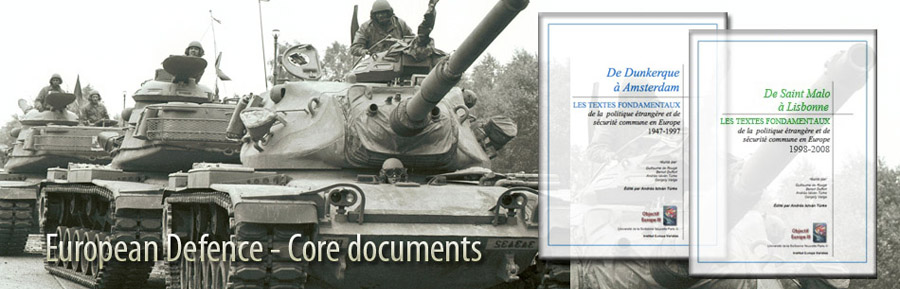
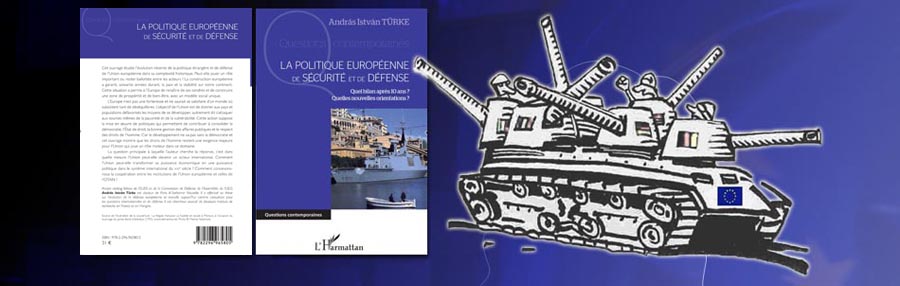
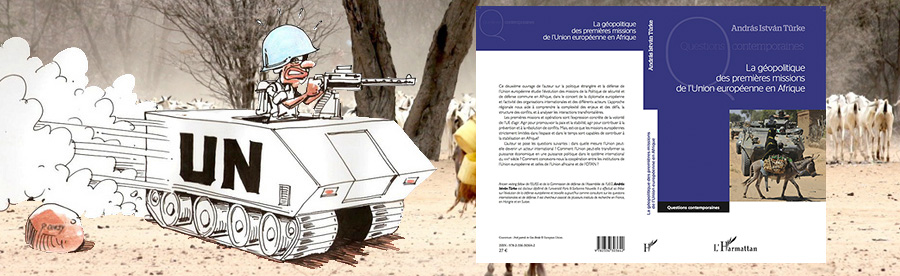
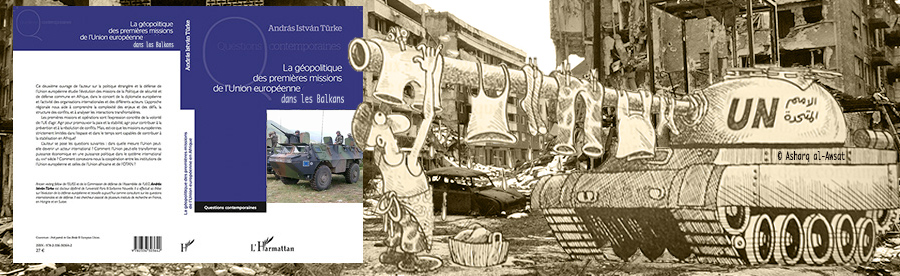
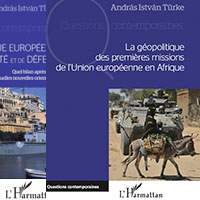
We are looking for sponsors for the English translation of these books, please contact turkeandras(at)gmail(dot)com