
You are here
European Union
Debate: Austria: government votes to extend military service
The Austrian government wants to extend compulsory military service from six to nine months. Its 6+3 scheme is intended to boost the Austrian army's operational readiness and better prepare soldiers for crisis and defence tasks. To make military service more attractive, holiday entitlement will be introduced and pay will be hiked up to 1,000 euros a month. The press is very sceptical.
Categories: European Union
Debate: Turkey: on the path to lasting peace with the Kurds?
In July 2025, after more than 40 years of civil war, the PKK has symbolically laid down its arms. Reconciliation with the Kurds is now to be placed on a legal footing, and Turkey has announced that is preparing the legal framework for a peace process that will regulate disarmament, returns and reintegration. The speaker of Turkey's parliament, Numan Kurtulmuş, called for Turkish-Kurdish brotherhood.
Categories: European Union
Latest news - Next SEDE meetings - Committee on Security and Defence
The next meeting of the Committee on Security and Defence (SEDE) is scheduled to take place on Wednesday, 2 September 2026 from 9.00 - 12.30 and 14.30 - 18.30 and Thursday, 3 September 2026 from 9.00 - 12.30 in Brussels (room TBC).
Further information about the SEDE meetings can be found here.
_______________________
SEDE missions 2026:
- Canada - 26-28 May 2026
- Taiwan - 30 March - 2 April 2026
- Poland and Czechia - 16-18 February 2026
- Ukraine - 5-6 February 2026
- Djibouti - 27-29 October 2025
- Greenland - 15-19 September 2025
- Norway - 27-30 May 2025
- Moldova and Ukraine - 14-17 April 2025
- Bosnia and Herzegovina - 24-27 February 2025
- Israel and Palestine - 5-8 February 2025
- United Kingdom - 28-30 October 2024
- Ukraine - 25-26 October 2024
SEDE Committee meetings' calendar 2026
SEDE Committee meetings' calendar 2025
EP calendar 2026
Source : © European Union, 2026 - EP
Categories: Defence`s Feeds, European Union
Georgien: Europa oder Asien?: Grenzen in Bewegung
Georgien liegt an der Schnittstelle zwischen Europa und Asien, wodurch sich zahlreiche Fragen zur geografischen und kulturellen Zugehörigkeit des Landes stellen. Diese Thematik erhielt im Laufe der Geschichte immer wieder neue Impulse durch politische, soziale und kulturelle Entwicklungen, die das Land geprägt haben. In diesem Artikel wollen wir verschiedene Aspekte beleuchten, um besser zu verstehen, wie Georgiens Lage seine Rolle in der Welt definiert.
Die historischen Veränderungen des georgischen Staatsgebietes haben bedeutende Spuren hinterlassen. Von den antiken Königreichen Karthli und Kolchis bis hin zu sowjetischen Einflüssen im 20. Jahrhundert – jede Epoche trug ihr eigenes geopolitisches Gewicht. Politische Dynamiken und territoriale Verschiebungen gaben dem Land stets eine einzigartige Position, sowohl in Europa als auch in Asien.
Kulturell hat Georgien Einflüsse aus beiden Kontinenten aufgenommen, was besonders an der Sprach- und Kunstvielfalt erkennbar ist. Die geographische Lage am Übergang zweier Welten spiegelt sich nicht nur in der Architektur und Küche wider, sondern auch in den religiösen Traditionen und gesellschaftlichen Normen. Europäische und asiatische Kulturen verschmelzen hier auf faszinierende Weise.
Das Wichtigste in Kürze- Georgien liegt geografisch an der Schnittstelle zwischen Europa und Asien.
- Historische Einflüsse: Antikes Karthli, Kolchis, Osmanisches Reich, Sowjetunion.
- Kulturelle Vielfalt: Mischung europäischer und asiatischer Einflüsse.
- Engere Beziehungen zu EU und NATO seit 1991.
- Transitschlüssel für globalen Handel, insbesondere Energie.
Georgien hat über die Jahrhunderte eine Vielzahl historischer Transformationen durchlaufen. Seit der Antike war das georgische Staatsgebiet aufgrund seiner strategischen Lage im Kaukasus häufig Brennpunkt von Auseinandersetzungen und Spielball mächtiger Reiche.
Im Laufe der Zeit wurde das Land von verschiedenen Großmächten beeinflusst, darunter das Römische Reich, das Byzantinische Reich und später das Osmanische Reich. Besonders prägend war die Russifizierung, die mit der Eingliederung Georgiens in das Russische Kaiserreich im 19. Jahrhundert begann und unter sowjetischer Herrschaft weitergeführt wurde.
Nach dem Zusammenbruch der Sowjetunion erlangte Georgien 1991 seine Unabhängigkeit zurück, musste jedoch weiterhin Konflikte um seine Grenzen und autonome Gebiete, wie Abchasien und Südossetien, bewältigen.
Dazu mehr: Geheimtipp Urlaub im Januar in Europa
Georgiens geographische Lage und GrenzenGeorgien: Europa oder Asien?: Grenzen in BewegungGeorgien befindet sich im südlichen Kaukasus und erstreckt sich zwischen dem Schwarzen Meer im Westen und den Bergen des Großen Kaukasus im Norden. Das Land teilt Grenzen mit Russland im Norden, der Türkei und Armenien im Süden sowie Aserbaidschan im Osten. Diese geografische Lage macht Georgien zu einem Schnittpunkt vieler Kulturen.
Die Nähe zum Schwarzen Meer hat es historisch ermöglicht, dass maritime Handelsrouten einen bedeutenden Einfluss auf die Region hatten. Gleichzeitig sorgen die Berge des Großen Kaukasus für eine natürliche Grenze und haben historisch als Schutzschild gegen nördliche Invasionen gedient.
Russland, das ganz im Norden liegt, spielt eine wichtige Rolle in regionalen Sicherheitsfragen, während die Türkei als Tor zu Europa dient. Die Lage Georgiens trägt somit zur geopolitischen Dynamik der Region bei.
Georgien ist das Verbindungsstück zwischen Europa und Asien, wo sich verschiedene Kulturen und Traditionen zu einer einzigartigen Synthese vermischen. – Salome Surabischwili
Kulturelle Einflüsse aus Europa und AsienGeorgien war im Laufe der Geschichte einem Mix von kulturellen Einflüssen ausgesetzt. Aufgrund seiner geographischen Lage erhielt das Land sowohl europäische als auch asiatische Impulse, die seine kulturelle Vielfalt geprägt haben. Einerseits führten enge Handelskontakte zu westlichen Ländern zur Einführung europäischer Kunststile und wissenschaftlicher Errungenschaften. Andererseits hinterließen Jahrhunderte der Interaktion mit asiatischen Zivilisationen deutliche Spuren in der Architektur, der Küche und den Traditionen des Landes.
Politische Beziehungen zu westlichen LändernGeorgien hat im Laufe der letzten Jahrzehnte stark auf eine Annäherung an den Westen gesetzt, insbesondere an die Europäische Union und die NATO. Diese Ausrichtung spiegelt sich in verschiedenen bilateralen Abkommen sowie Handels- und Kooperationsverträgen wider.
Eine bedeutende Rolle spielt dabei der Assoziierungsabkommen mit der EU, welches das Land 2014 unterzeichnete. Dieses Abkommen eröffnete Georgien Möglichkeiten für umfassende wirtschaftliche Integration und bot Unterstützung bei politischen Reformen.
Auch die Zusammenarbeit mit der NATO ist von großer Bedeutung. Georgien nimmt regelmäßig an gemeinsamen Manövern teil und strebt langfristig eine Mitgliedschaft iin diesem Verteidigungsbündnis an. Die geostrategische Lage des Landes macht es zu einem wichtigen Partner für westliche Nationen.
Ergänzende Artikel: Europa Camping Village Preise: Was kostet Ihr Urlaub?
.table-responsiv {width: 100%;padding: 0px;margin-bottom: 0px;overflow-y: hidden;border: 1px solid #DDD;overflow-x: auto;min-height: 0.01%;} Historische Epoche Einflussreiche Mächte Hauptauswirkungen Antike Römisches Reich, Byzantinisches Reich Kulturelle und wirtschaftliche Einflüsse, Christianisierung Mittelalter Abbasiden-Kalifat, Byzantinisches Reich Militärische Konflikte, kulturelle Beeinflussung durch Islam Neuzeit Russisches Kaiserreich, Sowjetunion Russifizierung, Verlust und Wiedererlangung der Unabhängigkeit Rolle im südlichen Kaukasus Rolle im südlichen Kaukasus – Georgien: Europa oder Asien?: Grenzen in BewegungGeorgien spielt eine zentrale Rolle im südlichen Kaukasus. Die strategische Lage des Landes macht es zu einem wichtigen Akteur in der Region, sowohl geopolitisch als auch wirtschaftlich. Als Brücke zwischen Europa und Asien sieht sich Georgien oft mit verschiedenen Einflüssen konfrontiert.
Durch seine Nähe zu Russland, der Türkei und dem Iran ist Georgien ein bedeutender Transitkorridor für Öl- und Gaspipelines sowie andere Handelsrouten. Diese Position bringt nicht nur wirtschaftliche Vorteile, sondern auch politische Herausforderungen, da das Land bestrebt ist, seine Souveränität und Unabhängigkeit zu bewahren, während es gleichzeitig enge Beziehungen zu westlichen Ländern pflegt.
Empfehlung: Partystädte Europa: Wo die Nacht zum Tag wird
Wirtschaftsbeziehungen mit nahen NachbarnGeorgien hat enge wirtschaftliche Verbindungen zu seinen Nachbarn, insbesondere zur Türkei, Russland und Aserbaidschan. Diese Länder sind wichtige Handelspartner für Georgien und spielen eine bedeutende Rolle im Export- und Importgeschäft des Landes. Die geographische Nähe fördert die Handelsbeziehungen, wobei die gemeinsame Geschichte und kulturelle Affinitäten ebenfalls eine Rolle spielen.
Ein besonders bedeutsamer Aspekt der Zusammenarbeit ist der Energietransfer. Durch Pipelines fließen große Mengen an Öl und Gas von Aserbaidschan durch Georgien in Richtung Westen. Dieser Transit macht Georgien zu einem wichtigen Korridor für den Energiehandel zwischen Europa und Asien.
Zudem profitiert das Land von Investitionen aus diesen Nachbarländern in verschiedenen Sektoren wie Bauwesen und Tourismus. Die wirtschaftlichen Beziehungen tragen zur Entwicklung lokaler Infrastrukturen und zur Schaffung neuer Arbeitsplätze bei.
Bevölkerungsstruktur und linguistischer VielfaltGeorgien ist ein bemerkenswertes Beispiel für kulturelle und sprachliche Vielfalt. Die Bevölkerung setzt sich aus verschiedenen ethnischen Gruppen zusammen, darunter Georgier, Armenier, Aserbaidschaner und Russen. Dies trägt zu einer reichen kulturellen Mischung bei.
Sprachlich gesehen ist die Situation ebenso vielfältig. Die offizielle Sprache ist Georgisch, eine einzigartige Sprache mit dem eigenen Alphabet. Aber auch andere Sprachen wie Armenisch und Aserbaidschanisch sind in bestimmten Regionen weit verbreitet. Diese linguistische Vielfalt spiegelt die komplexe historische Entwicklung und die zahlreichen Einflüsse wider, die das Land geprägt haben.
Strategische Bedeutung für globalen HandelGeorgien spielt eine zentrale Rolle im globalen Handel, insbesondere aufgrund seiner geographischen Lage als Schnittstelle zwischen Europa und Asien. Das Land liegt entlang wichtiger Handelsrouten, die für den Transport von Waren aus dem östlichen Mittelmeerraum nach Zentralasien und weiter nach China genutzt werden.
Ein weiterer Vorteil ist Georgiens Zugang zum Schwarzen Meer, das es zu einem wichtigen Knotenpunkt im Seehandel macht. Moderne Häfen und Infrastrukturprojekte tragen dazu bei, Georgien als Drehkreuz für Logistik und Gütertransporte zu stärken. Dies fördert nicht nur den eigenen wirtschaftlichen Fortschritt, sondern auch den der umliegenden Regionen.
FAQ: Antworten auf häufig gestellte Fragen Ist Georgien Mitglied der Europäischen Union? Nein, Georgien ist derzeit kein Mitglied der Europäischen Union. Es hat jedoch ein Assoziierungsabkommen mit der EU unterzeichnet und strebt eine engere Integration an. Was sind die wichtigsten Wirtschaftszweige Georgiens? Zu den wichtigsten Wirtschaftszweigen Georgiens gehören Landwirtschaft, Tourismus, Bergbau, und die Herstellung von Wein. Auch der Energie- und Transportsektor spielt eine bedeutende Rolle. Welches Klima hat Georgien? Georgien hat ein vielfältiges Klima, das von subtropisch an der Schwarzmeerküste bis zu kontinental in den bergigen Regionen reicht. Die Sommer sind in der Regel warm bis heiß, während die Winter variieren können, mit milderen Temperaturen im Westen und kälteren, schneereicheren Bedingungen im Osten und in den Bergregionen. Welche Religion ist in Georgien am weitesten verbreitet? Die am weitesten verbreitete Religion in Georgien ist das Christentum. Die Mehrheit der Bevölkerung gehört der Georgisch-Orthodoxen Kirche an. Gibt es in Georgien UNESCO-Weltkulturerbestätten? Ja, Georgien verfügt über mehrere UNESCO-Weltkulturerbestätten, darunter die historische Stadt Mzcheta, der Swetizchoveli-Kathedrale und das Höhlenkloster in Wardsia. Was sind einige traditionelle Gerichte in Georgien? Einige traditionelle georgische Gerichte umfassen Chinkali (Teigtaschen mit Fleischfüllung), Chatschapuri (Käse-Brot), und Sazivi (Hühnchen in Walnusssauce). Die georgische Küche ist bekannt für Ihre Vielfalt und würzigen Aromen. Welche berühmten historischen Persönlichkeiten stammen aus Georgien? Eine berühmte historische Persönlichkeit aus Georgien ist Josef Stalin, der von 1924 bis 1953 die Sowjetunion führte. Ein weiterer bedeutender georgischer Staatsmann ist Schota Rustaweli, ein mittelalterlicher Dichter und Autor des Epos Der Recke im Tigerfell. Wie ist es um die Verkehrsanbindungen in Georgien bestellt? Georgien verfügt über ein gut ausgebautes Straßennetz sowie mehrere wichtige Eisenbahnlinien, die seine Städte und Regionen miteinander verbinden. Internationale Flughäfen wie der Tiflis Internationale Flughafen sorgen für Verbindungen zu zahlreichen Destinationen weltweit. Auch die wichtigsten Häfen am Schwarzen Meer spielen eine bedeutende Rolle im Transportwesen. Wie gestaltet sich das Bildungssystem in Georgien? Das Bildungssystem in Georgien umfasst die allgemeine Schulbildung, die aus Grundschule, Mittelschule und Oberschule besteht. Anschließend gibt es zahlreiche Universitäten und Hochschulen, die sowohl nationale als auch internationale Studiengänge anbieten. Das Bildungssystem durchläuft ständig Reformen, um die Qualität und den Zugang zur Bildung zu verbessern. Wie sicher ist Georgien für Touristen? Georgien gilt generell als sicher für Touristen. Es gibt eine niedrige Kriminalitätsrate, und die Regierung legt großen Wert auf den Schutz der Besucher. Dennoch sollten Reisende wie überall auf der Welt grundlegende Sicherheitsvorkehrungen beachten und sich über örtliche Gegebenheiten informieren.Der Beitrag Georgien: Europa oder Asien?: Grenzen in Bewegung erschien zuerst auf Neurope.eu - News aus Europa.
Categories: European Union
Can lightning strike twice? Cape Verde set for Wafcon debut
After the men's success at the World Cup, Cape Verde should not be underestimated on their Women's Africa Cup of Nations debut, forward Sandra Martins warns.
Categories: Africa, European Union
'Every country wants to beat Nigeria' - Super Falcons hunt 11th Wafcon title
Nigeria face Malawi, Zambia and Egypt at the 2026 Women's Africa Cup of Nations, looking to defend their crown and claim an 11th title.
Categories: Africa, European Union
University Autonomy and Organizational Identity: What’s the Story of Regional Universities in Kazakhstan?

Illustrative photograph of a university campus in Kazakhstan. The universities discussed in this article have been anonymised. Photo credit: Abylkas Saginov Karaganda Technical University website
Danagul YembergenovaIn 2018, Kazakhstan granted public universities greater institutional autonomy, encouraging them to become more entrepreneurial, internationally competitive, and responsive to societal and economic needs. But autonomy reforms do more than change governance arrangements; they reshape how universities understand themselves.
Rather than asking whether universities have become more autonomous, our recent research asks a different question: How do universities redefine who they are when formal autonomy expands but practical constraints remain?
Universities do not begin these transformations with a blank slate. They carry organizational histories, traditions, values, and identities that have developed over decades. As new policy expectations emerge, institutions must negotiate these legacies while responding to growing pressures for internationalization, research excellence, and competitiveness.
This blog presents findings from our recent article Negotiating organizational identity under symbolic autonomy: evidence from regional universities in Kazakhstan, published in Higher Education and authored by Ahmet Aypay, Danagul Yembergenova, Aida Sagintayeva and Murat Özdemir.
Autonomy on paper – but not always in practice
Institutional autonomy has become a central feature of higher education reforms worldwide. Governments increasingly expect universities to become more innovative, internationally visible, and responsive to labor market needs while reducing direct state control. Kazakhstan has embraced this agenda through reforms intended to decentralize university governance and strengthen institutional decision-making.
However, our study suggests that legal autonomy does not automatically translate into genuine institutional freedom. Although universities have formally gained greater authority over governance and strategic planning, many regional institutions remain constrained by state funding dependence, rigid accountability requirements, ministerial performance indicators, and limited internal governance capacity. As one vice-rector puts it, “Full autonomy is not possible in an environment where the government provides funding as a founding institution.”
We describe this situation as symbolic autonomy—a condition in which universities appear autonomous in legal terms but continue to operate within strong structural constraints that limit their ability to act strategically.
Organizational identity matters as much as governance
Importantly, our research goes beyond examining whether autonomy reforms succeeded or failed. Drawing on and extending Stensaker’s framework of organizational identity, we show that identity work unfolds differently when autonomy is largely symbolic. Under these conditions, organizational identity is shaped not only by strategic ambitions but also by structural constraints, institutional histories, and regional contexts.
To explore this process, we conducted interviews and focus groups with 63 university leaders and academics across five regional public universities in Kazakhstan. Rather than evaluating policy implementation alone, we examined how institutional actors interpreted, negotiated, and experienced organizational change in their everyday work.
Five universities, five identity trajectories
Our findings reveal that there was no single response to autonomy reforms. Instead, the five universities followed distinct organizational identity trajectories. In four universities, identity change was largely driven by leadership efforts to strengthen the institution’s external image through research excellence, internationalization and global competitiveness. However, these ambitions frequently collided with practical realities, including limited resources, staff shortages, bureaucratic reporting requirements and continued ministerial oversight. Many faculty members viewed these initiatives through the lens of their everyday constraints, creating a gap between the image projected by institutional leaders and the lived experience of academic life.
Although these universities shared a broad orientation towards external prestige, they followed different identity trajectories. Some selectively adapted new ambitions while preserving long-established traditions. Others experienced fragmentation as competing priorities, historical legacies and bureaucratic pressures pulled the institution in different directions. In several cases, externally promoted institutional images proved difficult to integrate into everyday practices, leading to a decoupling between organizational identity and institutional image.
One university, however, followed a markedly different trajectory. Instead of building its identity primarily around external prestige, it grounded institutional development in local culture, regional heritage, and addressing community challenges. The university has preserved local heritage by naming classrooms and laboratories after historical figures, making local culture part of its institutional identity.
Organizational identity, thus, emerged more organically through shared values and collective engagement rather than through top-down strategic branding. Although this university continued to face many of the same structural constraints, including limited resources and bureaucratic pressures, it demonstrated stronger internal commitment and a clearer sense of shared institutional purpose.
Why this matters beyond Kazakhstan
Although our study focuses on Kazakhstan, its lessons extend well beyond one national context. Across Europe and many other higher education systems, governments continue to encourage universities to become more autonomous while simultaneously increasing accountability through performance metrics, rankings, funding conditions, and quality assurance systems. Universities are therefore expected to act independently while remaining closely monitored.
Our findings suggest that successful reforms require more than legislative changes. Universities need sufficient financial resources, governance capacity, and opportunities for meaningful participation by academic communities. Without these conditions, autonomy risks becoming largely symbolic, encouraging institutions to project ambitious public images without enabling genuine organizational transformation.
The study also suggests that regional embeddedness – strong connections to local communities, culture and history – should not simply be viewed as an obstacle to modernization. Instead, these local foundations can become valuable resources for organizational renewal, helping universities integrate external reform agendas with internally meaningful missions.
Looking ahead
Higher education reforms are often assessed by changes in governance, funding or institutional performance. Our findings suggest that another question deserves equal attention: Who do universities become as they reform?
Organizational identity cannot simply be engineered through legislation or strategic plans. It is continually negotiated through interactions among leadership, academic communities, institutional histories and structural constraints. Paying closer attention to these processes may help explain why universities experiencing similar reforms follow very different developmental paths.
As policymakers continue to promote university autonomy across Europe and beyond, paying greater attention to organizational identity may help ensure that reforms foster not only new governance structures, but also meaningful and sustainable institutional change.
Dr. Danagul Yembergenova holds a PhD from the University of Geneva. She is a researcher specializing in higher education governance, university autonomy, organizational identity, and higher education reform. Her research focuses on institutional transformation in Central Asia, with additional interests in secondary education, inclusive education,
The post University Autonomy and Organizational Identity: What’s the Story of Regional Universities in Kazakhstan? appeared first on Ideas on Europe.
Categories: European Union
Diomande agrees Real Madrid terms as PSG step away
RB Leipzig winger Yan Diomande agrees personal terms with Real Madrid after Paris St-Germain withdraw their interest.
Categories: Africa, European Union
Europäische Schule Karlsruhe: Lernen und Leben
Die Europäische Schule Karlsruhe bietet ein einzigartiges Bildungsangebot, das sich sowohl durch seine Vielseitigkeit als auch durch seinen hohen Anspruch auszeichnet. Hier werden Schülerinnen und Schüler aller Altersgruppen in einem multikulturellen Umfeld unterrichtet, wodurch Sie nicht nur akademische Kenntnisse erwerben, sondern auch wertvolle soziale Kompetenzen entwickeln.
Ein zentrales Merkmal der Europäischen Schule Karlsruhe ist die Integration von Sprachvielfalt im Lehrplan. Dies fördert nicht nur Ihre sprachlichen Fähigkeiten, sondern bereitet Sie auch auf eine internationale Zukunft vor. Mit modernen Unterrichtsmethoden und einer gezielten Unterstützung für individuelle Lernbedürfnisse stellt die Schule sicher, dass jede:r Schüler:in optimale Lernmöglichkeiten erhält.
Auch außerhalb des Unterrichts bietet die Europäische Schule Karlsruhe zahlreiche Aktivitäten, die zur Entwicklung der sozialen Verantwortung und Gemeinschaft beitragen. Durch diese außerschulischen Angebote wird nicht nur die wissenschaftliche Neugierde gefördert, sondern auch das persönliche Wachstum jedes einzelnen Schülers unterstützt.
Das Wichtigste in Kürze- Umfassendes Bildungsangebot von früher Kindheit bis Abitur, betont die MINT-Fächer.
- Mehrsprachiger Lehrplan fördert sprachliche und interkulturelle Kompetenzen der Schüler.
- Moderne Unterrichtsmethoden mit interaktiven Whiteboards und digitalen Plattformen.
- Zahlreiche außerschulische Aktivitäten zur Förderung sozialer Verantwortung und Gemeinschaft.
- Individuelle Unterstützung für verschiedene Lernniveaus durch speziell geschulte Lehrkräfte.
Die Europäische Schule Karlsruhe bietet ein vielseitiges Bildungsangebot für Schüler aller Altersgruppen. Von der frühen Kindheit bis hin zum Abitur profitieren die Lernenden von einem breiten Spektrum an Fächern und extracurricularen Aktivitäten. Besondere Aufmerksamkeit wird auf eine fundierte Ausbildung in den MINT-Fächern gelegt, um die wissenschaftliche Neugierde zu fördern. Die Einbindung moderner Lehrmethoden und pädagogischer Konzepte stellt sicher, dass alle Schülerinnen und Schüler ihren individuellen Stärken entsprechend gefördert werden.
Dazu mehr: Europa Camping Village Preise: Was kostet Ihr Urlaub?
Sprachvielfalt im Lehrplan Europäische Schule Karlsruhe: Lernen und LebenDie Europäische Schule Karlsruhe legt großen Wert auf sprachliche Vielfalt. Schüler lernen ab dem ersten Tag Englisch und eine weitere europäische Sprache. Der Lehrplan ist so strukturiert, dass die Schüler auch Ihre Muttersprache weiterentwickeln können. Diese Förderung der Mehrsprachigkeit ermöglicht es den Schülern, in einer zunehmend vernetzten Welt erfolgreich zu sein.
Durch ein internationales Umfeld erleben die Schüler täglich interkulturelle Kommunikation und Zusammenarbeit. Die Fächer werden oft in verschiedenen Sprachen unterrichtet, was ihnen hilft, Ihre Sprachfertigkeiten praxisnah anzuwenden. So entwickelt sich bei den Schülern nicht nur ein tieferes Verständnis für andere Kulturen, sondern auch eine stärkere Sprachkompetenz.
Die Grenzen meiner Sprache bedeuten die Grenzen meiner Welt. – Ludwig Wittgenstein
Interkultureller Austausch und ZusammenarbeitDie Europäische Schule Karlsruhe fördert aktiv den interkulturellen Austausch und die Zusammenarbeit zwischen Schülern und Lehrern verschiedenster Herkunft. Indem verschiedene Kulturen im schulischen Alltag integriert werden, lernen die Schüler, wie wichtig Toleranz und Verständnis sind. Dies ermöglicht es ihnen, Ihre sozialen Kompetenzen zu erweitern und ein Bewusstsein für die wirtschaftlichen und gesellschaftlichen Herausforderungen der heutigen Zeit zu entwickeln. Gemeinsame Projekte und Veranstaltungen bieten dabei spannende Gelegenheiten, um voneinander zu lernen und gemeinsam zu wachsen.
Moderne UnterrichtsmethodenDie Europäische Schule Karlsruhe setzt auf moderne Unterrichtsmethoden, um den Lernprozess zu optimieren und Schüler bestmöglich zu betreuen. Durch den Einsatz von interaktiven Whiteboards, Tablets und digitalen Lehrplattformen wird das traditionelle Klassenzimmer in ein dynamisches Lernumfeld verwandelt. Diese Technologien fördern nicht nur das Verständnis von komplexen Themen, sondern auch die Motivation der Schüler.
Auch interessant: Partystädte Europa: Wo die Nacht zum Tag wird
.table-responsiv {width: 100%;padding: 0px;margin-bottom: 0px;overflow-y: hidden;border: 1px solid #DDD;overflow-x: auto;min-height: 0.01%;} Aktivität Beschreibung Zielgruppe Sprachkurse Intensivkurse in diversen europäischen Sprachen. Alle Altersgruppen Sportliche Aktivitäten Vielfältiges Sportangebot von Fußball bis Yoga. Alle Altersgruppen Kulturelle Veranstaltungen Theater, Musikabende und internationale Feste. Alle Altersgruppen Unterstützung für individuelle Lernbedürfnisse Unterstützung für individuelle Lernbedürfnisse – Europäische Schule Karlsruhe: Lernen und LebenEs ist der Europäische Schule Karlsruhe wichtig, dass jeder Schüler individuell gefördert wird. Daher gibt es maßgeschneiderte Unterstützungsangebote für verschiedene Lernniveaus. Speziell geschulte Lehrkräfte bieten zusätzliche Hilfe und Beratung an, um sicherzustellen, dass jeder Schüler sein volles Potenzial entfalten kann.
Weiterführendes Material: Uniimmo: Europa Prognose: Ein Blick in die Zukunft
Zahlreiche außerschulische AktivitätenDie Europäische Schule Karlsruhe bietet eine Vielzahl von außerschulischen Aktivitäten an, die darauf abzielen, Schülern ein umfassendes Lern- und Lebenserlebnis zu ermöglichen. Diese Aktivitäten reichen von Sportvereinen und Musikgruppen bis hin zu Theater- und Kunstprojekten. Es gibt auch zahlreiche Möglichkeiten für Schüler, sich in wissenschaftlichen oder technologischen Clubs zu engagieren, was Ihre wissenschaftliche Neugierde und Kreativität fördert.
Gemeinschaft und soziale VerantwortungDie Europäische Schule Karlsruhe legt großen Wert auf die Förderung von Gemeinschaft und sozialer Verantwortung. Durch zahlreiche Projekte und Aktivitäten lernen die Schülerinnen und Schüler, wie wichtig es ist, sich aktiv in das Gemeinschaftsleben einzubringen. Besonders hervorzuheben ist die Teamarbeit, die durch verschiedene Gruppenprojekte gestärkt wird. Außerdem bietet die Schule zahlreiche Möglichkeiten, um sich ehrenamtlich zu engagieren und somit einen Beitrag zur Gesellschaft zu leisten. Die Schülerinnen und Schüler entwickeln ein starkes Bewusstsein für soziale Gerechtigkeit und lernen, wie Sie Ihre Fähigkeiten und Kenntnisse im Dienst der Gesellschaft einsetzen können.
Förderung der wissenschaftlichen NeugierdeDie Europäische Schule Karlsruhe legt großen Wert darauf, die wissenschaftliche Neugierde ihrer Schülerinnen und Schüler zu fördern. Durch einen interdisziplinären Ansatz wird kritisches Denken angeregt und die Freude am Entdecken neuer Erkenntnisse gestärkt. Die Lehrkräfte nutzen moderne Unterrichtsmethoden, welche die kreative Problemlösung und das eigenständige Forschen unterstützen.
FAQ: Antworten auf häufig gestellte Fragen Welche Abschlüsse werden an der Europäischen Schule Karlsruhe angeboten? Die Europäische Schule Karlsruhe bietet mehrere Abschlüsse an, darunter das Europäische Baccalaureate (EB), welches international anerkannt und besonders in den Mitgliedstaaten der Europäischen Union hoch geschätzt wird. Gibt es eine Schuluniform an der Europäischen Schule Karlsruhe? Nein, an der Europäischen Schule Karlsruhe gibt es keine verpflichtende Schuluniform. Die Schüler:innen sind jedoch gehalten, sich an angemessene Kleidungsrichtlinien zu halten, um ein respektvolles und förderliches Lernumfeld zu gewährleisten. Bietet die Schule Unterstützung für Schüler mit besonderen Bildungsbedürfnissen? Ja, die Europäische Schule Karlsruhe hat spezielle Programme und qualifizierte Fachkräfte, um Schüler mit besonderen Bildungsbedürfnissen zu unterstützen. Individualisierte Lernpläne und zusätzliche Ressourcen stehen zur Verfügung, um sicherzustellen, dass jeder Schüler optimale Lernchancen hat. Wie meldet man sich für außerunterrichtliche Aktivitäten an? Die Anmeldung für außerunterrichtliche Aktivitäten erfolgt in der Regel zu Beginn des Schuljahres über ein Online-Portal oder durch Abgabe eines Formulars bei der Schulverwaltung. Informationen zu den jeweiligen Angeboten und Anmeldefristen werden rechtzeitig bekanntgegeben. Gibt es Austauschprogramme mit anderen Schulen in Europa? Ja, die Europäische Schule Karlsruhe bietet Austauschprogramme mit anderen Europäischen Schulen und Partnerinstituten in verschiedenen Ländern an. Diese Programme ermöglichen den Schüler:innen wertvolle interkulturelle Erfahrungen und fördern die europäischen Werte von Vielfalt und Zusammenarbeit. Welche Sprachen werden an der Schule unterrichtet? An der Europäischen Schule Karlsruhe werden die drei hauptsächlichen Spracheinzugsgebiete Englisch, Deutsch und Französisch unterrichtet. Daneben können Schüler:innen weitere europäische Sprachen wie Spanisch, Italienisch und Niederländisch lernen. Wie kann man sich für die Schule anmelden? Um sich an der Europäischen Schule Karlsruhe anzumelden, müssen interessierte Eltern das Anmeldeformular auf der Website der Schule ausfüllen und einreichen. Nach einer Überprüfung der Unterlagen erfolgt gegebenenfalls ein Aufnahmegespräch.Der Beitrag Europäische Schule Karlsruhe: Lernen und Leben erschien zuerst auf Neurope.eu - News aus Europa.
Categories: European Union
Joshua wins first fight since fatal Nigeria crash despite knockdowns
Anthony Joshua suffers two knockdowns before recovering to dramatically stop Kristian Prenga in the second round.
Categories: Africa, European Union
Geheimtipp Urlaub im Januar in Europa
Ein Urlaub im Januar in Europa kann eine wahre Entdeckung sein. Während andere vielleicht den üblichen Reisezielen folgen, gibt es zahlreiche Geheimtipps, die Ihnen eine besondere Auszeit bescheren können. Ob Sie auf der Suche nach ruhigen Skipisten oder kulturellen Erlebnissen sind, Europa bietet viele Möglichkeiten für einen unvergesslichen Start ins neue Jahr.
Vom idyllischen Wintersport im Allgäu bis hin zu den beeindruckenden Neujahrsfesten und Museen in Wien – für jeden Geschmack ist etwas dabei. Haben Sie jemals daran gedacht, das magische Nordlicht in Tromsø, Norwegen zu bewundern? Oder sich in einem der wohltuenden Thermalbäder Ungarns zu entspannen?
Für diejenigen, die eine gemütliche Stadt genießen möchten, bietet Brügge in Belgien mit seinen charmanten Kopfsteinpflasterstraßen und historischen Gebäuden perfekte Voraussetzungen. Wenn Sie lieber Wärme und Sonne bevorzugen, sind die Kanarischen Inseln ideal zum Wandern und Sonnentanken. Lassen Sie sich von unseren Geheimtipps inspirieren und entdecken Sie Europas Vielfalt im Januar!
Das Wichtigste in Kürze- Allgäu bietet ruhige Skipisten und Schneeschuhwanderungen für eine entspannte Winterererfahrung.
- Wien beeindruckt im Januar mit Neujahrsfesten und erstklassigen Museen.
- Tromsø, Norwegen, ist ideal für Nordlicht-Sichtungen und winterliche Abenteuer.
- Ungarische Thermalbäder wie in Budapest bieten erholsame Spa-Erfahrungen.
- Kanarische Inseln sind perfekt für Sonnenschein und Wanderungen im Januar.
Das Allgäu bietet fantastische Möglichkeiten für Wintersportliebhaber. Die ruhigen Skipisten in dieser Region sind ideal, um dem Trubel der bekannteren Skigebiete zu entkommen und die unberührten Hänge zu genießen. Viele Pisten sind bestens präpariert und weniger überlaufen, was besonders Familien und Genuss-Skifahrer ansprechen dürfte.
Für eine Entschleunigung im Schnee bieten sich Schneeschuhwanderungen durch die verschneiten Wälder des Allgäus an. Sie ermöglichen es, die atemberaubende Winterlandschaft aus nächster Nähe zu erleben und Natur pur zu genießen.
Auch interessant: Partystädte Europa: Wo die Nacht zum Tag wird
Kulturreise: Neujahrsfeste und Museen in Wien Geheimtipp Urlaub im Januar in EuropaWien im Januar ist ein wahres Paradies für Kulturinteressierte. Zu dieser Zeit erstrahlt die Stadt unter den festlichen Lichtern der Neujahrsfeste, und zahlreiche Museen laden zu einem Besuch ein. Besonders hervorzuheben sind das Kunsthistorische Museum und das Mumok, die beide faszinierende Sammlungen beherbergen. Wenn Sie klassische Musik lieben, dürfen Sie sich auf keinen Fall das Strauss-Konzert am Neujahrstag entgehen lassen – es ist eine unvergessliche Erfahrung.
Die Welt ist ein Buch. Wer nie reist, sieht nur eine Seite davon. – Augustinus von Hippo
Nordlicht-Sichtungen in Tromsø, NorwegenWenn Sie auf der Suche nach einem unvergesslichen Erlebnis im Januar sind, sollten Sie in Betracht ziehen, Tromsø in Norwegen zu besuchen. Diese Stadt liegt weit nördlich und bietet Ihnen die Möglichkeit, das spektakuläre Nordlicht zu beobachten. Januar ist eine der besten Zeiten des Jahres für diese faszinierende Naturerscheinung, da die Nächte lang und dunkel sind. Während Ihres Aufenthalts können Sie auch an spannenden Winteraktivitäten wie Hundeschlittenfahrten und Schneemobil-Touren teilnehmen oder durch die verschneite Landschaft wandern. Nach einem Tag voller Abenteuer laden zahlreiche gemütliche Cafés dazu ein, sich bei einer heißen Schokolade aufzuwärmen und über die Erlebnisse des Tages auszutauschen.
Spa-Erholung in den ungarischen ThermalbädernEin Geheimtipp für Ihren Urlaub im Januar in Europa ist die besonderen Erholung, die Sie in den ungarischen Thermalbädern finden können. Gerade in Budapest haben Sie Zugang zu zahlreichen historischen Bädern, wie dem berühmten Széchenyi-Bad oder dem Gellért-Thermalbad. Diese Orte bieten nicht nur eine fantastische Möglichkeit zur Entspannung, sondern Sie sind auch durch Ihre prächtige Architektur ein Erlebnis.
Dank der natürlichen heißen Quellen, die Ungarn zu bieten hat, genießen Sie das ganze Jahr über wohltuende Wärme und Mineralien, die sich positiv auf Ihre Gesundheit auswirken können. Besonders erholsam sind die Behandlungen in Kombination mit Massagen und Wellness-Angeboten, die vor Ort verfügbar sind. Eine kulturelle und gleichzeitig entspannende Erfahrung – ideal für den Jahresbeginn.
Ergänzende Artikel: Uniimmo: Europa Prognose: Ein Blick in die Zukunft
.table-responsiv {width: 100%;padding: 0px;margin-bottom: 0px;overflow-y: hidden;border: 1px solid #DDD;overflow-x: auto;min-height: 0.01%;} Reiseziel Highlights Besondere Empfehlungen Allgäu, Deutschland Ruhige Skipisten, Schneeschuhwanderungen Winterlandschaft, Entschleunigung im Schnee Wien, Österreich Neujahrsfeste, Museen Strauss-Konzert am Neujahrstag Tromsø, Norwegen Nordlicht, Winteraktivitäten Hundeschlittenfahrten, Schneemobil-Touren Budapest, Ungarn Thermalbäder, Wellness Széchenyi-Bad, Gellért-Thermalbad Brügge, Belgien Historische Stadt, Kopfsteinpflasterstraßen Gemütliche Cafés, Architektur Kanarische Inseln Sonne, Wandern Strände, Naturparks Gemütliche Stadtbesuche in Brügge, Belgien Gemütliche Stadtbesuche in Brügge, Belgien – Geheimtipp Urlaub im Januar in EuropaEin Geheimtipp Urlaub im Januar Europa ist ein Besuch in der charmanten Stadt Brügge in Belgien. Diese mittelalterliche Stadt bietet eine einzigartige Atmosphäre mit ihren gepflasterten Straßen und historischen Gebäuden, die zu dieser Jahreszeit besonders romantisch wirken. Sie können sich an einem heißen Kakao in einem der gemütlichen Cafés wärmen und die ruhige Seite von Brügge genießen, die fernab vom sommerlichen Touristenandrang liegt. Besonders sehenswert sind der Belfried und das Groeningemuseum, wo meisterhafte flämische Kunstwerke auf Sie warten.
Auch interessant: Wo ist es warm im Januar in Europa?: Ihr Urlaubsführer
Kanarische Inseln: Sonnentanken und WandernDie Kanarischen Inseln sind ein hervorragender Geheimtipp für einen Urlaub im Januar in Europa. Während viele andere Teile Europas vom Winter dominiert werden, bieten diese Inseln angenehme Temperaturen und reichlich Sonnenschein. Perfekte Bedingungen, um dem kalten Wetter zu entfliehen und etwas Vitamin D zu tanken. Des Weiteren laden die vielseitigen Landschaften der Inseln wie La Gomera oder Teneriffa zu ausgedehnten Wanderungen ein. Genießen Sie die frische Luft, beeindruckende Ausblicke auf das Meer und entdecken Sie die einzigartige Flora und Fauna. Die Klimabedingungen sind ideal, sodass Sie sowohl entspannen als auch aktiv sein können. Diese Kombination macht die Kanarischen Inseln zu einem perfekten Ziel für alle, die im Januar eine Pause vom Winter suchen.
Rodeln und Winterzauber in der SchweizFalls Sie nach einem bezaubernden Winterurlaub suchen, empfehlen wir Ihnen die Schweiz. Bekannt für Ihre atemberaubenden Berglandschaften bietet Sie zahlreiche Rodelstrecken, die sowohl für Familien als auch für Abenteurer geeignet sind. Besonders magisch ist es in den Abendstunden, wenn Sie auf einer stimmungsvoll beleuchteten Strecke rodeln können – ein wahrer Winterzauber.
FAQ: Antworten auf häufig gestellte Fragen Welche europäischen Reiseziele sind im Januar besonders budgetfreundlich? Budapest in Ungarn und Porto in Portugal sind oft günstige Reiseziele im Januar. Die Lebenshaltungskosten sind niedriger, und es gibt zahlreiche kulturelle Sehenswürdigkeiten und gastronomische Genüsse zu entdecken. Gibt es besondere Veranstaltungstipps für einen Januar-Urlaub in Schottland? In Schottland findet im Januar das Burns Night Feier statt, das zu Ehren des Dichters Robert Burns abgehalten wird. Es wird traditionell mit Haggis, Gedichten und schottischer Musik gefeiert. Wie sind die Wetterbedingungen auf den Atlantikinseln der Azoren im Januar? Die Azoren bieten im Januar mildes Wetter mit Temperaturen um die 15-18 Grad Celsius. Es ist die perfekte Zeit für Outdoor-Aktivitäten wie Wandern oder Walbeobachtung, bei weniger Touristenaufkommen. Was sollte man bei einem Winterurlaub in Lappland, Finnland, unbedingt tun? In Lappland gehört eine Fahrt mit einem Rentierschlitten, der Besuch eines Eishotels und das Erleben einer echten finnischen Sauna unbedingt dazu. Auch das Beobachten der Nordlichter ist ein Highlight. Gibt es Möglichkeit für nachhaltigen Tourismus in europäischen Reisezielen im Januar? Ja, nachhaltiger Tourismus wird zunehmend wichtiger. Destinationen wie Schweden oder Slowenien bieten umweltfreundliche Unterkünfte, ökologische Touren und Aktivitäten im Einklang mit der Natur. Wie kann man in Prag, Tschechien, im Januar das Beste aus seinem Besuch herausholen? Um das Beste aus einem Besuch in Prag im Januar herauszuholen, sollte man die historischen Gebäude wie die Prager Burg und die Karlsbrücke erkunden, die vielen Museen besichtigen und in einem gemütlichen Café die lokale Küche genießen. Welche Ausrüstung ist für eine Schneeschuhwanderung im Allgäu notwendig? Für eine Schneeschuhwanderung im Allgäu benötigen Sie Schneeschuhe, Wanderstöcke, wasserdichte und warme Kleidung, gutes Schuhwerk, eine Karte oder GPS und eine Thermosflasche mit heißem Getränk. Sind die Thermalbäder in Budapest auch für Familien mit Kindern geeignet? Ja, viele Thermalbäder in Budapest haben spezielle Bereiche und Becken für Familien mit Kindern. Es gibt kindgerechte Pools und Aktivitäten, sodass die ganze Familie das Erlebnis genießen kann. Kann man auf den Kanarischen Inseln im Januar schwimmen gehen? Ja, die Wassertemperaturen auf den Kanarischen Inseln liegen im Januar oft bei angenehmen 19-22 Grad Celsius, was das Schwimmen im Meer möglich macht. Viele Hotels haben auch beheizte Pools.Der Beitrag Geheimtipp Urlaub im Januar in Europa erschien zuerst auf Neurope.eu - News aus Europa.
Categories: European Union
Seven stars to watch at Wafcon 2026 and why
As the biggest ever Women's Africa Cup of Nations gets ready for kick-off, BBC Sport Africa picks seven players to keep an eye on in Morocco.
Categories: Africa, European Union
Pages


© 2012-2018 Europa Varietas Foundation © 2015-2018 Europa Varietas Association
www.europavarietas.org | info(@)europavarietas(dot)org | Switzerland
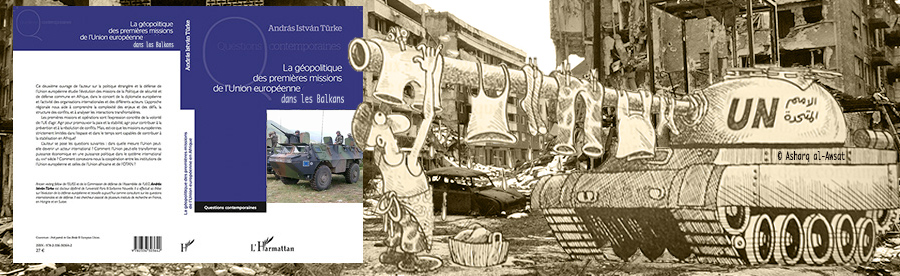
We are looking for sponsors for the English translation of these books, please contact turkeandras(at)gmail(dot)com