
You are here
Europäische Union
Matapan 01.
Ahogy látszólag elég illogikus volt Olaszország első világháborúba való belépése korábbi szövetségesei ellen, ugyanolyan érthetetlennek tűnik, hogy 1940-ben annak az országnak az oldalán léptek ismét háborúba, melyet Mussolini alig öt évvel korábban még „a gyilkosok és a pederaszták országának” nevezett, uralkodó ideológiájáról pedig kijelentette, hogy az „az őserdei germán törzsek forradalma Róma latin civilizációja ellen”.
Az események ilyetén alakulása ezúttal nem csupán a Duce ideológiai flexibilitásának volt köszönhető, hanem az angol külpolitika ostobaságának is. Nagyrészt az ő szűklátókörűségük és beképzeltségük sodorta át Mussolinit annak az embernek az oldalára, akit nem sokkal korábban még „borzalmas szexuális degeneráltnak” minősített, és akit 1934-es találkozójuk után röviden így jellemzett: „Micsoda bohóc!”
Akármennyire is megvetette Hitlert, Mussolini mindig is elismerte az első világháború utáni békeszerződések igazságtalanságát, és szorgalmazta azok revízióját, már csak azért is, hogy Németország jogos követeléseit legalább részben kielégítve kihúzzák a német nacionalizmus és revansizmus méregfogát. 1933-ban egy négyhatalmi konferencia összehívását javasolta, melyen Anglia, Franciaország, Olaszország és Németország részvételével megvitatták volna a békeszerződések felülvizsgálatát, és békés korrekcióját. A javaslatot, melyhez a Duce nagy reményeket fűzött, Anglia és Franciaország azonnal elutasította, és élénken tiltakoztak ellene a háború legnagyobb nyertesei, a puszta létezésüket is a versaillesi szerződéseknek köszönhető kisantant államok is.
Categories: Biztonságpolitika, Europäische Union
Revision of CO2 emission performance standards for new light-duty vehicles and vehicle labelling [EU Legislation in Progress]
Written by Juan Fernando López Hernández
CONTEXTThe Commission is proposing to revise CO2 emission performance standards for new cars and vans. The amendments aim to introduce flexibilities and enhance technology neutrality to achieve the related targets. The proposal also establishes a new labelling system based on CO2 emission performance classes, with the aim of facilitating the purchase of electric vehicles and harmonising labelling across the EU. The proposal builds on feedback from the 2025 strategic dialogue on the future of the automotive industry, which sought to address challenges in the sector. It forms part of the automotive package for a clean and competitive European automotive sector.
Legislative proposal2025/0420(COD) – Proposal for a Regulation of the of the European Parliament and of the Council amending Regulation (EU) 2019/631 as regards CO2 emission performance standards for new light duty vehicles and vehicle labelling and repealing Directive 1999/94/EC – COM(2025)995 final, 16.12.2025.
NEXT STEPS IN THE EUROPEAN PARLIAMENTThe latest developments in the legislative procedure can be followed via the Legislative Train Schedule: 2025/0420 (COD).
Read the complete briefing on ‘Revision of CO2 emission performance standards for new light-duty vehicles and vehicle labelling‘ in the Think Tank pages of the European Parliament.
Categories: Europäische Union, European Union
Pressemitteilung - Vier Jahre russische Vollinvasion: Parlament steht fest an der Seite der Ukraine
Am Dienstag sprach der ukrainische Präsident Selenskyj in einer außerordentlichen Plenarsitzung zu den Abgeordneten – vier Jahre nach Beginn der russischen Vollinvasion.
Ausschuss für auswärtige Angelegenheiten
Quelle : © Europäische Union, 2026 - EP
Ausschuss für auswärtige Angelegenheiten
Quelle : © Europäische Union, 2026 - EP
Categories: Afrique, Europäische Union
Pressemitteilung - Vier Jahre russische Vollinvasion: Parlament steht fest an der Seite der Ukraine
Am Dienstag sprach der ukrainische Präsident Selenskyj in einer außerordentlichen Plenarsitzung zu den Abgeordneten – vier Jahre nach Beginn der russischen Vollinvasion.
Ausschuss für auswärtige Angelegenheiten
Quelle : © Europäische Union, 2026 - EP
Ausschuss für auswärtige Angelegenheiten
Quelle : © Europäische Union, 2026 - EP
Categories: Europäische Union
ENTWURF EINES BERICHTS über den Bericht 2025 der Kommission über Montenegro - PE784.340v01-00
ENTWURF EINES BERICHTS über den Bericht 2025 der Kommission über Montenegro
Ausschuss für auswärtige Angelegenheiten
Marjan Šarec
Quelle : © Europäische Union, 2026 - EP
Ausschuss für auswärtige Angelegenheiten
Marjan Šarec
Quelle : © Europäische Union, 2026 - EP
Categories: Europäische Union
Ukraine’s Zelenskyy demands clear date to join EU
He also said the €90 billion loan blocked by Hungary 'must be implemented'
Categories: Europäische Union, European Union
Why Ukraine Is Still Standing
Civic resistance underpins the country’s defense—and its democracy, too.
Categories: Diplomacy & Crisis News, Europäische Union
MEPs ask von der Leyen for clarity on EU action on kids’ social media
EU legislators push the Commission for timeline and details of expert advisors in a letter obtained by Euractiv
Categories: Europäische Union, European Union
EU auditors flag design flaws in Commission’s largest budget fund
The European Fund’s current design complicates oversight, the Luxembourg-based watchdog warns
Categories: Europäische Union, European Union
New US tariffs take effect after Supreme Court ruling
The new tariffs are justified as a means "to deal with the large and serious United States balance-of-payments deficits," according to the White House
Categories: Europäische Union, European Union
Highlights - Externalised migration and asylum: DROI exchange with CoE Human Rights Commissioner - Subcommittee on Human Rights
On 24 February 2026, the DROI Subcommittee held an exchange of views on the human rights dimension of the externalisation of migration and asylum policies worldwide. The Commissioner for Human Rights of the Council of Europe, Michael O’Flaherty, presented his report on the topic. Speakers also included Frontex Fundamental Rights Officer Jonas Grimheden, and Samira Bouslama, Senior Human Rights Officer at the United Nations Support Mission in Libya.
Introductory remarks of the Commissioner for Human Rights of the Council of Europe, Michael O’Flaherty, on Externalised asylum and migration policies
Webstreaming
Source : © European Union, 2026 - EP
The exchange centered on the Council of Europe Commissioner for Human Rights' report 'Externalised asylum and migration policies and human rights law', as Commissioner Michael O'Flaherty outlined the human rights implications of externalised asylum and return arrangements, including risks to core safeguards, accountability gaps and compliance with non-refoulement.
Against the background of intensifying cooperation with third countries, Jonas Grimheden, Frontex Fundamental Rights Officer, addressed how fundamental rights compliance is monitored in Frontex operations and partnerships, while Samira Bouslama, Senior Human Rights Officer at the United Nations Support Mission in Libya, presented findings on the human rights consequences of interceptions and returns to Libya.
Introductory remarks of the Commissioner for Human Rights of the Council of Europe, Michael O’Flaherty, on Externalised asylum and migration policies
Webstreaming
Source : © European Union, 2026 - EP
Vidéo d'une réunion d'une commission - Mardi 24 février 2026 - 08:00 - Sous-commission "Droits de l'homme"
Durée de la vidéo : 60'
Clause de non-responsabilité : L'interprétation des débats facilite la communication mais ne constitue en aucun cas un enregistrement authentifié des débats. Seuls le discours original ou la traduction écrite révisée du discours original peuvent être considérés authentiques.
Source : © Union européenne, 2026 - PE
Clause de non-responsabilité : L'interprétation des débats facilite la communication mais ne constitue en aucun cas un enregistrement authentifié des débats. Seuls le discours original ou la traduction écrite révisée du discours original peuvent être considérés authentiques.
Source : © Union européenne, 2026 - PE
FIRST AID: Nordic groups target tobacco marketing
In today's edition: Abortion initiative, clinical trials, EU-US trade pact
Categories: Europäische Union, European Union
Lead competition legislator pitches ‘independent’ authority
French liberal MEP, Stéphanie Yon-Courtin, proposes an independent authority to circumvent 'political interference' in competition cases
Categories: Europäische Union, European Union
Video einer Ausschusssitzung - Dienstag, 24. Februar 2026 - 07:30 - Ausschuss für Sicherheit und Verteidigung
Dauer des Videos : 90'
Haftungsausschluss : Die Verdolmetschung der Debatten soll die Kommunikation erleichtern, sie stellt jedoch keine authentische Aufzeichnung der Debatten dar. Authentisch sind nur die Originalfassungen der Reden bzw. ihre überprüften schriftlichen Übersetzungen.
Quelle : © Europäische Union, 2026 - EP
Haftungsausschluss : Die Verdolmetschung der Debatten soll die Kommunikation erleichtern, sie stellt jedoch keine authentische Aufzeichnung der Debatten dar. Authentisch sind nur die Originalfassungen der Reden bzw. ihre überprüften schriftlichen Übersetzungen.
Quelle : © Europäische Union, 2026 - EP
Categories: Diplomacy & Defense Think Tank News, Europäische Union
Ireland emerging as hub for AI‑driven FemTech innovation [Advocacy Lab]
Ireland’s life science sector has aspirations to become a centre of innovation in women’s health, boosted by female-led startups
Categories: Europäische Union, European Union
FIREPOWER: Russia’s invasion of Ukraine has reshaped Europe’s defence spending
Drones, Oreshnik, long-range
Categories: Europäische Union, European Union
THE HACK: The holdouts still calling for moratorium on AI
In today's edition: Privacy watchdogs bark at deepfakes, gamers meet commissioners
Categories: Europäische Union, European Union
Press release - Fourth anniversary of Russia’s invasion of Ukraine
Joint statement of the EU Presidents on the fourth anniversary of Russia’s invasion of Ukraine.
Source : © European Union, 2026 - EP
Source : © European Union, 2026 - EP
Categories: Afrique, Europäische Union
VOLTAGE: Tracing the scars of Russia’s war
In today's edition: Climate spaghetti, Slovack threats, market design
Categories: Europäische Union, European Union
Pages


© 2012-2018 Europa Varietas Foundation © 2015-2018 Europa Varietas Association
www.europavarietas.org | info(@)europavarietas(dot)org | Switzerland
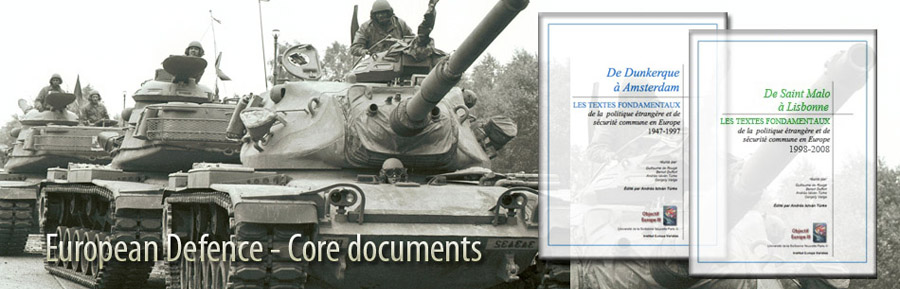
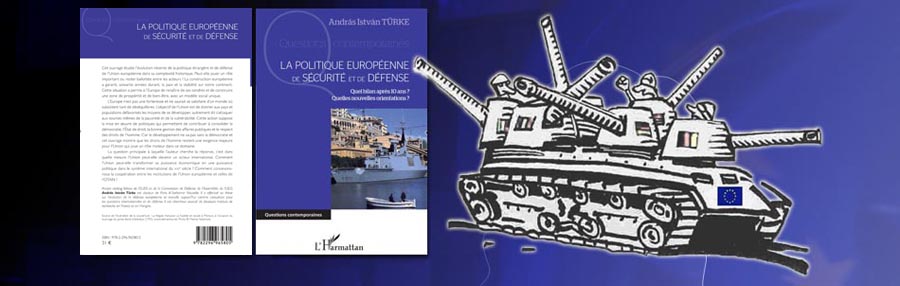
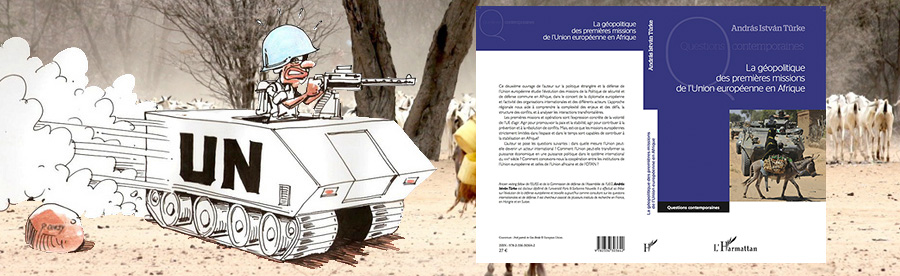
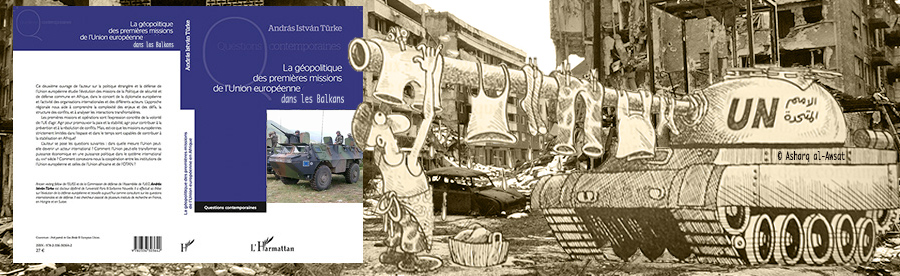
We are looking for sponsors for the English translation of these books, please contact turkeandras(at)gmail(dot)com