
You are here
Biztonságpolitika
$50bn boost for European deep precision strike capabilities as UK leads new initiative
The UK will lead a European initiative to step up funding for Deep Precision Strike capabilities across Europe as NATO leaders meet in Ankara today.
Categories: Biztonságpolitika, Defence`s Feeds
Amerika műhely, 2026. május
EGYESÜLT ÁLLAMOK
Nukleáris tárgyalások és a Hormuzi-szoros kérdése
2026 májusában Teherán és Washington között továbbra is törékeny a közeledés. Az elmúlt hónap során a nemzetközi figyelem középpontjában továbbra is az iráni–amerikai kapcsolatok és a több hónapja tartó regionális konfliktus állt. A felek között intenzív diplomáciai egyeztetések zajlottak egy esetleges tűzszünet meghosszabbításáról, valamint Irán nukleáris programjának jövőjéről. A tárgyalások egyik legfontosabb eleme a stratégiai jelentőségű Hormuzi-szoros újranyitása volt, a melyen keresztül a világ tengeri olajszállításának jelentős része halad át.
Május elején Irán új javaslatot juttatott el Washingtonhoz közvetítőkön keresztül. A terv szerint a Hormuzi-szoros forgalmának helyreállításáról és a katonai feszültség csökkentéséről előbb születne megállapodás, míg a nukleáris kérdések és az urándúsítás témája csak később kerülne napirendre. Teherán emellett továbbra is ragaszkodott ahhoz, hogy a szankciók enyhítése és a befagyasztott iráni pénzeszközök felszabadítása a tárgyalások alapfeltétele legyen.
A hó második felében mindkét fél óvatos optimizmusról beszélt. Amerikai és iráni tárgyalók előzetes megállapodást készítettek elő egy 60 napos tűzszüneti időszak meghosszabbításáról, amely lehetőséget teremthetne a nukleáris programról szóló új egyeztetésekre. Bár a részletek továbbra is vitatottak maradtak, a diplomáciai előrelépés csökkentette egy újabb katonai eszkaláció veszélyét.
A gazdasági következmények ugyanakkor továbbra is jelentősek. A Hormuzi-szoros körüli bizonytalanság hónapokon keresztül nyomást gyakorolt az energiahordozók világpiaci árára, miközben Irán a szankciók enyhítésétől és az olajexport helyreállításától várja gazdasági helyzetének javulását. A befektetők és a nemzetközi piacok ezért fokozott figyelemmel követték a tárgyalások alakulását. Tavasz végére ugyan nőtt a diplomáciai megoldás esélye, azonban a felek között továbbra is jelentős nézetkülönbségek maradtak fenn a nukleáris program, a szankciók és a térség biztonságpolitikai kérdései kapcsán. Ennek következtében a közel-keleti stabilitás és a globális energiapiac helyzete továbbra is nagymértékben függ az iráni–amerikai tárgyalások sikerétől.
Szerző:
Merény Vivien
KANADA
Védelmi, Biztonsági és Ellenállási Bank (DSRB) kanadai székhelye
Április végén zárultak le a multilaterális tárgyalások a DSRB kanadai székhelyének megalapításával kapcsolatban. A tárgyaláson résztvevő országok egyhangúan megszavazták, hogy a ratifikációt követően a pályázó városok egyikében megkezdődjön az intézmény működése. Fő célja a szövetséges államok védelmi befektetéseinek finanszírozása, hosszú távú alacsony költségű hitelekkel, valamint a tagállamok kisegítése költségvetési hiányok orvoslásában. A hangsúlyt a védelmi ellátási láncokon belül a kis- és középvállalkozások támogatására fektetik. A DSRB struktúrájának fontos eleme, hogy a tagállamokban megtalálható több jelentős magánbank is támogatja, ezzel könnyítve a pénzügyi háttér biztosítását.
A kormányzati kommunikáció kihangsúlyozza, hogy a NATO által elvárt, idén elért 2%-os GDP arányos védelmi költség után, előreláthatólag 2035-re az 5%-ot is tervezik elérni. Ennek a beteljesítéséhez is nagy segítséget nyújthat majd ez a bank. Kanada kiemelkedő szerepvállalása a kezdeményezésben további példája az ország szövetségesei, illetve kollektív globális védelem melletti elkötelezettségének.
Kanada-Kína megállapodások
A két ország közötti kapcsolatok az elmúlt években fokozatosan romlottak, éppen ezért is fontos esemény, hogy Matt Carney januári kínai látogatása után május 29-én Wang Yi, a Kínai Népköztársaság külügyminisztere Ottawában találkozott Anita Anand kanadai külügyminiszterrel és Mark Carney miniszterelnökkel. A tárgyalás legfőbb témája a kereskedelmi kapcsolatok voltak. Kiderült, hogy Kanada az eredeti 50%-os terv helyett, akár közel 100%-al is növelheti a Kínába tartó export mennyiségét. Ennek célja az Egyesült Államokról való minél nagyobb leszakadás, az utóbbi idők vám- és kereskedelmi háborúja miatt.
Fontos megemlíteni még, hogy ez a megállapodás Kínával ronthatja az ország kapcsolatát az Egyesült Államokkal. Donald Trump az év elején kijelentette, hogy egy kanadai-kínai megállapodás esetében 100%-os vámokkal fogja az országot súlytani.
Erősödő albertai szeparatista törekvések:
Alberta tartomány szuverenitási törekvései hosszú évtizedekre nyúlnak vissza, azonban az elmúlt években eddig nem látott támogatottsággal mára egy úgy csúcsot ért el. A tartomány elsősorban olajkészletei miatt rendkívül értékes Kanada számára. Fontos tudni hogy 2022-ben Danielle Smith lett Alberta miniszterelnöke, és elfogadtatta a szuverenitási törvényt amellyel megtagadhatnak bármely olyan törvény végrehajtását, amely Alberta érdekeivel szembe megy. 2025-ben Mark Carney a Justin Trudeau féle zöld adók részleges visszavonásával igyekezte enyhíteni a feszültséget. Ez azonban már túl kevés túl későn, ugyanis Danielle Smith kormánya hivatalosan is bejelentette egy függetlenségi népszavazás tervét, amelyre idén októberben kerülne sor.
Mark Carney miniszterelnök azonban figyelmeztette Smith-t, hogy Nagy-Britanniához hasonlóan Alberta is megbánná a saját Wexit-nek (Western Exit) nevezett tervüket. Állítása szerint a legtöbb Brexit támogató megbánta, nem látta mivel is jár pontosan, így a népszavazás eltörlését, és a kormánnyal való tárgyalásokra ösztönzi Smith-t.
Szerző:
Faragó Bulcsú
KÖZÉP-AMERIKA
VB-láz, határbiztonsági koordináció és migrációs nyomás
2026 májusában Közép-Amerika biztonságpolitikai napirendjét nem a klasszikus államközi konfliktusok, hanem a belső rendészeti kockázatok, a határbiztonság és a regionális koordináció együttes kezelése határozta meg. A térség stabilitását ebben az időszakban a Mexikóban felerősödő vb-biztonsági készültség, a Guatemala-Honduras-El Salvador háromoldalú határigazgatási együttműködés, valamint a migrációs folyosókra nehezedő nyomás és az ebből fakadó fokozott amerikai befolyás alakította.
A világbajnokság mint biztonsági erődemonstráció Mexikóban
A régió legfontosabb májusi fejleménye Mexikóhoz kapcsolódott, ahol a 2026-os labdarúgó-világbajnokság közvetlen előkészületei kiemelt biztonságpolitikai kérdéssé váltak. A tartós kartellerőszak jelenléte és a nagy tömegeket vonzó események sebezhetősége miatt a hatóságok rendkívül magas szintű rendészeti és katonai jelenléttel, valamint fokozott ellenőrzésekkel reagáltak, különösen a kulcsfontosságú rendező városok, köztük Mexikóváros védelmére. A fokozott készültség egyértelművé tette, hogy a sportesemény sikeres lebonyolítása a mexikói állam számára egyben a saját biztonsági kapacitásainak nemzetközi demonstrációja is.
Háromoldalú határbiztonsági útiterv a határmenti régióban
A hónap másik meghatározó történése a Guatemala, Honduras és El Salvador által elfogadott közös útiterv volt, amely a határigazgatás modernizálását és a regionális tranzit folyamatok gyorsítását célozta meg. Mivel a közép-amerikai biztonsági környezetben a migráció, az áruforgalom és a határok áteresztőképessége szorosan összefügg a közbiztonsággal, a három állam a határkontroll javítására és az adminisztratív eljárások összehangolására törekedett. Ez az egyeztetési folyamat egyértelműen arra utalt, hogy a régió érintett államai az elszigetelt nemzeti válaszok helyett egyre inkább a koordinált, közös megoldásokat részesítik előnyben.
Migrációs folyosók és a washingtoni nyomásgyakorlás
A térség biztonsági struktúráját májusban is alapvetően befolyásolta az Egyesült Államok felől érkező politikai és migrációs nyomás. Washington határozott elvárásokat támasztott a közép-amerikai migrációs folyosók ellenőrzésével, a határvédelem szigorításával és a belső stabilitás fenntartásával kapcsolatban. Ez a helyzet kettős kihívás elé állította a régió kormányait, hiszen az amerikai igények teljesítése mellett a saját társadalmi és intézményi kapacitásaik túlterheltségét is kezelniük kellett. Ennek következtében a migráció kérdésköre májusra végleg elveszítette tisztán humanitárius vagy adminisztratív jellegét, és a regionális stabilitást formáló elsődleges biztonságpolitikai tényezővé vált.
Szerző:
Rohoska Réka
DÉL-AMERIKA
Feszültségek, nagyhatalmi rivalizálás és regionális törésvonalak
Dél-Amerika geopolitikai helyzetét továbbra is a Trump-adminisztráció agresszív „Donroe-doktrínája” és a globális nagyhatalmi versengés határozza meg. A kontinensen belüli törésvonalakat a bal- és jobboldali kormányok közötti ideológiai szakadék mellett a regionális integrációs fórumok (különösen a Mercosur) további gyengülése is mélyítette.
Nemzetközi bírósági szakaszban az Essequibo-ügy
Májusban a nemzetközi figyelem középpontjába a Venezuela és Guyana közötti területi vita került, miután folytatódtak a Nemzetközi Bíróság (ICJ) szóbeli meghallgatásai. Bár a Maduro-rezsim januári bukását követően a venezuelai átmeneti kormány pozíciói meggyengültek, a nacionalista retorika továbbra is erős maradt: Caracas május 26-án kijelentette, hogy nem ismeri el teljes mértékben a bíróság joghatóságát. Ezzel párhuzamosan a függetlenségének 60. évfordulóját ünneplő Guyana tovább szorosította védelmi együttműködését az Egyesült Államokkal és Nagy-Britanniával.
Közös hadműveletek a „Shield of the Americas” jegyében
Biztonságpolitikai téren a legnagyobb változást a Trump által márciusban elindított Shield of the Americas koalíció gyakorlati megvalósulása volt. Május folyamán az amerikai erők Ecuador, Kolumbia és Peru bevonásával hajtottak végre közös hadgyakorlatokat és hírszerzési műveleteket a Tren de Aragua és más transznacionális kartellek ellen. Az Egyesült Államok továbbra is terrorista szervezetként kezeli a legnagyobb droghálózatokat, és légi-tengeri csapásokat hajt végre a drogútvonalakon. Ez a kemény fellépés rövid távon eredményesnek bizonyult: csökkent a migrációs nyomás az USA déli határán, ugyanakkor több baloldali kormány (Brazília, Kolumbia) bírálja a „militarizált” megközelítést, mondván, hogy az csak tovább szítja az erőszakot anélkül, hogy a szegénység és korrupció gyökereit kezelné.
Argentína és Brazília: Nyugati orientáció versus BRICS
A régió két vezető hatalma teljesen ellentétes stratégiai utat választott, ami tovább fokozza a kontinens polarizációját. Argentína Javier Milei vezetésével továbbra is a Trump-adminisztráció legszorosabb szövetségese a kontinensen. Májusban Milei kormánya újabb védelmi megállapodásokat írt alá Washingtonnal, és aktívan távolodik a BRICS-től. Argentína Milei alatt egyértelműen a nyugati táborba pozicionálta magát, támogatva az amerikai nearshoring politikát és a kritikus nyersanyagok (lítium) amerikai irányú áramlását.
Ezzel szemben Brazília Luiz Inácio Lula da Silva elnök vezetésével továbbra is a kínai befolyás fő bástyája. Május elején folytatódtak a Brazil–Kína „kulturális év” rendezvényei, amelyek a gazdasági és politikai partnerséget mélyítik. Lula továbbra is „elpusztíthatatlan” kapcsolatot hirdet Pekinggel, és aktívan építi a BRICS-platformot, mint alternatívát az amerikai dominanciával szemben. Brazília májusban is hangsúlyozta stratégiai autonómiáját: elutasítja a Shield of the Americas koalícióhoz való csatlakozást.
Szerző:
Deák Botond
A Amerika műhely, 2026. május bejegyzés először Biztonságpolitika-én jelent meg.
Categories: Biztonságpolitika
6900 REPÜLT ÓRA, 5390 LESZÁLLÁS
Az Airbus H145M és H225M helikopterei 2019-től új fejezetet nyitottak a magyar forgószárnyas katonai repülésben, azonban a mélypontról való kilábalás első lépéseit még 2016-ban sikerült megtenni. Ekkor érkezett Szolnokra az a két AS350B Ecureuil (Mókus) helikopter, amely korábban a hazai légimentést szolgálta. Az azóta eltelt évtizedről három olyan embert kérdeztem, akiket beosztásuknál és életkoruknál fogva más-más élmény és tapasztalat köt az Ecureuil helikopterekhez.
Az AS350B helikopterek közvetlenül a rendszerváltás után, a kilencvenes évek elején jelentek meg Magyarországon. Három ilyen gép került a légimentőkhöz, akik nagyon megszerették az üzembiztos, megbízható, egyszerű típust. Amikor 2014 novemberétől egy európai uniós szabályozás megtiltotta, hogy egyhajtóműves mentőhelikopterek lakott terület felett repüljenek, a légimentők búcsút mondtak az AS350-esnek, és teljesen átálltak a 2006 óta használt EC135-ösök üzemeltetésére. Addigra a három Mókusból kettő maradt, a legfiatalabb, 1992-es gyártású gép 2009-ben Balatonfüreden felborult.
Categories: Biztonságpolitika, European Union
A harmadik angol–holland háború 03.
A Solebay-i csatában elszenvedett károk és veszteségek miatt az angol–francia flotta egészen őszig nem volt képes nagyobb hadműveleteket kezdeni, ezt követően pedig már az időjárás nem kedvezett azoknak. A háború legválságosabb szakaszában Hollandia így időt nyert, ami lehetővé tette számára a túlélést. Következő tavaszra a frontokon már stabilizálódott annyira a helyzet, hogy ismét el lehetett kezdeni a flotta felszerelését, és a hadsereghez átirányított tengerészek hajókra való visszavezénylését. A haditengerészet vezetésében is történt változás, amit azonban valószínűleg csak kevés holland tengerésztiszt érzett pozitívnak. Orániai Vilmos határozott kívánságára Ruyter „kibékült” a haditengerészettől hét évvel korábban kirúgott Cornelis Tromp-al, aki ismét átvette az amszterdami Admiralitás osztagának, és az egyesített flotta utóvédjének a vezetését.
Az egyébként vitathatatlan tehetségű Tromp-ot az előző háborúban bocsátották el a haditengerészettől, miután a Szent Jakab napi csatában fegyelmezetlenségének és önfejűségének köszönhetően megbontotta a flotta harcrendjét, amivel majdnem katasztrófába lökte a hajóhadat. Kirúgásának másik, kimondatlan, de mindenki által tudott oka Trompnak az orániai párt iránti elkötelezettsége volt, amit ő lépten-nyomon igyekezett is hangsúlyozni. Szinte vallásos hittel és buzgalommal szolgálta a pártot és a herceget, még portréin is többnyire narancsszínű köpenyben festette le magát. Az általános vélekedés szerint ő volt az egyik fő szervezője a Witt testvérek meggyilkolásának, melyben talán személyesen is részt vett. Vilmos herceg respektálta is Tromp igyekezetét, és hatalomra jutása után megígérte neki, visszahelyezteti a flottához, melynek Ruytert követően ő lesz a főparancsnoka. A herceg elég egyértelműen célozgatott rá, ehhez nem is kell feltétlenül megvárni Ruyter halálát, vagy nyugdíjba vonulását.
Categories: Biztonságpolitika
Inscription automatique sur les listes électorales, élus mieux rémunérés, scrutins regroupés… : des propositions chocs pour faire face à la défiance politique
Categories: Biztonságpolitika, France
Drogellenes politika és geopolitikai érdekek: elfogatóparancs Maduro ellen az USA perspektívájából
Merényi Vivien
Drogellenes politika és geopolitikai érdekek:
elfogatóparancs Maduro ellen az USA perspektívájából
A 21. századi nemzetközi politika egyik meghatározó sajátossága, hogy a klasszikus biztonsági kérdések – háború, terrorizmus, államközi konfliktusok – mellett egyre nagyobb szerepet kapnak az úgynevezett „hibrid” fenyegetések. Ezek közé tartozik a kábítószer-kereskedelem is, amely már régóta nem csupán bűnüldözési problémaként értelmezhető, hanem komplex geopolitikai és biztonságpolitikai kihívásként. Az Egyesült Államok drogellenes politikája ennek megfelelően fokozatosan átalakult: a belső rendfenntartás eszközéből globális stratégiává vált, amelyben a jogi, katonai és diplomáciai eszközök szorosan összefonódnak.
Ebben a kontextusban különösen jelentős Nicolás Maduro venezuelai elnök elleni amerikai elfogatóparancs és az azt övező politikai diskurzus. Az ügy nem pusztán egy büntetőjogi eljárás kérdése, hanem a hatalomgyakorlás modern formáinak látványos példája: a drogellenes retorika, a nemzetbiztonsági érvelés és a geopolitikai érdekek együttesen alakítják a narratívát. A Maduro elleni fellépés így egyszerre értelmezhető jogi lépésként, politikai nyomásgyakorlásként és a nemzetközi rend újraértelmezésének eszközeként.
A narco-terrorizmus diskurzusa és a fenyegetés konstrukciója
A Maduro elleni vádemelés egyik legfontosabb jogi és politikai eleme a narco-terrorizmus kategóriája, amely a drogkereskedelem és a terrorizmus összekapcsolásán alapuló, a nemzetközi közösség számára fenyegetésként bemutatott konstrukció – amely nem pusztán jogi fogalom, hanem stratégiai narratíva is, hiszen ez legitimálja a rendkívüli intézkedéseket és a célzott politikai akciókat. Ezen terminus lehetővé teszi, hogy a kábítószer-kereskedelem ne csupán kriminalizált cselekményként jelenjen meg, hanem olyan komplex, rendszerszintű fenyegetésként, ami egyben destabilizálja a nemzetállamokat, veszélyezteti a regionális biztonságot, és hosszú távú hatással van a nemzetközi rendre.
A narco-terrorizmus alkalmazása ugyanakkor nem csupán fenyegetés konstrukcióját szolgálja, hanem a politikai delegitimációt is, mivel a célpontot – jelen esetben Maduro rezsimjét – nem egyszerű politikai ellenfélként, hanem a nemzetközi biztonságot közvetlenül fenyegető entitásként pozicionálja, amely lehetővé teszi az amerikai diplomácia számára az elszigetelést, a szankciók alkalmazását és a regionális nyomásgyakorlást. Ugyanakkor a fogalom kritikák kereszttüzében áll: elemzők és nemzetközi jogászok egyaránt rámutatnak, hogy a narco-terrorizmus rendkívül tág és rugalmas kategória, amely lehetőséget ad politikai motivációjú értelmezésekre, így a jogi normák relativizálására és a nemzetközi konszenzus elkerülésére. Maga a terminus használata tehát egyszerre biztosít jogi és politikai keretet a fellépéshez, miközben új vitákat generál a nemzetközi jogi keretek, a hatalomgyakorlás és a fenyegetés definíciója körül, és egyben megmutatja, hogy a modern drogellenes politika nem pusztán bűnüldözési kérdés, hanem a geopolitikai hatalomgyakorlás komplex eszköze.
Extraterritoriális jog és a szuverenitás újraértelmezése
Az Egyesült Államok extraterritoriális jogalkalmazási gyakorlata a Maduro-ügyben kiemelt jelentőséggel bír a nemzetközi jog fejlődése szempontjából, mivel lehetővé teszi, hogy egy külföldi, sőt akár hivatalban lévő államfő ellen is büntetőeljárás induljon, amennyiben annak tevékenysége az amerikai jogrend szerint amerikai érdekeket sért vagy veszélyeztet. Ez a gyakorlat alapjaiban kérdőjelezi meg a klasszikus szuverenitásfogalmat, amely a Westphalia-i rendszer óta az államok területi kizárólagosságára, egyenlőségére és a külső beavatkozás tilalmára épül. A Maduro-ügy rávilágít arra, hogy a szuverenitás a gyakorlatban egyre inkább feltételes és értelmezésfüggő kategóriává válik, különösen a globális biztonsági kockázatokkal összefüggésben.
Ez a jelenség részben a globalizáció következménye, hiszen a transznacionális bűnözés, a kábítószer-kereskedelem, a pénzmosás, a korrupció vagy a terrorizmus elleni fellépés gyakran nem korlátozható kizárólag nemzeti joghatósági keretekre. A nemzetközi szereplők ezért egyre gyakrabban alkalmaznak olyan jogi konstrukciókat, amelyek lehetővé teszik a határokon átnyúló felelősségre vonást. Ugyanakkor a gyakorlat egyértelműen tükrözi a nemzetközi hatalmi aszimmetriákat is, mivel az Egyesült Államok olyan kiterjedt jogi, pénzügyi és katonai eszközrendszerrel rendelkezik, amely más államok számára jellemzően nem elérhető vagy csak korlátozottan alkalmazható. Ennek következtében az extraterritoriális jogalkalmazás nem pusztán jogtechnikai kérdés, hanem a globális erőviszonyok egyik fontos megnyilvánulása is. Az elfogatóparancs ebben az összefüggésben nem kizárólag jogi aktus, hanem egyértelmű politikai üzenet is. Azt fejezi ki, hogy bizonyos, nemzetközi biztonságot érintő fenyegetések esetén a szuverenitás elve nem tekinthető abszolútnak, és adott esetben alárendelhető a kollektív vagy nemzeti biztonsági prioritásoknak. Ez a megközelítés azonban komoly normatív vitákat generál a nemzetközi jogi szakirodalomban, különösen az állami immunitás, a joghatósági korlátok és a be nem avatkozás elvének értelmezése kapcsán. Különösen problematikus a kérdés, amikor hivatalban lévő államfő érintett, mivel ilyenkor a nemzetközi szokásjog által biztosított immunitási szabályok és a büntetőjogi felelősségre vonás igénye közvetlenül ütközik egymással.
Az extraterritoriális jogalkalmazás emellett precedensértékkel is bírhat, amely hosszabb távon hozzájárulhat a nemzetközi jogi rend átalakulásához. Amennyiben ugyanis ez a logika szélesebb körben elfogadottá válik, az más államokat is ösztönözhet hasonló jogértelmezési és jogalkalmazási gyakorlatok bevezetésére saját geopolitikai érdekeik mentén. Ez viszont a nemzetközi jog fragmentálódásának irányába hathat, és növelheti a joghatósági konfliktusok, valamint a politikailag motivált eljárások kockázatát. Hosszabb távon mindez gyengítheti a nemzetközi normák egységes és kiszámítható alkalmazását.
A Maduro-ügy összességében jól mutatja, hogy a modern hatalomgyakorlásban a jogi, politikai és diplomáciai eszközök egyre szorosabban összekapcsolódnak, és egymást kiegészítve szolgálják a stratégiai érdekérvényesítést. A nemzetközi jog ebben a kontextusban nem csupán normatív szabályrendszerként működik, hanem a globális politikai befolyásolás egyik eszközeként is, amelyben a szuverenitás hagyományos értelmezése folyamatos újratárgyalás tárgyát képezi.
A művelet és a különleges műveleti erők szerepe
Az amerikai tervek a Maduro elleni fellépésre a modern katonai műveletek egyik legösszetettebb és legérzékenyebb kategóriáját képviselik, amelyek a „szürke zónás” műveletek logikájába illeszkednek. Ezek olyan akciók, amelyek szándékosan a nyílt háború és a béke közötti spektrumban helyezkednek el, és céljuk, hogy a stratégiai hatás elérése mellett a katonai eszkaláció és a nyilvános konfrontáció kockázata minimális maradjon. Ebben a keretben a különleges műveleti erők (Special Operations Forces – SOF) kulcsszerepet töltenek be, mivel rendkívül rugalmas, gyorsan bevethető és alacsony láthatóságú képességeik révén képesek olyan politikailag érzékeny feladatok végrehajtására, amelyek hagyományos katonai erőkkel nehezen vagy egyáltalán nem kivitelezhetők.
A művelet előkészítésének egyik legfontosabb pillére a több forrásból származó hírszerzési információk integrálása. Ez magában foglalja a nyílt forrású hírszerzést (OSINT), a humán hírszerzést (HUMINT), a technikai és elektronikai megfigyelési adatok elemzését, valamint a pénzügyi tranzakciók és hálózatok követését. Különösen jelentős szerepet kap a kábítószer-kereskedelmi útvonalak és szervezeti struktúrák feltérképezése, mivel ezek adják az operatív célpontok azonosításának egyik alapját. Az így nyert információk lehetővé teszik a célpontok priorizálását, a kockázati tényezők előzetes értékelését, valamint a műveleti környezet részletes modellezését, amely nélkül egy ilyen komplex akció nem lenne végrehajtható.
A SOF egységek szerepe azonban nem merül ki a közvetlen beavatkozásban vagy az elfogási műveletek végrehajtásában. Feladataik közé tartozik a folyamatos helyzetfelmérés és műveleti tudatosság fenntartása, a gyors reagálási képességek biztosítása, valamint a különböző műveleti komponensek – így a légi, tengeri és esetenként kibertérben zajló műveletek – összehangolása. Emellett kiemelt jelentőségű a logisztikai és kommunikációs infrastruktúra biztosítása, amely garantálja a művelet folyamatosságát még dinamikusan változó környezetben is. A különleges műveleti erők így egyfajta integrált koordinációs központként is funkcionálnak, amely összekapcsolja a hírszerzést, a katonai végrehajtást és a stratégiai döntéshozatalt.
Ugyanakkor az ilyen típusú műveletek rendkívül magas politikai és diplomáciai kockázattal járnak. Egy szuverén állam területén végrehajtott titkos vagy félig titkos katonai akció könnyen nemzetközi feszültségekhez, jogi vitákhoz vagy akár diplomáciai konfliktushoz vezethet, különösen akkor, ha a beavatkozás jogi alapja vitatott vagy nem széles körben elfogadott. A „plauzibilis tagadhatóság” elve ugyan bizonyos mértékig csökkentheti a közvetlen felelősségvállalás politikai költségeit, de nem szünteti meg a művelet következményeit a nemzetközi kapcsolatok rendszerében.
A művelet stratégiai céljai is túlmutatnak a szűken vett elfogáson. A Maduro elleni fellépés egy tágabb geopolitikai és regionális stabilitási keretbe illeszkedik, amely magában foglalhatja a venezuelai politikai rezsim gyengítését, a kábítószer-kereskedelmi hálózatok felszámolását, valamint az Egyesült Államok regionális befolyásának megerősítését Latin-Amerikában. Ebben az összefüggésben a katonai eszközök nem önmagukban, hanem a diplomáciai, gazdasági és jogi nyomásgyakorlás kiegészítéseként jelennek meg. A SOF képességei lehetővé teszik, hogy ezek az eszközök összehangoltan, nagy pontossággal és viszonylag alacsony nyilvános láthatóság mellett érvényesüljenek.
Mindez összességében azt mutatja, hogy a modern különleges műveletek nem csupán taktikai katonai beavatkozások, hanem komplex, többdimenziós stratégiai eszközök, amelyekben a hírszerzés, a katonai végrehajtás, a diplomáciai mérlegelés és a politikai célrendszer szorosan összefonódik. A Maduro-ügy kontextusában ez különösen jól látható, mivel a művelet egyszerre szolgálhat konkrét végrehajtási célt és szélesebb geopolitikai üzenet közvetítését is, miközben érzékeny egyensúlyt próbál fenntartani a hatékonyság, a titkosság és a nemzetközi jogi következmények között.
Geopolitikai érdekek és regionális hatalmi dinamika
A Maduro elleni amerikai fellépés geopolitikai dimenziója rendkívül összetett, és a regionális hatalmi viszonyok átfogó elemzését igényli, mivel Venezuela stratégiai jelentősége – az olaj- és energiahordozók, a regionális politikai szerep és a globális szövetségi kapcsolatok miatt – kiemelt prioritássá teszi az országot az Egyesült Államok számára. A drogellenes politika ebben az esetben nem pusztán rendészeti vagy bűnüldözési intézkedésként értelmezhető, hanem eszközként, amely lehetővé teszi a politikai befolyás növelését, a rezsim delegitimálását és a regionális térség kontrolljának erősítését. Az ügy geopolitikai súlya tovább nő, ha figyelembe vesszük Venezuela kapcsolatát más nagyhatalmakkal, beleértve Oroszországot, Kínát és Kuba szövetségesi hálózatát, amelyek minden amerikai fellépést potenciálisan befolyásolnak és politikailag érzékeny helyzeteket generálnak.
Az Egyesült Államok számára a célok többdimenziósak: egyrészt a kábítószer-kereskedelem visszaszorítása és a nemzetbiztonság fenntartása, másrészt a regionális politikai nyomásgyakorlás, a rezsim instabilizálása és az amerikai befolyás demonstrálása. Ugyanakkor a geopolitikai kockázatok is jelentősek: a művelet eszkalációhoz vezethet, feszültséget generálhat a Latin-Amerikai országok között, és befolyásolhatja a nemzetközi szervezetek, például az ENSZ, az OAS és a nemzetközi jogi mechanizmusok reakcióit. A geopolitikai dimenzió így nemcsak a regionális hatalmi egyensúlyt, hanem a globális nagyhatalmi rivalizálás összefüggéseit is érinti, miközben az amerikai döntéshozatalban a politikai, jogi, katonai és diplomáciai eszközök szoros összhangban működnek, és a Maduro-ügy jól példázza, hogy a modern hatalomgyakorlás hogyan képes egyszerre érvényesülni a helyi, regionális és globális szinten.
Összegzés
A Nicolás Maduro elleni amerikai elfogatóparancs jól példázza, hogy a drogellenes politika és a geopolitikai érdekek szorosan összefonódnak. Az ügy rávilágít arra, hogy a modern hatalomgyakorlás többdimenziós: jogi, politikai, technológiai és ideológiai elemek egyaránt szerepet játszanak benne.
A Maduro-ügy így nem csupán egy konkrét konfliktus, hanem a nemzetközi rend átalakulásának lenyomata is, amelyben a hatalom, a jogi keretek és a biztonság új módon kapcsolódik össze.
Foto: ChatGPT
A Drogellenes politika és geopolitikai érdekek: elfogatóparancs Maduro ellen az USA perspektívájából bejegyzés először Biztonságpolitika-én jelent meg.
Categories: Biztonságpolitika
Kecskeméti "érkezők", demózók és tranzitálók
Múlt heti leszállításukat követően ma tartották a második két extra Gripen befogadó ünnepségét Kecskeméten, ahol egyúttal a program kezdetének 25. és az első magyar gépek leszállításának 20. évfordulójáról is megemlékeztek. A véletlennek köszönhetően ráadásul az európai repülőnapra települő Türk Yildizlari is "beesett" a bázisra.
Az áttelepüléshez használt 150 gallonos póttartállyal ér betont a Török Csillagok hatos száma, a mai nap legszínesebb szereplőinek egyike.
A helyi szállítók előterén a vendégeket kísérő A400M svanca is látszik.
A korábban felszállt "legújabb géppár" visszatér a reptér fölé megérkezni.
A 47-es...
...majd a 48-as kigurulása 30-as irányba, háttérben nyilvánvaló jelei láthatók a párhuzamos TWY/RWY építkezésének.
Szemből jól látszik a slick configuration.
(Slick configuration flashback 2007)
A tűzoltófecskendős fogadtatás olyannyira megszokottá vált, hogy lassan teret lehetne újra adni a kreatívoknak. Bár...közben a végéhez közelít a 2017 óta lényegében folyamatos állami légijármű teljesítési időszak is.
47 és 48 leállítás közben.
Ha már pótos, centerline In detail and scale.
Mészáros Csongor főhadnagy egyéni bemutatója a tigrismintás 36-ossal fokozta a rendezvény fényét.
A speciális festésű gép áprilisi bemutatójához képest most sikerült a műalkotást teljes egészében kibontakoztatni a "hátmutogatós" áthúzással.
A magyar Gripen közösség nagy trükkje, a dump and burn is jól sikerült.
Zord
Categories: Biztonságpolitika
A harmadik angol–holland háború 02.
Míg Hollandia a tengereken bármilyen ellenséggel, akár az egyesült angol–francia hajóhaddal szemben is a siker reményében tudta felvenni a küzdelmet, addig a szárazföldön a francia hadsereggel szemben teljesen reménytelennek látszott a helyzete. A Hollandia elleni támadásban közvetlenül 120 ezer francia katona vett részt, de ha ezekhez hozzászámítjuk a hadtápot, a várak helyőrségét, és a többi határon tartalékban álló egységeket, akkor azt látjuk, hogy Franciaország több mint 300 ezer katonát volt képes mozgósítani, ami Európa messze legnagyobb hadserege volt. A mennyiség mellé minőség is társult, ez a hatalmas hadsereg nem csupán létszámát tekintve volt a legnagyobb, hanem felszerelését, kiképzését, és ellátását tekintve is a legjobbak közé tartozott, nem is beszélve arról, hogy kiválóan képzett tisztek irányították, köztük a kor valószínűleg két legkiválóbb hadvezére, Turenne és Condé. A velük szemben álló holland hadsereg összlétszáma alig haladta meg a 80 ezret, és ebben már benne volt az erődök helyőrsége is. Ütközetben a hollandok alig húszezer katonát tudtak volna csak felvonultatni a franciák ellen.
Categories: Biztonságpolitika
A NAGY GÉPEK VONZÁSÁBAN
Jó ideje megszokottá vált, hogy a hagyományosan férfiszakmaként számon tartott területeken is jelen vannak a nők. Nincs ez másként a polgári repülésben sem, ahol a pilótafülkékben is egyre több a hölgy, ugyanakkor repülőműszaki területen ma még nem mondható általánosnak a foglalkoztatásuk. A kevés hazai kivétel egyike Ladányi-Ferenczik Barbara repülőgép-szerelő, aki közel tíz éve dolgozik elsősorban az Airbus A320-as típuscsalád gépein.
- Valóban nem sok nő dolgozik ezen a területen – értett egyet a fenti megállapítással Barbara, amikor a pályakezdésről és a motivációjáról kérdeztem. Nálunk a családban sem foglalkozott senki ezzel, viszont közel laktunk a repülőtérhez, és amikor kiálltunk a teraszra és néztük a gépeket, mindig mondtuk a testvéremmel, hogy olyan szakmánk lesz, ami kötődik a repüléshez. Az első diákmunkánk is a reptéren volt, a TNT-nél. Mondták is otthon hogy, ha rendesen dolgozunk, később biztos lesz munkánk a reptéren. Ez végül is bejött. Aztán ez az érdeklődés valahogy abbamaradt, és teljesen más irányú középiskolákba mentünk. Amikor végeztünk, már volt olyan lehetőség, hogy érettségi után egy szakmát térítésmentesen lehetett szerezni. A lehetőségek között ott volt a kétéves repülőgép-szerelő képzés Csepelen, a Kossuth Lajos Két Tanítási Nyelvű Műszaki Szakgimnáziumban. A követelmény mindössze az érettségi megléte volt, és nagyjából mindenkit felvettek, aki jelentkezett. Én is beiratkoztam, és nagyon-nagyon tetszett. Az első évben sokan voltunk, közel negyvenen, de a második évre kevesen maradtunk. A lemorzsolódás oka szerintem az volt, hogy a többséget egyáltalán nem érdekelte ez a szakma. Amikor 2017-ben végeztünk, nagyjából 20-22-en maradtunk és mára talán öten vagyunk a szakmában.
Categories: Biztonságpolitika, Diplomacy & Crisis News
Tolerance of criticism is the key issue | Népszava - Hungary
Categories: Biztonságpolitika, European Union
KatPol Kávéház CXXXVIII. - Titkolt háború, titkos hadsereg
Amikor a lyoni Gestapo egykori főnökét kiadatása után életfogytiglani börtönre ítélték 1987-ben, a krónikák szerint Párizs és más francia nagyvárosok lesajnált külső kerületeiben a következő falfirka jelent meg az utcákon: "Barbie Franciaországban van! Massu mikor lesz majd Algériában?" A csipkelődő kedvű elkövetők, akik minden bizonnyal algériai származású helyi lakosok voltak - első vagy második generációs bevándorlók -, ugyanarra a körülményre hívták fel a figyelmet, mint Klaus Barbie (egyébként harcos kommunista) védőügyvédje: a véres kezű SS-százados módszerei lényegileg semmiben nem tértek el azoktól, melyeket bő egy évtizeddel később Algírban alkalmazott az ejtőernyős tábornok a függetlenségi háború idején.
Categories: Biztonságpolitika, Diplomacy & Crisis News
The Environmental Footprint of Modern Warfare: A Comprehensive Analysis
Introduction: Warfare, Complexity, and the Expanding Environmental Dimension
Over the past four decades, security policy has undergone a profound transformation. What once centered primarily on kinetic military capabilities and traditional geopolitical rivalries has evolved into a multidimensional field shaped by technological innovation, global interdependence, and increasingly complex threat environments. Modern conflicts no longer unfold solely on conventional battlefields; they extend into cyberspace, critical infrastructure, supply chains, and the natural environment itself. As security challenges have diversified, so too has the need to understand the broader systemic consequences of military activity.
Within this expanding landscape, the environmental dimension of warfare has emerged as one of the most overlooked yet consequential aspects of contemporary security. While the immediate destruction caused by kinetic operations remains visible and devastating, the ecological footprint of modern warfare now extends far beyond explosions, troop movements, and territorial occupation. Advanced weapons systems rely on resource-intensive production processes, cyber operations can trigger cascading environmental failures, and post-conflict regions often face long-term ecological instability that undermines recovery and resilience.
Recognizing these dynamics is essential for any comprehensive analysis of modern security. Environmental degradation is not merely a byproduct of war; it is a strategic factor that shapes human security, economic stability, and geopolitical outcomes. As conflicts become more technologically sophisticated and globally interconnected, their environmental consequences grow more complex, more persistent, and more deeply embedded in the fabric of affected societies.
This publication examines the full spectrum of warfare’s environmental impacts—from immediate kinetic destruction to the hidden ecological costs of technological warfare and the long-term instability that follows in the wake of conflict. By integrating these dimensions, it seeks to highlight why environmental resilience must become a central pillar of contemporary security policy and military planning.
Transition to the Main Analysis
As the scope of security policy continues to expand, understanding the environmental implications of modern warfare becomes not only relevant but indispensable. The intersection between military activity and ecological stability is no longer a peripheral concern—it is a central component of contemporary security dynamics. The environmental footprint of conflict influences human health, economic recovery, resource availability, and long-term regional resilience. Yet despite its strategic significance, this dimension often remains underexamined in both academic discourse and policy planning.
To address this gap, the following analysis explores the environmental consequences of warfare across three interconnected layers. First, it examines the direct and immediate impacts of kinetic operations, where physical destruction and contamination shape the ecological landscape of conflict zones. Second, it investigates the hidden environmental costs embedded in technologically advanced forms of warfare, from resource-intensive production processes to the cascading ecological effects of cyber and electromagnetic operations. Finally, it considers the long-term instability that persists after hostilities end, revealing how environmental degradation can hinder reconstruction, exacerbate human insecurity, and perpetuate regional fragility.
By integrating these perspectives, the analysis provides a comprehensive understanding of how modern warfare reshapes the environment—and why environmental resilience must become a core element of future security strategies. What follows is an in depth exploration of these dynamics, tracing the full spectrum of ecological pressures generated by contemporary conflict.
Main Analysis: The Environmental Footprint of Modern Warfare
1. Direct Environmental Impacts of Kinetic Warfare
Conventional military operations remain a major source of acute environmental degradation. Explosive munitions contaminate soil with heavy metals and chemical residues, while the destruction of industrial facilities, fuel depots, and critical infrastructure releases hazardous substances into air and water systems. Forests and agricultural lands are often devastated, leading to habitat loss, reduced biodiversity, and long-term soil erosion. These effects are not confined to the duration of hostilities; unexploded ordnance and landmines can render large areas unusable for decades, preventing ecological recovery and safe human resettlement.
2. Hidden Ecological Costs of Technological Warfare
The shift toward high-tech military capabilities introduces new, often overlooked environmental pressures. The production of drones, precision-guided munitions, and advanced sensors depends heavily on rare earth elements, whose extraction is associated with severe ecological damage, including toxic waste and water contamination. Cyber operations, though seemingly intangible, can trigger physical consequences: attacks on power grids, water treatment facilities, or industrial control systems may lead to uncontrolled pollution events or prolonged service disruptions. Electromagnetic warfare can interfere with communication networks and energy systems, indirectly affecting environmental monitoring and emergency response mechanisms.
3. Long-Term Ecological Instability in Post-Conflict Regions
Beyond the immediate and technological impacts, modern warfare generates structural environmental instability that persists long after ceasefires. Displacement of populations places immense pressure on urban ecosystems, often overwhelming waste management, water supply, and energy systems. In conflict zones, environmental governance collapses, allowing illegal logging, unregulated mining, and uncontrolled waste dumping to flourish. Military bases and supply chains leave behind significant ecological footprints, including soil contamination, disrupted water flows, and long-term land degradation. These cumulative effects hinder sustainable reconstruction and increase vulnerability to future environmental crises.
Case Studies: Environmental Impacts Across Contemporary Conflict Zones
Case Study 1: The Russo‑Ukrainian War (2014–2024)
The conflict in Ukraine illustrates how modern warfare generates both immediate and systemic environmental damage. Kinetic strikes on industrial facilities, fuel depots, and chemical plants have released hazardous substances into soil and waterways. The destruction of the Kakhovka Dam in 2023 triggered widespread flooding, soil erosion, and long-term ecological disruption across the Dnipro basin. Drone warfare and electronic attacks have increased demand for rare earth elements, intensifying global extraction pressures far beyond the battlefield.
One of the most alarming ecological consequences has been the mass mortality of Black Sea dolphins. Marine biologists documented thousands of dead dolphins washing ashore in Ukraine, Romania, Bulgaria, and Turkey. The primary causes include acoustic trauma from naval sonar systems, underwater explosions, and the disruption of migratory and feeding patterns due to intensified military activity. The collapse of fish stocks in the northern Black Sea—driven by pollution, noise, and naval operations—further contributed to starvation and ecological stress. This phenomenon highlights how modern warfare affects not only terrestrial ecosystems but also marine biodiversity, with cascading consequences for regional ecological stability.
Case Study 2: The Syrian Civil War (2011–present)
Syria demonstrates how prolonged conflict erodes environmental governance. Years of fighting have devastated agricultural regions, accelerated deforestation, and contaminated water systems. The collapse of regulatory institutions enabled uncontrolled waste dumping, informal oil refining, and unregulated resource extraction. These activities have produced toxic emissions and soil degradation that will hinder recovery for decades.
Case Study 3: The Nagorno‑Karabakh Conflicts (1991–2023)
The recurring conflicts in Nagorno‑Karabakh highlight the long-term ecological consequences of militarized landscapes. Landmines and unexploded ordnance have rendered large areas inaccessible, preventing agricultural use and ecological restoration. Forest fires triggered by shelling have destroyed biodiversity-rich habitats. Soil contamination and disrupted water flows demonstrate how even short, high-intensity conflicts can produce enduring environmental instability.
Case Study 4: The Gulf War (1990–1991)
The Gulf War remains one of the most striking examples of deliberate environmental destruction. Retreating Iraqi forces set fire to more than 600 Kuwaiti oil wells, releasing millions of barrels of crude oil into the desert and the Persian Gulf. The resulting smoke plumes darkened regional skies for months, causing severe air pollution, acid rain, and long-term soil sterilization. Marine ecosystems suffered extensive contamination, and respiratory illnesses increased sharply among local populations. The Gulf War demonstrated how environmental devastation can be weaponized as part of military strategy.
Case Study 5: The Vietnam War (1955–1975)
The Vietnam War introduced the world to the concept of “ecocide.” The widespread use of herbicides such as Agent Orange destroyed millions of hectares of forest and farmland, causing irreversible biodiversity loss and long-term soil toxicity. Chemical contamination continues to affect human health and ecosystems decades later, with elevated cancer rates and birth defects documented in affected regions. This case exemplifies how environmental manipulation became a tactical instrument of warfare, with consequences that persist across generations.
Case Study 6: The Balkan Wars (1991–1999)
The wars accompanying the breakup of Yugoslavia revealed the deep interconnection between ethnic conflict, infrastructure destruction, and environmental collapse. Bombing campaigns targeted industrial zones, oil refineries, and chemical plants, releasing toxic substances into the Danube and other regional waterways. NATO air strikes on Serbia in 1999—including attacks on petrochemical facilities near Pančevo—caused severe air and soil contamination, with long-term health effects documented in surrounding communities. Deforestation and land degradation followed mass displacement, as refugees relied on wood for heating and temporary shelter. In Bosnia and Herzegovina, unexploded ordnance and landmines continue to threaten both human safety and ecological restoration efforts. The Balkan conflicts thus stand as a stark reminder that environmental damage can persist long after political borders are redrawn, shaping regional stability and public health for generations.
Policy Recommendations: Integrating Environmental Resilience into Security Strategy
- Establish Environmental Monitoring as a Core Component of Military Planning
Armed forces should incorporate environmental impact assessments into operational planning, including real-time monitoring of air, water, and soil quality in conflict zones.
- Strengthen International Legal Frameworks on Environmental Protection During Armed Conflict
Existing conventions require modernization to address cyber operations, critical infrastructure sabotage, and resource-intensive weapons production.
- Promote Sustainable Defense Procurement and Resource Use
Defense industries must adopt cleaner production methods, reduce reliance on rare earth elements, and invest in recyclable materials.
- Integrate Environmental Recovery into Post‑Conflict Reconstruction
Reconstruction programs should prioritize decontamination, reforestation, and restoration of water systems.
- Enhance Regional Cooperation on Environmental Security
Regional organizations should establish joint monitoring mechanisms and coordinated ecological recovery initiatives.
Conclusion
Modern warfare has evolved into a complex, multidimensional phenomenon whose environmental consequences extend far beyond the battlefield. Kinetic operations inflict immediate ecological damage, technological warfare introduces hidden pressures, and long-term instability persists in post-conflict regions. Environmental resilience must become a central pillar of military planning, defense procurement, and post-conflict recovery. Only by addressing the full spectrum of warfare’s ecological footprint can states build sustainable security architectures capable of withstanding twenty-first-century challenges.
References (APA Style)
Balsari, S., Dresser, C., & Leaning, J. (2020). Environmental health in conflict and post-conflict settings. The Lancet, 395(10222), 1647–1657.
Belcher, O., Bigger, P., Neimark, B., & Kennelly, C. (2020). Hidden carbon costs of the “everywhere war”. Transactions of the Institute of British Geographers, 45(3), 506–521.
Darbyshire, E., & Weir, D. (2023). Environmental dimensions during and after the Nagorno Karabakh conflict of 2020. Integrated Environmental Assessment and Management, 19(2), 360–365.
Grimes, E. S., Kneer, M. L., & Berkowitz, J. F. (2024). Military activity and wetland dependent wildlife: A warfare ecology perspective. Integrated Environmental Assessment and Management, 20(6), 2153–2161.
Hailemariam, et al. (2024). Managing the environmental impacts of war: What can be learned from conflict vulnerable communities? Science of The Total Environment, 927, 171974.
International Committee of the Red Cross. (2022). Guidelines on the protection of the natural environment in armed conflict. ICRC Publishing.
Krampe, F. (2017). Sustainable peacebuilding and the environment. International Affairs, 93(1), 231–244.
Krampe, F., Kreutz, J., & Ide, T. (2025). Armed conflict causes long-lasting environmental harms. Environment and Security, 4(1), 3–17.
Murillo Sandoval, P. J. (2023). Disentangling the landscape during armed conflicts and post peace agreements. Integrated Environmental Assessment and Management, 19(2), 355–359.
UN Environment Programme. (2017). Environmental dimensions of armed conflict. United Nations.
Wenning, R. J., & Toma, T. D. (2023). Using US Natural Resource Damage Assessment to understand the environmental consequences of the war in Ukraine. Integrated Environmental Assessment and Management.
Zyck, S. A., & Muggah, R. (2013). Post-conflict reconstruction: Environmental challenges and opportunities. Journal of Peacebuilding & Development, 8(1), 74–79.
A The Environmental Footprint of Modern Warfare: A Comprehensive Analysis bejegyzés először Biztonságpolitika-én jelent meg.
Categories: Biztonságpolitika
World Cup Preparation Scores a Goal against the Environment
Mexico modernized the legendary Azteca Stadium –now officially known as Banorte Stadium, to host five matches during the 2026 World Cup. However, residents have complained that the urban projects developed in the area do not address their needs, such as access to drinking water and better transportation. Credit: Emilio Godoy
By Emilio Godoy
MEXICO CITY, Jun 15 2026 (IPS)
The construction of an elevated pedestrian bridge connecting central and southern Mexico City –one of roughly 2,000 urban works tied to the 2026 FIFA World Cup, began last October, and, with only days to go before the tournament’s kickoff, remains unfinished.
When work broke ground, the Mexican capital, one of three host cities in this Latin American country, had no environmental plan in place –a requirement under the sustainability framework of the International Federation of Association Football (FIFA), the sport’s global governing body.
The 2026 World Cup spans three North American nations –Canada, the United States and Mexico, where the opening match was played last Thursday 11th at the iconic Estadio Azteca, now officially named Banorte Stadium, in Mexico City.
The unfinished bridge is not an isolated case, as it reflects the broader dynamic in Mexico City, where the local administration has launched some 2,000 construction projects ahead of the tournament, accelerating preparations throughout 2025 for a metropolis of nine million residents –23 million including greater metropolitan areas–.
The 2026 World Cup is the largest in history, featuring 48 teams, 104 matches across 16 cities in Canada, the United States, and Mexico. It is also set to be the most polluting ever, according to two recent studies
The two other Mexican host venues face comparable shortfalls. Zapopan, neighboring Guadalajara in the western Jalisco state, and Guadalupe, on the outskirts of Monterrey in northern Nuevo León, have environmental plans riddled with gaps and not designed for mass events like a World Cup.
In all three cases, sustainability became an afterthought. The absolute priority was speed – ensuring completion before the opening whistle.
FIFA’s sustainability strategy encompasses the social, environmental, economic and governance pillars, and covers all three phases of tournament organization: preparation, staging and post-event activities, from strategy development through to the final sustainability and human rights report. FIFA, headquartered in Zürich, requires host cities to integrate environmental and human rights into their planning.
The strategy includes the prevention and mitigation of adverse environmental impacts, as well as measures to protect the ecosystems and address environmental degradation and its consequences on human rights.
The plan also stipulates protections for groups or populations facing disproportionate risks associated with the World Cup environmental footprint, addressing potential environmental risks related to the tournament’s organization, and tackling the effects tied to modifications made during its preparation.
Its environmental pillar comprises energy efficiency, waste reduction, city-level transport planning, impact prevention and mitigation. However, the strategy does not establish a specific carbon budget or an updated emissions estimate for the tournament.
The environmental factor is critical due to issues such as waste generation and water scarcity –common challenges across all three Mexican cities, as well as ongoing construction projects, particularly in Mexico City.
This reporter filed dozens of public information requests to agencies across all three host municipalities. None possessed estimates for carbon dioxide (CO₂) emissions –the human-generated gas responsible for global warming, energy consumption, traffic volume, waste generation, water use or public transport ridership tied to the World Cup.
The gaps extended across virtually every relevant institution: Mexico’s Office of the Presidency; Mexico City’s Mayor’s Office; the capital’s secretaries for Mobility, Environment and Water Management; local public transit services; and the boroughs of Coyoacán and Tlalpan have no records of these measurements.
The same was true in Jalisco, where the state General Secretary of Government, the Secretaries of Environment and Territorial Development, the general coordination offices of Municipal Services, Public Works, Mobility and Transport, and Strategic Growth and Economic Development; the State Water Commission, the Inter-municipal Water and Sanitation Services System, and Guadalajara and Zapopan local governments confirmed they had no such projections. In Nuevo León, the pattern repeated itself: state and municipal environment and mobility agencies, along with the Monterrey water utility, have failed to produce these projections.
Gabriela Cuevas, a former senator from the opposition National Action Party (PAN) now serving as the presidential delegate for the World Cup, told this reporter her schedule was full and referred the inquiry to the Federal Attorney General for Environmental Protection (Profepa). In a June 4 appearance at President Claudia Sheinbaum’s morning press conference, Cuevas asserted Mexico had met all FIFA requirements. FIFA did not respond to a request for comment.
The Mayor’s Office referred inquiries to the Secretary of Territorial Management, whose communications department stated that the matter fell outside its jurisdiction.
This silence is no accident; the government’s priority is the absolute success of the competition, overshadowing improvisations, mistakes, and complaints.
Streets flooded by heavy rains in the Santa Úrsula neighborhood, in southern Mexico City, home to the Banorte Stadium (formerly Azteca), which will host five World Cup matches.
Credit: Emilio Godoy
Sources consulted for this article doubt on the environmental credentials and the necessity of many of the projects, while also denouncing a lack of public consultation to affected communities in several cases.
Rubén Ramírez, Santa Úrsula local community’s traditional authority –where Banorte Stadium stands, said the works fail to address the area’s most pressing crises, such as water availability, mobility, and the unchecked surge in construction.
“From the two World Cups that have been held (in Mexico), they have made millions, while the town has been left behind”, he said, referring to the 1970 and 1986 tournaments, both of which featured prominently the then-Azteca Stadium.
Mexico City legal framework requires authorities to consult indigenous and traditional communities before carrying out works on their territories –a requirement that was not met in the World Cup preparations, residents say. Locals have also complained of inadequate information and no meaningful response to their concerns.
Amid water shortages, a lack of green spaces, and poor mobility, the Santa Úrsula neighborhood has lived in the shadow of the stadium for half a century, but nothing has compared to this tournament. Its narrow streets are now bracing for thousands of visitors and dozens of public transit units in the so-called “Last Mile” corridor to the arena.
Alejandro Cerezo, who lives within the area of influence of the modernized stadium, considers the works to be mere “showcase projects” with no real environmental benefit.
“They didn’t build infrastructure. The right to mobility is restricted by road closures. It’s their plan, they (the government) execute it, and for everything else, there’s no consultation”, said Cerezo, a human rights defender.
In April, with dozens of projects already underway, Mexico City Mayor Clara Brugada unveiled the “Green World Cup: With Fair Play, the Planet Wins” –a ten-point initiative covering recycling, clean air and sustainable food.
Furthermore, in March, she had announced a Human Rights Agenda for the capital ahead of the tournament, comprising more than 100 actions under six headings, including mobility, non-discrimination, diversity and transparency.
One of these pillars, dubbed “Green Pitch” (Cancha Verde), supports economic, social, cultural, and environmental rights, with an emphasis on promoting circular economy principles and waste reduction.
The capital government has painted the city purple –the city government’s colour of presumed feminist alignment, and has plastered images of axolotls on every corner. The species, endemic to Mexico City, is critically endangered. For the Brugada administration, its ubiquitous image serves as a proxy for environmental credibility.
The true color is gray, the dye of the concrete poured across the city. Simply inserting the words “green” or “environmental” into every official message has not, by itself, made this World Cup any greener.
Mexico City, Guadalupe, and Zapopan—which expect to receive over five million visitors—have focused their efforts exclusively on projects surrounding the stadiums and the transit infrastructure needed to reach them: roadways and public transportation.
The Mexican capital has also tackled hydraulic works, rainwater capture, street lighting, pedestrian mobility and the rehabilitation of avenues surrounding the stadium, which will host five matches. Larger projects include the renovation of the international airport and an upgrade to one Metro public transit system line.
Across all three cities, the population breathes polluted air, faces water access issues, and copes with massive waste generation.
Government propaganda for the soccer World Cup in southern Mexico City. The capital administration has painted the public space purple and covered it with images of the axolotl, an endangered endemic species. However, the ecological credentials of the tournament preparations are nowhere to be seen.
Credit: Emilio Godoy
Guadalupe, Nuevo León –home to BBVA Stadium, which will host four matches — has no specific plan for large-scale events that incorporates environmental and human rights obligations, no equity or environmental justice framework, and no quantifiable targets for emissions, renewable energy or carbon footprint reduction.
The town, which has 635,718 residents –while the Monterrey metropolitan area counts 5.32 million, has a regulation for stationary emission sources. Its Article 129 sets specific environmental guidelines for collection centers and sport fields, as well as frameworks for waste management, ecosystem protection and public participation.
The Guadalupe Programme, announced in 2025, includes cleanup actions, paving, reforestation, improvements to parks and plazas, as well as traffic safety campaigns. The local administration announced a mobility plan in May –one month before kick-off. Civil society organizations had already flagged poor public transport planning in February.
In Zapopan, home to Akron Stadium (host for four games) and located near Guadalajara, the Municipal Climate Action Programme lacks an environmental justice approach, a human rights-environment nexus and any assessment of cumulative impacts from the tournament. Furthermore, it is not designed for large-scale international events like the World Cup.
On the positive side, its ban on single-use plastics and polystyrene in commercial establishments represents a concrete step toward tournament sustainability.
In response to an FOIA request, the municipal council said it was still calculating greenhouse gas emissions and waste projections.
Over the course of this year, human rights organizations have recorded at least 15 protests over mobility issues in Guadalajara, whose metropolitan area totals 5.32 million residents, while Zapopan has 1.58 million.
“There are impacts from the closure of public spaces, not just from construction. We don’t know the environmental impact of the works”, said Denise Montiel, the Centro de Justicia para la Paz y el Desarrollo director, a Guadalajara-based NGO.
The construction of a public electric bus line –originally conceived as a metro track, began in 2025 without local permits. The lane links Guadalajara’s airport to the metropolitan area, with a stop at the stadium.
Water for Whom?
Water scarcity is among the most critical issues across all three host cities. Six NGOs warn that consumption could rise 40 to 60 percent during the contest in the three metropolises.
In Mexico City, where one in four households does not receive water daily and nearly four in ten liters are lost to leaks, an estimated 15,000 additional visitors could require some 2,250 cubic meters (m3) of water per day.
Guadalajara faces a similar crisis, as three of the four aquifers supplying the city suffer from a deficit because extraction outpaces recharge. It is estimated that an additional 18 000 people could require nearly 2700 m3 of water per day.
Monterrey is no different. All four of its supply aquifers are in the red, and the city carries a permanent deficit of 2.1 m3 between supply and demand. An estimated 15 000 additional visitors could require daily some 2250 m3.
The Dirtiest Cup
The 2026 World Cup is the largest in history, featuring 48 teams, 104 matches across 16 cities in Canada, the United States, and Mexico. It is also set to be the most polluting ever, according to two recent studies.
The 2026 tournament is expected to generate 7,8 million tons of CO2—double the 2022 Qatar World Cup level of 3.6 million –primarily due to fan travel (nearly 88% of the total) across the 16 venues, according to an analysis by Paris-based climate tech consultancy Greenly. The next largest sources are accommodation and stadium modernization.
Meanwhile, London-based Scientists for Global Responsibility and the non-governmental Environmental Defense Fund put the figure even higher, at nine million tonnes.
FIFA has committed itself to halving its climate emissions by 2030 and achieving net-zero carbon emissions by 2040, but this commitment applies to the organization as a whole, rather than to individual competitions. Little evidence of progress has emerged from net-zero tracking platforms. FIFA is expected to rely again on carbon offsets, as it did for Qatar 2022.
In 2023, the Swiss Fairness Commission –Switzerland’s self-regulatory body for advertising and communications, found FIFA’s claim that Qatar 2022 was the first fully carbon-neutral World Cup to be unsubstantiated.
Even before it is kicked, FIFA and the three Mexican host cities have already fouled the ball.
Közel-Kelet, 2026. május
Öngyilkos merénylet Kvettában
Pakisztán legnagyobb és legszegényebb tartományában, Beludzsisztánban hosszú ideje harcolnak a pakisztáni fegyveres erők több beludzs terrorszervezettel. Ezek közül a legjelentősebb a BLA (Baloch Liberation Army), amely a terület teljes függetlenségét tűzte ki céljául és az elmúlt években sorra hajtott végre támadásokat mind civil, mind katonai célpontok ellen.
Február elején egy soha korábban nem tapasztalt terrortámadás-sorozat után a pakisztáni hadsereg már megpróbálta kisöpörni a BLA-t az ország területéről a Radd-ul-Fitna-1 hadművelet keretei között, ez azonban nem járt sikerrel. Igaz, hogy az akcióban több, mint 200 terroristát likvidáltak, több tucat civil áldozat mellett, de a szervezetet nem tudták legyőzni, az azóta is működik.
A BLA a téli harcok után május 24-én hajtotta végre az elmúlt hónapok legnagyobb terrortámadását Beludzsisztán fővárosában, Kvettában. Egy öngyilkos merénylő a város vasútállomásán hajtott bele egy személyszállító vonatba, robbanószerekkel telepakolt autójával. A támadásban legalább 30-an veszítették életüket és több, mint 50 ember került kórházba, közülük sokan súlyos sérülésekkel. Az áldozatok többsége a pakisztáni biztonsági erők tagja volt, akik a közelben állomásoztak.
Az akció időzítése nem volt véletlen, ugyanis Shehbaz Sharif pakisztáni miniszterelnök éppen másnap tárgyalt Pekingben a kínai kormánnyal és Xi Jinping kínai elnökkel. A BLA egyik célja a Kína által finanszírozott Kína-Pakisztán Gazdasági Folyosó infrastruktúrafejlesztési projekt keretein belül Beludzsisztánban épülő beruházásoknak az ellehetetlenítése. Állításuk szerint ezek csak a terület kizsákmányolását jelentik és rendszeresen hajtanak végre támadásokat ellenük.
Shehbaz Sharif miniszterelnök elítélte a támadást, amit gyáva terrorakciónak nevezett. Asif Ali Zardari pakisztáni elnök pedig megígérte, hogy le fogják győzni a terroristákat és mindenkit, aki finanszírozza őket. Régóta emlegetett pakisztáni vád, hogy a szervezet finanszírozásában India is szerepet játszik valamilyen formában, Újdelhi azonban mindig következetesen tagadta ezeket az állításokat.
Veres Máté
Izrael
Benjamin Netanjahu miniszterelnök a hónap végén arra utasította az izraeli hadsereget, hogy emeljék meg 70%-ra a gázai övezezt feletti ellenőrzésnek a mértékét. A döntés aggodalomra add okot, mivel ez a lépés nehezíti a béketárgyalásokat.
Az Izrael és Irán közötti feszültség továbbra is fennáll és meghatározó. A tárgyalások lassan haladtak Amerika és Irán között, miközben továbbra is fennáll a térségben egy eszkaláció veszélye. A Hormuzi-szoros körüli bizonytalanság a globális energiaárakra is hatással volt.
Izrael hadiipara bejelentette, hogy új drónelhárító technológiák fejlesztését tervezik, válaszul a Hezbollah által használt pilóta nélkül vezérelt drón támadások növekvő fenyegetésére.
További fontos májusi esemény volt, hogy az Európai Unió új szankciókat fogadott el a ciszjordániai izraeli telepesekkel szemben. Az intézkedések több személyt és szervezetet is érintenek, miközben az EU a Hamász vezetőivel szembeni szankciós rendszert is bővítette. Brüsszel szerint a döntés visszaszorítja a térségben a növekvő erőszakot és megőrzi a kétállami megoldás esélyét. Izrael élesen bírálta a lépést és politikailag motiváltnak nevezte a szankciókat. A vita jól mutatja, hogy 2026 májusában tovább romlott Izrael és több európai partner viszonya a ciszjordániai telepbővítések és a palesztin területeken tapasztalható feszültségek miatt. Emellett hét ország (Franciaország, Németország, Egyesült Királyság, Olaszország, Kanada, Ausztrália és Új-Zéland) közös nyilatkozatban szólította fel az izraeli kormányt a telepek terjeszkedésének leállítására és a telepesek által elkövetett erőszak visszaszorítására.
Tekula Dóra
Szerkesztette: Tekula Dóra
A Közel-Kelet, 2026. május bejegyzés először Biztonságpolitika-én jelent meg.
Categories: Biztonságpolitika, Diplomacy & Crisis News
How the G7 Can Reset Global Finance
The global financial architecture needs a deeper reset; it should build a country's capacity to withstand shocks and grow over time. Credit: Shutterstock
By External Source
Jun 15 2026 (IPS)
When G7 leaders arrive in Evian-les-Bains this month, France will host more than another summit. It will host a test of whether rich-country coordination can still solve problems that no country can manage alone. Aid budgets are shrinking, debt-service bills are crowding out investment, climate shocks are damaging infrastructure, and private capital remains scarce and expensive where it is needed most.
France has rightly made reducing global imbalances a priority of its G7 presidency. The G7 must show how finance should move differently and with global impact.
The urgent focus is development finance. G7 ministers have acknowledged that many partner countries face repeated crises, structural vulnerabilities, rising debt, food insecurity, and humanitarian needs. France has also placed African investment and the role of public development banks on the G7 agenda.
These issues are not separate. A drought that cuts harvests can weaken revenue, raise debt distress, damage health, interrupt schooling, and make the next investment more expensive. The current Ebola outbreak reminds us how vulnerable we all are to these crises.
The current global financial architecture was built for a world that believed growth could be separated from ecology, projects from systems, and risk from resilience. That world is gone
The dominant development finance paradigm treats each problem in its own box. The world no longer works that way.
That is why the global financial architecture needs a deeper reset; it should build a country’s capacity to withstand shocks and grow over time. Investments should work together. A solar plant that cannot feed a resilient grid, a road washed away by the next flood, or a hospital without reliable water, power, and social services support may look good in a project document and still fail the economy.
First, the world needs a better measure of wealth. GDP is useful, but incomplete. It counts activity; it does not tell us whether a country is building or consuming the assets on which future prosperity depends. A forest cleared for short-term export can raise GDP, and so can rebuilding after a flood.
Neither means that a country is becoming richer if its soils, water, skills, and institutional trust are deteriorating. A reset should ask whether produced assets, natural systems, people’s capabilities, and public institutions are becoming stronger together.
The practical step is not abstract. Finance ministries could require comprehensive wealth impact statements. When a government considers a debt-financed power system, port, irrigation program, or disaster-risk loan, it should show not only the likely effect on deficits and growth, but also the likely impact on water security, land-use management, public health, skills, and future disaster losses.
Creditors and rating agencies should look at the same evidence. A country that protects floodplains, strengthens schools, and reduces energy vulnerability is making itself a safer borrower, even if those gains remain invisible in conventional accounts.
Second, the world needs to appraise investment portfolios, not isolated projects. This is where many well-intentioned plans underperform. A seawall without drainage and mangrove protection may shift risk rather than reduce it.
Climate-smart agriculture without storage, cold chains, and roads leaves farmers exposed. Solar panels without grid upgrades and reliable payment systems can leave generations stranded. The question should not be which project has the highest standalone return, but which combination of investments most improves resilience, productivity, and long-term wealth in the public interest.
This approach would also help mobilize private capital. Investors are often told that developing countries are too risky. But part of that risk reflects weak systems: unreliable power, poor maintenance, exposed supply chains, thin insurance, and fragile public finances.
Coordinated ublic investments should be used to lower these risks at the portfolio level by preparing interconnected pipelines, funding data, providing guarantees, supporting local-currency finance, and strengthening early-warning systems and building the institutions that keep assets working when shocks hit. Capacity building would not be a charity; it would be risk reduction.
Third, states and markets need clearer rules for allocating capital. For policymakers, this means that budgets, debt strategies, and industrial plans should include the assets and vulnerabilities they create. For multilateral development banks, the IMF, credit-rating agencies, and regulators, it means treating climate adaptation, nature protection, social capability, and debt sustainability as one conversation, not four.
Country platforms should bring them into a single investment plan with clear priorities and accountability. For investors, assets that protect water, power, food systems, health, and skills should be viewed as infrastructure for returns, not as ESG decoration.
The G7 can make this pivot at Evian. It could agree that major development-finance packages should include wealth impact statements; that multilateral development-bank country strategies should use portfolio appraisal; that public development banks should standardize guarantees and project preparation for resilience; that debt workouts and new lending terms should reward verified investments that reduce future losses; and that private co-financing should be linked to transparent outcomes. These reforms simply require an acceptance by institutions to judge success differently.
None of this is anti-market, anti-growth, or anti-finance. It is pro-accuracy, pro-stability, and pro-prosperity. The central task is simple: build a financial architecture that strengthens society’s productive capacity and the planet that sustains it, not that merely flatters the next quarter’s accounts.
The current global financial architecture was built for a world that believed growth could be separated from ecology, projects from systems, and risk from resilience. That world is gone.
France’s G7 presidency offers a chance to replace it with a financial system that measures real wealth, funds investments that work together, and rewards countries for reducing the risks that threaten everyone. That is how we move from fragmented finance to resilient prosperity and from short-term gain to long-term global public investment.
Hyginus ‘Gene’ Leon is the Executive Director of the Development Bank for Resilient Prosperity and was the sixth President of Caribbean Development Bank (CDB)
Simon Reid-Henry, PhD is a Research Professor at the Peace Research Institute Oslo and Head of Secretariat of the Coalition of Governments (and International Organisations) on Global Public Investment
Az új Főnix: az egyetlen harci Európából
Az Eurosatory 2024 kiállításon mutatkozott be először a nemzetközi közönségnek a Leonardo AW249 Fenice harci helikopter típusa, mely a közeljövőben az egyetlen elérhető európai gyártású harci helikopter. Most, hogy a 2026-os ILA alkalmával sor került az első dinamikus szereplésre is, igencsak megérett az idő egy bejegyzésre róla az elmaradtak pótlására.
Mockup szenzorok és függesztmények.
Az AW249 is hozza az AH-64 megjelenése óta széles körben elterjedt elrendezést. Ez alól kivétel a háromcsövű 20 milliméteres ágyú, mely az ős-harci helikopter, az AH-1 elhelyezését követi.
A jobb szárnycsonk alatt quad irányított páncéltörő rakéta indítókonténerek. Az elődtípus Mangustából a Spike ER következne, de...
Néha felsejlik a Leonardo többfunkciós terméksorának egy-egy komponense is.
A pilóta...
.és az operátor kijelzői.
Első bemutató az Eurosatory 2024 alkalmával.
Ez pedig már a 2025-ös Salon du Bourget, ahol lehetséges fegyvereket is bemutattak a Fenice mellett - hangsúlyozottan referencia gyanánt: anonym cirkáló lőszer és indító konténerei; 70 mm, Akeron LP, Fulgur MANPADS alapú levegő-levegő rakéta és Brimstone.
A vörös pléjbojnyúl-kvartett rejtélye.
Zord
Categories: Biztonságpolitika, Diplomacy & Crisis News
Société burkinabè de télédiffusion (SBT) : La ministre de tutelle, Dr Animata Zerbo, s'imprègne des réalités sur le terrain et encourage le personnel à maintenir le cap
La Société burkinabè de télédiffusion (SBT) joue un rôle stratégique, notamment dans la dynamique de souveraineté en matière de diffusion des programmes radiophoniques et télévisuels en mode numérique. Anciennement rattachée au ministère de la Communication, de la Culture, des arts et du tourisme, la Société burkinabè de télédiffusion (SBT) est passée sous la tutelle du ministère de la Transition digitale, des postes et des communications électroniques, à travers un décret adopté par le Conseil des ministres en février 2026. C'est dans la lancée de ce changement de tutelle, qui vise à mieux arrimer la SBT aux dynamiques du numérique et à renforcer son ancrage dans le secteur des communications électroniques, que la ministre de la transition digitale, des postes et des communications électroniques, Dr Aminata Zerbo, a, dans la journée du mercredi 10 juin 2026, effectué une visite sur des sites à Ouagadougou.
Il s'agit de la station d'émission (site de diffusion pour les régions du Kadiogo et de l'Oubri), située au quartier Kamboinsin ; du centre de distribution numérique (qui est le réseau principal pour la diffusion au Burkina) sis quartier Gounghin, avant d'achever le périple à Ouaga 2000, où se situe l'administration de la SBT. À chaque étape, la ministre de la transition digitale, des postes et des communications électroniques a pu découvrir les infrastructures, les équipements et échanger avec le personnel.
Mme la ministre, suivant la présentation du directeur technique de la SBT.
« Nous avons visité trois sites à travers lesquels nous avons pu voir les installations ; elles sont hautement stratégiques pour la diffusion audiovisuelle sur l'ensemble du territoire national. Aujourd'hui, la SBT, avec ses différentes installations, couvre près de 98% de notre territoire ; ce qui est excellent, même si l'objectif est d'atteindre le taux de 100%. Il est à noter également qu'elle a été impactée par la situation sécuritaire, donc ce taux s'est un peu dégradé. C'est de la fiabilité de ces installations que dépendent la qualité des services et surtout leur continuité sur l'ensemble du territoire. C'est avec satisfaction que je découvre ces infrastructures, ces équipements qui sont aux standards internationaux et qui permettent de pouvoir diffuser des contenus audiovisuels de qualité. C'est également une grande satisfaction pour moi d'avoir échangé avec les travailleurs et de voir que nous avons un personnel très engagé, très professionnel, qui a à cœur de fournir des services de qualité à l'ensemble de nos populations. En plus de cela, nous avons constaté qu'ils (les travailleurs : ndlr) intègrent déjà les directives de la RPP (Révolution progressiste populaire), énoncées par le camarade président du Faso, le capitaine Ibrahim Traoré, en fabriquant des équipements sur place et en implémentant des plateformes maison qui leur permettent d'être plus efficaces. Nous avons également noté, bien entendu, des besoins, notamment en extension d'infrastructures pour permettre à la SBT de répondre aux demandes croissantes de chaînes, en acquisition d'équipements pour renforcer les capacités techniques des équipes dans leurs interventions et dans la maintenance des équipements qui sont répartis sur l'ensemble du territoire national. Ce sont des besoins qui sont très bien notés, je pense qu'il y a déjà des pistes de solutions qui ont été identifiées, nous allons poursuivre les échanges avec la direction générale, dans l'optique de plus de performance de la SBT au service des populations », a, à l'issue de la visite, déclaré la ministre, Dr Aminata Zerbo.
Le directeur général de la SBT, présentant un équipement au centre de distribution numérique.
Elle se réjouit de la dynamique de mutualisation des infrastructures du numérique et du renforcement de la synergie d'action entre les équipes qui s'inscrivent dans l'esprit du transfert de tutelle de la SBT. « Les échanges vont se poursuivre avec la direction générale pour la mise en œuvre diligente de l'ambitieuse feuille de route qui est assignée à la SBT, qui doit aujourd'hui diversifier ses offres de services, notamment explorer la possibilité d'offrir la connectivité. Les équipes sont déjà à pied d'œuvre sur ce chantier et nous espérons avoir le pilote de la mise en œuvre de l'exploitation de ‘'white space'' (comme ils le disent) pour offrir la connectivité à certaines structures de l'administration », a-t-elle ajouté avant d'adresser des félicitations au conseil d'administration, à la direction générale et à tout le personnel de la SBT, pour le travail abattu au quotidien.
Vue partielle de la station d'émission de Kamboinsin.
Une visite que le directeur général de la SBT, Touho Maba David Ganou, entouré de ses proches collaborateurs, apprécie notamment dans le contexte de changement de tutelle et dans la volonté de permettre à la structure de répondre pleinement à ses missions au bénéfice des populations. Il rappelle au passage que la SBT a pour mission de couvrir l'ensemble du territoire par un réseau d'émetteurs et d'assurer la diffusion des programmes télévisuels au Burkina et que, de ce fait, toutes les chaînes de télévision y transitent avant d'être diffusées sur le territoire. « En plus de cela, nous avons la co-localisation, des partages d'infrastructures pour permettre aux chaînes de télé, aux radios, aux fournisseurs d'accès internet de passer à travers notre réseau d'émetteurs implantés sur l'ensemble du territoire pour pouvoir atteindre leurs populations. Nous faisons aussi, pour ceux qui le désirent, des mesures d'audiences, donc de l'audiométrie, et du monitoring pour ceux qui le désirent sur l'ensemble de notre réseau », a décliné le directeur général de la SBT, Touho Maba David Ganou.
Pour le directeur général, Touho Maba David Ganou, cette visite traduit l'intérêt des autorités vis-à-vis de la SBT.
Lire aussi : Société burkinabè de télédiffusion : Les redevances de diffusion sur la TNT connaissent une réduction de 52%
O.L.
Lefaso.net
Bobo-Dioulasso : Onze clercs de notaire prêtent serment pour renforcer la sécurité juridique des citoyens
Le Tribunal de grande instance (TGI) de Bobo-Dioulasso a accueilli, ce mercredi 10 juin 2026, la cérémonie marquant l'entrée officielle de onze clercs de notaire dans l'exercice de leurs fonctions. Réunis à la barre de la juridiction, les impétrants ont ainsi levé la main droite pour jurer de respecter les lois et règlements régissant la profession notariale, tout en s'engageant à accomplir leurs missions avec exactitude, probité et loyauté.
Cette prestation de serment, prévue par les textes encadrant la profession de notaire au Burkina Faso, constitue une étape incontournable avant l'inscription des clercs sur le registre de l'Ordre des notaires. Au-delà du caractère formel de l'acte, la cérémonie a été présentée comme un engagement solennel envers la loi, la justice et les citoyens.
Conformément à l'article 19 du décret n°2022-0515/PRES-TRANS/PM/MJDHRI/MEFP portant application de la loi n°021-2019/AN du 7 mai 2019 relative au statut des notaires, tout clerc de notaire doit prêter serment devant la juridiction compétente avant son inscription au registre professionnel. Le serment prescrit stipule : « Je jure de me conformer aux lois et règlements concernant la profession de notaire et de loyalement remplir mes fonctions de clerc de notaire avec exactitude et probité et d'observer en tout l'obligation qu'elle m'impose ».
Le présidium lors de la cérémonie de prestation de serment
Dans ses réquisitions, le substitut du procureur du Faso près le TGI de Bobo-Dioulasso, Abdoul Gafarou Nacro, a rappelé toute la portée de cet engagement. « Le serment n'est pas qu'une simple formule. Ce ne sont pas juste des mots que l'on prononce. C'est un engagement ferme et solennel. C'est un pacte que vous nouez avec le peuple burkinabè et avec la loi », a-t-il déclaré à l'endroit des nouveaux clercs.
Selon lui, cette obligation légale vise ainsi à faire peser sur les clercs les mêmes exigences professionnelles et éthiques que celles qui incombent aux titulaires de charge. En effet, les clercs participent quotidiennement à la préparation et au suivi des actes authentiques aux côtés des notaires. « Dès l'instant où vous prêtez serment, vous êtes soumis à des obligations. Vous devez avoir des comportements tels que le justiciable qui vous rencontre ait le sentiment d'avoir affaire au notaire lui-même », a-t-il insisté.
Des notaires présents à la prestation de serment dont le président de l'ordre (à l'extrême gauche)
Pour le parquet, cette formalité contribue également à renforcer la confiance du public dans les professions juridiques. Les clercs sont souvent les premiers interlocuteurs des citoyens dans les études notariales. Ils accueillent, orientent et accompagnent les usagers dans leurs démarches. « Les actes notariés sont des actes authentiques qui font foi jusqu'à inscription de faux. Les populations doivent pouvoir avoir confiance en ceux qui participent à leur élaboration », a-t-il indiqué. Le substitut du procureur du Faso a par ailleurs invité les citoyens à demeurer vigilants lorsqu'ils signent des actes, en exigeant notamment des explications claires ou une traduction dans leur langue lorsqu'ils en éprouvent le besoin.
Le substitut du procureur du Faso près le TGI de Bobo-Dioulasso, Abdoul Gafarou Nacro, a rappelé toute la portée de cet engagement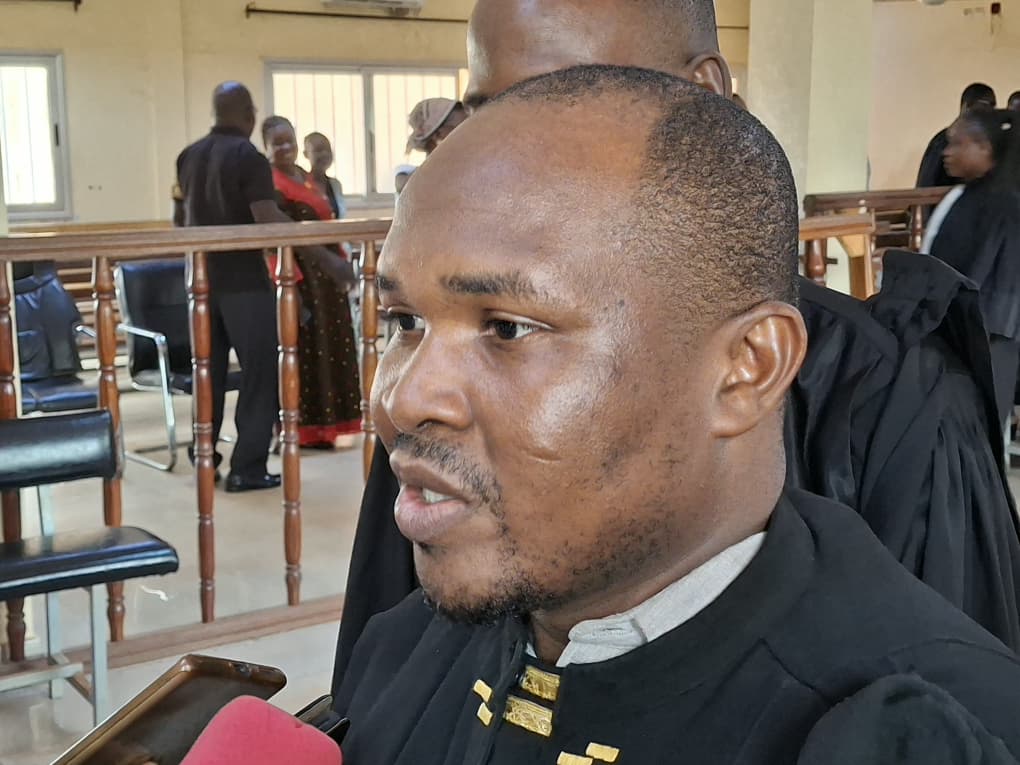
Une exigence légale et déontologique
Président de l'ordre des notaires du Burkina, Maître Yacouba Dembélé a salué cette cérémonie qui répond, selon lui, à une double exigence : légale et déontologique. « Le notaire est un officier public ministériel. Les actes qu'il établit bénéficient d'une présomption de légalité et d'exactitude. Il est donc indispensable que les personnes qui l'accompagnent dans l'accomplissement de ses missions soient elles-mêmes soumises à des exigences élevées de professionnalisme et d'intégrité », a-t-il expliqué.
Maître Yacouba Dembélé a salué cette cérémonie qui répond, selon lui, à une double exigence : légale et déontologique
Pour le président de l'ordre, la prestation de serment participe à l'amélioration de la qualité du service rendu aux populations et à la consolidation de la sécurité juridique. Il a rappelé aux nouveaux clercs les valeurs fondamentales qui doivent guider leur carrière à savoir la loyauté, la confiance, la probité, la discrétion professionnelle et le sens du service. « Tout ce que nous faisons vise à garantir la sécurité juridique des populations. Le serment que vous venez de prêter vous oblige à être davantage professionnels, plus attentifs aux attentes des citoyens et plus engagés dans l'accomplissement de vos missions », a-t-il exhorté.
Des autorités de l'appareil judiciaire ont pris part à cette cérémonie
Des clercs conscients de leurs responsabilités
Du côté des impétrants, la cérémonie a été vécue comme un moment fort de leur parcours professionnel. Clerc de notaire de première catégorie exerçant dans l'étude de Me Karim Kaboré, Anastasie Somda estime que cette prestation de serment constitue un rappel solennel des responsabilités qui incombent aux collaborateurs des études notariales. « Nous travaillons aux côtés des notaires depuis plusieurs années pour certains d'entre nous. Mais ce matin, cette cérémonie nous rappelle de façon solennelle l'importance de notre engagement. Nous repartons avec davantage de détermination à exercer nos fonctions dans le respect de la probité et de la loyauté », a-t-elle confié.
Clerc de notaire de première catégorie, Anastasie Somda estime que cette prestation de serment constitue un rappel solennel des responsabilités qui incombent aux collaborateurs des études notariales
À travers cette prestation de serment, les onze clercs de notaire rejoignent officiellement le cercle des professionnels appelés à contribuer, aux côtés des notaires, à la sécurisation des actes juridiques et à la protection des droits des citoyens.
Romuald Dofini
Lefaso.net
Radio Daandé Liptako : Rimtalba Jean Emmanuel Ouédraogo appelle à porter la voix et les intérêts des peuples de l'AES
Quelques jours après son installation officielle, le Conseil d'administration de la radio de l'AES, Daandé Liptako, a été reçu par le Premier ministre ce mercredi 10 juin 2026. Au cours des échanges, Rimtalba Jean Emmanuel Ouédraogo a insisté sur le rôle stratégique de ce média confédéral dans la lutte informationnelle et la promotion d'un récit porté par les peuples du Burkina Faso, du Mali et du Niger.
Composé de neuf membres issus des ministères en charge de la Communication, des Affaires étrangères et des Finances du Burkina Faso, du Mali et du Niger, le Conseil d'administration a un mandat de trois ans, renouvelable une fois.
La présidente du Conseil d'administration (PCA), Moussokoura Konaté, a rendu compte au Chef du Gouvernement des travaux de la première session.

"Nous avons adopté huit projets de délibération. Il s'agit de textes stratégiques qui concernent l'organisation et le fonctionnement de la Direction générale, le budget de démarrage, la feuille de route éditoriale, le statut du personnel. Désormais, la direction générale dispose d'une boussole, d'un cadre légal, réglementaire et stratégique pour lancer officiellement les activités", a-t-elle indiqué.
Le Premier ministre a salué le travail abattu et encouragé le Conseil à traduire en actes concrets la vision des chefs d'État du Burkina Faso, du Mali et du Niger.

"Nos plus hautes autorités ont compris que le combat engagé ne peut être gagné sans des outils pour contrer la guerre informationnelle. Vous avez un rôle stratégique de gouvernance et d'orientation. Vous jetez les bases de la radio confédérale. Vous êtes les pionniers d'une aventure historique", a-t-il déclaré.
Pour lui, l'enjeu est clair : l'AES doit imposer son propre narratif, fondé sur la paix, la fraternité, la cohésion, la souveraineté et la reconquête de la fierté des peuples du Sahel.
"Le narratif de la neutralité absolue s'écroule comme un château de cartes. Chaque média défend une cause. Dans un contexte où l'on veut diviser les peuples du Sahel, la radio ne sera pas jugée sur sa neutralité, mais sur sa capacité à porter la cause des peuples de l'AES", a-t-il affirmé.

Réaffirmant l'engagement des plus hautes autorités à accompagner le média, le Chef du Gouvernement a conclu : "Nous ferons en sorte que la radio s'impose par la qualité de son contenu. Nous avons la conviction qu'on va y arriver. Affranchissez-vous des vérités d'école. Laissez-vous guider par les réalités géostratégiques de notre espace confédéral".
Avec cette audience, l'AES confirme sa volonté de se doter d'outils de communication souverains, capables de produire et de diffuser son propre récit.
Lefaso.net
Source : DCRP/Primature
Dolgos búcsú a honvédségi Mi-17-estől
A Szolnok-Szandai repülőtéren zajló Hüse Károly ejtőernyős emlékverseny apropóján kaptunk lehetőséget a Mi-17-essel MH színekben valószínűleg utolsó repülésre, és nem mellékesen a típus fotózására a növekvő felhőzet nyújtotta nagyon szerencsés, szűrt fény közepette. Köszönet azoknak, akiket illet, különösen az MH86-ot a mai napért!
"Műveleti" stílusban a Tisza medre felett.
A rendezvény kellékei között az "igásló". Kevés olyan jól hasznosult típust, vagy típuscsaládot az honvédség légierő történetéből, mint a Mi-8 (Mi-17) közepes szállító helikoptert.
Kb. 2000-en történő gépelhagyást követően nyílnak a légcellás ernyők Szandaszőlős felett.
A Mi-17-es közelgő távozásával a teljes Mi-8-as családra jellemző, rutinszerű gurulásból történő felszállások látványának is búcsút inthetünk. Itt egy különösen szép, orrfutóról történő elemelkedés pillanata.
Azt hiszem, ezt nevezik élő emlékezetnek. Elmondhatatlanul könnyebb a kapcsolódás az ilyen hősökhöz.
Zord
Categories: Biztonságpolitika, Europäische Union
Pages



© 2012-2018 Europa Varietas Foundation © 2015-2018 Europa Varietas Association
www.europavarietas.org | info(@)europavarietas(dot)org | Switzerland




We are looking for sponsors for the English translation of these books, please contact turkeandras(at)gmail(dot)com