
Vous êtes ici
Agrégateur de flux
Pressemitteilung - Überprüfung ausländischer Investitionen in strategische Sektoren der EU
Am Dienstag hat das Parlament grünes Licht für neue EU-Vorschriften zur Überprüfung ausländischer Investitionen geben, um Sicherheitsrisiken zu minimieren.
Ausschuss für internationalen Handel
Quelle : © Europäische Union, 2026 - EP
Ausschuss für internationalen Handel
Quelle : © Europäische Union, 2026 - EP
Sajtóközlemény - Az EU megerősíti a kockázatos külföldi befektetésekkel szembeni védelmet
Kedden a Parlament új uniós szabályokat fogadott el a külföldi befektetések átvilágítására a biztonsági kockázatok megelőzése érdekében.
Nemzetközi Kereskedelmi Bizottság
Forrás : © Európai Unió, 2026 - EP
Nemzetközi Kereskedelmi Bizottság
Forrás : © Európai Unió, 2026 - EP
Press release - Protecting EU strategic sectors from risky foreign investments
On Tuesday, Parliament approved new EU rules for the screening of foreign investments to prevent security risks.
Committee on International Trade
Source : © European Union, 2026 - EP
Committee on International Trade
Source : © European Union, 2026 - EP
Press release - Protecting EU strategic sectors from risky foreign investments
On Tuesday, Parliament approved new EU rules for the screening of foreign investments to prevent security risks.
Committee on International Trade
Source : © European Union, 2026 - EP
Committee on International Trade
Source : © European Union, 2026 - EP
Pressemitteilung - Parlament billigt neue Maßnahmen zum Schutz des EU-Stahlmarktes vor Überkapazitäten
Die neue Verordnung ersetzt die am 30. Juni 2026 auslaufenden Maßnahmen und soll die Stahlindustrie vor negativen Folgen eines weltweiten Stahlüberschusses schützen.
Ausschuss für internationalen Handel
Quelle : © Europäische Union, 2026 - EP
Ausschuss für internationalen Handel
Quelle : © Europäische Union, 2026 - EP
Press release - Steel overcapacity: MEPs approve new measures to protect EU steel market
The new regulation replaces measures due to expire on 30 June 2026 and will help protect the EU steel industry from the negative effects of a global steel surplus.
Committee on International Trade
Source : © European Union, 2026 - EP
Committee on International Trade
Source : © European Union, 2026 - EP
Press release - Steel overcapacity: MEPs approve new measures to protect EU steel market
The new regulation replaces measures due to expire on 30 June 2026 and will help protect the EU steel industry from the negative effects of a global steel surplus.
Committee on International Trade
Source : © European Union, 2026 - EP
Committee on International Trade
Source : © European Union, 2026 - EP
Press release - Steel overcapacity: MEPs approve new measures to protect EU steel market
The new regulation replaces measures due to expire on 30 June 2026 and will help protect the EU steel industry from the negative effects of a global steel surplus.
Committee on International Trade
Source : © European Union, 2026 - EP
Committee on International Trade
Source : © European Union, 2026 - EP
Catégories: Diplomacy & Crisis News, European Union
Capitals to send eight joint defence projects for Commission approval this month
The projects would be allocated part of the €1.5 billion EDIP envelope
Sajtóközlemény - Átadták az Európai Érdemrend első kitüntetéseit
Kedden az Európai Parlamentben tartott ünnepségen átadták az Európai Érdemrend első kitüntetéseit az integrációhoz és az uniós értékekhez való jelentős hozzájárulás elismeréseként.
Forrás : © Európai Unió, 2026 - EP
Forrás : © Európai Unió, 2026 - EP
Communiqué de presse - Protéger les secteurs stratégiques de l’UE contre les investissements étrangers risqués
Mardi, le Parlement a approuvé de nouvelles règles européennes pour le filtrage des investissements étrangers, afin de prévenir les risques pour la sécurité.
Commission du commerce international
Source : © Union européenne, 2026 - PE
Commission du commerce international
Source : © Union européenne, 2026 - PE
Communiqué de presse - Surcapacité sidérurgique: le Parlement approuve de nouvelles mesures pour protéger le marché européen de l'acier
Le nouveau règlement remplace les mesures expirant le 30 juin 2026 et contribuera à protéger l’industrie sidérurgique de l’UE des effets négatifs de l’excédent mondial d’acier.
Commission du commerce international
Source : © Union européenne, 2026 - PE
Commission du commerce international
Source : © Union européenne, 2026 - PE
Catégories: European Union, Union européenne
Anger over presence of US envoy’s ‘volunteer doctor’
'It is deeply problematic,' said Greenland's health minister
Pressemitteilung - Erstmalige Verleihung des Europäischen Verdienstordens
Am Dienstag wurden die ersten Preisträgerinnen und Preisträger des Europäischen Verdienstordens für ihren Beitrag zur Integration und zur Verteidigung europäischer Werte geehrt.
Quelle : © Europäische Union, 2026 - EP
Quelle : © Europäische Union, 2026 - EP
Qui était le chef de l'EI ciblé par les États-Unis dans le nord-est du Nigeria ?
Abou Bakr al-Mainuki a été tué lors d'une frappe conjointe de précision le 16 mai 2026 dans le bassin du lac Tchad. Donald Trump l’a présenté comme le « numéro deux mondial » de l’État islamique, mais les experts soulignent qu’il s’agissait d’un chef régional, non d’un dirigeant global.
Green finance – beyond transparency
• Financial markets still provide financing on a large scale for investments in environmentally harmful activities, while projects conducive to the green transformation are often not funded.
• Sustainable finance policies, such as new reporting requirements and standards for sus¬tain¬able financial instruments, have so far mostly focused on creating transparency. However, transparency alone is insufficient to turn the financial sector from a driver of en¬viron¬mental crises into a lever for the green transformation.
• Many countries of the Global South face special challenges, including high interest rates, currency depreciation and limited oppor¬¬tu¬nities to shape global policies (e.g. banking regulations and standards for sus-tainable finan¬cial instruments) in their interests.
• Aligning financial markets with sustainability objectives requires a comprehensive policy mix comprising policies that change incen-tives. These policies can include credit guidance instruments such as credit targets, green refinancing schemes and differentiated capital requirements, and tax policies such as differentiated capital gains taxes for green and non-green assets.
• International forums, such as the Network for Greening the Financial System (NGFS) and
the Sustainable Banking and Finance Network (SBFN), remain valuable for mutual learning and for addressing cross-border effects of finan¬cial regulations.
• Policies to mobilise private resources should not be considered as a substitute for public investments or public steering, which are both crucial for the green transformation.
Green finance – beyond transparency
• Financial markets still provide financing on a large scale for investments in environmentally harmful activities, while projects conducive to the green transformation are often not funded.
• Sustainable finance policies, such as new reporting requirements and standards for sus¬tain¬able financial instruments, have so far mostly focused on creating transparency. However, transparency alone is insufficient to turn the financial sector from a driver of en¬viron¬mental crises into a lever for the green transformation.
• Many countries of the Global South face special challenges, including high interest rates, currency depreciation and limited oppor¬¬tu¬nities to shape global policies (e.g. banking regulations and standards for sus-tainable finan¬cial instruments) in their interests.
• Aligning financial markets with sustainability objectives requires a comprehensive policy mix comprising policies that change incen-tives. These policies can include credit guidance instruments such as credit targets, green refinancing schemes and differentiated capital requirements, and tax policies such as differentiated capital gains taxes for green and non-green assets.
• International forums, such as the Network for Greening the Financial System (NGFS) and
the Sustainable Banking and Finance Network (SBFN), remain valuable for mutual learning and for addressing cross-border effects of finan¬cial regulations.
• Policies to mobilise private resources should not be considered as a substitute for public investments or public steering, which are both crucial for the green transformation.
Green finance – beyond transparency
• Financial markets still provide financing on a large scale for investments in environmentally harmful activities, while projects conducive to the green transformation are often not funded.
• Sustainable finance policies, such as new reporting requirements and standards for sus¬tain¬able financial instruments, have so far mostly focused on creating transparency. However, transparency alone is insufficient to turn the financial sector from a driver of en¬viron¬mental crises into a lever for the green transformation.
• Many countries of the Global South face special challenges, including high interest rates, currency depreciation and limited oppor¬¬tu¬nities to shape global policies (e.g. banking regulations and standards for sus-tainable finan¬cial instruments) in their interests.
• Aligning financial markets with sustainability objectives requires a comprehensive policy mix comprising policies that change incen-tives. These policies can include credit guidance instruments such as credit targets, green refinancing schemes and differentiated capital requirements, and tax policies such as differentiated capital gains taxes for green and non-green assets.
• International forums, such as the Network for Greening the Financial System (NGFS) and
the Sustainable Banking and Finance Network (SBFN), remain valuable for mutual learning and for addressing cross-border effects of finan¬cial regulations.
• Policies to mobilise private resources should not be considered as a substitute for public investments or public steering, which are both crucial for the green transformation.
Megnehezíti az iskolaigazgatók dolgát az új versenyvizsga?
Kompetenciatesztből, írásbeli vizsgából és interjúból áll ezentúl az iskolaigazgatói versenyvizsga. Az eredmények ellen pedig két órán belül kell majd fellebbezni – áll az új módszertan tervezetében, amelyet most bocsátott közvitára a tanügyminisztérium. Az igazgatói állásokra eddig sem volt túljelentkezés, hogyan befolyásolja majd az új módszertan a tanárok hozzáállását? – kérdeztük Szőcs Ildikót, a nagyenyedi Bethlen […]
Articolul Megnehezíti az iskolaigazgatók dolgát az új versenyvizsga? apare prima dată în Kolozsvári Rádió Románia.
Avec la mort d’Etienne Davignon disparaît la perspective d’un procès pour l’assassinat du Congolais Patrice Lumumba
L’homme d’affaires et homme d’Etat, figure marquante de la vie politico-économique de la Belgique, avait été renvoyé en mars devant une juridiction pénale pour son implication présumée dans l’assassinat de Patrice Lumumba, premier chef de gouvernement post-indépendance.
Catégories: Afrique, European Union
Pages


© 2012-2018 Europa Varietas Foundation © 2015-2018 Europa Varietas Association
www.europavarietas.org | info(@)europavarietas(dot)org | Switzerland
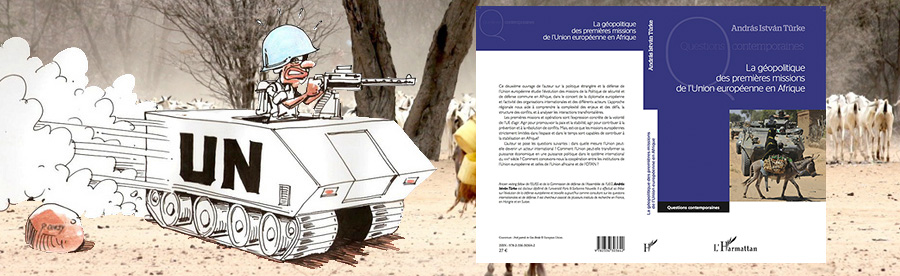
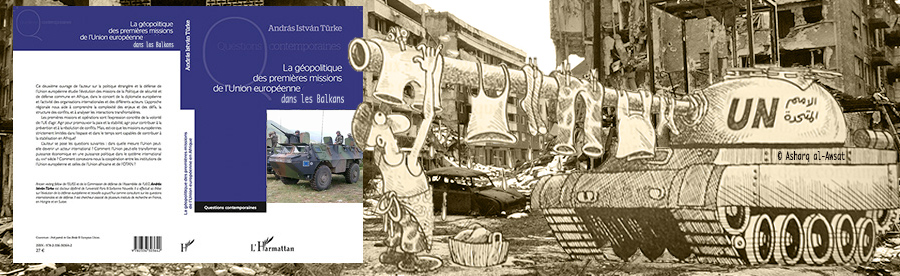
We are looking for sponsors for the English translation of these books, please contact turkeandras(at)gmail(dot)com