
You are here
Diplomacy & Defense Think Tank News
Wer hat einen Platz am Tisch? Bonner Klimaverhandlungen und das Visumproblem
Bonn, 08. Juni 2026. Jahr für Jahr finden die Bonner Klimaverhandlungen statt. Jahr für Jahr werden Delegierte aus dem Globalen Süden durch Visahürden ausgebremst — und untergraben damit Deutschlands Anspruch auf inklusiven Multilateralismus.
Die 64. Sitzung der UNFCCC-Nebenorgane (SB64) beginnt heute im Bonner World Conference Center. Über 5.000 Delegierte von Regierungen sowie Zivilgesellschaft kommen zusammen, um die COP31 vorzubereiten, die in diesem Jahr in der Türkei stattfindet. Die Nebenorgane sind fundamentaler Bestandteil der globalen Klimadiplomatie: Hier wird die technische Grundlage gelegt, werden Positionen verhandelt und Koalitionen gebildet. Parteidelegierte wie Nicht-Partei-Akteure sind formell gleichberechtigt willkommen — doch Teilnehmende aus dem Globalen Süden sehen sich einer Reihe von Hindernissen gegenüber: Akkreditierung, Reisekosten, Unterkunft und Visa. Die Visa-Barriere ist hier besonders, weil es in der Verantwortung Deutschlands, als Host des UNFCCC-Sekretariats, liegt, diese zu adressieren.
Visahürden für die Beteiligung des Globalen Südens an Klimaverhandlungen sind weder neu noch ein ausschließlich deutsches Problem. Bereits 2008 kritisierte das IIED den Ausschluss von Delegierten aus den vulnerabelsten Ländern von UN-Klimaverhandlungen in Europa aufgrund von Visumverzögerungen. Bei den Bonner Sitzungen SB60 im Jahr 2024 wurden 223 Fälle von Delegierten aus Afrika und Asien dokumentiert, die Schwierigkeiten hatten, rechtzeitig oder überhaupt ein Visum zu erhalten: 25 wurden direkt abgelehnt, 167 Anträge blieben unbearbeitet, und 37 erhielten ihr Visum mit erheblicher Verzögerung — Länder wie Burundi, Kamerun, Ägypten, Marokko und Ruanda waren in den ersten Verhandlungstagen ohne Repräsentanz. Im Jahr 2025 stieg die Zahl der dokumentierten Fälle auf 298. Zu den wiederkehrenden Ursachen zählen verweigerte Terminvergaben, die Pflicht zur Antragstellung in weit entfernten Drittländern sowie Ablehnungen mit dem Verweis auf angebliche Zweifel an der Rückkehrabsicht. Der Unmut darüber wird regelmäßig in den Abschlusserklärungen der Bonner Sitzungen laut — oder, in weniger diplomatischer Form, vom zivilgesellschaftlichen Netzwerk CAN, das Deutschland auffordert, seinen „Visumkrieg gegen afrikanische Delegierte" zu beenden.
Hinter den oben genannten Zahlen stehen Menschen, meist mit formeller Akkreditierung, konkretem Arbeitsplan und oft vollständiger Finanzierung, die dennoch nicht teilnehmen können. Eine junge Delegierte aus Asien beschreibt es so: „Visumprobleme sind eines der größten Hindernisse für mich. Aus dem Globalen Süden kommend, verbringen wir zwei bis drei Monate damit, immer wieder zur Botschaft zu laufen, Anträge zu stellen, Widerspruch einzulegen. Viele meiner Kolleg*innen haben kein Visum bekommen — obwohl sie vollständig finanziert waren und einen konkreten Plan hatten, wie wir zusammenarbeiten wollten. Sie konnten einfach nicht kommen." Dies ist kein Einzelfall. Es ist eine strukturelle Hürde, die genau jene Stimmen ausschließt — Verhandler*innen aus den vulnerabelsten Ländern, junge Aktivist*innen, Vertreter*innen besonders betroffener Gemeinschaften —, deren Präsenz entscheidend für die Legitimität des multilateralen Klimaprozesses ist.
Das Argument, Visumhürden seien administrativ unvermeidbar, hält einer Überprüfung nicht stand. Die Gastgeberländer der jüngsten COPs in den Vereinigten Arabischen Emiraten, Aserbaidschan und Brasilien haben allesamt eigene beschleunigte Visumverfahren für akkreditierte UNFCCC-Teilnehmende eingeführt. Entscheidend ist: Auch Schengen-Mitgliedstaaten haben dies getan. Artikel 25 Absatz 1 des Schengener Visakodex erlaubt es Mitgliedstaaten ausdrücklich, Visa auszustellen, wenn „internationale Verpflichtungen" dies erfordern. Für die COP21 in Paris nutzte Frankreich diese Bestimmung, um akkreditierten Teilnehmenden allein auf Grundlage ihres Akkreditierungsschreibens ein Kurzaufenthaltsvisum zu erteilen, ohne die üblichen Begleitdokumente. Für die COP25, die mit kaum vier Wochen Vorlauf von Santiago nach Madrid verlegt wurde, erließ Spanien zentrale Anweisungen an alle 182 seiner Konsulate weltweit, um ein zügiges Visumverfahren zu gewährleisten, und schloss Vereinbarungen mit anderen Schengen-Staaten für Länder ohne spanische Vertretung.
Im Vorfeld der Verhandlungen dieses Jahr erinnern über 80 unterzeichnende Organisationen — von Amnesty International bis zur Zimbabwe People's Land Rights Movement — Deutschland als Gastgeber der Bonner Sitzungen in einem offenen Brief daran, dass die Glaubwürdigkeit multilateraler Prozesse davon abhängt, wer im Raum sitzt. Inklusiver Multilateralismus ist nicht nur eine Frage dessen, was verhandelt wird — sondern auch, wer verhandelt. Deutschland trägt als Gastgeber verschiedener UN Organisationen, vom UNFCCC-Sekretariats über UNDP und UN Women eine besondere Verantwortung dafür, dass seine Konsulate nicht zur ersten Hürde für legitimes globales Regieren werden — und für das Vertrauen der Partner, auf die es angewiesen ist. Die Lösungen existieren. Die Präzedenzfälle existieren. Was noch zu fehlen scheint, ist der politische Wille zu handeln.
Categories: Diplomacy & Defense Think Tank News, Europäische Union
Wer hat einen Platz am Tisch? Bonner Klimaverhandlungen und das Visumproblem
Bonn, 08. Juni 2026. Jahr für Jahr finden die Bonner Klimaverhandlungen statt. Jahr für Jahr werden Delegierte aus dem Globalen Süden durch Visahürden ausgebremst — und untergraben damit Deutschlands Anspruch auf inklusiven Multilateralismus.
Die 64. Sitzung der UNFCCC-Nebenorgane (SB64) beginnt heute im Bonner World Conference Center. Über 5.000 Delegierte von Regierungen sowie Zivilgesellschaft kommen zusammen, um die COP31 vorzubereiten, die in diesem Jahr in der Türkei stattfindet. Die Nebenorgane sind fundamentaler Bestandteil der globalen Klimadiplomatie: Hier wird die technische Grundlage gelegt, werden Positionen verhandelt und Koalitionen gebildet. Parteidelegierte wie Nicht-Partei-Akteure sind formell gleichberechtigt willkommen — doch Teilnehmende aus dem Globalen Süden sehen sich einer Reihe von Hindernissen gegenüber: Akkreditierung, Reisekosten, Unterkunft und Visa. Die Visa-Barriere ist hier besonders, weil es in der Verantwortung Deutschlands, als Host des UNFCCC-Sekretariats, liegt, diese zu adressieren.
Visahürden für die Beteiligung des Globalen Südens an Klimaverhandlungen sind weder neu noch ein ausschließlich deutsches Problem. Bereits 2008 kritisierte das IIED den Ausschluss von Delegierten aus den vulnerabelsten Ländern von UN-Klimaverhandlungen in Europa aufgrund von Visumverzögerungen. Bei den Bonner Sitzungen SB60 im Jahr 2024 wurden 223 Fälle von Delegierten aus Afrika und Asien dokumentiert, die Schwierigkeiten hatten, rechtzeitig oder überhaupt ein Visum zu erhalten: 25 wurden direkt abgelehnt, 167 Anträge blieben unbearbeitet, und 37 erhielten ihr Visum mit erheblicher Verzögerung — Länder wie Burundi, Kamerun, Ägypten, Marokko und Ruanda waren in den ersten Verhandlungstagen ohne Repräsentanz. Im Jahr 2025 stieg die Zahl der dokumentierten Fälle auf 298. Zu den wiederkehrenden Ursachen zählen verweigerte Terminvergaben, die Pflicht zur Antragstellung in weit entfernten Drittländern sowie Ablehnungen mit dem Verweis auf angebliche Zweifel an der Rückkehrabsicht. Der Unmut darüber wird regelmäßig in den Abschlusserklärungen der Bonner Sitzungen laut — oder, in weniger diplomatischer Form, vom zivilgesellschaftlichen Netzwerk CAN, das Deutschland auffordert, seinen „Visumkrieg gegen afrikanische Delegierte" zu beenden.
Hinter den oben genannten Zahlen stehen Menschen, meist mit formeller Akkreditierung, konkretem Arbeitsplan und oft vollständiger Finanzierung, die dennoch nicht teilnehmen können. Eine junge Delegierte aus Asien beschreibt es so: „Visumprobleme sind eines der größten Hindernisse für mich. Aus dem Globalen Süden kommend, verbringen wir zwei bis drei Monate damit, immer wieder zur Botschaft zu laufen, Anträge zu stellen, Widerspruch einzulegen. Viele meiner Kolleg*innen haben kein Visum bekommen — obwohl sie vollständig finanziert waren und einen konkreten Plan hatten, wie wir zusammenarbeiten wollten. Sie konnten einfach nicht kommen." Dies ist kein Einzelfall. Es ist eine strukturelle Hürde, die genau jene Stimmen ausschließt — Verhandler*innen aus den vulnerabelsten Ländern, junge Aktivist*innen, Vertreter*innen besonders betroffener Gemeinschaften —, deren Präsenz entscheidend für die Legitimität des multilateralen Klimaprozesses ist.
Das Argument, Visumhürden seien administrativ unvermeidbar, hält einer Überprüfung nicht stand. Die Gastgeberländer der jüngsten COPs in den Vereinigten Arabischen Emiraten, Aserbaidschan und Brasilien haben allesamt eigene beschleunigte Visumverfahren für akkreditierte UNFCCC-Teilnehmende eingeführt. Entscheidend ist: Auch Schengen-Mitgliedstaaten haben dies getan. Artikel 25 Absatz 1 des Schengener Visakodex erlaubt es Mitgliedstaaten ausdrücklich, Visa auszustellen, wenn „internationale Verpflichtungen" dies erfordern. Für die COP21 in Paris nutzte Frankreich diese Bestimmung, um akkreditierten Teilnehmenden allein auf Grundlage ihres Akkreditierungsschreibens ein Kurzaufenthaltsvisum zu erteilen, ohne die üblichen Begleitdokumente. Für die COP25, die mit kaum vier Wochen Vorlauf von Santiago nach Madrid verlegt wurde, erließ Spanien zentrale Anweisungen an alle 182 seiner Konsulate weltweit, um ein zügiges Visumverfahren zu gewährleisten, und schloss Vereinbarungen mit anderen Schengen-Staaten für Länder ohne spanische Vertretung.
Im Vorfeld der Verhandlungen dieses Jahr erinnern über 80 unterzeichnende Organisationen — von Amnesty International bis zur Zimbabwe People's Land Rights Movement — Deutschland als Gastgeber der Bonner Sitzungen in einem offenen Brief daran, dass die Glaubwürdigkeit multilateraler Prozesse davon abhängt, wer im Raum sitzt. Inklusiver Multilateralismus ist nicht nur eine Frage dessen, was verhandelt wird — sondern auch, wer verhandelt. Deutschland trägt als Gastgeber verschiedener UN Organisationen, vom UNFCCC-Sekretariats über UNDP und UN Women eine besondere Verantwortung dafür, dass seine Konsulate nicht zur ersten Hürde für legitimes globales Regieren werden — und für das Vertrauen der Partner, auf die es angewiesen ist. Die Lösungen existieren. Die Präzedenzfälle existieren. Was noch zu fehlen scheint, ist der politische Wille zu handeln.
Mehrdeutigkeit in der Meerespolitik
Im Januar 2027 steht die ersten Vertragsstaatenkonferenz des neuen Hochseeschutzabkommens der Vereinten Nationen an. Auf der Tagung dürften zentrale Konflikte zwischen Meeresschutz und Meeresnutzung im Kontext des Klimawandels verhandelt werden. Erneut in den Fokus rückt damit auch die 2024 ergangene Stellungnahme des Internationalen Seegerichtshofs zum Klimaschutz. Viele hatten erwartet, mit dem Gutachten würde das klimapolitische Verhältnis zwischen Schutz und Nutzung der Ozeane eindeutiger definiert. Besonders wichtig ist diese Klärung mit Blick auf neue marine CO2-Entnahmetechnologien (mCDR). Sie sollen eine höhere Aufnahme von Kohlenstoff durch das Meer ermöglichen, um den Klimawandel abzuschwächen. Der Seegerichtshof stellte klar, dass Staaten die Ozeane vor Verschmutzung durch atmosphärisches CO2 schützen müssen. Interpretationsspielraum blieb jedoch in der Frage, ob mCDR als Meeresverschmutzung oder als Beitrag zum Meeresschutz gilt. Diese Mehrdeutigkeit lässt sich politisch nutzen, um marine CO2-Entnahme entweder zu fördern oder einzuschränken. Internationale Organisationen, EU-Institutionen und nationale Behörden sollten darauf vorbereitet sein, dass unterschiedliche Auslegungen des Gerichtsentscheids die zukünftige Klima- und Meerespolitik beeinflussen werden.
Categories: Defence`s Feeds, Diplomacy & Defense Think Tank News
„Die wichtigste Lehre besteht darin, die Welt so wahrzunehmen, wie sie tatsächlich ist“
Deutschland ist mit seiner Bewerbung um einen Sitz im UN-Sicherheitsrat gescheitert. Im Interview spricht der Politikwissenschaftler Volker Perthes über die Gründe – und was daraus folgen muss. Wie groß ist der Reputationsschaden für die Bundesrepublik wirklich?
Categories: Defence`s Feeds, Diplomacy & Defense Think Tank News
Le pavillon de chasse de Karađorđevo où la Yougoslavie a écrit son histoire
Aménagé dans les années 1950 par le maréchal Tito, le pavillon de chasse de Karađorđevo, en Voïvodine, a longtemps été le théâtre de rencontres internationales.
- Articles / Serbie, Croatie, animaux, Histoire, Courrier des Balkans
Categories: Balkans Occidentaux, Diplomacy & Defense Think Tank News
Le pavillon de chasse de Karađorđevo où la Yougoslavie a écrit son histoire
Aménagé dans les années 1950 par le maréchal Tito, le pavillon de chasse de Karađorđevo, en Voïvodine, a longtemps été le théâtre de rencontres internationales.
- Articles / Serbie, Croatie, animaux, Histoire, Courrier des Balkans
Categories: Balkans Occidentaux, Diplomacy & Defense Think Tank News
Hilfe in der Straße von Hormus?: Die USA trainieren Delfine zur Minenräumung
Es ist ein Programm aus dem Kalten Krieg, das bis heute existiert: In Kalifornien trainiert die US-Marine Delfine, Seeminen aufzuspüren. Tausende davon soll der Iran in der Straße von Hormus verlegt haben, ein Einsatz der Tiere dort wäre möglich.
Categories: Diplomacy & Defense Think Tank News
Kosovo : troisièmes législatives en un an, faible participation et contre-performance d'Albin Kurti
C'étaient les troisièmes législatives en 18 mois, et rien ne garantit qu'elles permettent de sortir de la crise. Le mouvement Vetëvendosje du Premier ministre sortant Albin Kurti perd sa majorité absolue. La participation est en chute libre.
- Articles / Elections Kosovo, Kosovo, Politique, Kosovo Vetëvendosje, Courrier des Balkans
Categories: Balkans Occidentaux, Diplomacy & Defense Think Tank News
Monténégro : un film pro-ćaci remet en cause vingt ans d'indépendance
« Référendum – l'histoire d'une liberté fictive » : produit par une organisation proche du pouvoir serbe, ce film présente les Monténégrins comme une nation « artificielle » et remet en cause la souveraineté du pays. Podgorica dénonce un contenu haineux et une tentative de déstabilisation politique.
- Articles / Monitor (Monténégro), Indépendance du Monténégro 2006, Vucic, Monténégro, Serbie, Histoire, Relations régionales
Categories: Balkans Occidentaux, Diplomacy & Defense Think Tank News
Monténégro : un film pro-ćaci remet en cause vingt ans d'indépendance
« Référendum – l'histoire d'une liberté fictive » : produit par une organisation proche du pouvoir serbe, ce film présente les Monténégrins comme une nation « artificielle » et remet en cause la souveraineté du pays. Podgorica dénonce un contenu haineux et une tentative de déstabilisation politique.
- Articles / Monitor (Monténégro), Indépendance du Monténégro 2006, Vucic, Monténégro, Serbie, Histoire, Relations régionales
Categories: Balkans Occidentaux, Diplomacy & Defense Think Tank News
Bosnie-Herzégovine : échec des négociations pour désigner un successeur à Christian Schmidt
Les discussions engagées pour nommer un nouveau haut représentant international en Bosnie-Herzégovine se sont conclues jeudi sans accord.
- Le fil de l'Info / Accords de Dayton, USA Balkans, Bosnie-Herzégovine, Relations internationales, Questions européennes
Categories: Balkans Occidentaux, Diplomacy & Defense Think Tank News
Ein Vorschlag für einen Grand Bargain in der Finanzpolitik
Der Gastbeitrag von Stefan Bach und Marcel Fratzscher erschien am 5. Juni 2026 im SPIEGEL., Die derzeit wichtigste Frage für die Zukunft Deutschlands – und auch für das Überleben der Bundesregierung – lautet: Findet die Koalition Mut und Kraft, den Menschen in unserem Land moderate Einbußen ihres Wohlstands zuzumuten, um das Land zu reformieren?
Es geht um das schnöde Geld: Wird die ...
Categories: Diplomacy & Defense Think Tank News
Westbalkan-Gipfel – Sechs Länder wollen Mitglied der EU werden
Categories: Defence`s Feeds, Diplomacy & Defense Think Tank News
EU-Erweiterung: "Muss richtig gemacht werden"
Categories: Defence`s Feeds, Diplomacy & Defense Think Tank News
Turkish Foreign Policy and the Iran War: Adapting to a New Regional Environment
This edited volume is the outcome of a scholarly initiative examining the impact of recent geopolitical transformations on the evolution of Turkish foreign policy. At a time when the liberal international order is increasingly contested, great-power rivalry is intensifying, and regional conflicts are reshaping global politics, Turkey has emerged as one of the consequential middle powers in its neighbourhood. The contributions brought together in this collection explore both the regional and sectoral dimensions of Turkish foreign policy, offering a multifaceted assessment of the challenges and opportunities confronting Ankara as it seeks to navigate an increasingly fragmented and uncertain international environment. The essays included in this volume were first presented and discussed in two roundtables organized by Turkey’s International Relations Council (Uluslararası İlişkiler Konseyi – UİK) and convened by Prof. Sinem Akgül Açıkmeşe at the 67th Annual Convention of the International Studies Association (ISA), held in Columbus, Ohio, from 22 to 25 March 2026.
The contemporary transformation of the international system, marked by the erosion of the liberal international order, the relative decline of U.S. hegemony, and the proliferation of regional conflicts, has elevated the strategic importance of middle powers. Turkey, situated at the intersection of Europe, the Middle East, and Eurasia, has been particularly affected by the wars in Ukraine, Gaza, and Iran, all of which pose significant challenges to its security, economic, and diplomatic interests. Bringing together contributions from leading scholars of Turkish foreign policy, the collection explores both the regional and sectoral dimensions of Turkey’s evolving international role to an increasingly fragmented and multipolar international environment. Several chapters focus on the regional aspects of Turkish foreign policy, analyzing Turkey’s relations with Iran, Russia, the Gulf states, the broader Middle East and North Africa (MENA) region, and the Eastern Mediterranean. Other contributions examine key sectoral issues, including the implications of the Iran war for Turkey’s energy policy, defence industry, strategic posture, and mediation capabilities. Taken together, the chapters highlight the opportunities and constraints facing Turkey as it seeks to navigate an increasingly unstable regional and international landscape. The volume argues that Turkey’s future influence will depend on its ability to balance intensifying great-power competition with efforts to promote regional stability, diplomacy, and institutional cooperation. In doing so, it offers broader insights into the evolving role of middle powers in a rapidly changing global order.
Read here the Working paper.
India’s Space Policy
The Indian government is seeking to expand the country’s space programme in order to strengthen national security, promote economic growth and bolster India’s global standing. Its aim is to achieve strategic autonomy in the field of civilian space activities and technological sovereignty in the military sphere. In the area of security policy, India’s quest for sovereign capabilities is a race against time owing to its rivalry with China. But despite improved investment and regulatory conditions, there has not yet been any significant progress towards the development of a robust and competitive space economy. India’s most important strategic partner in the space sector is the US, with which it closely cooperates on trade, security and intelligence matters. In the field of civilian space activities, however, there is a growing interest in cooperation with European actors. India wants to attract more investment into the country, close technology gaps and diversify its partnerships.
Categories: Defence`s Feeds, Diplomacy & Defense Think Tank News
Why must enlargement be treated as a strategic investment? – ELIAMEP experts’ views
As European Council President Antonio Costa reiterated during his visit to Sarajevo, enlargement is no longer simply an institutional process. It is a geostrategic investment in Europe’s peace, stability and security. Today’s EU–Western Balkans Summit in Tivat, Montenegro, offers an opportunity to move beyond a narrative that focuses exclusively on what the region must do for the European Union and instead recognise what the Western Balkans already contribute to Europe’s future.
The debate on enlargement is often framed around reforms, conditionality and accession benchmarks. These remain important as enlargement is a process governed by rules including democracy, rule of law, human rights and freedom of press and media among others. Yet the changing geopolitical environment requires a broader perspective. The Western Balkans should increasingly be understood not as passive recipients of European support, but as active contributors to European security, defence readiness, economic resilience and strategic autonomy.
ELIAMEP‘s recent work through the think nea – New Narratives of EU Integration initiative demonstrates that the case for enlargement is no longer solely political. It is also strategic, economic and security-driven.
The Western Balkans Are Already Contributing to Europe’s Security
Europe’s debate on enlargement has remained largely disconnected from its debate on defence. Yet the two can no longer be treated separately. The Western Balkans are increasingly evolving from security consumers into security contributors.
Key trends include:
- Defence spending across the region is rising, with most countries meeting or exceeding NATO benchmarks.
- Western Balkan states are modernising their armed forces and increasing interoperability with European and NATO partners.
- The region has provided meaningful support to Ukraine, including military equipment, ammunition and other forms of assistance.
- Western Balkan personnel continue to contribute to EU, NATO and UN missions through specialised units, trainers, medical teams and peacekeepers.
At a time when Europe faces unprecedented security challenges, these contributions demonstrate political commitment, operational reliability and strategic alignment.
Europe’s Defence Readiness Requires the Western Balkans
The war in Ukraine exposed Europe’s shortages in ammunition production, defence-industrial capacity and supply-chain resilience. The Western Balkans offer concrete solutions.
The region hosts approximately 200 defence-related companies and retains significant industrial capacities inherited from the former Yugoslav defence-industrial complex. Bosnia and Herzegovina and Serbia remain major producers of ammunition and military equipment, while Albania, North Macedonia and others are rebuilding defence-industrial capabilities.
Several strategic advantages stand out:
- Bosnia and Herzegovina possesses substantial artillery shell production capacity with potential for further expansion.
- Regional industries can produce both NATO and Soviet-standard ammunition.
- Production costs are often lower than within the EU.
- Existing facilities can contribute to addressing Europe’s urgent defence-production gaps.
At the same time, non-EU actors are increasingly investing in these sectors. Without stronger European engagement, the EU risks missing an opportunity to integrate the region into its emerging defence ecosystem.
Geography Matters
The Western Balkans are not located on the margins of Europe. They sit at the centre of several critical European transport and security corridors.
The region functions as:
- A land bridge connecting Central Europe, the Eastern flank, Ukraine and the Eastern Mediterranean.
- A key route for military mobility and logistics.
- An important contributor to supply-chain resilience.
In an era where infrastructure, connectivity and mobility have become security issues, the strategic relevance of the Western Balkans has increased significantly.
The Western Balkans Can Strengthen Europe’s Economic Security
The strategic importance of the region extends beyond defence. The Western Balkans possess substantial reserves of critical and strategic raw materials, including copper, aluminium, nickel, antimony, lithium, magnesium, cobalt and rare earth elements. These resources are increasingly important for Europe’s green transition, industrial competitiveness, defence production and economic security.
Yet the current situation reveals a strategic imbalance:
- Raw materials are often exported to China for processing.
- Higher-value products subsequently enter European markets.
- Local value creation remains limited.
- European strategic autonomy remains vulnerable to external dependencies.
A more integrated approach would allow Europe to strengthen supply-chain resilience while supporting economic convergence and industrial development in the region.
Enlargement and Strategic Integration Must Advance Together
The central conclusion emerging from ELIAMEP’s work is straightforward: Europe’s enlargement agenda and Europe’s strategic priorities increasingly overlap.
Whether the issue is defence readiness, military mobility, industrial resilience, critical raw materials, support to Ukraine or supply-chain security, the Western Balkans are already part of the solution. The challenge for the European Union is therefore not whether the region matters strategically, but how quickly existing policies can reflect this reality.
Today’s EU–Western Balkans Summit should reinforce a simple message: enlargement is not only about preparing the Western Balkans for the European Union. It is also about preparing the European Union for the geopolitical realities it faces.
The Western Balkans are not Europe’s periphery. They are an increasingly important part of Europe’s security, resilience and future prosperity. Recognising this reality is essential if enlargement is to fulfil its strategic purpose.
Biochar Carbon Removal Standards: A Comparative Assessment of the EU CRCF, ICVCM and Article 6.4
Categories: Defence`s Feeds, Diplomacy & Defense Think Tank News
Commémorations du D-Day : la venue prochaine du secrétaire d’État à la Défense des États-Unis en Normandie fait polémique
Categories: Diplomacy & Defense Think Tank News, France
« Réunir de Ruffin à Glucksmann » : au PS, Olivier Faure veut que la question de la primaire soit tranchée d’ici le 9 juillet
Categories: Diplomacy & Defense Think Tank News, France
Pages


© 2012-2018 Europa Varietas Foundation © 2015-2018 Europa Varietas Association
www.europavarietas.org | info(@)europavarietas(dot)org | Switzerland
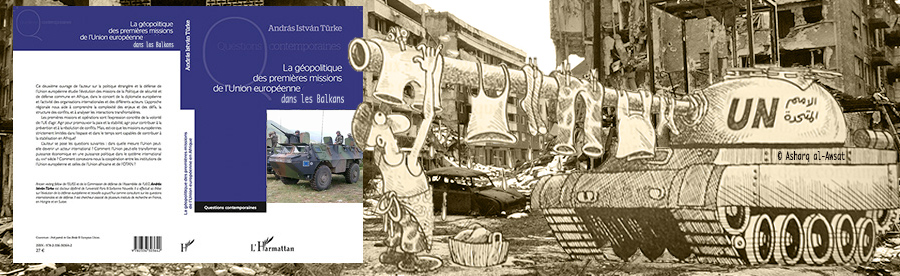
We are looking for sponsors for the English translation of these books, please contact turkeandras(at)gmail(dot)com