
You are here
Afrique
Infos 27 : « Rentrée scolaire 2026-2027 : le gouvernement encadre la reprise face à Ebola. »
Ce matin, trois sujets retiennent particulièrement l’attention des médias de la capitale : la rentrée scolaire dans un contexte marqué par Ebola, la visite du président Félix Tshisekedi en Israël et les réactions autour du dialogue national annoncé par le chef de l’État.
Categories: Afrique
L’influenceuse Denise Dusauchoy arrêtée en Tanzanie sous mandat d’arrêt international
Le ministère de la Justice de la RDC a confirmé ce mardi 1er septembre, l’arrestation de l’influenceuse congolaise Denise Dusauchoy, (Denise Mukendi) intervenue le 30 août 2026 en Tanzanie, dans le cadre d’une procédure de coopération judiciaire internationale.
Selon le communiqué publié tôt ce matin sur ses réseaux sociaux, le ministère précise que Denise Dusauchoy a été interpellée par les autorités tanzaniennes en exécution d’un mandat d’arrêt délivré par la justice congolaise.
Categories: Afrique
Cap sur l'Afrique subsaharienne : jusqu'à 4 000 USD de bonus pour les partenaires RevShare de MelBet Partners & Affiliates
L'opérateur iGaming international MelBet Partners & Affiliates continue de proposer de nouvelles opportunités à ses partenaires. Cette fois, l'offre s'adresse aux nouveaux affiliés RevShare qui travaillent avec du trafic en provenance d'Afrique subsaharienne. Du 1er août au 30 novembre 2026, les participants peuvent recevoir jusqu'à 4 000 USD de bonus supplémentaires, en plus de leur commission RevShare habituelle.
Le principe est simple : plus tu génères de FTDs qualifiés, plus ton bonus augmente.
Mais qu'est-ce qu'un « FTD qualifié » exactement ?
Imaginons que tu sois déjà inscrit au programme MelBet Partners & Affiliates – l'inscription est d'ailleurs tout aussi simple. Pour qu'un nouveau joueur soit considéré comme un FTD qualifié, il doit effectuer un dépôt d'au moins 1,30 USD au cours de son premier mois. Chaque joueur qui remplit cette condition peut te rapporter jusqu'à 1 USD supplémentaire, en plus de ta commission RevShare. Plutôt intéressant, non ? Et bien sûr, plus tu génères de FTDs qualifiés, plus tu te rapproches du palier suivant et d'un bonus encore plus élevé.
Combien peux-tu gagner ?
Il y a toutefois une condition à remplir : pour participer à l'offre, tu dois générer au moins 100 FTDs qualifiés par mois. Une fois ce premier palier atteint, ton bonus augmente à mesure que tu franchis les suivants :
● Départ (100 FTDs) : Tu as atteint 100 FTD qualifiés sur le mois ? Tu débloques un premier bonus de 100 USD.
● Accélération (de 150 à 500 FTDs) : À partir de là, chaque tranche supplémentaire de 50 FTD compte. 150, 200, 250, 300... Chaque nouveau palier atteint te rapporte 50 USD supplémentaires.
● Montée en puissance (de 500 à 1 000 FTDs) : Une fois les 500 FTDs atteints, chaque tranche supplémentaire de 100 FTDs qualifiés te permet de gagner 100 USD de bonus en plus.
● Palier ultime (de 1 000 à 4 000 FTDs) : C'est ici que les gros volumes font vraiment la différence. Pour chaque tranche supplémentaire de 1 000 FTD, tu reçois 1 000 USD de bonus. Atteins le volume maximal sur l'ensemble de la période et tu pourras recevoir jusqu'à 4 000 USD de bonus supplémentaires.
Le montant maximal versé à un partenaire dans le cadre de l'offre est de 4 000 USD, correspondant à 4 000 FTDs.
Qui peut participer ?
L'offre est accessible :
● aux nouveaux partenaires inscrits à MelBet Partners & Affiliates entre le 1er août et le 30 novembre 2026 ;
● aux partenaires inscrits entre le 1er juin et le 31 juillet 2026 ;
● aux partenaires déjà inscrits au programme d'affiliation, quelle que soit leur date d'inscription, ayant généré moins de 100 FTDs au cours des mois calendaires de juin et de juillet 2026, respectivement.
Le programme de bonus s'applique au trafic provenant des pays d'Afrique subsaharienne, notamment le Kenya, la Tanzanie, l'Ouganda, la Zambie, le Cameroun, la Côte d'Ivoire et d'autres GEOs de la région.
Pourquoi l'Afrique subsaharienne mérite ton attention ?
Le marché est jeune, prometteur et encore peu saturé. L'audience est engagée, active et ouverte à de nouvelles expériences iGaming. Aujourd'hui, tous les éléments clés sont réunis : le développement des solutions de paiement, l'amélioration de la couverture mobile et Internet, ainsi qu'un fort intérêt pour le football et les jeux rapides.
C'est le moment de développer tes volumes, de te positionner sur des GEOs à fort potentiel et de construire une audience avant que la concurrence ne devienne plus intense. Et avec l'offre MelBet Partners & Affiliates, tu peux aller encore plus loin : générer des revenus supplémentaires sans changer ton modèle RevShare habituel.
Si tu travailles déjà avec du trafic provenant d'Afrique subsaharienne ou si tu envisages seulement de te lancer sur ce marché, difficile d'imaginer un meilleur moment.
Categories: Afrique
En Guinée, des ONG réclament une enquête indépendante après la découverte de six corps dans une fosse commune
Les six dépouilles, toutes celles d’hommes, avaient été découvertes dans une forêt de la préfecture de Forécariah, en Basse Guinée, par des jeunes qui ramassaient du bois de chauffe.
Categories: Afrique
Corinne Amori Brunet porte la voix du Bénin à Luanda
A Luanda, la ministre béninoise des Affaires étrangères, Corinne Amori Brunet, a pris part aux travaux consacrés au renforcement des mécanismes de prévention et de résolution des conflits en Afrique.
Les Etats membres de l'Union africaine se sont réunis les 29 et 30 août 2026 à Luanda, la capitale de l'Angola. C'est dans le cadre de la 26e session extraordinaire du Conseil exécutif tenue le 29 août et de la 21e session extraordinaire de la Conférence de l'Union africaine organisée le 30 août.
Au cœur des échanges, un constat. Les mécanismes africains de prévention et de règlement des conflits doivent gagner en efficacité. Le continent reste confronté à des crises politiques, à des conflits armés et à la montée du terrorisme et de l'extrémisme violent. Le président de la Commission de l'UA, Mahmoud Ali Youssouf, a également évoqué les tensions interétatiques et d'autres menaces qui rendent l'environnement sécuritaire africain de plus en plus complexe.

L'Union africaine veut notamment améliorer ses systèmes d'alerte précoce, renforcer la mise en œuvre de ses décisions et assurer un financement plus durable des opérations de paix.
Pour le Bénin, cette participation intervient à un moment stratégique. Cotonou doit prendre, en septembre 2026, la présidence mensuelle du Conseil de paix et de sécurité (CPS) de l'Union africaine. Elu membre du CPS pour la période 2026-2028, le Bénin sera ainsi appelé à conduire les travaux de cet organe pendant un mois. Cette responsabilité donnera au Bénin une place particulière dans les discussions du CPS. La présidence mensuelle permet notamment d'organiser et d'animer les travaux, de contribuer à la définition de l'agenda et de faciliter la recherche de positions communes entre les États membres.
M. M.
Categories: Afrique
La briqueterie artisanale, moteur de l’économie locale de Boma
La production et la commercialisation des briques cuites font vivre de nombreux jeunes du quartier KM 3, à Boma, dans la province du Kongo-Central. Considéré comme le principal bastion de cette activité dans la ville, ce quartier regroupe plusieurs artisans qui en ont fait leur métier et leur principale source de revenus.
Categories: Afrique
Voici le verdict du DIGITAL 20H
DIGITAL 20H : Avez-vous tenté votre chance ?
Le tirage DIGITAL 20H N°243 a livré son verdict !
Lundi 31 août 2026
Avez-vous joué ?
RÉSULTAT : 36 • 77 • 41 • 39 • 90
Félicitations aux heureux gagnants !
Pas encore cette fois ? Gardez le sourire.
Rendez-vous à 00H pour le prochain tirage.
Jouez dans les points de vente de la LNB ou : Tapez *590# ou rendez-vous sur lnbloto.bj
Jouez avec modération et responsabilité. Le jeu doit rester un plaisir.
Categories: Afrique
Le Gambien Mam Cherno Jallow prend les rênes du GIABA
Le Groupe Intergouvernemental d'Action contre le Blanchiment d'argent en Afrique de l'Ouest (GIABA) a un nouveau directeur général.
Le Gambien Mam Cherno Jallow a officiellement pris ses fonctions de directeur général du GIABA, lundi 31 août 2026, à l'issue d'une cérémonie de passation de service organisée dans les locaux de l'institution à Yoff, au Sénégal.
Nommé pour un mandat de quatre ans par la Conférence des chefs d'État et de gouvernement de la CEDEAO, réunie le 19 juillet 2026, à Lungi, en Sierra Leone, Mam Cherno Jallow succède au Libérien Edwin W. Harris Jr.
Agé de 60 ans, le nouveau directeur du GIABA est économiste financier de formation. Titulaire d'un MBA en banque et finances du Centre africain d'études supérieures en gestion (CESAG) de Dakar et d'une licence en sciences économiques obtenue en Malaisie, il cumule plus de 35 ans d'expérience dans les secteurs public et privé ainsi que dans les institutions régionales.
Avant sa nomination, Jallow occupait depuis janvier 2024 le poste de directeur par intérim de l'Administration et des Finances du GIABA et du Centre de la CEDEAO pour le développement du genre. Il avait rejoint le GIABA en 2022 comme chef de la Planification stratégique et de la mobilisation des ressources.
Auparavant, il a exercé plusieurs responsabilités à la Commission de la CEDEAO à Abuja, notamment dans la planification stratégique, le suivi et l'évaluation ainsi que dans la coopération avec les marchés émergents. Il a également dirigé la Fédération des Chambres de commerce et d'industrie d'Afrique de l'Ouest (FEWACCI) de 2010 à 2015.
Bilingue anglais-français, avec des connaissances en arabe et en espagnol, Mam Cherno Jallow a reçu en 2010 la distinction de Membre de l'Ordre de la République de Gambie, en reconnaissance de sa contribution au développement économique de son pays.
Institution spécialisée de la CEDEAO, le GIABA joue un rôle central dans la lutte contre le blanchiment de capitaux et le financement du terrorisme en Afrique de l'Ouest.
Créé en 1999, il accompagne les États membres dans le renforcement de leurs dispositifs juridiques, institutionnels et opérationnels contre ces formes de criminalité financière.
Basé à Dakar, au Sénégal, le GIABA contribue notamment à l'évaluation des systèmes nationaux et à la coopération régionale en matière de lutte contre les flux financiers illicites.
M. M.
Categories: Afrique
Les résultats du tirage Loto Fortune de 18H
LES RÉSULTATS LOTO FORTUNE SONT LÀ !
TIRAGE N°139/26
Lundi 31 août 2026 (18H)
03 • 34 • 82 • 64 • 18

Félicitations aux heureux gagnants !
Pas encore gagné ? Gardez le sourire !
Rendez-vous au prochain tirage de 20h pour une nouvelle chance.
Jouez dans les centres de jeux de la LNB ou en ligne : Tapez 590# ou lnbloto.bj
Jouez avec modération et responsabilité. Le jeu doit rester un plaisir.
Categories: Afrique
Judo – RDC : la Ligue de la Tshopo reçoit son premier tatami professionnel après plus de 20 ans d’existence
La Ligue de judo de la Tshopo dispose désormais d’un nouveau tatami professionnel de 14 mètres carrés, qui a été réceptionné dimanche 30 août 2026. Il s’agit d’un don de la Dynamique des jeunes unis de la Tshopo, qui devrait contribuer à la professionnalisation de cette discipline dans la province.
Categories: Afrique
Ebola en RDC : l’épidémie dépasse les 6 000 cas confirmés et les 2 900 morts, annoncent les autorités
Déclarée au mois de mai, la flambée actuelle est la pire de l’histoire du pays. Elle est causée par le variant Bundibugyo, contre laquelle il n’existe ni vaccin ni traitement.
Categories: Afrique
Mutinerie au Niger : un nouveau test pour la junte militaire - Analyse
Les autorités affirment avoir repris le contrôle après une tentative de mutinerie, sans préciser le nombre de victimes ni l’identité des militaires impliqués. Le général Abdourahamane Tiani ne s’est pas exprimé sur ces événements.
Categories: Afrique
Mutinerie au Niger : un nouveau test pour la junte militaire - Analyse
Les autorités affirment avoir repris le contrôle après une tentative de mutinerie, sans préciser le nombre de victimes ni l’identité des militaires impliqués. Le général Abdourahamane Tiani ne s’est pas exprimé sur ces événements.
Categories: Afrique
Le président algérien requiert la peine de mort pour les incendiaires après les incendies de forêt meurtriers
Le président Abdelmadjid Tebboune a déclaré qu'il n'excluait pas la possibilité d'un acte criminel après le recensement de 100 feux de forêt.
Categories: Afrique
« On réinstaure la condamnation à mort » : en Algérie, le président veut faire appliquer la peine de mort pour les pyromanes
Après les incendies meurtriers qui ont ravagé l’est et le nord du pays, Abdelmadjid Tebboune a annoncé vouloir rétablir l’application de la peine de mort contre les pyromanes.
Categories: Afrique
En Algérie, face à des incendies d’une ampleur exceptionnelle, la très grande discrétion des autorités
A Jijel et Béjaïa, des incendies d’une violence inédite ont balayé montagnes et littoraux, faisant plus de 200 victimes. Alors que beaucoup s’interrogent sur le niveau d’impréparation de l’Etat, l’exécutif souligne le caractère criminel de certains feux et exige un durcissement de la réponse judiciaire.
Categories: Afrique
In memoriam : Mme Bado/DAHANY Jeanne
Categories: Afrique
In memoriam : Mme Bado/DAHANY Jeanne
Categories: Afrique
Décès de SANGLA RIMSIGDA SALIF : Doua de 7e jour le dimanche 6 septembre 2026 à MANGANA (DÉDOUGOU)
إِنَّا لِلَّهِ وَإِنَّا إِلَيْهِ رَاجِعُونَ
"Certes, nous appartenons à Allah et c'est vers Lui que nous retournerons."
Sa Majesté Naaba Yemdé, Chef coutumier de Kalla, commune de Bagaré, province du Passoré ;
La grande famille SANGLA, à Poundou (Mangana), Kalla-Yako, Ouagadougou et Bobo-Dioulasso ;
Les familles alliées ;
Le frère du défunt, SANGLA Salam, commerçant à Mangana ;
Les veuves :
• KIEBRE Guétibsom Fati ;
• TOUGMA Téné ;
Les enfants :
• SANGLA Mahamadi, Inspecteur des impôts à Ouagadougou ;
• SANGLA Karim, cultivateur à Mangana ;
• SANGLA Adama, Professeur certifié des lycées et collèges ;
• SANGLA Bassirou, cultivateur à Mangana ;
• SANGLA Maminata, ménagère ;
• SANGLA Salimata, ménagère ;
• SANGLA Hamidou, chargé de communication ;
• SANGLA Rasmata, ménagère ;
• SANGLA Abdoulaye, cultivateur ;
• SANGLA Nemata, étudiante ;
• SANGLA Zakaria, électricien ;
Les petits-enfants,
ont la profonde douleur de vous annoncer le rappel à Dieu de leur père, grand-père et parent, SANGLA Rimsigda Salif
Décès survenu à Dédougou, le 27 août 2026, à l'âge de 75 ans, à la suite d'une longue maladie. L'inhumation a eu lieu le même jour à Mangana.
Ils expriment leur profonde gratitude au chef de terre de Poundou (Mangana), à la Communauté musulmane de Mangana et à celle du secteur 3 de Dédougou, aux fidèles catholiques et protestants de Mangana, ainsi qu'aux collègues, amis et connaissances des enfants et du défunt.
Ils adressent également leurs sincères remerciements au personnel soignant du CHR de Dédougou, à celui de la Clinique Zéphirin TOÉ, ainsi qu'à toutes les personnes qui, par leurs prières et soutiens multiformes, les ont accompagnés et soutenus durant cette douloureuse épreuve.
Ils informent par ailleurs que la prière (Doua) du 7ᵉ jour aura lieu dimanche 6 Septembre 2026 à 08 Heures à Mangana.
Qu'Allah, dans Son infinie miséricorde, lui pardonne ses péchés, accepte ses bonnes œuvres et lui accorde le Paradis.
Paix à son âme.
Categories: Afrique
Pages


© 2012-2018 Europa Varietas Foundation © 2015-2018 Europa Varietas Association
www.europavarietas.org | info(@)europavarietas(dot)org | Switzerland

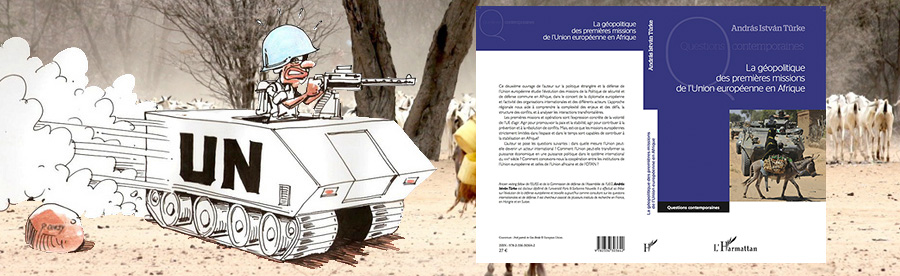
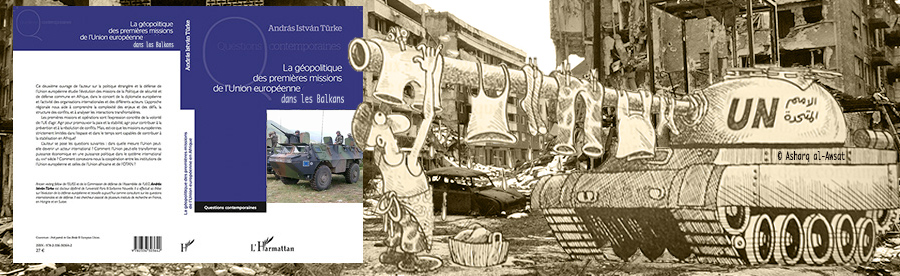
We are looking for sponsors for the English translation of these books, please contact turkeandras(at)gmail(dot)com