
Vous êtes ici
Deutsches Institut für Entwicklungspolitik / Latest News

Publikationen des German Institute of Development and Sustainability (IDOS)
Mis à jour : il y a 3 jours 1 heure
Reflections from Bonn’s mid-year climate talks: implementation, trade, and missed synergies
Catégories: Diplomacy & Defense Think Tank News
Was das Klima-Urteil des IGH in einer turbulenten Weltordnung bedeutet
Bonn, 20. Juli 2026. Ein Jahr nach dem Klimaspruch des Internationalen Gerichtshofs – rechtlich eindeutig, doch politisch umstritten – sollte die Advisory Opinion ein Instrument der internationalen Klimadiplomatie sein, nicht deren Ersatz.
Am 23. Juli 2025 legte der Internationale Gerichtshof (IGH) ein bemerkenswertes Gutachten zu den „Verpflichtungen der Staaten hinsichtlich des Klimawandels“ ab. In dieser sogenannten Advisory Opinion (AO) stellte das oberste Weltgericht fest, dass Staaten ihr Möglichstes tun müssen, um das Klimasystem zu schützen, unter anderem durch internationale Zusammenarbeit und Regulierung privater Akteure, die Treibhausgasemissionen verursachen – unabhängig davon, ob sie Vertragsparteien der Klimarahmenkonvention UNFCCC und des Pariser Abkommens sind. Die Autorität der AO wurde am 20. Mai 2026 durch eine Resolution der UN-Generalversammlung (UNGA) noch zusätzlich unterstrichen.
Dennoch reicht der Einfluss der AO bislang kaum über die Kreise von Jurist*innen und Klimaaktivist*innen hinaus, zumal Klimapolitik gegenwärtig vielerorts zurückgedrängt wird. Das ist kurzsichtig. Multilaterale Institutionen sind umso mehr gefragt, wenn globale Zusammenarbeit von geopolitischen Faktoren überlagert wird. Für die Bewältigung des Klimawandels bleibt internationale Zusammenarbeit unabdingbar. Die klare Stellungnahme des IGH sollte dem Nachdruck verleihen und internationale Klimakooperation stärken, auch wenn sie rechtlich nicht bindend ist.
Da die Reaktionen auf das Gutachten weltweit unterschiedlich ausfallen, ist eine differenzierte Betrachtung wichtig. Dies gilt besonders entlang der Nord-Süd-Konfliktlinie, die die internationale Klimapolitik prägt. Viele Industrieländer begrüßten vor allem, dass der IGH die Notwendigkeit zur Ambitionssteigerung im globalen Klimaschutz betont und die Sorgfaltspflicht stärkt. Viele Entwicklungsländer bewerteten die AO vor einem breiteren Hintergrund, der Entwicklung, Gerechtigkeit und historische Verantwortung umfasst. So stellte sich für viele afrikanische Staaten nie die Frage, ob Klimaschutzmaßnahmen notwendig sind, sondern wie sie mit Industrialisierung und Armutsbekämpfung vereinbar sind. Eine binäre Gegenüberstellung von klimapolitischen Vorreitern und Nachzüglern wird dem nicht gerecht.
Die Stellungnahmen einzelner IGH-Richter spiegeln dieses Spannungsfeld wider. So argumentierten einige, der Gerichtshof habe eine historische Chance verpasst, indem er abstrakten rechtlichen Grundsätzen den Vorrang vor der eigentlichen Kernfrage eingeräumt habe: Welche rechtlichen Konsequenzen ergeben sich für Staaten, deren Handlungen überproportional zum Klimawandel beigetragen haben, und für kleine Inselstaaten und am wenigsten entwickelte Länder, die den schwersten Schaden erleiden? Andere Richter vertraten die Auffassung, das Gericht habe sich unzureichend mit dem Grundsatz der gemeinsamen, aber differenzierten Verantwortlichkeiten und jeweiligen Fähigkeiten (CBDR-RC) auseinandergesetzt und diesen weitgehend als Gerechtigkeitsfrage behandelt, statt konkrete Maßnahmen wie Schuldenerlass, Technologietransfer oder Klimareparationen zu erwägen. Dies ist wichtig, weil Klimapolitik eng mit Handels- und Finanzfragen verzahnt ist, die den souveränen Gestaltungsspielraum der Entwicklungsländer einschränken können. Kritische Stimmen warnen daher vor einer Abkehr vom CBDR-RC-Prinzip hin zu einer „gemeinsamen, aber verlagerten Verantwortung“, deren Last primär denjenigen aufgebürdet wird, die am wenigsten verantwortlich sind.
Ungeachtet dieser Differenzen betont das Gericht in bemerkenswertem und eindeutigem Konsens die Verpflichtung zum Klimaschutz. Die unterschiedlichen Sichtweisen spiegeln politische Fragen der Umsetzung wider, die nach wie vor umstritten sind. Hierin zeigt sich auch, dass Entwicklungsländer nicht mehr nur Gegenstand des Klimavölkerrechts sind, sondern dieses zunehmend mitgestalten. Eine Kampagne von Jugendlichen aus dem Pazifikraum und die diplomatische Initiative Vanuatus brachten das IGH-Verfahren in Gang; afrikanische, pazifische und lateinamerikanische Staaten prägten dessen Verlauf sowie die entstehende Rechtslandschaft zu Klimastreitsachen. In einer sich verändernden globalen Ordnung dürfte diese Gestaltungsmacht absehbar weiter zunehmen.
Für die Praxis internationaler Klimakooperation bedeutet dies, dass das IGH-Gutachten nicht als Ersatz für Klimadiplomatie, sondern als wegweisende Ergänzung ihres Instrumentariums verstanden werden sollte: Rechtsprechung und Diplomatie wirken besser als sinnvolle Ergänzungen denn als konkurrierende Alternativen. Je klarer das Recht, desto dringlicher fällt die anspruchsvollere Aufgabe der politischen Umsetzung den Staaten selbst zu.
Drei Schritte könnten dabei helfen. Erstens sollten die Industrieländer die Sondervoten der Richter ebenso ernst nehmen wie das Haupturteil. Das heißt, die berechtigten Bedenken der Entwicklungsländer als legitim statt als hinderlich zu betrachten. Zweitens sollten die Regierungen die Botschaften des IGH nutzen, um die internationale Klimadiplomatie zu beleben und Klimakooperation voranzutreiben. Drittens sollte die neu ins Leben gerufene Nord-Süd-Kommission unter dem Ko-Vorsitz des ehemaligen deutschen Bundeskanzlers Olaf Scholz und der ehemaligen costa-ricanischen Präsidentin Laura Chinchilla sich dezidiert der AO annehmen. Dann könnte die hochrangige Kommission dazu beitragen, diese zu einem Instrument des Nord-Süd-Dialogs zu machen und ein Gegengewicht zu einem geopolitischen Diskurs schaffen, der Klimapolitik in den Hintergrund drückt. Wird das IGH-Gutachten also ganzheitlich betrachtet und ernst genommen, kann es zu einem Impulsgeber werden. Allerdings nur, wenn Staaten und Regierungen, nicht nur Richter, sich dies trotz machtpolitischer Widerstände zu eigen machen.
Steffen Bauer ist wissenschaftlicher Mitarbeiter in der Forschungsabteilung „Umwelt-Governance“ des German Institute of Development and Sustainability (IDOS).
Kennedy Mbeva ist wissenschaftlicher Mitarbeiter am Centre for the Study of Existential Risk (CSER) der University of Cambridge und Mitvorsitzender der Taskforce „Climate Governance“ des internationalen Earth System Governance (ESG)-Projekts. Er ist Hauptautor des Buches „Africa’s Right to Development in a Climate-Constrained World“.
Reuben Makomere ist wissenschaftlicher Mitarbeiter an der juristischen Fakultät der University of Tasmania (UTAS) in Hobart, Australien, und assoziierter Forscher am Centre for the Study of Existential Risk (CSER) der University of Cambridge. Er ist Mitautor des Buches „Africa’s Right to Development in a Climate-Constrained World“.
Catégories: Diplomacy & Defense Think Tank News
Eigeneinnahmen statt Entwicklungszusammenarbeit? Niedrig- und Mitteleinkommensländer vor der Herausforderung, zusätzliche Einnahmen zu generieren
Verstärkt durch Kürzungen in der Entwicklungszusammenarbeit (EZ), leiden viele Niedrig- und Mitteleinkommensländer aktuell unter großer Finanznot. Höhere Eigeneinnahmen sind vor diesem Hintergrund für die meisten Länder ein erstrebenswertes Ziel. Auch im internationalen entwicklungspolitischen Diskurs nimmt die Stärkung von Eigeneinnahmen mehr Raum ein – und zwar über das gesamte politische Spektrum hinweg. Für die einen soll sie die Entscheidungsspielräume der jeweiligen Regierungen erweitern und die Entwicklungsorientierung öffentlichen Handelns stärken, für die anderen die Industrieländer des sog. globalen Nordens von Transferleistungen entlasten und die "Sucht“ der Empfängerländer nach EZ-Zahlungen beenden. Aber welche Möglichkeiten stehen Niedrig- und Mitteleinkommensländern überhaupt offen, mehr Eigeneinnahmen zu erzielen? Der vorliegende Policy Brief zeigt, dass besonders die Besteuerung von Privateinkommen und Grundbesitz Chancen auf Mehreinnahmen eröffnen könnte. Ein bedeutendes Feld ist zudem die Rationalisierung von Steuervergünstigungen, die häufig substanzielle Mindereinnahmen verursachen, ohne dass ein entsprechender Nutzen erkennbar wäre. Gleichzeitig ist es aber auch wichtig, den systemischen – und eminent politischen – Charakter von Steuerreformen zu erkennen. Jenseits der technischen und administrativen Machbarkeit muss immer auch die politische Umsetzbarkeit von Reformen berücksichtigt werden. Darum sind kurzfristige Steuererhöhungen – etwa durch höhere Verbrauchssteuern oder Zölle – für sich genommen oft wenig nachhaltig. Vielmehr geht es darum, den sog. „Fiskalvertrag“ zwischen Steuerzahler*innen und Staat auf eine breitere und stabilere Grundlage zu stellen, bei der auch bessere öffentliche Leistungen eine Rolle spielen. Es ist daher nicht ohne weiteres möglich, eine Einnahmenart – EZ – durch die andere – Steuern – zu ersetzen. Das wird von den Befürwortern von EZ-Kürzungen gerne unterschlagen. Bei der Umstellung muss EZ weiterhin und trotz insgesamt sinkender Mittel Beiträge leisten. Internationale Akteure, darunter auch die Bundesregierung und die EU, können Partnerregierungen in vielerlei Hinsicht unterstützen. Sie tun das schon heute, etwa durch die Förderung der Addis Tax Initiative (ATI). Deutschland und die EU sollten darüber hinaus entschlossen dazu beitragen, multilaterale Ansätze der Zusammenarbeit zu stärken. Dies gilt vor allem für die Rahmenkonvention der Vereinten Nationen (UN) für die internationale Zusammenarbeit in Steuerfragen, die derzeit ausgehandelt wird.
Catégories: Diplomacy & Defense Think Tank News
What to play next: development after the end of development
Manchester embodies reinvention like few other places. It built the world’s first industrial economy, watched it rust, and recast itself as the capital of England’s north. When protests turned deadly at the Peterloo massacre, it helped galvanise a tradition of organised labour and democratic reform — one that later produced the suffragettes, founded there by Emmeline Pankhurst. And when the band Joy Division collapsed, the remaining members re-emerged as New Order. That instinct — not to reassemble what broke, but to build something new — was the animating spirit when the University of Manchester’s Global Development Institute convened researchers in mid-April to ask: is the era of Development over? And if so, what replaces it?
Catégories: Diplomacy & Defense Think Tank News
Global value chains in Egypt: overview, challenges, and opportunities chapter
Catégories: Diplomacy & Defense Think Tank News
Global value chains in Egypt: overview, challenges, and opportunities chapter
Catégories: Diplomacy & Defense Think Tank News
Südafrikas beunruhigender Umgang mit der afrikanischen Migration
Die fremdenfeindlichen Ausschreitungen in Südafrika schaden dem Ansehen des Landes und könnten zu einer Abwanderung an unternehmerischem Geschick und Fachwissen führen, warnt die Anthropologin Rose Jaji vom German Institute of Development and Sustainability (IDOS) im Gastbeitrag.
Catégories: Diplomacy & Defense Think Tank News
Die große weiße Leinwand
Acht Staaten, unzählige indigene Völker, rivalisierende Großmächte: Die Arktis ist Heimat, Klimaindikator, Ressourcenreservoir und geopolitisches Terrain zugleich. Vor allem aber ist sie keine klar umrissene Region, sondern eine Projektionsfläche - geprägt von konkurrierenden Interessen, Narrativen und der Frage, wessen Stimme zählt.
Catégories: Diplomacy & Defense Think Tank News
Eine globale Agenda braucht eine überzeugende Zukunftsvision
Bonn, 13. Juni 2026. Weniger als fünf Jahre vor Ablauf der Agenda 2030 sieht die Welt deutlich anders aus als bei ihrer Verabschiedung. Ein positives Narrativ wird entscheidend sein, um öffentliche und politische Unterstützung zu gewinnen.
Die Diskussion darüber, wie es nach 2030 weitergehen soll, hat gerade erst begonnen. Gut vier Jahre vor Ablauf der Frist gibt es bislang kaum offizielle Positionen zu einer möglichen Neuauflage der Agenda 2030. Auch beim High-Level Political Forum, dem zentralen UN-Format zur Umsetzung der Nachhaltigkeitsziele, das in diesen Tagen in New York stattfindet, wird diese Diskussion eher am Rande geführt. Selbst der Prozess hin zu einer neuen Agenda ist noch unklar, da der richtungsweisende UN-Gipfel zu den Nachhaltigkeitszielen erst für September 2027 unter der Schirmherrschaft eines neuen UN-Generalsekretärs oder einer neuen UN-Generalsekretärin geplant ist. Dennoch bleibt nur wenig Zeit für die Verhandlung einer neuen oder überarbeiteten Agenda. Was ist realistisch – und was ist für die Zeit nach 2030 wünschenswert?
Die IDOS-Konferenz „Sustainability Cooperation Beyond 2030 – Ways forward in a messy world“ am 25. und 26. Juni in Bonn und eine Diskussionsrunde bei der Hamburg Sustainability Conference am 30. Juni haben die Debatte einen Schritt vorangebracht. Beide Veranstaltungen brachten Wissenschaftler*innen, Think-Tanks sowie aktuelle und ehemalige Verhandlungsführer*innen aus allen Kontinenten zusammen, um Lehren aus der internationalen Nachhaltigkeitskooperation zu ziehen und Perspektiven für eine wünschenswerte Zukunft zu erörtern.
Wo wir heute stehenRückblickend zeigt sich, dass die Agenda 2030 mehr Dynamik entfaltet hat, als zu Beginn erwartet wurde. In zahlreichen Bereichen und Ländern sind Fortschritte zu verzeichnen, die beim alleinigen Blick auf die globalen Umsetzungsindikatoren nicht ausreichend gewürdigt werden. Zudem verfügen viele Länder, Vorreiterunternehmen sowie subnationale und lokale Akteure über Nachhaltigkeitsstrategien – unabhängig von der politischen Ausrichtung der jeweiligen nationalen Regierung. Positiv ist auch die Einbindung von Entscheidungsträger*innen auf subnationaler und kommunaler Ebene, wo konkrete Maßnahmen etwa zu Verkehr, Energie oder Raumplanung umgesetzt werden.
Derzeit beobachten wir Rückschritte bei den erklärten Nachhaltigkeitszielen, aber auch neue Herausforderungen. Das gibt Anlass zur Sorge und erfordert entschlossenes Handeln. Nationale Pläne reichen für die vollständige Umsetzung der Agenda 2030 nicht aus, wie verschiedene Tracker, etwa im Klimabereich, zeigen. Während die zunehmende Zahl von Kriegen weitere Fortschritte erschwert, wird die Entwicklungsfinanzierung knapper, da viele Länder ihre Ressourcen zunehmend in Militärausgaben statt in einen umfassenderen Sicherheitsansatz investieren, der auch menschliche, soziale und wirtschaftliche Aspekte einbezieht. Hinzu kommt, dass der demografische Wandel in vielen Industrieländern den Druck auf die Sozialversicherungssysteme erhöht. Die Klimakrise bringt zudem immer häufiger extreme Wetterereignisse mit sich. Kurz gesagt: Trotz einer globalen Nachhaltigkeitsagenda erleben wir eine Polykrise.
Und doch hat eine globale Agenda ihren Wert. Eine Teilnehmerin der Bonner Konferenz zog den eher ungewöhnlichen Vergleich mit dem preußischen Militärtheoretiker Clausewitz: Keine Strategie lässt sich genauso umsetzen, wie sie entworfen wurde; sie muss sich stets an veränderte Realitäten anpassen. Dennoch helfen Strategien, vorausschauend zu denken, Ambitionen in konkrete Maßnahmen zu übersetzen und Lücken zu identifizieren.
Die Debatte über eine Agenda nach 2030Es ist unwahrscheinlich, dass großes Interesse an einer vollständigen Neugestaltung der Agenda und ihrer Ziele besteht. Sie ist bereits sehr umfassend, und eine Neuverhandlung wäre angesichts geopolitischer Verschiebungen und der damit verbundenen Risiken äußerst herausfordernd. Europa unterstützt globale Ziele weiterhin, China betont seine Ausrichtung auf die „Stabilität“ des Systems (und dürfte zugleich seinen Einfluss weiter ausbauen), während sich die USA gegenwärtig aktiv gegen die bestehende und wahrscheinlich auch gegen jede künftige Agenda aussprechen – auch wenn subnationale Akteure dort die Notwendigkeit globaler Maßstäbe erkennen.
Die Teilnehmer*innen unserer jüngsten Veranstaltungen diskutierten mögliche Weiterentwicklungen der Agenda, etwa die Rolle von KI und Kreislaufwirtschaft sowie die erneut aufgekommene Frage, wie Wohlstand jenseits des BIPs besser gemessen werden kann. Zudem bestand weitgehende Einigkeit, dass nicht nur das „Was“ – Ziele und Indikatoren –, sondern auch das „Wie“ – also die Umsetzungsmittel – stärker in den Blick genommen werden sollte. Zugleich zeichnete sich ein breiter Konsens über den Wunsch nach einer gemeinsamen Vision ab: einer Agenda für die Zukunft.
Wie geht es weiter?Die Debatte über eine neue Agenda wird in den kommenden Monaten in zahlreichen Diskussionsrunden über die Perspektiven weitergeführt werden – sowohl inhaltlich als auch mit Blick auf das weitere Vorgehen. Wie so oft in multilateralen Kontexten wird der Prozess voraussichtlich die Ergebnisse mitprägen. Entscheidend wird zudem sein, welche Akteure neben den Staaten einbezogen werden und wie dies geschieht.
Denn die mit der Agenda 2030 verbundenen Aufgaben sind am 31. Dezember 2030 nicht hinfällig. Es handelt sich ausdrücklich um eine langfristige Vision „für diese und künftige Generationen“. Doch die Agenda steht unter Legitimitätsdruck, und ein neues Enddatum allein wird nicht ausreichen. Ebenso wichtig wie der Inhalt ist ein überzeugendes Narrativ über globale Gemeingüter und das globale Gemeinwohl – und darüber, was internationale Zusammenarbeit bewirken kann. Der Entwurf und die Gestaltung einer nachhaltigen Zukunft sind ein zutiefst menschliches Unterfangen.
Catégories: Diplomacy & Defense Think Tank News
Die Kapitalrente braucht strenge Anlageregeln
Die Rentenkommission will einen zusätzlichen Beitragssatz von zwei Prozent auf den internationalen Kapitalmärkten investieren. Doch der Bericht schließt klimaschädliche Investitionen nicht grundsätzlich aus. Sollte er aber, denn das erklärte Ziel ist doch, die Lebensgrundlage künftiger Rentnerinnen und Rentner zu verbessern. Ein Gastbeitrag von Sören Hilbrich.
Catégories: Diplomacy & Defense Think Tank News
The Solo woman researcher in the field
The sharing of solo women researchers’ experiences is making inroads into social research and challenging male-biased methodologies. In this blog post, we draw from our respective experiences while conducting ethnographic research with refugees (Sudha in India and Rose in Kenya). We observe that solo women researchers’ experience the field in gendered ways that have contradictory manifestations. On the one hand, they are not always taken seriously as researchers and, in some instances, experience sexual harassment or worse. On the other hand, their self-identification as researchers is sometimes regarded as a pretext for nefarious activities, which can endanger their lives.
Based on these challenges, we highlight three main points. First, women researchers’ self-positioning in the field does not necessarily influence how their interlocutors position and relate with them. Second, gender has fluid and sometimes contradictory meanings that women researchers constantly navigate. Third, gender is mediated by other social categories that alternately create mutual identification and difference between women researchers and interlocutors of various genders.
Catégories: Diplomacy & Defense Think Tank News
Die Nord-Süd-Kommission soll Deutschlands Rolle suchen
Das Tempo, mit dem internationale Entwicklungsdebatten und entwicklungspolitische Leitbilder wegbrechen, ist hoch. Die AfD will das Entwicklungshilfeministerium abschaffen. Die Gesellschaft für Internationale Zusammenarbeit soll schrumpfen, die Nord-Süd-Kommission eine neue Rolle für Deutschland definieren.
Catégories: Diplomacy & Defense Think Tank News
Firm volatility in Vietnam (2009–2018): Unpacking determinants and the interplay between province-level financial development and corruption control
Why do some firms experience more volatile growth rates than others? This paper seeks to shed light on this question using a rich data set of almost 92,000 Vietnamese firms for the period 2009–2018. Apart from firm-level characteristics, the paper examines the roles of province-level financial development, corruption control, and their interaction in explaining firm growth volatility. Our results show that there is a robust negative correlation between corruption control and firm-level volatility. Moreover, while local financial development — measured by financial depth — is generally negatively associated with volatility, the correlation between financial outreach and different measures of firm growth volatility varies. Crucially, we find a negative interaction between corruption control and local financial development, suggesting that financial development may exert a more substantial volatility-dampening effect in environments with robust corruption control, and conversely, that the effect of corruption control may be stronger in provinces with advanced level of financial development.
Catégories: Diplomacy & Defense Think Tank News
Pastures of power: A literature review on cattle ranching deforestation in the Amazon
Cattle ranching drives approximately 78% of Amazon deforestation, yet research often overlooks the differentiated actors and power relations underlying this process. Among 335 articles examining cattle ranching dynamics in the Amazon, this narrative literature review identified 36 studies that enable systematic analysis of the actors, interactions, and logics driving cattle-induced deforestation, in this case through a political ecology framework informed by the coloniality of power perspective. Four main actors occupy distinct positions in territorial appropriation: smallholders function as precarious frontier agents through forced migration and socioeconomic vulnerability; large landowners concentrate land via capital accumulation and institutional capture; investors treat Amazonian land as speculative assets; and armed actors provide coercive enforcement for illegal appropriation. These actors interact asymmetrically through exploitative partnerships, labor arrangements including modern slavery, and institutional capture, enabling wealth concentration. Two contradictory deforestation logics emerge: capital accumulation through cattle laundering, land speculation, and the purchase of improvements from displaced smallholders, versus livelihood reproduction, where structural exclusion forces continuous frontier expansion. The analysis reveals cattle-driven deforestation as a structured dispossession process reproducing colonial patterns, where large landowners deforest disproportionately despite dominant narratives blaming peasant poverty. Critical gaps perpetuate this misunderstanding: Brazilian geographic bias limits pan-Amazonian perspectives, inconsistent smallholder definitions enable elite policy capture, and aggregate studies obscure the agency and power asymmetries driving dispossession. Effective conservation thus requires dismantling structural configurations that enable asymmetric resource appropriation rather than technical interventions treating actors homogeneously.
Catégories: Diplomacy & Defense Think Tank News
Folgen der stockenden Verhandlungen zum globalen Anpassungsziel für Entwicklungsländer
Bonn, 6. Juli 2026. Gemeinschaften in besonders stark vom Klimawandel betroffenen Ländern passen sich an dessen Auswirkungen an, doch die nötigen Ressourcen bleiben aus.
Die alljährlichen Zwischenverhandlungen der UN-Klimarahmenkonvention im Juni (SB64) erreichten bei mehreren zentralen Agendapunkten, darunter dem Globalen Anpassungsziel (Global Goal on Adaptation, GGA), nur begrenzte Fortschritte. Das GGA ist eine Verpflichtung aller Unterzeichnerländer des Pariser Abkommens. Es soll die Anpassungsbemühungen koordinieren, Rechenschaftspflichten stärken und Finanzmittel für vulnerable Länder mobilisieren. Obwohl die Staaten den Umsetzungsrahmen finalisieren sollten, bleiben langjährige politische Streitfragen ungelöst. Entwicklungsländer kritisierten die Industrieländer, weil die schriftliche Einigung auf mindestens eine Verdreifachung der Anpassungsfinanzierung ausblieb, wie sie im „Mutirão“ der COP30 verankert ist. Ohne diese Einigung zur Finanzierung stocken die Verhandlungen.
Die festgefahrene Situation reicht über die Verhandlungsräume in Bonn hinaus. Für klimavulnerable Länder wächst mit der Lücke der Anpassungsfinanzierung die Kluft zwischen Klimaverpflichtungen und ihrer Umsetzung. Oft reichen nationale Anpassungsbudgets nicht aus und konkurrieren mit anderen dringlichen Entwicklungsprioritäten. Dadurch sind Millionen Menschen weiterhin Klimarisiken ausgesetzt, während hart erkämpfte Entwicklungserfolge gefährdet werden. Zwar wenden viele Entwicklungsländer bereits erhebliche öffentliche Mittel zur Bewältigung der Klimafolgen auf, doch bleiben diese Investitionen deutlich hinter dem notwendigen Umfang zurück und engen zugleich den finanzpolitischen Spielraum für andere Entwicklungsziele weiter ein.
Die jüngsten Mittelzuweisungen im Staatshaushalt Bangladeschs, einem der weltweit am stärksten vom Klimawandel bedrohten Länder, zeigen die Folgen des stockenden Fortschritts beim GGA auf nationaler Ebene. Laut dem nationalen Anpassungsplan von 2023 werden bis 2050 jährlich rund 8,5 Mrd. USD benötigt, um die Herausforderungen der Anpassung zu bewältigen. Der Staatshaushalt für 2026–2027 sieht jedoch nur rund 3,19 Milliarden USD für Klimaanpassung vor. Die auf 25 Ministerien verteilten Mittel fließen in Programme zur Katastrophenvorsorge, klimaresilienten Landwirtschaft, Ernährungssicherheit und für soziale Sicherung. Der Betrag mag hoch erscheinen, deckt aber weniger als die Hälfte des geschätzten jährlichen Anpassungsbedarfs und zeigt deutlich, dass inländische Ressourcen allein nicht ausreichen, um die Anpassungsziele zu erreichen.
Die Mittelzuweisung für Anpassungsmaßnahmen, die rund 4,15 % des Staatshaushalts ausmacht, stellt zwar eine Steigerung gegenüber den Vorjahren dar, verdeutlicht jedoch zugleich die haushaltspolitischen Zielkonflikte. Die öffentlichen Investitionen in den Klimaschutz bleiben begrenzt: Im Haushalt 2026–27 sind lediglich 814 Mio. USD für erneuerbare Energien, Energieeffizienz, emissionsarmen Transport und Aufforstung vorgesehen. Das liegt deutlich unter den geschätzten 1,78 Mrd. USD, die jährlich erforderlich sind, um Bangladeschs Ziele für erneuerbare Energien bis 2030 zu erreichen – darunter 553 Mio. USD an öffentlichen Investitionen –, während die derzeitige Zuweisung von 31,1 Mio. USD lediglich 2,2 % dieses Bedarfs deckt. Die unzureichende öffentliche Finanzierung bremst weiterhin den Ausbau erneuerbarer Energien, während Steuerbefreiungen für den Import fossiler Energieträger die Abhängigkeit von diesen Importen weiter festigen.
Für Länder wie Bangladesch ist eine auf Zuschüssen basierende Anpassungsfinanzierung daher unerlässlich. Ohne sie drohen die Klimaziele weitgehend Rhetorik zu bleiben. Eine anhaltende Unterfinanzierung kann die institutionellen Strukturen der Klimaanpassung schwächen und die über Jahre aufgebauten Umsetzungsbemühungen untergraben. Die Verantwortung dafür liegt jedoch nicht allein bei den nationalen Regierungen. Der Krieg in der Ukraine und zwischen den USA und dem Iran haben die Sorgen um Energiesicherheit, Inflation und wirtschaftliche Stabilität verschärft – und damit finanzielle Ressourcen sowie politische Aufmerksamkeit von Klimaschutz und Anpassung abgezogen.
Zugleich stehen viele klimavulnerable Länder vor einer doppelten Herausforderung: Sie müssen eskalierende Klimarisiken bewältigen und sich gleichzeitig in einem zunehmend unsicheren geopolitischen Umfeld behaupten. Zu der ohnehin langen Liste von Klimagefahren – darunter Meeresspiegelanstieg, Überschwemmungen, Dürren, Versalzung, Ernährungsunsicherheit, Vertreibung und der Verlust von Ökosystemen – sind inzwischen eine unsichere Energieversorgung, Lieferkettenstörungen und wirtschaftliche Schwankungen hinzugekommen.
Der mangelnde Fortschritt beim GGA auf der SB64 ist daher äußerst besorgniserregend. Klimavulnerable Länder benötigen kontinuierliche und ausreichende Finanzmittel, um Anpassungsmaßnahmen umzusetzen und ihre klimapolitischen Verpflichtungen zu erfüllen. Doch der politische und finanzielle Spielraum für Anpassung schrumpft – nicht, weil die Klimarisiken abgenommen hätten, sondern weil konkurrierende Krisen die politische Agenda auf nationaler wie internationaler Ebene zunehmend bestimmen. Die COP31 muss den Verhandlungen neuen Schwung verleihen, indem sie ein umsetzungsfähiges GGA beschließt, das messbar ist, den Finanzierungsbedarf berücksichtigt und auf die Umsetzung ausgerichtet ist. Dafür braucht es gemeinsame Anpassungsindikatoren, klare Rechenschaftsmechanismen und verlässliche Zuschüsse, damit besonders gefährdete Länder ihre Anpassungsprioritäten umsetzen können.
A B M Hasanuzzaman ist Fellow des Internationalen Klimaschutzstipendiums der Alexander von Humboldt-Stiftung 2025 und Gastwissenschaftler am IDOS.
Dr. Aparajita Banerjee ist Soziologin und wissenschaftliche Mitarbeiterin in der Abteilung „Umwelt-Governance“ des German Institute of Development and Sustainability (IDOS).
Catégories: Diplomacy & Defense Think Tank News
Tempo darf kein Ersatz für Demokratie sein
Die EU-Erweiterung auf dem Westbalkan ist strategisch wichtig. Doch wer den Beitrittsprozess beschleunigen will, darf Demokratie und Rechtsstaatlichkeit nicht zur Nebensache machen. Ein Beitrag von Karina Mross.
Catégories: Diplomacy & Defense Think Tank News
The 2028-2034 Multi-Annual Financial Framework: three scenarios on the potential future of EU financing for global multilateralism
This ETTG policy brief analyses the state of play of EU funding to and cooperation with the United Nations system, before considering future possibilities and challenges in relation to the ongoing negotiations of the next Multi-Annual Financial Framework (MFF, 2028–34), notably the Global Europe Instrument. Although neither the MFF nor the Global Europe Instrument Regulation are expected to include concrete provisions on EU funding to the UN system, they frame the political priorities and define legal boundaries and criteria through which the EU will shape its programming and select its implementation partners. Through these parameters, the question is whether the new MFF will operationalise and ensure the Union’s strategic defence of multilateralism and partnership with the UN, alone and through Team Europe, or if the new rules instead result in a de-facto reduction of the EU’s political and financial support to the UN system.
Catégories: Diplomacy & Defense Think Tank News
Under negotiation: examining the development of Sámi-EU Arctic relations through the lens of norms and political legitimacy
Since 1993, the Sámi have been the only recognized Indigenous people within the European Union. However, their official engagement with European politics has been limited. This has recently begun to change, as the EU’s ongoing Arctic pivot has drawn Sámi political actors to Brussels. Using the English School approach, this case study traces the evolution of Sámi–EU relations from the early 1990s to the present to explore and analysis the mechanisms of engagement the Sámi have used to gain access to high-level European decision-making and what the EU itself should hope to gain through stronger ties with this Indigenous people. The analysis of these events reveals a growing political relationship between the Sámi and the EU. However, shifting political conditions and the absence of a formal European-level framework for Indigenous Peoples’ Rights, constrain the potential for more equitable relations both within the European sphere and Arctic.
Catégories: Diplomacy & Defense Think Tank News
Germany's Security Council defeat: rethinking influence in a multipolar world
Germany's failure to secure a non-permanent seat on the UN Security Council is more than a diplomatic setback. It is a structural signal; and a credibility problem. For decades, Germany cultivated a reputation as an honest broker: a power that applied international law consistently. That reputation has taken damage. Germany's hesitant position toward Israel’s conduct in Gaza and Lebanon, and its evasive response to the US’ intervention in Venezuela, have seeded a perception of selectivity – that international legal norms are called for when politically convenient, and set aside when one’s own history or current dependencies make this difficult. In a world where countries from across Africa, Asia and Latin America are increasingly attentive to such inconsistencies, this matters. Credibility, once spent, is difficult to rebuild.
Catégories: Diplomacy & Defense Think Tank News
The social contract and collective action: grievances, cleavages, and protests in the Middle East
How do grievances turn into collective action? This article examines how citizens' expectations in social contracts lead them to embark on street protests. It draws on original, nationally representative telephone surveys in Tunisia and Lebanon and unpacks popular preferences about the states' obligations to deliver social service provision, protection, and political participation. We measure empirically whether participation in protest can be explained predominantly by people's grievances with their states' social contract obligations or the position of people in society. Findings reveal intriguing differences between the two countries but also among social groups within societies. We find that socially privileged people are more likely to take to the streets in pursuit of their demands, lending support to theories that identify society's middle classes as drivers of protest action. We believe that the article's findings will have significant implications for studies of contentious state-society relations in the MENA region and beyond.
Catégories: Diplomacy & Defense Think Tank News
Pages


© 2012-2018 Europa Varietas Foundation © 2015-2018 Europa Varietas Association
www.europavarietas.org | info(@)europavarietas(dot)org | Switzerland


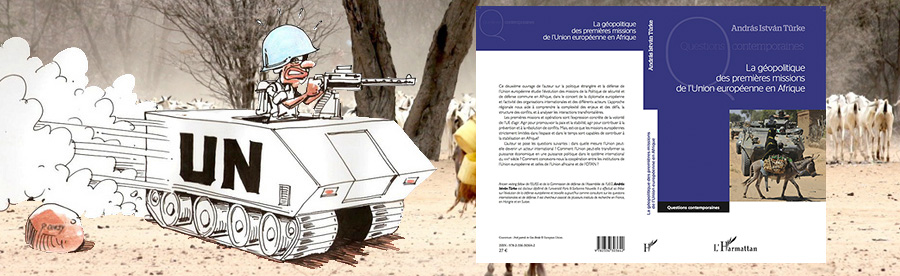
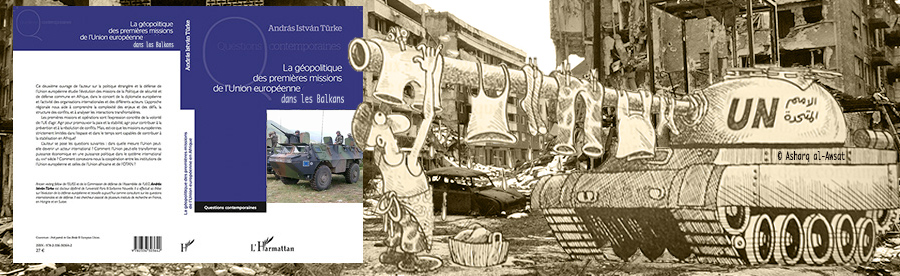
We are looking for sponsors for the English translation of these books, please contact turkeandras(at)gmail(dot)com