
Vous êtes ici
Africa
A 'landmark' moment - why has Rwanda been chosen to host F1?
How Rwanda has succeeded where Morocco and South Africa, among others, have failed by agreeing a deal to stage the African Grand Prix.
Catégories: Africa
Ex-president named leader of new DR Congo rebel coalition
Joseph Kabila had previously denied having links to the M23 rebels, which control much of eastern DR Congo.
Catégories: Africa
Rusty or something more? South Africa's concern after Australia loss
Australia complete 214-run victory over South Africa in Durban. What does heavy defeat mean for the world champions?
Catégories: Africa
Rwanda to host F1's first race in Africa since 1993
Rwanda signs a 10-year deal with Formula 1 to host races in the African country, starting "in the early 2030s".
Catégories: Africa
UN to Launch Survey to Track Down Racism at the Secretariat
A group of UN Staffers outside the Secretariat. Credit: United Nations
By Thalif Deen
UNITED NATIONS, Oct 13 2026 (IPS)
The United Nations has once again revived a longstanding problem that has been left lingering behind closed doors for decades – racism and racial discrimination at the UN Secretariat.
A message sent to UN staffers last week reads: “The United Nations is founded on the bedrock principle that all people are equal in rights and dignity. Racism has no place in our Organization, and we are committed to fighting it on every front”.
“But racism often hides within systems, becoming entrenched through policies and practices that may appear neutral, but in fact reinforce biases and deepen inequities. Bringing these patterns to light is crucial, and for that we need data.”
“That is why, on 17 October, we will be launching a voluntary race data collection initiative. This exercise invites all Secretariat staff to provide information about their race, to help the Organization better identify and address discrimination. It is optional. It is anonymous. And it is one of the best tools we have to discover where action is needed.”
Approximately 3,600 to 4,800 Secretariat staff members, including UN agencies, are based in New York.
Meanwhile, the UN Secretariat in New York, faltered ingloriously last year, as it withdrew its own online survey on racism, in which it asked staffers to identify themselves either as “black, brown, white, mixed/multi-racial, and any other”.
But the most offensive of the categories listed in the survey was “yellow” – a longstanding Western racist description of Asians, including Japanese, Chinese and Koreans.
Subsequently, a non-apologetic message emailed to staffers read: “The United Nations Survey on Racism has been taken offline and will be revised and reissued, taking into account the legitimate concerns expressed by staff.”
Dr Palitha Kohona, a former Chief of the UN Treaty Section in the Office of Legal Affairs (OLA) told Inter Press Service (IPS) racism today is not overly evident at the United Nations which was founded on ideals that were very much ahead of their times, but an undercurrent of racial superiority and racial bias exists among certain elements of the Organization. This is evident in certain appointments and deep-seated attitudes, even among some delegates.
“Racism in international bodies could be traced even to the founding of the League of Nations where President Woodrow Wilson strenuously opposed the Japanese proposal to incorporate the principle of racial equality in the constitution of the Organization. His vision of international order was hierarchical and implicitly based on a racial hierarchy that placed white, Western nations at the top”.
While the United Nations is staffed by many enlightened individuals, some bias based on race still prevails at the highest levels, he pointed out, despite the organization itself having been headed by two Asians and an African in recent times.
“Curiously certain positions have been held only by Europeans. For example, the position of the UN Legal Counsel has been held only by white Europeans. There are other positions apparently reserved for European countries”.
Some delegates are also still affected by racial prejudices of an unenlightened past.
In a well reported incident, the not-so-white chairman of the WEOGs ( a Western European group) from a Southern European country once told the recently-arrived Australian delegate (an Australian citizen of Asian ancestry) that the developing countries of the Group of 77 were meeting in an adjoining room—(implying he was an Asian at the wrong meeting).
In an Organization created on the high ideals of equality and merit there is no logical reason for reserving certain positions on the basis of race, even sub consciously.
“Having gone a long way in minimizing gender bias, it is time to ensure that all vestiges of racial bias are also eliminated. One way to ensure equality and equity in appointments might be to subject all appointments to an open application process with selections being made by racially and gender mixed panels,” declared Dr Kohona, a one-time Permanent Representative of Sri Lanka to the UN, and until recently, Ambassador to China.
Ian Richards, President of the UN Geneva Staff Union told IPS: “We are concerned this is being tackled very much from a North American perspective.”
“Race is only a useful indicator if it is combined with where you grew up, which indicates opportunities or disadvantages in formative years, and where you work now. Each region has its own history and attitudes. We don’t feel this has been taken on board,” he said.
Meanwhile, the circular to staffers also points out that by understanding how colleagues identify their race, we can:
- • Pinpoint areas where racial bias or disparities may exist;
• Examine institutional factors that may contribute to racist misconduct, underreporting of incidents, or barriers to racial justice; and
• Develop remedial measures to build a workplace free from racial discrimination.
Staff will be invited to participate by selecting a race category on Inspira. To ensure data protection and maintain privacy, your data will be anonymized and aggregated. It will not be used in connection with any individual human resources management processes, such as recruitment or promotions. It will not be visible to recruiters or hiring managers.
The collection of race data will be managed strictly in line with the parameters outlined in General Assembly resolutions A/RES/80/238 and A/RES/80/243 B, as well as the provisions set out in ST/SGB/2024/3.
The racial categories listed echo the language used in past United Nations staff engagement surveys. An additional question will ask staff if they consider themselves to be a member of a racialized community.
Speaking on condition of anonymity. a former UN staff member expressed concerns about the UN Secretariat Administration’s proposed race data collection initiative, particularly regarding its methodology, suitability for the UN’s diverse global workforce, and safeguards for sensitive personal information.
It was pointed out that a fundamental question remains unanswered: Is the lack of race-disaggregated data genuinely preventing the Organization from addressing racism, or does the real problem lie in the implementation of existing policies, the enforcement of accountability, and the failure to translate commitments into effective action?
This distinction must be established before sensitive personal data are collected on such a scale.
“Any approach to addressing racism and racial discrimination within the UN should also recognize the experiences of affinity groups and other minority and underrepresented communities, whose experiences of exclusion may not be adequately captured by standardized racial classifications”.
The absence of meaningful consultation with staff representatives, together with insufficient clarity regarding the conceptual or empirical basis for the selected racial categories, data protection measures, future use of the data, and independent oversight, further undermines confidence in the initiative.
The United Nations must demonstrate its commitment to equality through action, transparency, and accountability. Collecting sensitive racial data must not become a substitute for enforcing existing protections, addressing substantiated concerns, and correcting discriminatory institutional practices, the former staff member said.
“The ultimate measure of success is not how much data the Organization collects, but whether it can demonstrate that racism has been reduced, accountability strengthened, and the working environment made fairer for all staff”.
IPS UN Bureau Report
Catégories: Africa, European Union
Dollar System Eroding Slowly, but Still Dominant
By Jomo Kwame Sundaram
KUALA LUMPUR, Malaysia, Oct 13 2026 (IPS)
The protracted demise of dollar-gold convertibility and associated fixed exchange rates did not end dollar hegemony. With crucial and timely help from political allies, confidence in the dollar system has persisted, albeit much diminished.
Jomo Kwame Sundaram
Contingency planning?On August 15, 1971, President Richard Nixon announced that the US would no longer convert dollars into gold, as promised under the 1944 Bretton Woods (BW) agreement.
But the BW payments arrangements and the US promise of dollar convertibility to gold were not sustainable. As Robert Triffin noted in 1960, the system was ‘failing by design’ from the outset, which US authorities denied and refused to address.
Vietnam War spending, rising inflation, and a run on US gold reserves forced this decision after allied Western central banks quietly gave up defending the gold-dollar peg in 1968.
Decades later, then-US Undersecretary for Monetary Affairs Paul Volcker revealed he had initiated a Treasury working group in 1969.
As the US balance of payments was already proving unsustainable, suspending gold-dollar convertibility was no longer considered an option to be avoided at all costs.
Portraying the gold peg’s failure as due to arithmetic, not politics, Volcker argued that suspending it involved implementing contingency planning that the group had long considered.
Two days before, Nixon summoned 15 advisors to a secret retreat at Camp David to draft his announcement. He also imposed a 90-day wage-price ‘freeze’ and a 10% tariff on imports.
Thus, Nixon presented the suspension of dollar convertibility to gold as part of a larger economic policy reform package, rather than as the long-overdue default on earlier US pledges.
With his 1972 re-election campaign approaching, Nixon and his Treasury Secretary, John Connally, claimed to be ‘freeing’ US economic policy by ending dollar-gold convertibility and associated fixed exchange rate obligations.
Clearly, Nixon’s mid-August 1971 announcement was not an improvised response to an emergency or even the sudden break he implied, although the Volcker group preferred a more ‘controlled demolition’.
US dollar, others’ problem
When allied finance ministers were negotiating a replacement arrangement in Rome in November 1971, Connally bluntly told them that the dollar was America’s currency but their problem, belatedly confessing to BW’s true nature.
Nonetheless, their December 1971 Smithsonian Agreement still sought to patch things up rather than explicitly abandon the 1944 arrangement and the later efforts to defend it.
The dollar was devalued against gold for the first time since 1934, with its price rising from $35 to $38 an ounce. Trading bands around other currencies were widened to give central banks more flexibility.
Nixon pronounced the 1971 Smithsonian Agreement the most significant monetary arrangement in world history before the dollar was devalued again 14 months later, in February 1973.
National authorities politically aligned with the US had defended it, but eventually stopped paying to maintain the charade. Thus, a year and a half after August 1971, BW was finally buried.
Within weeks, the major currencies abandoned fixed exchange rates altogether, allowing them to float against one another. Although the transition to floating rates was not smooth, it has survived, with modifications, ever since.
But the ‘settlement gap’ time lag under floating exchange rates is so problematic that international banking regulators have long sought to reform the way cross-border currency trades are cleared.
Charade over?
Although BW is now long gone, the dollar system has proven durable. The end of gold convertibility was not fatal to the dollar’s role at the centre of world finance.
Instead, the end of the BW dollar-gold convertibility obligation removed one constraint on it. After the final break with gold in 1973, the dollar was only backed by US government promises.
Gold’s formal demonetisation was confirmed with the 1976 Jamaica Accords when IMF member governments quietly amended its charter to strip the precious metal of any official role.
Freed from its earlier BW obligation to redeem dollars with gold, the US has financed its trade, current account, and fiscal deficits, as well as foreign and domestic government spending, with ever more dollar debt.
The world has increasingly financed the growth of US debt as the dollar remains the main currency in which most international trade, especially in commodities, is priced and settled.
The IMF had policed fixed exchange rates and gold-dollar convertibility for over two decades after the war. It has since changed roles to oversee floating exchange rates, selectively serve as ‘lender of last resort’ and manage sovereign debt crises.
International oil transactions were mainly settled in ‘petrodollars’, due to an arrangement with Saudi and other Gulf producers to use oil sales revenue to buy US Treasury securities.
The status quo is now based on others’ willingness to hold dollars. But growing concerns about US willingness to honour its commitments have caused governments to consider alternatives. But dollar hegemony has weathered such recent storms so far.
IPS UN Bureau
Related Articles
- The Dollar-Gold Standard’s Lingering Demise
- Dollar Dominance Eroding Slowly but Surely
- Trump’s World Stagflation Also Undermines Dollar Hegemony
- New US Fed Policy Deepens World Stagflation
- Trump De-dollarisation Accelerant
- Central Bank Hedging Triggered Gold Fever
- Western Finance Ruining Economies of the Rest
- US Fed- Induced World Stagnation Deepens Debt Distress
- SWIFT Dollar Decline
- Trade, Currency War Weapons Double-Edged
Catégories: Africa, European Union
Navi Pillay’s Nobel Peace Prize Is a Vote of Confidence in a Global Legal Order under Fire
By Frans Viljoen
PRETORIA, South Africa, Oct 12 2026 (IPS)
The awarding of the 2026 Nobel Peace Prize to distinguished South African jurist and international judge Navanethem “Navi” Pillay is about more than just the recognition of an exceptional individual in the global fight for justice.
Navi Pillay-Credit: UN Photo/Mark Garten
It’s clear that the prize also speaks to a bigger context. It comes at a time of pressure on and the questioning of the international legal order.Pillay’s recognition affirms the conviction that international law, however imperfectly applied, remains indispensable to a peaceful world.
Making history
It is a proud moment for South Africa. She becomes the fifth South African to receive this honour, following resistance leader Chief Albert Luthuli in 1960, religious leader and activist Archbishop Desmond Tutu in 1984, and former presidents Nelson Mandela and FW de Klerk in 1993.
She is the first South African woman to receive the peace award. Her prize is a further break with its historical tendency to mostly honour “highly educated white men from Europe and the US”.
Similar to her South African predecessors, the struggle against apartheid and white minority rule features as a crucial element of her contribution. However, there is an important difference. While Mandela became a global symbol of reconciliation, Pillay took the lessons of South Africa’s struggle into the international arena. There she became leader and institution builder in her own right.
She had the daunting task of being one of the very first international judges responsible for forging into being international institutions intended to ensure that those responsible for the gravest human rights violations are held accountable.
She was on the first bench of judges of both the International Criminal Tribunal for Rwanda, established by the United Nations (UN) following the 1994 genocide in Rwanda, and the International Criminal Court (ICC) from 2003 to 2008.
Her personality and drive endowed these fledgling institutions with gravitas and legitimacy. Through her pioneering contributions, she has come to personify the global quest for accountability.
The Navi Pillay I know
As a scholar of international human rights law, I first met Pillay when she was president of the Rwanda tribunal in Arusha, Tanzania. She struck me then, and over time continued to impress me, as someone remarkably approachable. Humble, unassuming and generous with her time, she is also often described as courageous, principled, and unwavering.
I smiled when, in her characteristically down-to-earth reply to the Nobel committee praising her courage, she insisted she was merely applying her independent legal mind to the stark principles of justice.
When I first met her, I was with a group of human rights students from the University of Pretoria visiting Tanzania to observe proceedings. Judge Pillay’s demanding schedule prevented her from spending much time with us during the day. Yet she offered to meet us at her hotel that evening. To our surprise, she arrived driving herself, without a chauffeur or an entourage. She spent many hours answering questions and discussing the work of the tribunal.
Similar encounters continued over subsequent years. To me, these moments revealed her understanding of human rights institutions not as remote structures, but as belonging to people. This included young Africans who she hoped would one day help shape their future.
From apartheid to global justice
Pillay’s story is held together by a central belief, whether in response to apartheid in South Africa, genocide in Rwanda or the occupation of Palestinian territory: that law can restrain abusive power, protect victims and hold the powerful to account. She simply applied it on a bigger stage each time.
Born in 1941 in Durban, to a family of Indian Tamil origin, Pillay experienced racial and gender discrimination first-hand. Despite this, she built a legal career. In 1967 she became the first woman of colour to establish a legal practice in her province.
Like many lawyers opposed to apartheid, she sought to use the very legal system that sustained injustice to challenge its abuses. She represented political activists, exposed torture and challenged the treatment of political prisoners.
She was also involved in the Women’s National Coalition, which helped shape the equality provisions of South Africa’s democratic constitution. These prohibit discrimination on grounds including race, sex and sexual orientation. After apartheid ended, Mandela in 1995 appointed her as a High Court judge.
Rape as a crime against humanity
Later that year she took up office in Tanzania, where one of her most enduring global contributions came in the Rwanda tribunal’s landmark 1998 judgement.
During the trial of Jean-Paul Akayesu, accused of the slaughter of thousands, Pillay and another judge questioned witnesses about sexual violence. They helped bring these experiences into the open and contributed to the amendment of the indictment to include rape.
The result was a judgment that recognised rape as a crime against humanity. It established that rape and sexual violence could also constitute acts of genocide.
The decision constituted the first conviction for genocide by an international criminal tribunal and the first conviction of an individual for rape as a crime against humanity by such a tribunal. This opened the way for greater accountability for crimes committed disproportionately against women and girls.
As Pillay put it:
- From time immemorial, rape has been regarded as spoils of war. Now it will be considered a war crime.
Human rights within the UN
From 2008 to 2014, Pillay served as UN High Commissioner for Human Rights, the first woman from the global south to hold this position.
It required a different form of leadership. Rather than deciding cases as a judge, she had to engage governments, confront violations and persuade states to honour their international obligations. During her tenure, she managed to steer the UN’s human rights work through turbulent times, including the aftermath of the global financial crisis, the Arab Spring, and civil war in Syria. Her voice was a steadfast pillar of clarity: human rights could not be sacrificed to economic expediency, national sovereignty or political convenience.
Her tenure coincided with significant advances within the UN. She was a consistent advocate for the rights of equality based on sexual orientation and gender identity, anti-discrimination laws, and proper recording of hate crimes.
In 2001, her home city, Durban, hosted the UN’s World Conference against Racism, Racial Discrimination, Xenophobia and Related Intolerance. The Durban Declaration set an international agenda against racism and xenophobia. It also acknowledged slavery as a crime against humanity.
Although she had no official role in the 2001 conference, as UN high commissioner she was closely involved in the subsequent review process. She defended the declaration against misrepresentation. She emphasised its condemnation of antisemitism, remembrance of the Holocaust and recognition of Israel’s right to security.
Despite boycotts by several western states, including the US, she helped steer the 2009 Durban Review Conference towards a consensus reaffirming the declaration, supported by 182 states. Her role exemplified her determination to overcome division and backlash without compromising fundamental human rights principles.
Pillay’s term was also characterised by a distinctive contribution to women’s rights by championing the recognition of preventable maternal deaths as a human rights issue, rather than merely a public health concern. Under her leadership, the UN Human Rights Office developed groundbreaking guidance in 2012 requiring governments to address discrimination, maternal healthcare and accountability for avoidable deaths.
Palestine and genocide
More recently, she took up her last official UN duty as chair of the Independent International Commission of Inquiry on the Occupied Palestinian Territory and Israel. The commission’s investigations and findings, including on the war in Gaza, have generated considerable controversy and strong criticism, particularly from Israel and the US.
Her dedication to this task illustrates an essential feature of her work: the application of legal principles becomes most difficult, and most necessary, when politically powerful actors reject scrutiny.
A time when hope is needed
The timing of this award is therefore particularly telling. It comes as, only days earlier, US president Donald Trump had called the ICC “evil” and urged all its members to resign. Responding to the prize, the US imposed sanctions on the ICC.
By honouring a former ICC judge, the Nobel committee chose to defend the very institutions that are now “under attack”, with their judges “sanctioned”.
The award also comes amid Israel’s growing international isolation. Pillay and her team concluded in 2025 that Israel was committing genocide in Gaza.
The commission’s findings do not constitute a binding judicial determination. But they do represent a significant contribution to documenting alleged atrocities and advancing the pursuit of accountability, despite intense political opposition.
Even as Pillay recently celebrated her 85th birthday, she may soon have another word on genocide. Since 2019, she has been sitting as an ad hoc judge at the International Court of Justice in the case brought by The Gambia against Myanmar concerning alleged genocide against the Rohingya. Following a public hearing in January 2026, a judgment in this case is expected later this year, or in early 2027.
Her Nobel Prize does not suggest that international justice has triumphed. But it reminds us that the structures built to advance it remain worth defending. Recognising Pillay is an affirmation of what has been achieved, but also about what must not be lost.
Frans Viljoen – Professor of International Human Rights Law, SARChI Chair in International Constitutional Law, University of Pretoria
This story was originally published by The Conversation.
IPS UN Bureau
Catégories: Africa, European Union
How Nepal is Learning To Cope With the Psychological Toll of Its Missing
Photos of the Rasuwa flood missing line the walls of the Teaching Hospital, Tribhuvan University. Credit: Brandon Kohrt
By Diwash Gahatraj
KATHMANDU, Oct 12 2026 (IPS)
Nearly three decades ago, in the final stretch of Nepal’s civil war, Dr Brandon Kohrt sat with parents whose sons had been conscripted as child soldiers and never returned.
Nobody could tell them what had happened, whether their sons were alive somewhere, whether they were dead, or even where to begin looking. That absence of an answer, Kohrt says, never really left those families. It is the same absence now facing thousands of households across Nepal, after catastrophic floods swept away entire communities.
On August 26, floods and landslides tore down the Bhotekoshi and Trishuli river valleys in Nepal’s Rasuwa district, killing well over a thousand people and leaving thousands more missing, one of the deadliest natural disasters in the country’s recent history.
Kohrt has spent nearly 25 years in Nepal, long enough to watch the country move through this same unresolved grief again and again, first during that war, then after a devastating earthquake, and now, once more, before a wall of missing-persons photographs at Kathmandu’s Teaching Hospital.
Only a small fraction of the recovered bodies have been identified so far. These missing men and women are not just numbers — they add up to a history that stretches back decades in Nepal to that same conflict and the earthquakes that followed it, when entire families waited years for people who never returned. Tracking these disappearances and the psychological toll they leave on families and Nepali society at large has occupied Kohrt ever since.
Kohrt is a professor of psychiatry, global health, and anthropology at George Washington University and has served since 2006 as a technical advisor to the Transcultural Psychosocial Organization Nepal.
Much of his work centres on ambiguous loss, the specific, suspended grief that comes when someone is gone but there’s no body, no confirmation, and nothing to mourn against. The term was coined in the 1970s by Pauline Boss, an American family therapist who began studying it through the wives of US soldiers missing in action in Vietnam, women who couldn’t say for certain whether they were married or widowed.
Boss found the condition wasn’t confined to one culture or one kind of disaster. Researchers have since studied it among families of the disappeared during Argentina’s military dictatorship, families of migrants lost crossing borders in Europe and Africa, and among the families with whom Kohrt sat decades ago. He has worked directly with Boss for over a decade and has applied her framework in Nepal for years before this disaster ever struck.
In the weeks since the floods struck, that gap between the dead and the missing has filled with people. Nepali families search alongside Indian, American, Ukrainian, and Malaysian families thousands of miles away, all waiting on the same uncertain word.
IPS spoke with him about what that grief looks like this time, what’s changed for him after his years of returning to the same wound, and what he’s learned, watching people find ways to keep living without an answer.
Dr Brandon Kohrt, professor of psychiatry, global health, and anthropology at George Washington University and technical advisor to the Transcultural Psychosocial Organisation, Nepal.
Excerpts from the interview follow.
IPS: For readers encountering the term for the first time, what is ambiguous loss?
Kohrt: It’s an important psychological concept, and I want to say at the outset, it is not a mental illness. It’s something anyone can go through. It’s when you still have the psychological sense of someone’s presence in your life, typically a loved one, but there is no physical evidence of either their life or their death. There’s no phone call, no video, nothing to prove they’re still living. But there’s also no body, no proof that they’re deceased.
Nearly every culture has rituals around a body that help us mourn and accept a loss. When there’s no body, we’re stuck in emotional limbo, caught between hope and despair. Some people jump right away to accept their loved one is gone, even without confirmation. Others maintain hope beyond even expectations of reality. We’re all on a different spectrum, and it’s very personal, very individualised. Ambiguous loss is also a real risk factor for what we call complicated grief, a longer, more psychologically difficult kind of mourning, with a higher risk of depression and anxiety.
With 6,145 people still missing in Nepal and only a fraction of recovered remains identified, that state of unresolved uncertainty isn’t abstract. It’s the present condition of thousands of families right now. IPS asked Kohrt how Nepal has faced this same experience before.
IPS: You’ve now worked in Nepal through the Maoist conflict, the 2015 earthquake, and this flood. What connects them?
Kohrt: I first came to Nepal in 1996, right at the start of the civil war. Toward the end of it, I worked with an organisation here, TPO Nepal, on the mental health needs of former child soldiers. Some of those parents never found out what happened to their children. Ambiguous loss was part of the psychosocial reality here even then, decades before this flood, and those families often carried an added burden – communities sometimes treated them with suspicion or blame simply for having a missing relative linked to the conflict, something families searching after this flood aren’t facing in the same way, since so many communities have been affected together.
After the 2015 earthquake, most bodies were recovered, and families were able to do funeral rites, but there are still villages, not far from where this disaster has struck now, where landslides buried people who were never found. This isn’t Nepal’s first experience with this exact kind of unresolved loss in some of these same communities.
A house damaged by the Rasuwa flood. Credit: Brandon Kohrt
IPS: In Nepal specifically, are there rituals that help families cope when there’s no body?
Kohrt: There’s a ritual called Kush Kriya, using grass to essentially perform a substitute funeral when there’s no body. It’s very helpful, but people need to be ready for it. Some may feel like they haven’t exhausted every possible avenue to find their loved one, and they’ll refuse to do it. There’s also a different ritual, Bakal Garne, more like a promise or a wish, maybe to a temple, maybe releasing fish into a river. That one doesn’t require accepting death. You can do a Bakal Garne hoping for your loved one’s safe return or simply hoping to find their body so you can do the cremation you need to do.
Even without an old ritual to lean on, Kohrt says, people still need something to actively do.
IPS: You mentioned people in Nepal are giving DNA samples right now, sometimes more than one, in different countries. What does that process do for a family psychologically?
Brandon Kohrt: Providing a DNA sample has a symbolic meaning that goes beyond its forensic purpose. You’re taking a piece of yourself and giving it in hopes of finding your loved one. Even if the result never confirms anything, the act itself becomes almost another form of ritual. People need to feel active and engaged, rather than passive and helpless.
That instinct, to act rather than wait, is something Kohrt has watched play out across every disaster he’s worked through in Nepal.
IPS: Does arriving at a disaster site feel different to you now than it did 25 years ago, or does something in you brace the same way each time?
Brandon Kohrt: With the earthquake, you could walk through neighbourhoods and see and touch the destruction right in front of you. But with the flood, when I arrived in Nuwakot, I could see some destroyed buildings and others submerged in mud. What you can’t see are all the buildings, bridges, vehicles, and people that were taken by the flood and washed away. This is much more a disaster of absence than a typical disaster of ruins. This will be something much more common with climate change-related disasters, where places gradually and abruptly disappear.
Professionally, the biggest difference is going from being hands-on in the response to being more of a supportive observer. Foreign expertise really isn’t needed anymore; there’s such a strong local Nepali mental health emergency response community now, from psychiatrists to community psychosocial workers.
One colleague, who I first hired at TPO Nepal twenty years ago, is now leading donor coordination and setting out a vision for what’s needed over the next three years. If foreign aid and development is successful, you should get to a point where disaster response is led locally, like we’re seeing in Nepal now.
IPS: You described the photo wall at Teaching Hospital. What does it do to you personally, standing there again?
Kohrt: It was really difficult standing in front of the wall of photos. What is so hard is thinking that behind each photo there are so many family members and friends wondering what happened to this person. Some are holding out hope; some are trying to accept the loss and move toward grief. Each face represents someone who was a sister, a mother, a daughter, a friend, a neighbour, or a coworker to all these other people. For every face we see, there are scores of people suffering.
A house damaged by the Rasuwa flood. Credit: Brandon Kohrt
IPS: Do you find yourself getting better at holding this kind of grief over the years, or does it stay just as hard each time?
Brandon Kohrt: I would say I am better at connecting with grief, acknowledging and sharing in others’ grief. A year after the earthquakes, I was in Nepal when one of my brothers died in the United States. I didn’t make it home in time to see his body before he went to the hospital morgue and was cremated.
I remember how hard it was grieving without having seen his body. That pales in comparison to the ambiguous loss thousands of families in Nepal are experiencing as the search for bodies continues. But it’s something that comes up for me when I talk to grieving families and hear their stories. It cracks open a window to allow the flow of empathy.
IPS: After all these years, what have you learned about how people manage to keep living when there is no answer forthcoming?
Brandon Kohrt: It’s how people move on. People have an incredible ability to carry a lot inside of them – pain, loss, unfulfilled hope, and grief – and keep moving forward in life. A lot of what people went through with the flood will be something they carry with them psychologically, but day-to-day survival requires focusing on taking care of children, caring for elderly relatives, and finding a new place to live. This shouldn’t be confused with recovery or resilience. It’s just getting by, which so many people do after a disaster. What good psychosocial and mental health support does is be available for those moments when some of that pain and grief can surface so that when people are ready, they have that support waiting for them.
IPS UN Bureau Report
Catégories: Africa, European Union
Kazakhstan Has Spent 23 Years Bringing Faiths Together. Now Comes the Harder Part.
Religious leaders, representatives of international organizations and Kazakh officials gather for the 24th Secretariat meeting of the Congress of Leaders of World and Traditional Religions at the Palace of Peace and Reconciliation in Astana on October 7, 2026. The gathering reflected Kazakhstan’s longstanding efforts to turn interfaith dialogue into practical international cooperation. Credit: The press service of the congress.
By Katsuhiro Asagiri
ASTANA, Kazakhstan, Oct 12 2026 (IPS)
In a world increasingly divided by war, political distrust and competing ideologies, Kazakhstan has spent more than two decades pursuing an unusual diplomatic undertaking: keeping representatives of different religions in conversation.
Erlan Karin, Vice President of Kazakhstan and Head of the Secretariat of the Congress of Leaders of World and Traditional Religions, addresses the 24th Secretariat meeting at the Palace of Peace and Reconciliation in Astana on October 7, 2026. He emphasized the role of spiritual diplomacy in building trust and complementing conventional diplomatic efforts. Credit: Congress Press Service
At a meeting in Astana this week, Vice President Erlan Karin made clear that maintaining those conversations was no longer enough.“Spiritual diplomacy can play a special role,” he told participants. “It doesn’t replace political talks. But it complements them and keeps channels of communication open where diplomatic dialogue is difficult.”
The remarks came at the 24th meeting of the Secretariat of the Congress of Leaders of World and Traditional Religions, held on Oct. 7 at the Palace of Peace and Reconciliation.
The official participant list named 38 representatives of religious communities, international organizations and Kazakh government institutions, reflecting the forum’s religious and geographical diversity.
Founded in 2003 at the initiative of Kazakhstan’s first president, Nursultan Nazarbayev, the Congress initially brought 17 delegations from 13 countries to Astana.
It has since developed into an international forum that convenes major gatherings every three years while maintaining contact through its Secretariat.
Pope Francis participated in the seventh Congress in 2022, alongside the Grand Imam of Al-Azhar, Ahmed Al-Tayeb. The eighth Congress, held in September 2025, brought together religious and international representatives around the Astana Peace Declaration.
For Kazakhstan, situated between Russia and China and pursuing relations across competing centers of power, the Congress has become one expression of its wider diplomatic approach: providing a meeting place for governments, religions and civilizations that do not always share political interests.
Kazakhstan’s Legacy of Interfaith Dialogue. This illustration traces the Congress of Leaders of World and Traditional Religions from its founding in 2003 under President Nursultan Nazarbayev to the historic 2022 gathering attended by Pope Francis and Al-Azhar’s Grand Imam Ahmed Al-Tayeb, and the adoption of the Astana Peace Declaration in 2025 under President Kassym-Jomart Tokayev. Together, these milestones reflect Kazakhstan’s enduring efforts to promote interfaith dialogue, mutual understanding and global peace. Credit: AI-generated illustration/INPS Japan
But its participants are increasingly asking how such encounters can influence events outside the conference hall.
Father Laurent Basanese of the Holy See’s Dicastery for Interreligious Dialogue. He emphasized the Vatican’s longstanding commitment to the initiative and the importance of translating interfaith declarations into sustained cooperation.
A Forum That Outlasts Its MeetingsFather Laurent Basanese, representing the Holy See’s Dicastery for Interreligious Dialogue, reminded delegates that the Vatican had supported the initiative since its founding.
He recalled Pope Francis’ participation in 2022 and emphasized the continuing work required after declarations are adopted.
The credibility of such statements, he said, ultimately depends on the willingness of their signatories to keep working together.
That concern was echoed by Mohamed Abdelsalam, secretary-general of the Muslim Council of Elders, who warned that principles left unimplemented risk becoming little more than words on paper.
“A declaration that is not implemented loses its functionality,” he said, according to the meeting transcript.
The appeal for continuity also came from the United Nations.
Nihal Saad, director of the United Nations Alliance of Civilizations, thanked Kazakhstan for its sustained efforts to promote cooperation across cultural and religious boundaries.
Mohamed Abdelsalam, Secretary-General of the Muslim Council of Elders. He emphasized the need to translate interfaith declarations into concrete action for peace and human fraternity. Credit: Katsuhiro Asagiri/INPS Japan
She pointed to the role of religious leaders in addressing climate change and the ethical implications of artificial intelligence, arguing that governments and technical experts could benefit from the influence of faith communities within society.The challenge with AI, she said, was ensuring that ethics were “built into the design of AI systems rather than as an afterthought.”
Her remarks placed the Congress within a wider international debate over how technological progress can remain accountable to human values.
Turning Principles Into Projects
Kazakhstan’s latest effort to give the forum a practical role produced two documents adopted at the meeting.
One addresses the contribution of religions to combating climate change. The other establishes 11 ethical principles for using artificial intelligence in religious contexts.
Both emerged from proposals advanced by President Kassym-Jomart Tokayev at the 2025 Congress.
Gulsana Kozhabay, who heads the International Center for Interfaith and Interreligious Dialogue, explained that the climate document had been developed with contributions from 26 religious representatives, diplomats and experts.
Nihal Saad, director of the United Nations Alliance of Civilizations. Credit: The Astana Times
It draws on amanat, a concept rooted in Kazakh cultural heritage that emphasizes responsibility for preserving what one generation receives and passes to the next.The AI code, refined through an interreligious commission of 24 participants, addresses human dignity, freedom of conscience, religious information and the dangers of algorithmic manipulation.
Contributors included representatives of religious traditions extending far beyond Central Asia, among them Japanese Shinto representatives and Chinese Taoist leaders.
The meeting also considered a different kind of cooperation.
Yerzhan Ashikbayev, Kazakhstan’s first deputy foreign minister, presented a joint initiative with the Holy See: a charter protecting the rights and dignity of children with incurable diseases.
Kazakhstan and the Holy See had agreed on the charter’s text during a separate colloquium in Astana on Oct. 2–3. The Secretariat subsequently supported efforts to advance it internationally.
“When medical science reaches its limits, our human responsibility does not end,” Ashikbayev said in his prepared remarks.
The charter emphasizes palliative care, relief of suffering, parental participation and support for children and their families.
Yerzhan Ashikbayev, Kazakhstan’s First Deputy Minister of Foreign Affairs. He presented a joint Kazakhstan–Holy See initiative to protect the rights and dignity of children with incurable diseases. Credit: Katsuhiro Asagiri/INPS Japan
Its development, involving medical and bioethical expertise, illustrates how an interreligious relationship can extend into humanitarian cooperation.The Next Test for Spiritual Diplomacy
None of these initiatives removes the political difficulties surrounding international cooperation.
The two ethical documents are advisory and create no legal obligations. Their influence will depend on whether religious institutions, governments and technology companies act on their recommendations.
These efforts also reflect the security challenges facing Central Asia.
As developments in Afghanistan continue to affect regional stability, Kazakhstan has worked with the United Nations to combat terrorism and prevent violent extremism.
Against this backdrop, Kazakhstan’s ability to sustain an international platform for dialogue among religious leaders of different traditions for more than two decades has become a distinctive feature of its diplomacy, linking regional security concerns with a commitment to religious diversity and mutual understanding.
At the conclusion of the meeting, Karin called for work on a proposed Global Movement for Peace, intended to strengthen cooperation among religious leaders and give spiritual diplomacy a more practical international role.
The pyramid-shaped Palace of Peace and Reconciliation in Astana, Kazakhstan, hosted the 24th Secretariat meeting of the Congress of Leaders of World and Traditional Religions on October 7, 2026. The landmark symbolizes Kazakhstan’s longstanding commitment to promoting interfaith dialogue, mutual understanding and global peace. Credit: Katsuhiro Asagiri/INPS Japan
A draft concept and phased plan are to be prepared for consideration in 2027, ahead of the ninth Congress in 2028.
It remains a proposal, not an established peacebuilding mechanism.
But the assignment reflects an important shift in Kazakhstan’s approach: from demonstrating that religious leaders can meet despite their differences to asking what they are prepared to accomplish together.
After 23 years, the country has demonstrated an ability to keep the conversation going.
The next test is whether that conversation can help change the world beyond Astana.
This article is brought to you by INPS Japan in collaboration with Soka Gakkai International in consultative status with UN ECOSOC.
IPS UN Bureau
Excerpt:
Religious leaders and international officials meeting in Astana say a forum built to bridge differences must show that dialogue can produce meaningful action.
Catégories: Africa, European Union
Mourners killed by Kenya police at Odinga national farewell not part of violence, BBC finds
After analysing 1,500 videos and images of the Raila Odinga memorial, Africa Eye finds that those killed were far from the scuffles.
Catégories: Africa
Kipchoge, 41, breaks course record at Melbourne Marathon
Double Olympic champion Eliud Kipchoge says "his body is still peaking" after winning the Melbourne Marathon in a course record time at the age of 41.
Catégories: Africa
Questions remain over Ebola patient who travelled across three nations undetected
Fresh details reveal how the 40-year-old businessman flew and crossed regional borders while seriously ill.
Catégories: Africa
UNICEF Warns Impending El Niño Threatens Education, Health, and Safety for Millions
A mother and her child stand in the wreckage of their destroyed home in Toamasina, Madagascar, following a devastating cyclone. Credit: UNICEF/Tsiory Ny Aina Andriantsoarana
By Oritro Karim
UNITED NATIONS, Oct 9 2026 (IPS)
New figures from the United Nations Children’s Fund (UNICEF) project that the impending 2026-2027 El Niño cycle could be one of the strongest on record. Marked by unusually wet and dry conditions, this cycle is forecast to trigger a host of extreme weather events, threatening the health, security, education, and development of over 347 million children worldwide.
“For children, El Niño is far more than a weather pattern. It can mean increased displacement, malnutrition, water shortages, and disease outbreaks. Children are also at risk of schools closing, while families could experience added financial hardship,” said UNICEF Executive Director Catherine Russell, emphasizing that anticipatory action is critical in protecting communities from climate shocks in the coming months.
Nearly half of the world’s children—roughly 1.1 billion—are already exposed to at least three overlapping climate hazards, including droughts, extreme heat, and floods. The impending El Niño cycle could affect children and communities across nearly 100 countries and territories between October and December 2026.
Rohini Sampoornam Swaminathan, UNICEF Statistics and Monitoring Manager, tells IPS that children are uniquely vulnerable because of their early developmental stage and dependence on essential services and caregivers. This significantly limits their ability to withstand climate shocks, especially as basic services begin to disappear when extreme weather hits.
“Communities may not have fully recovered from one shock before another one strikes, causing the impacts to compound over time,” she said.
The Asia-Pacific region is projected to face the heaviest toll, with roughly 190 million children estimated to be at risk. Substantial populations are also critically vulnerable across East and Southern Africa, with 41 million children vulnerable to climate shocks, alongside another 41 million in Latin America and the Caribbean. Approximately 22 million children are similarly vulnerable in Europe and Central Asia, followed by 20 million in the Middle East and North Africa, and 20 million in West and Central Africa.
El Niño’s regional impacts are expected to vary significantly and could compound pre-existing humanitarian crises. Swaminathan underscored that climate shocks that are manageable in some areas can become pronounced humanitarian crises in others.
Tropical nations—such as Colombia, Papua New Guinea, Fiji, and the Philippines—are forecast to face unusually dry conditions, driving weaker agricultural outputs and severe water scarcity. This, in turn, could elevate rates of acute malnutrition and adverse health outcomes among children.
Conversely, communities in the Greater Horn of Africa could face alarmingly high levels of rainfall, particularly in Somalia, where there is a greater risk of riverine and flash flooding. Children in this region are especially vulnerable to outbreaks of water-borne diseases.
Between 2016 and 2023, weather-related disasters displaced more than 20,000 children daily. Swaminathan stressed to IPS that regions facing wetter climates could experience exacerbated displacement as floods push more communities far from their homes and into crowded, temporary shelters, which amplifies protection risks.
In protracted conflict or crisis zones such as Chad and Afghanistan, El Niño poses a direct threat to survival for children. Already bearing the burdens of extreme hunger, displacement, and an overwhelming lack of access to essential services such as protection, these children have no safety net when climate shocks ravage their communities, as they are already on the brink of collapse.
Beyond physical hazards, UNICEF’s findings highlight that disruptions to schooling are among the most alarming consequences of the impending cycle. Severe droughts and floods threaten widespread school closures, declining attendance, and rising dropout rates. In 2025 alone, extreme weather patterns interrupted education for an estimated 171 million students globally.
Swaminathan warned that climate-induced disruptions to schooling carry profound risks for children’s safety, exposing them to heightened risks of violence, exploitation, and child marriage. Girls bear the brunt of these impacts, often taking on family caregiving roles that can lead to compromised health and nutrition, as well as limited access to essential services. “When girls leave school, they are often less likely than boys to return,” she noted.
UNICEF estimates show that every US $1 invested in disaster risk reduction and prevention efforts can yield up to $15 in saved recovery costs. Yet less than 1 percent of humanitarian funding is allocated for anticipatory action, even with months of warning and massive projected losses.
The agency continues to call on governments, donors, and partners to invest in lifesaving anticipatory intervention before peak impacts hit vulnerable communities. UNICEF highlights building climate resilience, securing essential services, and guaranteeing humanitarian access as key priorities in its response.
Swaminathan underscored that children with disabilities, who already face persistent barriers in education, healthcare, and nutrition, must be considered in disaster preparedness. She emphasized that inclusive planning is essential in addressing structural inequalities and ensuring every region is adequately prepared.
“Despite efforts to plan for disasters, most resources are mobilized only after the damage occurs, and the focus is often on the immediate response phase of a crisis,” said Swaminathan. “With forecasts providing months of warning, UNICEF is urging governments, donors, and partners to act before needs escalate by investing early and before impacts peak. Building resilience is not only about infrastructure and early warning systems, but also about strengthening the services and institutions children rely on and addressing the inequalities that make some communities far more vulnerable to climate shocks than others.”
IPS UN Bureau Report
Catégories: Africa, European Union
Afcon move to every four years under review by Caf
The Africa Cup of Nations may continue to be held every two years, with discussions under way to reverse its proposed switch to a four-year cycle.
Catégories: Africa
Watch: Who is Nobel Peace Prize winner Navi Pillay?
BBC correspondent Joe Inwood explains how Pillay's childhood in South Africa led her to become a driving force in international law from Myanmar to Gaza.
Catégories: Africa
Tanzania’s Biggest City Bets on Elevated Bridge to Dodge Chronic Flooding
Each morning on her way to Kariakoo, Clementina Nyangwine looks out of her commuter bus as it crawls through Jangwani and watches giant foundation piles rising above the muddy Msimbazi valley. Workers in safety helmets and high-visibility vests move among towering reinforcement cages. Cranes swing over the site while excavators, concrete mixers and trucks rumble […]
Catégories: Africa, European Union
Nearly 50,000 Women and Girls Killed or Severely Injured in Gaza in Three Years of War – One in 21 Gazan Women and Girls
Children in Gaza wait in the hope of receiving food. Credit: UN News
By UN Women
UNITED NATIONS, Oct 9 2026 (IPS)
Since October 2023, 50,000 women and girls in Gaza have been killed or seriously injured.
- • UN Women estimates that nearly 50,000 women and girls in Gaza have been killed or severely injured since the onset of war in October 2023 [1], amounting to one in 21 Gazan women and girls losing their life or living with lifelong disabilities [2].
• More than 38,000 women and girls have been killed and 11,700 severely injured, the result of Israeli airstrikes and land military operations.
• While most of the casualties recorded took place during the first two years of the war, women and girls continue to be targeted despite a ceasefire agreement entering into effect in October 2025. Two hundred seventy-seven women and girls are among those who have been killed in Gaza over the past year.
Nearly every woman and girl in Gaza is displaced.
- • More than 150 evacuation and movement orders have been issued across Gaza by the Israeli Defense Forces since October 2023, forcing nearly one million women and girls from their homes – nearly every woman and girl in Gaza.
• The majority of women and girls in Gaza live in tents or in the ruins, with no privacy. In conditions that are incompatible with survival and dignity, women and girls are caring for children, the sick, the injured, and for the elderly, cooking and cleaning without the basic means to carry out these responsibilities.
• Women are being forced to deliver babies in unsafe and unsanitary conditions, putting their lives at risk. At the same time, the number of miscarriages reached almost 4,000 in the first six months of 2026, triple the number recorded during the last six months of 2025.
The number of widows and those assuming the role of head of household in Gaza has doubled since October 2023.
- • Nearly one in four households in Gaza – an estimated 86,290 households – is now reportedly headed by a woman, compared to the pre-October 2023 rate of one in nine.
• For women-headed households, the impact extends beyond the grief of losing a husband, father or other loved one. Many are now carrying sole responsibility for providing for, protecting, and holding their families together in increasingly devastating conditions.
Despite the ceasefire, women and girls in Gaza continue to face severely limited access to food, shelter, safe water, and hygiene supplies, alongside ongoing hostilities and insecurity.
- • Intense and widespread bombing has leveled homes, businesses, hospitals, schools, and shops, making it extremely hard for women and girls to access essential services and basic goods.
• Restrictions on humanitarian access and bombardment continue to cause immense suffering. Between July and December 2026, an estimated 702,000 women and girls are projected to face high levels of acute food insecurity (IPC Phase 3+, crisis or worse), with devastating effects on their health, including the risk of malnutrition [3].
The steepest recorded decline in aid is threatening a lifeline to women and girls in Gaza: women’s organizations.
- • UN Women surveyed women’s organizations working on the frontlines of the response in Gaza and the occupied West Bank. Thirteen of the 14 organizations surveyed reported that the level of need among women and girls has increased since 2025. All organizations surveyed had seen an increase in gender-based violence, poverty, and mental health distress since 2025. Thirteen of the 14 organizations had seen an increase in child marriage.
• At the same time, 13 of the 14 organizations surveyed by UN Women reported that they do not have the capacity to meet the growing needs of women and girls. To cope with the lack of funding, nearly two thirds of the organizations told UN Women they had been forced to put women and girls on waiting lists or turn them away.
UN Women is on the ground in Gaza. We work with women-led and women’s rights organizations to provide lifesaving and critical support to women and girls, including protection services and gender-based violence case management, legal aid, mental health and psychosocial support, and emergency cash and livelihoods assistance.
From fitting women and girls with prosthetics and offering counselling to survivors, to ensuring that the humanitarian response is shaped by the experiences and perspectives of women and girls, our support is helping them to stay afloat. But women and girls in Gaza need peace.
UN Women calls for the ceasefire in Gaza to be fully implemented. We call for international law to be upheld, accountability for violations, and the protection of women and girls and all civilians. Humanitarian assistance must reach those in need – at scale and without obstruction. Women and girls must be placed at the centre of response and recovery efforts.
[1] The proportion was calculated by combining women and girls killed or injured (38,000 and 11,700, respectively).
[2] The proportion was calculated by dividing the combined figure of 49,700 women and girls killed or injured (38,000 and 11,700, respectively) by PCBS’s estimated female population of Gaza at the end of 2025 (approximately 1.06 million). This gives 4.69 per cent, equivalent to approximately one in 21 women and girls. The calculation assumes no overlap between the reported deaths and injuries. Population source: PCBS, 8 March 2026.
[3] UN Women estimate based on the IPC Gaza Strip Special Brief, published 13 August 2026. The estimated 702,000 women and girls facing acute food insecurity at crisis-level or worse (IPC Phase 3+) during July–December 2026 is calculated by applying PCBS’s 2025 female population share (49.7 per cent) to the IPC projected caseload of 1,412,421 people. The calculation assumes proportional representation of women and girls across IPC phases and is rounded to the nearest thousand.
IPS UN Bureau
Catégories: Africa, European Union
Protection That Holds: Keeping Nature Safe From Extraction
By Madhu Rao and Tyson Miller
SINGAPORE, Oct 9 2026 (IPS)
When governments gather in Yerevan this month for the 17th UN Convention on Biological Diversity, they will weigh a promise nearly 200 countries adopted six years ago: to effectively conserve at least 30 percent of land, inland waters, and sea by 2030. Achieving the ambitious 30×30 target is essential to sustaining the systems humanity relies on for survival—including crop pollination, purification of water and air, and climate regulation—as well as the biodiversity that underpins food production, fisheries, and tourism.
Unfortunately, the world is not on track to achieve this target. Moreover, the emphasis on the quantitative dimension of the 30×30 target has often overshadowed its more critical objective: ensuring that areas of high biodiversity value are protected, conserved, and connected through effective and equitable management.
The struggle to deliver on international commitments reflects a fundamental challenge. The Global Biodiversity Framework requires countries to halt and reverse biodiversity loss while pursuing economic growth, and businesses are increasingly expected to mitigate nature-related impacts. The ongoing expansion in infrastructure, mining, and the energy transition places additional pressure on biodiversity-rich ecosystems, creating difficult trade-offs that must be carefully managed.
The fundamental question remains: how do we reconcile economic development with meeting biodiversity commitments?
A new analysis of tropical countries contains insights vital to answering that question. Most importantly, it found that oil and gas concessions overlap nearly 61 million hectares—roughly two and a half times the size of the United Kingdom—of protected and conserved areas. Mining concessions overlap another 43 million hectares. Such conditions can turn protected and conserved areas into ‘paper parks’: places protected in law but vulnerable to extractive industries in practice.
What the Maps Reveal
The analysis examined a wide range of some of the world’s most vital ecosystems and the industrial pressures closing in on them—oil and gas, mining, industrial logging, and large-scale agriculture—across the Amazon, Central America, the Congo Basin, and Southeast Asia, with further examples from the Global North. The report focused on the tropical forests and marine ecosystems that not only harbor irreplaceable biodiversity but also remain at the center of conflicts between extraction and conservation.
Senegal, for example, is close on paper to protecting 30 percent of its territory, yet oil and gas blocks cover 99 percent of both the country’s protected areas and identified Key Biodiversity Areas. The remaining undisturbed forest in Cambodia largely lies inside protected areas, yet a fifth of those areas face mining concessions and most contain land of interest to oil and gas companies. In the Democratic Republic of Congo, nearly three-quarters of the ambitious new Kivu-Kinshasa Green Corridor overlaps with oil and gas blocks included in a recent licensing round.
This contradiction between conservation in policy and extraction in practice can also be seen in high income countries. The United States has opened Bears Ears National Monument to mining and is threatening new oil drilling in the Arctic National Wildlife Refuge, and the UK also allows fossil-fuel companies to drill in protected areas.
There is further tension. Some of the mining pushing into protected areas is for minerals fueling the energy transition. Securing a stable climate and securing nature are both essential, and one should not be pursued by quietly sacrificing the other.
We need to consider not only how much additional territory must be brought under protection by 2030, but whether areas already counted as protected and conserved are genuinely conserved, effectively managed, and delivering meaningful biodiversity outcomes.
The Path Forward
High-integrity implementation of 30×30 means prioritizing places that matter most for biodiversity and ensuring they remain ecologically intact, connected, effectively conserved, and equitably governed. It means upholding Indigenous Peoples’ and local community rights and protecting these places from incompatible extractive and large-scale industrial activities.
There are four critical components. The first is the mitigation hierarchy, which calls for avoiding harm whenever possible before considering other measures. Areas of highest biodiversity value, including strictly protected areas, should be no-go zones for extractive industry.
The second is policy coherence. A protected area sits with a ministry of environment while a mining concession sits with a ministry of mines or energy, and unless biodiversity is built into the decisions of every economic sector, the two will keep colliding.
The third is biodiversity-inclusive spatial planning, which enables governments to clearly recognize where nature is protected and where development can proceed. Protect here, develop there.
Finally, effective and equitable governance, including rights-based approaches, is essential. Indigenous peoples and local communities steward some of the world’s most intact and biodiverse lands, including many areas of global importance for biodiversity. Their rights, knowledge and leadership are central to effective conservation.
With only four years left, the commitment worth making in Yerevan is durable protection for the areas that matter most, so they remain intact, connected, and free of the industries that would undermine them. We must make sure that 30×30 is not a promise that only exists on a map, but is a pathway to true biodiversity protection for our collective survival.
Madhu Rao, Chair of the IUCN World Commission on Protected Areas and Tyson Miller, Executive Director of Earth Insight
IPS UN Bureau
Catégories: Africa, European Union
Smartphone Ban Robs Afghan Female Journalists of a Vital Working Tool
The ban hinders journalists’ access to information and particularly affects female journalists, who fear it will further undermine their employment prospects. Credit: Learning Together.
By External Source
KABUL, Oct 8 2026 (IPS)
It has become difficult for Afghan journalists to obtain information from the authorities, who are permitted to use smartphones only with special authorization. This ban particularly affects women, for whom face-to-face interviews are not an option.
The work of Hadia (name changed), a journalist at a Kabul-based radio station, has become significantly more difficult since the Taliban administration banned the use of smartphones within the Afghan government in June.
Many of Hadia’s stories remain incomplete because she can no longer obtain information from officials via phone as she used to.
"If female journalists are cut off from information, why would they even remain in the media? Furthermore, no entity in Afghanistan holds the Taliban accountable if it fails to answer questions from journalists or citizens"
“Landlines don’t offer the same capabilities as WhatsApp, and gathering information takes a lot of time. Most Taliban officials used to answer our questions via mobile apps. Where do we get our information now?” Hadia wonders.
Under the new rules, using a smartphone requires special permission, and officials who defy the ban risk having their phones confiscated and destroyed.
The ban hinders journalists’ access to information and particularly affects female journalists, who fear that the smartphone ban will further undermine their employment prospects.
Previously, even if officials did not wish to meet in person, they would still send information, photos, and audio files via WhatsApp or other smartphone apps. Now, that channel is closed.
The impact of the new smartphone ban is particularly significant outside the capital, where digital services have been crucial for accessing information.
“There have already been problems with several authorities. For instance, internet connections at the Herat police department and other offices are down because it is no longer possible to share a network connection from smartphones. Staff at some agencies said they could only answer questions after working hours because WhatsApp use was prohibited at the workplace,” says Nasrin (name changed), who works at a television station in the city of Herat in western Afghanistan.
According to Nasrin, the ban on smartphones in government offices reduces the number and influence of female journalists in Afghanistan’s media landscape.
The situation for female journalists in Afghanistan had already deteriorated following the Taliban’s return to power in 2021. They can no longer attend press conferences as they once did, and communication with authorities is restricted.
Officials increasingly refuse to grant face-to-face interviews to female journalists unless they are accompanied by a close male relative. At the same time, women have been gradually removed from the civil service, meaning they are no longer available for interviews either.
The number of female journalists has also plummeted. According to the Canadian organization Free Speech Centre, there were approximately 2,000 female journalists in Afghanistan before the Taliban took power; now, there are fewer than 200.
Officials increasingly refuse to grant face-to-face interviews to female journalists unless they are accompanied by a close male relative. Credit: Learning Together.
The independent journalists’ organization Afghanistan Journalists Center (AFCJ) has warned about the impact of the ban. According to the organization, it hinders journalists’ access to information and undermines press freedom. The organization suspects that this is an attempt by the Taliban to tighten control over communication and impede the operations of independent media.
Media executives are also concerned about the ban’s impact on access to information.
Taliban spokesperson Zabihullah Mujahid has sought to reassure the media, stating that the ban has not yet been confirmed and is still under discussion.
However, Hijran (name changed), a TV journalist working in Kunduz province in northern Afghanistan, is concerned.
“We will face real problems if the ban remains in effect. Sometimes we have to produce two or three news reports a day, which is feasible if we receive information via WhatsApp. Now, getting answers and arranging interviews can take several days.”
For this story, female journalists across Afghanistan were interviewed, and they all faced the same problems. Almost everywhere, female journalists have only been able to communicate with Taliban officials via smartphone apps.
Asma (name changed), a news manager at a radio station in Kabul, points out that everyone has the right to access information.
“If female journalists are cut off from information, why would they even remain in the media? Furthermore, no entity in Afghanistan holds the Taliban accountable if it fails to answer questions from journalists or citizens.”
Excerpt:
The author is an Afghanistan-based female journalist, trained with Finnish support before the Taliban take-over. Her identity is withheld for security reasons
Catégories: Africa
Afcon final to play out in court - when will Morocco or Senegal be crowned champions?
The Court of Arbitration for Sport is set to rule on the decision to strip Senegal of their Afcon 2025 title. But fans should not expect an immediate verdict.
Catégories: Africa
Pages


© 2012-2018 Europa Varietas Foundation © 2015-2018 Europa Varietas Association
www.europavarietas.org | info(@)europavarietas(dot)org | Switzerland
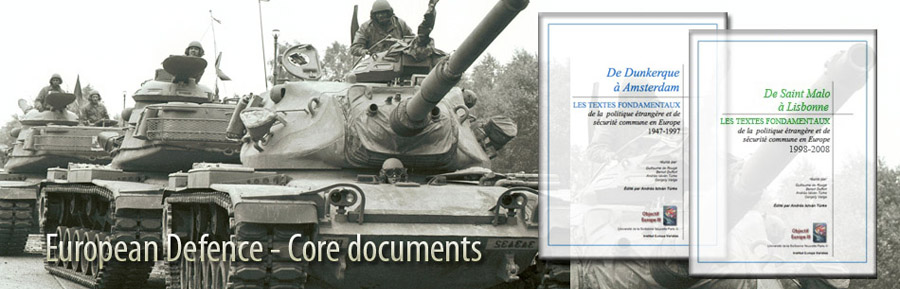
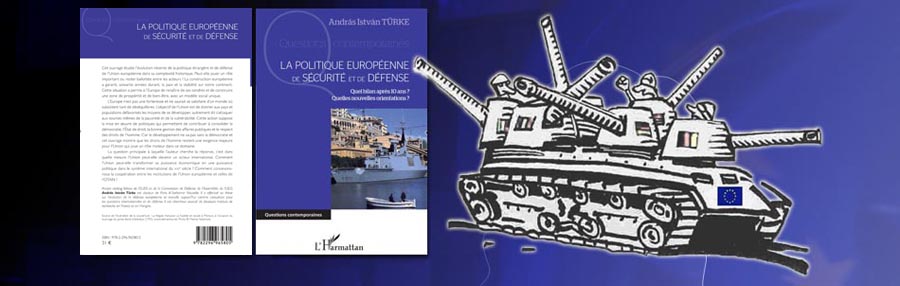
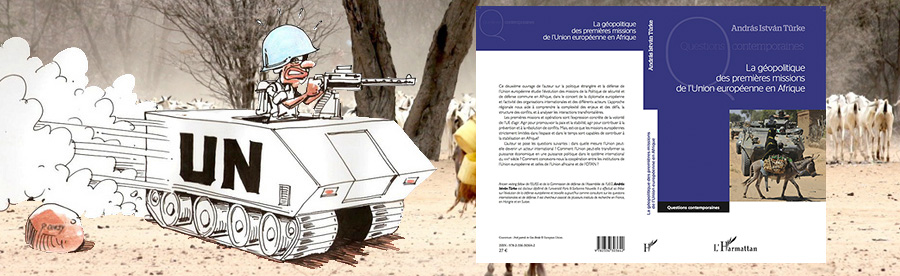
We are looking for sponsors for the English translation of these books, please contact turkeandras(at)gmail(dot)com