
You are here
Africa
EU action on gender equality
Gender equality is a core value of the European Union (EU) and a fundamental right under EU law. Over the past decades, the EU has adopted legislation to combat discrimination, reduce the gender pay gap, fight gender‑based violence and promote equal rights.
In March 2026, the European Commission adopted the gender equality strategy 2026‑2030. The new strategy builds on the previous gender equality strategy 2020‑2025 and the roadmap for women’s rights, endorsed by all 27 EU countries in 2025.
The strategy focuses on gender-based violence and cyberviolence, equal pay and work-life balance, women’s health, AI-related risks and online platforms, and gender balance in decision-making, sport and culture.
Gender-based violence is violence directed against an individual because of their gender. It mainly affects women and girls, and includes rape, harassment and female genital mutilation, as well as psychological and economic violence.
The EU directive on combating violence against women and domestic violence, adopted in 2024, criminalises female genital mutilation, forced marriage and several forms of gender-based cyberviolence. EU countries must incorporate it into their national laws by 14 June 2027.
The EU acceded in 2023 to the Council of Europe’s Istanbul Convention, a treaty on preventing and combating violence against women and domestic violence. Bulgaria, Czechia, Lithuania, Hungary and Slovakia have not yet ratified the convention. In its November 2025 resolution, Parliament urged them to do so.
‘Equal pay for equal work’ is a principle set out in the EU treaties, and EU law prohibits gender-based pay discrimination. Despite this, women in the EU still earn on average 11.1 % less per hour than men.
The Pay Transparency Directive from 2023 requires companies to disclose salary information, report on pay gaps and take corrective action where gaps exceed 5 %. The burden of proof in discrimination claims lies with the employer.
The Women on Boards Directive from 2022 requires at least 40 % of non-executive director posts or 33 % of all director posts in the EU’s largest listed companies to be held by the under-represented gender by June 2026. The current EU average share of women on boards is 34 %.
The EU gender pension gap still stands at 25 %, contributing to older women being at greater risk of poverty and social exclusion than older men. EU laws also guarantee a minimum of 14 weeks of maternity leave, four months of parental leave per parent (at least two months paid and non-transferable) and 10 working days of paternity leave. Citizens can find more detailed information about their leave rights on the Your Europe website.
HealthcareThe 2026‑2030 gender equality strategy is the first to treat women’s health as a separate policy area. The Commission plans to launch a joint initiative with the World Health Organization (WHO) on women’s healthcare, and work with the European Medicines Agency (EMA) to ensure that differences between men and women are better taken into account in the development and approval of medicines.
In February 2026, the Commission replied to the ‘My Voice My Choice’ European citizens’ initiative on abortion, acknowledging that unsafe abortion is a public health concern. In its December 2025 resolution, Parliament expressed support for the initiative.
The 2022 revision of the VAT Directive already allows EU countries to apply reduced or zero VAT rates on menstrual products.
AI and online platformsThe strategy also addresses AI-related risks to women, including gender bias in recruitment and the spread of sexually explicit deepfakes. Under the Digital Services Act, in January 2026 the Commission opened an investigation into whether the provider of X properly assessed and mitigated risks related to its Grok AI tool, including the spread of manipulated, sexually explicit images.
The directive on combating violence against women requires that EU countries criminalise the non-consensual sharing of intimate images, including AI-generated deepfakes, by June 2027.
Gender balance in EU institutionsThe proportion of female MEPs in the European Parliament has steadily risen over the years. However, after the 2024 European elections, the share of women MEPs fell to under 40 %. In the Commission, 49 % of management positions are now held by women, up from 40 % in 2019. Since the start of Ursula von der Leyen’s second term in December 2024, 11 of the 27 Commissioners have been women.
The European Institute for Gender Equality (EIGE) monitors gender balance across the EU and supports EU countries in integrating a gender perspective into their policies.
Keep sending your questions to the Citizens’ Enquiries Unit (Ask EP)! We will reply in the EU language in which you write to us.
Categories: Africa, European Union
Nigerian film star Alexx Ekubo dies from cancer aged 40
The actor was recognised for his contributions to entertainment as well as his humanitarian efforts.
U-17 AFCON: Prosper Narteh Ogum predicts tactical game between Ghana and Algeria
Black Starlets head coach Prosper Narteh Ogum has described Ghana rsquo;s U-17 Africa Cup of Nations opener against Algeria as a demanding tactical contest, urging his side to stay disciplined and focused from the outset.
Categories: Africa, European Union
«Äusserst gefährliche Lage»: Xi warnt Trump bei Treffen vor Taiwan-Konflikt
Mit Hochspannung werden Ergebnisse aus den Gesprächen zwischen US-Präsident Donald Trump und Chinas Staatschef Xi Jinping erwartet. Zur Eröffnung des Treffens warnte Xi die USA jedoch direkt vor einem Konflikt um Taiwan.
U-17 AFCON: Prosper Narteh Ogum urges calm and discipline as Black Starlets begin campaign against Algeria
Black Starlets head coach Prosper Narteh Ogum has called on his players to stay composed and embrace the pressure of representing Ghana as they prepare for the U-17 Africa Cup of Nations (AFCON). Ghana has been drawn in Group D alongside Algeria, Senegal and South Africa in what promises to be a highly competitive pool.
Categories: Africa, European Union
Trump in Peking: Welche Rolle spielt China für die Strasse von Hormus?
Die USA und Israel führen Krieg gegen den Iran. Im Ticker halten wir dich über die neusten Entwicklungen auf dem Laufenden.
NMS-felmérés – Nyolcpárti parlament: 1. PS, 2. Smer, 3. Republika
Ha május első felében parlamenti választások zajlottak volna Szlovákiában, a Progresszív Szlovákia (PS) került volna be az első helyen (19,8%) a nemzeti tanácsba, megelőzve a Smer-t és a Republikát – derült ki a NMS Market Research Slovakia ügynökség közvélemény-kutatásából.
Categories: Africa, Határon túli magyar portálok összesített hírei
Coole Preise zu gewinnen – inklusive Tickets für WM-Spiel der Nati: Tippspiel zur Heim-WM – tritt gegen Dino Kessler und Co. an
Die Eishockey-WM kehrt von 15. bis 31. Mai in die Schweiz zurück! Mitmachen beim Tippspiel lohnt sich: Hauptpreis ist ein Laufband für 2499 Franken, dazu winken Tickets für das Spiel der Schweiz gegen Finnland.
Reichts für Wunsch-Elf?: Espen-Held zittert um den Cupfinal
Der FCSG leckt nach dem Sieg in Lugano seine Wunden. Und Coach Enrico Maassen hat gegen den FCB eine Top-Bilanz. Das Espen-Inside zur 37. Runde.
Baselstädtisches Schwingfest im Ticker: Dreifacher Eidgenosse mit Erfolg zu Auftakt – Saisonsieger stellen
Am Auffahrtsdonnerstag steht mit dem Baselstädtischen ein Kantonalschwingfest auf dem Programm. Hier im Ticker bist du auf dem Sportplatz Sandgrube live mit dabei.
Pellegrini szerint az EU-nak is tárgyalásokat kell kezdenie Oroszországgal
Volodimir Zelenszkij ukrán elnök szerdán (5. 13.) tájékoztatta a bukaresti kilencek (B9) képviselőit a fronton uralkodó helyzetről, a katonai konfliktus fejleményeiről, a legmodernebb harctéri technológiák telepítéséről, és a háború áldozatainak a számáról – mondta Peter Pellegrini köztársasági elnök a B9-es csúcstalálkozó után.
Categories: Africa, Határon túli magyar portálok összesített hírei
'They shot my neighbour in the head' - the lakeside city traumatised by war
Rebel fighters and Rwandan troops are accused of committing atrocities after capturing the DR Congo city of Uvira in December.
'They shot my neighbour in the head' - the lakeside city traumatised by war
Rebel fighters and Rwandan troops are accused of committing atrocities after capturing the DR Congo city of Uvira in December.
Schaust du auch so genau?: Hotelgast macht Gruselfund in WC
Wenn das kein Grund ist, das Zimmer zu wechseln – was dann? In Kolumbien findet ein Mann unter dem WC-Rand einen ziemlich grossen Tausendfüssler. Weil er früher schon mal eine ähnliche Erfahrung gemacht hat, war seine Kontrolle zum Glück gründlich.
Nyugaton felhős/csapadékos, máshol többnyire derűs csütörtök
A völgyekben itt-ott köddel kezdődött a csütörtök (5. 14.) reggel. A Szlovák Hidrometeorológiai Intézet (SHMÚ) előrejelzése szerint derűs/enyhén felhős – nyugaton felhős – időjárás várható. Napközben délnyugat felől megnövekszik a felhőzet, és délután nyugaton helyenként eső vagy zápor kerekedhet. Csapadék máshol csak elvétve valószínű.
Categories: Africa, Határon túli magyar portálok összesített hírei
Lawmakers From Three Continents Demand Action, Not Pledges, on Population and Health
Parliamentarians from Africa, Asia, and the Arab world gathered to assess pledges made at last year’s TICAD9 summit in Yokohama. Credit: APDA
By Hisham Allam
CAIRO, May 14 2026 (IPS)
The word heard most often at a two-day parliamentary forum in Cairo last week was not “commitment”; it was “follow-up.” And the difference mattered.
Parliamentarians from Africa, Asia, and the Arab world gathered 28–29 April not to renew pledges made at last year’s TICAD9 summit in Yokohama, but to ask what had actually been done. The answer was uneven, and delegates said so plainly.
The meeting, organised by the Asian Population and Development Association (APDA) and the Forum of Arab Parliamentarians on Population and Development (FAPPD) with support from UNFPA, the Japan Trust Fund, and IPPF, focused on sexual and reproductive health, universal health coverage, youth investment, and gender equality. It convened against a difficult backdrop: shrinking donor budgets, deepening demographic pressure across Africa, and a persistent gap between legislation and delivery.
Japan’s Makishima Karen, a member of the House of Representatives, Vice Chair of the Japan Parliamentarians Federation for Population, and former Minister for Digital Affairs, set the tone early. “Once a conference is finished, it’s no longer the finish – we should follow up the outcomes and the concrete actions,” she told IPS on the sidelines.
Makishima was direct about where progress begins. “Wherever you live or wherever you are born, the right to live healthily is a human right,” she said. “That is why I focus on the necessity of universal health coverage (UHC) for all.” She argued that UHC cannot be achieved without bringing finance ministries into the conversation: “The understanding of the Minister of Finance is necessary. We are encouraging ministries of finance to join the process.”
On what actually drives change at the community level, she was equally clear: “When mothers cannot read, it must be difficult for their communities to live healthily and safely. Education of women and girls is essential to protect the next generation.”
She also raised a dimension of the agenda that often goes unstated: the role of digital tools. Drawing on her background in digital governance, she argued that technology is not a separate track but integral to delivery: “With one smartphone, every person can access information, check their own data, and have the ability to control it. That is part of democracy.”
Meeting chairs set the tone, demanding asking for action, not new pledges, at a recent two-day forum in Cairo. Credit: APDA
On the wave of aid cuts hitting development programmes globally, she did not deflect. “I believe in the necessity of multilateral organisational frameworks; otherwise, it is very difficult to continue the necessary programmes in each region.” The longer-term answer, she said, is not to wait for donors to return. “Within five or ten years, each government should take on the responsibility to continue these programmes. We must have a very long-term perspective.”
Tanzania’s Jackson Kiswaga, MP, offered the clearest example of what domestic ownership can look like. His country, with 71.5 million people, 60 percent under 24, growing at nearly three percent a year, has been moving fast. In 2023, Tanzania passed the Universal Health Insurance Act, integrating reproductive health services into mandatory coverage spanning formal and informal sectors. A dedicated Youth Ministry was established under the President’s Office. A national scholarship programme has since supported over 400 girls in science education, with measurable reductions in early marriage and pregnancy.
“Institutional innovations are models for other countries,” Kiswaga said. “Strong partnerships in the health sector are key to ensuring sustainability.”
Morocco’s Soukaina Lahmouch, MP, offered a sharper warning. Her country enacted landmark legislation against gender-based violence in 2018, but seven years on, implementation has stalled. Procedural complexity, weak enforcement, and cultural resistance, particularly in domestic violence cases, have blunted the law’s impact.
“Women in Morocco still suffer discrimination and exclusion,” she said, “despite the progress made.” She called on TICAD to support not just the drafting of laws but their enforcement through court reform, rural health infrastructure, and access to financing for women.
Parliamentarians were reminded that the outcomes from Cairo would be reported to the Global Conference of Parliamentarians on Population and Development in Tokyo 2027. Credit: APDA
Two other delegates raised pressures that seldom receive equal billing. Tunisia’s Ezzeddine Tayeb, MP warned that his country’s rapidly ageing population is straining its pension system and called for a comprehensive law guaranteeing the rights of elderly citizens, including enforceable standards for long-term care. Algeria’s MP Khaled Bourenane placed the forum’s agenda inside Africa’s continental trajectory: a population heading toward 2.5 billion by 2050, with over 20 million people displaced by climate events annually. Demographic challenges at this scale, he argued, cannot be addressed in silos.
JICA representative Yo Ebisawa pointed to Egypt as a live test case. In 2017, Egypt ranked the third globally in out-of-pocket health spending as a share of household budgets.
Since passing its Universal Health Insurance Law, the country has been rolling out coverage across all 27 governorates, targeting completion by 2030. So far, six million people across six governorates have been enrolled. In Port Said, the share of households facing catastrophic health expenditure has fallen by 40 percent. Japan has backed the rollout with a $400 million development policy loan and an $8 million joint JICA-WHO project providing equipment and training, including for facilities serving Sudanese refugees and medical evacuees from Gaza.
APDA Vice Chair Prof. Kiyoko Ikegami closed the first day with a pointed reminder: the outcomes from Cairo will be reported to the Global Conference of Parliamentarians on Population and Development in Tokyo 2027. The chain of accountability, she said, must hold.
Whether the commitments made in Cairo translate into budget lines, legislation, and services – that is the only measure that counts.
Note: The meeting was organised by the Asian Population and Development Association (APDA) and the Forum of Arab Parliamentarians on Population and Development (FAPPD). It was supported by the Japan Trust Fund (JTF), the United Nations Population Fund (UNFPA) Arab States Regional Office (ASRO), and the International Planned Parenthood Federation (IPPF), in collaboration with the African Parliamentary Forum on Population and Development (FPA).
IPS UN Bureau Report
Follow @IPSNewsUNBureau
!function(d,s,id){var js,fjs=d.getElementsByTagName(s)[0],p=/^http:/.test(d.location)?'http':'https';if(!d.getElementById(id)){js=d.createElement(s);js.id=id;js.src=p+'://platform.twitter.com/widgets.js';fjs.parentNode.insertBefore(js,fjs);}}(document, 'script', 'twitter-wjs');
Related Articles
Déforestation, érosion des sols : le sucre, une industrie ultra-rentable aux impacts écologiques dévastateurs
Alors que le sucre continue d’être massivement consommé, les industriels de l’agroalimentaire tirent profit de son faible coût. Mais, derrière ce marché dominé par une poignée de gros acteurs, les productions intensives de sucre sont dévastatrices pour l’environnement.
Diabète, obésité, maladies cardiovasculaires… Pourquoi le sucre, malgré les ravages sur notre santé, s’incruste partout dans notre alimentation
Améliorant l’aspect, le goût et la texture des aliments, le sucre est devenu un élément clé des processus industriels. Mais, consommé en excès, il a des effets délétères sur la santé. Ce passager clandestin de la nourriture transformée est bien parti pour rester au menu encore longtemps.
Comment le sucre ravage le monde ? L’histoire de l’or blanc du capitalisme bâtie sur l’exploitation de millions d’esclaves
On l’associe au plaisir et à la douceur, mais son histoire est intrinsèquement liée à l’expansion de l’esclavage et de la traite transatlantique africaine. Addictif et incontournable, le sucre modèle toujours notre monde capitaliste et cause aujourd’hui encore l’exploitation brutale d’êtres humains.
Gewinne tolle Preise im grossen Fan-Meisterrennen: Top-Trio hängt FCB-Fans ab – wer wird Champion der Herzen?
Welcher Klub erobert am meisten Follower in der finalen Phase der Super-League-Saison? Du hast es in der Hand – führe dein Team zum Fan-Titel.
Pages


© 2012-2018 Europa Varietas Foundation © 2015-2018 Europa Varietas Association
www.europavarietas.org | info(@)europavarietas(dot)org | Switzerland
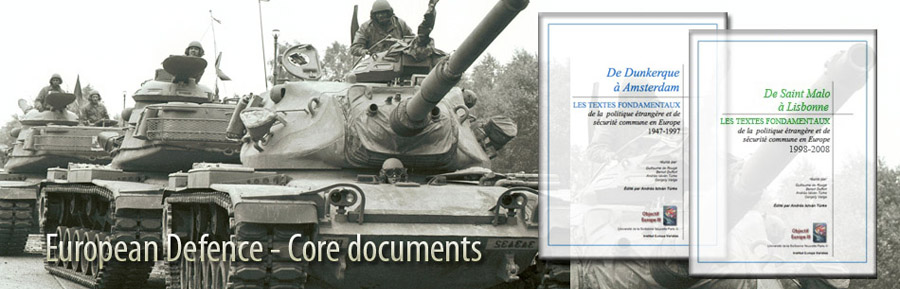
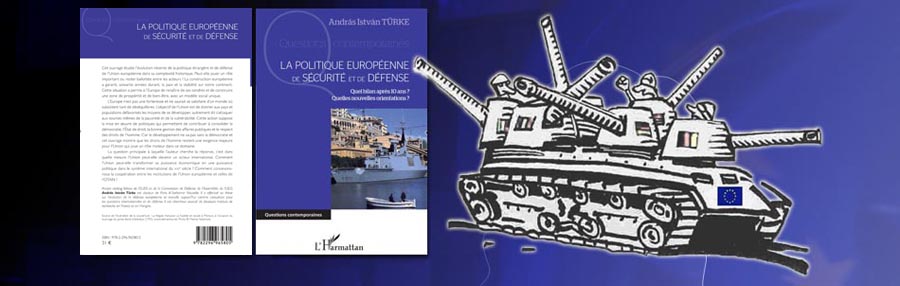
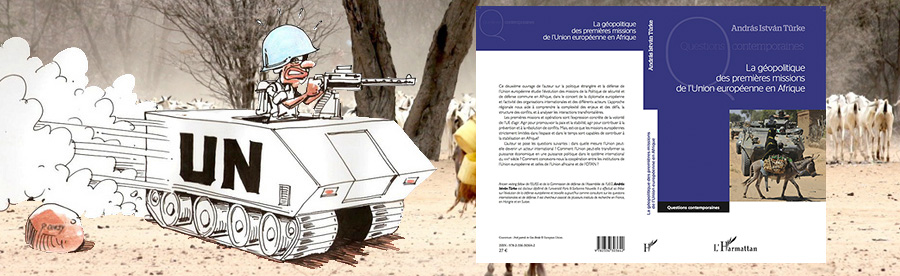
We are looking for sponsors for the English translation of these books, please contact turkeandras(at)gmail(dot)com