
You are here
Afrique
Foot: Pierre-Emerick Aubameyang ne veut plus jouer avec le Gabon
Le capitaine des Panthères du Gabon Pierre-Emerick Aubameyang a annoncé sa mise en retrait de l'équipe nationale, s'estimant « humilié » par son exclusion puis sa réintégration après l'échec à la CAN 2025 au Maroc.
Categories: Afrique
Tebboune nomme un nouveau ministre de l’Industrie, Fouzia Naâma promue ministre déléguée
Nouveau remaniement au sein du gouvernement algérien. Le président de la République, Abdelmadjid Tebboune, chef suprême des Forces armées et ministre de la Défense nationale, […]
L’article Tebboune nomme un nouveau ministre de l’Industrie, Fouzia Naâma promue ministre déléguée est apparu en premier sur .
Categories: Afrique
Tchad: au procès d'Abdoulaye Miskine, l'avocat de la défense estime que le «dossier est vide»
Au Tchad, le procès d’Abdoulaye Miskine s’est poursuivi mardi 2 septembre au palais judiciaire de Ndjamena. Aux côtés de trois coaccusés, cet ex-rebelle créateur du Front démocratique du peuple centrafricain (FDPC) arrêté en 2019 est poursuivi pour création d’un mouvement insurrectionnel, viol, assassinat et torture.
Categories: Afrique
Niger, derrière les accusations du capitaine Gabriel, la machine à désinformer
Dans une vidéo diffusée par Télé Sahel mardi, le 1er septembre, le capitaine Roger Gabriel met en cause le Tchad, le Bénin, la Côte d'Ivoire et la France dans les événements du 29 août à Niamey. Faute d'éléments indépendamment vérifiables, ce témoignage illustre surtout une mécanique de désinformation déjà employée par le régime nigérien : transformer une crise intérieure en complot étranger, puis imposer ce narratif par la télévision publique, les comptes militants et les trolls.
Face caméra, le capitaine Roger Gabriel décline son identité avant de livrer sa version de la mutinerie qui a secoué Niamey les 28 et 29 août. Cet officier du 1er bataillon parachutiste affirme notamment avoir reçu l'appel d'un militaire tchadien l'informant d'une possible intervention destinée à soutenir les mutins. Son récit fait également apparaître le Bénin, la Côte d'Ivoire et la France parmi les soutiens présumés de l'opération. Diffusée sur Télé Sahel, la télévision publique nigérienne, la séquence est rapidement extraite, découpée et partagée sur les réseaux sociaux. Le titre qui l'accompagne devient catégorique : « Le Niger accuse le Tchad, le Bénin, la Côte d'Ivoire, la CEDEAO et la France d'implication dans le putsch déjoué. »
Capitaine Gabriel, caution institutionnelle ?
Cette présentation constitue une première déformation : la vidéo ne livre pas les conclusions d'une enquête judiciaire ou militaire, mais la version d'un officier. Aucun relevé téléphonique, aucun enregistrement ni aucune authentification indépendante des appels et messages évoqués n'a été rendu public pour étayer l'implication présumée de gouvernements étrangers. La diffusion de ce témoignage sur Télé Sahel ne peut cependant être considérée comme anodine. Dans un régime militaire qui exerce un contrôle étroit sur l'information, il paraît peu probable qu'un officier puisse porter des accusations aussi graves sur la télévision publique sans l'aval, au moins implicite, de sa hiérarchie. Cette mise à l'antenne apporte ainsi au récit du capitaine Gabriel une forme de caution institutionnelle, sans pour autant transformer ses affirmations en faits établis.
Un récit lancé avant même l'apparition des preuves
La mécanique avait commencé avant la diffusion de cette séquence. Dès le 30 août, au lendemain des affrontements, des comptes favorables au général Abdourahamane Tiani ont attribué la mutinerie à une opération organisée depuis l'étranger. Des publications très similaires ont désigné la France et certains États voisins, sans attendre que l'identité, les motivations et la chaîne de commandement des mutins soient établies.Ce vide informationnel constituait un terrain idéal. Durant les événements, la télévision nationale a été interrompue et le réseau perturbé, limitant la remontée d'informations indépendantes depuis Niamey. Pendant que les journalistes tentaient de vérifier les faits, les comptes militants disposaient déjà d'un récit simple : le Niger aurait une nouvelle fois été attaqué par ses ennemis extérieurs.
La désinformation ne repose pas nécessairement sur une invention totale. Elle peut partir d'un événement réel — ici, une mutinerie et un appel téléphonique allégué — puis combler toutes les zones d'ombre par des affirmations non démontrées. La répétition fait ensuite le reste : les mêmes accusations circulent sur Facebook, TikTok, YouTube et WhatsApp jusqu'à donner l'impression que plusieurs sources indépendantes les confirment. En réalité, ces publications remontent souvent à une seule déclaration.
La reprise d'un narratif déjà éprouvé
Les pays désignés ne le sont pas au hasard. En janvier 2026, après l'attaque de la base aérienne de Niamey, le général Tiani avait déjà accusé la France, le Bénin et la Côte d'Ivoire d'en être les « sponsors ». Reuters avait alors souligné qu'aucune preuve n'avait été fournie pour étayer ces accusations. Le Tchad vient désormais s'ajouter à cette géographie du soupçon.Depuis le coup d'État de juillet 2023, le même narratif revient à chaque crise sécuritaire : la France préparerait une déstabilisation du Niger avec l'aide de pays de la région et de la CEDEAO. L'AFP Factuel a pourtant documenté l'utilisation répétée de vidéos anciennes, d'images détournées et d'audios manipulés pour alimenter cette lecture des événements. Autre fait marquant, la propagande autour de l'Alliance des États du Sahel reprend également ce schéma. De prétendues infrastructures, réalisations économiques ou avancées militaires sont attribuées au Mali, au Burkina Faso et au Niger à partir d'images provenant d'autres pays .L' AFP Factuel a recensé plusieurs de ces publications trompeuses, conçues pour magnifier l'AES tout en désignant la France et ses partenaires africains comme responsables de ses difficultés.Les opérations d'influence dans le Sahel ne relèvent d'ailleurs plus de publications isolées. Une enquête coordonnée par Forbidden Stories a révélé l'existence de réseaux pro russes utilisant des influenceurs, de faux journalistes et des médias partenaires pour imposer certains récits politiques. Une cartographie du Centre d'études stratégiques de l'Afrique estime que l'Afrique de l'Ouest concentre près de 40 % des campagnes de désinformation documentées sur le continent.
Faire oublier une crise interne
Le narratif du complot extérieur remplit enfin une fonction politique : détourner le regard de l'origine interne de la crise. Les faits établis décrivent une rébellion de militaires nigériens, notamment issus d'unités confrontées aux pertes provoquées par les groupes djihadistes. Désigner immédiatement la France, le Bénin, la Côte d'Ivoire ou le Tchad permet donc d'évacuer des questions plus embarrassantes : pourquoi plusieurs unités se sont-elles retournées contre le pouvoir ? Quel est l'état réel de la cohésion de l'armée ? Comment expliquer le mécontentement des soldats engagés sur les fronts de Tillabéri, Téra ou Dosso ? Et pourquoi un régime revendiquant sa souveraineté a-t-il eu besoin d'une force russe pour contenir une contestation venue de ses propres rangs ? La vidéo du capitaine Gabriel ne suffit pas à répondre à ces questions. En l'absence d'éléments susceptibles d'être vérifiés indépendamment, elle demeure un témoignage et un ensemble d'accusations. La présenter comme la preuve d'un complot multinational ne relève plus de l'information, mais de la construction d'un récit politique : désigner l'ennemi extérieur pour éviter d'expliquer la fracture intérieure.
Categories: Afrique
Après la tentative de coup d’Etat au Niger, l’Algérie inaugure sa nouvelle doctrine de déploiement militaire hors de ses frontières
Afin de préserver ses intérêts stratégiques au Sahel, Alger a dépêché à Niamey une formation aérienne au lendemain d’une tentative de putsch. L’initiative marque une rupture dans la tradition algérienne de non-intervention militaire à l’étranger.
Categories: Afrique
Himayatec alerte sur des pommes de terre potentiellement toxiques : voici comment les repérer
La pomme de terre occupe une place centrale dans l’assiette des Algériens, figurant parmi les produits les plus consommés au quotidien dans les foyers. Qu’il […]
L’article Himayatec alerte sur des pommes de terre potentiellement toxiques : voici comment les repérer est apparu en premier sur .
Categories: Afrique
La télévision d'État du Niger diffuse des allégations faisant état d'un complot international contre la junte
Le capitaine Roger Gabriel a affirmé que des proches de l’ancien président Mohamed Bazoum et des officiers tchadiens étaient liés à la tentative de coup d’État des 28 et 29 août au Niger. Selon lui, des forces spéciales tchadiennes et françaises devaient soutenir les mutins, avec l’appui présumé du Bénin et de la Côte d’Ivoire.
Categories: Afrique
Au moins 43 morts en une semaine dans des attaques attribuées aux ADF à Mambasa (Société civile)
Au moins 43 civils ont été tués entre le 27 août et le 1er septembre dans des attaques attribuées aux rebelles des ADF dans le territoire de Mambasa, en Ituri, selon des sources locales et le monitoring d’organisations de défense des droits de l’homme. Ces violences ont également perturbé la rentrée scolaire dans plusieurs localités touchées.
Categories: Afrique
Kaylia Nemour double la mise à Taranto, l’Algérie enrichit son tableau de médailles
Le tableau algérien des Jeux méditerranéens Taranto 2026 continue de s’alourdir. Sur les agrès italiens, Kaylia Nemour a signé un nouveau sacre en s’imposant aux […]
L’article Kaylia Nemour double la mise à Taranto, l’Algérie enrichit son tableau de médailles est apparu en premier sur .
Categories: Afrique
Amende routière impayée : passé 45 jours, voici ce que vous risquez
Un permis de conduire retenu après une infraction ne reste pas indéfiniment à la disposition de son titulaire. La Gendarmerie nationale vient de rappeler les […]
L’article Amende routière impayée : passé 45 jours, voici ce que vous risquez est apparu en premier sur .
Categories: Afrique
Togo : le CNCC annonce une conférence publique ce vendredi à Lomé
Les partis membres du Cadre national de concertation pour le changement (CNCC) donnent rendez-vous à leurs militants et à l’opinion publique, ce vendredi 4 septembre 2026, à Lomé. Une conférence publique consacrée à la situation sociopolitique du Togo est annoncée à cette occasion.
L’opposition togolaise poursuit sa mobilisation. Les formations politiques regroupées au sein du Cadre national de concertation pour le changement (CNCC) organisent, ce vendredi 4 septembre, une conférence publique dans la capitale togolaise.
La rencontre est portée par l’Alliance nationale pour le changement (ANC), l’Alliance des démocrates pour le développement intégral (ADDI), les Forces démocratiques pour la République (FDR) et le Pacte socialiste pour le renouveau (PSR). Les organisateurs ont officiellement informé le ministère de l’Administration territoriale, de la Gouvernance locale et des Affaires coutumières de la tenue de cette activité, à travers une lettre déposée le lundi 31 août 2026.
La conférence est prévue à partir de 8h30 dans la salle de conférence de la MUGET, à Djidjolé. Elle devrait permettre aux responsables des partis membres du CNCC de revenir sur les principaux sujets qui alimentent actuellement le débat politique national.
L’opposition maintient la pression
Cette nouvelle initiative intervient dans un contexte marqué par un rapprochement entre les principaux regroupements de l’opposition togolaise. Le 25 août dernier, des formations de l’opposition avaient rendu public un mémorandum commun proposant des pistes de sortie de crise face à la situation politique et institutionnelle du pays.
Cette dynamique fait notamment suite à la décision de la Cour de justice de la CEDEAO concernant la réforme constitutionnelle adoptée au Togo en 2024. L’arrêt de la juridiction communautaire a relancé les débats sur la légitimité et les conséquences de cette réforme, ainsi que sur l’évolution institutionnelle du pays.
À travers cette conférence publique, les partis du CNCC entendent donc exposer leur lecture de l’actualité sociopolitique et réaffirmer leurs positions sur les questions institutionnelles qui continuent de diviser la classe politique togolaise.
La rencontre pourrait également servir de nouvelle tribune pour l’opposition afin de poursuivre la mobilisation autour de ses revendications et de sa proposition de sortie de crise.
The post Togo : le CNCC annonce une conférence publique ce vendredi à Lomé appeared first on Togo Actualite - Premier site d'information du Togo.
Categories: Afrique
France-Algérie : Édouard Philippe veut revoir les accords de 1968 sur l’immigration
Faut-il renégocier les accords franco-algériens de 1968 ? Alors que la présidentielle de 2027 se profile, le débat sur l’immigration s’enflamme de nouveau en France. […]
L’article France-Algérie : Édouard Philippe veut revoir les accords de 1968 sur l’immigration est apparu en premier sur .
Categories: Afrique
Togo : les deux journalistes français et leur fixeur togolais remis en liberté provisoire
Après plusieurs semaines de détention à Lomé, les journalistes-réalisateurs français Gaël Mocaër et Sebastian Perez Pezzani ainsi que leur fixeur togolais, Fred Vedomey, ont été remis en liberté provisoire.
Une nouvelle étape vient d’être franchie dans l’affaire impliquant les deux journalistes français Gaël Mocaër et Sebastian Perez Pezzani et leur collaborateur togolais Fred Vedomey. Incarcérés depuis leur arrestation le 27 juillet dernier, les trois hommes bénéficient désormais d’une mesure de mise en liberté provisoire.
La décision a été prise par les autorités judiciaires togolaises et est entrée en vigueur mardi 1er septembre 2026. Elle met ainsi fin à plusieurs semaines de détention des trois prévenus à Lomé, dans l’attente de la suite de la procédure judiciaire.
Contacté par Radio France Internationale (RFI), l’un de leurs avocats a expliqué que leur « maintien en détention n’était plus nécessaire pour la manifestation de la vérité ».
Arrêtés dans le nord du Togo
Gaël Mocaër et Sebastian Perez Pezzani étaient arrivés au Togo pour réaliser un épisode de « Les routes de l’impossible », une série documentaire diffusée sur France Télévisions. Leur tournage les avait conduits dans le nord du pays, où ils ont été interpellés le 27 juillet avec leur fixeur togolais, Fred Vedomey.
Les trois hommes font l’objet de poursuites pour fausses déclarations. Leur arrestation avait suscité des réactions, notamment de la part de plusieurs organisations de défense de la liberté de la presse.
Selon les éléments communiqués précédemment autour de cette affaire, les autorités togolaises avaient notamment évoqué des questions liées aux conditions dans lesquelles le tournage était réalisé.
La mise en liberté provisoire ne signifie toutefois pas la fin de la procédure judiciaire. Les trois hommes restent concernés par les poursuites engagées contre eux et devront se conformer aux exigences de la justice togolaise.
Après plusieurs semaines derrière les barreaux, les deux journalistes français et leur collaborateur togolais retrouvent donc leur liberté, en attendant l’issue de la procédure.
The post Togo : les deux journalistes français et leur fixeur togolais remis en liberté provisoire appeared first on Togo Actualite - Premier site d'information du Togo.
Categories: Afrique
Tribune à l’attention de Kanka-Malik Natchaba : Quand le zèle partisan étouffe la rigueur juridique et le bon sens
Par Rodrigue Ahégo,
La Voix des Sans-Voix
Dans une récente sortie médiatique sur les ondes de Kanal FM lors de l’émission Le Club de la Presse, Kanka-Malik Natchaba, militant et « cadre » du parti RPT/UNIR, s’est livré à un exercice d’acrobatie intellectuelle et de contorsion juridique. Évoquant l’arrêt de la Cour de justice de la CEDEAO et les exigences de sanctions ciblées réclamées par les organisations de la société civile africaines contre les auteurs du changement inconstitutionnel opéré en 2024 au Togo au profit exclusif de Faure Gnassingbé, le militant a cru bon d’opposer des certitudes empreintes d’amateurisme à la clarté du droit régional et continental.
En affirmant avec assurance que les sanctions ne sauraient exister en dehors du « dispositif propre » d’un arrêt judiciaire, Malik Natchaba opère une confusion monstre sur les règles applicables lorsque des actes posés violent des dispositions communautaires, régionales ou internationales.
La CADEG : les fondements de l’article 23 et le régime des sanctions
Malik Natchaba semble ignorer la portée des textes africains auxquels le Togo est partie prenante. La Charte africaine de la démocratie, des élections et de la gouvernance (CADEG) qualifie sans équivoque les manœuvres de révision constitutionnelle opportunistes et prévoit un régime de sanctions strict :
– les violences juridiques ciblées par l’Article 23 : Cet article dispose que constitue un changement anticonstitutionnel de gouvernement – passible de sanctions appropriées de l’Union africaine – tout recours à « tout amendement ou toute révision des Constitutions ou des instruments juridiques qui porte atteinte aux principes de l’alternance démocratique ». L’imposition d’une nouvelle constitution en 2024 sans référendum, en violation des procédures contenues dans la Constitution de 1992 ainsi que dans le Protocole additionnel de la CEDEAO, privant les citoyens du droit de choisir directement leur Président pour installer un régime parlementaire sur mesure, entre exactement dans ce cas de figure.
– les sanctions juridiques des Articles 24 et 25 : Dès lors qu’un changement anticonstitutionnel est constaté, les articles suivants activent des sanctions automatiques et contraignantes. L’article 24 confie au Conseil de paix et de sécurité de l’UA la responsabilité de suspendre immédiatement l’État partie concerné de l’exercice de son droit de membre. L’article 25 va plus loin en interdisant aux auteurs de ce changement d’intervenir ou de se présenter aux élections organisées pour le retour à l’ordre constitutionnel, tout en les exposant à des sanctions économiques et à des poursuites judiciaires.
Le droit communautaire n’exige pas qu’une décision de justice détaille elle-même chaque peine diplomatique : c’est la violation des règles conventionnelles qui déclenche l’application des mécanismes de sanctions prévus par les traités et chartes.
La mémoire sélective face aux sanctions signées contre les putschistes de Guinée
L’ironie de la démonstration de Malik Natchaba devient cinglante lorsqu’on réexamine l’historique récent de la CEDEAO sous l’impulsion directe des chefs d’État de la région, dont Faure Gnassingbé.
Lors du Sommet extraordinaire de la CEDEAO tenu à Accra le 16 septembre 2021 à la suite du coup d’État en Guinée, la Conférence des Chefs d’État et de Gouvernement – dont le communiqué officiel porte la signature engageante de Faure Gnassingbé aux côtés de ses pairs – a adopté des mesures d’une fermeté exemplaire :
– interdiction de voyager imposée à l’ensemble des membres de la junte militaire (CNRD) ainsi qu’à leurs familles ;
– gel des avoirs financiers de ces mêmes dirigeants et de leurs proches ;
– suspension immédiate de la Guinée de toutes les instances de décision de la CEDEAO.
Lorsque les régimes voisins rompent l’ordre constitutionnel, la diplomatie togolaise appose sans hésiter sa signature au bas de sanctions ciblées individuelles, automatiques et coercitives. En revanche, lorsqu’un changement inconstitutionnel est opéré à Lomé en 2024 pour garantir la pérennité du pouvoir, le discours bascule vers la dénégation des règles régionales et le refuge derrière une souveraineté de façade.
Cette politique du deux poids, deux mesures met en lumière la vacuité de l’argumentation du RPT/UNIR, habitué des coups d’État et des passages en force constitutionnels, institutionnels et électoraux. Les sanctions ciblées réclamées par la société civile contre les auteurs du tripatouillage constitutionnel au Togo ne sont nullement une invention absurde, mais l’application symétrique de la jurisprudence politique que Faure Gnassingbé a lui-même signée et approuvée contre ses colistiers putschistes guinéens.
Un arrêt judiciaire n’est pas un texte de loi général
Sur le plan strictement juridique (Cours de droit public -L1- B.A.-BA), l’argument de Malik Natchaba prétendant que l’absence de sanctions explicites dans le dispositif d’un arrêt de la Cour de la CEDEAO interdirait toute mesure ultérieure par l’Organisation repose sur un contresens majeur :
– la séparation des fonctions institutionnelles : La Cour de justice de la CEDEAO est une instance juridictionnelle chargée de dire le droit et de constater la violation des droits humains ou des normes communautaires.
– le rôle politique de la Conférence des Chefs d’État : L’infliction de sanctions politiques, économiques ou diplomatiques relève de la Conférence des Chefs d’État et du Conseil de médiation, qui tirent les conséquences politiques des constats de violation établis sur le plan du droit.
Vouloir limiter la portée des manquements du RPT/UNIR au seul texte d’un arrêt relève d’une tentative désespérée de masquer la réalité.
Un rappel à l’ordre face à l’idolâtrie politique
Au lieu de venir sur les antennes de radio exposer ses limites juridiques et se moquer de l’intelligence des Togolais, Malik Natchaba aurait mieux fait de se taire. Plutôt que d’alimenter une idolâtrie permanente autour de leur champion qu’ils adulent à longueur de journée, les « cadres » du RPT/UNIR devraient comprendre que les citoyens avisés ne se laissent plus distraire par de la rhétorique partisane.
Le Togo n’est la propriété exclusive d’aucun clan. Se mouler dans un jeu de chaises musicales de père en fils ne donne nullement le droit de considérer notre pays comme le patrimoine privé d’une minorité. Les citoyens, la société civile africaine et les juristes indépendants continueront de rappeler que les traités internationaux et la Charte de la démocratie s’imposent à tous, y compris à ceux qui croient pouvoir régner sans fin.
J’invite donc Malik Natchaba à lire et relire la Charte africaine de la démocratie, des élections et de la gouvernance (CADEG), dont le contenu démontre sans ambiguïté comment le droit continental cadre et sanctionne les révisions constitutionnelles abusives au sein des États membres.
The post Tribune à l’attention de Kanka-Malik Natchaba : Quand le zèle partisan étouffe la rigueur juridique et le bon sens appeared first on Togo Actualite - Premier site d'information du Togo.
Categories: Afrique
4 motos et 6 voitures volées restituées à leurs propriétaires
La Police républicaine a restitué, mardi 1er septembre 2026, au commissariat de Godomey, quatre motocyclettes et six voitures retrouvées après des cas de vol. D'autres véhicules récupérés restent en attente de restitution.
Le soulagement était perceptible sur les visages, mardi 1er septembre 2026, au commissariat de l'arrondissement de Godomey, dans la commune d'Abomey-Calavi. Après plusieurs jours ou semaines d'inquiétude, des citoyens ont pu repartir avec leurs motocyclettes ou voitures retrouvées au terme des investigations menées par la Police républicaine.
Au total, quatre motocyclettes et six véhicules ont été restitués à leurs propriétaires légitimes.
A. Erathou, propriétaire d'une motocyclette, raconte avoir été contactée quelques jours après son passage au commissariat.
Même émotion chez Romain T., propriétaire d'une motocyclette Haojue « petit corps ». Pris par un moment de sommeil alors qu'il se trouvait dans une école publique à Houèto, son engin lui a été volé. Après avoir effectué une déclaration au commissariat de Godomey, il a finalement pu le récupérer. « Et aujourd'hui, me voici avec ma moto », a-t-elle indiqué avec joie.
Ulrich K., propriétaire d'une Wave S, avait lui aussi perdu tout espoir de retrouver rapidement son engin. Selon son témoignage, la moto avait été stationnée sur la terrasse pendant la nuit. Au matin, elle avait disparu. Il s'est alors rendu au commissariat pour porter plainte. « Quelques jours après, ils m'ont rappelé pour me dire que ma moto était retrouvée », s'est-il confié.
C'est également la joie chez Hospice G., face à sa motocyclette Haojue « gros corps » qui lui a été volée. « Aujourd'hui, par la grâce de Dieu, j'ai le plaisir de me retrouver encore avec cette même moto (...) », a-t-il expliqué, ajoutant qu'il n'avait plus beaucoup d'espoir de la revoir.
Une voiture retrouvée après un vol présumé
Parmi les bénéficiaires figure également Romaric Akpakpo, propriétaire d'une voiture déclarée volée au cours du mois d'août. D'après son récit, il avait été sollicité par des personnes qui souhaitaient louer le véhicule pour effectuer un déplacement au Centre national hospitalier universitaire Hubert Koutoukou Maga de Cotonou.
Il explique qu'après avoir accepté de les accompagner, il a été drogué au cours du trajet avant que son véhicule ne soit emporté. Il s'est ensuite rendu au commissariat de Godomey pour porter plainte.
Quelques semaines plus tard, l'appel tant attendu est arrivé. « Le commissariat m'a appelé et m'a dit qu'ils ont eu la voiture », a-t-il confié. Mardi, il était donc présent au commissariat pour récupérer son véhicule.
D'autres engins volés en attente de restitution
Pour le commissaire de première classe Constant Zannou, commissaire de l'arrondissement de Godomey, « il y a encore d'autres motos et voitures (...) volées qui ont été retrouvées et sont en attente de restitution ». Le commissaire a expliqué que les engins remis mardi ne représentent qu'une partie des biens retrouvés. Certains des véhicules récupérés n'ont pas fait l'objet d'une déclaration de perte de la part de leurs propriétaires présumés. « C'est l'occasion pour moi de demander à la population de faire confiance à sa police. Et avec l'aide de la population, les résultats vont venir », a exhorté le commissaire.
Marc MENSAH
Categories: Afrique
Les 5 numéros gagnants au LOTO STAR 11 H
LES RÉSULTATS DE LOTO STAR
TIRAGE N°105/26
Mercredi 02 septembre 2026 (11H)
80 • 25 • 53 • 19 • 17

Félicitations aux heureux gagnants !
– -Pas encore cette fois ? Gardez le sourire.
– -Une nouvelle chance vous attend à 14H pour le prochain tirage.
– -Jouez dans les centres de jeux de la LNB ou en ligne.
– -Tapez *590# ou lnbloto.bj
Jouez avec modération et responsabilité. Le jeu doit rester un plaisir.
Categories: Afrique
Un projet anti-érosion de 1,5 million USD ravive l’espoir au Camp Munganga à Kinshasa
Les travaux de construction d’un collecteur d’eau sont en cours au Camp Munganga, dans la commune de Ngaliema, à Kinshasa, pour lutter contre l’érosion qui affecte cette partie de la capitale depuis quelques mois.
Financé par le gouvernement congolais à hauteur de près de 1,5 million de dollars américains, le chantier est exécuté par l’Office des voiries et drainage (OVD). Il fait notamment suite aux plaidoyers menés par l’ONGD COTENEPROD.
Categories: Afrique
QNET condamne l'utilisation frauduleuse de son nom dans les réseaux au Bénin
QNET a pris connaissance d'un récent communiqué de la police républicaine du Bénin faisant état d'une série d'opérations menées contre des réseaux de fraude présumés opérant sous le nom de QNET.
QNET condamne fermement toute activité frauduleuse, trompeuse ou criminelle impliquant l'utilisation abusive de son nom, de sa marque, de ses produits ou de son modèle économique. La société salue les efforts continus des autorités béninoises pour démanteler les réseaux criminels, protéger le public et traduire les auteurs en justice.
QNET tient à réaffirmer que les activités décrites dans cette publication ne correspondent en aucun cas à son modèle économique légitime ni à ses pratiques autorisées. QNET est une entreprise internationale spécialisée dans l'art de vivre et le bien-être qui propose des produits et des services via un modèle de vente directe. Ses distributeurs indépendants perçoivent des commissions sur la vente de produits et de services, et non sur le recrutement. QNET n'est ni une agence de placement, ni une agence de recrutement, ni une agence de voyage, ni une agence spécialisée dans les visas ; elle ne propose pas non plus de programmes d'investissement et ne promet pas de rendements financiers garantis.
La société est particulièrement préoccupée par le recours persistant à de fausses promesses d'emploi, de stages, de voyages à l'étranger et de gains financiers pour attirer et exploiter des personnes peu méfiantes. De telles pratiques n'ont pas leur place dans les activités légitimes de QNET et sont expressément interdites par les politiques de l'entreprise.
Cherif Sarr, directeur général régional de QNET pour l'Afrique centrale et occidentale, a déclaré : « Nous saluons les efforts continus des autorités béninoises pour démanteler les réseaux criminels qui exploitent des personnes vulnérables par le biais de la fraude et de l'utilisation illicite du nom de QNET. Il est important que le public comprenne que ces individus ne représentent pas QNET. Les forces de l'ordre de divers pays qualifient cette méthodologie de « Modèle Q », dans laquelle des individus ou des réseaux organisés utilisent de manière abusive la marque QNET à des fins illicites.
Nous sommes prêts à travailler en étroite collaboration avec les autorités béninoises pour sensibiliser davantage le public, informer les communautés sur la manière d'identifier les activités légitimes de QNET et dénoncer les tactiques utilisées par ceux qui abusent de notre nom. Notre expérience dans toute la région démontre que la collaboration entre le secteur privé, le gouvernement et les forces de l'ordre peut faire une réelle différence dans la protection des communautés. »
Lors d'un récent atelier régional de coordination des enquêtes organisé à Accra, au Ghana, par le Bureau ghanéen de lutte contre la Criminalité Économiques et Organisée (EOCO) en collaboration avec INTERPOL, le terme « Modèle Q » a été utilisé pour désigner un schéma d'activité criminelle dans lequel des individus ou des groupes organisés utilisent abusivement le nom de QNET ou s'en font passer pour attirer des victimes à l'aide de fausses promesses d'emploi, de voyages, d'opportunités de migration ou de revenus garantis.
Ces opérations criminelles peuvent impliquer des stratagèmes d'emploi frauduleux, la traite des êtres humains, le trafic de migrants et d'autres formes de criminalité organisée. Lorsque ces activités sont menées en utilisant le nom de QNET, elles peuvent créer un lien fallacieux entre l'entreprise et des comportements criminels qui n'ont aucun rapport avec les activités commerciales légitimes de QNET.
QNET applique une politique de tolérance zéro à l'égard de l'utilisation abusive de sa marque et des comportements contraires à l'éthique. L'entreprise a mis en place des mesures de conformité afin de garantir que ses distributeurs indépendants exercent leurs activités conformément aux politiques de QNET et aux lois en vigueur. Les personnes reconnues coupables de pratiques non autorisées ou contraires à l'éthique s'exposent à des sanctions disciplinaires, pouvant aller jusqu'à la résiliation de leur relation avec l'entreprise.
QNET veut renforcer la sensibilisation au Bénin
QNET continue également d'investir dans l'éducation et la sensibilisation du public par le biais de son initiative « QNET Against Scams », qui aide les communautés à identifier les escroqueries, à reconnaître les offres d'emploi trompeuses et à comprendre la différence entre la vente directe légitime et les activités criminelles. Ce programme a été mis en œuvre sur des marchés tels que le Ghana, le Sénégal, la Sierra Leone et le Libéria, en recourant aux médias, aux supports numériques, à la communication extérieure et à l'engagement local afin de promouvoir une plus grande sensibilisation et une vigilance accrue du public.
Forte de cette expérience, QNET cherche à collaborer avec les autorités béninoises compétentes et les institutions chargées de lutter contre la criminalité afin d'étudier la mise en place de campagnes de sensibilisation du public dans le cadre du programme « QNET Against Scams » au Bénin. Ces initiatives pourraient inclure l'éducation du public, la mobilisation des médias, des actions de proximité auprès des communautés et le partage d'informations afin d'aider les personnes à reconnaître les signes avant-coureurs d'un recrutement frauduleux et de l'utilisation abusive du nom de QNET.
Cette approche s'appuie sur l'expérience de QNET au Ghana, où l'entreprise a établi une collaboration officielle avec le Bureau de la lutte contre la Criminalité Économique et Organisée (EOCO) afin de soutenir les efforts visant à identifier et à lutter contre les activités criminelles impliquant l'utilisation abusive du nom de QNET. Ce partenariat a également soutenu des initiatives de sensibilisation et d'éducation du public destinées à protéger les personnes vulnérables contre les escroqueries et les stratagèmes frauduleux.
QNET estime qu'un cadre de collaboration similaire au Bénin pourrait renforcer la sensibilisation du public, améliorer les mécanismes de signalement et aider les forces de l'ordre à identifier plus tôt les réseaux frauduleux. L'entreprise reste ouverte à toute collaboration avec les institutions gouvernementales, les forces de l'ordre, les organismes de protection des consommateurs, les médias et les autres parties prenantes concernées afin de mettre en place des initiatives concrètes visant à protéger le public.
Comment signaler une utilisation frauduleuse du nom de QNET ?
Le public est invité à faire preuve de prudence lorsqu'il est approché par des personnes prétendant représenter QNET, en particulier lorsqu'on lui promet des emplois, des visas, des voyages à l'étranger, des stages ou des rendements financiers garantis en échange d'argent.
Les cas présumés de fraude ou d'utilisation abusive du nom de QNET peuvent être signalés via WhatsApp au +233 2566 30005 ou par e-mail à l'adresse network.integrity@qnet.net. Les signalements sont traités de manière confidentielle et examinés conformément aux procédures de conformité de QNET.
QNET reste déterminée à mener ses activités de manière responsable, éthique et transparente, tout en collaborant avec les parties prenantes à travers l'Afrique pour lutter contre la fraude, protéger les consommateurs, sensibiliser les communautés et préserver l'intégrité de la vente directe légitime.- FIN
À propos de QNET
QNET est une entreprise de renommée mondiale spécialisée dans le bien-être et le mode de vie, qui s'appuie sur un modèle commercial de vente directe pour proposer une large gamme de produits exclusifs permettant à chacun d'adopter un mode de vie plus sain et plus équilibré.
Depuis 1998, les produits innovants de QNET et son modèle économique axé sur le commerce électronique ont contribué à bâtir une communauté mondiale de clients satisfaits et de micro-entrepreneurs, animés par la mission RYTHM (Raise Yourself To Help Mankind). Parmi les marques de produits phares proposées par QNET figurent la gamme Bernhard H. Mayer de montres et bijoux de luxe, la gamme de produits d'entretien ménager HomePure, la gamme de bien-être Amezcua, la gamme de soins personnels Physio Radiance et les forfaits vacances de la marque QVI.
QNET est fière d'être membre de l'Association de la vente directe dans plusieurs pays, de l'Association des aliments santé de Hong Kong, de l'Association de l'industrie des compléments alimentaires de Singapour, et bien d'autres. QNET est également active dans plusieurs parrainages sportifs internationaux, notamment en tant que partenaire officiel de vente directe du Manchester City Football Club et de la Confédération africaine de football (CAF), soulignant ainsi son engagement envers l'excellence et son rayonnement mondial. Découvrez un monde de nouvelles possibilités avec QNET en vous rendant sur www.qnet.net.
Categories: Afrique
Ebola en RDC : l’épidémie cause plus de 3 000 morts, sur plus de 6 000 cas confirmés
Déclarée au mois de mai, la flambée actuelle est la pire de l’histoire du pays. Elle est causée par le variant Bundibugyo, contre lequel il n’existe ni vaccin ni traitement.
Categories: Afrique
DIGITAL 08H : avez-vous les bons numéros ?
DIGITAL 08H : Avez-vous tenté votre chance ?
Le tirage DIGITAL 08H N°138 a livré son verdict !
Mercredi 02 Septembre 2026
Avez-vous joué ?
Avez-vous misé sur vos numéros porte-bonheur ?
RÉSULTAT : 01 • 07 • 89 • 09 • 62
Félicitations aux heureux gagnants !
Pas encore cette fois ? Gardez le sourire.
Rendez-vous à 11H pour le prochain tirage.
Jouez dans les points de vente de la LNB ou : Tapez *590# ou rendez-vous sur lnbloto.bj
Jouez avec modération et responsabilité. Le jeu doit rester un plaisir.
Categories: Afrique
Pages


© 2012-2018 Europa Varietas Foundation © 2015-2018 Europa Varietas Association
www.europavarietas.org | info(@)europavarietas(dot)org | Switzerland
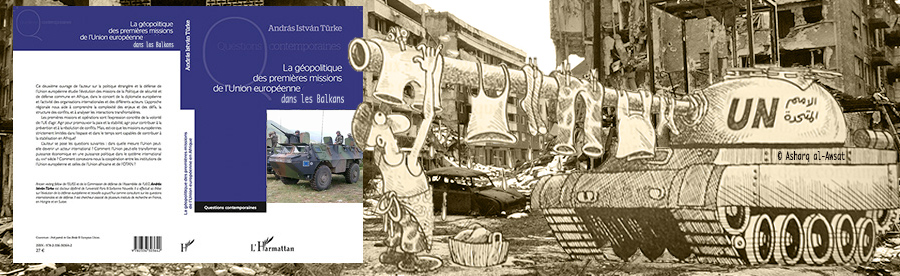
We are looking for sponsors for the English translation of these books, please contact turkeandras(at)gmail(dot)com