
You are here
Afrique
Lutte contre la fraude : Des produits prohibés de plus de 141 millions FCFA saisis
La Coordination nationale de lutte contre la fraude (CNLF) a intensifié ses actions de terrain entre le 20 juillet et le 5 août 2026. En l'espace de deux semaines, les équipes ont mis la main sur des produits frauduleux et prohibés d'une valeur globale estimée à 141 383 500 FCFA, informe la CNLF sur sa page Facebook.
Les opérations ont permis de démanteler plusieurs réseaux impliqués dans le détournement de carburant subventionné, l'introduction illicite de produits médicaux, le commerce de produits interdits ainsi que le trafic de diverses marchandises. Parmi les saisies les plus importantes figure l'interception, le 20 juillet sur la voie de contournement de Ouagadougou, de 10 000 litres de gasoil subventionné destinés illicitement à une usine. Les investigations menées par la suite à Kouba et à Koubri ont conduit à la saisie respectivement de 3 000 litres et de 13 000 litres de gasoil destinés à des entreprises. Selon la CNLF, ces pratiques causent un important manque à gagner pour le Trésor public.
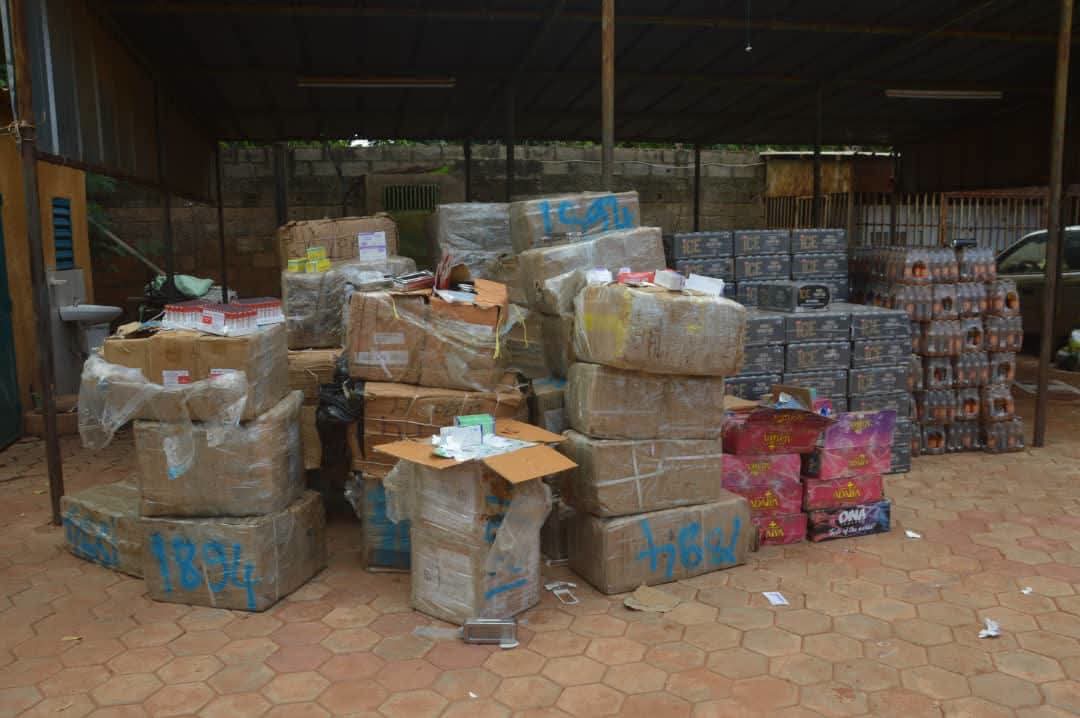
Dans le domaine de la santé, une opération réalisée le 3 août à Ouagadougou a abouti à la saisie de consommables médicaux et de produits assimilés introduits en contrebande, pour une valeur estimée à 68,017 millions de FCFA. Parmi les produits interceptés figurent notamment 76 cartons d'anabolisants, dont la circulation illégale représente un risque pour la santé des populations.

À Zabré, une enquête menée durant plus de deux mois a permis l'interception d'un camion-remorque transportant frauduleusement plusieurs produits de grande consommation. La cargaison comprenait du sucre, de l'huile, du riz, de la farine, des boissons alcoolisées, de la tomate, des cubes alimentaires et des spaghettis. La valeur de cette saisie est estimée à 34,447 millions de FCFA.
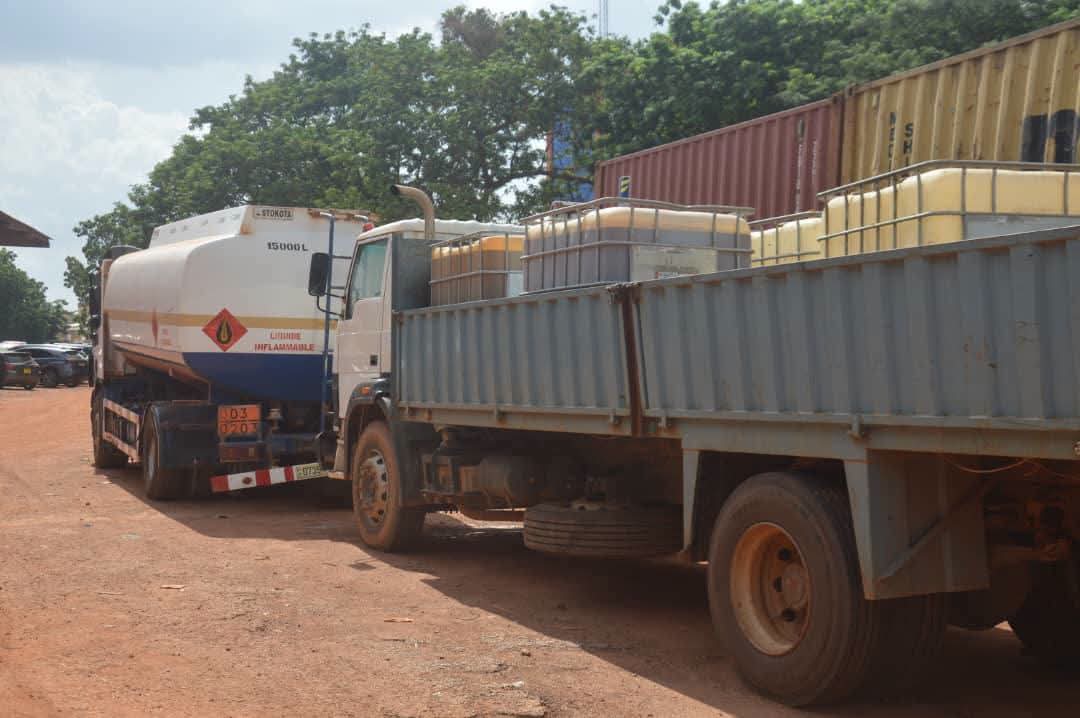
Les agents de la CNLF ont également saisi 160 colis de sachets plastiques interdits à Poè, ainsi que des boissons énergisantes alcoolisées et de la chicha dans le quartier Karpala.
À travers ces différentes opérations, la Coordination nationale de lutte contre la fraude réaffirme sa volonté de protéger l'économie nationale, de préserver les ressources publiques et de garantir la sécurité sanitaire des citoyens. Elle invite par ailleurs les populations à demeurer vigilantes et à collaborer avec les services compétents dans la lutte contre la fraude et la contrebande.
Lefaso.net
Source : Page Facebook Coordination nationale de lutte contre la fraude
Categories: Afrique
Microfinance : La CODEC-Ouaga initie une rencontre pour renforcer ses liens avec les commerçants des marchés et yaars
La Coopérative diocésaine d'épargne et de crédit de Ouagadougou (CODEC-Ouaga) a organisé, le mardi 11 août 2026 à la cathédrale de l'Immaculée-Conception, une rencontre d'échanges et d'information avec les responsables des marchés et yaars de la ville de Ouagadougou. Cette initiative visait à renforcer la relation de confiance entre l'institution de microfinance et les acteurs économiques des 12 arrondissements et des 6 communes de Ouagadougou.
Cette rencontre s'est tenue dans un contexte marqué par des pertes financières enregistrées par de nombreux commerçants auprès de structures de microfinance peu fiables. Pour la CODEC-Ouaga, l'enjeu a donc été de renforcer le dialogue avec les commerçants, mais aussi de mieux leur faire connaître les mécanismes, les produits et les services mis à leur disposition.
L'activité a été organisée en collaboration avec l'Union nationale des associations des commerçants des marchés et yaars du Burkina, qui a assuré la mobilisation des responsables des marchés et yaars, avec le soutien et l'accompagnement du Bureau des commerçants catholiques.
Les participants ont suivi avec beaucoup d'attention la présentation des produits et services proposés par la CODEC-Ouaga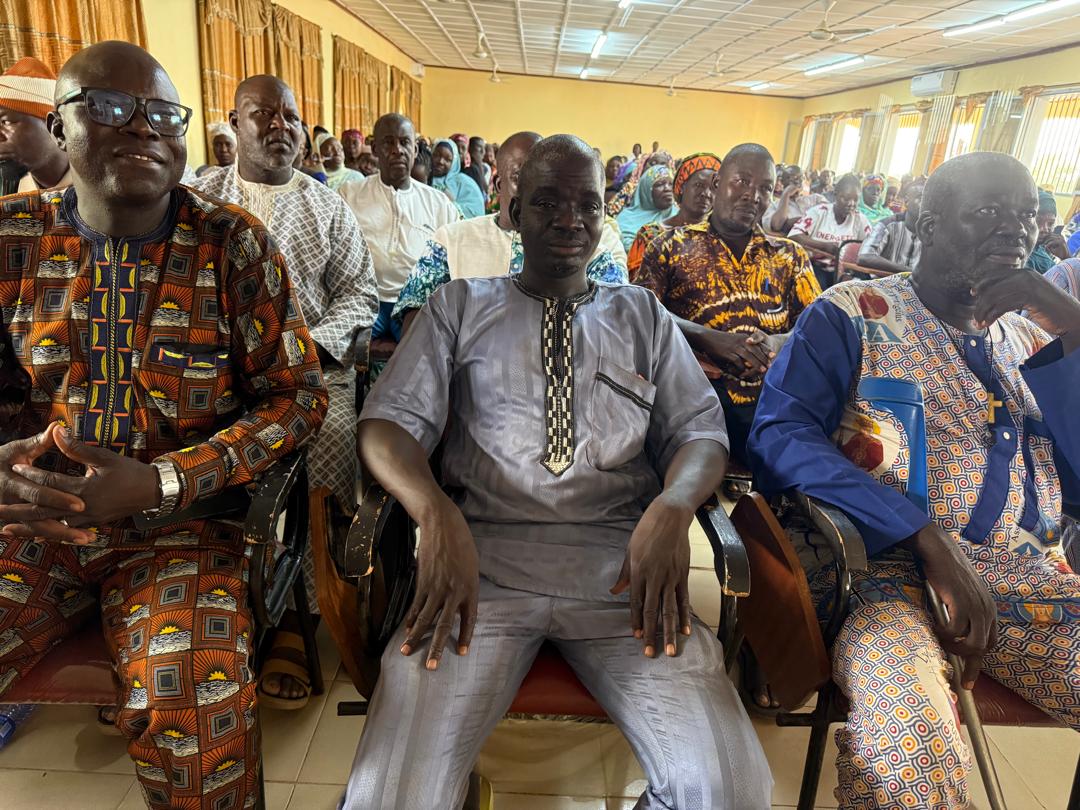
Au cours de la rencontre, les participants ont bénéficié d'une formation sur les chaînes de valeur riz et volaille, dans le cadre des Activités génératrices de revenus (AGR). La CODEC-Ouaga a également présenté son produit de tontine CODECO, lancé le 24 avril 2025, ainsi que ses différentes innovations et les avantages liés à ce dispositif.
Les tontinières chargées d'assurer la collecte de proximité dans les marchés et yaars ont également été présentées par agence et par zone d'intervention. Cette démarche vise à rapprocher davantage les services de la CODEC-Ouaga des commerçants et à leur permettre d'épargner dans un cadre organisé et sécurisé.
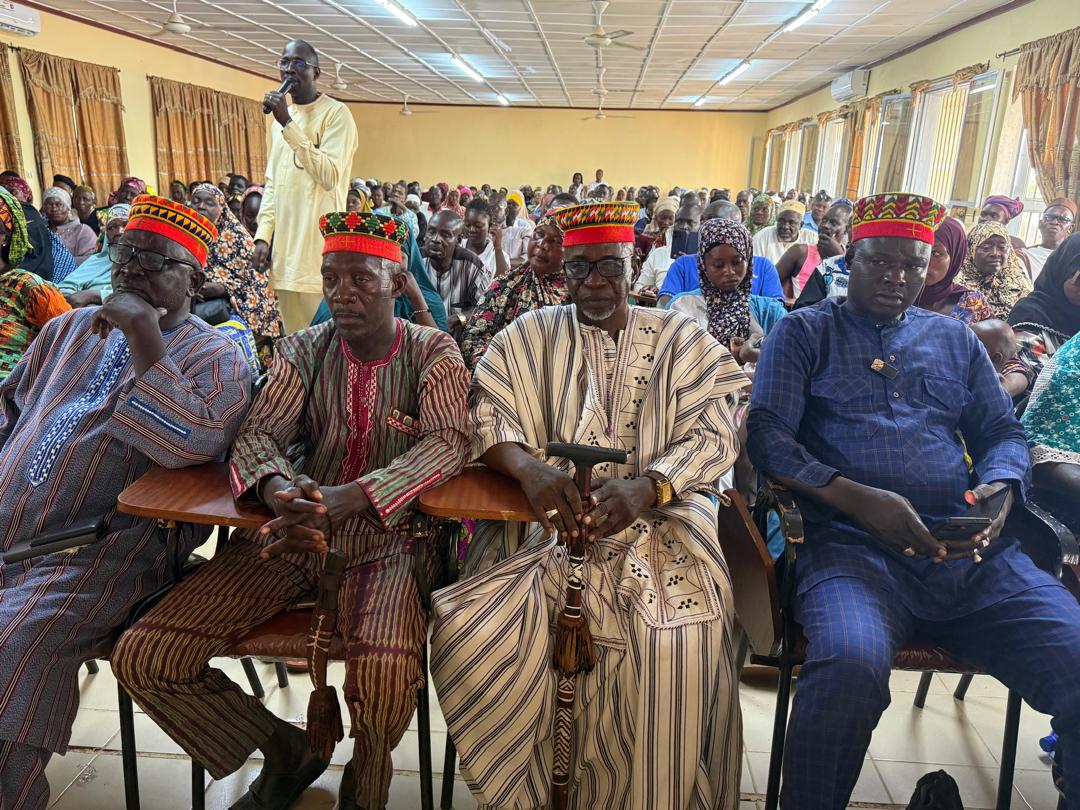
La rencontre a aussi permis aux responsables des commerçants d'exprimer leurs préoccupations et de poser leurs questions. La CODEC-Ouaga a, par ailleurs, sollicité leur accompagnement afin de faciliter l'adhésion massive des commerçants à la tontine CODECO.
Un partenariat fondé sur la proximité et la confiance
Pour Franck Delwendé Compaoré, directeur général de la CODEC-Ouaga, cette démarche répond à la volonté de l'institution de microfinance de rester proche de ses membres et de ses clients.
« L'objectif est de leur permettre de mieux comprendre nos activités et de leur présenter de manière détaillée les produits et services que nous proposons, afin de favoriser leur adhésion. Cette démarche contribue également à renforcer la confiance. En matière de collecte de l'épargne, nous avons une lourde responsabilité.
Nous avons donc pris l'engagement d'organiser cette rencontre afin de consolider davantage cette confiance. La CODEC-Ouaga existait déjà, mais en tant qu'acteurs de la microfinance, notre rôle est de rester proches de nos membres et de nos clients. C'est aussi ce qui fait notre différence par rapport aux autres. La microfinance comporte à la fois une dimension sociale et économique. Sur le plan social, l'éducation financière est essentielle. Elle permet aux membres, lorsqu'ils bénéficient de financements, de mieux les gérer et de savoir comment les utiliser afin de pouvoir les rembourser dans de bonnes conditions », a-t-il expliqué.
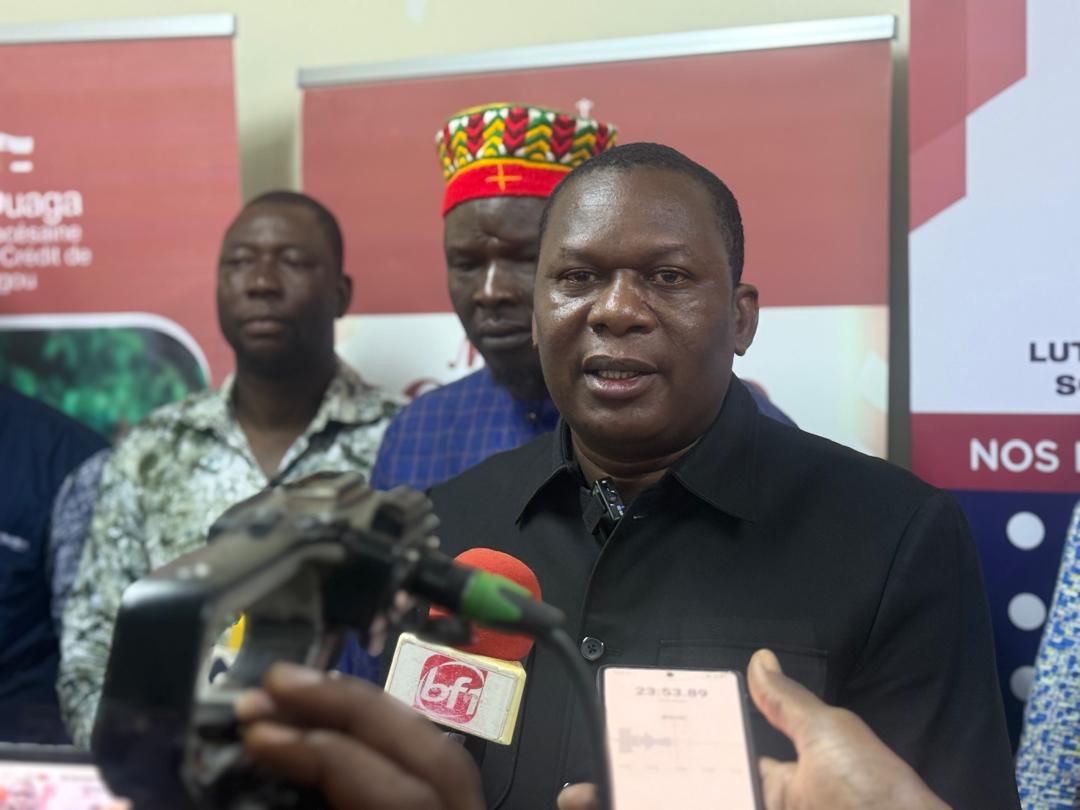
La mobilisation enregistrée à cette occasion a satisfait le directeur général de la CODEC-Ouaga. Pour lui, cette première expérience constitue une réussite et traduit l'intérêt des commerçants pour un dialogue direct avec leur institution financière.
« Nous sommes plus que satisfaits de la mobilisation enregistrée à cette occasion. Pour une première rencontre, je considère que c'est une réussite, aussi bien pour la CODEC-Ouaga que pour l'Union des associations des marchés et yaars du Burkina. Il s'agit d'un partenariat gagnant-gagnant : nous avons besoin d'eux, tout comme ils ont besoin de nous », a-t-il ajouté.
- Lire aussi : Microfinance : La CODEC-Ouaga consolide ses performances sociales et financières au cours de l'année 2025
La CODEC-Ouaga entend ainsi inscrire cette démarche dans la durée. Son directeur général envisage notamment d'instituer ce type de rencontres de manière régulière, idéalement sous la forme d'un rendez-vous annuel.
La tontine CODECO a été présentée aux responsables des marchés et yaars de Ouagadougou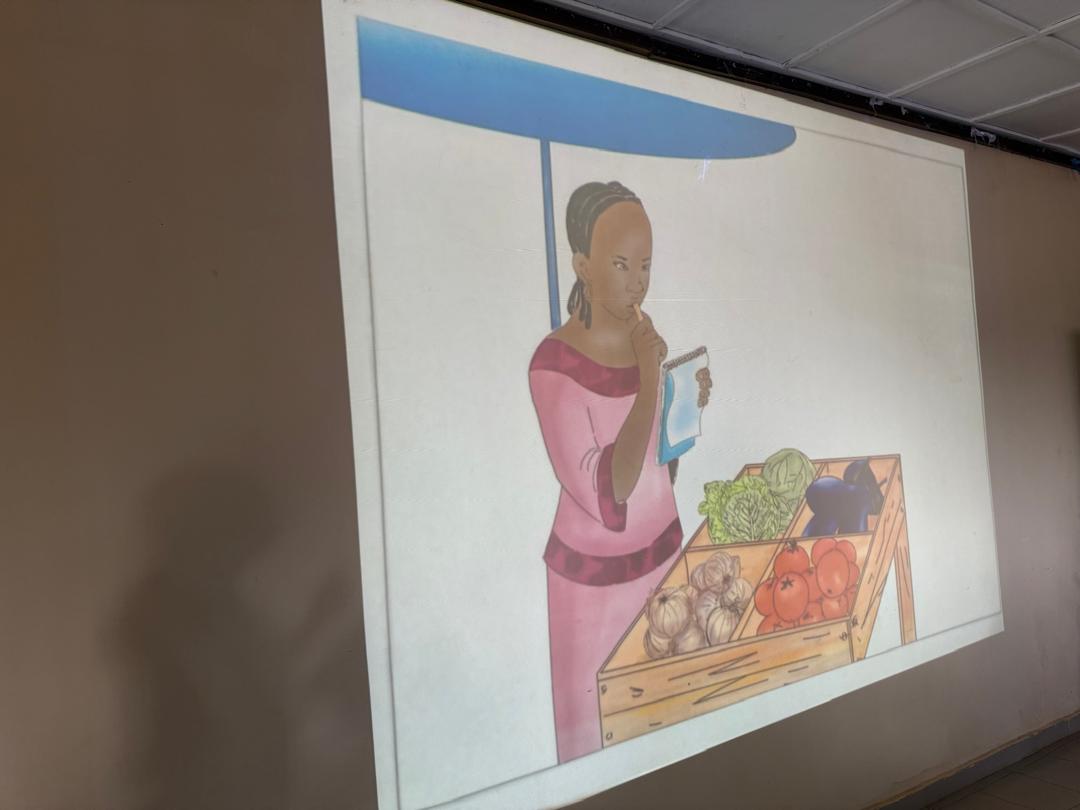
Du côté des commerçants, l'initiative a également été accueillie favorablement. Malgr Naaba Ilboudo, président de l'Union nationale des associations des commerçants et yaars du Burkina, s'est réjoui de cette occasion d'échange, particulièrement autour de la gestion financière.
Il a salué la formation proposée ainsi que la présentation du nouveau dispositif de tontine, qu'il considère comme une réponse pouvant contribuer à soutenir les commerçants dans leurs activités. Il a également exprimé la reconnaissance des responsables des marchés et yaars à la CODEC-Ouaga pour cette initiative.
Malgr Naaba Ilboudo, a par ailleurs réaffirmé la confiance des commerçants envers l'institution. Forts de leur expérience dans le commerce et de leur connaissance de plusieurs institutions de microfinance, les acteurs des marchés et yaars considèrent le dispositif présenté comme une innovation intéressante. Ils souhaitent ainsi voir cette nouvelle dynamique produire des résultats concrets au bénéfice des commerçants.
Malgr Naaba Ilboudo (au milieu), a salué l'initiative de la CODEC-Ouaga et exprimé la confiance des commerçants envers l'institution de microfinance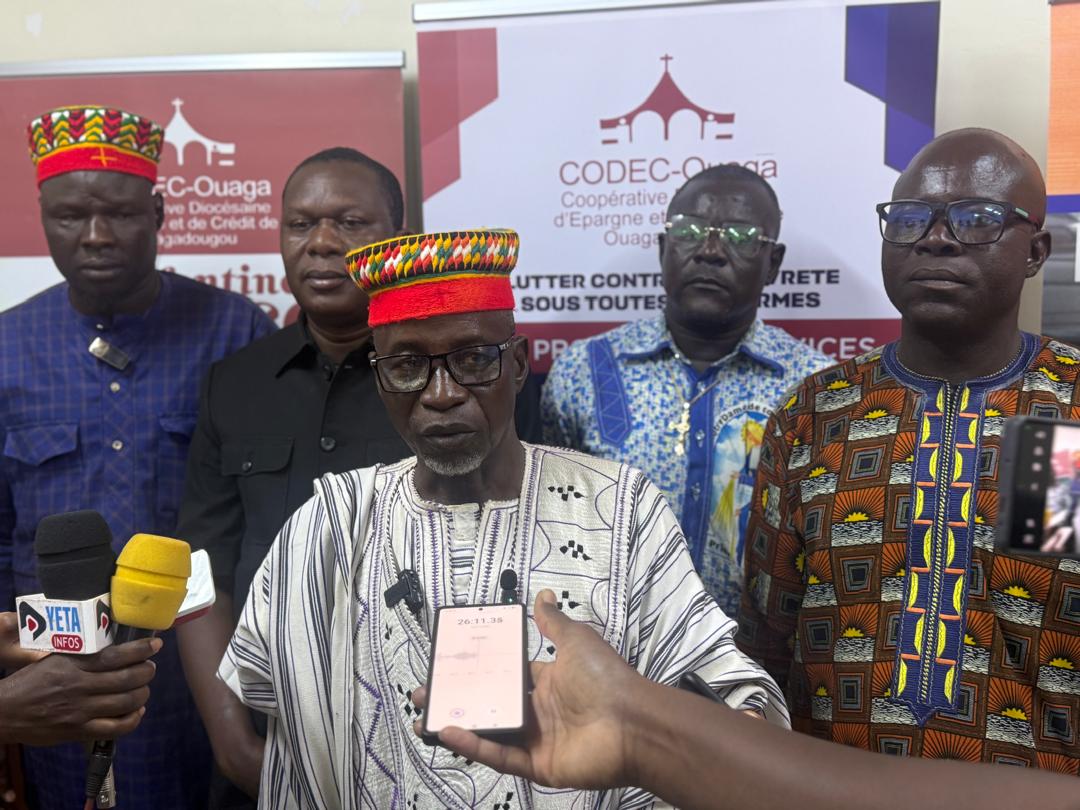
Les avantages des services proposés par la CODEC-Ouaga
Au-delà de cette rencontre, la démarche de la CODEC-Ouaga témoigne d'une volonté de placer la proximité et l'accompagnement au cœur de son action. L'institution ne se limite pas à proposer des services financiers : elle met également l'accent sur l'éducation financière, la sensibilisation et l'accompagnement de ses membres afin de leur permettre de mieux gérer leur épargne et leurs financements.
Forte de près de 19 années d'expérience, la CODEC-Ouaga s'appuie aujourd'hui sur un réseau de 10 agences interconnectées. Portée par l'Église Famille de Ouagadougou depuis 2007, elle revendique trois valeurs essentielles dans son fonctionnement : la sécurité, la transparence et la fiabilité.
À travers la tontine CODECO, l'institution mise notamment sur une épargne accessible et une collecte de proximité. La mise minimale est fixée à 500 francs CFA, sur une cotisation de 31 jours renouvelables. Pour les mises à partir de 20 000 francs CFA, la commission est plafonnée à 20 000 francs CFA. La CODEC-Ouaga propose également des possibilités d'accompagnement financier pouvant atteindre 2 millions de francs CFA, sans garantie matérielle.
D'autres rencontres sont prévues afin de consolider davantage le partenariat entre la CODEC-Ouaga et les acteurs des marchés et yaars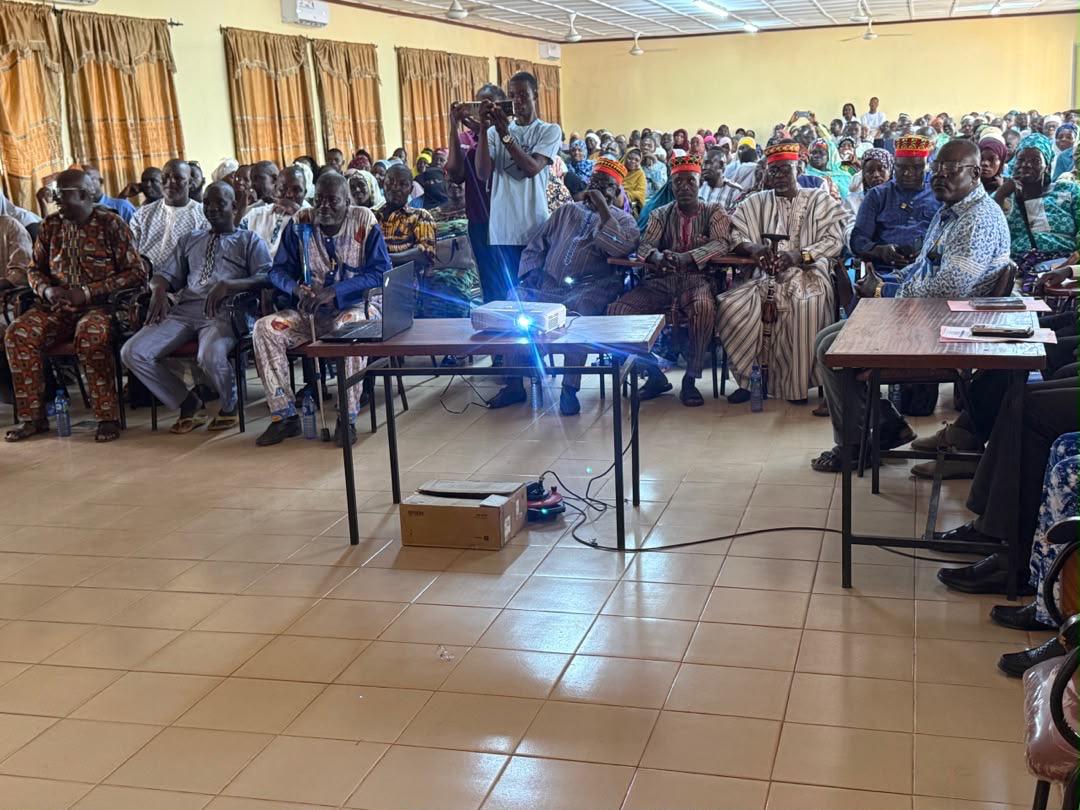
Sur le terrain, les tontinières assurent la collecte directement dans les marchés et yaars grâce à des terminaux de paiement électronique. Elles sont sélectionnées, formées et encadrées afin de garantir un service de proximité répondant aux exigences de l'institution. La sécurité de l'épargne constitue également un axe majeur, avec un dispositif permettant au client d'être le seul à pouvoir effectuer le retrait de son épargne.
La CODEC-Ouaga poursuit en outre sa modernisation avec un projet de digitalisation de ses services. Une future application mobile doit notamment permettre l'adhésion et le suivi de l'épargne en temps réel, renforçant ainsi l'accessibilité et la transparence des services proposés.
- Lire aussi : Burkina/Microfinance : LA CODEC Ouaga confirme son leadership à travers son résultat positif
À travers ces différentes initiatives, la CODEC-Ouaga cherche à se positionner comme un partenaire financier de proximité pour les commerçants, en tenant compte de leurs réalités quotidiennes. Son ancrage dans la capitale, son expérience, son réseau d'agences et sa volonté de maintenir un dialogue régulier avec ses membres constituent autant d'atouts pour accompagner les acteurs économiques dans leurs activités.
La CODEC-Ouaga est une institution de microfinance portée par l'Église Famille de Ouagadougou.
Créée en 2007, elle œuvre dans l'épargne, le crédit et l'accompagnement financier de ses membres. Avec près de deux décennies d'expérience et un réseau d'agences interconnectées, elle poursuit sa mission autour de la sécurité, de la transparence et de la fiabilité, tout en développant des services de proximité et des solutions adaptées aux besoins des populations, notamment des commerçants des marchés et yaars.
SB
Dalila Ky (stagiaire)
Vidéo : Anita Zongo
Categories: Afrique
CAN féminine 2026: le Cameroun s'offre la finale face au Maroc, pays hôte
Après deux échecs consécutifs en finale, le Maroc a été éliminé dès les demi-finales par le Cameroun lors de la séance de tirs au but (0-0, 3 tab à 1). Les Camerounaises affronteront le Malawi, tombeur de l'Algérie (3-1) quelques heures plus tôt, dimanche 16 août pour le titre.
Categories: Afrique
Les banques africaines choisissent Paris comme porte d'entrée vers l'Europe [4/5]
Les banques africaines sont de plus en plus nombreuses à s'implanter sur la place financière parisienne. Si le Brexit a accéléré l'arrivée de certains établissements, le retrait progressif de banques françaises du continent africain crée aussi de nouvelles opportunités pour ces acteurs, qui cherchent à faire fructifier les entreprises entre l'Europe et l'Afrique.
Categories: Afrique
Trafic de cocaïne au Sahel : comment le corridor Mali-Niger-Libye alimente l’Europe
Mali Actu - maliactu.net - Mali Actualités, Les Actus et Informations sur le Mali
Mali Actu
Trafic de cocaïne au Sahel : comment le corridor Mali-Niger-Libye alimente l’Europe
Le Mali face à l'explosion du trafic de cocaïne : 1 466 kg saisis en 2023, un corridor stratégique vers l'Europe et l'implication des groupes armés.
Trafic de cocaïne au Sahel : comment le corridor Mali-Niger-Libye alimente l’Europe
Mali Actu :
Trafic de cocaïne au Sahel : comment le corridor Mali-Niger-Libye alimente l’Europe
Categories: Afrique
Les actrices des luttes anticoloniales: Andrée Blouin, influente conseillère et mobilisatrice de réseaux féminins [4/10]
La suite de notre série sur les actrices oubliées de la décolonisation. Nous nous penchons aujourd'hui sur le parcours d'Andrée Blouin, enfant métisse née en Centrafrique, qui a fait ses premiers pas en politique en Guinée et est devenue une influente conseillère de Patrice Lumumba au moment de l'indépendance du Congo. Le récit de Laurent Correau.
Portraits des diasporas africaines: Christian-Brice Ondo, un éditeur gabonais dans la cour des grands [4/5]
Chirurgienne, patineuse, éditeur, pâtissier, leurs parcours singuliers racontent la France d’aujourd’hui, riche de ses talents et de ses diversités. Né(e)s ici ou venus d’ailleurs, ces femmes et ces hommes inspirent par leur engagement et leur réussite. Leurs portraits sont autant de modèles pour les générations futures. Dans ce quatrième épisode, le Gabonais Christian-Brice Ondo nous raconte comment à 51 ans il mène une carrière d'éditeur. Depuis 2021, il dirige sa propre maison d'édition, Obangame. À taille humaine. Sa particularité : éditer ses « coups de cœur » et surtout donner de la visibilité aux auteurs afro-descendants.
Categories: Afrique
Burkina/Coupures nocturnes d'électricité : La SONABEL apporte des éclaircissements
Les coupures d'électricité enregistrées ces dernières semaines durant la nuit dans plusieurs villes du Burkina s'expliquent par un phénomène naturel saisonnier. Dans une note d'information publiée le 11 août 2026 sur sa page Facebook, la Société nationale d'électricité du Burkina (SONABEL) a indiqué que les perturbations constatées dans les régions du Nazinon, du Djôrô, du Yaadga et du Nando sont principalement liées à la migration massive de chauves-souris frugivores, communément appelées roussettes.
La SONABEL explique que ces mammifères volants se déplacent en grands essaims pendant la nuit, notamment entre 20 heures et 5 heures du matin. Au cours de leurs déplacements, ils entrent fréquemment en contact avec les lignes électriques moyenne tension, provoquant des courts-circuits à l'origine des interruptions temporaires de la fourniture d'électricité.
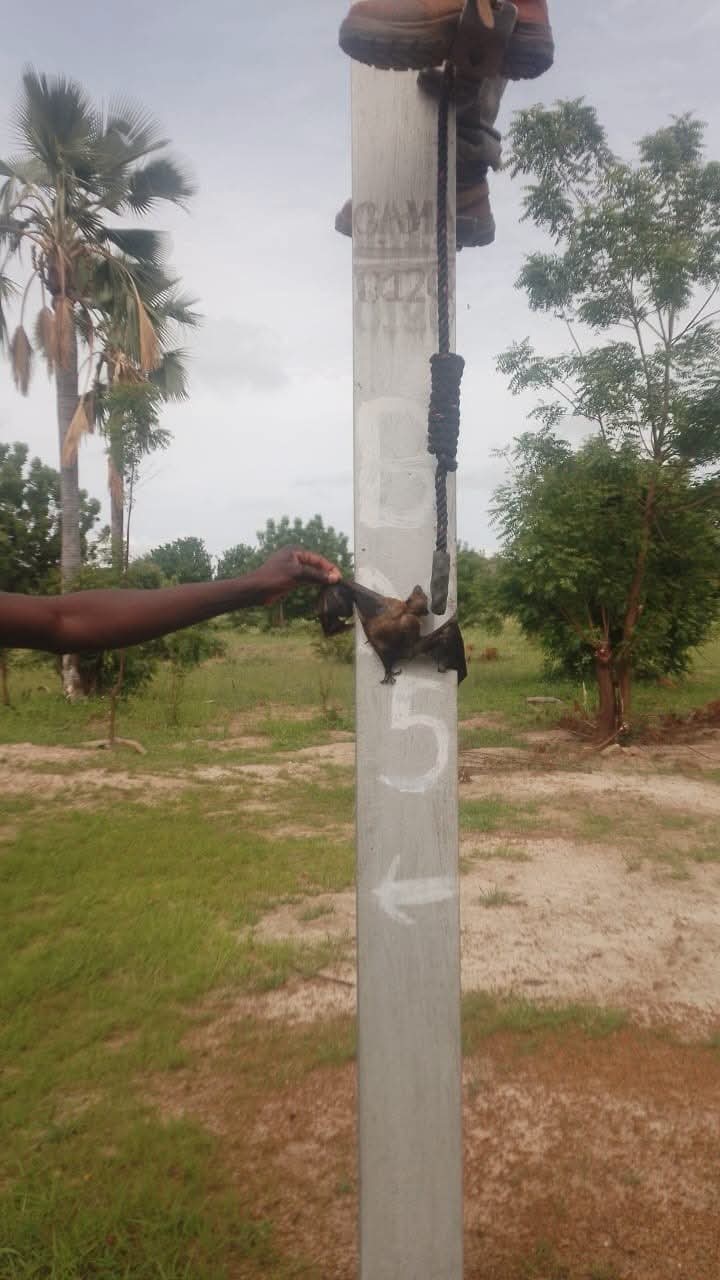
Face à cette situation, la SONABEL assure que ses équipes d'intervention restent mobilisées et en état d'alerte permanente. Des patrouilles sont régulièrement déployées afin d'identifier les zones touchées, procéder aux réparations nécessaires et rétablir le courant dans les meilleurs délais. La SONABEL précise également que ses services techniques travaillent activement à la mise en œuvre de solutions durables pour limiter l'impact de ce phénomène environnemental récurrent sur le réseau électrique.
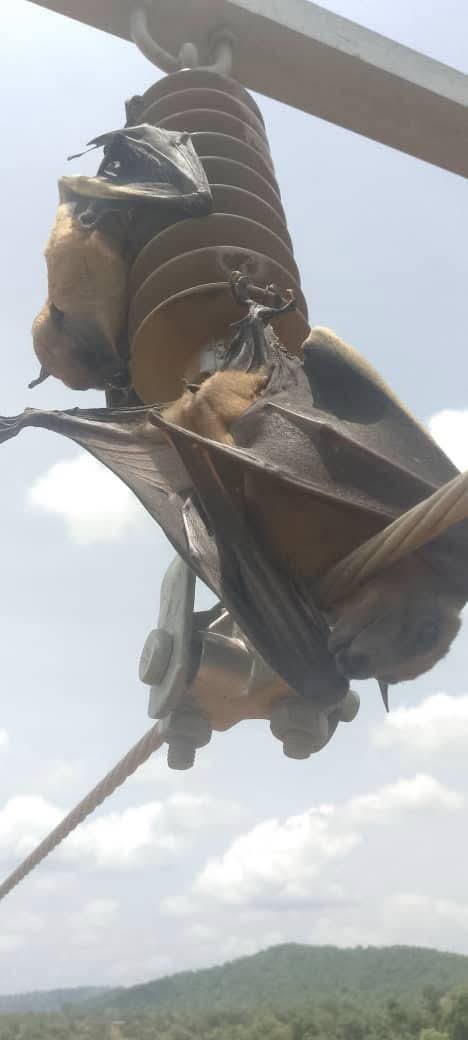
Tout en présentant ses excuses aux abonnés pour les désagréments occasionnés, la SONABEL souligne que ces perturbations sont indépendantes de sa volonté et remercie les usagers pour leur compréhension et leur confiance. Pour tout signalement d'anomalie ou demande d'information, les abonnés peuvent contacter le Centre d'appels de la SONABEL au 80 00 11 30.
Lefaso.net
Source : Page Facebook SONABEL
Categories: Afrique
FEMAFOOT en crise : 600 000 dollars bloqués par la FIFA, le football malien sous tension
Mali Actu - maliactu.net - Mali Actualités, Les Actus et Informations sur le Mali
Mali Actu
FEMAFOOT en crise : 600 000 dollars bloqués par la FIFA, le football malien sous tension
La FEMAFOOT en pleine tourmente financière : 600 000 dollars de subvention FIFA bloqués à cause de comptes non audités. Le président Cissé sonne l'alerte.
FEMAFOOT en crise : 600 000 dollars bloqués par la FIFA, le football malien sous tension
Mali Actu :
FEMAFOOT en crise : 600 000 dollars bloqués par la FIFA, le football malien sous tension
Categories: Afrique
Football : une victoire qui galvanise toute une équipe et ses supporters
Mali Actu - maliactu.net - Mali Actualités, Les Actus et Informations sur le Mali
Mali Actu
Football : une victoire qui galvanise toute une équipe et ses supporters
Découvrez comment une victoire marquante au football peut renforcer la cohésion d'une équipe et électriser ses supporters au Mali.
Football : une victoire qui galvanise toute une équipe et ses supporters
Mali Actu :
Football : une victoire qui galvanise toute une équipe et ses supporters
Categories: Afrique
Dembélé entre en jeu : le coup d’accélérateur que tout le monde attendait
Mali Actu - maliactu.net - Mali Actualités, Les Actus et Informations sur le Mali
Mali Actu
Dembélé entre en jeu : le coup d’accélérateur que tout le monde attendait
Ousmane Dembélé entre en jeu en seconde mi-temps pour le Barça. Découvrez comment cette entrée pourrait changer la donne et relancer son équipe.
Dembélé entre en jeu : le coup d’accélérateur que tout le monde attendait
Mali Actu :
Dembélé entre en jeu : le coup d’accélérateur que tout le monde attendait
Categories: Afrique
Les 5 numéros du tirage DIGITAL 20H
Résultats du tirage "DIGITAL 20H" N°224 du Mercredi 12 Août 2026
JEU DIGITAL Loto5/90
Les numéros tirés :
42 • 36 • 59 • 41 • 35
A jouer dans les centres jeux, les points de validation et sur mobile en composant *590# ou lnbloto.bj
Categories: Afrique
LOTO STAR : Tirage de 18H du mercredi 12 août
Tirage LOTO STAR 18H N°096 Mercredi 12 août 2026
83.• 38 • 29 • 90 • 57

Rendez-vous à 20H pour le prochain tirage.
Jouez avec modération et responsabilité. Le jeu doit rester un plaisir.
Categories: Afrique
Kasaï-Oriental : la société civile de Tshilenge dénonce une recrudescence des viols sur mineures
Le cadre de concertation de la société civile du territoire de Tshilenge, dans la province du Kasaï-Oriental, tire la sonnette d’alarme face à la multiplication des violences sexuelles visant les filles mineures. Selon cette structure citoyenne, au moins sept cas de viol ont été enregistrés en moins de quinze jours.
Categories: Afrique
Appel à candidatures pour l'admission en Licence au titre de l'année universitaire 2026-2027
Le Président de l'Université Thomas SANKARA (UTS) informe le public (étudiants et travailleurs) du recrutement d'auditeurs en Licences professionnelles niveau 1 & 3 (L1&L3) à former à l'Institut Universitaire de Formations Initiale et Continue (IUFIC) au titre de l'année universitaire 2026-2027. Sont concernés, les cursus suivants :
Licence 1 (en régime cours du jour à partir de 8 heures)
• Sociologie de la Santé ;
• Finance-Comptabilité-Contrôle (FCC) ;
Licence 3 (en régime cours du soir à partir de 17 heures)
• Finance-Comptabilité-Contrôle (FCC) ;
• Science Politique ;
• Gestion des Ressources Humaines (GRH) ;
• Protection et Droits de l'Enfant (PDE) ;
• Fiscalité.
I. DUREE DE LA FORMATION
Les formations se dérouleront sur un (1) an, soit deux (02) semestres par niveau (semestre 1 et semestre 2 pour L1 et semestres 5 et 6 pour L3).
II. CONDITIONS D'ACCES
• L'accès à la Licence 1 est ouvert aux étudiants titulaires du BAC A4, D, C pour le cursus Sociologie de la Santé ;
• L'accès à la Licence 1 est ouvert aux étudiants titulaires du BAC G2, D, C pour le cursus Finance-Comptabilité-Audit ;
• L'accès à la licence (L3) est ouvert aux étudiants ayant validé la deuxième année (L2) de licence en sciences économiques, en gestion, ou tout autre diplôme reconnu équivalent pour le cursus Finance-Comptabilité-Contrôle (FCC) ;
• L'accès à la licence (L3) est ouvert aux étudiants ayant validé la deuxième année (L2) de licence en sciences économiques, en gestion, en sciences juridiques, ou tout autre diplôme reconnu comme équivalent pour les cursus suivants :
– Fiscalité ;
– Gestion des Ressources Humaines (GRH) ;
• L'accès à la licence (L3) est ouvert aux étudiants ayant validé la deuxième année (L2) de licence en sciences juridiques, sciences politiques, en sciences économiques, en gestion, ou tout autre diplôme reconnu comme équivalent pour le cursus Sciences politiques.
• L'accès à la licence (L3) est ouvert aux étudiants ayant validé la deuxième année (L2) de licence en sciences humaines, en sciences juridiques, sciences politiques, en sciences économiques, en gestion, ou tout autre diplôme reconnu comme équivalent pour le cursus Protection et Droits de l'Enfant (PDE).
III. COÛT DE LA FORMATION :
Licence 1 :
Frais d'inscription (payable du 15 septembre au 30 octobre 2026 sur la plateforme Campus Faso) :
51500 F CFA
252 000 CFA pour les ressortissants Zone hors UEMOA.
Frais de formation :
300 000 FCFA
Paiement en trois (3) tranches (sur la plateforme Campusfaso par FasoArzeka) selon les modalités suivantes :
– 101 500 FCFA au début du mois d'octobre 2026
– 101 500 FCFA au mois de décembre 2026
– 101 500 FCFA au mois de janvier 2026
Licence 3 :
Frais d'inscription (payable du 15 septembre au 30 octobre 2026 sur la plateforme Campus Faso) :
51 500 FCFA pour les ressortissants des pays de l'UEMOA
252 000 CFA pour les ressortissants Zone hors UEMOA.
• Frais de formation :
506 000 FCFA
Paiement en quatre (4) tranches (sur la plateforme Campusfaso par par FasoArzeka) selon les modalités suivantes :
– 201 500 FCFA au début du mois d'octobre 2026
– 101 500 FCFA au mois de décembre 2026
– 101 500 FCFA au mois de février 2027
– 101 500 FCFA au mois d'avril 2027
IV. MODALITES DE CANDIDATURE :
• Dossier de candidature à déposer en ligne sur la plateforme www.campusfaso.bf à travers le menu “Candidature”, comprenant les pièces suivantes :
Copie légalisée de de l'attestation du BAC/diplôme du BAC et son relevé de notes ;
Extrait d'acte de naissance (PDF) ;
Curriculum Vitae (CV) détaillé (PDF) ;
Copie certifiée conforme de la CNIB ;
Les copies légalisées des relevés de notes des semestres S1, S2, S3 et S4 et de l'attestation du DEUG ou de l'attestation de niveau BAC+2 (scannées dans un seul fichier au format PDF) pour les candidats à la Licence
3.
Lettre de motivation
• Créer son Identifiant National d'Etudiant (INE) pour ceux qui n'en disposent pas sur la plateforme www.campusfaso.bf en cliquant sur « Ouvrir mon compte » puis sur le menu « inscription ancien bac » pour les nationaux ou sur « bac étranger » pour les non nationaux.
• Frais de dossier non remboursables d'un montant de quinze mille cinq cents (15 500) Francs CFA, payables via la plateforme www.campusfaso.bf par Coris Money, Moov Money ou Orange Money.
Dépôt de dossier : du 1er août au 10 septembre 2026 ;
Sélection de dossiers et Publication des résultats : 15 septembre 2026 ;
Début des cours : octobre 2026.
N.B. Les enseignements se dérouleront en présentiel, (en soir pour les L3 et en jour à partir de 8h00 pour les L1) du lundi au vendredi de 17 heures à 21 heures (pour les L3) et les samedis à partir de 08 heures. Les horaires de cours peuvent être réajustés en fonction des circonstances.
Pour de plus amples informations, veuillez consulter le site de l'UTS www.uts.bf et la page Facebook de l'IUFC.
Pr T. Didier ZOUNGRANA
Professeur titulaire en Economie
Categories: Afrique
Appel à candidatures pour l'admission en master niveau 2 au titre de l'année universitaire 2026-2027
Appel à candidatures pour l'admission en master niveau 2 au titre de l'année universitaire 2026-2027
Le Camarade Président de l'Université Thomas SANKARA (UTS) informe le public (étudiants et travailleurs) du recrutement d'auditeurs en Master professionnel niveau 2 à former à l'Institut Universitaire de Formations Initiale et Continue (IUFIC) au titre de l'année universitaire 2026-2027. Sont concernés, les cursus suivants :
• Conseil Juridique d'Entreprise (CJE) ;
• Droit des Affaires et Fiscalité (DAF) ;
• Droit Pénal et Sciences Criminelles (DPSC) ;
• Executive Master of Business Administration (Executive MBA) ;
• Finance Comptabilité Contrôle (FCC) ;
• Finance Quantitative et Gestion des Risques Financiers (FQGRF) ;
• Intelligence Economique et Développement International (IEDI) ;
• Politique de Développement et Gestion des Industries Extractives (PDGIE) ;
• Ingénierie Statistique de l'Environnement (ISE) ;
• Développement Local et Gestion des Collectivités Territoriales (DevLoc) ;
• Energies Renouvelables, Développement et Economie Verte (ERDEV)
• Protection et Droits de l'Enfant (PDE) ;
• Droit et Politique de l'Environnement (DPE) ;
• Gestion des ressources humaines (GRH) ;
• Management des projets (MP) en Co diplomation avec l'Université Senghor d'Alexandrie.
I. DUREE DE LA FORMATION
Les formations se dérouleront sur un (1) an, soit deux (02) semestres (semestre 1 et semestre 2).
II. CONDITIONS D'ACCES
• Être titulaire d'un master 1 ou équivalent en sciences juridiques option droit privé pour les cursus suivants :
Conseil Juridique d'Entreprise (CJE) ;
Droit Pénal et Sciences Criminelles (DPSC) ;
Droit des Affaires et Fiscalité (DAF).
• Être titulaire d'un master 1 ou équivalent en sciences économiques ou sciences de gestion pour les cursus suivants :
Finance Comptabilité Contrôle (FCC) ;
Finance Quantitative et Gestion des Risques Financiers (FQGRF).
• Être titulaire d'un master 1 ou équivalent en sciences politiques, sciences économiques, sciences de gestion, sciences humaines ou sciences de l'information et de la communication pour le cursus Intelligence Economique et Développement International (IEDI).
• Être titulaire d'un master 1 ou équivalent en sciences humaines, sciences juridiques, sciences politiques ou sciences économiques pour les cursus ci-après :
Politique de Développement et Gestion des Industries Extractives (PDGIE) ;
Développement Local et Gestion des Collectivités Territoriales (DevLoc) ;
Energies Renouvelables, Développement et Economie Verte (ERDEV) ;
Protection et Droits de l'Enfant (PDE) ;
Droit et Politique de l'Environnement (DPE) ;
Gestion des Ressources humaines.
• Être titulaire d'un master 1 ou équivalent en sciences économiques, sciences de gestion, sciences humaines, sciences exactes et appliquées pour le cursus Ingénierie Statistique de l'Environnement (ISE).
• Être titulaire d'un master 1 ou équivalent en sciences juridiques, sciences économiques ou sciences de gestion dans le cursus Exécutive Master of Business Administration (Exécutive MBA).
• Être titulaire d'un Master 1 ou Maîtrise validé dans un domaine correspondant à la spécialité et délivré par une institution reconnue par le CAMES ;
L'admission est également possible pour l'Université Senghor par validation des acquis professionnels et personnels à partir de trois (03) ans d'expérience pour les candidats titulaires d'un bac+3 validé ; dans ce cas seul le diplôme de master de l'Université Senghor sera délivré.
III. COÛT DE LA FORMATION :
• Frais d'inscription (payable du 15 septembre au 30 octobre 2026 sur la plateforme Campus Faso) :
51 500 FCFA pour les ressortissants des pays de l'UEMOA ;
252000 CFA pour les ressortissants Zone hors UEMOA.
• Frais de formation :
1 712 000 FCFA pour le cursus Exécutive MBA et Management des Projets ;
856 000 FCFA pour les autres Masters ;
Paiement en quatre (4) tranches (sur la plateforme www.campusfaso.bf par FasoArzéka) selon les modalités suivantes :
IV. MODALITES DE CANDIDATURE :
• Dossier de candidature à déposer en ligne sur la plateforme www.campusfaso.bf à travers le menu “Candidature”, comprenant les pièces suivantes :
Copie légalisée de l'attestation du BAC/Diplôme du BAC ;
Photocopies légalisées de l'attestation de la maitrise, de l'attestation de niveau master 1 ou tout autre diplôme équivalent et des relevés de notes de la licence 1 au M1 ou de la première à la quatrième année (scannées dans un seul fichier au format PDF) ;
Curriculum Vitae (en PDF) ;
Extrait d'acte de naissance
Certificat de nationalité
Lettre de motivation
Copie certifiée conforme de la CNIB
• Créer son Identifiant National d'Etudiant (INE) pour ceux qui n'en disposent pas sur la plateforme www.campusfaso.bf en cliquant sur « Ouvrir mon compte » puis sur le menu « inscription ancien bac » pour les nationaux ou sur « bac étranger » pour les non nationaux.
• Frais de dossier non remboursables d'un montant de quinze mille cinq cents (15 500) Francs CFA, payables via la plateforme www.campusfaso.bf par Faso Arzeka à travers Coris Money, Moov Money ou Orange Money.
Dépôt de dossier : du 1er août au 10 septembre 2026 ;
Publication des résultats de sélection : 15 septembre 2026 ;
Début des cours : octobre 2026.
N.B. Les enseignements se dérouleront en présentiel, en soirée du lundi au vendredi de 17 heures à 21 heures et les samedis à partir de 08 heures. Les horaires de cours peuvent être réajustés en fonction des circonstances.
Pour de plus amples informations, veuillez consulter le site de l'UTS www.uts.bf et la page Facebook de l'IUFIC.
Pr T. Didier ZOUNGRANA
Professeur titulaire en Economie
Categories: Afrique
Appel à candidatures pour l'admission en master niveau 1 au titre de l'année universitaire 2026-2027
Le Camarade Président de l'Université Thomas SANKARA (UTS) informe le public (étudiants et travailleurs) du recrutement d'auditeurs en Master professionnel niveau 1 à former à l'Institut Universitaire de Formations Initiale et Continue (IUFIC) au titre de l'année universitaire 2026-2027. Sont concernés, les cursus suivants :
• Intelligence Economique et Développement International (IEDI) ;
• Droit des Affaires et Fiscalité (DAF) ;
• Développement Local et Gestion des Collectivités Territoriales (DevLoc) ;
• Energies Renouvelables, Développement et Economie Verte (ERDEV) ;
• Finance Comptabilité Contrôle (FCC) ;
• Finance Quantitative et Gestion des Risques Financiers (FQGRF) ;
• Ingénierie Statistique de l'Environnement (ISE) ;
• Politique de Développement et Gestion des Industries Extractives (PDGIE) ;
• Protection et Droits de l'Enfant (PDE) ;
• Droit et Politique de l'Environnement (DPE) ;
• Droit Pénal et Sciences Criminelles (DPSC)
• Conseil Juridique d'Entreprise (CJE)
• Marketing et Gestion (MG)
I. DUREE DE LA FORMATION
Les formations se dérouleront sur un (1) an, soit deux (02) semestres (semestre 1 et semestre 2).
II. CONDITIONS D'ACCES
• Être titulaire d'un diplôme de licence en sciences juridiques ou tout autre diplôme admis en équivalence, pour les cursus suivants :
– Droit des Affaires et Fiscalité (DAF) ;
– Droit Pénal et Sciences Criminelles (DPSC) ;
– Conseil Juridique d'Entreprise (CJE).
• Être titulaire d'un diplôme de licence en sciences économiques ou sciences de gestion ou tout autre diplôme admis en équivalence, pour les cursus suivants :
– Finance Comptabilité Contrôle (FCC) ;
– Finance Quantitative et Gestion des Risques Financiers (FQGRF).
• Être titulaire d'un diplôme de licence en sciences politiques, sciences économiques, sciences de gestion, sciences humaines, sciences de l'information et de la communication ou tout autre diplôme admis en équivalence, pour le cursus Intelligence Economique et Développement International (IEDI).
• Être titulaire d'un diplôme de licence en sciences humaines, sciences juridiques, sciences politiques, sciences économiques ou tout autre diplôme admis en équivalence, pour les cursus ci-après :
Politique de Développement et Gestion des Industries Extractives (PDGIE) ;
Développement Local et Gestion des Collectivités Territoriales (DevLoc) ;
Energies Renouvelables, Développement et Economie Verte (ERDEV) ;
Protection et Droits de l'Enfant (PDE) ;
Droit et Politique de l'Environnement (DPE)
• Être titulaire d'une Licence ou équivalent en sciences économiques, sciences de gestion, sciences humaines, sciences exactes et appliquées, sciences de la vie et de la terre pour le cursus Ingénierie Statistique de l'Environnement (ISE).
III. COÛT DE LA FORMATION :
• Frais d'inscription (payable du 15 septembre au 30 octobre 2026 sur la plateforme Campus Faso) :
51 500 FCFA pour les ressortissants des pays de l'UEMOA ;
252000 CFA pour les ressortissants Zone hors UEMOA.
• Frais de formation :
856 000 FCFA
Paiement en quatre (4) tranches (sur la plateforme Campusfaso par Faso Arzeka) selon les modalités suivantes :
– 303.0000 CFA FCFA au plus tard 31octobre 2026 ;
– 191 500 F CFA FCFA au plus tard 31 décembre 2026 ;
– 191 500 F CFA FCFA au mois de février 2027 ;
– 171 500 FCFA F CFA au mois d'avril 2027.
IV. MODALITES DE CANDIDATURE :
• Dossier de candidature à déposer en ligne sur la plateforme www.campusfaso.bf à travers le menu “Candidature”, comprenant les pièces suivantes :
Copie légalisée de l'attestation du BAC/diplôme du BAC ;
Curriculum Vitae (CV) détaillé daté et signé avec photo (fichier unique en PDF) ;
Photocopies légalisées de l'attestation de licence et des relevés de notes de la licence 1 à la licence 3 (scannées dans un seul fichier PDF) ;
Extrait d'acte de naissance ;
Certificat de nationalité ;
Copie certifiée conforme de la CNIB.
• Créer son Identifiant National d'Etudiant (INE) pour ceux qui n'en disposent pas sur la plateforme www.campusfaso.bf en cliquant sur « Ouvrir mon compte » puis sur le menu « inscription ancien bac » pour les nationaux ou sur « bac étranger » pour les non nationaux ou bac étranger.
• Frais de dossier non remboursables d'un montant de quinze mille cinq cents (15 500) Francs CFA, payables via la plateforme www.campusfaso.bf par Coris Money, Moov Money ou Orange Money.
Dépôt de dossier : du 1er août au 10 septembre 2026 ;
Sélection de dossiers et publication des résultats : 15 septembre 2026 ;
Début des cours : octobre 2026
N.B. Les enseignements se dérouleront en présentiel, en soirée du lundi au vendredi de 17 heures à 21 heures et les samedis à partir de 8 heures. Les horaires de cours peuvent être réajustés en fonction des circonstances.
Pour de plus amples informations, veuillez consulter le site de l'UTS www.uts.bf et la page Facebook de l'IUFC.
Pr T. Didier ZOUNGRANA
Professeur titulaire en Economie
Categories: Afrique
On a changé l’étiquette sur la porte. Personne n’a changé de clés.
Vous êtes commerçante à Adawlato, enseignant à Sokodé, chauffeur à Kara, étudiante à Lomé, ou loin d’ici, dans la diaspora, à suivre le pays par téléphone. Peu importe d’où vous regardez : le constat est le même.
Depuis mai 2025, le pays a un président de la République. Il est censé accréditer les ambassadeurs, recevoir les diplomates, gracier à titre individuel.
C’est tout.
Le pouvoir réel, défense, sécurité, diplomatie, nominations, règlements, grâces collectives, appartient à un « président du Conseil », fonction créée sur mesure pour l’homme qui dirige le pays depuis vingt ans, après un père qui l’a dirigé trente-huit ans avant lui.
Un Sénat existe désormais. Sur soixante et un sièges, vingt sont nommés directement par ce même président du Conseil. Une chambre censée le contrôler, en partie choisie par lui.
Le 2 décembre dernier, il s’est présenté devant le Parlement pour son discours sur l’état de la nation. Face à lui, cent treize sièges, dont trois pour l’opposition.
Aucune séance de questions.
Aucun débat contradictoire.
Une chambre d’enregistrement, pas un contre-pouvoir.
Ce ne sont pas des opinions. Ce sont des chiffres qu’on peut vérifier, un à un.
On a rebaptisé la fonction. On n’a pas redistribué le pouvoir. C’est un même homme, dans le même fauteuil, avec un nouveau titre sur la porte du bureau.
Ce constat, l’essayiste Mohamed Madi Djabakate le documente avec précision dans son dernier texte. Ceux qui veulent aller plus loin dans les chiffres et les textes de loi le trouveront là-bas.
Le lien est en commentaire.
Un peuple qu’on habitue à regarder les titres finit par oublier de compter les mains qui tiennent réellement les clés.
Je suis Gnimdéwa Atakpama. Je raconte l’Afrique en griot, je l’analyse en stratège et je la défends en citoyen.
#Togo #EtatDeDroit #Democratie
The post On a changé l’étiquette sur la porte. Personne n’a changé de clés. appeared first on Togo Actualite - Premier site d'information du Togo.
Categories: Afrique
Zimbabwe : le lac Kariba en deuil après un naufrage meurtrier, l’état de catastrophe nationale déclaré
Mali Actu - maliactu.net - Mali Actualités, Les Actus et Informations sur le Mali
Mali Actu
Zimbabwe : le lac Kariba en deuil après un naufrage meurtrier, l’état de catastrophe nationale déclaré
Le Zimbabwe déclare l'état de catastrophe nationale après le naufrage d'un ferry surchargé sur le lac Kariba, faisant au moins 44 morts. Enquête et réformes urgentes annoncées.
Zimbabwe : le lac Kariba en deuil après un naufrage meurtrier, l’état de catastrophe nationale déclaré
Mali Actu :
Zimbabwe : le lac Kariba en deuil après un naufrage meurtrier, l’état de catastrophe nationale déclaré
Categories: Afrique
Pages



© 2012-2018 Europa Varietas Foundation © 2015-2018 Europa Varietas Association
www.europavarietas.org | info(@)europavarietas(dot)org | Switzerland




We are looking for sponsors for the English translation of these books, please contact turkeandras(at)gmail(dot)com