
Vous êtes ici
European Union
Video of a committee meeting - Tuesday, 1 September 2026 - 08:00 - Committee on Foreign Affairs
Length of video : 90'
Disclaimer : The interpretation of debates serves to facilitate communication and does not constitute an authentic record of proceedings. Only the original speech or the revised written translation is authentic.
Source : © European Union, 2026 - EP
Disclaimer : The interpretation of debates serves to facilitate communication and does not constitute an authentic record of proceedings. Only the original speech or the revised written translation is authentic.
Source : © European Union, 2026 - EP
Catégories: European Union
Video of a committee meeting - Tuesday, 1 September 2026 - 07:00 - Committee on Foreign Affairs - Committee on International Trade
Length of video : 60'
Disclaimer : The interpretation of debates serves to facilitate communication and does not constitute an authentic record of proceedings. Only the original speech or the revised written translation is authentic.
Source : © European Union, 2026 - EP
Disclaimer : The interpretation of debates serves to facilitate communication and does not constitute an authentic record of proceedings. Only the original speech or the revised written translation is authentic.
Source : © European Union, 2026 - EP
Catégories: European Union
Article - State of the European Union 2026: Follow the debate
MEPs will review current challenges and plans to tackle them with Commission President Ursula von der Leyen on 16 September 2026.
Source : © European Union, 2026 - EP
Source : © European Union, 2026 - EP
Catégories: European Union
Study - Focus on the High North: Upgrading the EU's Arctic policy and protecting the EU's interests in a rapidly evolving region - PE 783.620 - Committee on Foreign Affairs
The Arctic is undergoing its most profound transformation in recorded history, driven by rapid climate change and intensifying geopolitical competition. The European Union (EU) — connected to the region through three Member States, two European Economic Area partners, along with a significant environmental and economic footprint — faces defining questions: what kind of Arctic actor does it want to be and what can it realistically do? This paper not only evaluates the EU's 2021 Arctic policy against its three core priorities but also examines how existing elements can be strengthened and better connected to broader EU frameworks, identifying new and emerging priority areas for EU engagement in a geopolitically transformed Arctic. It argues that the EU's Arctic policy has consistently functioned as a composite umbrella rather than a directed strategy and that the 2026 update represents not just another opportunity to add a further layer, but a critical moment to define what the EU genuinely wants in the Arctic and act upon it.
Source : © European Union, 2026 - EP
Source : © European Union, 2026 - EP
Catégories: European Union
Der größte Campingplatz Europas: Ein Abenteuer
Europas größter Campingplatz verspricht ein aufregendes Abenteuer, das mit seiner beeindruckenden Größe und Vielfalt jedem Besucher etwas Besonderes bietet. Egal, ob Sie ein leidenschaftlicher Camper oder ein Neuling sind, dieser Platz lässt Herzen höher schlagen. Eingebettet in eine malerische Landschaft, ist es ein wahres Paradies für Naturliebhaber.
Die Ausstattung und Annehmlichkeiten des Campingplatzes sind modern und umfassend. Von luxuriösen Bädern bis hin zu gut ausgestatteten Stellplätzen wird hier jeder Wunsch erfüllt. Ein zusätzlicher Pluspunkt ist die Vielzahl von Freizeitmöglichkeiten, die keine Langeweile aufkommen lassen. Sportbegeisterte können sich beim Radfahren, Schwimmen oder Wandern austoben, während Familien vor allem die kinderfreundlichen Angebote schätzen werden.
Des Weiteren bieten sich zahlreiche abenteuerliche Ausflüge in die Umgebung an, die vom Campingplatz aus leicht zu erreichen sind. Ob kulturelle Entdeckungsreisen oder Naturerkundungen, die Region hält viele spannende Erlebnisse bereit. Und wenn der Hunger ruft, laden mehrere erstklassige Restaurants zu unvergesslichen Gourmet-Erlebnissen ein.
Das Wichtigste in Kürze- Größter Campingplatz Europas, umfassende Ausstattung und zahlreiche Unterkunftsmöglichkeiten.
- Malersiche Landschaft und ein Paradies für Naturliebhaber mit diversen Wander- und Radwegen.
- Modernste Ausstattungen: luxuriöse Sanitäranlagen, Restaurants, Supermärkte, Wellness- und Sporteinrichtungen.
- Vielseitige Freizeitaktivitäten: Klettern, Wassersport, geführte Touren und familienfreundliche Angebote.
- Einzigartige Naturerlebnisse und kulinarische Genüsse aus internationalen und lokalen Küchen.
Der größte Campingplatz Europas erstreckt sich über eine beeindruckende Fläche, die mit einer Vielzahl von verschiedenen Unterkunftsmöglichkeiten aufwartet. Von gut ausgestatteten Stellplätzen für Zelte und Wohnmobile bis hin zu luxuriösen Mobilheimen und Chalets – hier findet jeder Gast genau das Richtige. Die landschaftliche Vielfalt des Geländes ist atemberaubend; zahllose Wander- und Radwege führen durch verschiedene Landschaftstypen, was Naturliebhabern ein breites Spektrum an Entdeckungen ermöglicht.
Ein weiteres Highlight ist die Mischung aus naturnahen Erlebnissen und modernster Ausstattung. Ob Sie einen ruhigen Rückzugsort oder spannende Aktivitäten suchen, bei einem Aufenthalt auf diesem einzigartigen Campingplatz wird Ihnen garantiert nicht langweilig.
Lesetipp: Läden in der Europa Passage: Shoppingtipps
Ein Paradies für Naturliebhaber Der größte Campingplatz Europas: Ein AbenteuerDer größte Campingplatz Europas ist ein wahres Paradies für Naturliebhaber.
Umgeben von atemberaubenden Landschaften bietet dieser riesige Campingplatz unzählige Möglichkeiten, die Natur zu genießen. Von wandernden Pfaden durch dichte Wälder bis hin zu malerischen Seen, wo Sie die Schönheit der Umgebung bestaunen können. Die Vielfalt an Flora und Fauna wird Sie beeindrucken und inspirieren.
Die Natur allein ist unendlich reich, und Sie allein bildet den großen Künstler. – Johann Wolfgang von Goethe
Modernste Ausstattung und AnnehmlichkeitenDer größte Campingplatz Europas bietet eine beeindruckende Vielfalt an modernsten Ausstattungen und Annehmlichkeiten, um Ihren Aufenthalt so angenehm wie möglich zu gestalten. Unter den vielen Einrichtungen finden Sie großzügige Sanitäranlagen mit Privateinrichtungen, die für ein Höchstmaß an Privatsphäre sorgen. Wunderschön angelegte Swimmingpools laden zum Entspannen ein, während Sportbegeisterte vielfältige Angebote wie Tennisplätze, Fitnessstudios und Fahrradverleih nutzen können. Für das leibliche Wohl ist ebenfalls bestens gesorgt: Zahlreiche Restaurants bieten kulinarische Genüsse aus aller Welt. Darüber hinaus stehen modern ausgestattete Supermärkte und Boutiquen zur Verfügung, um Ihnen alles Notwendige direkt vor Ort anzubieten.
Zahlreiche FreizeitmöglichkeitenDer größte Campingplatz Europas bietet eine Fülle von Freizeitaktivitäten für jeden Geschmack. Für Abenteuerlustige gibt es Kletterparks und Wassersportarten, während Ruhesuchende auf den zahlreichen Wander- und Radwegen die Natur erkunden können. Kinder können sich in speziellen Spielbereichen vergnügen, und Erwachsene genießen Ruhe und Entspannung in modernen Wellness-Einrichtungen.
Zum Weiterlesen: Europa Tabellenbuch Metall: Ihr Wissensspeicher
.table-responsiv {width: 100%;padding: 0px;margin-bottom: 0px;overflow-y: hidden;border: 1px solid #DDD;overflow-x: auto;min-height: 0.01%;} Aktivität Beschreibung Geeignet für Radfahren Erkunden Sie die malerischen Radwege durch Wälder und an Seen entlang Familien, Sportbegeisterte Klettern Nehmen Sie eine Herausforderung im Kletterpark an Abenteurer, Jugendliche Aquafitness Genießen Sie entspannende und gesunde Aktivitäten im Pool Erwachsene, Senioren Abenteuerliche Ausflüge in die Umgebung Abenteuerliche Ausflüge in die Umgebung – Der größte Campingplatz Europas: Ein AbenteuerWenn Sie auf dem größten Campingplatz Europas verweilen, sollten Sie sich die abenteuerlichen Ausflüge in die Umgebung nicht entgehen lassen. Das weitläufige Gelände bietet zahlreiche Wander- und Radwege, die durch atemberaubende Landschaften führen.
Ein Höhepunkt sind sicherlich die geführten Touren, bei denen Sie die Möglichkeit haben, seltene Tierarten zu beobachten und mehr über die örtliche Flora und Fauna zu erfahren. Packen Sie Ihr Fernglas ein und seien Sie bereit für unvergessliche Momente!
Wassersportliebhaber kommen ebenfalls auf Ihre Kosten: Die nahegelegenen Seen und Flüsse laden zum Kanufahren, Angeln und Schwimmen ein. Für Abenteuerlustige gibt es auch Angebote wie Klettern, Paragliding und Reitausflüge, die das Adrenalin in die Höhe treiben.
Planen Sie einen Tagesausflug in eine der umliegenden Städte oder Dörfer, um lokale Kultur und Geschichte hautnah zu erleben. Die Region ist reich an historischen Stätten, Museen und traditionellen Märkten, die darauf warten, von Ihnen entdeckt zu werden.
Weiterführendes Material: Schöne Länder in Europa: Ihre Reiseziele
Familientauglichkeit besonders betontDer größte Campingplatz Europas ist besonders familienfreundlich gestaltet. Hier finden Sie eine Vielzahl von Angeboten und Aktivitäten, die speziell auf Kinder ausgerichtet sind. Von Abenteuerspielplätzen über betreute Kinderclubs bis hin zu spannenden Freizeitprogrammen sorgt der Campingplatz dafür, dass sich Ihre ganze Familie wohlfühlt. Eltern können entspannen, während die Kleinen sicher und glücklich beschäftigt sind. Verschiedene Unterbringungsmöglichkeiten, wie geräumige Zelte, Mobilheime und Ferienhäuser, bieten genügend Platz für Familien mit Kindern jeden Alters.
Gourmet-Erlebnisse in verschiedenen RestaurantsDer größte Campingplatz Europas bietet auch für Feinschmecker ein unvergleichliches kulinarisches Erlebnis. In den zahlreichen Restaurants können Sie sich auf eine große Auswahl an internationalen und lokalen Gerichten freuen. Ob Sie nun Fischspezialitäten am See genießen oder typische regionale Küche probieren möchten, es ist für jeden Geschmack etwas dabei.
Einzigartige Erlebnisse im Herzen der NaturDer größte Campingplatz Europas bietet Ihnen einzigartige Erlebnisse, die Sie mitten in der Natur erleben können. Genießen Sie bei einer Wanderung durch dicht bewaldete Pfade das beruhigende Plätschern eines nahen Flusses oder lassen Sie sich bei einem Spaziergang am frühen Morgen von den ersten Sonnenstrahlen verzaubern, die durch das Blätterdach dringen.
Für Abenteuerlustige gibt es auch spannende Aktivitäten wie geführte Wildtierbeobachtungen oder aufregende Kanutouren auf malerischen Seen und Flüssen. Abends können Sie dann den Tag gemütlich mit einem Lagerfeuer ausklingen lassen und dabei die Sterne beobachten.
FAQ: Antworten auf häufig gestellte Fragen Gibt es WLAN auf dem Campingplatz? Ja, es gibt auf dem gesamten Campingplatz WLAN, das in den Übernachtungskosten inbegriffen ist. An einigen Orten kann es jedoch zu schwankenden Signalstärken kommen. Sind Haustiere erlaubt? Ja, Haustiere sind auf dem Campingplatz erlaubt. Es gibt spezielle Zonen und Stellplätze, die für Gäste mit Haustieren vorgesehen sind. Außerdem gibt es zahlreiche Spazierwege und spezielle Einrichtungen für Hunde. Gibt es Einkaufsmöglichkeiten auf dem Campingplatz? Ja, es gibt mehrere Supermärkte und Boutiquen auf dem Campingplatz, die eine große Auswahl an Lebensmitteln, Campingbedarf und Souvenirs anbieten. Kann man Fahrräder auf dem Campingplatz leihen? Ja, es gibt auf dem Campingplatz einen Fahrradverleih, bei dem Sie Mountainbikes, E-Bikes und Kinderräder mieten können. Reservierungen sind empfehlenswert, insbesondere in der Hochsaison. Welche Zahlungsmethoden werden akzeptiert? Auf dem Campingplatz werden gängige Zahlungsmethoden akzeptiert, darunter Bargeld, EC-Karten und gängige Kreditkarten wie Visa und MasterCard. Einige Restaurants und Geschäfte akzeptieren ebenfalls kontaktlose Zahlungen. Gibt es medizinische Versorgung auf dem Campingplatz? Ja, auf dem Campingplatz gibt es eine medizinische Station sowie einen 24-Stunden-Notrufdienst. Das nächstgelegene Krankenhaus ist etwa 15 Minuten entfernt. Wie sieht es mit der Barrierefreiheit aus? Der Campingplatz ist weitgehend barrierefrei gestaltet. Es gibt spezielle Stellplätze und Unterkünfte für Menschen mit Behinderungen sowie barrierefreie Sanitäranlagen und Zugänge zu den wichtigsten Einrichtungen. Werden auch Glamping-Optionen angeboten? Ja, der Campingplatz bietet auch Glamping-Optionen an. Dies umfasst luxuriöse Zelte und Mobilheime mit allem Komfort, den Sie von einem hochwertigen Hotel erwarten würden. Kann man Lagerfeuer machen? Ja, es gibt ausgewiesene Bereiche auf dem Campingplatz, in denen Lagerfeuer erlaubt sind. Feuerstellen und Grillplätze sind für die Gäste zugänglich und es gibt Feuerholz zu kaufen. Welche Sicherheitsmaßnahmen gibt es auf dem Campingplatz? Der Campingplatz wird rund um die Uhr von einem Sicherheitsteam überwacht. Es gibt Videoüberwachung an strategischen Punkten sowie gut beleuchtete Wege und Notrufnummern an mehreren Standorten.Der Beitrag Der größte Campingplatz Europas: Ein Abenteuer erschien zuerst auf Neurope.eu - News aus Europa.
Catégories: Balkan News, European Union
Albanien Karte Europa: Ihr Reiseführer
Willkommen zu Ihrem Reiseführer über Albanien, ein verborgenes Juwel in Europa. Dieses beeindruckende Land liegt im Südosten des Kontinents und grenzt an Montenegro, Kosovo, Nordmazedonien und Griechenland. Mithilfe einer detaillierten Karte können Sie die wunderbaren Städte und Landschaften dieses faszinierenden Landes entdecken.
Albanien bietet eine Vielzahl von Sehenswürdigkeiten, von der pulsierenden Hauptstadt Tirana bis zu den idyllischen Stränden entlang der Adriaküste. Wenn Sie die Hauptattraktionen kennen, sind Sie bestens gerüstet für Ihre Reiseplanung. Mit dieser umfassenden Anleitung laden wir Sie ein, Albaniens kulturelle Highlights und atemberaubende Naturschönheiten zu erkunden.
Das Wichtigste in Kürze- Albanien liegt auf der Balkanhalbinsel und hat kulturelle sowie historische Sehenswürdigkeiten.
- Tirana, Durres und Shkodra sind bedeutende Städte mit einzigartigen Attraktionen.
- Die albanische Natur bietet Strände, Berge und Seen wie Ksamil Beach und den Shkodrasee.
- Probieren Sie lokale Spezialitäten wie Börek, Tavë Kosi und Baklava.
- Reisen nach Albanien sind visumfrei für Aufenthalte unter 90 Tagen für deutsche Staatsbürger.
Albanien liegt im Südosten Europas und ist ein Land auf der Balkanhalbinsel. Es grenzt im Norden an Montenegro, im Nordosten an den Kosovo, im Osten an Nordmazedonien und im Süden an Griechenland. Im Westen grenzt Albanien an die Adria, während sich im Südwesten das Ionische Meer erstreckt. Diese strategische Lage ermöglicht es Reisenden, bequem von einem benachbarten Land zum anderen zu gelangen und bietet zugleich eine faszinierende Vielfalt an Landschaften.
Tirana, die Hauptstadt Albaniens, ist nicht nur das politische, sondern auch das kulturelle Zentrum des Landes und idealer Startpunkt für Ihre Reise. Ein Blick auf eine Albanien Karte Europa zeigt deutlich, wie zentral und günstig Tirana gelegen ist, um die vielfältigen Sehenswürdigkeiten des Landes zu erkunden.
Ergänzende Artikel: Europa Tabellenbuch Metall: Ihr Wissensspeicher
Sehenswerte Städte: Tirana, Durres, ShkodraAlbanien Karte Europa: Ihr ReiseführerDie Hauptstadt Tirana ist das pulsierende Herz des Landes. Hier finden Sie eine Mischung aus moderner Architektur und historischen Stätten wie dem Skanderbeg-Platz und der Et’hem Bey Moschee. Die Stadt bietet auch zahlreiche kulturelle Einrichtungen, darunter Museen und Galerien.
Durres, die älteste Stadt Albaniens und ein wichtiger Hafen, besticht durch ihr römisches Amphitheater und Ihre byzantinischen Mauern. Der kilometerlange Strand von Durres lädt zu entspannten Stunden am Meer ein und ist besonders im Sommer ein beliebtes Ziel.
Shkodra, im Norden gelegen, ist bekannt für den wunderschönen Shkodra-See und die beeindruckende Rozafa Burg. Diese Region hat einen besonderen Charme und vermittelt ein authentischesBild des albanischen Leben.
Reisen macht einen bescheiden. Man erkennt, welch kleinen Platz man in der Welt besetzt. – Gustave Flaubert
Naturwunder: Strände, Berge, SeenAlbaniens Natur bietet eine erstaunliche Vielfalt an Stränden, Bergen und Seen, die jeden Naturliebhaber begeistern. Die Küste entlang des Ionischen Meeres ist gesäumt von kristallklarem Wasser und weißen Sandstränden. Besonders hervorzuheben sind der Ksamil Beach und der berühmte Saranda Beach. Abseits der Küstenlinie erhebt sich das Gebirge mit majestätischen Gipfeln wie dem Korab, dem höchsten Berg Albaniens. Erkunden Sie auch die wunderschönen Seen, wie den Ohridsee und den Shkodrasee, die sowohl kulturell als auch landschaftlich beeindruckend sind.
Kulturelle Highlights und historische StättenAlbanien ist reich an kulturellen Highlights und historischen Stätten, die Sie unbedingt besuchen sollten. In der Hauptstadt Tirana sticht das Nationalhistorische Museum heraus, welches einen umfassenden Überblick über die bewegte Geschichte des Landes bietet. Die Stadt Berat, auch bekannt als die „Stadt der tausend Fenster“, gehört zum UNESCO-Weltkulturerbe und beeindruckt mit ihrer gut erhaltenen osmanischen Architektur.
Ein weiteres Muss ist Butrint, ein archäologischer Park von internationaler Bedeutung. Hier finden sich Ruinen aus verschiedenen Epochen, vom antiken Griechenland bis hin zum Mittelalter. Besonders sehenswert sind das antike Theater und die römischen Badeanlagen. Ebenfalls bemerkenswert ist Gjirokastra, eine gut erhaltene osmanische Festung, die neben ihrer majestätischen Burg auch durch Ihre traditionellen Steinhäuser besticht.
Verpassen Sie nicht den Besuch der antiken Stadt Apollonia, einst eines der wichtigsten Zentren des antiken Illyriens. Hier können Sie unter anderem eine eindrucksvolle Säulenstraße und Überreste großer öffentlicher Gebäude bestaunen.
Interessanter Artikel: Schöne Länder in Europa: Ihre Reiseziele
.table-responsiv {width: 100%;padding: 0px;margin-bottom: 0px;overflow-y: hidden;border: 1px solid #DDD;overflow-x: auto;min-height: 0.01%;} Sehenswürdigkeit Standort Beschreibung Skanderbeg-Platz Tirana Historischer Hauptplatz der Hauptstadt, umgeben von wichtigen Gebäuden und Museen. Römisches Amphitheater Durres Eines der größten Amphitheater des Balkans, das noch aus der römischen Zeit stammt. Rozafa Burg Shkodra Imposante Burg mit spektakulärem Ausblick auf den Shkodra-See. Kulinarische Spezialitäten und lokale Küche Kulinarische Spezialitäten und lokale Küche – Albanien Karte Europa: Ihr ReiseführerAlbanische Küche besticht durch Ihre Vielfalt und einzigartigen Aromen. Probieren Sie unbedingt Börek, ein mit Fleisch, Gemüse oder Käse gefülltes Teiggebäck. Ein weiteres Highlight ist Tavë Kosi, ein traditionelles Gericht aus Lammfleisch, Eiern und Joghurt. Zu den beliebtesten regionalen Fischgerichten zählt Koran, eine Forellenart aus dem Ohridsee. Zum Nachtisch empfiehlt sich Baklava, das im gesamten Balkanraum geschätzt wird.
Ausführlicher Artikel: CBS Europa Program: Serien und Filme
Transportmöglichkeiten vor OrtAlbanien bietet eine Vielzahl von Transportmöglichkeiten, die Ihre Reise angenehm und stressfrei gestalten. Innerhalb der Städte wie Tirana gibt es gut vernetzte öffentliche Verkehrsmittel. Busse sind das häufigste Transportmittel und Sie verkehren regelmäßig und kostengünstig.
Taxis sind ebenfalls weit verbreitet und bieten eine bequeme Möglichkeit, sich in den Städten fortzubewegen. Bei längeren Strecken und ländlicheren Gebieten kann ein Mietwagen vorteilhaft sein, da er Ihnen mehr Flexibilität bietet, insbesondere wenn Sie entlegene Orte besuchen möchten. Denken Sie daran, dass die Straßenverhältnisse variieren können, besonders abseits der Hauptverkehrsstraßen.
Sprachführer: Nützliche Sätze und AusdrückeFür Ihre Reise nach Albanien kann es nützlich sein, ein paar grundlegende Sätze in der Landessprache zu kennen. Hier sind einige Beispiele:
- Miredita (Guten Tag)
- Faleminderit (Danke)
- Ju lutem (Bitte)
- Po (Ja)
- Jo (Nein)
- A mund të më ndihmoni? (Können Sie mir helfen?)
- Sa kushton kjo? (Wie viel kostet das?)
- Nuk e kuptoj (Ich verstehe nicht)
- Ku është tualeti? (Wo ist die Toilette?)
Diese einfachen Ausdrücke können Ihnen helfen, sich besser verständigen und unterwegs neue Kontakte knüpfen zu können.
Hinweise zur besten Reisezeit und SicherheitDie beste Reisezeit für Albanien hängt von Ihren Vorlieben ab. Die Sommermonate Juni bis September eignen sich am besten für einen Badeurlaub, da die Temperaturen warm und die Strände einladend sind. Wenn Sie jedoch die Berge oder kulturelle Sehenswürdigkeiten erkunden möchten, sind die Frühlings- und Herbstmonate April, Mai, Oktober und November ideal.
Bei der Sicherheit sollten Sie beachten, dass Albanien allgemein als sicher gilt für Touristen, aber es ist immer ratsam, den gesunden Menschenverstand walten zu lassen. Vermeiden Sie abgelegene Gebiete nach Einbruch der Dunkelheit und achten Sie auf Ihre persönlichen Gegenstände in belebten Bereichen.
Es ist auch wichtig, sich vorab über eventuelle Reisenachrichten und örtliche Hinweise zu informieren. Eine Reiseversicherung wird empfohlen, da Sie im Falle eines Unfalls oder anderer unvorhergesehener Ereignisse zusätzlichen Schutz bietet.
Achten Sie darauf, immer gültige Reisedokumente bei sich zu tragen und respektieren Sie lokale Gesetze und Bräuche, um eine reibungslose Reise zu gewährleisten.
FAQ: Antworten auf häufig gestellte Fragen Benötige ich ein Visum für die Einreise nach Albanien? Für deutsche Staatsbürger ist die Einreise nach Albanien visumfrei, solange der Aufenthalt weniger als 90 Tage innerhalb von 180 Tagen dauert. Sie benötigen lediglich einen gültigen Reisepass oder Personalausweis. Welche Währung wird in Albanien verwendet und kann ich mit Euro bezahlen? Die offizielle Währung in Albanien ist der Albanische Lek (ALL). In großen Städten und touristischen Gebieten werden Euro häufig akzeptiert, es ist jedoch ratsam, Lek für den täglichen Gebrauch zu haben. Wie ist die Gesundheitsversorgung in Albanien? Die Gesundheitsversorgung in Albanien hat sich in den letzten Jahren verbessert, jedoch sind die Standards in öffentlichen Krankenhäusern oft niedriger als in Westeuropa. Private Kliniken bieten in der Regel bessere Dienstleistungen und sind in größeren Städten verfügbar. Eine Reisekrankenversicherung wird empfohlen. Ist das Leitungswasser in Albanien trinkbar? Das Leitungswasser in Albanien ist in vielen Gebieten nicht zum Trinken geeignet. Es wird empfohlen, abgefülltes Wasser zu verwenden, um gesundheitliche Probleme zu vermeiden. Gibt es in Albanien Internetzugang und wie ist die Netzabdeckung? In Albanien gibt es weit verbreiteten Internetzugang, insbesondere in städtischen Gebieten. WLAN ist in den meisten Hotels, Restaurants und Cafés verfügbar. Die Netzabdeckung für Mobiltelefone ist gut, insbesondere in den Städten, kann aber in ländlichen Gebieten variieren. Kann ich mein Elektrogerät in Albanien benutzen? In Albanien werden Steckdosen des Typs C und F verwendet, die dieselbe Spannung und Frequenz wie in Deutschland haben (230V, 50Hz). Das heißt, Sie können Ihre Elektrogeräte ohne Probleme verwenden. Was sind die wichtigsten Feiertage in Albanien? Einige der wichtigsten Feiertage in Albanien sind Neujahr (1. Januar), Tag der Arbeit (1. Mai), Unabhängigkeitstag (28. November) und der Tag der Befreiung (29. November). Religiöse Feiertage wie Weihnachten und Ostern sowie muslimische Feiertage wie Eid al-Fitr und Eid al-Adha werden ebenfalls gefeiert. Wie sind die Notrufnummern in Albanien? Die Notrufnummern in Albanien sind wie folgt: Polizei – 129, Feuerwehr – 128, Krankenwagen – 127.Der Beitrag Albanien Karte Europa: Ihr Reiseführer erschien zuerst auf Neurope.eu - News aus Europa.
Catégories: European Union, Pályázatok
Draft agenda - Wednesday, 2 September 2026 - Thursday, 3 September 2026 - PE791.901v01-00 - Committee on Security and Defence
Source : © European Union, 2026 - EP
Catégories: Defence`s Feeds, European Union
DRAFT REPORT on the implementation of the common security and defence policy – annual report 2026 - PE791.004v02-00
DRAFT REPORT on the implementation of the common security and defence policy – annual report 2026
Committee on Security and Defence
Nathalie Loiseau
Source : © European Union, 2026 - EP
Committee on Security and Defence
Nathalie Loiseau
Source : © European Union, 2026 - EP
Catégories: Defence`s Feeds, European Union
Erben im Ausland: Was die EU-Erbrechtsverordnung für Ihr Erbrecht ändert
*Praxisnaher Ratgeber, redaktionell geprüft – Stand: August 2026*
Wer im Ausland lebt, dort ein Ferienhaus besitzt oder Angehörige jenseits der deutschen Grenze hat, stößt im Erbfall schnell auf eine Frage, die viele Personen erst zu spät stellen: Welches Erbrecht gilt eigentlich, wenn Wohnsitz, Staatsangehörigkeit und Nachlassvermögen in verschiedenen Ländern liegen? Seit 2015 gibt es darauf eine einheitliche Antwort für fast den gesamten europäischen Raum. Der folgende Beitrag erklärt, wie das Erben im Ausland heute funktioniert, welche Rolle der letzte Wohnsitz spielt, wofür das Europäische Nachlasszeugnis gedacht ist – und was auf nationaler Ebene in Deutschland an Nachweisen und Anträgen üblich bleibt.
Wann ein Erbfall einen Auslandsbezug hatEin Erbfall gilt als grenzüberschreitend, sobald mindestens ein Element davon nicht ausschließlich in Deutschland liegt. Das betrifft in der Praxis vor allem drei Konstellationen:
- Der Erblasser hatte seinen letzten gewöhnlichen Aufenthalt im Ausland, etwa als Rentner in Spanien oder Berufstätiger in Frankreich.
- Zum Nachlass gehören Vermögenswerte im Ausland, etwa eine Immobilie, ein Bankkonto oder ein Unternehmensanteil.
- Erben leben selbst im Ausland und müssen ihre Erbenstellung dort nachweisen.
Schon eine dieser Konstellationen reicht, damit sich Erben mit mehr als einer Rechtsordnung auseinandersetzen müssen. Genau für solche Fälle wurde die europäische Erbrechtsverordnung geschaffen.
Welches Recht gilt? Die EU-Erbrechtsverordnung im ÜberblickVor 2015 richtete sich das anwendbare Erbrecht in Deutschland nach der Staatsangehörigkeit des Erblassers, während andere Staaten auf den Wohnsitz abstellten – ein Nährboden für widersprüchliche Entscheidungen. Die EU-Erbrechtsverordnung (EU-ErbVO) hat diesen Flickenteppich beendet: Seit dem 17. August 2015 gilt für die gesamte Rechtsnachfolge von Todes wegen grundsätzlich das Recht des Staates, in dem der Erblasser zum Zeitpunkt seines Todes seinen gewöhnlichen Aufenthalt hatte (Art. 21). Das gilt unabhängig von der Staatsangehörigkeit und einheitlich für den gesamten Nachlass, auch für Immobilien im Ausland. Bestimmt wird die Anwendung also nicht mehr durch den Pass, sondern durch den tatsächlichen Lebensmittelpunkt zum Todeszeitpunkt.
Wer diese automatische Anknüpfung nicht möchte, kann in einem Testament oder Erbvertrag ausdrücklich das Recht des eigenen Heimatlandes wählen (Art. 22). Diese Rechtswahl muss klar formuliert und in der geforderten Form errichtet sein; sie wird von deutschen wie ausländischen Gerichten anerkannt und ist besonders für einen deutschen Staatsangehörigen sinnvoll, der dauerhaft im Ausland lebt, aber weiterhin nach deutschem Erbrecht vererben will. Ohne eine solche Erklärung greift automatisch das Recht am letzten Aufenthaltsort, selbst wenn der Erblasser Deutscher war und nie eine bewusste Entscheidung getroffen hat. Ein Anwalt für Erbrecht kann schon zu Lebzeiten prüfen, ob eine Rechtswahl sinnvoll ist – die Kosten für diese Beratung sind meist überschaubar, gemessen am Aufwand einer späteren Klärung im Erbfall.
Illustration eines Paares am Schreibtisch, das gemeinsam ein Testament mit Rechtswahlklausel liest, Symbolbild internationales ErbrechtNicht erfasst sind Dänemark, Irland und – seit dem Austritt – das Vereinigte Königreich; dort gelten weiterhin eigene Kollisionsregeln. Für Vermögen in der Schweiz oder den USA entscheidet zusätzlich das nationale internationale Privatrecht des Drittstaats über Zuständigkeit und Anerkennung. Auch innerhalb der EU bleiben Unterschiede spürbar: Wer nach französischem Recht erbt, muss mit anderen Pflichtteilsregeln rechnen als bei österreichischem oder deutschem Erbrecht.
Das Europäische Nachlasszeugnis als Ausweis über Grenzen hinwegDamit Erben ihre Rechtsstellung nicht in jedem betroffenen Land einzeln beweisen müssen, wurde mit der Verordnung das Europäische Nachlasszeugnis (ENZ) eingeführt. Beantragen kann es jede Person, die als Erbe, Vermächtnisnehmer oder Testamentsvollstrecker ein rechtliches Interesse nachweist; nötig ist dafür ein Formblatt mit Angaben zum Erblasser, zum Nachlass und zu den Antragstellern. Zuständig ist das Gericht am letzten Aufenthaltsort des Erblassers – in Deutschland das Nachlassgericht –, danach gilt das Dokument in allen teilnehmenden EU-Staaten ohne weiteres Anerkennungsverfahren.
Infografik mit Vergleich der wichtigsten Merkmale zwischen Europäischem Nachlasszeugnis und deutschem ErbscheinDie wichtigsten Unterschiede zum klassischen deutschen Erbschein zeigt die folgende Übersicht:
Merkmal Europäisches Nachlasszeugnis Deutscher Erbschein Geltungsbereich EU-weit (außer DK, IE) Nur Deutschland Gültigkeit 6 Monate, verlängerbar Zeitlich unbegrenzt Zuständige Stelle Nachlassgericht am letzten Aufenthaltsort Nachlassgericht des Wohnsitzes Kosten Wie Erbschein, wertabhängig Wertabhängig nach NachlasswertIn der Praxis beantragen viele Erben beide Dokumente parallel, weil manche deutsche Behörden und Kreditinstitute weiterhin den vertrauten Erbschein bevorzugen, während ausländische Stellen mit dem ENZ direkt arbeiten.
Von der europäischen auf die deutsche Ebene: Erbschein beantragenSobald geklärt ist, welches Recht gilt und ob ein ENZ nötig ist, rückt die nationale Ebene in den Fokus. In Deutschland bleibt der Erbschein für viele Alltagsfälle – Grundbuchänderung, Kontoauflösung, Fahrzeugummeldung – das gängigste Nachweisdokument. Wer Erbschein beantragen möchte, stellt den Antrag beim zuständigen Nachlassgericht und benötigt in der Regel:
- Die Sterbeurkunde des Erblassers im Original oder als beglaubigte Kopie.
- Ein eröffnetes Testament oder, ohne letztwillige Verfügung, Nachweise der gesetzlichen Erbfolge.
- Eine eidesstattliche Versicherung vor dem Nachlassgericht oder einem Notar.
- Personalausweise der Antragsteller sowie gegebenenfalls Übersetzungen ausländischer Urkunden.
Gerade bei Auslandsbezug verzögert sich der Antrag häufig, weil ausländische Urkunden zunächst übersetzt und teils mit einer Apostille versehen werden müssen; bis der Erbschein beantragt und ausgestellt ist, vergehen dann oft mehrere Wochen. Wie unterschiedlich Behörden innerhalb der EU mit grenzüberschreitenden Nachweisen umgehen, zeigt sich auch bei anderen Verwaltungsvorgängen – etwa bei der Patientenerklärung zur Europäischen Krankenversicherung oder bei der Frage, warum Pflegeleistungen in den Mitgliedstaaten so unterschiedlich bewilligt werden. Wer solche Abläufe kennt, erkennt das Muster wieder: einheitliches EU-Recht auf dem Papier, unterschiedliche Bearbeitungspraxis vor Ort. In komplizierten Fällen – etwa bei mehreren Erben oder streitigen Testamenten – lohnt sich frühzeitig der Rat eines Anwalts.
Wohnsituation der Hinterbliebenen: Wohngeld und finanzielle UnterstützungEin Erbfall verändert oft nicht nur die Vermögenslage, sondern auch die Wohnsituation der Hinterbliebenen. Verstirbt etwa der Ehepartner, der bislang das Haupteinkommen erwirtschaftet hat, verschiebt sich die finanzielle Basis der Familie spürbar – besonders wenn ein Teil des Nachlasses erst nach der Abwicklung im Ausland zur Verfügung steht. In solchen Übergangsphasen lohnt sich ein Blick auf staatliche Unterstützung: Wer wegen geringeren Einkommens vorübergehend Schwierigkeiten hat, die Miete zu tragen, findet mehr Informationen dazu in Form von Wohngeld, das unabhängig vom laufenden Erbverfahren beantragt werden kann.
Familie beim Sortieren von Unterlagen und Kartons in einer hellen Wohnung, Symbolbild für Wohnsituation nach einem ErbfallMuss eine geerbte Immobilie im Ausland tatsächlich geräumt, verkauft oder von den Erben selbst bezogen werden, kommt häufig ein Umzug ins Spiel. Worauf es dabei ankommt, beschreibt der Beitrag über Standortvorteile beim Wohnungswechsel; wer den Umzug nicht allein stemmen will, findet Hintergründe dazu, warum erfahrene Familienbetriebe in der Umzugsbranche überzeugen.
Steuern und weitere Pflichten bei AuslandserbschaftenNeben der zivilrechtlichen Frage, welches Erbrecht gilt, bleibt die Erbschaftsteuer ein eigenes Kapitel: Die EU-Erbrechtsverordnung regelt das Steuerrecht ausdrücklich nicht. Deutschland besteuert grundsätzlich das weltweite Vermögen, wenn Erblasser oder Erbe hier ansässig waren; parallel kann der Staat, in dem eine Immobilie im Ausland liegt, ebenfalls Steuern erheben. Doppelbesteuerungsabkommen existieren bislang nur mit wenigen Ländern, etwa Frankreich. Auch Fristen zählen: Nach § 1944 BGB gilt für die Ausschlagung einer Erbschaft eine Frist von sechs Wochen, die sich bei Auslandsbezug auf sechs Monate verlängert.
Häufig gestellte Fragen Wann braucht man ein Europäisches Nachlasszeugnis?Immer dann, wenn Erben ihre Rechtsstellung gegenüber Behörden, Banken oder Grundbuchämtern in einem anderen EU-Staat als Deutschland nachweisen müssen, etwa bei einer geerbten Ferienwohnung in Italien oder einem Konto in Frankreich.
Wie lange ist das Nachlasszeugnis gültig?Es gilt sechs Monate ab Ausstellung. Eine Verlängerung ist möglich, wenn das Verfahren noch nicht abgeschlossen ist; das zuständige Gericht kann eine beglaubigte Abschrift mit neuer Frist erteilen.
Kann ich für mein Erbe das deutsche Recht wählen, obwohl ich im Ausland lebe?Ja. Über eine ausdrückliche Rechtswahl im Testament oder Erbvertrag lässt sich festlegen, dass für die gesamte Rechtsnachfolge das Recht des eigenen Heimatlandes gelten soll, auch wenn der gewöhnliche Aufenthalt im Ausland liegt.
Was passiert, wenn Vermögen außerhalb der EU betroffen ist?Für Staaten wie die Schweiz, Großbritannien oder die USA gilt die Verordnung nicht. Hier entscheidet das jeweilige nationale internationale Privatrecht, welches Erbrecht anzuwenden ist und wie ein deutsches Nachlasszeugnis dort anerkannt wird.
FazitDie EU-Erbrechtsverordnung hat internationale Erbfälle planbarer gemacht: Sie schafft mit dem gewöhnlichen Aufenthalt einen einheitlichen Anknüpfungspunkt und stellt mit dem Nachlasszeugnis ein länderübergreifend anerkanntes Dokument bereit. Wer im Ausland lebt oder dort Vermögen besitzt, sollte dennoch frühzeitig prüfen, ob eine Rechtswahl im Testament sinnvoll ist und welche Nachweise auf deutscher Ebene zusätzlich nötig sind. So bleibt aus einer klar geregelten Rechtslage im Ernstfall kein zäher bürokratischer Weg.
Quelle: Your Europe – Abwicklung grenzüberschreitender Erbsachen in der EU
Der Beitrag Erben im Ausland: Was die EU-Erbrechtsverordnung für Ihr Erbrecht ändert erschien zuerst auf Neurope.eu - News aus Europa.
Catégories: European Union
Press statement by President Costa following the meeting with Prime Minister of Latvia, Andris Kulbergs
European Council President, António Costa, had a meeting with Prime Minister of Latvia, Andris Kulbergs, on 26 August 2026, in Riga, Latvia. The meeting is part of President Costa's annual "Tour des Capitales".
Catégories: Biztonságpolitika, European Union
Press statement by President Costa following the meeting with President of Lithuania, Gitanas Nausėda
European Council President, António Costa, had a meeting with President of Lithuania, Gitanas Nausėda, on 26 August 2026, in Vilnius, Lithuania. The meeting is part of President Costa's annual "Tour des Capitales".
Catégories: Biztonságpolitika, European Union
Press statement by President Costa following the meeting with Prime Minister of Estonia, Kristen Michal
European Council President, António Costa, had a meeting with Prime Minister of Estonia, Kristen Michal, on 25 August 2026, in Tallinn, Estonia. The meeting is part of President Costa's annual "Tour des Capitales".
Catégories: Biztonságpolitika, European Union
Press statement by President Costa following the meeting with Prime Minister of Slovakia, Robert Fico
European Council President, António Costa, had a meeting with Prime Minister of Slovakia, Robert Fico, on 25 August 2026, in Bratislava, Slovakia. The meeting is part of President Costa's annual "Tour des Capitales".
Catégories: Biztonságpolitika, European Union
Listening to Europe, building its future - op-ed article by President Costa
President of the European Council, António Costa, wrote an op-ed outlining his annual "Tour des Capitales". The President will meet EU leaders in their home countries to discuss shared priorities, strengthen cooperation and help shape the EU agenda for the months ahead.
Catégories: Biztonságpolitika, European Union
Opening remarks by President António Costa at the meeting with President of Ukraine, Volodymyr Zelenskyy
European Council President António Costa met with the President of Ukraine, Volodymyr Zelenskyy, in Kyiv, Ukraine, on 24 August 2026.
Catégories: Biztonságpolitika, European Union
Speech by President António Costa at the ceremony of the 35th anniversary of Ukraine’s Independence
President of the European Council, António Costa, travelled to Kyiv (Ukraine) to attend the ceremony of Ukraine’s Independence Day, where he delivered a speech.
Catégories: Biztonságpolitika, European Union
President António Costa to go on annual round of visits to EU capitals
The President of the European Council, António Costa, will visit EU leaders in their capitals in the next weeks.
Catégories: Biztonságpolitika, European Union
Weekly schedule of President António Costa
Weekly schedule of President António Costa, 24-30 August 2026.
Catégories: Biztonságpolitika, European Union
Weekly schedule of President António Costa
Weekly schedule of President António Costa, 20 July - 23 August 2026.
Catégories: Biztonságpolitika, European Union
Pages


© 2012-2018 Europa Varietas Foundation © 2015-2018 Europa Varietas Association
www.europavarietas.org | info(@)europavarietas(dot)org | Switzerland
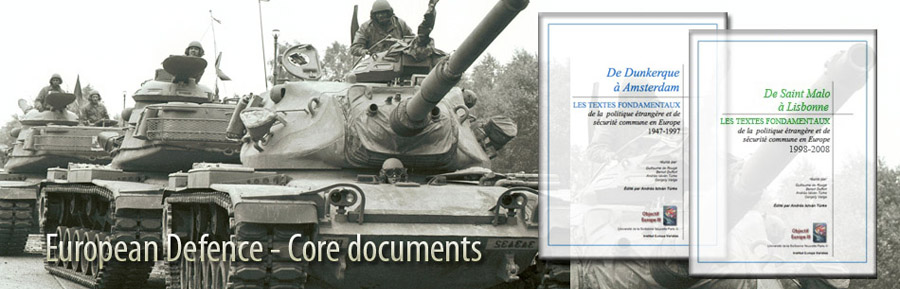
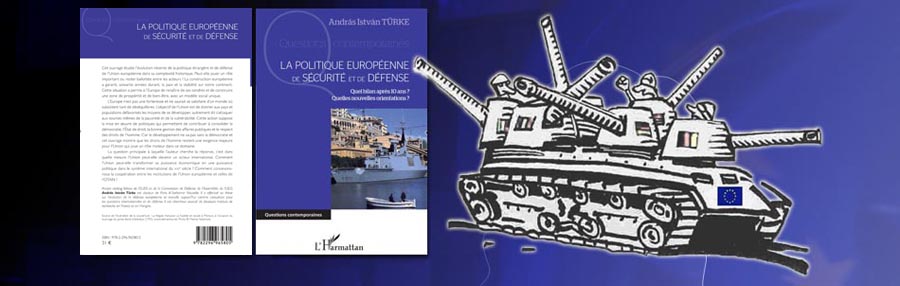
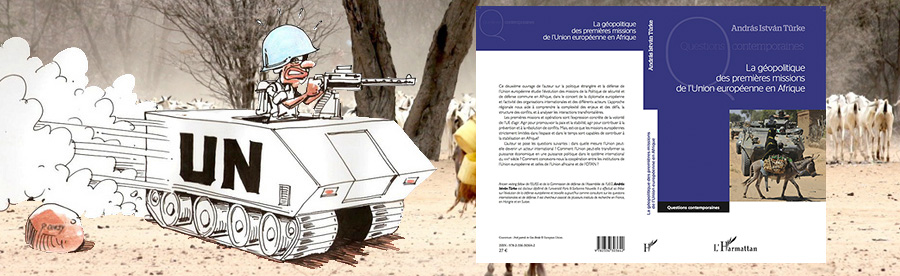
We are looking for sponsors for the English translation of these books, please contact turkeandras(at)gmail(dot)com