
You are here
Africa
A Stronger Future for Coffee Starts Where It Is Grown
A stronger future for coffee starts by strengthening the places and communities where that journey begins. Credit: Edgardo Ayala/IPS
By Boubaker Ben Belhassen
ROME, Sep 30 2026 (IPS)
Imagine your morning coffee. You smell the aroma as steam rises from the cup. It wisps and swirls, thins, then disappears. You lift the cup to your mouth. The first pure joy of the day.
That coffee may have begun beneath shade trees in Ethiopia, on a Colombian hillside, in Viet Nam’s highlands or among the coffee farms of Brazil. Long before it reached your cup, someone planted and tended the trees from which it came. Then came the harvest. Ripe cherries were picked with care, and the coffee began a journey that would carry it far from the place where it was grown.
Building a stronger future for coffee therefore begins where coffee itself begins: with productive and resilient farms, open and transparent markets, and greater economic opportunity in producing countries
Few agricultural products connect people across such long distances. Coffee is among the world’s most widely traded commodities. Coffee supports the livelihoods of up to 25 million farmers worldwide, while millions more people participate in the economic activity created along the coffee value chain.
Coffee’s extraordinary global reach has created livelihoods and economic opportunities across continents. It has also connected millions of small producers to a market in which shocks can propagate quickly. Building a stronger future for coffee therefore begins where coffee itself begins: with productive and resilient farms, open and transparent markets, and greater economic opportunity in producing countries.
International Coffee Day is a moment to celebrate what coffee has made possible. It is also a moment to ask what its future will require.
Recent years have shown why. International coffee prices have experienced large fluctuations as weather has affected production in major producing countries and supplies have tightened. Droughts, frosts and excessive rainfall can disrupt harvests, while pests, diseases, rising costs, geopolitical tensions and shipping delays can add further pressure.
That exposure is amplified by the concentration of production in relatively few places. Brazil and Viet Nam together account for nearly half of global coffee production, while five countries supply around 70 percent of global coffee bean exports. With such concentration, a shock in one major producing region can quickly reverberate far beyond it.
Those shocks are transmitted unevenly through coffee value chains, with producers generally more directly exposed to fluctuations in international prices. The answer is not to prevent prices from moving. Markets respond to changes in supply and demand, and prices will inevitably rise and fall. Greater resilience therefore depends on strengthening the capacity of producers and producing countries to adapt and respond when conditions change.
The first priority is production itself. Coffee farming must remain productive and competitive while adapting to changing conditions. More resilient farming systems, innovation and technology, effective management of pests and diseases, and better tools for managing risk can help stabilize production and incomes and boost investment in the future of the crop.
Transparent markets and timely information are essential. Better and timely information on crop conditions, stocks, trade flows and prices reduce uncertainty and help producers, governments and businesses understand changing market conditions and adjust sooner. At a time when disruption in one major producing region can affect markets around the world, international cooperation and greater transparency become even more important.
Stronger production and better markets provide the foundation. But there is also an opportunity to create more economic value from the coffee that producing countries already grow.
The bean’s economic journey is far from finished when it is harvested. Coffee is processed and transported, then may be roasted, packaged, branded, distributed and eventually sold to consumers. Each stage requires investment, expertise and enterprise, while creating opportunities to generate additional economic value.
Much of the coffee produced in low- and middle-income countries is exported in raw form as green beans for processing and distribution elsewhere. Coffee therefore often enters international trade relatively early in its economic journey, leaving opportunities for producing countries to develop more economic activity around the later stages of the value chain.
Where commercially viable, improvements in quality can help producers reach different and potentially higher-value markets. Processing can create additional economic activity, while certification and branding can provide further scope for upgrading within coffee value chains. The opportunities will vary across countries, and investments should focus on areas in which producers and businesses can compete successfully.
Greater resilience in coffee production and greater economic opportunity around what happens after it is produced are complementary ambitions. Productivity, innovation and risk management can strengthen the productive foundation of the sector. Transparent markets can help participants respond to changing conditions. And commercially viable upgrading can broaden the economic opportunities created around the crop.
Realising these opportunities requires cooperation across the coffee value chain. Producers, traders, processors, roasters, retailers and governments perform different roles in moving coffee from the tree to the consumer. International cooperation, market transparency, innovation and investment can strengthen those connections and support a coffee sector that is more productive, competitive, resilient and sustainable.
Coffee already demonstrates what international trade can achieve. A crop grown by millions of farmers, predominantly in low- and middle-income countries, reaches consumers across the world and sustains economic activity throughout its journey. The next opportunity not to miss is to strengthen this connection while creating more economic possibilities in the places where coffee is grown.
Tomorrow morning, the journey begins again. Steam will rise from your cup. Somewhere far away, coffee trees will be tended and another harvest prepared.
The journey from crop to cup already connects millions of people around the globe. A stronger future for coffee starts by strengthening the places and communities where that journey begins.
Boubaker Ben-Belhassen is Director of the Markets and Trade Division at the Food and Agriculture Organization of the United Nations (FAO)
Excerpt:
Stronger farms and better markets can build a more resilient coffee economy
Categories: Africa
Botswana condemned for slaughtering 23 elephants for independence celebrations
The government authorises the hunting of elephants and dozens of other wild animals for independence day feasts.
Categories: Africa
UNGA81: UN Leaders Calls for Faster Action on Pandemic Preparedness
Khalilur Rahman (second from right), President of the eighty-first session of the United Nations General Assembly, chairs the High-level Meeting on Pandemic Prevention, Preparedness and Response. Credit: UN Photo/Mark Garten
By Shreya Komar
UNITED NATIONS, Sep 30 2026 (IPS)
The United Nations High-level Meeting on Pandemic Prevention, Preparedness and Response (PPPR) on September 25 called for faster and more sustained investment in pandemic preparedness. Speakers emphasized that future outbreaks will require coordinated action across governments, health systems, and communities.
The meeting, held three years after the General Assembly’s first high-level meeting on pandemic preparedness, focused on lessons from COVID-19 and persistent gaps in global health security.
“No country can protect itself alone,” UN Deputy Secretary-General Amina J. Mohammed said, underscoring the need to turn the lessons of COVID-19 into long-term preparedness.
Opening the meeting, Dr. Khalilur Rahman, President of the General Assembly, highlighted three priorities: closing financing gaps, adopting a stronger “One Health” approach, and ensuring equitable access to vaccines, diagnostics, therapeutics and other essential medical tools.
“All countries need and deserve well-funded community-based systems for detection, surveillance, communication and containment,” Rahman said, calling for predictable and sustainable financing. He also stressed that pandemic preparedness must address the links between human, animal and environmental health, arguing that stronger understanding of these interactions could help prevent outbreaks from reaching human populations. Equitable access to life-saving tools, he said, is both a matter of justice and a critical component of containing outbreaks.
In a press briefing held on the same day, World Health Organization (WHO) Director-General Dr. Tedros Adhanom Ghebreyesus warned that global investment in health security has declined since the acute phase of the COVID-19 pandemic, reviving what he described as a cycle of “panic and neglect.”
Although countries and international institutions have established new mechanisms for pandemic preparedness, Tedros said the scale and speed of investment remain insufficient.
The WHO has launched and supported a range of initiatives since the pandemic, including the Pandemic Fund, strengthened pandemic and epidemic intelligence, vaccine and medical countermeasure initiatives, the mRNA Technology Transfer Programme, the WHO BioHub System and the Global Health Emergency Corps.
Countries have also strengthened the international framework governing pandemic response. In 2024, WHO member states adopted amendments to the International Health Regulations, while the WHO Pandemic Agreement was adopted the following year.
However, recent outbreaks, including Ebola in the Democratic Republic of the Congo, have underscored the continuing risk of infectious diseases crossing borders and becoming international threats. Tedros said the possibility of a future respiratory pandemic remains particularly concerning because of the potential scale of its impact.
A key issue still under negotiation is the Pathogen Access and Benefit Sharing (PABS) system, which is intended to establish arrangements for sharing pathogen materials and information while ensuring that countries providing those resources benefit from vaccines, diagnostics and other products developed from them.
Tedros urged countries to conclude the negotiations. “So today, I leave you with just one request: get PABS done as soon as possible. Please conclude the negotiations as soon as possible,” he said. “We are as strong as our weakest link.”
He also emphasized the importance of investing in countries more vulnerable to pandemics, not as an act of charity, but rather as collective action against the common goal of pandemic prevention. Sustained financing and stronger international cooperation will be central to preventing future outbreaks from becoming global emergencies.
IPS UN Bureau Report
Categories: Africa
Sawe loses 'rRock, paper, scissors' for London Marathon dates
A game of rock, paper, scissors is used to determine when the elite female and male races will take place at next year's two-day London Marathon.
Categories: Africa
New Ocean Report Warns of Rising Seas, Ocean Heat and Acidification
Seaweed farmers tend their crop off Zanzibar, where rising sea temperatures are putting pressure on a vital coastal livelihood, according to the new Copernicus ocean report. Credit: Zuberi Mussa/IPS
By Kizito Makoye
DAR ES SALAAM, Tanzania, Sep 30 2026 (IPS)
Fatuma Makame learned to farm seaweed in the shallow water where her parents worked. These days, she grows it farther from shore.
In the shallows, warmer water has left the crop more vulnerable to poor growth and disease. Conditions can be better farther out, but working there requires a boat, equipment, and the skills to handle deeper water. Makame joined Mwani Zanzibar Mamas—a cooperative union that obtained a boat and farming gear. She has since reported larger, more reliable harvests.
The decision she faced is becoming familiar to seaweed farmers along Zanzibar’s coast: move the crop, if they can afford to, or keep planting where it has become harder to grow.
A new assessment of the world’s oceans gives that local difficulty a wider context. The 10th Copernicus Ocean State Report, released today (September 30), describes an ocean absorbing more heat, rising along coastlines and becoming more acidic. It was produced by Mercator Ocean International through the European Union’s Copernicus Marine Service.
“The ocean is transforming before our eyes: warming, rising seas and ecosystem degradation are interconnected signs of significant and long-term change. It is our responsibility to build the permanent capacity to anticipate this transformation,” said Pierre Bahurel, director-general of Mercator Ocean International.
According to the report, the global ocean absorbed an additional 23 zettajoules of heat in 2025 — roughly 40 times the energy the world consumed that year. Global mean sea level rose by an average of 3.8 millimetres a year between 1999 and 2025; the rate was 4.2 millimetres a year from 2012 to 2025. The report also says the ocean became approximately 17 percent more acidic between 1985 and 2025.
Those are global measurements. They do not describe the water at Makame’s farm or explain the result of any one planting season. But Zanzibar’s seaweed farmers have had to contend with warmer water for years.
Across Unguja and Pemba, seaweed provides income for thousands of households, many of them headed or supported by women. Farmers tie seedlings to lines, tend them in the water, then harvest and dry the crop for sale. A poor harvest can leave less money for food, school fees and the next planting.
The Food and Agriculture Organization has documented how warmer water can inhibit seaweed growth and make it more susceptible to disease. Moving farms into deeper, cooler water presents other difficulties: stronger currents can damage the crop, and many farmers cannot swim or lack the equipment to work there safely. Low prices further limit what they can spend on changing their methods.
Tanzanian marine scientist Narriman Jiddawi has documented related problems farther south, on Songo Songo Island. In one study commissioned by the Institute of Marine Sciences, she recorded unusually warm water and signs of disease at shallow farming sites that had been abandoned.
“Farming is failing in many cultivation sites in shallow intertidal areas where it used to grow well,” she said. Their measurements were taken at Songo Songo, not at Makame’s farm in Zanzibar.
The Copernicus report also examines the ocean territories of small island developing states. It finds that all their exclusive economic zones have experienced ocean warming since 1960. About 65% of their combined ocean area has been exposed to accelerating sea-level rise since 1999. Among the Indian Ocean members of that group, the figure is 33%
Zanzibar is part of Tanzania, rather than a separate small island developing state, so those percentages are not figures for the archipelago. The findings nevertheless speak to risks faced by island communities whose incomes and homes depend on the sea.
“Small Island Developing States are experiencing multiple dimensions of ocean change at once. Nearly two-thirds of their ocean territories are exposed to accelerating sea-level rise, while warming seas are increasing pressure on coral reefs, fisheries and coastal communities,” said Karina von Schuckmann, director of the Copernicus Ocean State Report.
“For island states, ocean change is not a distant environmental issue; it is an immediate economic, development and security challenge – and a warning of what many other coastlines will face in the future.”
For fishing families, the condition of coral reefs is one concern. Reefs provide habitat for fish and help reduce the force of waves reaching shore. Severe heat can cause corals to bleach, and repeated episodes can hinder their recovery.
The report finds that about a quarter of threatened coral reefs within the ocean territories of small island developing states experienced accumulated, mortality-level heat stress for at least one month between 1982 and 2025. That is a finding for those states collectively, not an assessment of Zanzibar’s reefs.
There is local evidence of damage. Researchers from the State University of Zanzibar examined reef observations spanning 1992 to 2016. They found severe declines in hard coral cover following the El Niño events of 1998 and 2016, though the extent of change differed substantially between reefs.
Heat is only one of the pressures on them. Pollution and damaging fishing practices can make recovery harder. Reducing those local pressures will not cool the Indian Ocean, but it may improve the prospects for reefs that survive a period of extreme heat.
Rising seas pose a separate challenge to coastal settlements. A World Bank assessment identifies Zanzibar and mainland Tanzania’s coast as vulnerable to erosion, flooding and damage to infrastructure and marine habitats.
For authorities deciding where to protect homes or restrict construction, measurements of tides, storms, reefs and mangroves need to be considered alongside what residents know about places where water already reaches houses and roads.
Through the Agriculture and Fisheries Development Programme, seaweed farmers in Unguja and Pemba have received training in planting, handling and processing. Improved drying racks and solar dryers help keep harvested seaweed away from sand and rain, reducing losses after it comes ashore.
Other farmers are exploring additional sources of income. FAO has trained seaweed farmers on Zanzibar’s east coast in sea cucumber cultivation. That work requires suitable sites, equipment and buyers and will not suit every household.
Financial protection is being explored as well. The United Nations Development Programme, Zanzibar’s disaster management authorities and the Ministry of Blue Economy and Fisheries are developing a climate-risk insurance proposal for seaweed farmers in Unguja and Pemba. It remains a proposal. Its usefulness will depend on which losses it covers, what farmers must pay, and how quickly they can settle a claim.
For Makame, the cooperative’s boat and gear made it possible to try farming farther offshore. Other farmers still work the shallows. Whether they can follow her depends on access to equipment, training and a way to bear the risk if a new method fails.
The Copernicus report tracks changes across decades. On Zanzibar’s coast, a farmer must decide where to put her next lines of seaweed.
IPS UN Bureau Report
Related Articles
- Human-Caused Climate Change, Not El Niño, Drives Most Coral Bleaching Events – Research
- Central Asia Bets on a New Water–Land Pact to Survive Environmental Degradation
Excerpt:
While the 10th Copernicus Ocean State Report documents the ocean's transformation with increased heat, rising sea levels and its acidity – Zanibar's seaweed farmers feel its impact with every crop.
Categories: Africa
Somali pirates killed oil tanker crew before rescue, official tells BBC
Piracy off the Somali coast has increased in recent years after dropping when international naval operations began in 2011.
Categories: Africa, Union européenne
BRICS: Growing Ambition, Zero Accountability
Media personnel watch a digital screen showing leaders of member states gather for a family photograph during the 18th BRICS Summit in New Delhi on 13 September 2026. Credit: Arun Sankar/AFP
By Samuel King and Inés M. Pousadela
BRUSSELS, Belgium / MONTEVIDEO, Uruguay, Sep 30 2026 (IPS)
At the 18th BRICS Summit, held on 12 and 13 September in New Delhi, India’s Prime Minister Narendra Modi brought together presidents Xi Jinping of China, Vladimir Putin of Russia and Masoud Pezeshkian of Iran, along with Abu Dhabi’s Crown Prince, Sheikh Khaled bin Mohamed bin Zayed, representing the United Arab Emirates (UAE). Around the table sat longstanding rivals such as India and China and, in the case of Iran, Saudi Arabia and the UAE, states on opposite sides of an ongoing war. That the summit produced a joint declaration every member could sign was a modest multilateralist success.
The summit took place against a fast-changing backdrop. With the USA under Donald Trump an unreliable partner and often a hostile power bent on bullying others into submission, numerous states are seeking new alliances as a counterweight. BRICS, whose 11 members account for 49 per cent of the world’s population and 28 per cent of the global economy, could become a more significant forum as a result. But what is on offer is a profoundly old-fashioned, state-centric form of multilateralism, in which the people in whose name states claim to act have little say.
A hollow declaration
At the summit, Xi called for international rules to be ‘written by all countries’, even though he leads a one-party state where increasingly only he writes the rules. Putin urges greater representation for Africa, Asia and Latin America at the UN Security Council, while routinely wielding his veto to stop the council acting on his war in Ukraine.
The New Delhi Declaration’s silences speak loudest. It is explicit on Palestine, calling on Israel to end its war on Gaza and backing a Palestinian state based on the 1967 borders. But on the war in Iran, it only urges ‘maximum restraint’ without naming the warring parties, reflecting the fact that Iran, Saudi Arabia and the UAE sat around the same table. Russia’s invasion of Ukraine is not mentioned at all, a regression from past declarations and a troubling sign that Putin has no interest in ending the fighting. The text condemns ‘indiscriminate rising tariffs’ and ‘unilateral sanctions’ without naming the USA, sparing the blushes of members such as India, which is reportedly finalising a trade deal with Washington. The declaration preserves consensus at the expense of resolve.
Closed civic space, open defiance
Most BRICS governments have no fear of being held domestically accountable for the compromises they have made. Civic space is closed in seven of BRICS’ 11 states and obstructed or repressed in the rest. Russia jails and exiles opposition voices and has made protest almost impossible. China subjects its people to mass surveillance and crushes any expression that departs from ruling-party lines. Iran violently suppresses protest movements, including through the death penalty. Saudi Arabia and the UAE recognise no legitimate role for independent civil society. Host and self-styled mediator India has seen Modi’s government erode press freedom, restrict civil society funding and stoke hostility towards religious minorities.
Domestic repression translates directly into a closed international forum. After 18 summits, BRICS still has no treaty, no published membership criteria, no permanent secretariat, no budget and no mechanism for civil society to hold its members to account. This is no accident. It leaves powerful leaders free to pursue their interests, and it means civil society has less influence in BRICS than in comparable blocs such as the G20, and much less than in UN processes.
Civil society mobilised regardless. Three weeks before the summit, over 200 delegates from farmers’ organisations, people’s movements, trade unions, women’s organisations and other civil society groups gathered in New Delhi for the People’s BRICS Summit. Its resolution denounced BRICS states for reproducing extractivist, inequitable development models, and insisted that cooperation between global south states be judged by the dignity and rights it delivers to people and communities, not by the freedom it grants states and capital. It called for debt restructuring, a publicly accountable energy transition, food sovereignty, universal social security, women’s political representation and an end to the persecution of civil society activists, and for BRICS to take a clear stand against military intervention, occupation and genocide. BRICS governments chose not to listen.
Ambition without accountability
BRICS’ biggest ambition, on display in the New Delhi Declaration, is to reshape international finance. Development of payment systems independent of the US dollar would chip away at the USA’s unique ability to sustain its power by printing more dollars, despite mountainous debt, to meet unceasing demand. But it would also let repressive states such as Iran and Russia sell oil and gas more easily, funding their repression while blunting international sanctions.
This ambition comes with no commitment to accountability. The bloc has no channel through which the people most affected by its decisions can make their voices heard, and no human rights conditions are attached to its initiatives.
None of the emerging responses to the rapidly changing international order promises to be more democratic than the current system. So far, neither BRICS nor any of the other alternatives now taking shape has matched its growing ambition with greater accountability.
Samuel King is a researcher at CIVICUS: World Alliance for Citizen Participation, working on ENSURED: Shaping Cooperation for a World in Transition, a Horizon Europe-funded project. Inés M. Pousadela is CIVICUS Head of Research and Analysis, co-director and writer for CIVICUS Lens and co-author of the State of Civil Society Report. She is also Professor of Comparative Politics at Universidad ORT Uruguay.
For interviews or more information, please contact research@civicus.org
Categories: Africa
What Faith Can Teach Agriculture
Member of Smallholder Farmer Alliance in Haiti with tree she is about to plant. Credit: A.F. Cortes/SFA
By Hugh Locke
NEW YORK, Sep 30 2026 (IPS)
Years ago, standing in a small farmer’s field in Haiti, I began to suspect that we had agriculture backward. The development world saw a man in need of rescue. I saw a farmer who might help rescue the rest of us.
That distinction matters. Over the next 25 years, humanity will need to grow much more food on a planet with degraded soils, shrinking biodiversity and a destabilizing climate. The usual instinct is to seek a technical fix. I want to suggest another source of help: a moral idea rooted in religion.
I am not a theologian. I am a development worker. In 2010, Haitian agronomist Timote Georges and I co-founded the Smallholder Farmers Alliance. We now work with about 10,000 farmers throughout Haiti who grow more food while rebuilding degraded land. Our “tree currency” rewards them for planting and caring for trees with credits they can exchange for seeds, tools and training.
Hugh Locke
Development programs often define smallholder farmers by what they lack: financing, equipment, training and market access. Yet the farmer in that Haitian field had land, labor, family, community and intimate knowledge of one patch of earth. The Baha’i Faith offers a useful principle: people should be regarded as protagonists in their own development, not merely recipients of assistance.Roughly 475 million smallholder farms, each under five acres, already produce about 30% of the world’s food despite limited access to finance, markets or technical support. In my new book, Whole Earth Farming, I argue that if even half of these families received support to adopt regenerative methods, they could produce the additional food humanity will need through 2050 on 12% of the world’s arable land, with a climate benefit comparable to offsetting the aviation industry’s annual emissions.
The Green Revolution averted famine, but its gains often came with degraded soils, diminished biodiversity and polluted water. Regenerative farming aims not merely to limit damage but to restore soil, rebuild biodiversity, improve farmers’ wellbeing and deliver a net climate benefit.
That is the language investors expect. Yet a case study more than a century old anticipated this approach, and its foundation was not market logic but morality.
From 1901 to 1921, ‘Abdu’l-Baha, one of the central figures of the Baha’i Faith, directed a farming settlement called ‘Adasiyyih in the Jordan Valley. Long before the term “regenerative agriculture” existed, the community used crop rotation, agroforestry, water conservation and integrated livestock management to make the land productive without exhausting it. Just as important was the framework behind those techniques: the belief that the earth is one country and humanity one interdependent family, expressed through consultation, equality and a rejection of extraction for its own sake. Farming at ‘Adasiyyih was not simply commodity production. It was a way to build community.
Regenerative agriculture does not require religious belief. Many successful regenerative farmers are secular, and the science stands on its own. But ‘Adasiyyih addressed, on a limited scale, a coordination problem that still hinders the movement: how can independent farmers, financiers, governments and companies be persuaded to treat soil health, water and biodiversity as a shared obligation?
‘Adasiyyih began with a moral premise rather than a technical formula. That premise is worth borrowing, whether one calls it stewardship or enlightened self-interest. Farmers, buyers and governments must act as though what happens to one plot of land is everyone’s concern, because increasingly it is. For generations we have asked how much the earth can give us. We should also ask what we owe in return.
Regenerative agriculture is at a fragile moment. By my estimate, some 15 million farms and ranches worldwide now use regenerative practices, and some 25 million acres, mostly in the United States, are certified under third-party standards, though almost none of that land is farmed by smallholders. The movement is growing faster than the systems meant to support it. Farmers can face lower yields and higher costs during the transition, there is no consensus on how to measure results, and financing, training and market rewards lag well behind farmers’ interest. A shared obligation is what can turn these isolated successes into lasting change.
This is not a case for religious agricultural policy, which would be unworkable in a pluralistic world. Smallholders are not waiting for a new theology. They need capital, training and markets. But the case for providing that support may rest more persuasively on the old idea of shared stewardship than on another spreadsheet of carbon calculations.
The next great agricultural transformation may begin not on the world’s largest farms but on hundreds of millions of its smallest. Given the means, smallholders may help determine whether the next 25 years of food production heal the planet or finish degrading it.
Hugh Locke is president of the Impact Farming Foundation and author of Whole Earth Farming: Smallholders and the Great Regenerative Transformation (George Ronald Publisher, 2026).
IPS UN Bureau
Categories: Africa
The journalist crowned king in Uganda after bitter succession dispute
Kijanangoma has been crowned amid a dispute over a young heir whom the royal clan does not recognise.
Categories: Africa, Union européenne
The journalist who became king in Uganda
Edward Rukidi Nyabongo I has been crowned king of Tooro in a ceremony attended by Uganda's President Museveni.
Categories: Africa
First female prime minister named in Morocco after winning elections
Her appointment by the king makes her only the second woman to lead a government in the Arab world.
Categories: Africa, Union européenne
Strategic Blindness at UNGA 81: “Super Intelligence” and “Killer Robots” Take Center Stage as Women’s Rights Take a Back Seat
Credit: United Nations
By Shihana Mohamed
NEW YORK, Sep 29 2026 (IPS)
“Artificial intelligence (AI) must be shaped by humanity, with humanity, and for all humanity… Life-and-death decisions must never be surrendered to machines. Killer robots must have no place in our future.”
With those words, United Nations Secretary-General António Guterres opened the high-level debate of the 81st session of the General Assembly (UNGA 81). He also warned: “Women and girls continue to face discrimination, violence, exclusion and abuse… Their rights are being rolled back. Their voices silenced. Their bodies turned into battlegrounds.”
Both technological transformation and the erosion of women’s rights were placed before the world, yet the political response to each was markedly different.
Opening speeches focused heavily on technology. French President Emmanuel Macron warned that a few powers could decide the planet’s future through AI and urged states to build independent, open-source models; UK Prime Minister Andy Burnham called for global cooperation on transparency and ethics; China’s Vice President Han Zheng stressed a people-centered approach to narrowing the digital divide; and Russia’s Foreign Minister Sergey Lavrov called for the UN to lead AI rule-setting through equal participation.
U.S. President Donald Trump focused on U.S. technological leadership. He declared that the United States was outcompeting the world and called for a change in terminology: “From this point forward, all U.S. documents—and hopefully the world—will use the more accurate term super rather than artificial. So, it’s super intelligence.”
Shihana Mohamed
Disparity is also reflected in the numbers. By Saturday, September 26, 2026, 86 of the 174 speakers had raised technology and AI, compared with 46 who raised human rights and gender.The question is unavoidable: why has the international system shown such urgency in governing emerging technologies while allowing the erosion of women’s rights to remain a secondary concern?
Twin Transformations
The 81st session convened under the theme, “Restoring trust, managing transformation: a United Nations that delivers for all.” That theme highlights two defining transformations: the rapid expansion of generative AI and the growing political backlash against the rights of women and girls.
The United Nations treats both as critical to achieving the 2030 Sustainable Development Goals, yet world leaders are not giving them equal political weight. AI is being elevated as an urgent global governance challenge, while gender equality is increasingly treated as a goal that can wait.
That is a dangerous disconnect.
AI is already reshaping economies, labour markets and public life. It will influence who gets opportunities, whose work is automated, and whose voices are represented in the systems that increasingly influence daily life.
Declining Gender Momentum
AI has ascended to the top tier of global political concerns. Leaders are focused on governance, innovation, digital sovereignty, security, and technological competition.
Meanwhile, the momentum on gender equality is moving in the opposite direction. UN Women and UN DESA report that one in three institutional mechanisms for gender equality has lost institutional power over the past two years. Around one in four have seen their operating budgets cut, while nearly one in ten have lost control of their budgets altogether.
Globally, progress on women’s political and executive participation is reversing. At the current rate of progress, the report projects that global gender equality could be achieved only by 2197, far beyond the UN’s 2030 target.
There is a basic leadership question that Member States have yet to answer: Why has no woman ever been selected as Secretary-General of the United Nations?
The problem is not a shortage of promises but the widening gap between rhetoric and political action.
The Funding Disparity
The resource gap makes that contrast tangible.
Global venture-capital investment in AI firms reached $258.7 billion in 2025, accounting for 61% of total global VC investment, according to the OECD. Philanthropic investment is also growing, including the Gates Foundation’s September 2026 commitment to spend at least $1 billion over two years on equitable access to AI and AI-enabled solutions.
Funding for women’s rights is contracting.
Funding for gender equality fell 13% between 2023 and 2024, while funding for women’s rights organizations declined by 28% over the same period.
This is not merely a funding problem; it reflects what the international community considers urgent.
The world is mobilizing enormous capital to build the technologies that will define the future while reducing resources for the organizations working to ensure that women have an equal place in it.
Women Left Behind in the AI Economy
The gender gap is already visible inside the AI economy.
UN Women’s 2026 Gender Snapshot reports that women account for around 22% of AI professionals globally and fewer than 14% of senior leadership positions, based on an analysis of nearly 1.6 million AI professionals.
Women are around 20% less likely than men to use generative AI tools. The result is a persistent gap in both the development and adoption of AI—and a fundamental question about whose perspectives are shaping the future of work.
The International Labour Organization finds that female-dominated occupations are almost twice as likely to be exposed to generative AI as male-dominated occupations—29% compared with 16%. Women’s concentration in clerical, administrative, and business-support roles, where many tasks are routine and codifiable, contributes significantly to this disparity.
AI is intensifying digital violence against women in public life. UN Women reports increasing use of AI-generated deepfakes, manipulated images and coordinated online harassment against women in public-facing roles. Such abuse can intimidate women and undermine their participation in public life.
UN Women estimates that 90–95% of online deepfakes are non-consensual pornographic images, with around 90% depicting women.
This is where the two crises converge. The same technology being celebrated as transformative is also being used to threaten women’s economic security, public participation, and personal safety.
Immediate Mandates for AI and Gender Equality
More than three decades after the 1995 Beijing Declaration and Platform for Action set a global framework for gender equality, the world remains far from its commitments.
The General Assembly must move beyond another cycle of declarations and voluntary targets and act where technology, funding and gender rights now intersect.
- • Enforce Financial Reciprocity via a Global Tech Solidarity Fund: The General Assembly should establish a mechanism requiring a fixed share of global digital-transformation investment to support grassroots women’s organizations, and strengthen their technical capacity, infrastructure and advocacy.
• Establish an International Enforcement Mechanism with the Urgency Applied to AI: The UN should address the erosion of women’s rights with the same urgency applied to emerging technological threats. The General Assembly should establish a global monitoring mechanism empowered to impose diplomatic and financial consequences on states that roll back women’s legal protections.
• Criminalize Technology-Facilitated Abuse and Mandate Safety-by-Design: The General Assembly should advance a binding international treaty classifying AI-generated deepfakes weaponized against women in public life as violations of international human rights law. Technology companies should be required to address algorithmic bias and security failures that endanger women’s participation in public life.
If world leaders truly intend to “manage transformation” and “restore trust,” they cannot continue treating women’s empowerment as a secondary issue.
The willingness to govern the digital frontier must extend to protecting the women who live and work within it.
Otherwise, the “super intelligence” that leaders celebrate will not simply become an engine of economic growth. It could also become a powerful tool for reinforcing the structural exclusion of half the human race.
Shihana Mohamed is the President of Asia Global Forum (www.AsiaGlobalForum.org) and a US Public Voices Fellow on advancing the rights of women and girls. She is the founder of the UN Asia Network for Diversity & Inclusion (www.UN-ANDI.org) and a dedicated human rights activist and a strong advocate for gender equality and the advancement of women.
IPS UN Bureau
Categories: Africa
Son of Zambian bishop detained in post-election raid fears for his father's safety
Trevor Mwamba was detained last month with other opposition figures and charged with treason, his son says.
Categories: Africa
Fragmented Policies Hold Back Agroecology Adoption in Africa’s Congo Basin
Agricultural, land, forestry, environmental and trade policies in the Congo Basin remain compartmentalised at country levels, leaving proven agroecological models trapped at pilot stages due to a lack of advisory services, organic inputs, market outlets and sustainable financing. In a declaration made following the Second Congo Basin Convening on Agroecology held in Yaounde, Cameroon, in […]
Categories: Africa
Overshoot of Paris Agreement and the Looming Super El Niño Drive Urgent Calls for Global Climate Action at UNGA 81
Rob Jetten, Prime Minister of the Kingdom of the Netherlands, addresses the High-level Meeting on Climate Action and the Just Transition on September 23. Credit: UN Photo/Laura Jarriel
By Oritro Karim
UNITED NATIONS, Sep 29 2026 (IPS)
The United Nations 2026 Climate Summit addressed critical strategies to mitigate the compounding impacts of the climate crisis and accelerate progress toward the Sustainable Development Goals (SDGs).
The summit brought together civil society actors, climate scientists, major energy producers and consumers, development experts, and world leaders on September 23 as part of the High-Level Week of the 81st session of the General Assembly (UNGA 81).
“The world is crying out for climate justice in mitigation, adaptation, and finance. We must answer that call with action, and we don’t have a moment to lose,” said UN Secretary-General António Guterres in his opening remarks. “But emissions are still rising when they must plummet, and fossil fuel expansion continues, defying science, economics, and common sense.”
“We have seen our fossil fuel dependence wreak havoc, driving up costs, draining budgets, squeezing households, and leaving countries at the mercy of conflicts and decisions far beyond their borders. Meanwhile, fossil fuel companies are banking windfall profits while everyday people foot the bill. Doubling down on oil and gas will only lock in vulnerability for decades,” Guterres added.
Nearly a decade after the adoption of the Paris Agreement, the summit comes as climate experts warn of a dangerous new phase in the global climate crisis. New findings project it is virtually “inevitable” that global temperatures will exceed 1.5°C above pre-industrial levels within the next ten years.
This overshoot presents widespread, multifaceted risks—from extreme weather patterns to escalating public health emergencies. Intensifying heatwaves, droughts, wildfires, storms, and floods continue to cause millions of deaths annually, drive mass displacement, and destroy critical infrastructure, particularly in low-lying coastal regions.
Prime Minister Tarique Rahman of Bangladesh—one of the world’s most climate-vulnerable regions—warned the General Assembly that up to 18 percent of the country’s coastal land could be entirely submerged by rising seas, endangering the security and livelihoods of tens of millions. President Naiqama Lalabalavu of Fiji also emphasized that over half of his country’s population lives within a kilometer of the shore, leaving communities at a significant risk of being exposed to natural disasters. He further noted that the stock of fish available to each Fijian is estimated to decline by nearly 25 percent by 2050, threatening widespread food insecurity across the region.
The compounding impact of these disasters is also linked to depressed crop yields—which significantly impact food insecurity, accelerate biodiversity loss, and cause widespread disease outbreaks. Higher temperatures directly drive the spread of vector-borne illnesses, while rising sea levels and flooding exacerbate waterborne diseases. As a result, countries worldwide continue to sustain massive economic and human costs while aid organizations and health sectors struggle to keep up with the influx of needs.
Tarique Rahman, Prime Minister of Bangladesh, addresses the High-level Meeting on Climate Action and the Just Transition. Credit: UN Photo/Laura Jarriel
“We just lived through the hottest July and August on record. Global sea surface temperatures are at a record high, and the worst is yet to come,” said Celeste Saulo, Secretary-General of the World Meteorological Organization (WMO). “We enter a dangerous terrain where we’re likely to cross a number of tipping point systems that not only regulate the stability of the climate system, but also fundamentally determine life support for human development.”
Numerous speakers also underscored the severity of an immensely powerful “Super El Niño” rapidly forming in the Pacific Ocean, which WMO has described as potentially the strongest in at least a millennium. Data from the National Oceanic and Atmospheric Administration’s (NOAA) Climate Prediction Center indicate a 90 percent chance that this El Niño will mark one of the most extreme weather events of the 2026-2027 winter.
Saulo warned that the global impacts of the impending El Niño will be massive and long-lasting and will cause 2026 to become the hottest year on record. Yvonne Aki-Sawyerr, Mayor of Freetown, Sierra Leone, told the General Assembly that damages in Africa alone could exceed USD 20 billion, with comparable losses projected across other highly climate-vulnerable regions.
The summit sets new goals for the international community: to return global temperatures to below 1.5°C as quickly as possible, limit the severity and duration of ongoing impacts from the overshoot, and facilitate the global transition to renewable energy. Guterres warned that the current generation sits at a critical turning point—it is the first to possess the tools to end the climate crisis and the last with the opportunity to avert a “climate catastrophe.”
The main pathways for climate action highlighted during the summit included increased intergovernmental cooperation, sustained investment in climate adaptation and resilience monitoring systems, and wider-scale deployment of renewable energy. In recent years, renewables have become significantly cheaper than traditional fossil fuels—such as coal, oil, and natural gas—while generating far lower emissions, facilitating sustainable development, and potentially averting hundreds of billions of dollars in climate-related losses worldwide.
While countries representing roughly 90 percent of all global emissions have submitted updated Nationally Determined Contributions (NDCs)—signaling widespread political commitment to the Paris Agreement in the midst of heightened geopolitical tensions—current NDCs are projected to continue to fall short of the emission reductions required to prevent an overshoot of the 1.5°C target.
Michael R. Bloomberg, the UN Secretary-General’s Special Envoy on Climate Ambition and Solutions and also founder of Bloomberg and Bloomberg Philanthropies, told the General Assembly that current financial contributions from the international community are insufficient, warning that these gaps in funding “can mean the difference between life and death.”
“More countries recognize that clean energy is essential to their security and economic stability. At the same time, while there’s still not enough climate funding going to developing countries, the amount has more than doubled since the Paris Agreement took effect,” said Bloomberg. “Now, we all know that’s not enough. Every day brings new evidence of the worsening harms of climate change.”
“No place on Earth is safe from climate change. Countries need more investment in resilient measures that protect people and in modern connected grids that will support the waves of clean energy installation. Both will require more of the kind of collaboration that has enabled progress over the past decade across government and business, philanthropy, nonprofits, and community leaders.”
IPS UN Bureau Report
Categories: Africa
The U.S. and China Agree to Slash Tariffs
The cuts are on $60 billion worth of goods—but, crucially, soybeans aren’t included.
Categories: Africa, Diplomacy & Crisis News
How Trump Is Sparking a Slovenian Website Boom
The president’s call to rebrand AI as “super intelligence” has led to a surge of interest in Slovenia’s “.si” web domain.
Categories: Africa, Diplomacy & Crisis News
Twelve women have been killed in one part of South Africa since July. Here's what we know so far
South African President Cyril Ramaphosa says the murders are a "stain on our national conscience".
Categories: Africa, Union européenne
India Still Needs to Address Harmful Dark Skin Stereotypes
Sarada Murlidharan, Photo: Supplied
By Kumkum Chadha
NEW DEHLI, Sep 28 2026 (IPS)
As a young girl, Sarada Murlidharan cringed at the thought of going to school. It was not the studies but the taunts of ‘being black’ or having dark skin, where fair skin was considered preferential, that made her unhappy.
It was not a one-off: it was there as a constant, often unsaid but equally piercing. She was not one of them but one apart, and that too in the negative sense.
Back home in the silence of the night, she would often cry, something she refused to admit in her adult years: “I don’t remember if I actually cried, but yes, I used to be anxious; in fact, torn apart … my insides eaten away … Yes, I went through all that,” Murlidharan told IPS in an exclusive interview.
Those were the days, and in later years of life too, Murlidharan often questioned her destiny and the curse of her darkness; she often wished she could go back to her mother’s womb and come out “all fair and pretty.” To this day, she shudders at the painful memory of having actually asked her aunts and cousins about the soap they used “to look fair and lovely.”
Etched deep in memory are also her teenage years when her father served as a warden in an engineering college down south. A disciplinarian, he took a strong stand against a group of senior students ragging freshers.
In the Indian context, ragging is a serious issue in higher educational institutions. Even with laws in place, colleges still see numerous cases of “violent fun.” When a first-year university student was brought home in a body bag in a city in eastern India, his parents were initially unaware that a 120-minute ragging session had ended his life.
But back to Murlidharan and her father, who had rusticated students on charges of ragging. Sarada recalls how every time that she and her sister stepped out, there were catcalls referring to her dark skin: “We heard it every single day. Words like ‘irrutu murali’ and ‘kurutte budhi’ … continue to haunt me.”
In Malayalam, which is spoken in the southern part of India, ‘irrutu’ means ‘pitch dark’. Roughly translated, ‘irrutu murali’ and ‘kurutte budhi’ mean someone who is pitch dark and has a devious mind.
Memories run deep: the bitter ones are often buried not to surface again. But this memory did surface, thanks to a social media post that created havoc in India. It brought alive an issue that was kind of buried within deep recesses.
The stigma of being dark stung yet again. It also brought an issue out in the open: one that had until now been private to those battling the curse of being dark-skinned.
When Muraleedharan woke up that morning when she was still serving in the state government in a senior position, it was like any other day, unaware that a storm awaited.
A Facebook post had allegedly commented on her skin colour. Worse still, it was a peg to compare her work with that of her husband, Venu Vasudevan.
“Heard an interesting comment yesterday on my stewardship as Chief Secretary — that (someone wrote that she) is as ‘black’ as my husband’s was ‘white’,” she wrote. “I need to own my blackness … I was hurt, yes … it was about being labelled ‘black’, as if it was something to be ashamed of … I need to own my ‘blackness’.”
Both Murlidharan and her husband were senior administrative officers. Like her husband, Sarada served as administrative head of the state of Kerala in South India: a coveted post.
Murlidharan also made history, given that she succeeded her husband. It was the first time that a husband-wife duo had held the top bureaucratic post in the state in succession.
But back to being dark-skinned and to Murlidharan’s story.
“Incidentally, my husband is fair-skinned,” she said, adding that she was calling out those who harboured a colour bias. “I felt it was time to own my blackness … to understand that there is beauty, except it is of a different kind, and it is not always that being fair means being beautiful. Even we who are dark can be beautiful.”
Ostensibly, Murlidharan may have worked around all these issues, but within, she was torn apart.
“The realisation of not being good enough; not being the right colour and the constant feeling that there was something wrong in the way I was born and that ‘black’ is not a good colour to be. I wanted to change it all,” she said.
It is a battle that she has fought all by herself, confronting “our demons”, as she calls her internal strife, her private hell.
“Sometimes we win, sometimes we lose,” she said.
Murlidharan is not alone. There are others who have faced and continue to face colour bias, but unlike Murlidharan, they did not fight it out.
“Better to keep it hidden than call it out,” said Pratibha, a second-year university student in southern India.
The sentiment, rather than rejection, resonates with what Murlidharan’s husband, Vasudevan, has said.
“My sister is not ‘fair’, and she has had to endure snide remarks from the family.”
Whether or not he stood up for his sister, Vasudevan has clearly supported his wife, Murlidharan.
Defending her outburst, he said, “It was a pensive reflection of a personal experience on a matter she felt deeply about and had endured for many years. The obsession with fair complexion is deep-rooted, fed by the general discourse in a society that worships it. There is only one word for this: ridiculous.”
Ridiculous it surely is, yet this reality is deep-rooted, unspoken, and abhorred.
Colourism, now popularly known as colour discrimination, is gender-specific. The intersection of colour and gender is a double whammy. It hits women hard and is tougher on them than it is on men.
“I cannot not be a woman, and I cannot not be dark. The problems that I have had for having to prove myself for being both woman and dark do not go” Murlidharan said, underlining that men being dark is acceptable, but when it comes to women, it is frowned upon, particularly in India, where there is widespread discrimination in terms of caste, gender and, of course, colour.
Even as women are coming into their own professionally and personally, men still get the better of them on the issue of colour.
Weekends are particularly dreadful given that large matrimonial advertisements stare one in the face. The catchline: Wanted a fair-skinned bride…
Occasionally they may say ‘caste no bar’, but they never say ‘colour no bar’. The prerequisite, decidedly, is fair skin, which in India is synonymous with being pretty.
However, this statement suggests that awareness has indeed dawned upon working women. They have not only opposed the fair skin demand, which until some years ago was kind of non-negotiable, but have also protested and, in many cases, changed the status quo.
In this context, what stands out is the campaign by well-known Indian film star and producer Nandita Das, who says she is “tired of being called dark and dusky.”
UNESCO handpicked her and launched a campaign called “India’s Got Colour.”
The campaign was a take-off from an initiative launched some years ago by the founder of Women and Worth, popular as WOW in India, Kavitha Emmanuel, titled Dark is Beautiful. The India’s Got Colour campaign was a significant advance in the fight against colourism.
Once Das got actively involved, other film personalities also got involved, including Bhumi Pednekar, another well-known name in the Indian film industry. To make this clear, Pednekar had intentionally appeared in a trailer of one of her films with make-up that showed her up as darker than she actually is.
For her part, Das has faced several situations during her film career when her skin tone has been lightened simply because she is playing the role of an educated upper-class woman, quite the opposite of when she is playing the role of a slum dweller.
Das has also faced situations when her makeup man reportedly told her, “Don’t worry. I am an expert in making people look fair.” She could then have torn her hair apart.
In addition to individuals, some top brands in the corporate sector were also facing backlash on this issue.
A well-known brand, Hindustan UniLever, had to rework its campaign after a furore over its Fair and Lovely ad. And advertisements wooing women to use fairness cream were nothing new. It had been in the market for over two decades until reality struck. And once it did, there was a backlash against the company for promoting colourism and racism.
The advertisement in question relied on a narrative that portrayed dark skin as ugly and fair skin as acceptable. Over the years several complaints were filed and penalties imposed. The government too stepped in and proposed a ban on such products till companies like Hindustan Unilever rebranded and dropped Fair from its brand name. Amid clamour for the cream’s withdrawal from the market, the company renamed it Glow and Lovely.
But is that enough? Does the rebranding and name change end the bias? Or does it also apply to colourism as well? Do pro-dark-skinned campaigns make life easier for dark-skinned women in India? Or is it mere eyewash, clearly just to grab eyeballs?
Sadly, little has changed in practice. Murlidharan may have taken up cudgels against the bias, and film stars may have backed the Black is Beautiful campaigns, but the truth is that when it comes to Indian society judging women, dark-skinned is considered unattractive, and light-skinned continue to rule.
IPS UN Bureau Report
Categories: Africa, Diplomacy & Defense Think Tank News
Pension Peril Among Populations
Smaller generations are entering the workforce as larger generations retire and begin receiving pension benefits. Credit: Shutterstock
By Joseph Chamie
PORTLAND, USA, Sep 28 2026 (IPS)
Dozens of government-funded pension programs providing benefits to hundreds of millions of men and women face growing fiscal strain and long-term sustainability challenges. These pressures are largely driven by rapid demographic transitions, including ageing populations, declining fertility, rising life expectancy, and shrinking workforces.
Many state pension systems rely on current workers to finance benefits for current retirees. In countries such as France, Germany, Italy, Spain, and the United States, these systems face increasing financial pressure as the number of workers supporting each retiree declines, while retirees live longer and collect benefits for more years.
Smaller generations are entering the workforce as larger generations retire and begin receiving pension benefits. This demographic shift is placing growing pressure on pension systems and raising concerns about their ability to meet future obligations.
As a result of these significant demographic changes, relatively fewer workers are paying into pension systems to support growing numbers of retirees who are living longer and collecting benefits for more years.
At the same time, extended families, local communities, and other traditional forms of support for retirees are weakening. Moreover, formal pension systems, including government-backed programs, have proven to be difficult to reform and, in some cases, financially unsustainable. In a growing number of countries, government pension programs are also facing insolvency.
Global life expectancy at age 65, for example, has reached 18 years, a 50% increase from 12 years in 1960. At the same time, the share of the world’s population aged 65 and older has more than doubled, from 5% in 1960 to 11% today. Global fertility has also fallen sharply, from 4.7 births per woman in 1960 to 2.2 today. Moreover, these demographic trends are expected to continue well into the 21st century (Table 1).
Source: United Nations.
Population ageing is particularly evident in some more developed countries. For example, a quarter or more of the populations of Germany, Italy, and Japan are aged 65 and older.
Moreover, the proportion of older persons is expected to increase significantly in many countries in the coming decades. By mid-century, for example, about a third or more of the populations of China, Italy, Japan, the Republic of Korea, and Spain are projected to be aged 65 and older (Figure 1).
Source: United Nations.
As a result of significant demographic changes in age structure, longevity, fertility, and the workforce, the number of pension beneficiaries is growing relative to the number of workers whose payroll taxes often finance these programs.
By 2050, the ratios of workers to retirees are expected to decline significantly in many of the world’s largest economies. In 2020, these ratios ranged from about 2 workers per retiree in Japan to about 5 in China. By 2050, the ratios are projected to fall to between 1 to 2 workers per retiree in these countries.
Furthermore, despite population ageing, increased longevity among older persons, and fewer workers per retiree, official retirement ages for receiving government pension benefits have remained largely unchanged.
Countries are moving closer to the point when their pension programs may be unable to pay full scheduled benefits. Unless governments take action, pension revenues will become insufficient in many countries to cover scheduled benefits, with financial shortfalls expected to grow substantially over the coming years
Consequently, pension costs are projected to rise as more workers reach retirement age, while slower population and economic growth constrain the tax bases that support many of the pension programs.
As the ratio of workers to retirees worsens, government officials face difficult choices about raising retirement ages, adjusting benefits, and increasing taxes.
Countries are moving closer to the point when their pension programs may be unable to pay full scheduled benefits. Unless governments take action, pension revenues will become insufficient in many countries to cover scheduled benefits, with financial shortfalls expected to grow substantially over the coming years.
The longer governments delay necessary reforms, the larger the adjustments are likely to be to close these financing gaps. Such adjustments could involve changes to revenue, benefits, retirement ages, or other program provisions.
Despite repeated warnings from pension officials and approaching financial shortfalls, pension reform has received relatively little government attention. Policymakers have generally avoided proposing comprehensive legislation to ensure the long-term financial solvency of their pension programs.
The growing pension peril underscores the urgency of addressing these financial challenges well before programs reach their projected insolvency dates. Acting sooner would give policymakers more time to make gradual changes and restore long-term financial balance.
As some countries have done in the past, governments could establish national commissions to examine the long-term finances of their pension programs. These commissions could develop recommendations and present them to government officials well before projected insolvency dates, giving policymakers adequate time to consider and implement reforms.
Governments have several options for addressing expected pension shortfalls. Policymakers could eliminate or raise the ceiling on earnings subject to payroll taxes, increase payroll tax rates paid by employers and employees, reduce cost-of-living adjustments for high-income beneficiaries, and gradually raise the retirement age as life expectancy increases.
Many of these measures, however, are politically difficult and unpopular with much of the public. Some countries, for example, are considering raising their official retirement ages, but such proposals are opposed by large proportions of the public.
Opinion surveys also indicate a preference for lower retirement ages. For example, respondents in 18 mostly middle-income countries say, on average, that the best age to retire is around 58 (Figure 2).
Source: Pew Research Center.
In sum, many national pension systems are in peril. Significant demographic changes – especially population ageing, increased longevity, declining fertility, and shrinking workforces – are placing growing financial pressure on many government pension programs and threatening their long-term sustainability.
Despite these well-known challenges and the prospect of growing financial shortfalls, government leaders have shown limited willingness to make the difficult policy choices needed to address them. Unless policymakers act, many national pension programs could face serious funding gaps, potentially leading to significant reductions in scheduled benefits for retirees and other beneficiaries.
Joseph Chamie is a consulting demographer, a former director of the United Nations Population Division, and author of many publications on population issues.
Categories: Africa, Diplomacy & Defense Think Tank News
Pages


© 2012-2018 Europa Varietas Foundation © 2015-2018 Europa Varietas Association
www.europavarietas.org | info(@)europavarietas(dot)org | Switzerland


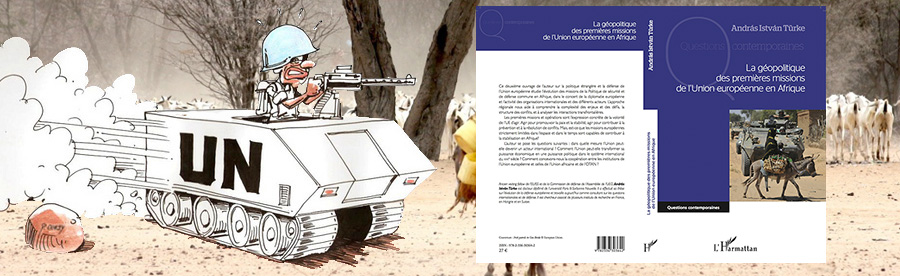
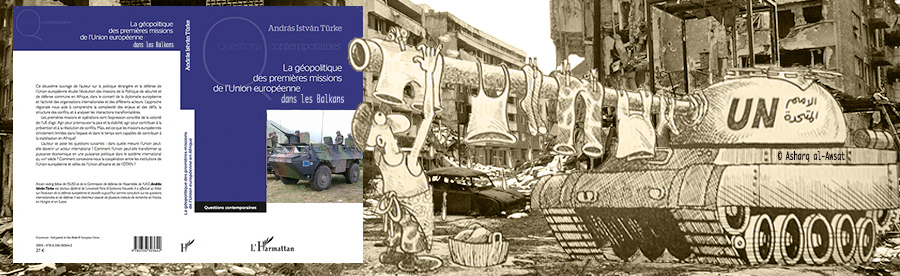
We are looking for sponsors for the English translation of these books, please contact turkeandras(at)gmail(dot)com