
You are here
Africa
Why pastors may not be seen - or heard - preaching on Ghana's buses for much longer
Ghana is a predominantly Christian country where preaching on public transport is widespread.
Categories: Africa
The South African men trying to end violence against women: 'Every man needs to play a part'
The discovery of 12 women's bodies near Johannesburg has again highlighted South Africa's problem with violence against women.
Categories: Africa
Pretorius breaks Gayle's T20 record score
Lhuan-dre Pretorius breaks Chris Gayle's record for the highest score in a men's T20 match with an unbeaten 188 in a domestic fixture in South Africa.
Categories: Africa
'I reduced my running because of urine leaks' – Commonwealth finalist Korir
Kenyan runner Naomi Korir was born with fistula, a condition which can cause the uncontrolled leakage of urine or faeces.
Categories: Africa
'Knowledge is power' - Awoniyi
Nigeria's Taiwo Awoniyi explains why he values education so highly, having completed a course which could see him become one of football's future leaders.
Categories: Africa
'Knowledge is power' - Awoniyi
Nigeria's Taiwo Awoniyi explains why he values education so highly, having completed a course which could see him become one of football's future leaders.
Categories: Africa
Renewables, Farmer Aggregation Offer Solutions to Africa’s Post-Harvest Losses
At the Africa Food Systems Forum in Kigali, Rwanda, experts explored how renewable energy can ease the burden on farmers. Here Shifra Ainomugisha poses beside a solar-powered irrigation system in Uganda. She was named the 2026 Commonwealth Young Person of the Year for the development of AI and solar-powered agricultural technologies. Credit: Solar Farm Uganda
By Farai Shawn Matiashe
KIGALI, Oct 2 2026 (IPS)
Post-harvest losses, particularly in rural areas, threaten the gains Africa is making in agricultural production and export capacity.
In Sub-Saharan Africa, up to 40% of farm produce is lost because of a lack of cold storage, according to industry players.
Highly perishable farm produce, like fruits and vegetables, can go as high as 70%.
With agriculture accounting for one-third of the Gross Domestic Product and employing over 60%, such a loss threatens jobs and the livelihoods of millions of people.
Farmers in Africa grapple with a lack of reliable refrigeration, an underdeveloped cold chain and unreliable power storage, leaving harvests to heat and spoilage.
Poor road networks and limited refrigerated transport options also worsen the situation. Farmers transport fruits long distances to processing centres under non-ideal conditions, resulting in losses.
Renewable Energy Offers an Opportunity
At the Africa Food Systems Forum in Kigali, Rwanda, experts are exploring how renewable energy can ease the burden on farmers who often turn to diesel generators to cool their farms’ fresh produce.
Olamide Niyi-Afuye, Chief Executive Officer at Africa Minigrid Developers Association (AMDA), an industry association working to improve the operating environment for mini-grids, said the biggest gap is not awareness but aggregation and intentional market design.
“We already see individual examples of mini-grids powering agro-processing, cold storage and other productive activities,” he said.
“The challenge is that these are still too often treated as individual projects rather than part of a scalable commercial model.”
Mugwe Manga, a Climate Finance Lead at Financial Sector Deepening Kenya (FSD Kenya), an independent trust supporting micro and small enterprises, said energy presents a tremendous opportunity for smallholder farmers to capture more value from what they produce.
“Solar, increasingly combined with battery energy storage, is particularly important because it is modular, increasingly affordable and can be deployed relatively quickly in rural areas,” he said.
“Solar-powered irrigation, cold storage, drying, milling, cooling and agro-processing can reduce post-harvest losses, increase productivity, improve product quality and allow farmers to sell into higher-value markets.”
Manga said energy can become an important enabler of both climate resilience and higher farmer incomes.
“The productive use of energy for cold storage, solar-pumped irrigation, and agro-processing is critical to value capture, climate resilience, and adaptation that will strengthen smallholder farmers,” he said.
Nigeria, one of Africa’s largest economies, lost between $2.3bn and $3.3bn to post-harvest inefficiencies in 2025, according to industry players.
The food wasted due to poor storage and transport networks amounted to up to 40 million metric tonnes.
South Africa loses an estimated 10.3 million tonnes of food annually, about 19% of its fresh produce, according to a 2021 report titled Waste Research Development and Innovation Roadmap Research.
Funding Cooperatives Is a Better Funding Model
Renewable energy offers reliable and accessible solutions to cold storage and processing problems in Africa, but funding remains a major challenge.
Though prices of solar panels and batteries shipped from China have been declining in recent years, current prices remain high for many farmers, particularly smallholders in rural areas.
With low capital amid limited access to grants and loans, many cannot afford solar-powered agro-processing and cold storage facilities.
Experts said that clean energy is the cheapest technology to deploy when farmers work together.
“Due to the capital expenditure of some of these, it is important for farmers to organise themselves and come together as a collective in order to take advantage of economies of scale and the power of aggregation that can use energy for all, as opposed to rolling out these solutions to individual smallholders that may not be cost-effective,” said Manga.
Niyi-Afuye said there is a need to bring energy developers and agribusinesses together much earlier, aggregate demand across agricultural value chains, and structure projects around credible productive loads from the outset.
“The opportunity is to stop treating energy and food systems as two separate investment cases and start building bankable opportunities at the intersection of both,” he said.
Manga said one of the key lessons from distributed energy is that the economics are often stronger when players move away from financing individual assets for individual farmers and instead aggregate demand.
“Farmers can organise through cooperatives, producer organisations, aggregators or rural enterprises and invest in shared infrastructure that serves many producers,” he said.
“This creates economies of scale, improves asset utilisation and creates a stronger and more predictable revenue base.”
Manga said aggregation also makes these projects more attractive to financiers by reducing transaction costs and perceived risk.
“Rather than lending against hundreds of individual smallholders, investors can finance a productive asset with an identifiable operator, clear cash flows and an aggregated customer base,” he said.
Niyi-Afuye said the better model is to aggregate projects into investable portfolios, combine commercial capital with appropriate credit enhancement and risk-sharing mechanisms, and increase access to patient, local-currency financing.
“Financing infrastructure in dollars while the underlying customers earn in Nigerian Naira or Kenyan shillings creates a structural mismatch,” he said.
Pratik Patel, Bureau Chief for East and Southern Africa at AfriCatalyist, a global development advisory firm headquartered in Senegal, said a public-private-producer partnership is the model that can make renewables affordable.
“Instead of a cold storage facility or cold chain operator trying to stand alone as a single commercial enterprise, it’s embedded in a collective plan that covers the full journey from farm to table, production, aggregation through farmer cooperatives, storage, processing, and market access, with clear roles and coordination at each stage,” he said.
He said the approach matters for financing because it gives investors what a standalone facility cannot, such as a defined use case, identified long-term clients, and a credible route to market.
“When responsibility for each link in the chain is assigned to the actor best suited to manage it, the plan becomes legible and de-risked, which is what ultimately builds investor confidence,” he said.
IPS UN Bureau Report
Categories: Africa
For Pakistan Rising Fistula Cases Make SDG 3 Goal Elusive
Shehnaz Ali from Rahim Yar Khan, Pakistan, has been living with a fistula for 16 years. Credit: Zofeen T. Ebrahim/IPS
By Zofeen Ebrahim
KARACHI, Pakistan, Oct 2 2026 (IPS)
“You’re living a life drained of joy,” is how Shehnaz Sher Ali describes her “perpetually wet and stinky” existence. “I wouldn’t wish it on my worst enemy,” says the 35-year-old, who travelled by bus for more than 12 hours with her husband from their village in Rahim Yar Khan, Punjab, changing diapers whenever possible to keep the smell from reaching the fellow passengers.
For 16 years, she had lived with urine dribbling, unaware that it was treatable with a relatively simple surgical procedure.
She developed an iatrogenic fistula—caused by a surgical injury during a Caesarean section—and is among the estimated two million women living with untreated obstetric fistula worldwide.
Shehnaz got married at the age of 18 and conceived soon after. At full term, her obstetrician suspected a complication for which she underwent a Caesarean section, but the baby was stillborn. The doctor then told the young couple she would not be able to conceive again.
That was not all. She soon realized she was leaking urine.
The doctor assured her it would stop within weeks. It never did, despite three months in hospital trying to repair the leak.
“After spending so much on my operation, being told I could never have children, and then living with the urine leakage, my husband divorced me. I was damaged goods, a liability, and he didn’t want to spend any more money on me.”
She returned to her parents’ home and, a few years later, married Ali, twice her age and already married with three daughters.
“He knew about my condition but married me because he needed someone to care for his paralyzed wife and their three daughters.”
But now, her life is beginning to change.
Fistula Ward at Kooh Goth Hospital, where cats are allowed to roam free. Credit: Zofeen T. Ebrahim/IPS
Center of Hope
She is being treated at the best facility for treatment of fistula—the Koohi Goth Women’s Hospital (KGWH), run by the Zafar and Atia Foundation Charitable Trust (supported by numerous Pakistanis both abroad and within the country), in Karachi’s Landhi neighborhood.
“A relative found out about it a month back, and my husband brought me to it immediately,” she said.
Dr. Shershah Syed, who founded KGWH, was Pakistan’s first gynaecologist and obstetrician to train in genital tract fistula (both rectovaginal and vesicovaginal fistula) repair. He describes these as among the “worst and most devastating childbirth injuries” a woman can endure.
In 1993, Syed trained at Addis Ababa Fistula Hospital under renowned surgeons Dr. Reginald Hamlin and his wife, Dr. Catherine Hamlin, who provided free obstetric fistula repair in Ethiopia. Two years later, as medical superintendent of the government-run Sobhraj Maternity Hospital, he began actively repairing fistulas.
Since KGWH began operations in 2007, it has treated “more than 3,200 women and trained 30 master trainers,” said Dr. Sajjad Ahmed Siddiqui, its fistula project manager.
In 2025, UNFPA’s Asia-Pacific office designated KGWH a Regional Center of Excellence for fistula care after it trained surgeons from Bangladesh, Nepal, and Afghanistan. It was already the national referral and surgical training hub.
“We want to treat 800 women annually while providing psychosocial support, literacy, and skills training to help them reintegrate and become economically empowered,” says Dr. Jameel Ahmed, sexual and reproductive health specialist at UNFPA Pakistan. “But with global funding constraints and rising iatrogenic fistula cases, we are unsure how much reintegration support we can provide.”
KGWH’s work has also extended beyond its walls.
Syed, who is a medical advisor to the Fistula Foundation, organizes free surgical camps with the help of trained surgeons in remote Sindh government hospitals, bringing treatment to women from nearby villages.
In January, he travelled to Kabul with four female surgeons, where they set up a fistula repair camp and provided refresher training to Afghan female surgeons.
“In five days, the women surgeons repaired 20 fistulas,” said Syed. “There is a great need there, but with relations between the two countries at their lowest, it is difficult for us.”
Before the Taliban takeover, 30 to 35 women from remote provinces of Afghanistan would travel to Pakistan each year for treatment. That has now ended.
Today, there are 11 fistula repair centers across Pakistan equipped with 88 trained surgeons, and in the last decade, these centers have treated over 7,800 women for fistula.
Globally, about 50,000–100,000 new cases of vesicovaginal fistula occur each year, with 80% in developing countries, mainly in Asia and Africa, according to UNFPA. “In Pakistan, we estimate that up to 5,000 cases of fistula occur annually; iatrogenic fistula is one type,” explained Ahmed.
Back in 2007, when UNFPA began addressing obstetric fistula caused by obstructed labor in Pakistan through the Pakistan National Forum on Women’s Health, it believed that improved reproductive healthcare and more facility-based births would help reduce the incidence of this devastating condition.
Some Progress, But Not Enough
“To some extent, there have been significant improvements in maternal mortality and morbidity since then,” said Ahmed.
The progress is reflected in World Health Organization figures: Pakistan’s maternal mortality ratio fell from 276 deaths per 100,000 live births in 2006 to 155 in 2024. Neonatal mortality declined from 52 to 37.6 deaths per 1,000 live births over the same period, while the stillbirth rate fell from 39.8 per 1,000 births in 2000 to 27.5 in 2024.
But Syed remains unimpressed. Despite these gains, the toll is still “not acceptable” to him. Every day, 675 babies die before reaching one month of age, and 27 mothers die from preventable complications, amounting to more than 246,300 newborn and 9,800 maternal deaths a year. Pakistan also records more than 190,000 stillbirths annually, WHO figures show.
All these put Pakistan’s achievement of SDG 3—which deals with sexual and reproductive health—at risk.
And there is another worrying development.
As Pakistan made progress in tackling obstetric fistula, another form was emerging—one caused not by obstructed labor but by medical intervention itself. “We observed women developing fistulas following Caesarean sections or hysterectomies in health facilities—iatrogenic,” said Ahmed.
Syed is particularly concerned about this kind. “In most childbirth cases, I find surgical intervention unnecessary. Too often, the decision to intervene is a ‘personal’ one, driven by greed and ‘ease’ rather than ethics.”
“We have irrefutable proof that most of the injuries happen due to surgical error during C-sections, hysterectomies, or repair of ruptured uterus and bladder,” says Siddiqui.
UNFPA has found that a staggering 70% of fistula cases in Pakistan result from surgical injuries. “We tried to plug one hole two decades back, through improved facility-based births, and realized there was a bigger one at hand that happened in facilities that needed to be plugged now,” said Ahmed.
Dr. Pushpa Srichand, 75, has spent more than five decades as a gynaecologist and has treated some 2,200 fistula patients in hospitals, along with countless more at free surgical camps. “It is a disease of the poor; I promised myself I would never charge these women,” she said. Even after retiring from government service and joining Isra University, she made free fistula treatment a condition of her appointment.
A recent seven-year prospective study by Isra University found a 56% rise in iatrogenic fistula among gynaecological patients between 2017 and 2024. Of the 2,190 women treated for obstetric and other gynaecological complications, some 1,358 had iatrogenic fistula.
“This is a huge and extremely concerning number,” said Srichand, sharing her findings at a UNFPA national consultation that brought together regulators, medical bodies, and provincial health officials to discuss the rise in iatrogenic fistula and ways to prevent it.
Earlier research points to a similar pattern. A two-year study at Lady Willingdon Hospital, Lahore, from January 2007 to December 2008, found that 54% (33 of 61) of referred fistula cases were iatrogenic. A 2004 report from the same hospital, by contrast, found that 79% of fistulas were obstetric. The 2008 study concluded that “gynaecological surgery is being performed by untrained hands in the periphery.”
Another study at the Pakistan Institute of Medical Sciences (PIMS), Islamabad, covering almost 12 years to June 2018, also found a rising trend in iatrogenic urogenital fistula. It concluded that the trend underscored the need for better safety standards in both obstetric and gynecological surgery.
The same was concluded at the UNFPA consultation, where doctors largely blamed inexperienced and unskilled practitioners.
“They make wrong diagnoses, perform faulty surgeries, and leave patients with lifelong complications,” Syed told IPS on the sidelines of the event.
“A C-section, for instance, is a relatively straightforward procedure,” he pointed out, but in incompetent hands, even this can go terribly wrong. “It requires a very special kind of negligent expertise to get this wrong,” he said sarcastically. He also blamed the superiors for the errors of their juniors. “They never taught their juniors properly, and many C-sections and even normal births are carried out by those without adequate training, resulting in these grave mistakes that women suffer lifelong. The worst part is there is no accountability.”
For women like Shehnaz, such medical errors are not simply complications—they can reshape an entire life.
For years, she saw her suffering as punishment for some inexplicable sin. The treatment, she says, is “Allah telling me that I have finally atoned for it.”
“When I go home, the first thing I will do is cook a large pot of biryani and distribute it among the poor, in gratitude to Allah for giving me a second life,” says Shehnaz, her face beaming after her first successful operation.
Dr. Sana Ashfaque, who carried out an “extremely complicated, four-hour-long surgery” to repair Shehnaz’s holes, is hopeful she has plugged the leak for good. “But we will keep her for another two weeks just to be sure everything is in place; she’s come from far and it may not have been easy for her to come back to us.”
After 16 years of waiting, four hours was a small price to pay for a second life.
Note: This article is brought to you by IPS Noram in collaboration with INPS Japan and Soka Gakkai International in consultative status with ECOSOC.
IPS UN Bureau Report
Related Articles
Categories: Africa
SUDAN: ‘It’s Shocking to Be Forced into Silence Simply Because You Are a Refugee’
By CIVICUS
Oct 2 2026 (IPS)
CIVICUS discusses life as a refugee with an exiled Sudanese civil society activist who has asked to remain anonymous for security reasons.
Over three years into Sudan’s war, millions of people have been displaced, both within the country and beyond its borders, and the numbers keep rising. Fighting continues to force civilians from their homes, while those who reach neighbouring countries struggle to find safety and stability. Civil society warns that, despite the scale of the suffering, Sudan’s crisis isn’t receiving the international attention it deserves. Exiles document violations and advocate for democracy and peace.
What drew you to human rights activism, and how has exile changed it?
The gender-based injustice women face in our societies drew me to human rights work. From childhood, I objected to the unequal treatment of girls and boys and the stereotypes that painted women as less capable. I rebelled against this system, seeking out books, stories and real-life experiences that showed women’s capabilities and potential.
Activism in exile, particularly during wartime, brings unending and unexpected risks and challenges. At times, it feels like you are fighting to survive. You carry the trauma of war and the guilt of being safe while your family and community remain in danger. Many human rights defenders lack the basic resources to survive.
In exile, I have moved from a radical stance to one focused on reform, having learned that dogmatism, hostility and refusal to listen can lead to violence and grave human rights violations. I have become more deliberate in my judgements, with a stronger desire to understand the other side.
How has Sudanese civil society adapted since the war began?
Sudanese civil society has shown remarkable resilience. People mobilised to confront the war and the collapse of state institutions. Within hours, young people and volunteers were helping the wounded, homes became field clinics and communities shared their resources.
As the war continued, many civil society organisations relocated abroad. One of the most remarkable aspects of the Sudanese experience has been the emergence of numerous additional human rights, humanitarian, women’s and youth organisations in host countries. They have maintained links with activists inside Sudan, monitored human rights and documented violations, provided humanitarian assistance, advocated for peace, promoted dialogue and countered hate speech.
Civil society’s work, inside Sudan and abroad, is one of the few sources of hope for peace in the country.
What barriers do Sudanese civil society activists and organisations face in exile?
Refugees face insecurity and a rising wave of xenophobia in host countries, and many feel unwelcome, or even blamed for seeking safety in a country where they are made to feel they don’t belong. Many also face movement restrictions, difficulties renewing residency documents and the constant risk of deportation.
On top of this, activists carry the added burden of propaganda that portrays them as fugitives or foreign agents. We must confront the abuses we document while also countering division, hatred, intolerance and racism.
Civil society organisations abroad also face economic, legal and security restrictions. Many struggle to register legally, open bank accounts, access funding or obtain permits.
Compounding all this are the limited international support and the sense that global decision-makers, and even international human rights organisations, don’t prioritise our concerns. This can leave you feeling that you simply don’t matter.
What needs to change to stop displacement silencing activists and refugees in general?
The global system often seems designed to protect the strong while weakening the vulnerable. In Africa and across the global south, we seek to change this, yet we remain constrained by the structures and assumptions of the system. We need to see difference as a source of diversity rather than division, share responsibility for resources and security, and protect everyone’s rights to life, development, dignity and freedom.
As a Sudanese refugee and human rights defender, I strongly support the Borderless Africa campaign, led by the pan-African civil society movement Africans Rising, which calls for visa-free travel and a single continental passport across Africa. It reflects the need to move beyond borders and put humanity and fundamental rights first.
It’s shocking to be forced into silence about crimes you have witnessed simply because you are a refugee. Governments, civil society and activists must dismantle the legal and logistical barriers that leave refugees unable to access basic rights.
CIVICUS interviews a wide range of civil society activists, experts and leaders to gather diverse perspectives on civil society action and current issues for publication on its CIVICUS Lens platform. The views expressed in interviews are the interviewees’ and do not necessarily reflect those of CIVICUS. Publication does not imply endorsement of interviewees or the organisations they represent.
SEE ALSO
Sudan: ‘Crossing a border doesn’t automatically mean you’re safe’ CIVICUS Lens | Interview with Rawia Saad 09.Sep.2026
Sudan: blood on the hands of foreign powers CIVICUS Lens 04.Sep.2026
Sudan in crisis: mass killings continue while the world looks away CIVICUS Lens 23.Dec.2025
Categories: Africa
The Ingenuity Trap
Mariam Daher preparing for her Tawjihi examinations in the temporary learning spaces in Gaza. Credit: Education Above All Foundation
By Hani Shehada
DOHA, Qatar, Oct 2 2026 (IPS)
In the 21st century, getting a pencil into Gaza became international news. In January, after more than two years of restrictions, UNICEF finally brought in learning kits with pencils and exercise books. Textbooks stayed out. By then, the UN had recorded damage to 97.5 per cent of Gaza’s schools.
If a pencil makes headlines, consider what a national examination demands: question papers printed for thousands of students, answer sheets scanned, halls furnished and staffed. In Gaza, education officials started by pulling damaged photocopiers from beneath the rubble, stripping their usable parts and rebuilding enough machines to keep the exam alive. It worked. More than 95,000 students have sat the Tawjihi, the national secondary school examination that decides who can compete for a university place.
This week, world leaders gathered at the UN General Assembly under the banner of “a United Nations that delivers for all“. The effort behind Gaza’s examination poses an uncomfortable question to that promise: when does celebrating a solution make it easier to tolerate the problem? Scholars writing from Gaza have warned that praising Palestinian resilience reassures outside observers and releases them from the duty to act.
At a school damaged by the war near Mashrou’ Amer in southwestern Gaza City, Education Above All Foundation and UNDP have established 10 temporary learning spaces. Credit: Education Above All Foundation
Israel classifies thousands of items as “dual-use“, spare parts among them, and bars or limits their entry. Technicians harvested parts from other machines. Repairing the printers and scanners took more than 90 days. The printers ran on old ink stocks, because new ink faced restrictions too. Until recently, paper itself could not enter Gaza.” and drop the fallback plan after it.
Exam halls also needed seats and desks. Little wood reaches Gaza. Carpenters build tables from scrap and shipping pallets, and families burn whatever they find to cook and keep warm. Staff repaired chairs and desks with timber from the pallets that carry aid. Every liter of fuel for an examination center required coordination. All of it happened under strikes that never fully stopped, which have killed more than 1,300 Palestinians in Gaza since the ceasefire took effect.
An examination also needs people. Every center needed invigilators while many education staff receive only a fraction of their salary. Before assigning anyone, the ministry first had to establish who was still alive. The war has killed more than 21,000 students and educational staff since October 2023.
A school teacher leads a lesson inside one of Gaza’s temporary learning spaces established by Education Above All Foundation and UNDP.
Credit: Education Above All Foundation
This year, Gaza’s candidates took the Tawjihi online, many on phones in tents and cafés, while the ministry worked to bring the exam back into halls. With support from the State of Qatar, Education Above All Foundation, UNDP and the ministry have set up 110 learning spaces, partly for that purpose. Planners intended these spaces, a mix of prefabricated units and tents, as a transition. Gaza’s students are using them for years, while sun, heat, humidity and cold wear them down.
Gaza’s people now crowd into less than 40 per cent of the Strip. Crews must clear rubble and check for unexploded ordnance before they can build. When they clear land for a learning space, displaced families can move onto it and stay. Others shelter in partly destroyed buildings. A school site now competes with the most basic need of all: somewhere to live.
Picture one of those 95,000 candidates. She has studied for this exam for years, first at a desk at home, then by phone light in a tent. The war has taken her father, perhaps her mother too, and most of the family who would have waited for her results. She may walk on crutches where a leg used to be. Strikes still fall at night, and she revises anyway. All she wants is the chance to sit the exam. Behind that chance stand a salvaged photocopier, a rebuilt desk and a negotiated liter of fuel, each one liable to fail. The UN reports that shortages once managed through reuse have become unmanageable, and critical systems are failing. Judged against a cancelled examination, against a school able to order a replacement part, it reveals an avoidable burden.
I am from Gaza, and I work for one of the foundations that funds this response. That makes the question personal: have we become so used to celebrating what Palestinians can salvage that we no longer ask why they must salvage it? An examination held amid continuing strikes is an achievement. It is also evidence of a world that has allowed the conditions for education to be dismantled.
As the speeches in New York wind down, leaders can measure their words against practical tests. Let paper, printer parts, school furniture and textbooks into Gaza without months of negotiation. Fund classrooms built to last years, not seasons. Pay the teachers who keep the system running. Gaza’s educators have shown what they will do to keep education alive. The question before the world is what it would take for Gaza’s schools to stop needing miracles.
Hani Shehada, Palestinian from the Gaza Strip, and is Regional Manager at Education Above All Foundation’s Al Fakhoora programme.
IPS UN Bureau
Excerpt:
Gaza's educators rebuilt photocopiers from rubble to keep a national exam alive. As world leaders wrap up their week in New York, they should count what that feat cost.
Categories: Africa
If We Can Start an Epoch, We Can Start a Farming Revolution
Members of Smallholder Farmer Alliance in Haiti with first harvest of regenerative cotton. Credit: Thomas Norielle/SFA
By Hugh Locke
NEW YORK, Oct 2 2026 (IPS)
In November 1952, the United States detonated the world’s first thermonuclear device at Enewetak Atoll in the Marshall Islands. The test, code-named Ivy Mike, erased the island of Elugelab and scattered a signature of plutonium across the planet that remains in lake beds, ice sheets and ocean sediments today.
This month, scientists writing in Nature Reviews Earth & Environment proposed this moment as the start of the Anthropocene, a geological epoch shaped by human activity. Co-author Victor Galaz of the Stockholm Resilience Centre called the date “a tragic reminder of the highly unjust impacts of planetary change.”
I take that proposal seriously, because it carries hope as well as warning, and it connects to the argument of my new book, Whole Earth Farming.
Hugh Locke
A few years ago I proposed the word epoch to describe the period we are living through. It has two meanings. A historical epoch is a period set off by significant change, such as the Renaissance. A geological epoch is defined by rock layers and usually spans millions of years, though the current Holocene began only about 11,700 years ago. The two have never arrived together in human history. I believe they are arriving together now.The idea of the Anthropocene was popularized in 2000 by Nobel laureate Paul Crutzen. In 2020, a paper in Nature found that human-made materials now outweigh all living things on Earth. Yet in 2024, the International Union of Geological Sciences declined to formally recognize the Anthropocene. Officially, we are still in the Holocene.
The new paper, led by Jan Zalasiewicz, Colin Waters and Martin J. Head, draws on 12 stratigraphic records worldwide and identifies the 1952 rise in plutonium as the clearest marker of the new epoch. Whatever the geologists decide, the substance stands: human beings have become a force of planetary consequence.
Nobody set out to launch a new geological epoch. The Anthropocene is the unintended result of billions of decisions about energy, industry, consumption and land use. That is sobering. It is also, strangely, encouraging.
If humanity can alter the chemistry of the atmosphere without meaning to, then we are clearly capable of transformation at planetary scale. The only question is whether we can do it on purpose, in a direction that heals rather than harms.
Galaz’s point about injustice matters too. The Marshall Islanders had no say in what happened at Enewetak, yet bore its consequences. Those who contributed least to planetary change are often hit hardest, among them the world’s smallholder farmers. Any real transformation must put them at the center.
There are some 475 million smallholder farming families in the world, roughly one quarter of humanity, and yet they are largely absent from conversations about the future of food and climate.
Whole Earth Farming argues that these families could lead an agricultural revolution. It draws on 21 farmer stories from 18 countries and on decades of work, including in Haiti, where I co-founded the Smallholder Farmers Alliance. Its central argument is that if half the world’s smallholders adopted regenerative practices, they could produce all the additional food needed by 2050 while reducing agriculture’s net climate impact.
There is a fitting symmetry here. The Holocene began with a climate stable enough for humans to start farming. The Anthropocene could likewise coincide with a new global agricultural movement, one that restores the land rather than depleting it.
The changes of the 1950s spread without any global plan, as new tools and habits moved from place to place until they gathered their own momentum. A regenerative transformation can spread the same way: through practices that work, farmers who see them working on a neighbor’s land, and the support to adopt them.
The farmers in the book are already rebuilding soil, planting trees alongside crops and restoring water cycles. What they lack is not ingenuity but recognition, investment and connection to one another.
I once suggested that the historical epoch now taking shape will one day be named for the moment we began to reorganize ourselves around the principle of oneness. I still believe that.
The Anthropocene is, in one sense, the geological record of our failure to see ourselves as one people sharing one planet. A regenerative transformation led by smallholders would be the opposite: a practical expression of oneness, rooted in the recognition that the health of the land, the wellbeing of the farmer and the future of humanity are inseparable.
If a single morning in 1952 can mark a new chapter in the Earth’s geological history, then surely the choices of hundreds of millions of farming families can mark a new chapter in human history. We have already proven that we can change the planet. Now it is time to prove that we can do so with intention, with justice, and with the whole Earth in mind.
Hugh Locke is president and co-founder of the Smallholder Farmers Alliance, president of the Impact Farming Foundation and author of Whole Earth Farming: Smallholders and the Great Regenerative Transformation (George Ronald Publisher, 2026).
IPS UN Bureau
Excerpt:
What a 1952 bomb test tells us about the power of 475 million farming families
Categories: Africa
‘A Tower of Jelly’
The United Nations, U Thant, and the 1967 Arab-Israeli War.
Indonesian President Replaces Foreign Minister With Career Diplomat
The appointment of Arrmanatha Nasir is likely to result in a reassertion of the Foreign Ministry's role in Indonesian foreign policymaking.
Making politics 'fun, trendy, sexy': How Gen Z could shape Kenya's next election
A voter mobilisation campaign has registered huge numbers of young people but it is not clear who they are backing.
Categories: Africa
Caring for Carers: Addressing Workplace Violence Against Nurses in Malaysia
When nurses are overworked, unheard or afraid to speak up, safety, dignity, learning and retention all suffer. Fernando Zhiminaicela / Pixabay
By External Source
KUALA LUMPUR, Oct 1 2026 (IPS)
Nurses are often called the backbone of the health system. We praise their compassion, commitment and resilience. On Nurses’ Day we thank them. During emergencies and crises, we call them heroes. But there is a harder question Malaysia, like most countries around the world, needs to ask more seriously: what happens when the people who care for everyone else are not safe, supported or respected at work?
This question is not only about patient safety. It is first about nurses’ own rights, dignity and wellbeing. A safe and healthy working environment is recognised by the ILO as a fundamental principle and right at work.
Nurses deserve safe workplaces not only because patients depend on them, but because no worker should be expected to absorb abuse, bullying or harassment as part of the job.
The health and care sector is highly feminised, with women making up around 70% of the global workforce. This is even more pronounced in nursing, where women account for 85% of the workforce, according to WHO’s 2025 State of the World’s Nursing report. This means workplace violence against nurses is not only an occupational safety concern. It is also a gendered issue.
As a female-dominated profession, nursing is often positioned lower in hierarchical health systems, where authority is unevenly distributed. Gendered assumptions - such as women being “naturally caring,” patient or obedient - can normalise mistreatment, silence complaints and discourage reporting
As a female-dominated profession, nursing is often positioned lower in hierarchical health systems, where authority is unevenly distributed. Gendered assumptions – such as women being “naturally caring,” patient or obedient – can normalise mistreatment, silence complaints and discourage reporting.
Because nurses are also frontline caregivers, they are exposed to aggression from patients, families and colleagues. Gender therefore shapes both how violence is experienced and how seriously it is taken.
For many nurses and frontline health workers, workplace violence extends beyond physical assault. It involves verbal abuse, bullying, humiliation, intimidation, sexual harassment, disrespectful treatment, harsh hierarchy and psychological pressure.
These forms of violence may not always leave visible injuries. But they can leave deep marks on confidence, mental health, family life, professional motivation and the decision to stay in the nursing profession.
Studies from several Malaysian healthcare settings show that workplace violence is more common than we may think across hospitals, emergency departments and primary healthcare facilities.
A study conducted among 90 nurses in Kuala Lumpur found that more than 90% had experienced verbal abuse. Similarly, a survey of 838 primary healthcare workers in Selangor reported that 68.5% had experienced workplace violence, with verbal abuse the most common form and nurses the most affected professional group. In Melaka, research among 455 female registered nurses found that 51.2% had experienced sexual harassment, most commonly verbal, but also visual, psychological, non-verbal and physical. Nearly three-quarters of those affected reported psychological effects.
Behind each of these figures is a person trying to do their job while staying calm, professional and compassionate. A nurse explaining treatment to an anxious family. A frontline worker managing a crowded clinic. A junior staff member afraid to speak up. A mother finishing a night shift and going home to another set of care responsibilities. These numbers should not be read as statistics alone. Rather, they are warning signs of workplace systems and cultures and the need for stronger prevention, reporting and response mechanisms.
Malaysia already has important foundations in place. Existing occupational safety and health obligations, together with MOH guidance on workplace violence, provide a strong basis for prevention and response. The challenge now is to build on these measures and ensure they are visible, trusted and consistently implemented in hospitals, clinics and frontline services.
This concern was clearly articulated in a focus group discussion with nurses and frontline health workers in Sabah. Participants described workplace violence and bullying as part of a wider picture of pressure: too many patients, too few staff, missed breaks, unpaid or poorly compensated overtime, limited recognition, burnout and difficulty balancing shift work with family responsibilities.
One district clinic was described as seeing around 600 to 800 patients a day, with only a small number of frontline staff managing the flow. In hospital wards, nurses described caring for 10 to 20 patients and sometimes up to 25 patients alone. Staff often missed lunch breaks, stayed beyond official hours to complete patient care and documentation and sometimes worked while sick because no one else was available to replace them. Heavy documentation and uneven digital systems added another layer of pressure.
In the same Sabah discussion, one participant described bullying as something that particularly affects newcomers and junior staff. Another explained that many young workers feel they have little choice but to endure difficult treatment because they need the job. As one participant put it, many feel they must “just bear with it” because speaking up can feel risky.
The human cost also reaches beyond the workplace. One nurse described leaving for work while her children were still sleeping and returning home when they were already asleep again. This is not only a personal story. It is a policy issue. When nurses are overworked, unheard or afraid to speak up, safety, dignity, learning and retention all suffer.
This is why workplace violence must be discussed together with Malaysia’s nursing shortages, retention concerns and migration of nurses. Nurses do not leave only because of salary, although salary and fair compensation matter greatly. They also leave when they feel unsafe, unheard, unsupported and unable to grow.
When nurses feel unable to speak up, silence becomes part of the system. When junior staff are humiliated instead of mentored, learning suffers. When bullying becomes normalised, workers may begin to see leaving as the only realistic option. For a mostly female workforce, these pressures do not affect nurses alone. They also affect families, communities and how society values care work.
Training more nurses will not solve the problem if the working environment pushes nurses away. The real question is not only how we produce more nurses, but also how we ensure that nurses can stay, work safely and be treated with dignity. A serious response to workplace violence in healthcare should include several practical steps.
First, nurses should have a stronger voice in decisions that affect their work. Frontline nurses, nursing leaders, professional bodies and unions should be meaningfully involved in shaping policies on staffing, workplace safety, reporting systems, mental health support, digitalisation and service delivery. Collective representation matters because individual nurses should not have to carry the burden of speaking up alone.
Second, trusted systems for preventing, reporting and responding to workplace violence, bullying and harassment should continue to be strengthened. Nurses need to know they can safely report any kind of violence without fear of being ignored, blamed or punished. Too often, incidents go unreported because people do not believe anything will change. A safe workplace starts with systems that people trust.
Third, addressing staffing shortages and excessive workloads is also essential. When nurses are caring for too many patients, missing breaks and regularly staying late to finish their work, everyone pays the price. Safe staffing is not a luxury. It is essential for both patient care and health worker wellbeing.
Fourth, supporting nurses also means looking beyond individual resilience. Nurses need time to rest, supportive supervisors, access to mental health support and workplaces where people treat each other with respect. Supportive mentoring and teamwork can make a real difference – especially for junior staff and newcomers.
Finally, workplace safety needs to be considered alongside career development, fair compensation and better systems. Nurses need fair recognition for overtime and workload, opportunities for specialisation and higher education, and digital systems that reduce administrative burden rather than adding to it.
Ultimately, this is about recognising that nurses are not an endless resource. They are people, often women, who care for others every day while carrying their own pressures, responsibilities and challenges. Ensuring their safety, dignity and wellbeing is not only the right thing to do. It is a smart investment in a stronger and more resilient health system.
Malaysia has an opportunity to build on the measures already in place and further strengthen workplace safety, staffing, support and working conditions. Everywhere in the world, health systems depend on nurses at every stage of life – from birth to old age, from routine check-ups to medical emergencies. Malaysia is no exception.
Safe patients need safe nurses. And safe nurses need workplaces where respect, dignity and rights are non-negotiable.
By Sergo Chikhladze, Johanna Riha, Sapna Mishra (UNU Global health) and Nicholas Hulus (Sabah Medical Services Union (SMSU))
Categories: Africa
Can Kashmir Learn From India’s Gen Z Movement?
J&K has lost its statehood, local governance, and even the right to protest. But there is still a way to resist.
Afghanistan’s Drought Deepens, and Women Bear the Heaviest Burden
As wells and other water sources dry up, women and girls in Kabul must travel increasingly long distances to secure enough water for their families. Credit: Learning Together.
By External Source
KABUL, Oct 1 2026 (IPS)
Drought has depleted wells, withered fruit trees, and reduced crop yields across Afghanistan. The heaviest burden of the water shortage falls on women in their daily lives, as they must fetch water from increasingly distant sources and use every single drop with extreme care.
More than half of Afghanistan is suffering from a prolonged drought and water shortage. The situation is critical in 19 provinces. Authorities predict the crisis will worsen. For instance, the capital, Kabul, is projected to lose the majority of its groundwater by 2030. In the northern province of Faryab, 90 percent of the area is already affected by drought.
Drought affects every aspect of her life. She struggles daily to secure enough water for her family’s needs. As an orchardist, she watches helplessly as the trees she has tended for years slowly wither and die while still standing
Water scarcity and poor harvests are further exacerbating Afghanistan’s food crisis. According to the UN World Food Programme, as many as 17.4 million people are in urgent need of food assistance.
Wells, springs, and groundwater sources are drying up. In some households, the water level in wells has dropped from 20 meters to 40 meters. On farmlands, water must now be drawn from depths of up to 120 meters, whereas previously it was accessible at 20 meters. Water is being rationed, and in some areas, farmers receive water for only 20 minutes a day.
When Afghanistan’s wells run dry, women’s workload increasesIn Logar province, near Kabul, drought and water shortages have damaged crops and caused fruit trees to wither. Women must walk increasingly long distances to fetch water for their families.
“When our well ran dry, my immediate concern was whether there would be enough drinking water for our children. I only wash clothes if there is drinking water left over. Sometimes I go several days without doing laundry. I also gather the dishes from three meals and wash them all at once to save water,” says 35-year-old Simin Gul (name changed).
The well belonging to her family of nine ran dry four years ago. The nearest water source is less than a half an hour’s walk away.
At times, Simin Gul and her neighbors are forced to buy water. The local piped water network supplies water only two days a week, and even then, only for a few hours at a time.
Families help one another and take turns collecting water in large containers, but even that is not enough for large families.
The wells around Simin Gul’s home have dried up one by one. Women suffer from back pain and other ailments from carrying heavy water containers from distant sources.
Fetching water is particularly difficult during menstruation. Women must fetch water even when they need rest. At times, children have to miss school to help their mothers carry water.
Water scarcity and poor water quality also cause hygiene and health problems for families.
“The tanker trucks have plastic tanks, and the trucks travel from street to street under the scorching sun. Our children have fallen ill from this water several times,” says Simin Gul.
Drought-damaged crops in Logar province, near Kabul, where water shortages have reduced harvests and caused fruit trees to wither. Credit: Learning Together.
Drought deepens water inequality: “The wealthy can dig deeper wells”Water scarcity has also changed the daily life of 50-year-old Zarmina (name changed). She has lived and worked on her orchard for about 20 years. Her husband is also a farmer.
“This year, about 50 of my apple and apricot trees dried up. I’ve managed to keep the remaining hundred trees barely alive thanks to a spring. But both the yields and the fruit are smaller and of poorer quality.”
“Some farmers pay for irrigation, but we can’t afford it. My husband lost his tomato crop this year because tomatoes need a lot of water,” Zarmina laments.
Zarmina’s husband farms an area of about 60 acres. This year, he planted only half of it because of the water shortage.
“The wealthy can have deep wells dug. The fields of the poor remain dry,” Zarmina notes.
However, according to her, the problem is not just a lack of water but also inadequate infrastructure.
“Some areas have a piped water system. We should have one too, and the government ought to repair the irrigation canals as well. The problem is that Afghanistan has water, but it isn’t distributed efficiently,” she continues.
Zarmina is sometimes forced to buy drinking water, as her own well has very little water, and what remains is salty. Unless the authorities do something about the water shortage, the result will be a disaster, Zarmina believes.
Drought affects every aspect of her life. She struggles daily to secure enough water for her family’s needs. As an orchardist, she watches helplessly as the trees she has tended for years slowly wither and die while still standing. Together with her husband, she mourns the loss of productivity in their fields, where crop yields have dwindled because of the drought.
For Zarmina, water scarcity means more than just the drying up of springs; it means jeopardizing an entire livelihood and way of life, as well as constant worry about her children’s access to water.
As drought worsens, life in Kabul revolves around waterWater scarcity affects the capital, Kabul, too, even just a stone’s throw from the former presidential palace.
Sixty-year-old Shazia (name changed) lives in western Kabul. A large part of her week is spent securing water for her family of five.
To meet their daily needs, families either buy water or wait for the local communal tap to start running. Water used to flow every few days, but now the wait can be much longer.
When the water finally arrives, large containers and buckets are filled, and as much as possible is stored.
“Our lives revolve around water. We buy different types of water for different needs: bottled water for tea, filtered water for cooking, and tap water for washing and the toilet,” Shazia says.
Sheila lives on one of the hills in western Kabul. Together with her young daughter, she tries to find enough drinking water for her six children.
In Sheila’s neighborhood, some homes are connected to a private water supply system that delivers water every two days. Those who cannot afford it buy their water. Another option is to carry water uphill to their homes in heavy containers.
Before water flows properly from the taps of households connected to the private system, it must be allowed to run from the main street pipe for a few minutes. When nearby residents see the water flowing, they rush to the spot with their jerry cans.
“If we’re lucky, we manage to fill a few containers. Here, next to the presidential palace, we aren’t looking for a gushing water source anymore. A few drops for our children are enough for us,” Sheila laments.
“Aid organizations used to install water pipes, but no one comes to help anymore. We’ve been left here with empty jerry cans and thirsty children.”
Excerpt:
The author is an Afghanistan-based female journalist, trained with Finnish support before the Taliban take-over. Her identity is withheld for security reasons
Categories: Africa
As University of Tokyo Gets Its First Female President, How Far Is Japan From Gender Equality?
Fujigaki Yuko’s selection sparked controversy – and shone a light on Japan’s stubborn gender gap.
How to Protect Coastal Communities From Tide-Related Loss and Damage in Bangladesh
Nurunnahar, 45, is always afraid of the tide. Early warning of the tide helps her prepare. Photographed at Jhapali village in Shyamnagar upazila (sub-district) of Satkhira district, Bangladesh. Credit: Rafiqul Islam Montu/IPS
By Rafiqul Islam Montu
SHYAMNAGAR (Satkhira), Bangladesh, Oct 1 2026 (IPS)
Villagers rush to the vulnerable spot of the embankment—early warning of the rising tide has alerted them. Together, they save the village from tidal flooding by repairing the vulnerable embankment, which is at risk from the impact of low pressure in July this year. The message is clear: early warnings of the rising tide save lives and property.
This wasn’t always the case. Cyclone Amphan in 2020 and Cyclone Yaas in 2021 destroyed the embankment in question, which is located in Datinakhali village, Burigoalini Union, Shyamnagar sub-district, Satkhira district, southwestern Bangladesh. But there was no early warning of the rising tide at that time, and the cyclone caused extensive damage.
Every year during the monsoon, the pressure of tidal water in various parts of the Bangladeshi coast breaks or overflows the embankment. This causes extensive damage to homes, resources, and crops. Many displaced families have been forced to move elsewhere after facing severe losses.
“Real-time area-based tidal surge warnings are helping us in disaster preparedness, saving resources and lives. We can take necessary measures to protect ourselves before the tidal surge. But we have faced losses again and again because we did not have this opportunity before,” explained Meherun Nesa, 45, a resident of Kalbari village in the Shyamnagar sub-district of Satkhira district. Rokeya Begum, 40, Sakina Begum, 39, and many others shared the same opinion.
The United Nations has set the goal of Early Warning for All by 2027 to save people from disasters. On the other hand, a new UN report published on August 31, 2026, says that more than 14 million people in the South Asian delta region are at risk of losing their shelter due to rising sea levels.
Their homes will be permanently submerged. Bangladesh is one of the countries at risk. It is crucial that updated disaster warnings reach people like Meherun Nesha, who live in disaster-prone areas of the country.
This house in Anuliya village in Asashuni upazila (sub-district) of the Satkhira district, Bangladesh, was swept away by tidal water pressure in April 2025, before there was a cyclone warning system. Credit: Rafiqul Islam Montu/IPS
Early Warnings Protect Against Tides
Early warnings were given in 25 places during low sea levels in July, August, and September this year about the risk of breaking embankments or overflowing embankments. After receiving the warnings, villagers repaired the embankments in the two most vulnerable places.
In other places, villagers have also carried out additional preparatory work. Now, people living on the coast can know in advance whether the tide will rise or whether the embankments will collapse under the pressure of the tide. By getting warnings, they are able to prepare themselves and save resources.
Artificial Intelligence (AI)-based scientific early warnings are also protecting the coastal people of Bangladesh from major disasters like tidal waves and embankment collapses. This technology is capable of providing accurate forecasts three days in advance of the cyclone.
The technology provides advance information about the location of potential tidal waves, water height, flooded areas, and vulnerable embankments. Through these capabilities, meteorologists and disaster management professionals can make quick decisions. Disaster management professionals hope that the technology will further enhance Bangladesh’s capacity to deal with disasters and will play an effective role in reducing losses.
The country currently provides cyclone forecasts, but being port-based or large area-based, these forecasts do not cover specific areas. These forecasts can’t accurately identify the specific location of tidal waves, potential water height, or flooded areas. To overcome this limitation, a scientific model has been developed with international cooperation, which is known as ‘Surf IT.’
The international organization Action Against Hunger and North South University are working jointly under the leadership of Bangladeshi non-governmental organization Uttaran to combat the disaster. Technical assistance is provided by the Bangladesh Meteorological Department (BMD), Flood Forecasting and Warning Center (FFWC), Water Development Board (BWDB), and Department of Disaster Management (DDM). The International Development Research Center (IDRC) provides financial support for the project.
How Does ‘Surf IT’ Work?
The model works by combining tides, temperature, and wind speed. It is combined with local knowledge. It involves marginalized communities in the project area. The model has been developed following the experience of weather forecasting systems in the European Union and the United States.
It not only measures the height of the tidal wave but also analyzes the condition of coastal embankments, their load-bearing capacity, and where the embankments are at risk of failure, and creates a map of flooded areas. Water sensors are constantly monitoring the river system and quickly detect any changes in water levels. Dams have been mapped to identify vulnerable areas and potential breach sites.
A digital dashboard has been created to convert complex data into simple and effective warnings. These help in providing forecasts. The information is sent to marginalized communities in local languages. It is sometimes sent via voice calls and sometimes via text messages. It is sent in such a simple language that anybody can access the message from any mobile phone.
According to the researchers, the latest test has shown that the model’s predictions are about 98 percent accurate. Work is underway to make it 100 percent accurate. Therefore, the model was tested at the field level in June, July, August, and September this year.
The project plans to transfer the technology to the government for use in the national disaster forecasting system. Currently, the project covers about 500,000 people in 20 unions across 3 sub-districts in 2 districts in southwest Bangladesh. The sub-districts are Shyamnagar, Asashuni in Satkhira district, and Koyra in Khulna district.
Will Reduce Loss and Damage
Md Jakariya, head of the ‘Surf IT’ technical team and professor in the Department of Environmental Science & Management at North South University, said, “One of the goals of the project is to reduce damage not only from major cyclones but also from regular very high tides and small tidal waves. Usually, even in the absence of major government assistance, people in coastal villages suffer a lot. The project has been initiated to reduce that damage.”
Discussions with the government are ongoing.
“This modern model is now final. Regular policy-making meetings are being held with high-level government officials to increase its effectiveness. The model is capable of predicting disasters three days in advance,” Zahid Amin Shaswat, Head of Program at the NGO Uttaran, which implements ‘Surf IT,’ said.
The advantage of this technology is that it goes beyond forecasting.
“Cyclone forecasting alone is not enough in coastal risk management; accurate information about the location, height, and potential flood areas is the most important thing in protecting human lives and property. Therefore, if such a technology based on scientific information can be effectively implemented, early evacuation of people to safe places, dam protection, and decision-making by local administration will be more realistic,” Environmentalist Sharif Jamil said.
Bangladesh in the Face of Disasters
Disasters like cyclones, floods, and heat waves are increasing in Bangladesh. Recently, coastal marginalized communities are facing loss and damage due to the impact of high tides.
In the latest long-term Global Climate Risk Index (CRI) published by Germanwatch, Bangladesh ranks 13th among the most vulnerable countries in the world. The World Bank has expressed concern that 216 million people will be internally displaced in six regions of the world by 2050 if necessary measures are not taken to prevent climate change. Of these, 40 million people will be displaced in South Asia. In South Asia alone, 19.9 million people are expected to be displaced in Bangladesh.
A recent joint study by the Internal Displacement Monitoring Centre (IDMC) and the Refugee and Migratory Movements Research Unit (RMMRU) says that more than 21 million people were displaced due to cyclones, floods, and tidal waves in Bangladesh between 2008 and 2025.
Meanwhile, in July this year, Disaster Management and Relief Minister Asadul Habib Dulu informed the National Parliament that floods and cyclones have caused Tk 41,200 crore (about US$ 3.3 million) in damage in the country over the five years from 2021 to 2025.
“In addition to major disasters, disasters like sudden high tides cause extensive damage to rural villages. Here, technology is being combined with the long-standing experience and folk knowledge of local people. Through this approach, it is possible to predict more accurately which dams are weak, where the risk of collapse is high, and where water can overflow,” added Md Jakariya.
Experts involved in the project hope that accurate early warning will ensure the safety of coastal people and reduce the risk of cyclones and tidal waves due to climate change. At the same time, the project will further strengthen Bangladesh’s capacity in disaster management.
On the ground people from marginalized communities, like Meherun Nesa, find hope in this message from experts.
IPS UN Bureau Report
Related Articles
Categories: Africa
“The Price of a Narrow Metric: Why Vulnerability Must Count”
By James Alix Michel
VICTORIA, Seychelles, Oct 1 2026 (IPS)
From a distance, an island nation can appear to possess everything: pristine waters, a thriving tourism industry and a strong cultural identity. Its income figures may suggest prosperity.
James Alix Michel
Yet those figures can conceal the permanent costs of remoteness, dependence on imported food and fuel, expensive transport and infrastructure, and an economy exposed to forces far beyond its shores. A pandemic, a cyclone or a sudden interruption in tourism can undo years of progress with frightening speed.This is the paradox confronting small island states. We are judged by what we earn on paper, while our future is shaped by what we must endure in reality. President Dr Patrick Herminie of Seychelles brought this question to the United Nations this month, urging international finance to “measure reality correctly”. He called for affordable, accessible, long-term finance, meaningful debt relief and effective implementation of the Multidimensional Vulnerability Index (MVI).
His appeal continues a case Seychelles has made for many years.
In 2009, Seychelles warned at the United Nations that small economies were especially exposed to global economic instability and the impacts of climate change. In 2013, it called for financing mechanisms and concessional conditions tailored to small island developing states. In 2015, it argued that attaining a higher-income classification should not automatically exclude an island nation from concessional support. The message has remained consistent: development gains do not erase structural vulnerability.
For too long, eligibility for grants and affordable loans has depended heavily on GDP or gross national income per capita. Income matters, but it cannot tell the whole story. It reveals little about a country’s exposure to shocks or its capacity to recover. A small state must maintain ports, airports, hospitals, schools, power systems, water supplies and coastal defences with a limited population and tax base. It may depend on one or two sectors, such as tourism or fisheries. When global prices rise or supply chains fail, the consequences can be felt across the entire nation at once.
This is not an argument against sound national management. It is an argument for recognising realities that good management alone cannot remove. Countries may graduate from an income category; they do not graduate from geography, climate exposure or limited economic scale.
Nor is this a Seychelles concern alone. From the Caribbean to the Pacific and across the Indian Ocean, island countries have long pressed for international finance to reflect vulnerability rather than income alone. Barbados has advocated measures that better capture vulnerability and resilience, while the Alliance of Small Island States has argued that the financial system must recognise the distinctive circumstances of its members. There is a shared understanding here: a prosperous-looking average can hide a profoundly fragile foundation.
The MVI offers a way to make that foundation visible. It is intended to complement, not replace, income measures by assessing structural vulnerability and resilience across economic, environmental and social dimensions. It asks decision-makers to look beyond a single number towards the pressures an island country faces: remoteness, economic concentration, disaster risk, climate exposure and the limited room to absorb shocks.
In August 2024, the UN General Assembly adopted Resolution 78/322 on the MVI, an important recognition that national income alone is an inadequate guide. But adoption is only the beginning. An index will not protect a coastline, keep a hospital open or help a family recover after a storm unless it changes financing decisions. Will lenders and development partners use it to widen access to concessional finance? Will it help countries obtain adaptation funds before disaster strikes? Will it inform debt arrangements that leave governments room to protect essential services after a crisis?
That is the true test of the international community’s commitment. A fairer system would provide more grants and affordable long-term finance for resilience. It would include clauses that pause debt repayments after major disasters. It would treat coastal protection, water security, renewable energy and the restoration of reefs and mangroves as essential investments, not discretionary extras to be considered only when funds remain.
We know the price of waiting. When a storm destroys infrastructure, a country may have to borrow to rebuild what it could not afford to protect. Debt then limits future investment, leaving it more exposed to the next shock. Financing resilience in advance can break that cycle. It protects lives, public finances and development gains. This is not charity; it is sound economics.
The question also reaches beyond island states. Across the developing world, countries facing climate shocks, volatile markets and heavy debt are too often assessed through indicators that overlook their lived circumstances. When scarce public money goes towards expensive borrowing instead of health, education or adaptation, the poorest communities bear the greatest cost. A financial system that responds only after calamity is neither efficient nor just.
Seychelles has voiced this concern since 2009, and President Herminie’s appeal shows why it remains urgent. The MVI gives the world an opportunity to turn recognition into action. Those who govern international lending must now decide whether vulnerability will matter when resources are allocated, not merely when speeches are delivered.
An island is more than an income figure. It is a society, a culture, an ecosystem and a future, living close to risks often created far beyond its shores. To measure that reality correctly is the beginning of fairness. To finance it fairly must follow.
James Alix Michel, is Former President of the Republic of Seychelles
IPS UN Bureau
Categories: Africa
Pages


© 2012-2018 Europa Varietas Foundation © 2015-2018 Europa Varietas Association
www.europavarietas.org | info(@)europavarietas(dot)org | Switzerland
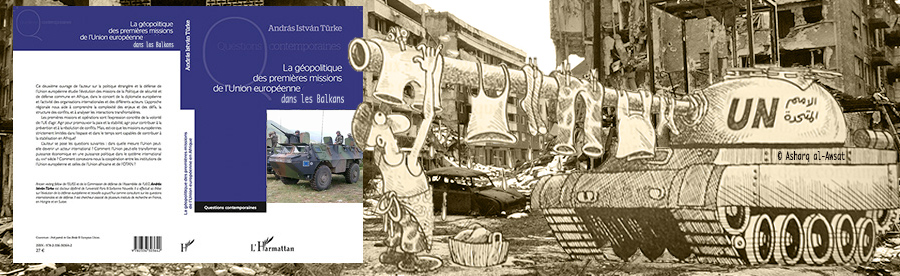
We are looking for sponsors for the English translation of these books, please contact turkeandras(at)gmail(dot)com