
You are here
Feed aggregator
Violences du 17 octobre : critiqué de toutes parts, Emmanuel Macron promet d’être « intraitable »
RÉCIT - De la mobilisation lycéenne jusqu’au chaos du 17 octobre, la réponse du pouvoir exécutif, pris au dépourvu, s’est révélée fluctuante. Évoquant la «honte» et la «colère» face aux violences, Emmanuel Macron a promis la «transparence», lors d’une allocution dimanche soir.
Categories: France
FIREPOWER: Military mobility trilogue heads to Strasbourg
In today's edition: Arctic security, mines, drone evacuation
Categories: European Union
THE HACK: EU to connect Greenland
In today's edition: DNA compromise, Lithuanian presidency, French riots
Categories: European Union
VOLTAGE: ETS2 siege gathers steam
In today's edition: Made in Europe, deep-sea mining, Brexit divergence
Categories: European Union
17 octobre 2026, le jour où la France a pris conscience qu’elle est effectivement devenue la « colonie de ses colonies »
Ce qui s’est passé le 17 octobre 2026 est la
démonstration par l’exemple de ce que j’ai écrit et annoncé dans mon livre
« Comment la France est devenue la colonie de ses colonies ».
A savoir que nous sommes désormais dans la phase finale de cette
contre-colonisation parfaitement résumée par Houria Bouteldja dans sa déclaration
de guerre aux Français « de souche » :
« Notre simple existence, doublée d’un poids démographique relatif (1 pour 6) africanise, arabise, berbérise, créolise, islamise, noirise, la fille aînée de l’Eglise, jadis blanche et immaculée, aussi sûrement que le sac et le ressac des flots polissent et repolissent les blocs de granit aux prétentions d’éternité (…) ».
Aujourd’hui, les pillards largement issus de nos anciennes colonies justifient leur conquête territoriale par une phrase traduisant clairement leur volonté de revanche ou même de vengeance historique : « Si nous sommes ici, c’est que vous étiez là-bas ».
Une conquête méthodiquement préparée depuis quatre ou cinq décennies par ces élites ethno-masochistes qui dirigent notre pays et qui ont inventé la notion de la prétendue « culpabilité française ».
N’était-ce pas Roselyne Bachelot alors ministre de la Culture, qui osa déclarer, ès-qualités, à un journal algérien « Nous devons reconnaître que la colonisation est un crime, une barbarie et que nous y avons pris notre part » (Roselyne Bachelot à l’Opinion, le 10 novembre 2020) ?
N’était-ce pas Emmanuel Macron qui, le 17 février 2017, alors qu’il n’était encore que candidat à la présidence de la République, déclara à la télévision algérienne que « la colonisation (…) est un crime contre l’humanité, une vraie barbarie » etc…
Résultat, parmi les millions de néo-Français et de clandestins, nombreux sont ceux qui ne s’identifient pas à une France « criminelle ». Hafsa Askar, alors vice-présidente du syndicat étudiant UNEF fut ainsi été très claire le 15 avril 2019 quand elle déclara à propos de l’incendie de Notre-Dame :
« Je m’en fiche de Notre-Dame de Paris, car je m’en fiche de l’histoire de France…Wallah …on s’en balek (traduction : on s’en bat les c…), objectivement, c’est votre délire de petits blancs ».
Pour les razzieurs du 17 octobre, la France n’est pas une lente construction historique dont ils seraient les héritiers, mais une terre à prendre, à conquérir. Une terre sur laquelle ils cherchent à réaliser une revanche historique de nature psychanalytique.
Ne nous y trompons pas, chez eux, il ne s’agit pas de « séparatisme » comme le psalmodient les cocus de l’histoire et les sociologues, mais de volonté de conquête. Ils ne veulent pas faire sécession, mais tout au contraire imposer à la France leurs normes philosophiques, sociales, politiques et religieuses, leur mode de vie et leurs mœurs... En un mot, ils veulent la soumettre.
Cela leur semble d’autant plus facile à réaliser que, comme l’a justement annoncé Houria Bouteldja, la démographie va mathématiquement leur assurer une place de plus en plus déterminante dans la vie politique française à travers l’ethnomathématique électorale si bien comprise par Jean-Luc Mélenchon. Or, en face, les Français de « souche » ont été désarmés physiquement, juridiquement et mentalement. Ayant perdu leur instinct de défense avec leurs repères civilisationnels, ils ne croient plus en rien, leurs femmes ne font plus d’enfants et l’exacerbation féministe y a dévirilisé les mâles…
La responsabilité historique de la gauche dite « républicaine » dans le drame existentiel que connaît aujourd’hui la France est abyssale. C’est elle qui, à partir de la décennie 1960, ne cessa, au nom de l’antiracisme, de soutenir l’immigration. Ce furent ses intellectuels qui sapèrent méthodiquement, les-uns après les autres, les principes et les institutions sur lesquels reposaient jusque-là la cohésion et la cohérence de la société française. C’est elle qui a pavé la route des pillards du 17 octobre. Mais en même temps elle s’est suicidée intellectuellement. Elle a en effet organisé, promu et soutenu une contre-colonisation dont les conséquences ont mis à bas ses grands principes fondateurs universalistes.
Voilà pourquoi, face aux monstres dont ils sont les géniteurs, les hommes de gauche demeurent sans voix, mais tout en refusant toujours de voir la réalité en face. Acculés dans une impasse idéologique et sociétale, ils continuent pathétiquement à s’agripper aux « droits de l’homme », à la « laïcité » et à l’incantation quasi religieuse à la « République ». Autant de bouées crevées qui n’empêcheront pas leur noyade…
Pour la gauche non mélenchoniste le choix est donc désormais clair :
1) Soit la « soumission », comme l’a prophétisé Michel Houellebecq, c’est à dire l’entrée en dhimmitude. Une partie l’acceptera. Certains par masochisme, les autres pour ne pas devoir remettre en cause leurs principes philosophiques. Plutôt l’esclavage que la renonciation aux dogmes fondateurs.
2) Soit la remise en question de la philosophie et des impératifs moraux qui ont permis et engendré la situation actuelle, donc, le basculement dans un paradigme de survie identitaire qui répudiera les vieilles lunes idéologiques.
Pour la « droite », l’heure est également à la profonde redéfinition des concepts, à l’abandon des « Nuées » comme le disait Charles Maurras, donc à la remise en question des anciennes lubies comme l’assimilation ou l’intégration. Si tant est qu’elle veuille que la France survive, elle devra se laisser guider par les porteurs de forces créatrices, cette avant-garde consciente qui, depuis des décennies, n’a cessé, en vain jusque-là, de l’alerter. Et qui, aujourd’hui, dans le chaos de la tempête est seule à avoir un cap. Celui du courage de dire aux pillards et à certains « Français dits de papier » que si leur sort leur est ici insupportable…elle leur souhaite « bon vent »…et heureux retour « au pays ». Mais que, si, toutefois, ayant tout de même décidé de rester en France pour y jouir de ses largesses, ils persistaient à y indisposer les autochtones, ils devraient alors méditer l’adresse de Cicéron devant le Sénat romain : « Quo usque tandem abutera, Catilina, patientia nostra ? « Jusques à quand, enfin, Catilina, abuseras-tu de notre patience ?».
Car ce serait alors un autre cri qui jaillirait des profondeurs de notre histoire millénaire : « Contre les Huns, tous aux Champs catalauniques !!! ».
Offre spéciale pour mon livre « Comment la France est devenue la colonie de ses colonies »
- France métropolitaine 28 euros au lieu de 34 euros port colissimo compris
- UE 32 euros port compris
- Reste du monde 50 euros port compris paypal.HostedButtons({ hostedButtonId: "7PMCLC4M3RPKN", }).render("#paypal-container-7PMCLC4M3RPKN")

« Notre simple existence, doublée d’un poids démographique relatif (1 pour 6) africanise, arabise, berbérise, créolise, islamise, noirise, la fille aînée de l’Eglise, jadis blanche et immaculée, aussi sûrement que le sac et le ressac des flots polissent et repolissent les blocs de granit aux prétentions d’éternité (…) ».
Aujourd’hui, les pillards largement issus de nos anciennes colonies justifient leur conquête territoriale par une phrase traduisant clairement leur volonté de revanche ou même de vengeance historique : « Si nous sommes ici, c’est que vous étiez là-bas ».
Une conquête méthodiquement préparée depuis quatre ou cinq décennies par ces élites ethno-masochistes qui dirigent notre pays et qui ont inventé la notion de la prétendue « culpabilité française ».
N’était-ce pas Roselyne Bachelot alors ministre de la Culture, qui osa déclarer, ès-qualités, à un journal algérien « Nous devons reconnaître que la colonisation est un crime, une barbarie et que nous y avons pris notre part » (Roselyne Bachelot à l’Opinion, le 10 novembre 2020) ?
N’était-ce pas Emmanuel Macron qui, le 17 février 2017, alors qu’il n’était encore que candidat à la présidence de la République, déclara à la télévision algérienne que « la colonisation (…) est un crime contre l’humanité, une vraie barbarie » etc…
Résultat, parmi les millions de néo-Français et de clandestins, nombreux sont ceux qui ne s’identifient pas à une France « criminelle ». Hafsa Askar, alors vice-présidente du syndicat étudiant UNEF fut ainsi été très claire le 15 avril 2019 quand elle déclara à propos de l’incendie de Notre-Dame :
« Je m’en fiche de Notre-Dame de Paris, car je m’en fiche de l’histoire de France…Wallah …on s’en balek (traduction : on s’en bat les c…), objectivement, c’est votre délire de petits blancs ».
Pour les razzieurs du 17 octobre, la France n’est pas une lente construction historique dont ils seraient les héritiers, mais une terre à prendre, à conquérir. Une terre sur laquelle ils cherchent à réaliser une revanche historique de nature psychanalytique.
Ne nous y trompons pas, chez eux, il ne s’agit pas de « séparatisme » comme le psalmodient les cocus de l’histoire et les sociologues, mais de volonté de conquête. Ils ne veulent pas faire sécession, mais tout au contraire imposer à la France leurs normes philosophiques, sociales, politiques et religieuses, leur mode de vie et leurs mœurs... En un mot, ils veulent la soumettre.
Cela leur semble d’autant plus facile à réaliser que, comme l’a justement annoncé Houria Bouteldja, la démographie va mathématiquement leur assurer une place de plus en plus déterminante dans la vie politique française à travers l’ethnomathématique électorale si bien comprise par Jean-Luc Mélenchon. Or, en face, les Français de « souche » ont été désarmés physiquement, juridiquement et mentalement. Ayant perdu leur instinct de défense avec leurs repères civilisationnels, ils ne croient plus en rien, leurs femmes ne font plus d’enfants et l’exacerbation féministe y a dévirilisé les mâles…
La responsabilité historique de la gauche dite « républicaine » dans le drame existentiel que connaît aujourd’hui la France est abyssale. C’est elle qui, à partir de la décennie 1960, ne cessa, au nom de l’antiracisme, de soutenir l’immigration. Ce furent ses intellectuels qui sapèrent méthodiquement, les-uns après les autres, les principes et les institutions sur lesquels reposaient jusque-là la cohésion et la cohérence de la société française. C’est elle qui a pavé la route des pillards du 17 octobre. Mais en même temps elle s’est suicidée intellectuellement. Elle a en effet organisé, promu et soutenu une contre-colonisation dont les conséquences ont mis à bas ses grands principes fondateurs universalistes.
Voilà pourquoi, face aux monstres dont ils sont les géniteurs, les hommes de gauche demeurent sans voix, mais tout en refusant toujours de voir la réalité en face. Acculés dans une impasse idéologique et sociétale, ils continuent pathétiquement à s’agripper aux « droits de l’homme », à la « laïcité » et à l’incantation quasi religieuse à la « République ». Autant de bouées crevées qui n’empêcheront pas leur noyade…
Pour la gauche non mélenchoniste le choix est donc désormais clair :
1) Soit la « soumission », comme l’a prophétisé Michel Houellebecq, c’est à dire l’entrée en dhimmitude. Une partie l’acceptera. Certains par masochisme, les autres pour ne pas devoir remettre en cause leurs principes philosophiques. Plutôt l’esclavage que la renonciation aux dogmes fondateurs.
2) Soit la remise en question de la philosophie et des impératifs moraux qui ont permis et engendré la situation actuelle, donc, le basculement dans un paradigme de survie identitaire qui répudiera les vieilles lunes idéologiques.
Pour la « droite », l’heure est également à la profonde redéfinition des concepts, à l’abandon des « Nuées » comme le disait Charles Maurras, donc à la remise en question des anciennes lubies comme l’assimilation ou l’intégration. Si tant est qu’elle veuille que la France survive, elle devra se laisser guider par les porteurs de forces créatrices, cette avant-garde consciente qui, depuis des décennies, n’a cessé, en vain jusque-là, de l’alerter. Et qui, aujourd’hui, dans le chaos de la tempête est seule à avoir un cap. Celui du courage de dire aux pillards et à certains « Français dits de papier » que si leur sort leur est ici insupportable…elle leur souhaite « bon vent »…et heureux retour « au pays ». Mais que, si, toutefois, ayant tout de même décidé de rester en France pour y jouir de ses largesses, ils persistaient à y indisposer les autochtones, ils devraient alors méditer l’adresse de Cicéron devant le Sénat romain : « Quo usque tandem abutera, Catilina, patientia nostra ? « Jusques à quand, enfin, Catilina, abuseras-tu de notre patience ?».
Car ce serait alors un autre cri qui jaillirait des profondeurs de notre histoire millénaire : « Contre les Huns, tous aux Champs catalauniques !!! ».

Offre spéciale pour mon livre « Comment la France est devenue la colonie de ses colonies »
- France métropolitaine 28 euros au lieu de 34 euros port colissimo compris
- UE 32 euros port compris
- Reste du monde 50 euros port compris paypal.HostedButtons({ hostedButtonId: "7PMCLC4M3RPKN", }).render("#paypal-container-7PMCLC4M3RPKN")
Categories: Afrique
La CNDH lance une mission de contrôle de l’accessibilité des services publics aux personnes vivant avec handicap
La Commission nationale des droits de l’homme (CNDH) a lancé lundi 19 octobre à Kinshasa une mission de contrôle de l’accessibilité des personnes vivant avec handicap aux services publics sur l’ensemble du territoire national.
Categories: Afrique
Kallas sounds alarm over EU aid cuts
Budget negotiations have so far taken an axe to the EU's aid external spending
Categories: European Union
FIRST AID: Why France changed drug pricing policy
In today's edition: rare diseases, Lithuanian presidency, tobacco
Categories: European Union
From negotiations to implementation: the EU’s strategic repositioning ahead of COP31
This blog draws on discussions at a closed-door roundtable titled “EU Climate Diplomacy: Promoting EU and Global Climate Goals in the Evolving Climate Regime,” held in Brussels on 3 September 2026 and co-organised by ETTG, IDDRI and IDOS. The session convened senior officials from DG CLIMA, EU member states and experts. Views expressed reflect the range of positions raised in the discussion and are not attributed to individual participants or institutions; they do not necessarily represent the position of ETTG or its member institutes.
Categories: Diplomacy & Defense Think Tank News
HARVEST: A day in Strasbourg
In today's edition: organic, CMO, Hungary’s price cap
Categories: European Union
Sweden and Denmark see no MFN hit to drug launches, concerns remain [Partner Content]
Nordic regulators see no MFN chill on drug launches so far, as Denmark’s task force weighs new pricing models to keep medicines flowing
Categories: European Union
En Ukraine, les restrictions américaines sur Starlink et les livraisons d'armes fragilisent Kiev
Les relations entre Washington et Kiev s'enveniment. Donald Trump a estimé lundi que la Russie « s'est bien comportée avec l'Ukraine et n'a pas fait grand-chose » alors que Moscou multiplie les frappes sur les infrastructures civiles et énergétiques ukrainiennes et qu'une frappe de drone dans la région de Kharkiv a fait six morts cette nuit. Sur le terrain, les restrictions américaines touchant Starlink et Starshield et les retards de livraison de missiles Patriot compliquent les opérations de l'armée ukrainienne.
Categories: Union européenne
The Proliferation of Illicit Drones in Southeast Asia
The past two years have seen the growing use of off-the-shelf commercial drones for criminal and militant activities.
Categories: Diplomacy & Crisis News
As El Niño Returns, East Africa’s Urban Poor Brace for Heavy Rains
Tanzania’s vice-president inspects a drainage channel in Dar es Salaam as authorities step up preparations for heavy El Niño rains expected during the October–December rainy season. Credit: Kizito Makoye/IPS
By Kizito Makoye
DAR ES SALAAM, Tanzania, Oct 20 2026 (IPS)
Nearly three decades have passed, but Japhet Gimbi still remembers the rain.
He was a Form 2 student in Tabora, western Tanzania, when the 1997 El Niño flooded the town. As the rain kept falling, fewer students made it to school. That was a super El Niño, one of the strongest on record. Since then there have been five other events including the 2014-2016 “super El Niño”.
“It just kept raining. Day after day, the rain wouldn’t stop,” Gimbi, who now lives in Dar es Salaam, recalled.
But his strongest memory is of food running short at home.
“We would only eat Ugali without vegetables,” he said.
At Kwihara village, Hatibu Halfan remembers the same season differently. He was a 27-year-old farmer when the rains initially seemed a blessing. His rice crop flourished.
Then the ground became waterlogged. Cassava and sweet potatoes rotted. Homes in low-lying areas flooded.
Twenty-nine years later, East Africa is again preparing for “super” El Niño. The World Meteorological Organization (WMO) expects it to intensify toward the end of 2026, with forecasts showing a nearly 100 percent chance of persisting through February 2027. But WMO cautions that a strong El Niño does not necessarily mean severe impacts in every country.
For East Africa, the concern is heavy rain. The October-to-December season is crucial across much of the region, with forecasts pointing to wetter-than-normal conditions that could bring floods, landslides, infrastructure damage, and disease outbreaks. In parts of Tanzania, Uganda, Rwanda, and Burundi, the season delivers up to 40 percent of annual rainfall.
The East African Community (EAC) Partner States are calling for more predictable, accessible and grant-based climate finance as they prepare to take a common regional position to the United Nations Climate Change Conference (COP31) in Antalya, Türkiye, next month.
They plan to call on developed countries to meet their public climate finance obligations, triple adaptation finance by 2035, improve direct access to climate finance, and provide greater support for adaptation and loss and damage, all without increasing the debt burden on vulnerable countries.
“The common COP31 messages further call for the full capitalisation of the Fund for Responding to Loss and Damage, direct access to its resources by national institutions and support for both economic and non-economic losses. The EAC is also calling for full funding of the Santiago Network, which provides technical assistance to countries vulnerable to loss and damage, as well as stronger cooperation on disaster risk reduction and early warning systems.
The common position calls on developed countries to meet their public climate finance obligations, triple adaptation finance by 2035, improve direct access to climate finance and provide greater support for adaptation and loss and damage without increasing the debt burden of vulnerable countries.
In Dar es Salaam and other fast-growing cities, however, the danger is not simply how much rain falls. It is where it falls—and who lives in its path.
In Southern Africa, the concern is drought, with its impacts on food security, the potential for wild fires, and water shortages. The country will use its participation at the COP31 to ask for increased adaptation finance.
Cities at Risk
“The main impacts we should expect from floods range from possible loss of lives and the number of people displaced, damaged houses, waterborne diseases, loss of employment, and disruption of livelihoods,” Romanus Opiyo, Policy and Engagement Lead for Sustainable Urbanisation at the Stockholm Environment Institute, told IPS.
In Dar es Salaam, neighbourhoods have expanded along rivers, valleys and low-lying land where housing is relatively affordable but drainage and other basic services often lag behind population growth.
Among the places Opiyo identifies as particularly exposed are Tandale, along the Sinza river system, and Jangwani, in the Msimbazi valley.
“The most vulnerable are the urban poor, especially those living near riparian areas such as those settlements in low elevations and near riparian areas,” he said.
Flooding does not affect all city residents equally. Low-income households living on daily earnings often have few savings, little or no insurance and limited options for moving somewhere safer.
A Dar es Salaam resident clears vegetation and debris from a drainage channel as communities prepare for heavy rains associated with El Niño. Credit: Kizito Makoye/IPS
When Drains Become Sewers
In crowded settlements, blocked drains sit alongside pit latrines, rubbish and open sewers. Floodwater can carry all three through homes and streets.
WMO’s regional outlook warns that excessive rainfall could increase water- and vector-borne disease while damaging roads and disrupting access to health and nutrition services.
Lessons From 1997
The 1997 El Niño brought torrential rain and widespread flooding across East Africa.
By February 1998, about 10 million people across the region needed emergency assistance, according to the UN Food and Agriculture Organization.
Tanzania suffered extensive damage to roads and railways. Communities were cut off, crops and food stocks were lost and relief efforts were hampered by damaged infrastructure.
The effects, however, varied from place to place. Rain replenished water supplies and improved pasture in some areas, and national food production rebounded in 1998. But hundreds of villages were isolated, and thousands of people were left homeless. FAO and the World Food Programme estimated that about 300,000 Tanzanians would still need targeted food aid.
Since 1997, East African cities have expanded rapidly into wetlands, river valleys and other flood-prone land. Riverbanks have been settled and open ground replaced by roads, buildings and concrete.
Opiyo says weak development control is worsening the risk.
“The major gap remains the allocation of adequate resources (finance, human, and infrastructure resources) to deal with the problem,” he said.
Tanzania Prepares
Tanzania has begun preparations for the October-to-December rains, with forecasters warning that a very strong El Niño could bring heavier rainfall to much of the northern coast, northeastern highlands, Lake Victoria basin and northern Kigoma.
The government has activated a National Emergency Plan and issued 13 directives, ordering authorities to identify high-risk areas, designate emergency shelters, clear drains, prepare rescue equipment and strengthen measures against disease and damage to infrastructure.
The government estimates that 730 billion Tanzanian shillings could be required to implement activities before, during and after a major El Niño emergency. The figure is an estimate of potential requirements, not money already set aside. The 2026/27 budget provides 10 billion shillings for activities under the plan across sectors.
Community flood mapping, identifying households that may need help evacuating, clearing drains and establishing safe routes can also reduce risks.
Beyond El Niño
Seasonal forecasts describe probabilities, not individual storms, and WMO stresses that even a very strong El Niño does not guarantee catastrophic impacts everywhere.
But the problem will outlast El Niño: each rainy season exposes many of the same neighbourhoods.
Rivers overflow and drains clog. Households move possessions onto beds, raise furniture on bricks and wait for the water to recede.
Opiyo says recurring flooding in informal settlements is also an urban-planning problem.
“The informal urban community’s vulnerability requires a collaborative approach in terms of data, creative and inclusive methodology and honest dialogue to address the recurring problem.”
Nature-based measures include protecting wetlands and river corridors, restoring vegetation and preserving areas where floodwater can spread without reaching homes.
But in cities where safe land is expensive, telling people not to live beside rivers does little for families who cannot afford to live anywhere else. Clearing a drain may reduce flooding this season; it does not resolve insecure housing, weak sanitation or the absence of affordable serviced land.
In 1997, Gimbi watched his classmates disappear from school as the rains continued and food ran short at home. Halfan watched his rice flourish before waterlogged fields began destroying other crops.
Twenty-nine years later, governments have better forecasts, satellite observations, flood maps and early-warning systems.
They can see the rain coming.
The question is whether the people living closest to the water will be safer when it arrives.
IPS UN Bureau Report
Related Articles
Categories: Africa
Minutes - Thursday, 1 October 2026 - PE796.327v01-00 - Committee on Foreign Affairs
Source : © European Union, 2026 - EP
Categories: Europäische Union
Minutes - Thursday, 1 October 2026 - PE796.327v01-00 - Committee on Foreign Affairs
Source : © European Union, 2026 - EP
Categories: Défense, European Union
Press release - EP TODAY
Categories: Union européenne
Press release - EP TODAY
Categories: Europäische Union
Pages



© 2012-2018 Europa Varietas Foundation © 2015-2018 Europa Varietas Association
www.europavarietas.org | info(@)europavarietas(dot)org | Switzerland


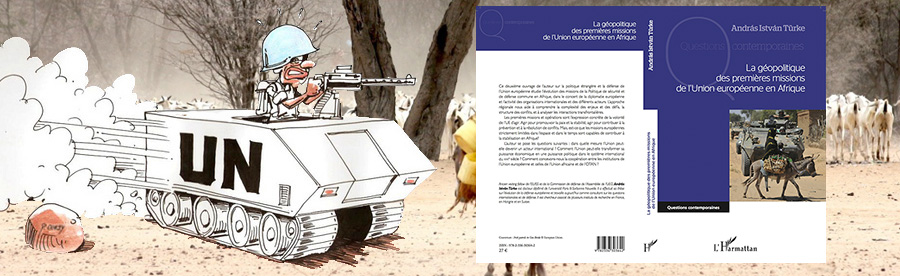
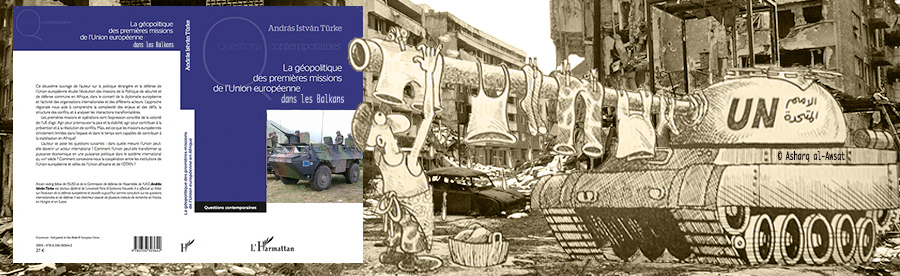
We are looking for sponsors for the English translation of these books, please contact turkeandras(at)gmail(dot)com