
You are here
Biztonságpolitika
Matapan 07.
A Matapan-foknál elszenvedett vereség sokkolta az olasz haditengerészetet, sokkal inkább, mint a fél évvel korábbi tarantói rajtaütés. Végképp nyilvánvalóvá vált, hogy a Royal Navy úgyszólván minden téren nagy fölényben van a Regia Marinával szemben. Az angolok felderítése, az alkalmazott technológiák, az éjszakai harcban és a légi-tengeri hadviselésben való jártasságuk egyaránt messze felülmúlta azt, amit az olaszok fel tudtak mutatni. Ezenkívül természetesen sokkal jobb volt a vezetésük is, de a Supermarina ezt persze nem tartotta szükségesnek bevenni a levonandó tanulságok közé.
Az olaszok nem próbálták, igaz, nem is tudták volna eltussolni a vereséget. A csatáról kiadott hivatalos közleményben elismerték a három cirkáló elvesztését, bár afféle szépségtapaszként hozzátették, az ellenség is elvesztett legalább egy cirkálót. Ha úgy vesszük, nem is lódítottak nagyot, hiszen a barchinók néhány nappal korábban tették tönkre a York cirkálót, néhány nappal később pedig német bombázók süllyesztették el a Bonaventura cirkálót, tehát az angoloknak is megvoltak a maguk veszteségei, még ha ezeknek nem is volt sok közük a matapáni csatához.
Categories: Biztonságpolitika, Europäische Union
ÚJ TÍPUS, ÚJ KIHÍVÁSOKKAL - REPÜLŐMŰSZAKIAK A KC-390-ESEN
Az An-26-os típus kivonását követően immár két KC-390-es biztosítja a Magyar Honvédség rámpás szállítórepülő képességét. A Millenium első példánya 2024 szeptemberében érkezett az MH vitéz Szentgyörgyi Dezső 101. Repülődandárhoz. Az új típus üzemeltetésére való felkészülés fontosabb pillanatait és kihívásait ezúttal repülőműszaki szempontból nézzük meg.
Felvezető jelleggel érdemes visszamenni az időben 2018-ig. Addig a kecskeméti alakulat szállítórepülő százada kizárólag az An-26-ossal repült, a típus fénykorában öt gép volt rendszerben és az üzemeltetést 30-35 fő végezte. 2018-ban jött a változás az Airbus A319-es és a Dassault Falcon 7X formájában. Az An-26-osokon dolgozó repülőműszaki állomány választhatott, hogy melyik típuson szeretné magát képezni, de ebben a választásban közrejátszott a mérnökök és parancsnokok javaslata is. Ezután a csoport kettévált és az analóg An-26-osról egy nagy ugrással átállt a digitális technikával működő Airbusra és Falconra. A rendelkezésre álló rövid időn belül a tapasztalt műszakiak közül ki könnyebben, ki kicsit nehezebben állt át, de elkezdődhetett az új típusok üzemeltetése. Az első időszakban egy-egy meghibásodás komoly kihívást jelentett. Az A319-es tekintetében a ferihegyi Aeroplex volt a segítség, amely mérnöki gárdával és műszakiakkal segítette az üzemeltetést, a Falcon esetében pedig a gyártó cég, a Dassault volt a támogató. Az idő múlásával és a tapasztalat növekedésével a kecskemétiek szinte teljesen átvették a két típus üzemeltetését, azonban a Falcon 7X-nél továbbra is van egy támogató szakember. Így érkezett el 2020 novembere, amikor aláírás került a KC-390-es beszerzésre. Az érintett szakterületek bevonásával megalakult egy, a Magyar Honvédség több szervezeti elemét is érintő katonai munkacsoport, azzal a feladattal, hogy a szerződésben leírt feltételeket és műszaki előírásokat félévente ellenőrizze, illetve tartsa a kapcsolatot a gyártó Embraerrel. Havonta tartottak online egyeztetést, illetve félévente kilátogattak a brazíliai gyárba, ahol figyelemmel kísérték a Magyar Honvédség számára készülő repülőgép pillanatnyi állását. Ezeket a látogatásokat a szerződésben meghatározottak szerint a fontosabb fázisokhoz - szárny összeszerelés, törzs elkészülte, stb. - időzítették. Megnézték, hogy a gép valóban a szerződésben rögzített státuszban van-e, a fellépő problémákat a havi egyeztetés során koordinálták, illetve javaslatokat tettek.
Categories: Afrique, Biztonságpolitika
A thai-kambodzsai háború és évtizedes légierő-mókus a májusi Aeróban
Az anyanyelű internetes források kutatásával a szokásosnál részletesebb képet kínál Benedek Levente a minapi thai-kambodzsai háború fast jet bevetéseiről, köztük a thai Gripenek első, fegyveralkalmazással is járó éles akciójáról (a típus első éles bevetései Líbia felett, mint ismert, A-A őrjáratozó és felderítő feladatra korlátozódtak) a 2026 májusi Aeromagazinban.
A friss számból szintén kiemelném Szórád Tamás barátom élő anyagát az MH-hoz átkerült egykori légimentő mókusok tíz éves szolgálatáról:
Zord
Categories: Biztonságpolitika, Europäische Union
ÉVFORDULÓS AJÁNLÓ
Április zárásaként két korábbi írásomat ajánlom az olvasónak. Mindkét téma líbiai vonatkozású, az egyik 40 éve zajlott, a másik 15 esztendeje.
Az előbbi az Egyesült Államok légiereje és haditengerészet által 1986. április 15-én végrehajtott Eldorado Canyon művelet.
A másik, időben közelebbi, a svéd légierő részvétele a Unified Protector műveletben 2011 áprilisa és októbere között, Karakal művelet elnevezéssel.
…
Categories: Afrique, Biztonságpolitika
Erklärung von Präsident António Costa im Anschluss an das Treffen mit regionalen Partnern
Der Präsident des Europäischen Rates António Costa betonte im Anschluss an die Beratungen vom 24. April 2026 in Nikosia (Zypern), dass die EU ein verlässlicher und berechenbarer Partner für die Region ist.
Categories: Biztonságpolitika, Europäische Union
EU-Institutionen einig über Fahrplan zum Ziel „Ein Europa, ein Markt“ bis Ende 2027
Der Fahrplan „Ein Europa, ein Markt“ wurde heute von der Präsidentin des Parlaments, dem Präsidenten des Rates und der Präsidentin der Kommission unterzeichnet.
Categories: Biztonságpolitika, Europäische Union
Doorstep-Bemerkungen von Präsident António Costa vor der informellen Tagung der Staats- und Regierungschefs am 23./24. April 2026
Vor Beginn der informellen Tagung der Staats- und Regierungschefs am 23/.24 April 2026 trat der Präsident des Europäischen Rates António Costa in Agia Napa, Zypern, vor die Presse.
Categories: Biztonságpolitika, Europäische Union
Gemeinsame Erklärung des Präsidenten des Europäischen Rates António Costa, der Präsidentin der Europäischen Kommission Ursula von der Leyen und des Präsidenten der Ukraine Wolodymyr Selenskyj
Am 23. April 2026 gaben Präsident Costa, Präsidentin von der Leyen und Präsident Selenskyj nach ihrem trilateralen Treffen in Agia Napa (Zypern) vor der informellen Tagung der Staats- und Regierungschefs der EU eine gemeinsame Erklärung ab.
Categories: Biztonságpolitika, Europäische Union
Joint statement of the 25th EU-ASEAN ministerial meeting, 27 and 28 April 2026
The European Union and the Association of Southeast Asian Nations (ASEAN) adopted a joint statement following their 25th ministerial meeting.
Categories: Biztonságpolitika, Európai Unió : hírek magyarul
Press briefing - Meeting of the European Political Community of 4 May 2026 and the EU-Armenia summit of 4-5 May 2026
The press briefing will take place on Wednesday 29 April 2026 at 15.00.
Categories: Biztonságpolitika, Európai Unió : hírek magyarul
US Court Dismisses Rohingya Hate Speech Lawsuit Against Meta
Plaintiffs argued that Facebook helped spread hate speech that “amounted to a substantial cause, and eventual perpetuation of, the Rohingya genocide.”
Categories: Biztonságpolitika, Diplomacy & Crisis News
...és megérkeztek...39.313 és 39.314
Kecskeméten ma bemutatták a Svédországtól beszerzésre kerülő négy extra Gripen első két, frissen megérkezett példányát. A harci repülőgépflotta bővítése, bár szerény, számottevő javulással kecsegtet az egyszázados erő igénybevételi csúcsainak (pl. BAP) - így a korábbiaknál kevesebb kényszerű kompromisszumot igénylő - kezelésében.
Taxiex, avagy útban a Limáról a Novemberre...
...de csak a bázis tűzoltóinak vízsugarain át, ahogy leszállításkor szokás.
Kibontakozik a vízcseppek közül a 45-ös...
...nyomában a kísérő 46-os is a NATO-hangár előtti apronra fordul.
Egymás mellett a kép a fogadóbizottsággal szemben.
Rend a lelke mindennek. A ma megérkezett két extra gép szériaszáma illeszkedik a 2006-2007-ben leszállított első 12 magyar együléses gép szekvenciájába (39.301-39,312...39.313, 39.314)
Kecskeméti pkh jelentés a VKF-nek az érkezésről.
Szvíden in NÉTÓ.
A kegyelet helye. RIP Kele!
Az új gépek fogadási rendezvényének felvezetéseként települt ki Araxoszba az NTM 26 magyar kontingensének első négy Gripenje. Itt az AIM-2000 CATM-ot cipelő 31-es...
...a háromtartályos (nem extra, hanem pót :-) 44-es...
...az előző spécifestésű 40-es...
...és a 32-es glideslope array és Iljusin háttérel...
Áthúzás rajkötelékben 12-es irányba a görögországi útvonal megkezdése előtt.
Bónusz 1. A 611-es (K)C-390, mely éppen a tigristalálkozós csapat kitelepülésében működött közre, 30-as szerint szállt le.
Bónusz 2. Bepillantás a tavaly beérkezett L-39NG Skyfox kiképzőflotta alakuló napi rutinjába. Itt a több mint két órás pápai navigációs karikából visszatérő 147-es az ismerős díszletek és földet érés előtt.
Bónusz 3. Kenyérgőz pushback.
Bónusz 4. Munka a hangárban.
Zord
Categories: Biztonságpolitika, France
Mikrofon-Panne in der NHL: Plötzlich singen die US-Fans die Kanada-Hymne
Mikrofon-Ausfall bei der Kanada-Hymne: In Buffalo übernehmen die Fans aus den USA das Singen – und sie sind ziemlich textsicher.
Categories: Biztonságpolitika, Swiss News
«Werde ich nie vergessen»: Tennis-Ass Riedi meldet sich mit cleverem Schachzug zurück
Nach drei Operationen in 13 Monaten und viel Geduld: Leandro Riedi feiert den ersten Titel seit seinem Comeback ausgerechnet am anderen Ende der Welt – und gibt nach einer Schrecksekunde Entwarnung.
Categories: Biztonságpolitika, Swiss News
KatPol Kávéház CXXXVII. - Isten nevében
A nyaktilót, mint a politikai terror eszközét a laikusok főleg a francia forradalommal és a jakobinusokkal azonosítják. A németeknél viszont más a helyzet, mivel a halálbüntetésnek eme ikonikus módszere francia hatásra terjedt ugyan el náluk a XIX. században, és maradt használatban az 1871-es államegyesítés után is, az egyébként gondosan nem "guillotine" névvel illetett alkalmatosság tömeges, megfélemlítő célú alkalmazása ott éppenséggel a hitleri diktatúra egyik attribútumaként ismert.
Categories: Biztonságpolitika, France
L’UE ne peut empêcher la Chine de remporter le projet au Sénégal, admet la Commission
« Il y a une réelle volonté de résoudre ce problème », a déclaré Séjourné, commissaire européen chargé de l'industrie
The post L’UE ne peut empêcher la Chine de remporter le projet au Sénégal, admet la Commission appeared first on Euractiv FR.
Categories: Biztonságpolitika, Union européenne
Fonds d’extrême droite : une plainte à l’Office européen de lutte antifraude met le Parlement sous pression
Les allégations de détournement de 4,3 millions d'euros ont suscité un vif débat au Parlement
The post Fonds d’extrême droite : une plainte à l’Office européen de lutte antifraude met le Parlement sous pression appeared first on Euractiv FR.
Categories: Biztonságpolitika, Union européenne
Nigeria : au moins 29 personnes tuées par des hommes armés dans le nord-ouest
Au moins 29 personnes ont été tuées par des hommes armés dans le nord-est du Nigeria, a déclaré lundi le gouverneur. Selon des témoins, les assaillants ont ciblé des jeunes rassemblés sur un terrain de football. Il s'agit du dernier épisode d'une série de violences meurtrières dans le pays le plus peuplé d'Afrique. Dans l'État d'Adamawa, frontalier du Cameroun, des violences sont régulièrement perpétrées par des jihadistes et des bandes criminelles locales.
Categories: Afrique, Biztonságpolitika
Nord du Mali : la ville de Kidal est sous le contrôle des rebelles touareg
La ville de Kidal, dans le nord du Mali, est sous le contrôle des rebelles indépendantistes touareg et des groupes jihadistes. La ville est tombée après une série d'attaques coordonnées menées contre des positions stratégiques de l'armée malienne à travers le pays. Ce n'est pas la première fois que cette ville stratégique bascule d'un camp à l'autre, mais cette fois les mercenaires du groupe russe "Africa Corps" ont négocié leur retrait.
Categories: Afrique, Biztonságpolitika
Pages


© 2012-2018 Europa Varietas Foundation © 2015-2018 Europa Varietas Association
www.europavarietas.org | info(@)europavarietas(dot)org | Switzerland

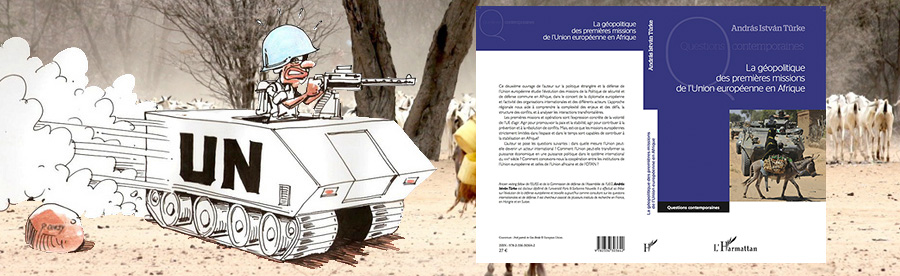
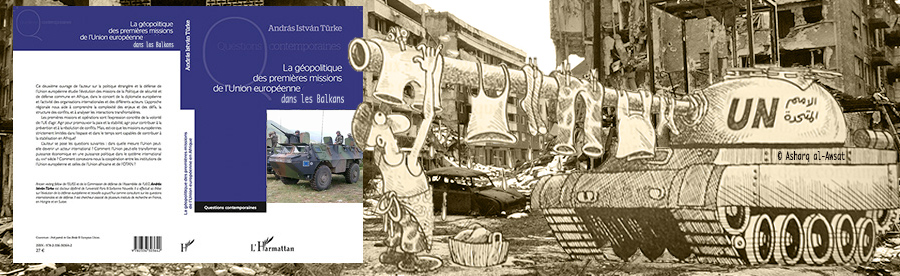
We are looking for sponsors for the English translation of these books, please contact turkeandras(at)gmail(dot)com