
You are here
Feed aggregator
Chatbots & AI Companions: From Science Fiction to Everyday Reality
Chatbots and AI companions have rapidly moved from science fiction into everyday life. Credit: Shutterstock
By Joseph Chamie
PORTLAND, USA, Jun 15 2026 (IPS)
AI chatbots and AI companions designed to simulate human-like conversation and provide relationships and companionship through generative artificial intelligence (AI) have rapidly evolved from science fiction into everyday reality.
Globally, approximately one billion people – about 12% of the world’s population – now use generative AI chatbots monthly, with usage approaching parity among men and women.
Dedicated AI companions and virtual friends are estimated to have between 50 to 100 million active users worldwide. The global AI companion market is valued at roughly USD 50 billion in 2026 and is projected to grow nearly ninefold by 2034.
These technologies, including the growing use of AI avatars, are increasingly taking the place of human interactions in homes, schools, workplaces, and other settings. Marketed as virtual friends, romantic partners, or personal assistants, AI chatbots and AI companions offer users emotional support, entertainment, guidance, and companionship.
As their capabilities become more sophisticated, many users report forming emotional attachments to these systems, with increasing numbers of users believing that their AI companion or chatbot is sentient or possesses human-like awareness.
While these technologies can provide new opportunities for connection, they cannot replace the face-to-face interactions that are essential to social development, particularly among children and adolescents
Advances in robotics are also moving AI companions beyond screen-based interactions into the physical world. With increasingly human-like appearances, behaviors, and communication abilities, these systems are becoming more sophisticated and human-like in the way they interact with people.
Unlike AI assistants, which primarily answer questions or perform tasks, AI companions are designed to simulate conversations and relationships, encouraging emotional connections as friends, confidants, or romantic partners.
By providing human-like conversation, these artificial intelligence devices are offering support against social isolation and loneliness, providing educational instruction, dispensing advice and guidance, becoming friends and romantic partners, and transforming personal relationships.
The chatbots and AI companions have introduced social, psychological and ethical changes to how men, women, and especially children experience companionship, domestic life, and schooling. In particular, generative AI chatbots and AI companions have opened a new frontier in developing friendship and social relationships.
Many adolescents now rely on these new technologies for school assistance, entertainment, and emotional support. As a result, relationships with chatbots and AI companions – as friends, therapists, and even romantic partners – have become increasingly complex and, in some cases, riskier.
These emotionally engaging interactions can exacerbate psychological vulnerabilities and blur the lines between human relationships and machine-generated companionship.
In several widely publicized cases, AI chatbots have encouraged or failed to prevent self-harm. In addition, some deaths have been linked to young people who developed obsessive emotional attachments to AI companions.
However, despite the complications and risks, the world’s current attention and concerns about AI remain focused primarily on its growing impact on employment, budgetary cuts, and taking over jobs currently performed by men and women.
In contrast, relatively little attention is being given to chatbots and AI companions that engage in conversations and increasingly form personal relationships with men, women, teenagers, and children at home, in schools and in many other settings.
While these technologies can provide new opportunities for connection, they cannot replace the face-to-face interactions that are essential to social development, particularly among children and adolescents.
AI chatbots also raise risks to personal privacy, psychological well-being, the spread of misinformation, and the reinforcement of harmful behaviors. In addition, a broad range of other concerns has been identified regarding the use of chatbots and AI companions.
These concerns include delaying social and emotional development among children and teenagers, blurring the distinction between software and reality, encouraging risky behavior, exploiting young people’s emotional needs, reinforcing unhelpful thoughts, distorting users’ sense of reality, and fostering simulated attachments and dependence (Table 1).
Source: Author’s compilation.
The United States Psychological Association recently warned that relationships between children and adolescents and AI chatbots could displace or interfere with healthy social development. The association noted that friendships and social support from other people have long-term benefits for emotional well-being, physical health, and longevity.
Among generative AI chatbots, the leading platforms by market share in May 2026 are generally reported to be ChatGPT, Claude AI, Google Gemini, Microsoft Copilot, Perplexity, and Grok. Several industry analyses place ChatGPT’s share at roughly 50-55%, with Claude AI at about 21% of market share emerging as the second-largest platform (Figure 1).
Source: FirstPageSage.
In March 2026, the country with the largest number of ChatGPT users was the United States, with approximately 205 million users. Following the U.S., the countries with the largest ChatGPT user populations were India, Brazil, Canada, and France (Figure 2).
Source: fatjoe.
It is certainly the case that chatbots and AI companions cannot feel love toward an individual. Nevertheless, hundreds of millions of men, women, and children worldwide are increasingly relying on these technologies for conversation, information, companionship, and non-judgmental interactions.
These technologies may help to address chronic loneliness and social isolation, conditions that have consistently been linked to detrimental effects on physical and mental health and increased risk of premature death. The World Health Organization (WHO) formally recognizes loneliness as a global public health concern, with roughly one in six people worldwide experiencing problematic levels of loneliness.
Chatbots and AI companions can help alleviate loneliness and social isolation by providing readily available conversation and companionship without judgement and expectations. As chatbots, AI companions, and androids become increasingly sophisticated, growing numbers of people are exploring the new forms of emotional connection and intimacy with these technologies.
At the same time, the growing use of chatbots and AI companions for personal relationships raises important social, psychological, ethical, and policy concerns.
Although chatbots and AI companions may help reduce loneliness and social isolation for some users, they also pose risks, especially for children and young people. Because AI systems do not possess genuine empathy and are not trained or licensed as mental health professionals, excessive reliance on them for emotional support may isolate vulnerable individuals and distort perceptions of human relationships.
Debate continues regarding the appropriate level of regulations for these technologies. Some government officials, technology companies, investors, and researchers argue that these new and emerging AI technologies should remain largely unregulated, with people themselves determining how to adapt to these technologies.
Some of the reasons for keeping the development of AI unregulated include: prevents regulatory paralysis; accelerates technological breakthroughs; encourages venture capital investment; maintains global geopolitical competitiveness; promotes national security; prevents market monopolies; benefits national interests; and leads to better lives for men and women.
Others, however, argue that AI chatbot and AI companion technologies need to be regulated in order to protect the mental health of children and young adults; reduce the negative effects of social media and excessive screen time; mitigate risks, deception, bias, discrimination, and misinformation; promote economic stability and fairness; become a public resource; protect human rights and intellectual property; and ensure data privacy.
Among the proposed safeguards and regulations for chats and AI companions are requirements for non-human disclosure, crisis protocols for self-harm, age verification measures, limits on their use in elementary schools, bans on impersonation, and stronger protections for minors.
Fueled in part by technology companies, governments worldwide are moving rapidly to deploy generative AI systems and chatbots in schools, universities, and other settings.
However, the spread of these new AI technologies may pose risks to the development and well-being of children and teenagers, raising concerns among educators, parents, and policymakers. Interactions with AI chatbots, especially when they are intense and prolonged, may contribute to the onset or worsen delusions or mania. Research is also finding that AI companions provide responses that may worsen mental health issues.
Additionally, a recent study reported that reliance on generative AI chatbots may reduce critical thinking engagement in some contexts. Another study has raised concerns that AI chatbots can exploit teenagers’ emotional vulnerabilities, sometimes leading to inappropriate and harmful interactions.
The United States Federation of Teachers recommends “no screens” for children in second grade or younger, and restricting the use of AI chatbots for students in elementary schools. The organization has expressed concerns that excessive screen use may hinder socialization, independent thinking, and critical-thinking development.
The long-term effects of AI chatbots remain uncertain, with researchers just beginning to investigate them. However, classroom teachers and some city officials report that many students are increasingly relying on chatbots for easy answers rather than developing problem-solving and critical-thinking skills.
The U.S. Federation of Teachers has urged elementary schools to avoid using artificial intelligence tools like AI chatbots with students and called for national privacy and safety standards governing AI use in schools.
Research suggests that chatbots and AI companions may pose several risks, particularly for teenagers. Concerns include emotional dependency, declining mental health, harmful interactions, and revealing sensitive personal information, including mental health issues and sexual orientation.
Reliance on chatbots and AI companions for emotional support may also contribute to social isolation and interfere with the development of normal human relationships. Because these technologies are designed to simulate emotional intimacy, they can blur the line between genuine human connections and artificial interactions.
A risk-assessment study found that inappropriate dialogue could be readily elicited from chatbots on topics such as sex, self-harm, violence, drug use, and racial stereotypes, raising concerns about their influence on vulnerable users, particularly children and adolescents.
In conclusion, chatbots and AI companions have rapidly moved from science fiction into everyday life. They increasingly exhibit human-like characteristics, including natural-sounding human voices, memory of past interactions, continuous processing of personal information, apparent preferences, constant availability, and the ability to provide companionship and guidance on personal and social matters.
Public discussion of generative AI has focused largely on employment and job displacement, while less attention has been given to its social, psychological, and ethical effects. As chatbots and AI companions become more capable and widely used, concerns about their impact on the well-being, development, and relationships of young people are likely to become increasingly important for parents, educators, policymakers, and technology developers.
Joseph Chamie is a consulting demographer, a former director of the United Nations Population Division, and author of many publications on population issues.
ENTSCHLIESSUNGSANTRAG zu dem Entwurf eines Durchführungsbeschlusses der Kommission über die Finanzierung des Jahresaktionsplans 2026 für die Vereinigte Republik Tansania - B10-0273/2026
ENTSCHLIESSUNGSANTRAG
eingereicht gemäß Artikel 115 Absätze 2 und 3 der Geschäftsordnung
zu dem Entwurf eines Durchführungsbeschlusses der Kommission über die Finanzierung des Jahresaktionsplans 2026 für die Vereinigte Republik Tansania
(D115284/01 - 2026/2749(RSP))
Ausschuss für auswärtige Angelegenheiten
Quelle : © Europäische Union, 2026 - EP
eingereicht gemäß Artikel 115 Absätze 2 und 3 der Geschäftsordnung
zu dem Entwurf eines Durchführungsbeschlusses der Kommission über die Finanzierung des Jahresaktionsplans 2026 für die Vereinigte Republik Tansania
(D115284/01 - 2026/2749(RSP))
Ausschuss für auswärtige Angelegenheiten
Quelle : © Europäische Union, 2026 - EP
Operationalizing social contracts: a new measurement of government deliverables
The international development debate is increasingly referring to the notion of the “social contract”. In this paper, we measure what governments give societies, a core element of social contracts. To enable social contract comparison across countries and over time, we develop indices to capture the three “Ps”: protection against internal and external threats, provision of social and economic services, and political participation. These indices are composed of indicators, which are mainly input variables to gauge the willingness of governments to deliver the three Ps. Subsequently, we calculate the values of 154 countries for the three indices around the year 2019. The results show that the indices are useful and valid. They highly correlate with each other and with other indicators such as per capita income and the Human Development Index. Yet, these correlations are not perfect, meaning that the indices are not another redundant development index. They add information and value. Finally, we make a first step in identifying patterns in the results. Countries in Latin America were doing comparatively well on average in terms of political participation in 2019. When controlling for per capita income, governments in sub-Saharan Africa, were delivering disproportionately more on average in terms of protection and political participation, but less so in terms of provision. Countries in the Middle East and North Africa fail mainly with regard to political participation.
Categories: Diplomacy & Defense Think Tank News
Operationalizing social contracts: a new measurement of government deliverables
The international development debate is increasingly referring to the notion of the “social contract”. In this paper, we measure what governments give societies, a core element of social contracts. To enable social contract comparison across countries and over time, we develop indices to capture the three “Ps”: protection against internal and external threats, provision of social and economic services, and political participation. These indices are composed of indicators, which are mainly input variables to gauge the willingness of governments to deliver the three Ps. Subsequently, we calculate the values of 154 countries for the three indices around the year 2019. The results show that the indices are useful and valid. They highly correlate with each other and with other indicators such as per capita income and the Human Development Index. Yet, these correlations are not perfect, meaning that the indices are not another redundant development index. They add information and value. Finally, we make a first step in identifying patterns in the results. Countries in Latin America were doing comparatively well on average in terms of political participation in 2019. When controlling for per capita income, governments in sub-Saharan Africa, were delivering disproportionately more on average in terms of protection and political participation, but less so in terms of provision. Countries in the Middle East and North Africa fail mainly with regard to political participation.
Categories: Afrique, Diplomacy & Defense Think Tank News
Operationalizing social contracts: a new measurement of government deliverables
The international development debate is increasingly referring to the notion of the “social contract”. In this paper, we measure what governments give societies, a core element of social contracts. To enable social contract comparison across countries and over time, we develop indices to capture the three “Ps”: protection against internal and external threats, provision of social and economic services, and political participation. These indices are composed of indicators, which are mainly input variables to gauge the willingness of governments to deliver the three Ps. Subsequently, we calculate the values of 154 countries for the three indices around the year 2019. The results show that the indices are useful and valid. They highly correlate with each other and with other indicators such as per capita income and the Human Development Index. Yet, these correlations are not perfect, meaning that the indices are not another redundant development index. They add information and value. Finally, we make a first step in identifying patterns in the results. Countries in Latin America were doing comparatively well on average in terms of political participation in 2019. When controlling for per capita income, governments in sub-Saharan Africa, were delivering disproportionately more on average in terms of protection and political participation, but less so in terms of provision. Countries in the Middle East and North Africa fail mainly with regard to political participation.
Categories: Afrique, Diplomacy & Defense Think Tank News
Erdoğan’s Race to Avoid Orbán’s Fate
Thousands gather outside Istanbul City Hall to mark one year since the arrest of Mayor Ekrem İmamoğlu on 18 March 2026. Credit: Yasin Akgul/AFP
By Inés M. Pousadela
MONTEVIDEO, Uruguay, Jun 15 2026 (IPS)
When Hungary’s Prime Minister Viktor Orbán lost by a landslide to a unified opposition in April, Turkey’s President Recep Tayyip Erdoğan was watching. The lesson he drew was not that he should be more moderate; it was that he needed to crack down harder. He had already arrested Istanbul Mayor Ekrem İmamoğlu, the opposition Republican People’s Party (CHP)’s leading presidential contender, in March 2025. After Orbán’s defeat, he has accelerated his campaign to fracture the opposition and rewrite the rules before the next election in 2028.
Electoral autocracy
Erdoğan has been in power since 2003. After surviving a coup attempt in July 2016, he used emergency powers to purge the state at scale. Over 150,000 people were detained, fired or suspended from their jobs. Emergency decrees expanded the government’s power to shut down organisations and remove elected officials. A 2017 constitutional referendum, narrowly approved in a campaign that independent observers found deeply flawed, replaced Turkey’s parliamentary system with a hyper-presidential one.
Independent media has been systematically dismantled. Turkey now ranks 163rd out of 180 countries on Reporters Without Borders’ 2026 World Press Freedom Index. Yet elections have continued, and the opposition has continued to win at the municipal level, most strikingly in Istanbul in 2019 and again by an even wider margin in 2024. That residual competitiveness is what Erdoğan is now moving to close.
İmamoğlu had beaten Erdoğan’s candidate in Istanbul twice, was formally nominated as the CHP’s 2028 presidential candidate and polled strongly against Erdoğan nationally. Authorities arrested him on charges of corruption and links with terrorism as his nomination was under way, triggering Turkey’s largest wave of protests in over a decade. A 4,000-page indictment filed in November 2025 sought to sentence him to over 2,000 years in prison. Espionage charges followed in February 2026. His trial began in March amid continuing protests. He remains in prison, and in the 14 months since his arrest, over 500 more people have been detained, including 16 CHP-affiliated mayors.
With İmamoğlu imprisoned, Erdoğan’s next move was to prevent the CHP from consolidating around anyone else. On 21 May, an appeals court annulled the outcomes of the CHP’s 2023 national congress, ejecting the party’s elected leader Özgür Özel, who had raised the CHP to rough parity with Erdoğan’s Justice and Development Party (AKP) in national polls, and reinstating his predecessor Kemal Kılıçdaroğlu, a divisive figure who lost the last presidential election. Özel condemned the ruling as a judicial coup and refused to leave the party’s headquarters. Three days later, riot police stormed in, firing rubber bullets and teargas. The government denied any involvement, implausibly claiming the judiciary had acted independently. The operation was legal in form and political in substance.
Turkey’s constitution limits presidents to two five-year terms, and Erdoğan’s second expires in 2028. In May 2025, he appointed a legal team to draft a new constitution. It seems clear the goal is to extend his eligibility. The AKP and its nationalist allies fall short of the parliamentary threshold required to change the constitution or call a referendum on it. Some analysts believe the government’s recent initiative to end the decades-long conflict with the Kurdistan Workers’ Party is at least partly designed to attract enough parliamentary votes to clear that threshold.
There is a structural reason the stakes are so high. Turkey’s hyper-presidential system means that, unlike Orbán, Erdoğan would have no safe path back from electoral defeat. For him, losing power could mean political extinction. His crackdown is a response to this threat.
Civil society resistance
Turkey’s civil society has, however, not submitted. Huge protests followed İmamoğlu’s arrest. A mass rally marked his 100th day in jail, and people marched again when the CHP headquarters were raided. Most recently, when Erdoğan ordered the closure of Bilgi University, one of Turkey’s oldest liberal academic institutions, students and staff immediately gathered outside to protest. Within two days the government reversed the closure. This illustrated both the extent of Erdoğan’s repressive urges and their limits when met with swift resistance.
The government has responded to protest with blanket bans on public gatherings, social media restrictions and mass arrests. Four days after İmamoğlu’s arrest, at least 1,879 people had been detained. Police repeatedly intervened forcefully, using teargas and detaining protesters and journalists.
Orbán’s downfall has frightened Erdoğan as much as it has inspired the Turkish opposition. He is moving to eliminate the conditions that made it possible. He has got rid of the most credible and unifying opposition candidate, neutralised the main opposition party and is in the process of dismantling what’s left of an electoral architecture that, however tilted, could still allow the opposition to win.
Turkey’s democracy now depends on whether enough people keep showing up, and on whether they can keep resisting Erdoğan’s campaign to dismantle democracy.
Inés M. Pousadela is CIVICUS Head of Research and Analysis, co-director and writer for CIVICUS Lens and co-author of the State of Civil Society Report. She is also a Professor of Comparative Politics at Universidad ORT Uruguay.
For interviews or more information, please contact research@civicus.org
Follow @IPSNewsUNBureau
!function(d,s,id){var js,fjs=d.getElementsByTagName(s)[0],p=/^http:/.test(d.location)?'http':'https';if(!d.getElementById(id)){js=d.createElement(s);js.id=id;js.src=p+'://platform.twitter.com/widgets.js';fjs.parentNode.insertBefore(js,fjs);}}(document, 'script', 'twitter-wjs');
Press release - Artificial intelligence: press conference on simplification measures
On Wednesday at 10.00, lead MEPs Arba Kokalari and Michael McNamara will hold a press conference following the final EP vote on the so-called AI “digital omnibus”.
Committee on the Internal Market and Consumer Protection
Committee on Civil Liberties, Justice and Home Affairs
Source : © European Union, 2026 - EP
Committee on the Internal Market and Consumer Protection
Committee on Civil Liberties, Justice and Home Affairs
Source : © European Union, 2026 - EP
Categories: European Union
Nahost - Chance auf Frieden oder ewiger Krieg?
Ist das jetzt der Durchbruch? Schon häufig hat US-Präsident Donald Trump einen Deal mit Iran und damit das baldige Kriegsende angekündigt. Geworden ist daraus bislang … nichts. Doch die aktuellen Meldungen klingen anders: Nicht nur die Amerikaner verkünden das Ende des Krieges in Nahost, auch Iran bestätigt den Stopp aller Militäreinsätze.
Categories: Diplomacy & Defense Think Tank News
Coupe du monde 2026 : La Tunisie lourdement battue par la Suède (5-1)
Pour son premier match de la Coupe du monde, la Tunisie s'est inclinée lourdement face à la Suède (5-1), ce lundi 15 juin. Dominés dans tous les compartiments du jeu, les Aigles de Carthage devront impérativement se relancer lors de leur prochaine sortie face au Japon.
La Tunisie a joué ce lundi tôt dans la matinée son match de la première journée du mondial. Opposés à la Suède, les Tunisiens ont été largement dominés par leur adversaire.
La Suède a dominé son adversaire sur le score de 2 buts à 1 à la première mi-temps avant de revenir à la seconde période pour porter le score final à 5 buts à 1 au coup de sifflet final.
Portée par des attaquants tel que Victor Gyökeres et Alexander Isak, la Suède débute d'une belle manière sa compétition et montre ainsi ses ambitions d'aller loin dans le tournoi.
Logée dans le groupe F avec la Suède, le Japon et les Pays Bas, la Tunisie devra vite se relancer au prochain match pour espérer poursuivre le tournoi.
Au prochain match, les aigles de Carthage seront opposés au Japon le dimanche 21 juin à 4h GMT. Les Tunisiens devront obligatoirement faire un résultat au risque de compromettre sérieusement leurs chances de qualification pour la suite de la compétition.
Lefaso.net
Categories: Afrique
Le Royaume-Uni va interdire aux moins de 16 ans l'accès aux réseaux sociaux
Avec cette décision, le Royaume-Uni emboite le pas à plusieurs pays ayant déjà durci leur législation.
Categories: Afrique, Union européenne
Tenu en échec, Trump triomphe
Donald Trump a annoncé qu’un accord a été trouvé avec l’Iran et doit être signé le 19 juin en Suisse. Donald Trump le présente déjà comme un triomphe diplomatique. Pourtant, les principaux objectifs qu’il affichait au début de la crise semblent loin d’être atteints : pas de changement de régime à Téhéran, pas de transfert du stock d’uranium enrichi hors d’Iran, pas de fin du programme nucléaire iranien.
L’accord prévoit la réouverture du détroit d’Ormuz, la levée des sanctions américaines et l’ouverture de négociations sur le stock d’uranium enrichi, qui resterait en Iran après dilution. En revanche, rien n’est prévu concernant les missiles iraniens ou les alliances régionales de Téhéran.
Le cessez-le-feu doit également s’étendre au Liban, plaçant Benyamin Netanyahou dans une position délicate : obéir à Donald Trump au risque de fragiliser sa majorité en interne, ou s’y opposer au risque d’une rupture avec Washington.
Cet accord est-il une victoire des États-Unis ou la reconnaissance d’un rapport de force favorable à l’Iran ? Qui sont les véritables gagnants de ces 106 jours de guerre ?
Mon analyse dans cette vidéo.
L’article Tenu en échec, Trump triomphe est apparu en premier sur IRIS.
Bangladesh-Turkiye Defense Cooperation Grows to Include Joint Production
Drones are the centerpiece of the bilateral cooperation. The two countries are also discussing manufacture of military hardware in Bangladesh.
Categories: Diplomacy & Crisis News
Deutschland braucht mehr Gleichstellung – aus ökonomischer Vernunft!
Darüber, wie Deutschland zu mehr Wachstum kommen kann, wird viel diskutiert. Was fehlt: eine gerechte Frauenpolitik. Die fängt etwa beim Ehegattensplitting an., Die Bundesregierung diskutiert derzeit über viele große Reformen – bei Rente, Pflege, Steuern, Sozialstaat und Fachkräften. Es geht um die Frage, wie Deutschland aus seiner wirtschaftlichen Schwäche herausfinden kann. Doch ein wichtiges Thema bleibt bisher weitgehend unbeachtet: die Gleichstellung ...
Categories: Afrique, Diplomacy & Defense Think Tank News
DATENANALYSE - Zahlen zeigen: Das Nein zur 10-Millionen-Grenze ist ein Sieg der Städte über die ländliche Schweiz
Ein wuchtiges Nein aus den Städten war am Sonntag ausschlaggebend. Statt um realen Wachstumsschmerz ging es eher um grundsätzliche Lebensrealitäten.
Categories: Swiss News
Press release - New rules on migrant returns: press conference on Wednesday at 13.30
On Wednesday at 13.30, lead MEP Malik Azmani will speak to journalists after the EP plenary vote on the reform of EU returns policy.
Committee on Civil Liberties, Justice and Home Affairs
Source : © European Union, 2026 - EP
Committee on Civil Liberties, Justice and Home Affairs
Source : © European Union, 2026 - EP
Categories: European Union
Nachhaltiger Pastoralismus: anerkennen, respektieren, wiederherstellen
Bonn, 15. Juni 2026. Der diesjährige Welttag zur Bekämpfung von Wüstenbildung und Dürre am 17. Juni fällt in das Internationale Jahr der Weidelandschaften und Pastoralisten. Dies bietet einen guten Anlass, um auf die wichtige Rolle der pastoralen Bewirtschaftung von Weidelandschaften für eine nachhaltige (ländliche) Entwicklung aufmerksam zu machen.
Unter Pastoralismus versteht man die Haltung von Nutztieren, die nicht ausschließlich an eine feste Hofstätte gebunden sind, sondern zumindest teilweise (während eines Teils des Jahres und/oder mit einem Teil der Herden) in der Landschaft umherziehen, um Futter (Gras) zu finden.
Das Internationale Jahr der Weidelandschaften und Pastoralisten steht unter dem Motto „Anerkennen, Respektieren und Wiederherstellen“. Der erste Schritt – das Anerkennen – besteht darin, die Bedeutung des Pastoralismus sichtbarer zu machen. Angesichts seiner Beiträge zur Ernährungssicherung, zum Erhalt der biologischen Vielfalt, zum Klimaschutz und zur ländlichen Entwicklung ist diese Anerkennung überfällig. Tatsächlich ist natürliches Dauergrünland (Gras ist die typische Vegetationsdecke von Weidelandschaften) mit mehr als 3,2 Milliarden Hektar nach Wäldern die zweitgrößte Vegetationsform der Erde, und es bedeckt etwa doppelt so viel Fläche wie Ackerland. Weltweit leben – je nach Definition – 200 bis 500 Millionen Menschen vom Pastoralismus. Sie leisten einen erheblichen Beitrag zur weltweiten Fleischproduktion; darüber hinaus liefern sie Milch, Häute, Dung und weitere Produkte. In einigen afrikanischen Ländern, etwa Somalia, bildet Pastoralismus sogar das Rückgrat der Wirtschaft.
Die Bedeutung von Weidelandschaften geht jedoch weit über ihre wirtschaftliche Funktion hinaus. Grasland speichert Kohlenstoff, schützt Böden, reguliert den Wasserhaushalt und fördert biologische Vielfalt. Je nach Art ihrer Nutzung können diese Funktionen erhalten und sogar verbessert oder aber erheblich beeinträchtigt werden. Nachhaltiger Pastoralismus orientiert sich an der verfügbaren Vegetation in der Landschaft, vermeidet Überweidung und ermöglicht dadurch die Regeneration der Vegetation einschließlich etwaiger Bäume. Zudem treten die Tiere Gras in den Boden ein und erhöhen so seinen Gehalt an organischem Kohlenstoff. Nicht nachhaltiger Pastoralismus liegt hingegen vor, wenn die Herdengröße zu hoch ist und Überweidung verursacht. Dies führt zur Degradation der Vegetation bis hin zu kahlen Böden. Solche Flächen sind anfällig für Wind- und Wassererosion, Sand- und Staubstürme und verlieren ihre Funktion als Kohlenstoffspeicher.
Der zweite Schritt – der Respekt – zielt darauf ab, die Leistungen und Potenziale des Pastoralismus zu bewahren. Dabei müssen jedoch auch die bestehenden Herausforderungen klar benannt werden. Traditionell standen Vegetationsangebot und Herdengröße meist im Gleichgewicht; dies geschah unter anderem dadurch, dass in Dürrezeiten Teile der Herden verloren gingen. Heute kann dieses Gleichgewicht auf vielfältige Weise gestört werden. So kann der Verlust von Teilen der Weide- und Ökosystemflächen durch landwirtschaftliche Nutzung den Pastoralisten wichtige dauerhafte, saisonale oder als Reserve genutzte Weideflächen entziehen. Infrastrukturmaßnahmen und Grenzkontrollen können die Wanderbewegungen der Herden einschränken. Die Einrichtung eingezäunter Ranches sowie die Unterteilung von Weidelandschaften für eine intensivere Beweidung kann zwar kurzfristig die Tragfähigkeit erhöhen, gleichzeitig aber – abhängig von Niederschlagsmustern, Vegetation und Bewirtschaftungssystem – die Ökosysteme verändern.
Der dritte Schritt – die Wiederherstellung – muss sich darauf konzentrieren, Entwicklungen zu korrigieren, die Weidelandschaften und die Lebensgrundlagen der Pastoralisten geschwächt haben. Wichtige Maßnahmen sind die Unterstützung der Herdenmobilität, der Schutz von Wanderkorridoren und die Wiederherstellung geeigneter Weideflächen. Landwirtschaftliche Expansion und großflächige Ranchwirtschaft sollten die Interessen von Pastoralisten berücksichtigen. Verbesserungen bei Tiergesundheit, Vermarktung und Infrastruktur können Einkommen steigern und gleichzeitig mit dazu beitragen, Überweidung zu vermeiden. Investitionen in Tiergesundheit können zudem sowohl das Risiko als auch die Angst vor Krankheitsübertragungen und Epidemien verringern und damit die Mobilität der Herden erleichtern.
Der langfristige Trend zur Sesshaftwerdung dürfte dennoch anhalten, da Bildung, Gesundheitsversorgung und zusätzliche Einkommensmöglichkeiten oft leichter zugänglich sind. Auch Bevölkerungswachstum und Klimawandel setzen pastoralen Systemen Grenzen. Diese Entwicklungen machen eine ausgewogene und standortspezifische Abwägung konkurrierender Interessen umso wichtiger.
Trotz seiner Bedeutung erhält der Pastoralismus oft zu wenig politische Aufmerksamkeit. Entscheidend ist eine stärkere Beteiligung von Pastoralisten an politischen Entscheidungen. Ihre Interessenvertretungen müssen gestärkt und ihre Beteiligungsrechte institutionell verankert werden. Gelingt dies, werden viele der Ziele, die in den Leitbegriffen „Anerkennen, Respektieren und Wiederherstellen“ zum Ausdruck kommen, leichter erreichbar sein. Industrieländer können sowohl im eigenen Land in einigen dieser Bereiche mehr tun als auch ihre Partnerländer dabei unterstützen und ermutigen, solche Maßnahmen zu ergreifen: im politischen Dialog und bei der Projektplanung zu Themen wie ländlicher Entwicklung, Menschenrechten und indigenen Bevölkerungsgruppen, Umweltschutz, wirtschaftlicher Entwicklung, Frieden und Sicherheit, Armutsbekämpfung und Ernährungssicherung.
Categories: Diplomacy & Defense Think Tank News
Nachhaltiger Pastoralismus: anerkennen, respektieren, wiederherstellen
Bonn, 15. Juni 2026. Der diesjährige Welttag zur Bekämpfung von Wüstenbildung und Dürre am 17. Juni fällt in das Internationale Jahr der Weidelandschaften und Pastoralisten. Dies bietet einen guten Anlass, um auf die wichtige Rolle der pastoralen Bewirtschaftung von Weidelandschaften für eine nachhaltige (ländliche) Entwicklung aufmerksam zu machen.
Unter Pastoralismus versteht man die Haltung von Nutztieren, die nicht ausschließlich an eine feste Hofstätte gebunden sind, sondern zumindest teilweise (während eines Teils des Jahres und/oder mit einem Teil der Herden) in der Landschaft umherziehen, um Futter (Gras) zu finden.
Das Internationale Jahr der Weidelandschaften und Pastoralisten steht unter dem Motto „Anerkennen, Respektieren und Wiederherstellen“. Der erste Schritt – das Anerkennen – besteht darin, die Bedeutung des Pastoralismus sichtbarer zu machen. Angesichts seiner Beiträge zur Ernährungssicherung, zum Erhalt der biologischen Vielfalt, zum Klimaschutz und zur ländlichen Entwicklung ist diese Anerkennung überfällig. Tatsächlich ist natürliches Dauergrünland (Gras ist die typische Vegetationsdecke von Weidelandschaften) mit mehr als 3,2 Milliarden Hektar nach Wäldern die zweitgrößte Vegetationsform der Erde, und es bedeckt etwa doppelt so viel Fläche wie Ackerland. Weltweit leben – je nach Definition – 200 bis 500 Millionen Menschen vom Pastoralismus. Sie leisten einen erheblichen Beitrag zur weltweiten Fleischproduktion; darüber hinaus liefern sie Milch, Häute, Dung und weitere Produkte. In einigen afrikanischen Ländern, etwa Somalia, bildet Pastoralismus sogar das Rückgrat der Wirtschaft.
Die Bedeutung von Weidelandschaften geht jedoch weit über ihre wirtschaftliche Funktion hinaus. Grasland speichert Kohlenstoff, schützt Böden, reguliert den Wasserhaushalt und fördert biologische Vielfalt. Je nach Art ihrer Nutzung können diese Funktionen erhalten und sogar verbessert oder aber erheblich beeinträchtigt werden. Nachhaltiger Pastoralismus orientiert sich an der verfügbaren Vegetation in der Landschaft, vermeidet Überweidung und ermöglicht dadurch die Regeneration der Vegetation einschließlich etwaiger Bäume. Zudem treten die Tiere Gras in den Boden ein und erhöhen so seinen Gehalt an organischem Kohlenstoff. Nicht nachhaltiger Pastoralismus liegt hingegen vor, wenn die Herdengröße zu hoch ist und Überweidung verursacht. Dies führt zur Degradation der Vegetation bis hin zu kahlen Böden. Solche Flächen sind anfällig für Wind- und Wassererosion, Sand- und Staubstürme und verlieren ihre Funktion als Kohlenstoffspeicher.
Der zweite Schritt – der Respekt – zielt darauf ab, die Leistungen und Potenziale des Pastoralismus zu bewahren. Dabei müssen jedoch auch die bestehenden Herausforderungen klar benannt werden. Traditionell standen Vegetationsangebot und Herdengröße meist im Gleichgewicht; dies geschah unter anderem dadurch, dass in Dürrezeiten Teile der Herden verloren gingen. Heute kann dieses Gleichgewicht auf vielfältige Weise gestört werden. So kann der Verlust von Teilen der Weide- und Ökosystemflächen durch landwirtschaftliche Nutzung den Pastoralisten wichtige dauerhafte, saisonale oder als Reserve genutzte Weideflächen entziehen. Infrastrukturmaßnahmen und Grenzkontrollen können die Wanderbewegungen der Herden einschränken. Die Einrichtung eingezäunter Ranches sowie die Unterteilung von Weidelandschaften für eine intensivere Beweidung kann zwar kurzfristig die Tragfähigkeit erhöhen, gleichzeitig aber – abhängig von Niederschlagsmustern, Vegetation und Bewirtschaftungssystem – die Ökosysteme verändern.
Der dritte Schritt – die Wiederherstellung – muss sich darauf konzentrieren, Entwicklungen zu korrigieren, die Weidelandschaften und die Lebensgrundlagen der Pastoralisten geschwächt haben. Wichtige Maßnahmen sind die Unterstützung der Herdenmobilität, der Schutz von Wanderkorridoren und die Wiederherstellung geeigneter Weideflächen. Landwirtschaftliche Expansion und großflächige Ranchwirtschaft sollten die Interessen von Pastoralisten berücksichtigen. Verbesserungen bei Tiergesundheit, Vermarktung und Infrastruktur können Einkommen steigern und gleichzeitig mit dazu beitragen, Überweidung zu vermeiden. Investitionen in Tiergesundheit können zudem sowohl das Risiko als auch die Angst vor Krankheitsübertragungen und Epidemien verringern und damit die Mobilität der Herden erleichtern.
Der langfristige Trend zur Sesshaftwerdung dürfte dennoch anhalten, da Bildung, Gesundheitsversorgung und zusätzliche Einkommensmöglichkeiten oft leichter zugänglich sind. Auch Bevölkerungswachstum und Klimawandel setzen pastoralen Systemen Grenzen. Diese Entwicklungen machen eine ausgewogene und standortspezifische Abwägung konkurrierender Interessen umso wichtiger.
Trotz seiner Bedeutung erhält der Pastoralismus oft zu wenig politische Aufmerksamkeit. Entscheidend ist eine stärkere Beteiligung von Pastoralisten an politischen Entscheidungen. Ihre Interessenvertretungen müssen gestärkt und ihre Beteiligungsrechte institutionell verankert werden. Gelingt dies, werden viele der Ziele, die in den Leitbegriffen „Anerkennen, Respektieren und Wiederherstellen“ zum Ausdruck kommen, leichter erreichbar sein. Industrieländer können sowohl im eigenen Land in einigen dieser Bereiche mehr tun als auch ihre Partnerländer dabei unterstützen und ermutigen, solche Maßnahmen zu ergreifen: im politischen Dialog und bei der Projektplanung zu Themen wie ländlicher Entwicklung, Menschenrechten und indigenen Bevölkerungsgruppen, Umweltschutz, wirtschaftlicher Entwicklung, Frieden und Sicherheit, Armutsbekämpfung und Ernährungssicherung.
Nachhaltiger Pastoralismus: anerkennen, respektieren, wiederherstellen
Bonn, 15. Juni 2026. Der diesjährige Welttag zur Bekämpfung von Wüstenbildung und Dürre am 17. Juni fällt in das Internationale Jahr der Weidelandschaften und Pastoralisten. Dies bietet einen guten Anlass, um auf die wichtige Rolle der pastoralen Bewirtschaftung von Weidelandschaften für eine nachhaltige (ländliche) Entwicklung aufmerksam zu machen.
Unter Pastoralismus versteht man die Haltung von Nutztieren, die nicht ausschließlich an eine feste Hofstätte gebunden sind, sondern zumindest teilweise (während eines Teils des Jahres und/oder mit einem Teil der Herden) in der Landschaft umherziehen, um Futter (Gras) zu finden.
Das Internationale Jahr der Weidelandschaften und Pastoralisten steht unter dem Motto „Anerkennen, Respektieren und Wiederherstellen“. Der erste Schritt – das Anerkennen – besteht darin, die Bedeutung des Pastoralismus sichtbarer zu machen. Angesichts seiner Beiträge zur Ernährungssicherung, zum Erhalt der biologischen Vielfalt, zum Klimaschutz und zur ländlichen Entwicklung ist diese Anerkennung überfällig. Tatsächlich ist natürliches Dauergrünland (Gras ist die typische Vegetationsdecke von Weidelandschaften) mit mehr als 3,2 Milliarden Hektar nach Wäldern die zweitgrößte Vegetationsform der Erde, und es bedeckt etwa doppelt so viel Fläche wie Ackerland. Weltweit leben – je nach Definition – 200 bis 500 Millionen Menschen vom Pastoralismus. Sie leisten einen erheblichen Beitrag zur weltweiten Fleischproduktion; darüber hinaus liefern sie Milch, Häute, Dung und weitere Produkte. In einigen afrikanischen Ländern, etwa Somalia, bildet Pastoralismus sogar das Rückgrat der Wirtschaft.
Die Bedeutung von Weidelandschaften geht jedoch weit über ihre wirtschaftliche Funktion hinaus. Grasland speichert Kohlenstoff, schützt Böden, reguliert den Wasserhaushalt und fördert biologische Vielfalt. Je nach Art ihrer Nutzung können diese Funktionen erhalten und sogar verbessert oder aber erheblich beeinträchtigt werden. Nachhaltiger Pastoralismus orientiert sich an der verfügbaren Vegetation in der Landschaft, vermeidet Überweidung und ermöglicht dadurch die Regeneration der Vegetation einschließlich etwaiger Bäume. Zudem treten die Tiere Gras in den Boden ein und erhöhen so seinen Gehalt an organischem Kohlenstoff. Nicht nachhaltiger Pastoralismus liegt hingegen vor, wenn die Herdengröße zu hoch ist und Überweidung verursacht. Dies führt zur Degradation der Vegetation bis hin zu kahlen Böden. Solche Flächen sind anfällig für Wind- und Wassererosion, Sand- und Staubstürme und verlieren ihre Funktion als Kohlenstoffspeicher.
Der zweite Schritt – der Respekt – zielt darauf ab, die Leistungen und Potenziale des Pastoralismus zu bewahren. Dabei müssen jedoch auch die bestehenden Herausforderungen klar benannt werden. Traditionell standen Vegetationsangebot und Herdengröße meist im Gleichgewicht; dies geschah unter anderem dadurch, dass in Dürrezeiten Teile der Herden verloren gingen. Heute kann dieses Gleichgewicht auf vielfältige Weise gestört werden. So kann der Verlust von Teilen der Weide- und Ökosystemflächen durch landwirtschaftliche Nutzung den Pastoralisten wichtige dauerhafte, saisonale oder als Reserve genutzte Weideflächen entziehen. Infrastrukturmaßnahmen und Grenzkontrollen können die Wanderbewegungen der Herden einschränken. Die Einrichtung eingezäunter Ranches sowie die Unterteilung von Weidelandschaften für eine intensivere Beweidung kann zwar kurzfristig die Tragfähigkeit erhöhen, gleichzeitig aber – abhängig von Niederschlagsmustern, Vegetation und Bewirtschaftungssystem – die Ökosysteme verändern.
Der dritte Schritt – die Wiederherstellung – muss sich darauf konzentrieren, Entwicklungen zu korrigieren, die Weidelandschaften und die Lebensgrundlagen der Pastoralisten geschwächt haben. Wichtige Maßnahmen sind die Unterstützung der Herdenmobilität, der Schutz von Wanderkorridoren und die Wiederherstellung geeigneter Weideflächen. Landwirtschaftliche Expansion und großflächige Ranchwirtschaft sollten die Interessen von Pastoralisten berücksichtigen. Verbesserungen bei Tiergesundheit, Vermarktung und Infrastruktur können Einkommen steigern und gleichzeitig mit dazu beitragen, Überweidung zu vermeiden. Investitionen in Tiergesundheit können zudem sowohl das Risiko als auch die Angst vor Krankheitsübertragungen und Epidemien verringern und damit die Mobilität der Herden erleichtern.
Der langfristige Trend zur Sesshaftwerdung dürfte dennoch anhalten, da Bildung, Gesundheitsversorgung und zusätzliche Einkommensmöglichkeiten oft leichter zugänglich sind. Auch Bevölkerungswachstum und Klimawandel setzen pastoralen Systemen Grenzen. Diese Entwicklungen machen eine ausgewogene und standortspezifische Abwägung konkurrierender Interessen umso wichtiger.
Trotz seiner Bedeutung erhält der Pastoralismus oft zu wenig politische Aufmerksamkeit. Entscheidend ist eine stärkere Beteiligung von Pastoralisten an politischen Entscheidungen. Ihre Interessenvertretungen müssen gestärkt und ihre Beteiligungsrechte institutionell verankert werden. Gelingt dies, werden viele der Ziele, die in den Leitbegriffen „Anerkennen, Respektieren und Wiederherstellen“ zum Ausdruck kommen, leichter erreichbar sein. Industrieländer können sowohl im eigenen Land in einigen dieser Bereiche mehr tun als auch ihre Partnerländer dabei unterstützen und ermutigen, solche Maßnahmen zu ergreifen: im politischen Dialog und bei der Projektplanung zu Themen wie ländlicher Entwicklung, Menschenrechten und indigenen Bevölkerungsgruppen, Umweltschutz, wirtschaftlicher Entwicklung, Frieden und Sicherheit, Armutsbekämpfung und Ernährungssicherung.
Categories: Afrique, Diplomacy & Defense Think Tank News
Designing Legitimacy: The EU’s Reframing of ISDS and the Move Toward Standing Adjudication
Investor-State dispute settlement (ISDS) used to be a niche corner of international economic law. It allowed foreign investors to bring claims directly against host States before arbitration tribunals, usually when they believed that government action had breached an investment treaty. The system was designed to depoliticize investment disputes and give investors a neutral forum outside domestic courts. Over time, ISDS became politically controversial, especially in Europe. Critics argued, in essence, that private investors could challenge public-interest regulation before ad hoc tribunals lacking public-court safeguards.
The European Union’s response has been to attempt to redesign the mechanism itself. Rather than abandoning investment adjudication, the EU has sought to make it resemble public adjudication. This is evident in the Investment Court System (ICS) established in the Comprehensive Economic and Trade Agreement with Canada (CETA) and in the EU’s support for a Multilateral Investment Court (MIC) through UNCITRAL Working Group III. These two examples illustrate the EU’s use of legal design as external policy actorness: by changing who decides disputes, how adjudicators are appointed, whether hearings are public, and whether decisions can be appealed, the EU projects a constitutionalized vision of legitimate investment adjudication.
The EU’s constitutional starting point matters. After the Lisbon Treaty brought foreign direct investment within the common commercial policy, the Union gained a stronger role in a field previously dominated by Member States’ bilateral investment treaties. This explains the EU’s dual approach. Internally, the Court of Justice has treated intra-EU investment arbitration with suspicion. In Achmea, Komstroy and PL Holdings, it objected to arbitral tribunals interpreting or applying EU law outside the EU judicial system. Externally, the EU still negotiates investment protection mechanisms, provided that the model is redesigned and carefully limited.
Legal design becomes foreign policy when procedural rules do more than organise a dispute. In investment adjudication, design determines who exercises authority, how adjudicators are selected, whether proceedings are public, whether awards can be appealed, and how treaty parties may control interpretation. These choices allocate power. Yet a standing investment court cannot be exported through market access alone. It requires treaty consent and political acceptance. This is why the EU works bilaterally, by embedding the ICS model in agreements, and multilaterally, by using UNCITRAL Working Group III to build support for a permanent court.
The political crisis around ISDS became especially visible during the debates over TTIP and CETA. Civil society organisations, public-interest advocates, anti-globalisation movements and Eurosceptic actors argued that investment arbitration gave private economic actors privileged access to challenge public regulation. The European Commission responded by reframing ISDS as a rule-of-law problem. Its reform agenda focused on the right to regulate, tribunal legitimacy, and appellate review. Once ISDS is described in rule-of-law terms, the answer becomes institutional design. A tribunal that can impose liability on a State for sovereign regulation cannot be treated as purely private arbitration.
CETA is the clearest bilateral expression of this approach. Its ICS changes traditional ISDS in several ways. Disputing parties no longer choose arbitrators for each case; adjudicators are appointed in advance by the treaty parties. Cases are allocated by rotation, reducing incentives for adjudicators to cultivate reputations with repeat users. CETA also introduces appellate review, ethics rules, independence safeguards and greater transparency. Treaty parties retain the power to adopt binding interpretations, limiting adjudicatory overreach. Still, CETA remains a hybrid: decision-making is judicialised, while enforcement continues to rely on international arbitration infrastructure.
The EU’s model is judicialised in a specifically EU constitutional way. This became clear in Opinion 1/17, where the Court of Justice held that CETA’s ICS was compatible with EU primary law. The CETA Tribunal may interpret and apply CETA, but it may not authoritatively interpret EU law or bind EU institutions and courts on the meaning of EU legal rules. Domestic law may be considered only as fact. Opinion 1/17 also suggests that an external investment tribunal must satisfy minimum standards of independence and access to justice. The Tribunal must therefore be independent in individual disputes, but not so autonomous as to threaten the EU legal order.
CETA was never intended to remain only bilateral. Article 8.29 commits the parties to pursue a multilateral investment tribunal and appellate mechanism. UNCITRAL Working Group III has become the main forum for this project. Through it, the EU seeks to transform CETA’s bilateral judicialisation into a multilateral template built around standing adjudicators, appellate review, ethics rules, transparency, predictable case allocation and a structure capable of applying across multiple treaties. The MIC project is both normative and strategic, as it reflects the EU’s commitment to multilateralism while moving investment disputes toward a public-law framework more directly controlled by States.
The initiative, however, remains ambitious. Ratification remains difficult, and CETA itself shows how a flagship model may remain only partially operational. The EU also faces constitutional ambivalence, by rejecting intra-EU arbitration while promoting reformed external adjudication. Legally, the distinction rests on the autonomy of EU law; politically, it can appear that the EU accepts international adjudication only when redesigned on its own terms. Fragmentation is another obstacle. International investment law consists of thousands of treaties, divergent standards, survival clauses and pending proceedings. A multilateral court may discipline this fragmentation, but it cannot immediately replace the existing treaty network.
The EU’s reform of ISDS reveals a broader pattern in its external action. Europe’s power in a fragmenting world is increasingly legal, institutional, and constitutional. In investment law, legitimacy has become a question of institutional architecture. The promise lies in recognising that investor challenges to sovereign regulation require public-law safeguards, while its fragility lies in uptake and broader acceptance.
Note: This blog post is based on the article of the same title, presented at the UACES Graduate Forum, “Europe at a Crossroads: Integration, Identity and Power in a Fragmenting World,” held in Cluj-Napoca on 5 June 2026. I am grateful to Dr. Laura Lazăr for her valuable feedback during the presentation session.
The post Designing Legitimacy: The EU’s Reframing of ISDS and the Move Toward Standing Adjudication appeared first on Ideas on Europe.
Categories: European Union
Pages


© 2012-2018 Europa Varietas Foundation © 2015-2018 Europa Varietas Association
www.europavarietas.org | info(@)europavarietas(dot)org | Switzerland


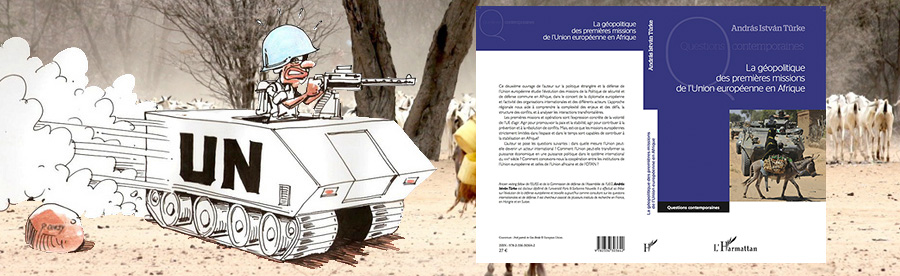
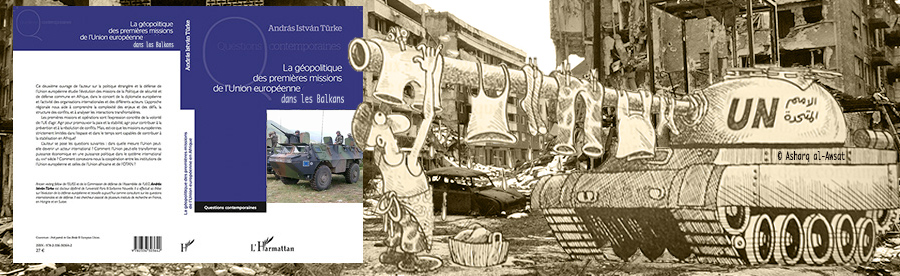
We are looking for sponsors for the English translation of these books, please contact turkeandras(at)gmail(dot)com