
You are here
Feed aggregator
AMENDMENTS 1 - 277 - Draft report Towards an EU strategy to protect and strengthen the international justice system and its institutions, mechanisms and partners - PE790.940v01-00
AMENDMENTS 1 - 277 - Draft report Towards an EU strategy to protect and strengthen the international justice system and its institutions, mechanisms and partners
Committee on Foreign Affairs
Mounir Satouri
Source : © European Union, 2026 - EP
Committee on Foreign Affairs
Mounir Satouri
Source : © European Union, 2026 - EP
Categories: European Union
Onze personnes meurent dans l'incendie d'un foyer d'accueil en Algérie
Outre les décès, 19 personnes ont été blessées dans un incendie qui s'est déclaré dans un orphelinat de la municipalité de Mohammadia, à l'est de la capitale algérienne, selon les autorités.
Categories: Afrique
Cybersicherheit im Gesundheitssektor
Der Gesundheitssektor sieht sich weltweit einer zunehmenden Bedrohung durch Cyberangriffe ausgesetzt. Das European Repository of Cyber Incidents (EuRepoC) verzeichnete zwischen 2022 und 2025 insgesamt 351 signifikante Angriffe auf Gesundheitseinrichtungen. Diese Daten liefern erste Erkenntnisse über die Auswirkungen von und das Krisenmanagement nach Cyberangriffen auf das Gesundheitswesen und verdeutlichen, dass solche Angriffe eine Bedrohung für die öffentliche Gesundheit und die nationale Sicherheit darstellen. Die Datenauswertung zeigt, dass es eines Scharniers zwischen nationalen kritischen Sektoren und der europäischen bzw. der internationalen Ebene bedarf. Diese Funktion könnte der Nationale Sicherheitsrat einnehmen. Im Mittelpunkt steht dabei die Erstellung integrierter nationaler und internationaler Lagebilder auf Basis interdisziplinärer Auswertungen. Nur so können Bedrohungen systematisch erfasst, daraus wirksame Maßnahmen abgeleitet und der Gesundheitssektor ganzheitlich abgesichert werden.
Categories: Diplomacy & Defense Think Tank News
What to play next: development after the end of development
Manchester embodies reinvention like few other places. It built the world’s first industrial economy, watched it rust, and recast itself as the capital of England’s north. When protests turned deadly at the Peterloo massacre, it helped galvanise a tradition of organised labour and democratic reform — one that later produced the suffragettes, founded there by Emmeline Pankhurst. And when the band Joy Division collapsed, the remaining members re-emerged as New Order. That instinct — not to reassemble what broke, but to build something new — was the animating spirit when the University of Manchester’s Global Development Institute convened researchers in mid-April to ask: is the era of Development over? And if so, what replaces it?
Categories: Diplomacy & Defense Think Tank News
What to play next: development after the end of development
Manchester embodies reinvention like few other places. It built the world’s first industrial economy, watched it rust, and recast itself as the capital of England’s north. When protests turned deadly at the Peterloo massacre, it helped galvanise a tradition of organised labour and democratic reform — one that later produced the suffragettes, founded there by Emmeline Pankhurst. And when the band Joy Division collapsed, the remaining members re-emerged as New Order. That instinct — not to reassemble what broke, but to build something new — was the animating spirit when the University of Manchester’s Global Development Institute convened researchers in mid-April to ask: is the era of Development over? And if so, what replaces it?
Categories: Diplomacy & Defense Think Tank News
What to play next: development after the end of development
Manchester embodies reinvention like few other places. It built the world’s first industrial economy, watched it rust, and recast itself as the capital of England’s north. When protests turned deadly at the Peterloo massacre, it helped galvanise a tradition of organised labour and democratic reform — one that later produced the suffragettes, founded there by Emmeline Pankhurst. And when the band Joy Division collapsed, the remaining members re-emerged as New Order. That instinct — not to reassemble what broke, but to build something new — was the animating spirit when the University of Manchester’s Global Development Institute convened researchers in mid-April to ask: is the era of Development over? And if so, what replaces it?
Categories: Diplomacy & Defense Think Tank News, Europäische Union
« Je n’ai rien à me reprocher » : Renaud Muselier, président de la région Paca, et l’affaire de l’employé de maison
Categories: France
« J’en pleure d’émotion » : des militants de la première heure soulagés après le vote de la loi sur l’aide à mourir
Categories: France
« L’Assemblée a rendez-vous avec son histoire » : le Parlement donne son feu vert définitif au droit à l’aide à mourir
Categories: France
Fin de vie : calendrier, modalités… Tout ce qu’il faut savoir sur la loi de l’aide à mourir adoptée ce mercredi à l’Assemblée
Categories: France
Présidentielle : pour Elon Musk, Marine Le Pen « est le dernier espoir de la France »
Categories: France
Édouard Geffray, ministre de l’Éducation : « 88 000 faits de violences contre les enfants ont été signalés cette année »
Categories: France
« Un condensé de trumpisme » : Jean-Luc Mélenchon et Gabriel Attal s’écharpent autour du nombre de Canadair en France
Categories: France
Un trou de 125 milliards d’euros à combler d’ici 2032 : un rapport alerte sur le décrochage des finances publiques
Categories: France
« Nos enfants ne sont pas un spectacle » : à Paris, l’impossible débat sur le périscolaire entre parents et élus
Categories: France
« C’est une vraie tribu » : à Lanester, les fusiliers marins font partie de la famille
Categories: France
Procès du RN : le parquet général ne forme pas de pourvoi en cassation contre la décision de la cour d’appel
Categories: France
« Ce détournement n’est pas anodin » : Renaissance assigne le RN pour « contrefaçon » après son slogan de campagne pour 2027
Categories: France
Pages


© 2012-2018 Europa Varietas Foundation © 2015-2018 Europa Varietas Association
www.europavarietas.org | info(@)europavarietas(dot)org | Switzerland


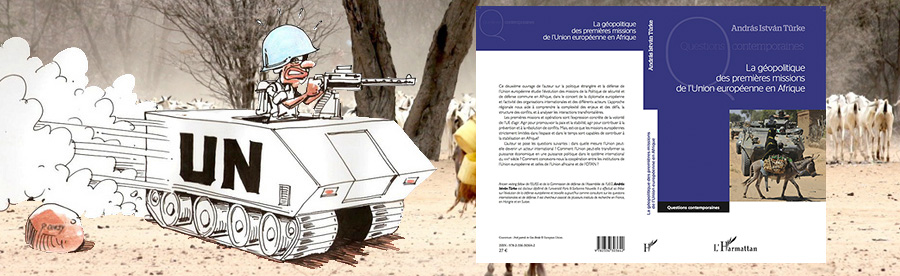
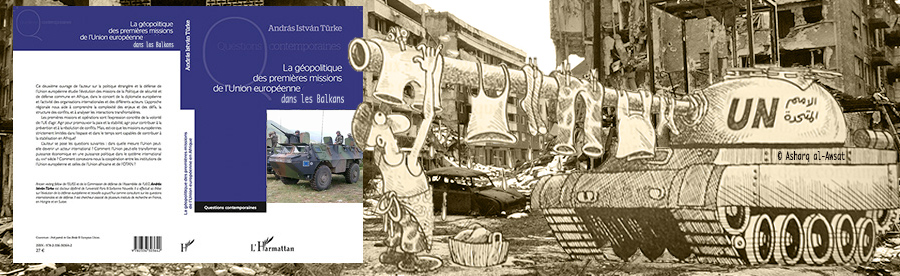
We are looking for sponsors for the English translation of these books, please contact turkeandras(at)gmail(dot)com