
You are here
Africa
Postponement not an option as Kenya races to be ready for Afcon 2027
African football boss Patrice Motsepe wants a "heightened sense of urgency" from Afcon 2027 co-hosts Kenya, Tanzania and Uganda as they face a race to be ready.
Categories: Africa, Swiss News
Postponement not an option as Kenya races to be ready for Afcon 2027
African football boss Patrice Motsepe wants a "heightened sense of urgency" from Afcon 2027 co-hosts Kenya, Tanzania and Uganda as they face a race to be ready.
Categories: Africa, Swiss News
Grim discoveries of murdered women spark fear in South Africa
Dineo Motapane is one of nine recent victims whose deaths have left a nation traumatised over the level of violence against women.
Categories: Africa, Balkan News
Grim discoveries of murdered women spark fear in South Africa
Dineo Motapane is one of nine recent victims whose deaths have left a nation traumatised over the level of violence against women.
Categories: Africa
Genf-Servette – Ajoie 3:4 n.P.: Frühes Tanus-Doppelpack bringt Ajoie auf Kurs
In Zusammenarbeit mit MySports präsentiert dir Blick die Highlights der Partie Genf-Servette – HC Ajoie (3:4 n.P.).
Categories: Africa, Swiss News
Fribourg – Lausanne HC 4:2: Seiler schickt Lausanne in die Seile
In Zusammenarbeit mit MySports präsentiert dir die Highlights der Partie Fribourg – Lausanne HC (4:2).
Categories: Africa, Swiss News
Deutsch-Fail bei Zappalot: Bei ihr ist «der Funke angezündet»
Kurz vor dem Umstyling liegen die Nerven blank und die Funken beginnen zu brennen... oder so ähnlich. Zappalot freut sich auf das geile Makeover der Nerds.
Categories: Africa, Swiss News
Kuriose Rettung auf Sardinien: Touristinnen ignorieren Verbotsschilder und versinken im Schlamm
Zwei Touristinnen ignorierten in einem Naturpark auf Sardinien die Absperrung. Und versanken hüfthoch in einem Schlammbecken. Immer wieder ignorieren Touristen Verbotsschilder oder Naturgesetze und geraten in bizarre Notlagen.
Categories: Africa, Swiss News
Senegal job an 'absolute dream' for new boss Vieira
Former France international Patrick Vieira, a World Cup winner in 1998, says taking charge of Senegal, the nation of his birth, is an "honour".
Categories: Africa, Swiss News
Senegal job an 'absolute dream' for new boss Vieira
Former France international Patrick Vieira, a World Cup winner in 1998, says taking charge of Senegal, the nation of his birth, is an "honour".
The Connection Between Urbanization and Poverty: How Cities Can Reduce Poverty – Or Deepen It
The link between urbanization and poverty may be determined by how cities are planned and governed, according to UN reports. Credit: Benjamin Shurance/Unsplash
By Shuli Wong
UNITED NATIONS, Sep 18 2026 (IPS)
Urbanization can help concentrate jobs, services, and investments; however, it can also concentrate unaffordable housing, insecure employment, and unequal exposure to contamination and environmental threats. A recent report from the UN Special Rapporteur on extreme poverty and human rights, argues that the difference is not urbanization itself, but how cities are planned, governed, and financed.
Elena Díaz Galán’s report, Cities and Poverty, issued earlier in July and examines social exclusion and the structural drivers of poverty in cities. In it, Galán looks at how land use, housing infrastructure, public services, and participation can either exacerbate or mitigate poverty.
In an exclusive interview with Inter Press Service, Anacláudia Rossbach, UN Under-Secretary-General and Executive Director of UN-Habitat, highlighted how the report’s findings closely align with UN-Habitat’s priorities, particularly in how “the central challenge lies not in urbanization itself, but in addressing the inequalities, deprivations and climate risks that accompany it, which affect people differently based on factors such as gender, age, or socio-economic status.”
UN-Habitat’s World Cities Report 2026: The Global Housing Crisis – Pathways to Action paints a bleak picture of the global housing crisis. Worldwide, at least 3.4 billion people lack access to adequate housing, with 1.1 billion people living in slums or informal settlements. As informal settlements become home to a significant and growing share of the world’s urban population, Rossbach emphasized how “informal settlements hold significant potential to contribute to more inclusive and sustainable urban development”. Informal settlements are often characterized by inadequate housing, limited access to basic services, infrastructure deficits, and insecure tenure; however, “they provide housing, livelihoods, social networks, and opportunities for millions of urban residents.”
Addressing Galán’s point in her report that urbanization has the power to reduce poverty or deepen inequality, Rossbach shared how UN-Habitat’s Strategic Plan 2026-2029 focuses on housing, land, and basic services as the foundation for sustainable development.
“We work to ensure that urbanization contributes to improving living conditions and increasing access to adequate housing, while preventing the deepening of existing inequalities and vulnerabilities, particularly for women and other groups that face multiple and overlapping forms of exclusion,” said Rossbach.
The Cities and Poverty report illustrated how poverty and inequality appear in spatial patterns. For example, low-income individuals are often pushed into more outlying and environmentally hazardous areas, leaving them vulnerable and lacking access to services, jobs, schools, and healthcare. Examples within the report illustrated how informal settlements in Dandora and Korogocho, located near Nairobi’s main landfill, are exposed to toxic environments, including polluted air and groundwater. Cycles of poverty often reinforce themselves in informal settlements. For example, in the peri-urban areas of Woldia, Ethiopia, due to the lack of formal water, sanitation, and electricity networks, the price of water can be up to 1,645 percent more than the price paid by those with private water pipes. These examples and additional costs illustrate the unequal cost of urban life. Showing how people who have the fewest resources are often times forced to pay more for lower-quality essential goods and services.
Building off of these points, Rossbach told IPS how UN-Habitat considers participatory in-situ upgrading as the most effective approach for improving living conditions in informal settlements. Instead of focusing on the eradication of settlements, policy responses should build on the social, economic, and environmental potential in these settlements and support their progressive improvement.
As informal settlements house a growing share of the world’s urban population, they hold potential for contributing to more inclusive, sustainable urban planning. Credit: Nikko Balanial/Unsplash
Successful interventions engage residents along all phases, from design, implementation, and maintenance, to ensure that local priorities, needs, and context-based solutions are taken into account. Most importantly, successful interventions require coordinated responses to integrate informal settlements into the wider urban fabric.
“When combined with broader housing policies and planning reforms, participatory in-situ upgrading can contribute to more inclusive, sustainable, and equitable urban development outcomes,” Rossbach said.
The Cities and Poverty report discussed urbanization through the lens of the processes that lead to it and the impact on human rights. Two urbanization models were included, the first of which is the “15-minute city”. The 15-minute city is an inclusive vision of urban development which seeks to ensure that all residents have access within a short walk or bicycle ride to essential daily services and opportunities. Examples include Shanghai’s Anshan Xincun 15-minute community life circles, which have shown increased mobility in the aging population, helping to make more equitable and inclusive cities.
However, greater accessibility within these 15-minute cities can also lead to gentrification. “When neighbourhoods become more attractive and better connected, land values and housing costs can rise, potentially displacing existing residents,” said Rossbach. In order to protect existing residents and ensure that these changes do not lead to displacement or exclusion, Rossbach proposed three principles for protection:
- 1. Proximity-based planning should help reduce spatial inequalities, not reinforce them.
2. Neighborhood improvements need to go hand in hand with measures to protect housing affordability and tenure security.
3. The communities and residents need to be involved at all levels and should have a meaningful role in deciding what is developed and how.
“The success of a 15-minute city should not be measured only by how quickly people can reach services, but by whether existing residents can continue to live in their communities and benefit from the improvements around them,” said Rossbach.
The second urbanization model discussed was ‘smart cities’. Smart cities utilize digital technologies, big data analytics, and artificial intelligence to improve upon the management and delivery of urban services. However, the report also warns that digitization and smart cities can reinforce existing inequalities and create a sense of double vulnerability where material poverty combines with exclusion from devices, connectivity, and digital skills.
Rossbach discussed how UN-Habitat promotes a “people-centered smart cities approach that puts people and their needs, rather than technology, at the center.” In particular, services and digital services need to be designed to address the realities of low-income neighborhoods and informal settlements, many of which lack affordable connectivity, devices, digital skills, and formal addresses. Most importantly, Rossbach said, “digitization should close existing inequalities, not reinforce them.”
UN-Habitat is working to close these existing inequalities through programs such as the United Nations Innovation Technology Accelerator for Cities (UNITAC). It developed the Building and Establishment Automated Mapper (BEAM), which helps cities better understand informal settlements and fast-growing urban areas by rapidly mapping buildings from aerial imagery. BEAM provides municipalities with better information to plan infrastructure, target upgrading programmes, and improve basic services.
Nonetheless, data itself does not ensure or create more equitable cities. The Cities and Poverty report emphasized how developing human rights indicators are essential, and so are inputting monitoring tools to evaluate the efficiency of government policies and action. Rossbach added that “inclusive digital transformation is about making people visible — both in data and in decision-making”.
Rossbach and Galán, through her report, have called for urban planning that puts human rights at the center. This means promoting affordable housing in well-connected areas, secure tenure, universal basic services, and more equitable investments across neighborhoods. Implementation needs to be people-centered and measured by whether existing residents can remain in their communities and share in the benefits.
IPS UN Bureau Report
Beauty-Wettbewerb in der Region Ybrig: Das sind Miss Schöneuter, Miss Kuh und Miss Rind
Schöneuter und Feststimmung: Bei der Viehschau Ybrig dreht sich am Freitag alles ums Vieh. Kühe marschieren im Umzug, Siegerinnen werden gekürt – und abends wird gefeiert.
Categories: Africa, Swiss News
South Sudanese teen who piloted migrant boat jailed in UK
Chan Mathok Atak has been sentenced to two years and three months in prison after piloting the boat.
Wo steckt Sarah Joelle Jahnel?: Ex-«DSDS»-Star seit zwei Wochen vermisst
Seit zwei Wochen kein Kontakt: Fatih Yüksel, Patenonkel von Sarah Joelle Jahnels Baby, meldet die Sängerin als vermisst. Ihre Freunde und Familie haben ebenfalls nichts von ihr gehört.
Categories: Africa, Swiss News
Selbst Nati-Legende Frei ist voll des Lobes: FCZ-Überflieger Schödler lief jahrelang unter dem SFV-Radar
Leandro Schödler wird für seinen starken Saisonstart mit einem Aufgebot für die U21-Nati belohnt. Was Coach Alex Frei über das FCZ-Juwel sagt. Und weshalb der Überflieger zwar immer einer der Grössten war, aber trotzdem ein Spätzünder ist.
Categories: Africa, Swiss News
Energiekrise verschärft sich: Saudi-Arabien liefert auch im Oktober kein Öl nach Europa
Saudi-Arabien stoppt im Oktober Öl-Lieferungen nach Europa. Grund: Ein Drohnenangriff zerstörte die Ost-West-Pipeline. Mindestens zwei Raffinerien seien betroffen.
Categories: Africa, Swiss News
Wegen Auftritt in Russen-Video: NHL-Star darf nicht mehr nach Lettland einreisen
Der russische NHL-Star Alexander Owetschkin darf nicht nach Lettland einreisen. Die Regierung in Riga setzte den Hockeyspieler auf die Liste unerwünschter Personen. Grund ist seine Nähe zu Wladimir Putin und ein Auftritt in einem Wahlspot der Kreml-Partei.
Categories: Africa, Swiss News
Police begin operation to move migrants from Ceuta beaches
Police reportedly fired into the air on Friday morning as they struggled to contain crowds jostling to secure a place at the tented site.
Outpacing Foreign Aid, Migrant Remittances Are a Lifeline Ensuring Families Are Fed and Healthy, Says IFAD
Migrants now send home more money than foreign aid, and this is pulling rural families out of poverty, according to the International Fund for Agricultural Development (IFAD). A new report, Sending Money Home, released this week, asserts that remittances have become the world’s largest and most resilient source of household finance during overlapping economic, environmental […]
WHO Launches New Global Health Strategy for Childhood Cancer Medications
WHO team visits the pediatric oncology ward at the King Hussein Cancer Centre in Amman, Jordan. November 2025. Credit: WHO
By Shreya Komar
UNITED NATIONS, Sep 18 2026 (IPS)
When a child is diagnosed with cancer, their chances of survival should not depend on where they live, yet according to the WHO, more than 80 percent of children with cancer in high-income countries are cured, compared with fewer than 30 percent in many low- and middle-income countries (LMICs).
The key gap lies in access to available medicines. In East Africa, hospitals report frequent stockouts of essential chemotherapy agents, with shortages affecting 32–49 percent of critical medicines such as methotrexate and etoposide. Survival therefore depends less on the discovery of new therapies and more on whether children are able to access and complete uninterrupted treatment.
“No child should be denied a chance of survival because the medicines they need are unavailable, unaffordable, or out of reach,” affirmed Dr Carlos Rodriguez-Galindo, Executive Vice President of St. Jude Children’s Research Hospital.
In efforts to combat this issue and in honor of Childhood Cancer Awareness Month, the World Health Organization (WHO) and its collaborators at the Global Platform for Access to Childhood Cancer Medicines published a new strategy report with a roadmap to strengthen the global market and improve the circulation of childhood cancer medicines in many LMICs.
Each year, an estimated 400,000 children develop cancer. Unlike many adult cancers, childhood cancer is generally not preventable. As a result, the most effective strategy for improving outcomes is to ensure that children receive a prompt and accurate diagnosis, followed by effective, evidence-based treatment and tailored supportive care.
The report highlighted many key barriers LMICs face when implementing this strategy. First, the supply of essential childhood cancer medicines is unreliable and depends on a small number of manufacturers, especially for medicines that meet international quality standards.
Secondly, LMICs often buy small amounts of cancer medicines, making supply less reliable and prices higher due to perceived low demand. Limited government funding and poor planning can also lead to shortages. Cancer medicines may take years to become available in LMICs because of slow approval processes. There is little investment in medicines designed specifically for children, especially for low-resource settings. This is partly because childhood cancer affects fewer people, making it a smaller market for companies.
“Persistent market challenges continue to affect access for children, and it is critical that we continue to work together to enhance the reliability and affordability of childhood cancer medicines,” said Dr. Kennedy Lishimpi, Permanent Secretary for Technical Services, Ministry of Health, Zambia.
Most types of childhood cancer can be cured with widely available generic medicines and other forms of treatment, including surgery and radiotherapy. Yet children in LMICs often face significant barriers to accessing these lifesaving interventions. Lower survival rates are driven by delays in diagnosis, difficulties obtaining an accurate diagnosis, limited access to appropriate therapy, treatment abandonment, death from treatment-related toxicity, and avoidable relapse.
Improving access to childhood cancer care, including essential medicines and technologies, has the potential to improve survival across all income settings.
The report also mentions how cost of treatment was another big barrier to care. In some cases, More than 70 percent of children being treated for leukaemia stop or do not complete their cancer treatment due to financial reasons.
The Global Platform prioritized a set of ten interventions in the report that will be implemented over 2026-2030. These included working more closely with medicine companies, increasing the number of reliable suppliers, speeding up medicine approval, improving planning and purchasing, and strengthening access to affordable, quality-assured childhood cancer medicines. The interventions also focused on supporting research, improving price information, including these medicines in national health coverage, and encouraging the development of new treatments.
“Rather than focusing only on individual products or prices, market shaping interventions aim to strengthen overall market health by improving the conditions required for sustainable access,” the report states.
In practice, this could look like integrating childhood cancer medications into national health benefit packages. For example, in 2024, Nepal declared free treatment for children with cancer at public health facilities.
“Where the price is more friendly, there are plenty of suppliers; that’s sort of the goal we’re trying to reach,” said Rongrong Liu, program manager from St. Jude’s global operations.
Additionally, the report also mentions that voluntary licensing could play an important role in improving access to new childhood cancer medicines in LMICs by allowing other quality-assured manufacturers to produce medicines that are still protected by patents. This could increase the number of suppliers, improve competition, lower prices, and help medicines reach LMICs sooner, reducing delays caused by high costs or dependence on a single manufacturer. The Global Platform plans to work with companies that own these medicines to negotiate licensing agreements for priority medicines. These agreements would allow selected manufacturers to produce and supply the medicines in LMICs under agreed conditions.
“At the beginning, we have focused only on clinical forecast, but in reality there are a lot of logistical parameters that we need to consider,” said Alessio Mola, pharmacist at WHO, emphasizing the importance of the proposed market strategies.
The newly launched roadmap provides good guidance on strengthening child cancer medicine markets and supply systems and is an essential step toward closing the survival gap and ensuring that where a child is born does not determine whether they survive cancer.
IPS UN Bureau Report
Categories: Africa, Swiss News
Pages
the old site is here


© 2012-2015 Europa Varietas Foundation © 2015-2020 Europa Varietas Association
www.europavarietas.org | info(@)europavarietas(dot)org | Switzerland
This is a GDPR ready site
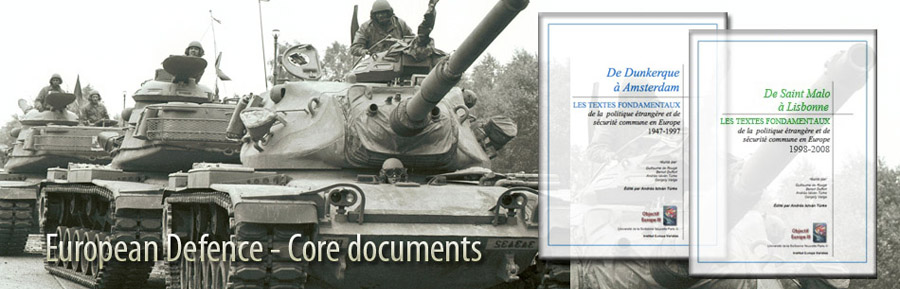
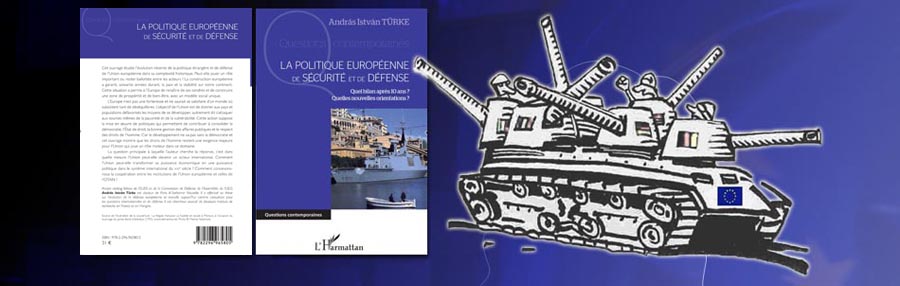
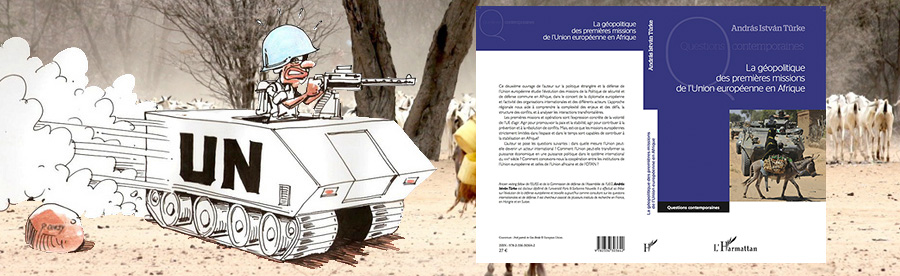
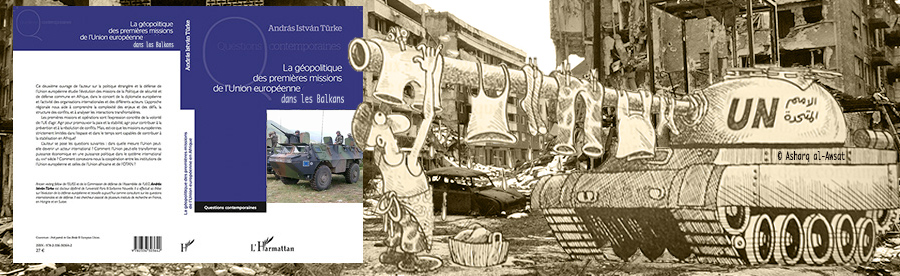
We are looking for sponsors for the English translation of these books, please contact turkeandras(at)gmail(dot)com